REVIEW · PARIS
Fragonard Paris – Mini Perfume workshop – only in Spanish
Book on GetYourGuide →Operated by LE MUSEE DU PARFUM FRAGONARD · Bookable on GetYourGuide
Perfume-making in 45 minutes sounds risky. But it works. In the middle of a historic private mansion, you get a guided look at Fragonard Paris perfume objects, then you leave with a custom mini bottle you made yourself.
I particularly like two parts: first, the chance to create a 12 ml Eau de Toilette spray, with coaching as you mix and adjust. Second, the guided museum time feels more like a story than a slideshow, with old bottles and scent history tied to how perfumers think and work.
One thing to plan for: the whole experience runs in Spanish, and the schedule is tight. If you want long explanations or lots of photos, you might feel the clock is moving quickly.
In This Review
- Quick hits before you go
- Fragonard Paris: what this mini workshop is really like
- Inside the Fragonard museum: bottles, curators, and perfume as craft
- From “perfume myths” to your nose: the olfactory pyramid moment
- Making your own 12 ml Eau de Toilette: what you’ll do in the workshop
- Language matters: Spanish-only means planning a little
- Timing and getting in: how to not lose minutes
- Price and value: is $36 worth a museum intro plus 12 ml?
- Who should book this mini perfume class
- What to bring (and what not to)
- Should you book Fragonard Paris mini perfume workshop?
- FAQ
- How long is the Fragonard Paris mini perfume workshop?
- Is the workshop available in English?
- What do I make during the class?
- How much time is spent on creating the perfume?
- What’s included in the ticket price?
- Where do I meet for the tour?
- Is food or drink included?
- Are oversize bags allowed?
- Is the workshop suitable for mobility impairments?
Quick hits before you go
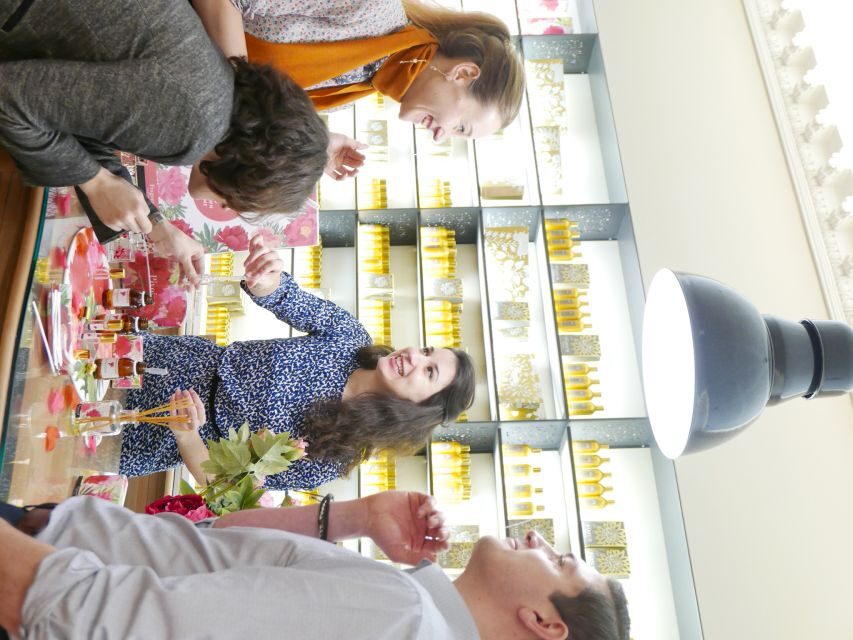
- 12 ml takeaway perfume made during the class, in a convenient spray format
- Museum tour in a perfume-themed mansion, covering bottles and artifacts tied to perfumery
- Olfactory training using the olfactory pyramid and scent recognition exercises
- Grasse and missing raw materials explained in the context of how fragrances are created
- Schedule is short and on time, so showing up late can limit your access
Fragonard Paris: what this mini workshop is really like
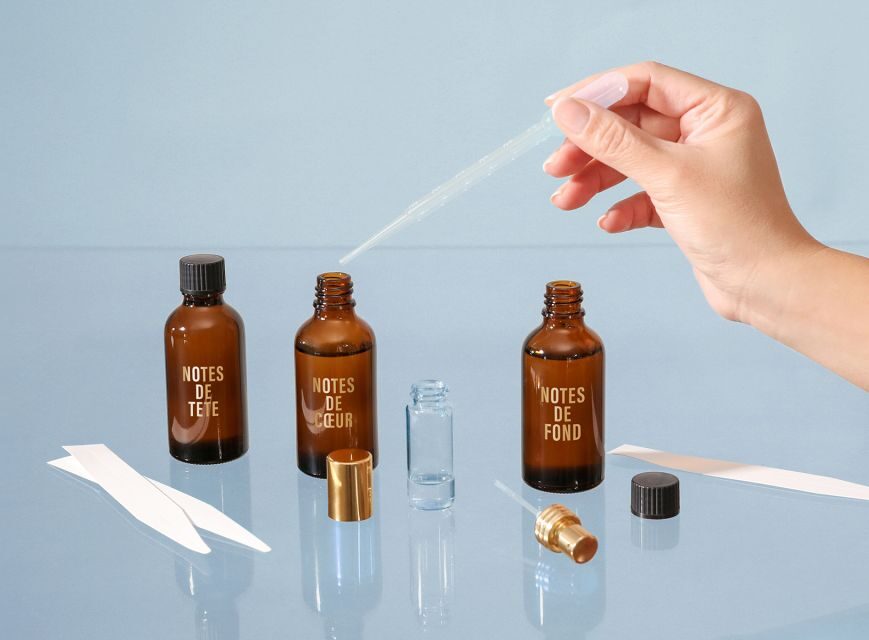
This is a compact, hands-on Fragonard mini perfume workshop inside the Le Musée du Parfum Fragonard. The vibe matters. You’re not just standing in a classroom—your time begins in a setting described as a historic private mansion with a Second Empire feel, where old fragrance bottles are treated like art objects.
The structure is simple: you start with a guided museum visit, then you shift into scent history and sensory practice, and finally you make your own eau de toilette. Even though it’s brief, it’s designed to teach you how perfumers go from ingredients and concepts to something you can actually smell, mix, and take home.
Also, the experience leans into the story behind perfume: its mythology as a luxury object, the evolution of fragrance bottles over time, and how perfumers use scent memory. That combination—object + process + personal creation—is why this class can feel fun even if you’re not a fragrance expert.
You can also read our reviews of more tours and experiences in Paris
Inside the Fragonard museum: bottles, curators, and perfume as craft
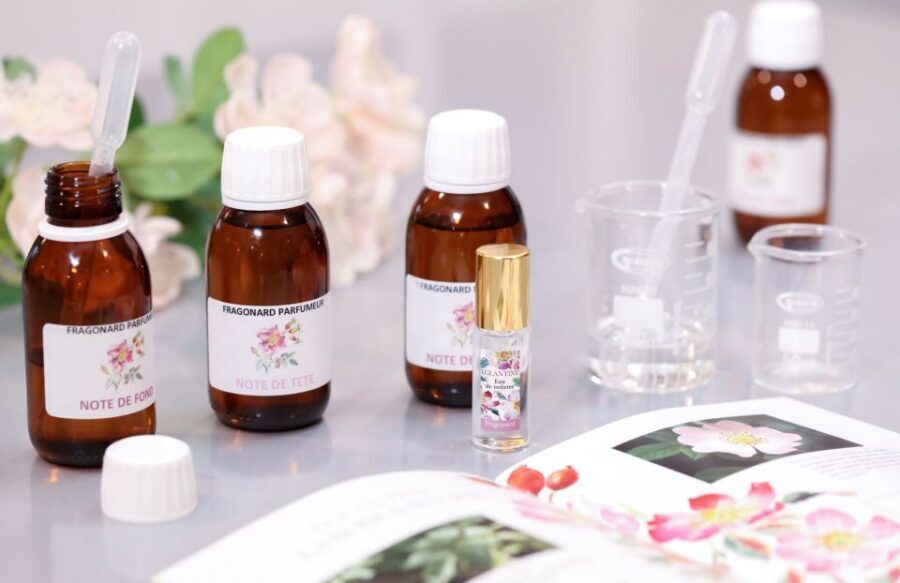
Your tour starts at the museum front desk, and you’ll move through a collection that focuses on perfume as a craft and a cultural object. The museum is presented as something like a perfumer’s laboratory, and the setting supports that idea: you roam a space built around fragrance history rather than generic sightseeing.
What makes this part interesting is the range of what you’re seeing and hearing. You go through:
- A first section connected to perfume-making history, including Grasse as a key reference point, plus the challenge of missing raw materials and how that shapes the making of fragrances.
- A second part that highlights ancient objects, artistic pieces, and goldsmith craftsmanship. The museum connects the artistry of perfume to objects and workmanship, not only to smell.
You’ll also encounter unusual bottles described as witnesses of social and cultural habits—going from pharaohs to Fabergé. That kind of time-span can be a lot in one visit, but the guiding approach helps frame it: bottles aren’t just containers; they’re part of how luxury culture communicated status and taste.
A small reality check: this is still a mini workshop. The museum time is described as a 20-minute visit, so you won’t get to linger. If you like museums at a slow pace, plan to treat this as an introduction you might want to explore again later on your own.
From “perfume myths” to your nose: the olfactory pyramid moment
After your museum visit, the session moves into scent education. This is one of the most valuable parts of the class because it gives you language for what your nose is doing.
You’ll hear about:
- The history and origin of the special flower used in the workshop’s final fragrance theme
- How that flower is used in perfumery
- A structured sensory moment that builds olfactory memory
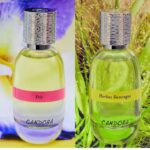
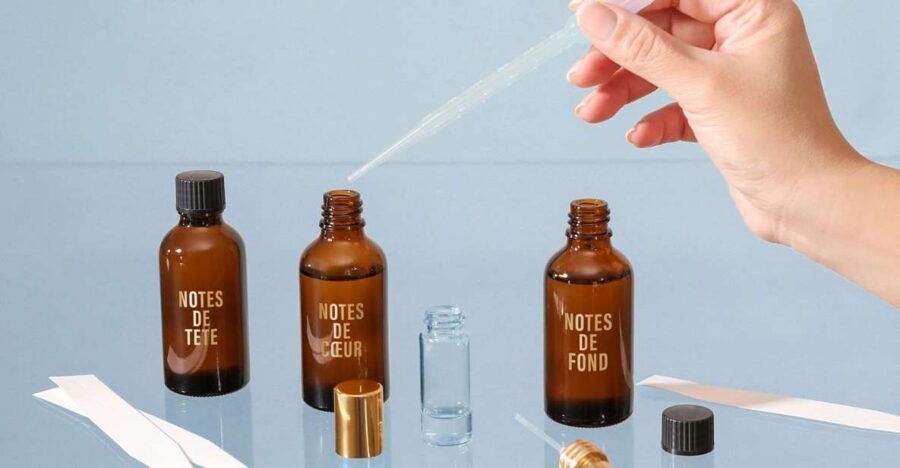
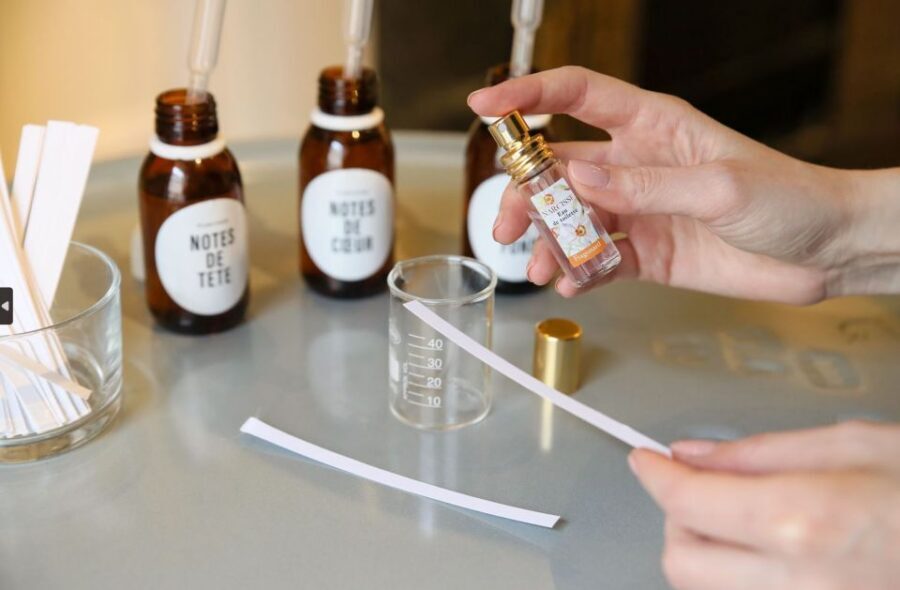
The highlight here is the explanation of the olfactory pyramid. Even if you don’t remember every detail, the goal is to help you understand how a perfume unfolds for you over time. Then you do a recognition exercise with 3 mixed compositions that are linked to the Eau de Toilette Flor del Year.
This is the “trainer wheels” part. You’re not just making a perfume—you’re learning how to notice differences in scent and how those differences become a final blend. It’s also the part that turns perfume from something vague into something practical you can talk about.
Making your own 12 ml Eau de Toilette: what you’ll do in the workshop
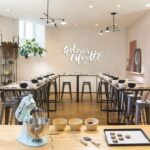
The final stage is the perfume creation portion, described as a 15-minute perfume workshop. This is where the experience becomes personal.
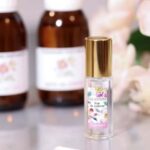
You create and customize your own Eau de Toilette (12 ml in spray) using guidance from your teacher. The workshop is short, so the teaching approach is meant to be direct and actionable—enough structure to help you make a choice without turning it into a long chemistry lesson.
Here’s what to expect in terms of feel:
- You’ll spend your time focused on scent decisions rather than reading labels.
- You’ll likely get quick instructions to help you combine and adjust what you’ve been working with during the sensory segment.
- You end up leaving with something concrete: a small bottle you can use after the class, not just a memory.
The most praised element from the overall experience is exactly this—creating your own perfume—because you get a real result, fast. Even if you’re shy about fragrance, the process is designed so you’re not stuck guessing alone.
Language matters: Spanish-only means planning a little
This workshop is only in Spanish, and the instructor is Spanish-speaking. If your Spanish is solid for listening, you’ll probably enjoy the flow. If it’s basic, you can still participate, but you’ll need to focus hard on what the teacher does and the scent cues in front of you.
A practical tip: arrive with a simple mindset. Treat it like a guided craft class where smells and steps are the main “language.” And because the schedule is tight, don’t count on long back-and-forth explanations.
Also, one caution that comes up with this kind of format: the start can feel disorganized at the doorway, and the tour can start without that warm-up moment where everyone feels fully oriented. So get there early and do the legwork yourself—find the front desk, check in, and get your bearings fast.


Timing and getting in: how to not lose minutes
This is a 45-minute experience, and it begins on time. You’re advised to arrive 5 minutes before the start, because no lag can access the workshop room.
In other words: don’t plan to arrive “around.” Treat it like a timed show. If you’re running late, you’re not just risking missing a lesson—you might risk missing access to the room where the active part happens.
The length also explains why some people find it short for extras like photos. You’re paying for a guided introduction plus a hands-on creation, not for a long, slow roam with time to frame and shoot every bottle.
Price and value: is $36 worth a museum intro plus 12 ml?
At $36 per person, you’re getting more than a typical “smell and watch” demo. You receive:
- Entrance to the perfume creation workshop
- A guided tour of the Fragonard perfume museum
- A 12 ml perfume creation made during the class
What makes the value feel reasonable is that you’re leaving with a product, not only education. And the education isn’t generic: it ties museum objects to how perfumery works and then connects it to an olfactory exercise before you mix your own.
If you want a cheap souvenir, this isn’t that. If you want a guided, guided-feeling experience with a take-home result, it can be a good match for the money—especially because the total time is short and the structure is designed to keep you actively involved.
Who should book this mini perfume class
Book it if you:
- Want a hands-on Eau de Toilette workshop without committing to a full day
- Like museums but also like activities where you do something with your hands and nose
- Enjoy learning how luxury objects connect to real craft steps (not just admiring bottles)
Skip it (or at least reconsider) if you:
- Need step-by-step explanations in English (Spanish-only is a constraint)
- Want lots of time to linger and take photos
- Have mobility limitations, since it’s noted as not suitable for people with mobility impairments
What to bring (and what not to)
Two practical things come straight from the rules:
- Oversize luggage isn’t allowed, so keep your bag small.
- Plan to show up on time, because entry to the workshop room is strict.
For the rest, you don’t need a kit. The workshop provides what you need for the perfume creation process; your job is to show up ready to smell, listen, and mix.
Should you book Fragonard Paris mini perfume workshop?
I’d say book it if you want a compact, structured fragrance experience with a real payoff: your own 12 ml spray plus a guided tour through a perfume museum focused on objects and the craft behind them. The best part is the combination—museum context plus scent training plus making something you can actually use.
I wouldn’t book it if your top goal is a long museum session or if you rely on English-heavy explanations. Also, because the start can feel a bit hectic at the door and the schedule is short, show up early and assume you’ll be moving at a steady pace.
If that sounds like your kind of Paris activity—French, scent-focused, and creative in a hurry—this is an easy yes.
FAQ
How long is the Fragonard Paris mini perfume workshop?
The experience lasts about 45 minutes.
Is the workshop available in English?
No. The workshop is only available in Spanish.
What do I make during the class?
You create your own Eau de Toilette of 12 ml in spray format.
How much time is spent on creating the perfume?
The perfume creation workshop portion is described as about 15 minutes.
What’s included in the ticket price?
It includes entrance to the perfume creation workshop plus a guided tour of the Fragonard perfume museum, and your 12 ml perfume creation.
Where do I meet for the tour?
Meet at the Fragonard Perfume Museum front desk.
Is food or drink included?
No. Food and drinks aren’t included.
Are oversize bags allowed?
No. Oversize luggage is not allowed.
Is the workshop suitable for mobility impairments?
It’s noted as not suitable for people with mobility impairments.