REVIEW · PARIS
From Paris: Day Trip to Champagne with 8 Tastings & Lunch
Book on GetYourGuide →Operated by My Winedays · Bookable on GetYourGuide
The Champagne region hits different when someone else drives. This full-day tour takes you from central Paris to the heart of Grand Est with 8 Champagne tastings, a guided tour of a major Champagne house, and lunch paired with sparkling wines.
I love how the day doesn’t treat Champagne like a souvenir stop. You get a structured way to taste (not just sip), plus a real contrast between a big name house and a smaller producer, which makes the differences feel obvious instead of confusing. One possible drawback: it’s long, with a lot of time on the minivan, so it helps if you’re OK with a 10–11 hour day and some wine-fueled walking in and around producers.
In This Review
- Key Highlights You’ll Actually Feel During the Day
- A Champagne Day Trip That Teaches You How to Taste
- Morning Pickup and the Minivan Ride Out of Paris
- The Big Champagne House: Cellars, Production, and Your First Real Taste
- Vineyard Tastings on the Move: Terroir in Plain Language
- Lunch Paired With Champagne Styles You’ll Recognize Later
- Second Producer Stop: Comparing a Different Kind of Champagne
- How the 8 Tastings Work (And How to Get More Out of Them)
- Price and Value: What You’re Paying For
- Who This Tour Fits Best (and Who Should Skip It)
- What to Bring: Warm Clothes and a Clear Plan
- Should You Book This Champagne Day Trip From Paris?
- FAQ
- How long is the Champagne day trip from Paris?
- What’s included in the price?
- Do you visit both a large Champagne house and smaller producers?
- What types of Champagne will I taste?
- Is lunch included, and is it paired with Champagne?
- What languages are the guides available in?
Key Highlights You’ll Actually Feel During the Day
- 8 tastings over the day, covering multiple Champagne styles
- Two producers: a major Champagne house plus a smaller family estate or cooperative
- A wine expert-led tasting flow that teaches you what to notice in each glass
- French lunch paired with Champagne, served at a winemaker’s house or a quality local restaurant
- Hotel pickup in central Paris and air-conditioned transportation
A Champagne Day Trip That Teaches You How to Taste
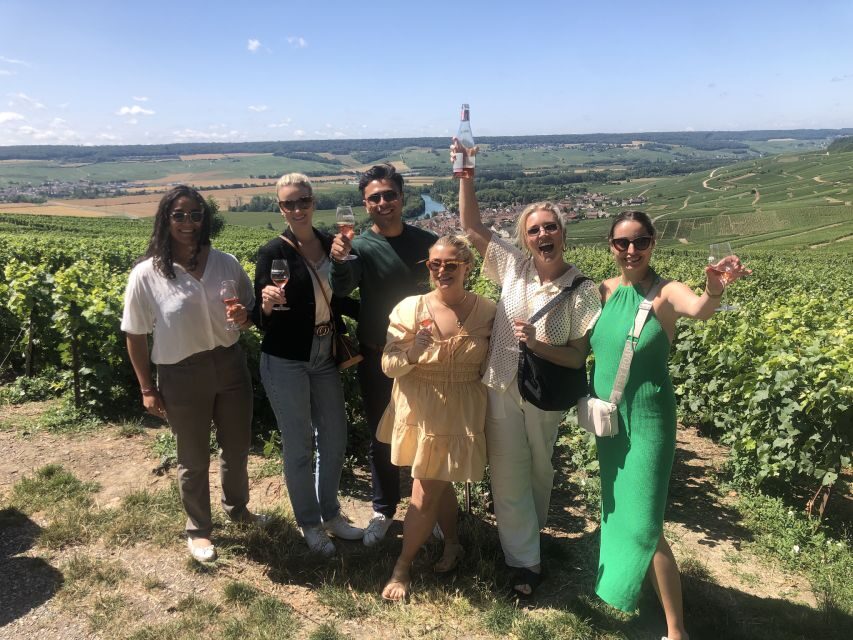
If you’ve ever left a wine tasting with the vague feeling that everything tasted good, you’ll likely enjoy this setup. The tour is built around learning how Champagne works and how to taste it with more clarity, while still keeping the day fun and social.
You start with a tasting mindset, then you see production up close at a large house. After that, you get the countryside and vineyard context, and later you shift to a second producer that uses a different scale or approach. That rhythm matters: Champagne doesn’t taste the same just because the label changes; it tastes different because of how grapes are grown, pressed, aged, and blended.
One more thing I like: you’re not stuck with a single “vending-machine” tasting. The format spreads tastings out across the day, so you’re not trying to remember five different pours at the very end.
You can also read our reviews of more wine tours in Paris

Morning Pickup and the Minivan Ride Out of Paris
Your day begins with pickup from central Paris hotels, then you ride out in an air-conditioned minivan. It’s a practical start: you don’t have to figure out trains, transfers, or parking. You just get in, sit down, and let the route carry you into the Champagne region.
On the drive, the guide brings Champagne context along the way. You’ll also get fresh croissants before you even reach the vineyards. That’s a small detail, but it’s smart. A lot of day trips start too early and then run on coffee and hope. Here, you arrive with enough fuel to enjoy the tours and lunch.
If you’re the type who wants to see views, keep your eyes open as you leave the city. Several guides build in moments for talking and looking at the valley or vineyard scenery on the way (time permitting), like quick stops for photo-friendly outlooks described by guests.
The Big Champagne House: Cellars, Production, and Your First Real Taste
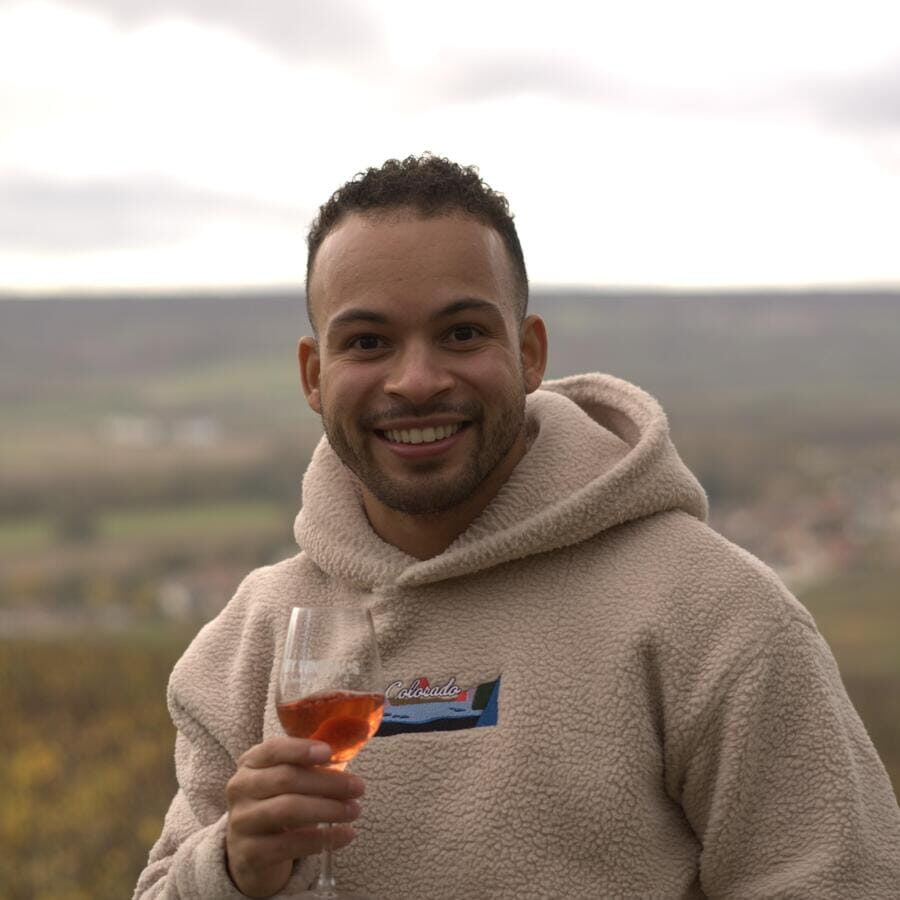
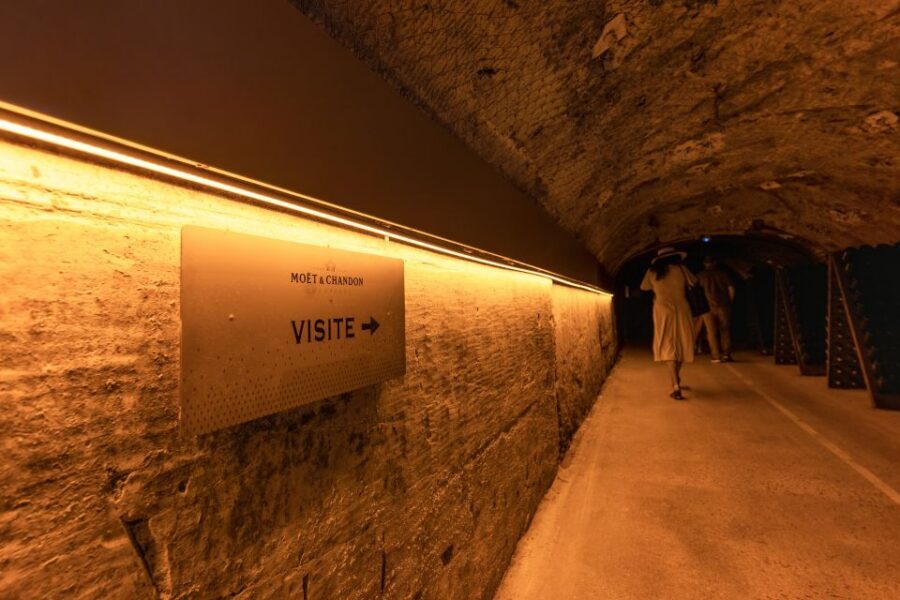
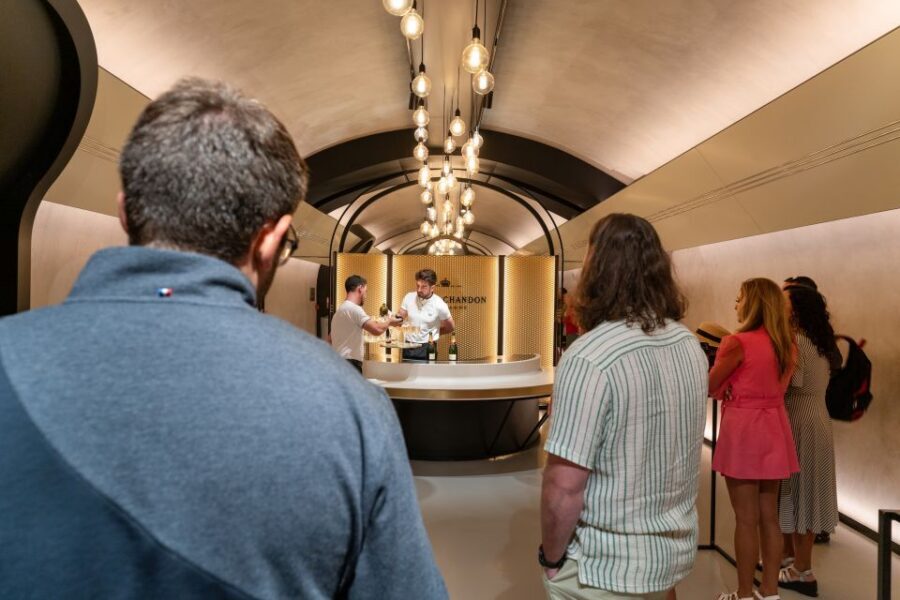
One of the best parts of this tour is the first producer stop at a well-known Champagne house—think Mumm, Veuve Clicquot, Moët & Chandon, Mercier, Pommery, Lanson, or Nicolas Feuillatte. You get a guided visit that includes exploring cellars and walking through the basics of how Champagne is made.
This stop isn’t just about seeing impressive architecture or branding. A major house gives you a clear, organized picture of Champagne production at scale: where the wine spends time, how it’s handled, and what makes a style consistent year to year.
You’ll also get your first tasting here, which acts like a baseline. After tasting the first styles, everything later in the day makes more sense. When you compare that baseline with what you taste at the second stop, the differences feel less random and more explainable.
Vineyard Tastings on the Move: Terroir in Plain Language
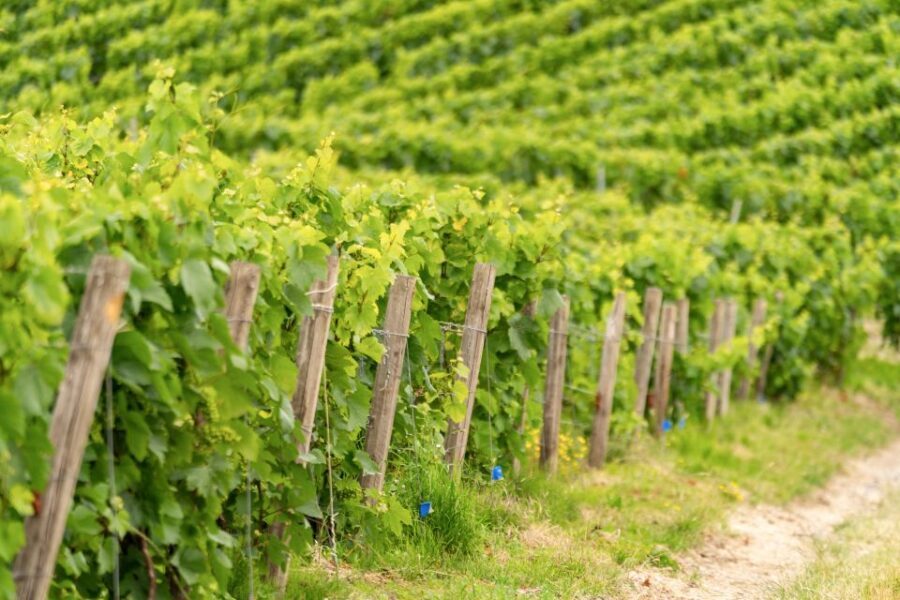
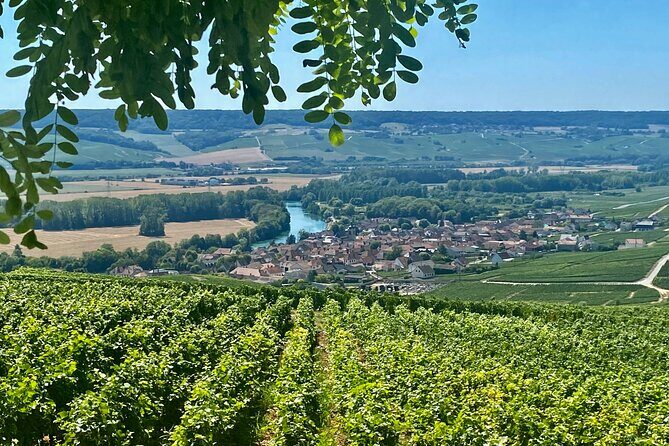
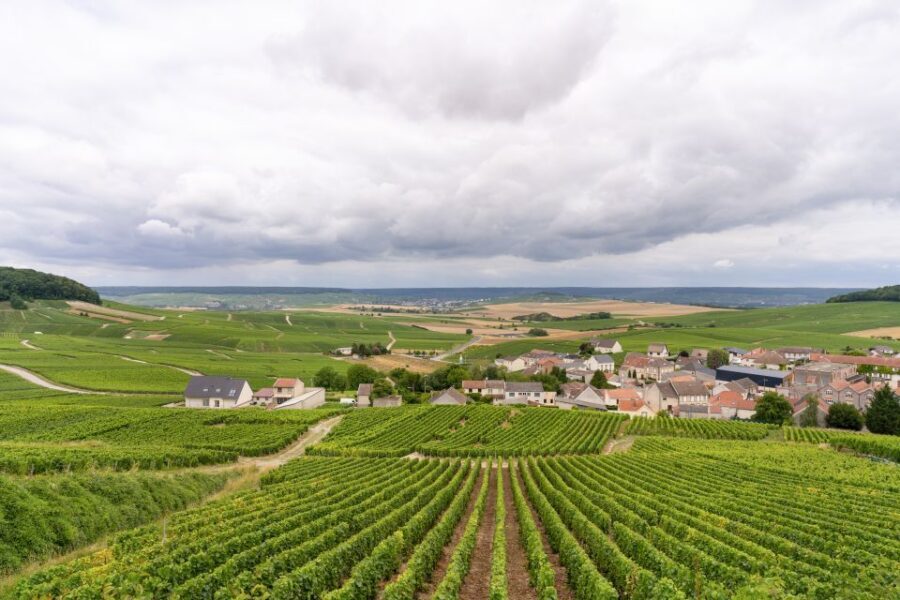
Between the major house and lunch, you head through the vineyards toward your next stop. This is where the guide often slows things down just enough to make the region feel real, not just far away.
You’ll enjoy coffee and/or tea along the way, then learn while you taste. The tour is designed to help you connect what you’re tasting to what’s happening in the vineyard—soil, grape variety, and the idea of terroir. Your guide may explain how winemaking choices shape the final bottle, and you’ll practice noticing differences while you’re still in “Champagne mode.”
A practical tip for you: when the guide gives tasting cues, write the simplest notes in your phone. Even one-word cues like dry, citrus, floral, brioche-like, or richer helps you avoid the classic problem of remembering the day as a blur of bubbles.
Lunch Paired With Champagne Styles You’ll Recognize Later
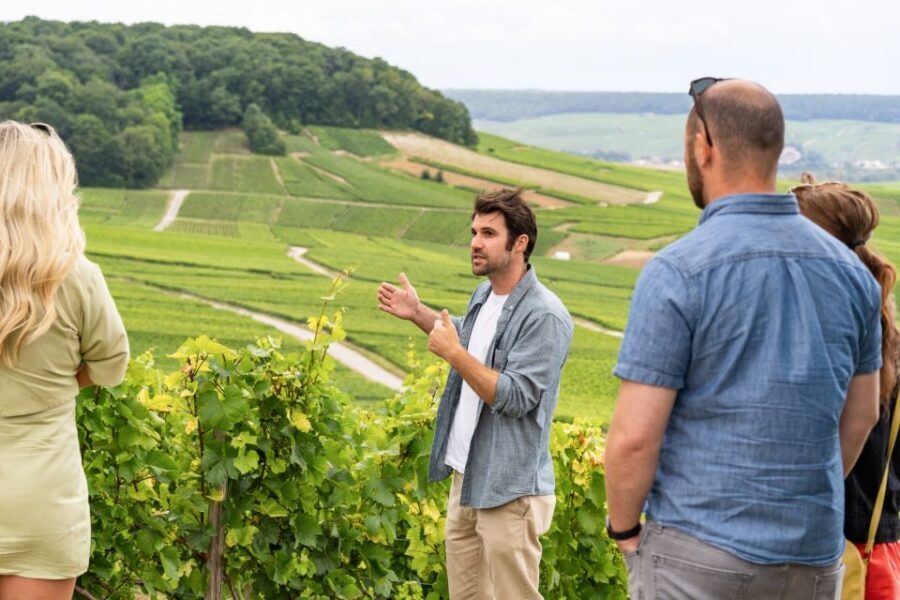
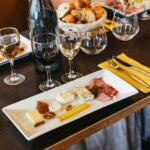
Lunch is served either at a family-run Champagne house or a quality local restaurant. Either way, you’re set up for a traditional French meal paired with Champagne styles such as Blanc de Blancs, Blanc de Noirs, Rosé, and sometimes ratafia when it’s available.
This is the part of the day where you get your reward and your education at the same time. The key is the pairing. Champagne isn’t just a drink you hold; it’s a flavor tool that changes how you experience food, especially classics of French cuisine.
You’ll usually get a tasting as part of the lunch break. That matters because you’re eating, breathing, and resetting. By the time you’re back in the van, you’re ready for the second producer stop without feeling like your palate has been overworked.
If you care about buying bottles, this is also a good moment to start thinking about what you’d actually want at home. The day’s tastings give you options, but lunch helps you decide what you liked for real enjoyment, not just curiosity.
You can also read our reviews of more tours and experiences in Paris

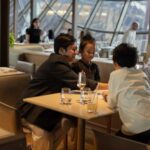
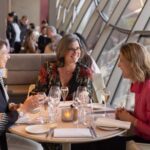
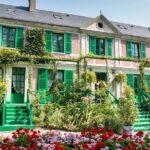
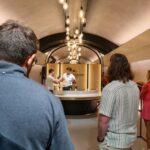
Second Producer Stop: Comparing a Different Kind of Champagne
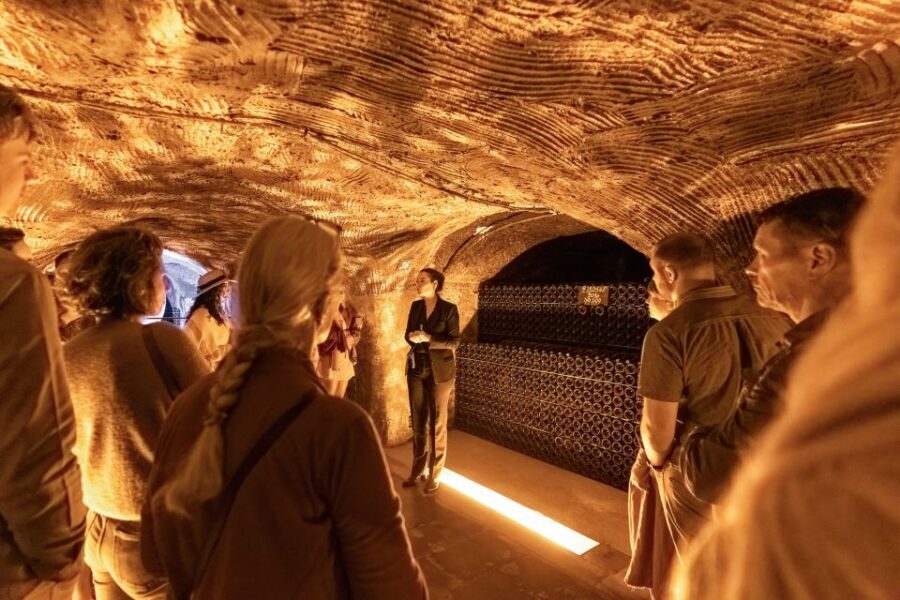
In the afternoon, you visit a second producer: either a smaller family estate or a cooperative. The contrast is intentional. A major house and a smaller producer tend to reflect different priorities, farming rhythms, and blending choices.
This is where you often start to taste with confidence. After tasting once at scale, your second visit feels like a new lens. You may notice texture, fruit expression, or how the bubbles feel in your mouth. You also get another guided tour and another tasting.
Some guides also add a short extra moment depending on timing, like a quick viewpoint stop or a historical break related to Champagne heritage (like a church tied to Dom Pérignon mentioned by guests). Don’t assume it will happen every day, but the tour design allows the guide to add small “wow” moments when schedules cooperate.
How the 8 Tastings Work (And How to Get More Out of Them)
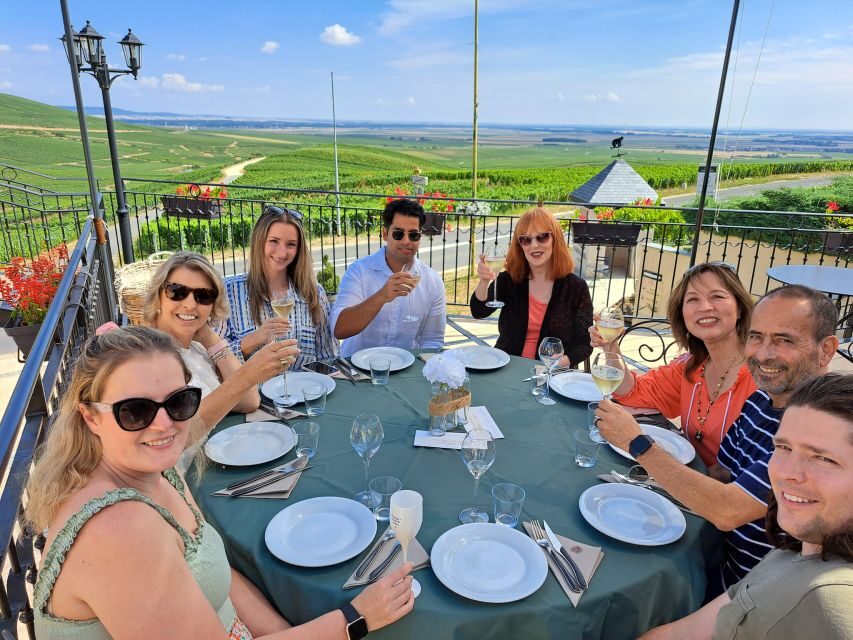
The day is structured for 8 different Champagne tastes, spread across the house tours and lunch. For many people, that’s the sweet spot: enough variety to learn, without turning the experience into a sprint.
Here’s how I’d approach it so you leave with something useful:
- Start by figuring out what kind of dry you like, if you like dry at all.
- Notice how each glass tastes before food versus with food.
- Pay attention to bubbles and texture. You’ll often find that some Champagnes feel crisp and tight, while others feel rounder.
Also, watch how the guide words things. When a wine expert leads tastings, they typically help you focus on a few consistent signals. That’s what makes the tasting feel educational rather than chaotic.
And yes, you’ll likely end up enjoying more than you expected. Multiple guests mention generous pours, and the tour is clearly built to keep you tasting throughout the day—not rationing glasses like a museum.
Price and Value: What You’re Paying For
At $345 per person for a 10–11 hour day, this tour isn’t the cheapest way to “go to Champagne.” But it can be good value if you price in what’s included:
- Hotel pickup from central Paris
- Air-conditioned minivan transportation
- Visits to two producers
- Skip-the-line entry via a separate entrance
- A wine expert-led tasting structure
- A traditional lunch paired with Champagne
- A total of 8 Champagne tastings
If you tried to DIY this, you’d still pay for transport, entrance fees, and the time cost of juggling schedules. Here, the “thinking part” is done for you: the route, the timing, and the tasting sequence.
This is especially worth it if you’re on your first Champagne trip and want a quick, clear introduction. If you already know exactly what producers you want and you have a plan for transportation, then DIY could feel simpler. But for most people, this structured day is a good way to learn without wasting precious vacation hours.
Who This Tour Fits Best (and Who Should Skip It)
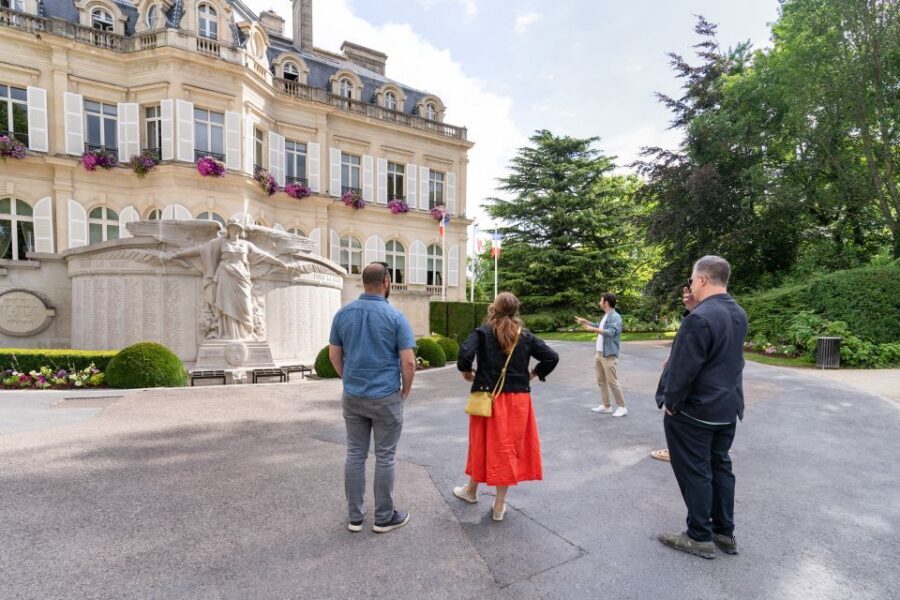
This tour fits best if you want an easy, guided day that gives you context and a lot of tasting variety. It’s also ideal if you like small-group energy; you’ll meet other people in the minivan and move together through the day.
It’s less ideal if you dislike long drives, or if you’re someone who wants a slow, unstructured vacation. You’ll be on the move most of the day, and you should expect a steady pace from stop to stop.
Also, it’s not suitable for wheelchair users based on the provided details. If mobility access is a concern, you’ll need to look for a different format that explicitly supports it.
What to Bring: Warm Clothes and a Clear Plan
Champagne is beautiful in daylight, but the region and cellar spaces can feel cool—especially if you’re visiting in winter or shoulder seasons. Bring warm clothing.
Beyond that, think like a day-trip eater:
- Wear comfortable shoes for cellar floors and winery grounds.
- Bring a light jacket for the van and outdoors moments.
- Have a small plan for your phone storage if you like photos. Views can happen along the route.
If you’re sensitive to wine, remember that tastings are part of every major stop. You don’t need to drink everything, but plan on being affected by bubbles and timing. In a long day like this, pacing matters.
Should You Book This Champagne Day Trip From Paris?
Book it if you want a Champagne day that’s more than a label tour. This experience is built for learning through tasting, with a major house for context and a second stop that shows you another way Champagne gets made. The lunch pairing is also a big deal: it’s where many people realize they genuinely like certain styles, not just that they like the idea of Champagne.
Don’t book it if you’re chasing a slow, purely scenic day with no structured stops, or if you strongly prefer DIY flexibility. The van time and the schedule are central to how this tour works.
If you’re deciding between options, I’d choose this when you want: hotel pickup, two producer visits, a tasting framework, and a French lunch included in the price. It’s a tight, satisfying way to experience Champagne from Paris without turning your day into logistics homework.
FAQ
How long is the Champagne day trip from Paris?
The tour lasts about 10 to 11 hours, with hotel pickup in central Paris and drop-off back in Paris at the end of the day.
What’s included in the price?
The package includes hotel pickup from central Paris, air-conditioned minivan transportation, a driver-guide, visits to 2 Champagne houses, 8 Champagne tastings, a wine tasting led by a wine expert, and a traditional lunch.
Do you visit both a large Champagne house and smaller producers?
Yes. You’ll visit a prestigious major Champagne house for a guided tour and tasting, then later you’ll visit a second producer that is either a family estate or a cooperative, with another tour and tasting.
What types of Champagne will I taste?
You’ll taste multiple styles during the day. The tour description specifically mentions Blanc de Blancs, Blanc de Noirs, Rosé, and that ratafia may be included when available.
Is lunch included, and is it paired with Champagne?
Lunch is included and is served with Champagne pairings. It takes place at a family-run Champagne house or a quality local restaurant.
What languages are the guides available in?
The live tour guide languages include Spanish, English, and French, though Spanish and French tours are subject to availability. Not all wineries offer tours in every language.