REVIEW · REIMS
From Reims/Epernay: Champagne half-day tour (small group)
Book on GetYourGuide →Operated by ABC Champagne Tour · Bookable on GetYourGuide
Great Champagne lessons start on small roads. This half-day tour in the Reims and Épernay area stays focused on the people who grow the grapes and make the wine, guided by Angélique, a local who worked with vines and in the cellars before turning her talent into hosting visitors.
I especially like the family-producer feel. You visit two independent Champagne domains off the big-house path, and the tastings are framed with food-pairing advice, not just wine trivia. One thing to keep in mind: it is packed into just 4 hours, so if you want lots of free time in one place or long stops, you may feel a bit on the clock.
In This Review
- Six Tastings, Real Terroir Talk
- Key highlights at a glance
- How Angélique Sets the Tone From Reims or Épernay
- Montagne de Reims Meets the Marne Valley: Why Pinot Takes Center Stage
- Cellars and Vineyards: What You Learn When the Stop Is the Winemaker
- Six Tastings With Food Pairing Advice: The Part You’ll Actually Use
- Épernay by Van: The Big Houses You See, Without the Big-House Day
- Hautvillers Abbaye and Dom Pérignon: History With a View
- Terroir in Plain Terms: Pruning, Harvest, and the Hand Work Angle
- Price and Logistics: Is $188 Worth It for a 4-Hour Half-Day?
- Who Should Book This Tour (and Who Might Prefer a Different Style)
- Final Call: Should You Book This Reims/Épernay Small-Group Tour?
- FAQ
- Where does the tour start?
- How long is the tour?
- How many people are in the group?
- How many Champagne tastings are included?
- Do you visit both Reims and Épernay areas?
- What languages is the tour offered in?
- Is there free cancellation?
Six Tastings, Real Terroir Talk
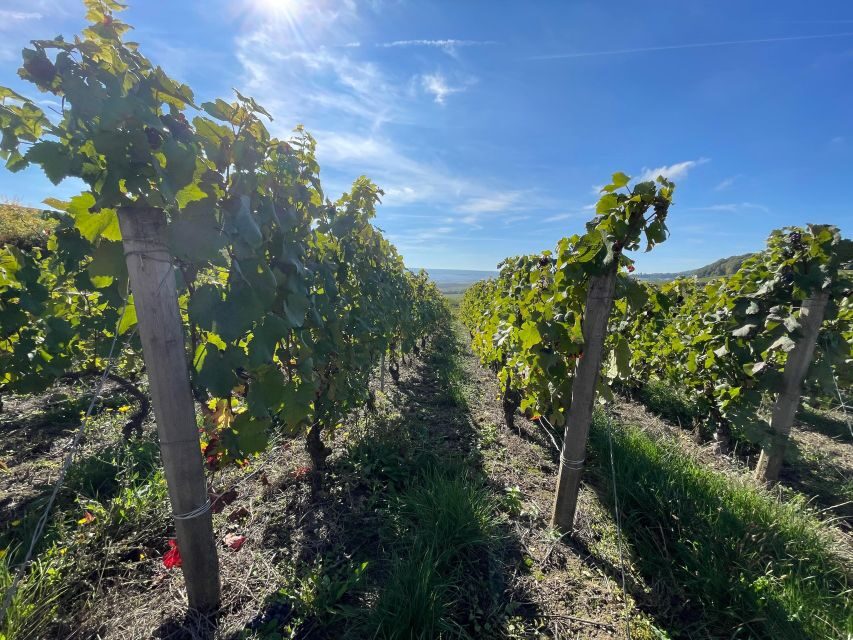
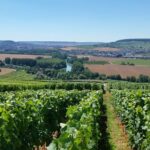
The second thing I really appreciate is the attention to the vineyard side of Champagne. You get the “ocean of vines” view, plus explanations about how growers work the soil, the pruning systems, and harvest by hand, with Hautvillers and its Abbaye adding a strong historical anchor.
If you are chasing only famous brand names, you may find the emphasis on the smaller makers a little different from the typical Champagne spectacle. Still, that trade-off is why the experience feels personal and well-paced.
Key highlights at a glance
- Guide Angélique, a former vines and cellar worker, with a local’s way of explaining Champagne
- Two different Champagne domains in the Montagne de Reims and the Marne valley subregion
- Six tastings of different blends, with practical food pairing guidance
- A hands-on feel for terroir: pruning, harvest timing, and vineyard work done by people
- Epernay van city tour along the Avenue tied to the big houses’ origins
- Hautvillers Abbaye and views over the Marne and the Cote des Blancs
You can also read our reviews of more wine tours in Reims
How Angélique Sets the Tone From Reims or Épernay
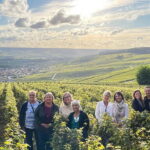
Your afternoon starts with a meeting at the station or in town, depending on where you’re based. In Reims, it’s 01:30 PM at Reims Central station; in Épernay, it’s 02:00 PM at the tourist office. From there, you’ll ride in an AC van with a small group—limited to 8 people—which matters more than it sounds.
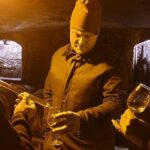
A big tour can feel like a production line. Here, Angélique can slow down when a question lands, and she can tailor explanations because the group stays small. She also brings a real work background: she’s a local lady and a former vines-and-cellar worker, so the tour isn’t only built on museum facts.
You’ll also appreciate that the tour runs in English and French. That’s not just about translation; it changes the pacing when someone can explain vineyards and cellar steps in plain language.
Montagne de Reims Meets the Marne Valley: Why Pinot Takes Center Stage
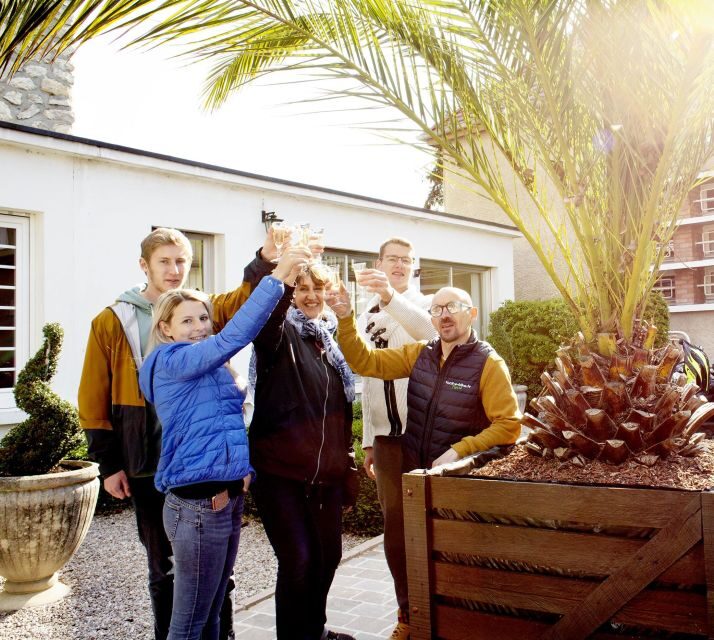
After the van ride, you head into Champagne country where grapes do the talking. The tour is designed around two different zones: the Montagne de Reims and the Marne valley subregion. That split is a smart choice because it shows you how Champagne style can shift even when you’re still in the same region.
Here, Pinot grapes are king, with some Chardonnay mixed in where it makes sense. You’ll see how growers think about balance: acidity, fruit, and structure are never just lab numbers. They’re tied to what the vines are doing that year, and how the site behaves.
One detail I found useful for understanding why Champagne costs what it costs: the smaller landowners are not side characters in this story. In this region, local winegrowers own most of the vineyard land—about 90% of the 34,000 hectares. That puts the producers you meet at the heart of the Champagne machine, not along the edge of it.
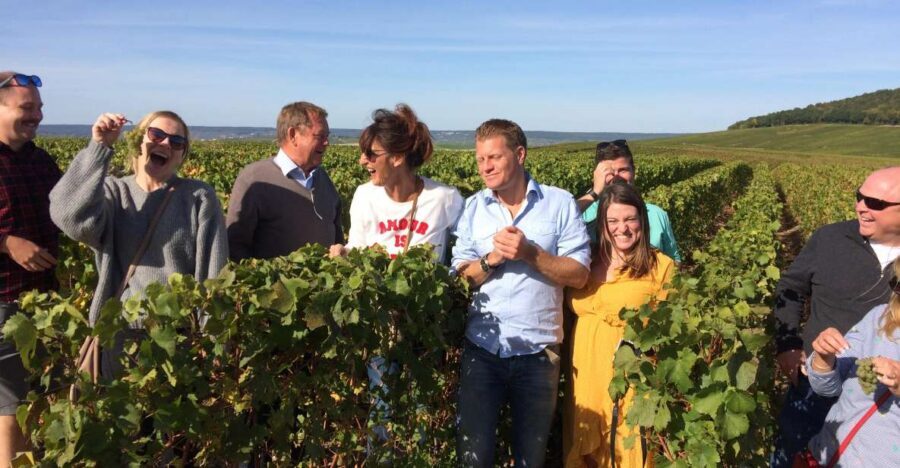
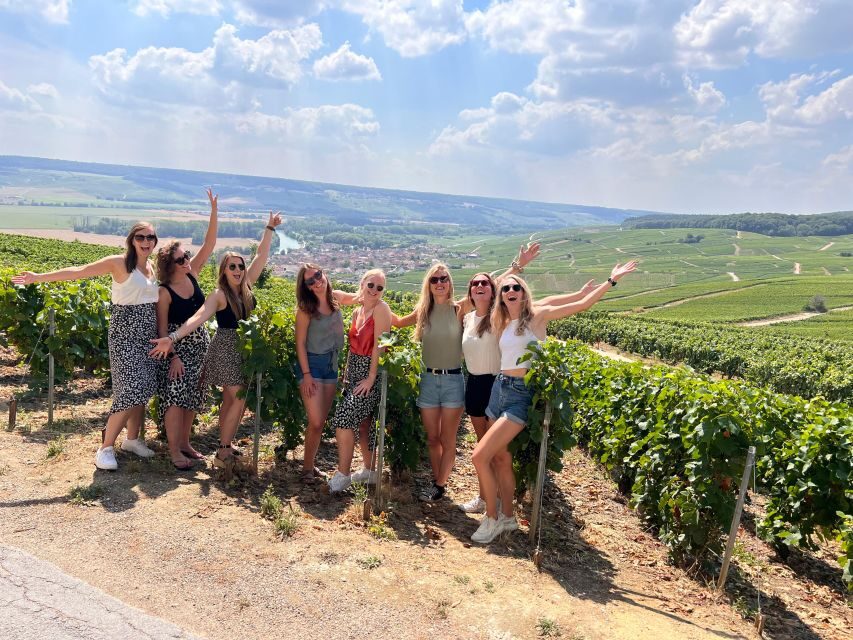
And yes, the views are part of the education. When you’re standing in an ocean of vines, it’s easier to grasp why Champagne is so dependent on careful farming rather than quick, industrial shortcuts.
Cellars and Vineyards: What You Learn When the Stop Is the Winemaker
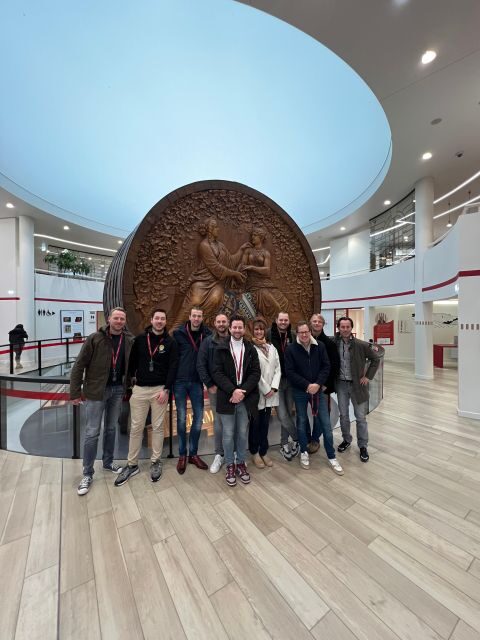
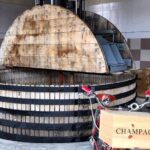
The tour keeps its focus on two independent Champagne domains. You’re guided through cellars tours and vineyard-related viewpoints, and the pacing is built around learning how production works in practice.
This is not a rushed walk-through with a single tasting at the end. You’ll get time in places where the winemaker’s decisions show up: how grapes are handled, how the cellar environment supports aging, and how different blends behave in the glass.
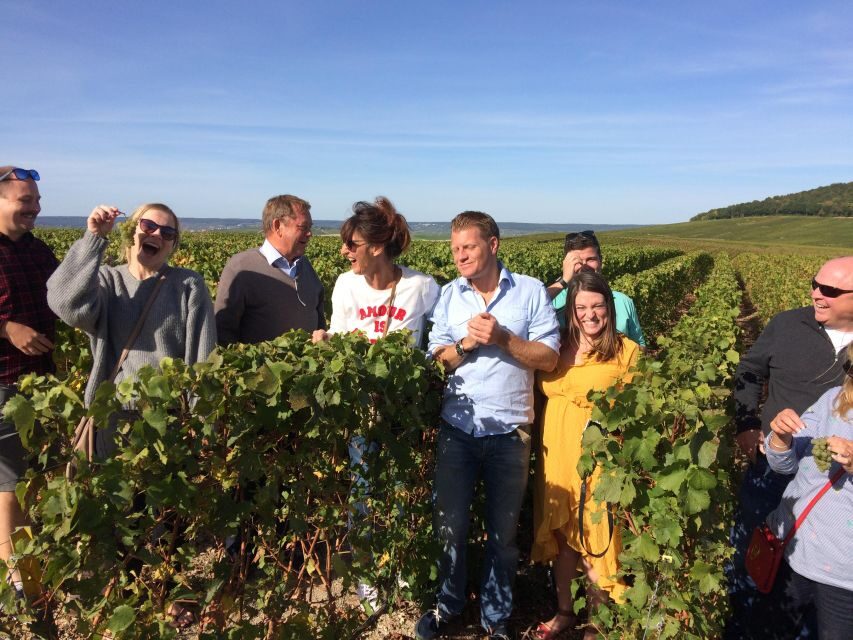
There’s also a strong “people” angle. Angélique is specifically connected to the independent makers, and her relationship with them is part of what makes the visits feel smoother. During harvest season, it’s normal that producers are busy, but you still get the chance to see what matters. The tour format is designed so you don’t just hear about winemaking—you can often watch the work.
If you like wine tourism that feels like a conversation instead of a lecture, this kind of setup usually lands well.
Six Tastings With Food Pairing Advice: The Part You’ll Actually Use
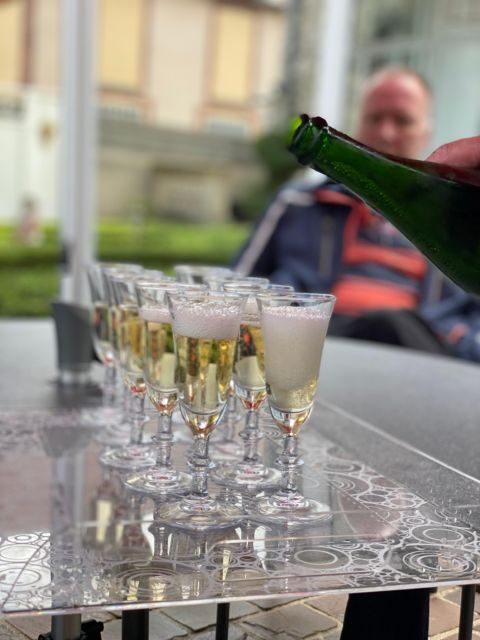
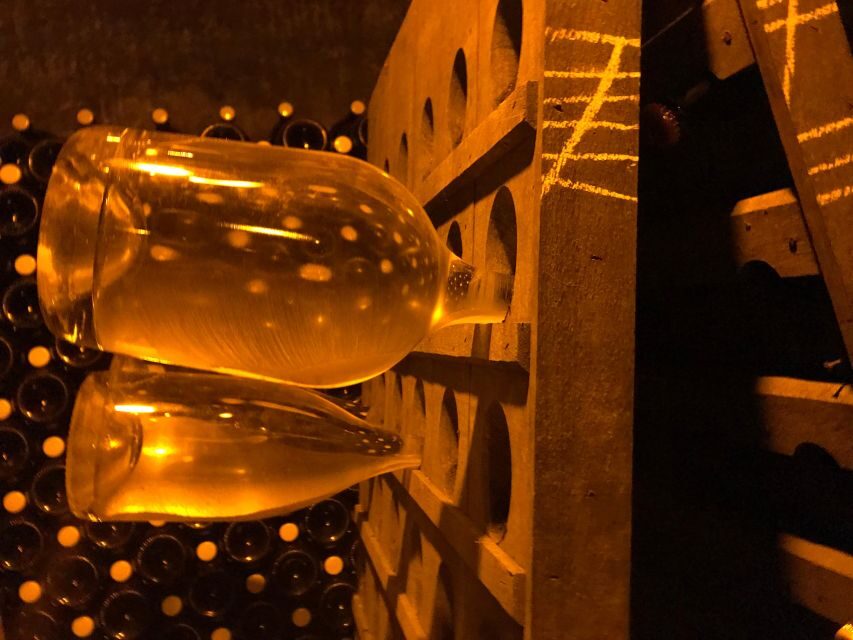
You’ll do 6 tastings of different Champagne blends, and you’ll get food pairing advice along the way. That’s one of the best value features in the whole experience because it turns the tour into something you can take home.
Tasting Champagne can feel like decoding a label. Pairing guidance helps you shift from guessing to understanding. You start noticing things like how a style’s weight changes with richer foods, or how sharper styles can work better with salty, savory dishes. The goal isn’t to memorize terms. It’s to learn what to look for when you’re choosing a bottle for real meals.
I also like how the tastings connect to the domain visits. When you learn how Pinot and Chardonnay behave in their home area, the glass becomes more than a sample. You start tasting the logic behind each producer’s blend decisions.
One practical tip: pace yourself. Six tastes in a half-day can add up faster than you think, especially with sparkling wine. If you’re driving afterward, plan for safe transportation. And if you’re not driving, still remember: you’re on a schedule, not a long lunch.
You can also read our reviews of more tours and experiences in Reims
Épernay by Van: The Big Houses You See, Without the Big-House Day
After the producer time, the afternoon continues with a van city tour of Épernay, including the famous Avenue where major houses were born. This isn’t a deep museum stop, but it’s useful because it gives you context.
Épernay is where the Champagne brand story became architecture. The tour points out how houses like Moët et Chandon, Perrier-Jouët, and Pol Roger competed with architectural audacity and grandeur. You get the visual sense of why the world associates Champagne with wealth and celebration.
You’ll also hear about the scale of Champagne aging: the text mentions 220 million bottles aging in cellars. Even if you never count bottles yourself, hearing that number helps you understand how producers and logistics work behind the scenes.
What I like here is the balance. You’re not spending the entire tour chasing only the biggest names. You see them as part of the region’s story, then you return to the grape-and-cellar reality.
Hautvillers Abbaye and Dom Pérignon: History With a View
Next up is Hautvillers, a village that’s basically required on a Champagne map. The headline reason is the Abbaye tour, where a famous monk is buried.
That monk is Dom Pérignon, a Benedictine born in the Marne region. He’s presented as an important cellar master and as a figure tied to the father idea of blending grapes and crus (villages). Even if you already know his name, the way the tour connects his story to the making of Champagne gives it more weight.
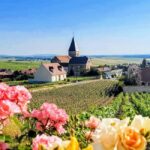
And then comes the view. From the abbey garden and from the hilltop area, you get wide scenery over the river Marne and toward the Côte des Blancs in the distance. That sightline helps you understand why terroir talk matters. The geography isn’t abstract when you’re actually looking at how the river and slopes shape vine life.
If your goal is to leave with both knowledge and pictures that feel like they belong to a real place, this segment usually delivers.
Terroir in Plain Terms: Pruning, Harvest, and the Hand Work Angle
One of the most practical parts of the tour is the stop-and-go explanation of terroir—the tough part of Champagne that most tourists never get. You’ll hear about the hard work of the soil, the different pruning systems, and the idea that harvest is done by hand.
That “year-long work” note matters. Champagne doesn’t happen in a weekend. The text frames the vineyard workers as gardeners, not just farm hands, and that’s the kind of framing that helps you respect why quality takes time.
In plain terms, you’re learning why Champagne can taste consistent from bottle to bottle and yet still vary from year to year. The vines, the climate, and the farming choices all feed into the final blend decisions.
Price and Logistics: Is $188 Worth It for a 4-Hour Half-Day?
At $188 per person for a 4-hour experience, you’re paying for a lot more than a generic tasting. This price buys you:
- A small group format (max 8)
- Pickup and drop-off with an AC van
- Two domain visits, including a guided cellars tour
- 6 tastings with food pairing advice
- Épernay van tour
- Hautvillers Abbaye tour and vineyard sight stops
If you compare this kind of itinerary to doing everything on your own, the value is in access and time. You don’t just get a glass; you get guided visits that would be harder to piece together quickly—especially if you want more independent producers rather than only the biggest public-facing brand experiences.
Could it be pricey for people who think tasting is the only point? Yes. If you’re not interested in vineyards, cellar processes, and pairing guidance, you might feel it’s more than you need. But if you want the “what makes Champagne Champagne” answer in a few hours, this is priced like an education that still includes real fun.
Who Should Book This Tour (and Who Might Prefer a Different Style)
This one is a strong fit if you:
- Want small-group attention instead of busloads
- Like the vineyard-to-glass story, not just brand names
- Enjoy food pairing and practical tasting takeaways
- Prefer independent producers over only the biggest houses
It may not be ideal if you:
- Only want a long, focused visit to one major Champagne house
- Hate the feeling of a tight schedule with multiple stops
- Are expecting an all-day, slow-linger countryside day (this runs about 4 hours, with return around 5:30 PM to 6:00 PM)
That’s the trade: you get variety and context fast, without turning it into a full day.
Final Call: Should You Book This Reims/Épernay Small-Group Tour?
I’d book it if you want a Champagne afternoon that feels like it was designed by someone who actually knows the region. Angélique’s background and her connection to independent winemakers make the experience feel grounded in real work, not staged glamour.
You also get a smart mix: two domain visits, six tastings with pairing help, a mini Épernay city context ride, and then Hautvillers with Dom Pérignon and those big views. It’s the kind of tour that leaves you with more than a souvenir bottle—you leave with a way to think about what you taste.
FAQ
Where does the tour start?
The meeting point is 01:30 PM at Reims Central station or 02:00 PM at the Épernay tourist office.
How long is the tour?
The tour lasts 4 hours, with return typically between 5:30 PM and 6:00 PM.
How many people are in the group?
It’s a small group limited to 8 participants.
How many Champagne tastings are included?
You get 6 tastings, each tied to different Champagne blends, with food pairing advice.
Do you visit both Reims and Épernay areas?
Yes. You’ll do producer visits in the Champagne countryside and also a van city tour in Épernay, plus a stop in Hautvillers.
What languages is the tour offered in?
The live guide speaks English and French.
Is there free cancellation?
Yes. You can cancel up to 24 hours in advance for a full refund.