REVIEW · PARIS
Highlights of Paris Bike Tour in English or Dutch
Book on GetYourGuide →Operated by Fat Tire Tours - Paris · Bookable on GetYourGuide
Paris clicks differently on a bike.
This 3-hour Paris bike tour links major landmarks on a bike-friendly route, so you spend less time figuring things out and more time seeing the city at human speed. I especially love how the local guide storytelling turns big monuments like Place de la Concorde, Napoléon’s Tomb, the Eiffel Tower, and the Louvre into one easy-to-follow narrative.
Here’s the tradeoff: you’ll be pedaling for about three hours, and the tour runs rain or shine. If wet weather or longer riding time stresses you out, plan your outfit carefully and consider bringing your own water.
In This Review
- Key highlights worth getting excited about
- Why This 3-Hour Paris Bike Tour Works
- Getting There: Meet at Dupleix Metro Line 6
- Place de la Concorde: Big Paris History, Up Close
- Napoléon’s Tomb: A Meaningful Pause Between Icons
- Eiffel Tower Stop: Iconic Views and the Value of Time
- Louvre Museum: Grand Exterior Views Without the Full-Day Commitment
- Your Guide Matters: Stories, Humor, and Safety on Two Wheels
- Bikes, Helmet, and What to Bring (So the Ride Feels Easy)
- Price and Value: What $51 Buys You in Paris
- Who This Bike Tour Suits Best
- Should You Book This Paris Bike Tour?
- FAQ
- How long is the Paris bike tour?
- Where does the tour start and end?
- What’s included in the price?
- What should I bring?
- Is the tour run rain or shine?
- Is there a luggage restriction?
Key highlights worth getting excited about
- Place de la Concorde close-up: see a major centerpiece of Parisian history from the street-level viewpoint
- Napoléon’s Tomb stop: a meaningful moment that adds depth beyond the usual sightseeing checklist
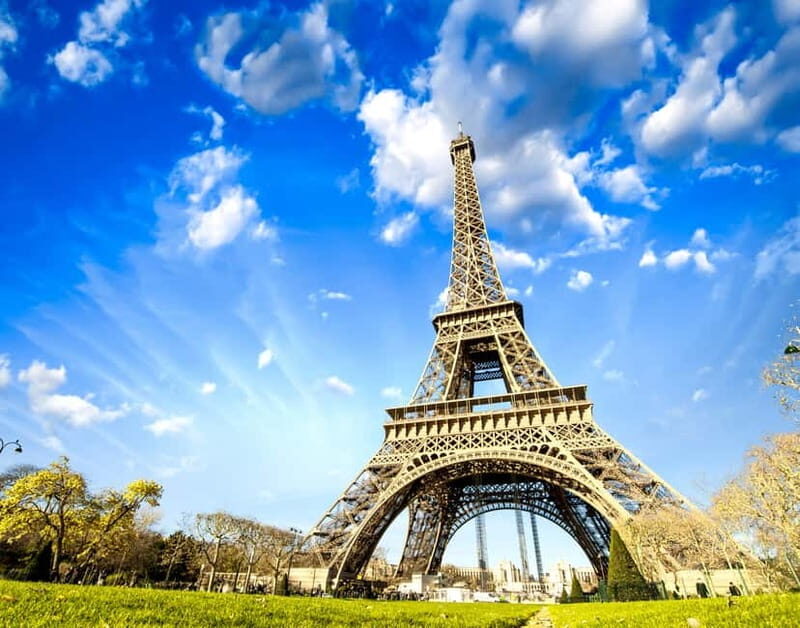
- Eiffel Tower photo time: iconic views that fit nicely into a short, guided loop
- Louvre Museum views: you get the grandeur without needing to plan a full museum visit
- Guide-led, discussion-friendly pace: you’re not just watching, you’re learning as you ride
- Small-group feel: multiple guides kept groups compact (often around 8–10 people in the feedback)
Why This 3-Hour Paris Bike Tour Works
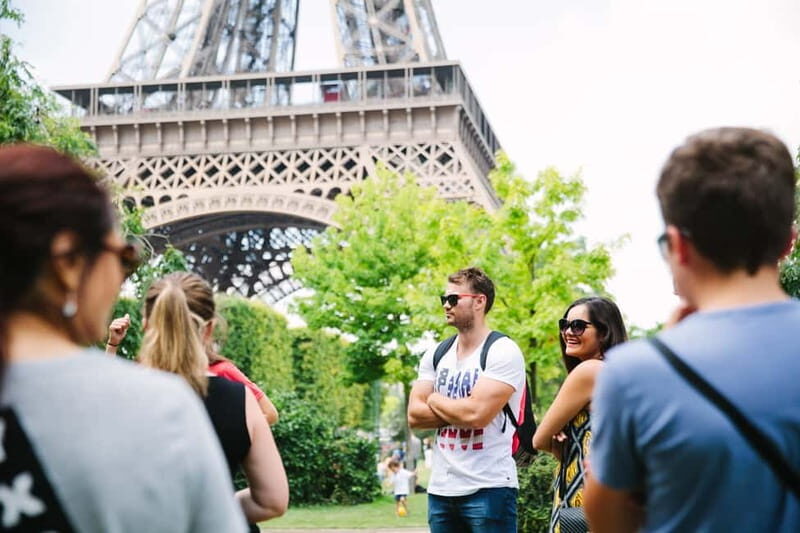
If you’ve only got a short stay in Paris, a bike tour is one of the smartest ways to get your bearings. You’re not stuck in one neighborhood all morning, and you’re not trying to sprint across the city either. In three hours, you cover enough ground to feel like you did something real, but it’s still relaxed enough that you can stop for photos and actually listen.
What makes this one practical is the style of the experience: a guided ride with a bike-friendly circuit and a local guide who focuses on famous landmarks plus the stories behind them. You’ll get “why does this matter” history and culture that helps the city connect in your head, especially when you’re seeing several iconic sites in the same window of time.
This is also a good value format. You’re paying for a guide, plus a bike and helmet, and you avoid some of the friction that comes with public transit when you want to see a handful of key places in one go.
You can also read our reviews of more cycling tours in Paris

Getting There: Meet at Dupleix Metro Line 6
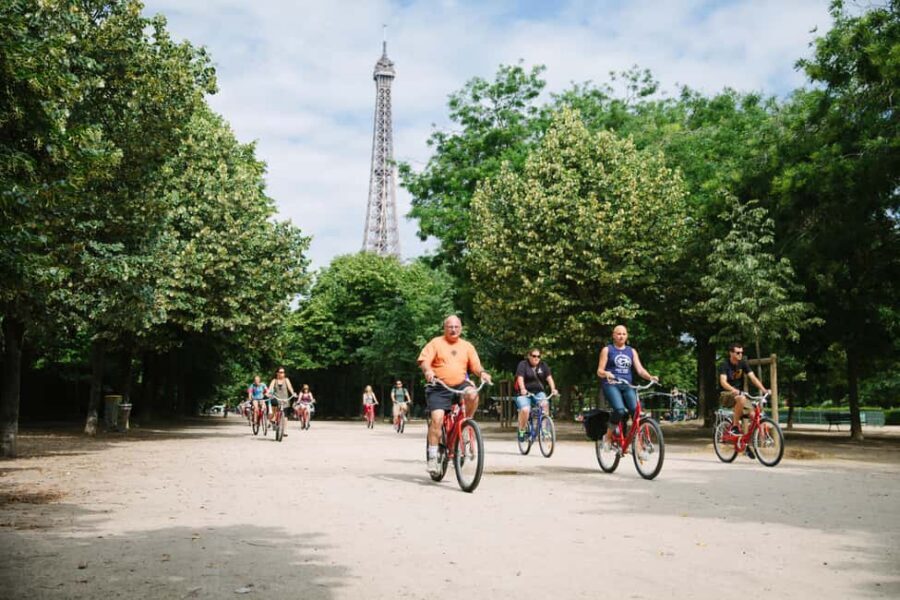
The start point is straightforward: get to Dupleix on line 6. The tour starts there and ends back at the same meeting point. That matters more than it sounds. It means you can plan your day without worrying about how you’ll get home after you’re done.
Practical tip: give yourself a few extra minutes to arrive on time and find your group. Paris metro exits can be confusing if you’re juggling bikes, helmets, and a group gathering.
Place de la Concorde: Big Paris History, Up Close
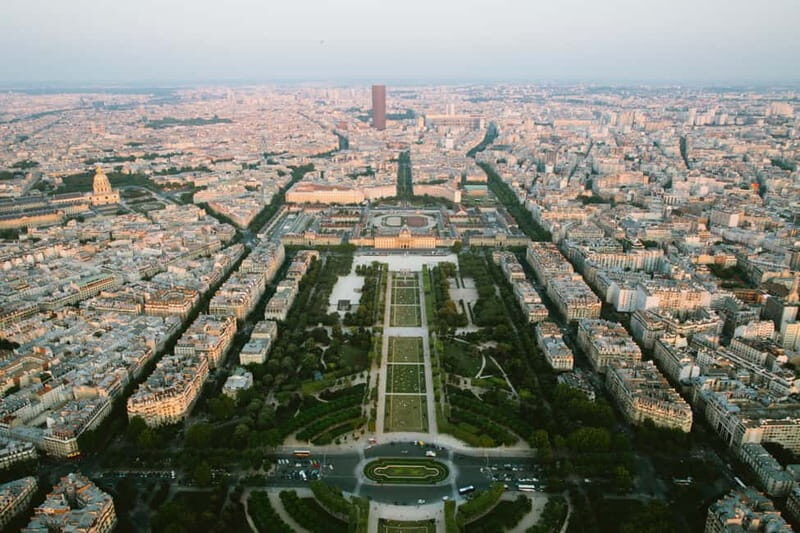
Place de la Concorde is one of those squares that feels like it belongs on a postcard and a history lesson at the same time. On this tour, you get to experience it while you’re moving through the city, not while you’re stuck on one side of the street trying to photograph everything at once.
Here’s what I think you’ll like about this stop: it sets the tone. Concorde is a centerpiece of Parisian history, and it helps you understand how the city’s grand public spaces shaped power, ceremony, and national identity. When your guide connects that context to what you’ll see next, the rest of the route lands better.
What to watch for: look for architectural alignment and the scale of the square. From a bike-level viewpoint, the place feels “real,” not distant.
Possible drawback to consider: like most guided landmark stops, you’re mostly seeing from outside. If you’re the type who needs museum entry to feel satisfied, you may want to plan a separate Louvre visit later.
Napoléon’s Tomb: A Meaningful Pause Between Icons
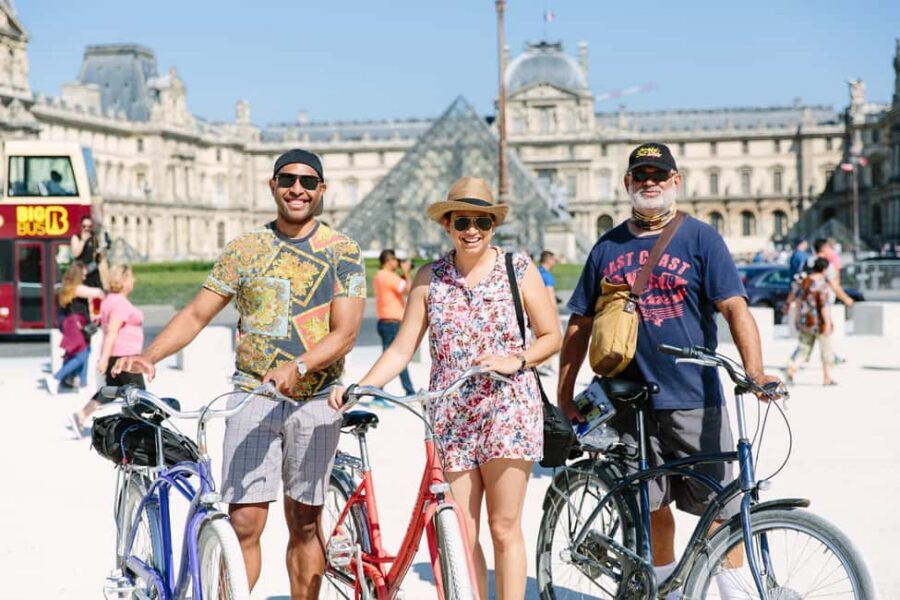
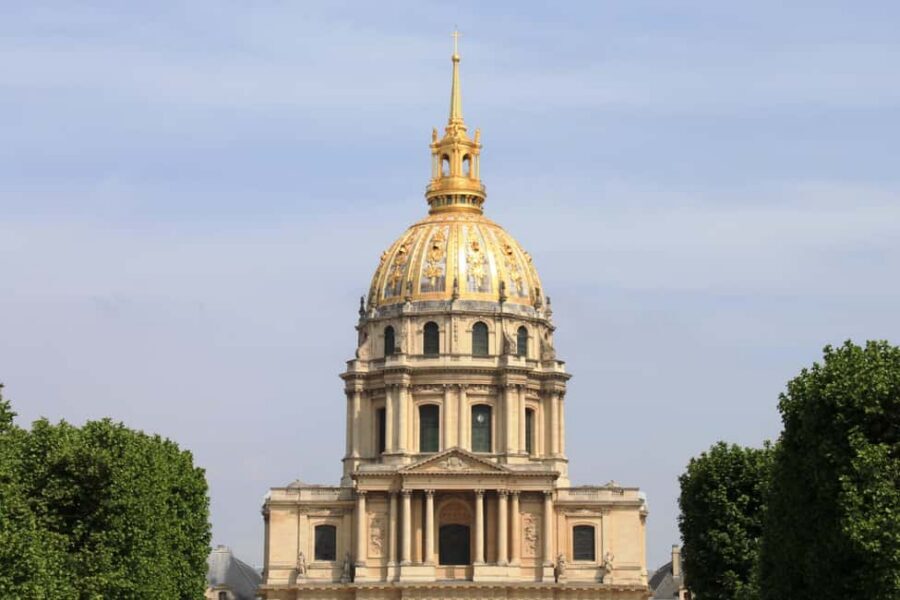
After the sweep of Concorde, Napoléon’s Tomb adds a different kind of mood—less about spectacle, more about legacy. This is the kind of stop that makes a bike tour feel worth it, because it gives you a landmark you might miss if you only chase the most obvious “greatest hits.”
This part of the ride is a good reminder that Paris isn’t only about viewpoints. It’s also about people and stories, and the tomb anchors Napoleon as a major chapter of French history.
What makes it special for your experience: the guide’s job here is crucial. If you lean into the explanation, the stop becomes more than a photo moment. It helps you understand why this location matters when you’re moving from one iconic site to another.
Practical note: since this tour is only three hours, you shouldn’t expect long detours. Think of Napoléon’s Tomb as a focused, guided moment—not a slow, standalone visit.
Eiffel Tower Stop: Iconic Views and the Value of Time
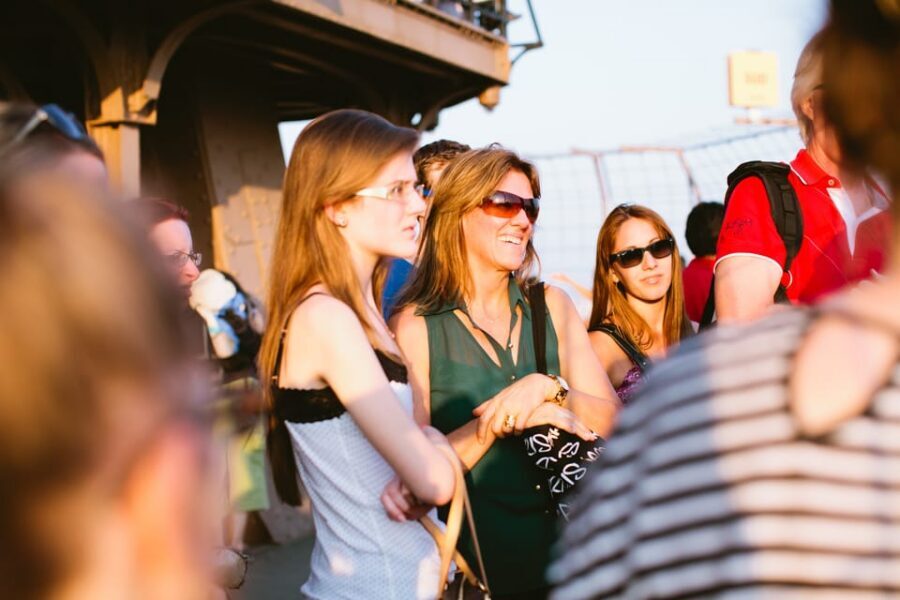
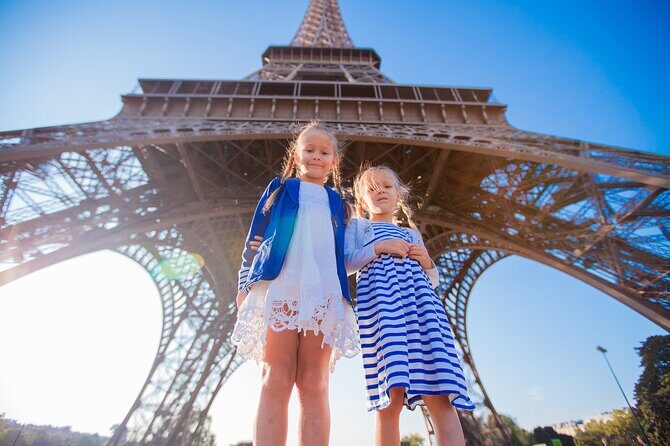
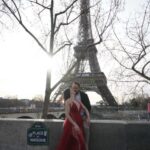
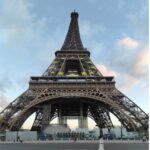
No Paris highlights list is complete without the Eiffel Tower, and this bike tour brings you to it in a way that’s easy to fit into a short itinerary. You’ll get that classic Eiffel silhouette in front of you, plus guide context that makes the tower feel less like a single landmark and more like part of Paris’s modern story.
One of the biggest reasons people are happy with tours like this is time management. In the feedback tied to these tours, there’s mention of skipping long queues at the Eiffel Tower stop, with some groups reporting straight access to higher levels once inside. That can be a huge quality-of-day advantage during peak season.
Two ways to get the most out of the tower portion:
- Listen for what your guide points out. The best photos often come from knowing where to stand.
- Don’t treat the tower like just a snapshot. Ask questions and pay attention to the “why it’s here” context.
Possible drawback to consider: if your day ends up slower due to crowding or operational timing, you might not get as long at the Eiffel Tower area as you hoped. Still, the guided route helps keep the day from feeling chaotic.



Louvre Museum: Grand Exterior Views Without the Full-Day Commitment
The Louvre is a magnet for visitors, but most people underestimate how long a serious museum visit can take. This bike tour gives you a Louvre moment without forcing you to plan the whole day around ticket lines, galleries, and transfers.
So what do you actually get? You get to marvel at the Louvre’s grandeur from the bike route and receive the kind of historical framing that helps the building make sense even if you’re not going inside today.
This is a smart move if:
- you want a “first look” impression,
- you’re short on time,
- or you want to come back later knowing which wings and themes you’ll care about most.
Drawback to keep in mind: entry, guided museum time, or a timed ticket isn’t listed as part of what’s included. If you want the full Louvre experience, you’ll likely still need a separate plan after this tour.
Your Guide Matters: Stories, Humor, and Safety on Two Wheels
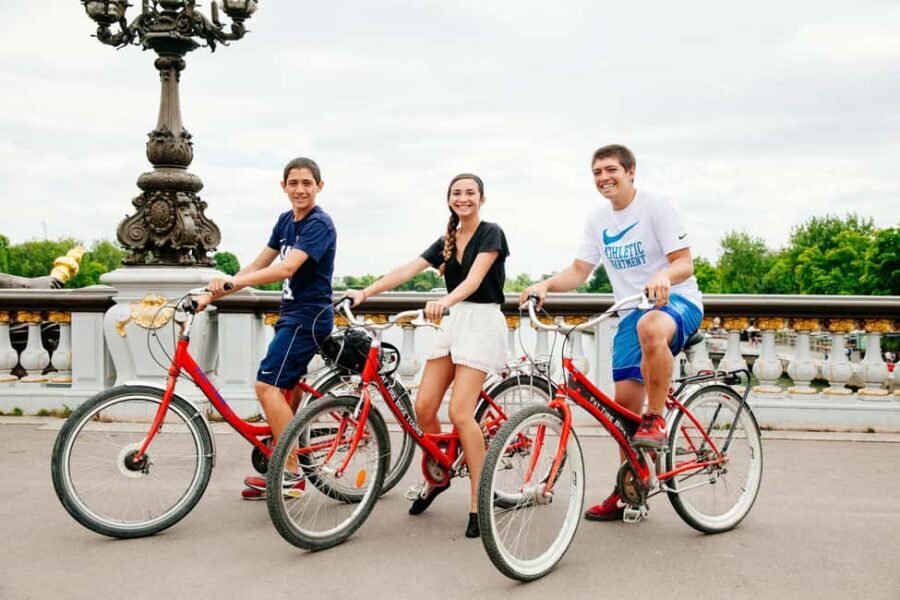
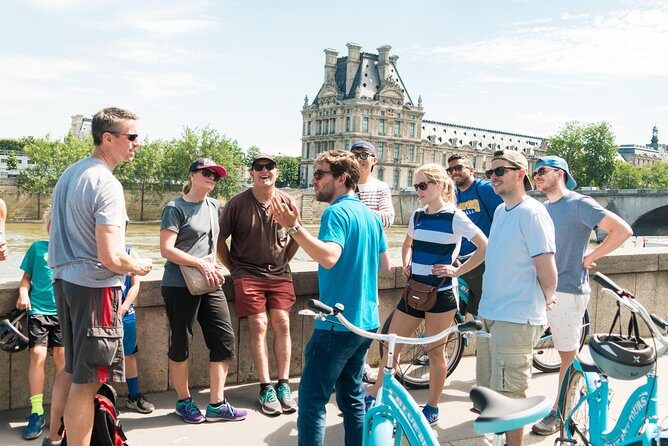
In a bike tour, the guide is the product. Here, you’re getting a live tour guide in Dutch or English, and the tone comes through in the feedback: guides stay engaged, keep things moving, and answer questions rather than reciting a script.
Guide names show up in the information provided, including Toby, Blue, Karina, Sonia, Millicent, Christina, Ellen, Justin, Jason, Matt, Victor, and Melissa. You won’t know which one you’ll get until your departure, but the common thread is clear: the best days are the ones where the guide keeps the group involved.
A few practical wins you can expect when the guide does a good job:
- Better listening. Some groups mention wireless sound systems/headsets, which makes a big difference on busy streets.
- Faster learning. When the guide links monuments together, you stop feeling like you’re just ticking boxes.
- More confidence. There’s also mention of the guide keeping an eye on group safety and reminding people about pickpockets, which is genuinely useful in Paris.
How to get more out of it: be ready with one or two questions. If you ask something like how a monument ties into a specific era, you’ll usually get a fuller answer than you’d get from a phone app.
Bikes, Helmet, and What to Bring (So the Ride Feels Easy)
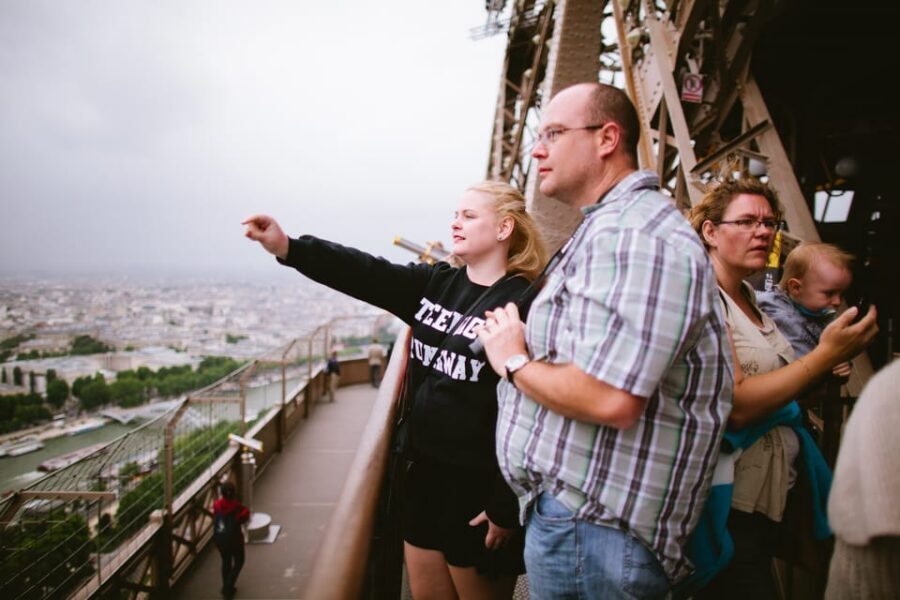
Good news: the tour includes the bike and helmet. You don’t need to think about equipment rentals, and you can focus on enjoying the route.
Still, you should show up prepared. Here’s what the tour info lists as important:
- Bring ID or passport
- Wear comfortable shoes
- Pack weather-appropriate clothing
- Bring a credit card (it’s listed as required to have it)
You should also think about what you’re carrying. Luggage or large bags aren’t allowed, so travel light. If you’re in Paris with a big backpack and daily shopping plans, plan to store it before the tour.
A small but real practical point: water isn’t included. For a three-hour ride, that’s worth planning around. If you’re the type who gets thirsty quickly, bring a bottle before you start.
Price and Value: What $51 Buys You in Paris
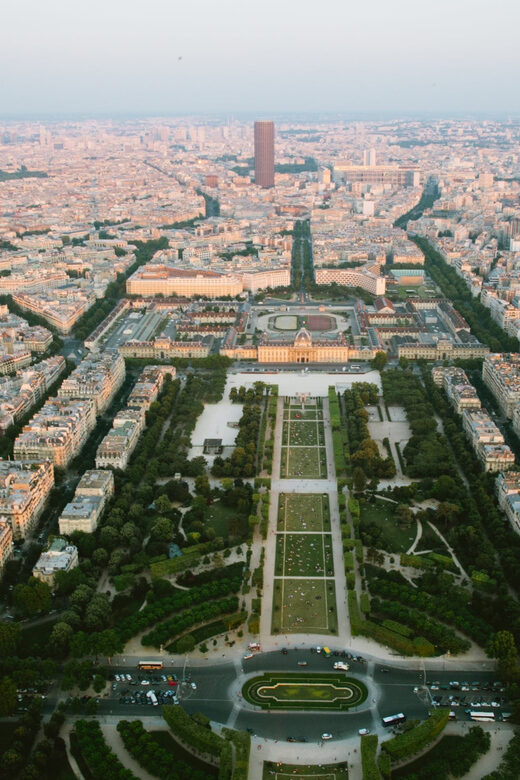
At $51 per person for about three hours, you’re paying for convenience and a guided experience—not just movement across town. Here’s what you get for the money:
- a local guide (English or Dutch),
- a bike and helmet,
- a loop that hits several major landmarks tied together by a bike-friendly circuit.
Compared to doing this solo, this price can make sense because Paris can eat time. Transit plus walking plus figuring out the route can turn a “simple sightseeing morning” into a half-day adventure you didn’t plan for. A guided bike tour compresses the learning and the sighting into one trip.
Also, if your Eiffel Tower stop includes time-saving benefits like reduced queue time (as described in the provided feedback), the value goes up fast. Even without that, seeing Concorde, Napoléon’s Tomb, the Eiffel Tower area, and the Louvre area in one smooth session is hard to replicate on your own without lots of planning.
Consideration on value: the tour depends on you being able to ride a bike confidently for the full duration. If you’re not comfortable cycling, you may feel the cost more than the benefit.
Who This Bike Tour Suits Best
This tour is ideal if you:
- want a fast, guided overview of top Paris landmarks,
- like learning from a local guide rather than guessing from plaques,
- prefer active sightseeing over sitting in a coach.
It’s also a good fit for couples and solo travelers who want structure without a rigid, rushed vibe. If you’re traveling with friends and want a shared “we did Paris properly” day, a guided ride works well because you’re moving as a group and sharing the sights in real time.
Because the tour notes that all participants over 12 must be able to ride a bike, and anyone under 18 must be accompanied by an adult, it’s best for families where kids are already comfortable cycling.
Should You Book This Paris Bike Tour?
Book it if you want your first or next Paris visit to feel connected: big landmarks plus context, covered in three hours with a guide who keeps the ride fun and meaningful. The best reason to choose this is the combination of practical logistics (bike and helmet provided, route loop, ends back at start) and the kind of guide-led storytelling that turns famous monuments into a map you’ll remember.
Skip it or rethink it if:
- you’re not comfortable riding a bike for about three hours,
- wet weather stresses you out (the tour runs in rain),
- or you want a museum-heavy day with indoor time at major sites.
If you’re on the fence, treat this as a “Paris getting-to-know-you” day. It sets you up for better choices later—especially if you plan to return to the Eiffel Tower or the Louvre with a clearer sense of what you care about.
FAQ
How long is the Paris bike tour?
The duration is 3 hours. Exact starting times depend on availability.
Where does the tour start and end?
The meeting point is at the Dupleix Metro station (line 6). The tour ends back at the same meeting point.
What’s included in the price?
You get a bike and helmet, plus a live tour guide in Dutch or English.
What should I bring?
Bring passport or ID, comfortable shoes, a credit card, and weather-appropriate clothing.
Is the tour run rain or shine?
Yes. The tours operate rain or shine.
Is there a luggage restriction?
Yes. Luggage or large bags are not allowed on the tour.