REVIEW · PARIS
Louvre and Musée d’Orsay with Reserved Entry Ticket
Book on GetYourGuide →Operated by Babylon Tours LLC · Bookable on GetYourGuide
Two museums, one clear art timeline. I like how the tour builds a Louvre-to-Orsay chronology so the chaos turns into a straight-line story, and I also love the reserved entry that helps you spend your energy on art instead of waiting. The main drawback is simple: there’s a lot of walking in a short window, so plan for sore feet and be realistic if you have mobility limits.
This combo also hits Paris where it hurts—in the best way. You start with the Louvre’s ancient world and end in the Musée d’Orsay’s 19th-century creative shock. And the guides get singled out for great storytelling and a good balance between both museums, with names like Dunya, Alex, and Daniel showing up in standout feedback.
In This Review
- Key Things That Make This Tour Work
- Entering Both Museums Without Losing Hours to Lines
- The Louvre Museum: Ancient Greece to Da Vinci’s Genius
- A Lunch Break That Keeps Your Brain Online
- Musée d’Orsay: Beaux-Arts Beauty and 19th-Century Art in the Right Mood
- The Art Highlights: What You’ll Actually Gain by Going Guided
- Price and Value: What $258 Buys You (and What It Doesn’t)
- Practical Tips Before You Go: Bags, ID, and Foot-Fatigue
- Timing, Museum Closures, and How to Stay Calm
- Who This Tour Is Best For
- Should You Book This Louvre + Musée d’Orsay Reserved-Entry Tour?
- FAQ
- What museums are included on this tour?
- How long is the tour?
- Are tickets reserved for entry?
- Is lunch included?
- How do you get between the Louvre and Musée d’Orsay?
- What languages are available for the live guide?
- Is this tour wheelchair accessible?
- What size luggage is allowed?
Key Things That Make This Tour Work
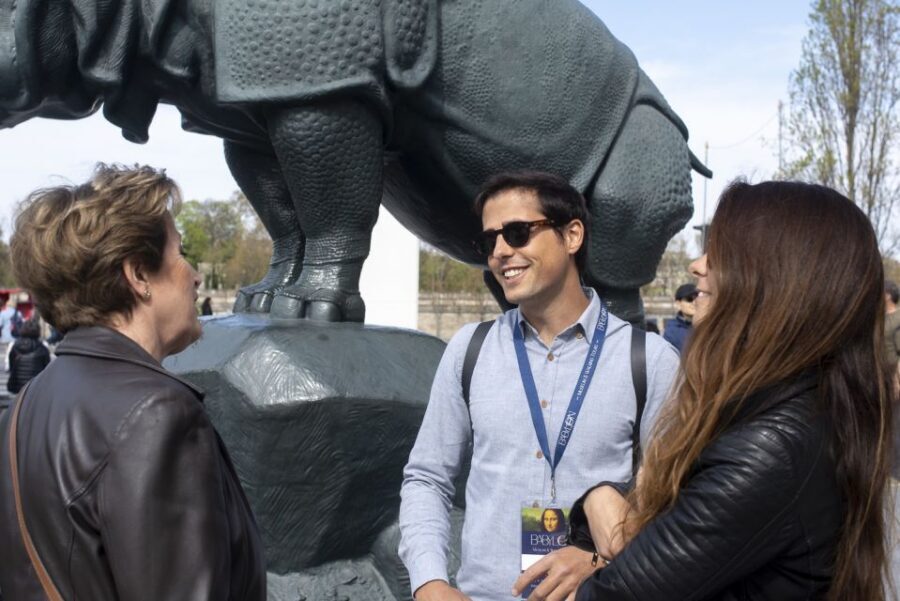
- Reserved entry to both museums cuts down queue time so you can actually see more than the must-photos
- A chronological art path helps you connect Greek myth, Renaissance genius, and Impressionist rebellion
- Small group size (up to 6 per guide) keeps the pacing human and the questions answered
- Louvre highlights with context include Da Vinci and the Mona Lisa, not just a checkbox stop
- Musée d’Orsay in a former railway station means the building itself adds to the art experience
- Lunch break built in gives you a pause before the Orsay stretch
Entering Both Museums Without Losing Hours to Lines
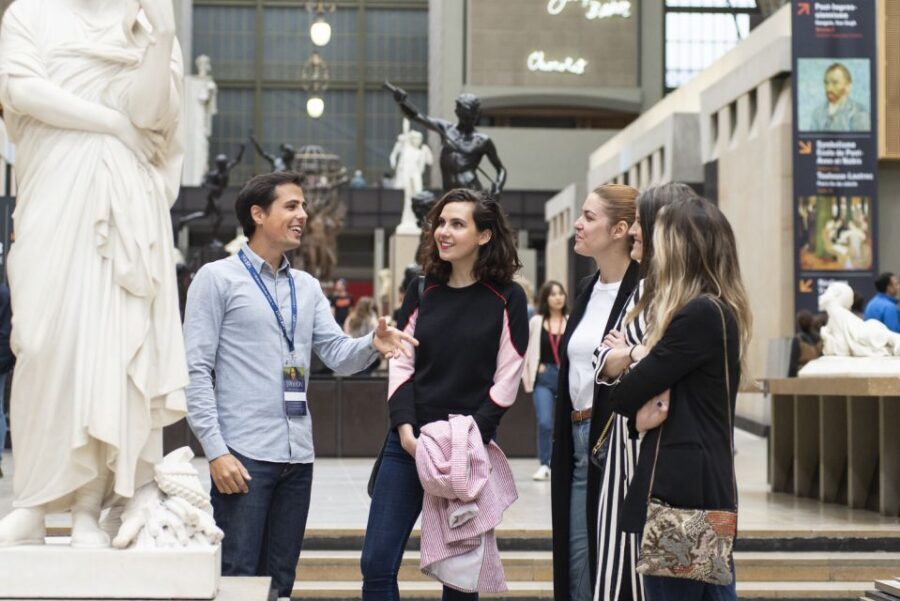
The biggest practical win here is the reserved entry ticket for both the Louvre and the Musée d’Orsay. These museums can swallow half a day just in logistics if you’re doing it solo. With reserved access, you get a smoother start and more time inside where it counts: looking, reading the room, and staying with the guide’s storyline instead of wandering.
The schedule is built around a 5.5-hour total duration, and the tour flows in the order you’d expect: Louvre first, then a quick walk to Orsay. The between-museum transfer is only about a 10-minute walk, and you’ll be accompanied by your guide. That matters because it keeps you from losing momentum after the Louvre. You’re already in museum mode, so the Orsay stop doesn’t feel like a separate trip.
Group logistics also affect the feel. The maximum size is 6 guests per guide for a more intimate experience, and private or small-group options are available. If you choose a semi-private format, there’s a minimum of 2 participants to run, so you’ll either get an alternative date or a full refund if it doesn’t meet that threshold.
You can also read our reviews of more tours and experiences in Paris



The Louvre Museum: Ancient Greece to Da Vinci’s Genius
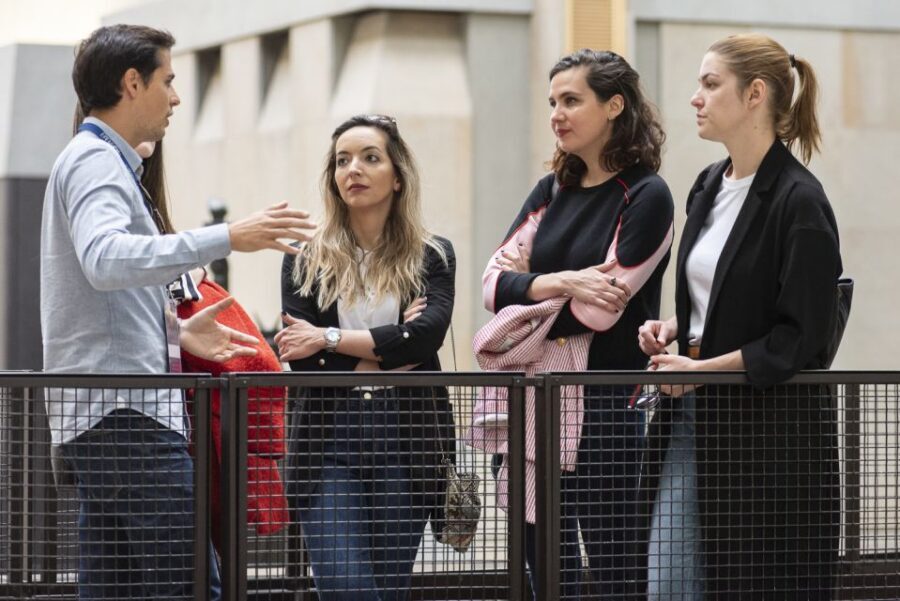
The tour starts at the Louvre, a museum that can overwhelm you fast. It has thousands of works across a massive footprint, so going in without a plan can turn into a frantic scavenger hunt. What I like about this setup is that the guide turns the visit into a chronological art timeline, starting with Ancient Greek mythology.
That first step changes everything. Instead of treating Greek sculpture and myth as random leftovers from a school unit, you start connecting why certain subjects and symbols keep resurfacing. From there, the guide’s path leads you toward key masterpieces, including Da Vinci and the famous Mona Lisa.
And it’s not just about seeing the objects. The guide helps you understand how these works contributed to the evolution of art and civilization. In a place like the Louvre, that’s the difference between a quick photo and a real, lasting impression. You’re learning how artists built on earlier ideas—composition, realism, technique, and storytelling—so the jump from antiquity to later masterpieces feels like a progression, not a surprise attack.
One more thing I appreciate: you don’t ignore the building. The tour includes time on the architecture of the Louvre and what it was as a palace. That’s useful because the Louvre isn’t just a warehouse of art. It’s an evolving power center that shaped the museum we see now. Even if you care mostly about paintings and sculpture, understanding the palace history helps you read the space.
What to watch for: because the Louvre has rules in some rooms (quiet expectations and restrictions on speaking), you’ll need to follow the guide’s lead on where you can talk normally and where you’ll keep your voice down. Also, some room access can vary by season, so your exact mix of exhibits might shift slightly.
A Lunch Break That Keeps Your Brain Online

This tour includes a lunch break. That sounds basic, but in a long museum day it’s not a throwaway detail. The Louvre can drain attention quickly, and then the Orsay demands a different kind of looking—more color, more light effects, more emotional brushwork.
By building in a break, the schedule gives you a chance to reset without feeling like you’re racing the clock. Food and drinks aren’t included, so you’ll want to have a plan for what you’ll buy or bring, but the timing helps you avoid the classic mistake: skipping lunch, getting tired, and then missing the best parts of the Orsay.
Musée d’Orsay: Beaux-Arts Beauty and 19th-Century Art in the Right Mood
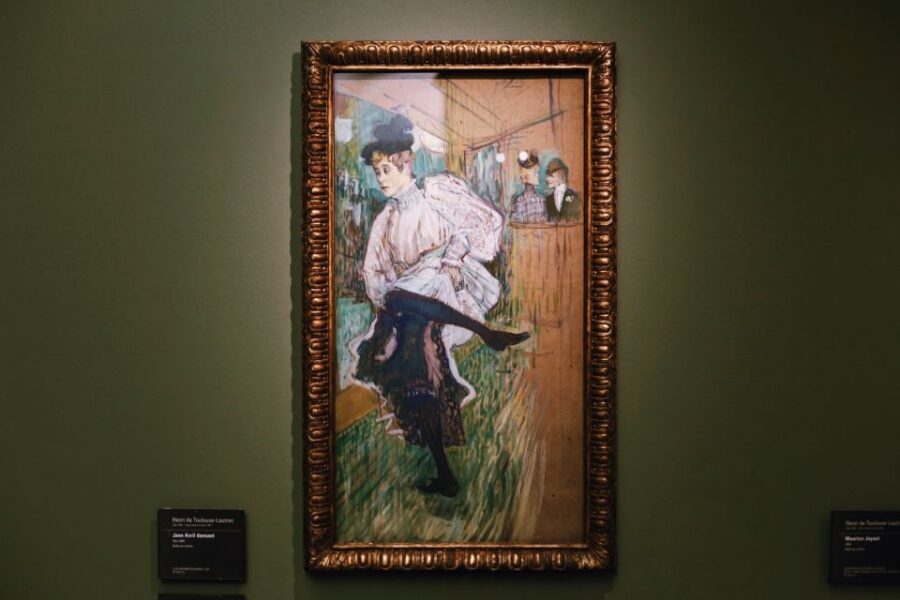
After the Louvre, you walk with your guide to the Musée d’Orsay. The Orsay is special for two reasons: the art focus and the setting.
First, the museum zeroes in on 19th-century French art, which makes it a great “second chapter” after the broad sweep of the Louvre. Second, the museum is housed in a Beaux-Arts building that used to be the Gare d’Orsay railway station. That matters because the architecture doesn’t sit in the background. It sets a tone—high-ceiling drama, a sense of motion, and the feeling that you’ve arrived in a place built for big moments.
Inside, the guide keeps the chronology moving, moving through major artists and artistic styles you’ll recognize right away. You can expect time focused on artists such as Manet, Renoir, Cézanne, and Gauguin, plus the tour frames the shift toward post-Impressionist ideas through names like Van Gogh. The goal isn’t to list artists. It’s to explain techniques and how artists experimented until they broke away from what was expected.
In plain terms, the Orsay portion is where the story turns from “how art was made” into “how art changed what people thought art should do.” The guide also covers the role of art rebels—those who pushed against older standards—and how that resistance helped open the door for Impressionism.
What to watch for: the Musée d’Orsay also has rooms with specific rules, and like the Louvre, some collections can vary by year. If a particular artist or style matters a lot to you, the best move is to ask your guide to point you toward the closest match early in the Orsay segment, while you still have energy.
The Art Highlights: What You’ll Actually Gain by Going Guided
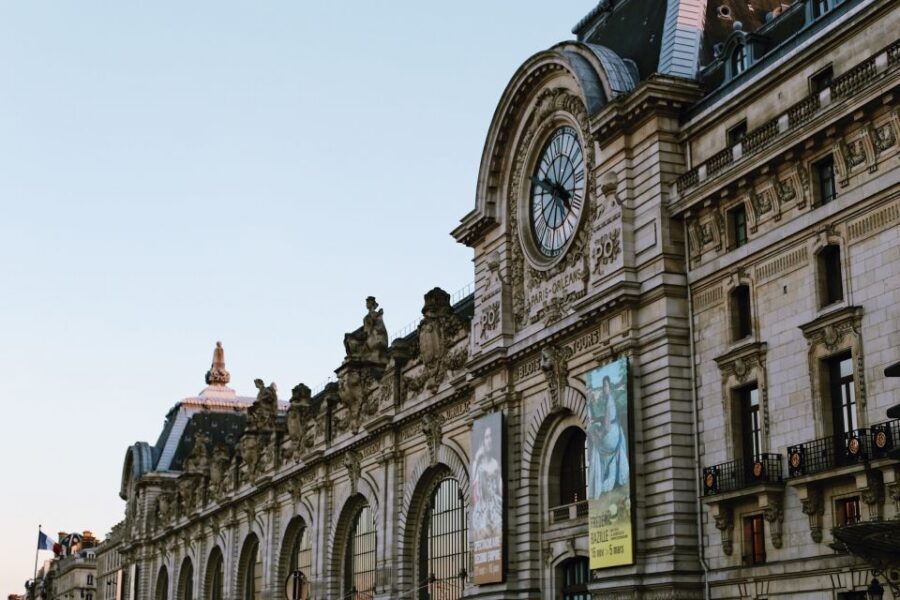
Yes, you’ll see heavy hitters. But the value is what you learn while you’re there.
Da Vinci and the Mona Lisa (Louvre): Seeing the Mona Lisa is one thing. Understanding why the work became so influential is another. The tour’s chronological approach helps you place it in a wider story—how Renaissance ideas grew out of earlier artistic traditions and how artists developed techniques that later painters built on.
The Impressionist path (Orsay): In many museums, Impressionism can feel like a blur of color and names. Here, the guide helps you sort what’s different about each artist’s approach. When you understand the technique and intent, the art stops feeling like a style label and starts feeling like an argument.
Technique talk that makes looking easier: The guide explains secrets around how artists worked—how brushwork, light, and composition choices translate into the feeling you get when you stand in front of the canvas. That’s especially helpful at the Orsay, where you’re surrounded by works that depend on visual nuance.
A quick note from the guide-style praised in feedback: the best part isn’t just facts. It’s story structure. Guides like Dunya, Alex, and Daniel are highlighted for connecting art history across time and matching what the group cares about. That shows up in how the tour balances both museums instead of treating one like a long warm-up.



Price and Value: What $258 Buys You (and What It Doesn’t)
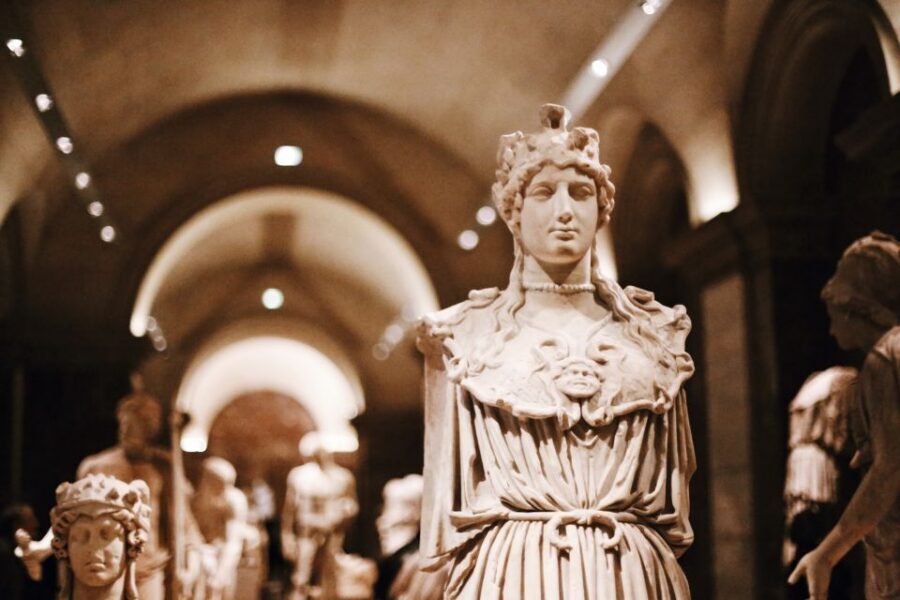
At $258 per person, this isn’t a budget stroll. So the question is: what are you really paying for?
You’re covering:
- Reserved entry tickets to both museums
- Museum entrance fees
- A professional guide (private guide if you choose that option)
- A lunch break
You’re not covering:
- Food and drinks
- Transfers (though the walk between museums is only about 10 minutes and you’re accompanied)
- Hotel pickup/drop-off
- Temporary exhibits
Here’s how I think about the value. If you plan to do both museums in one day, the time savings from reserved entry is real. Add a guide who can walk you through the art in a logical sequence, and you avoid the common problem of spending hours zigzagging without a sense of what matters most.
In other words, you’re paying to make your day coherent. That’s worth real money when the Louvre is on the schedule. And the 5.5-hour timing means you’re not wasting the day on low-focus wandering.
Practical Tips Before You Go: Bags, ID, and Foot-Fatigue
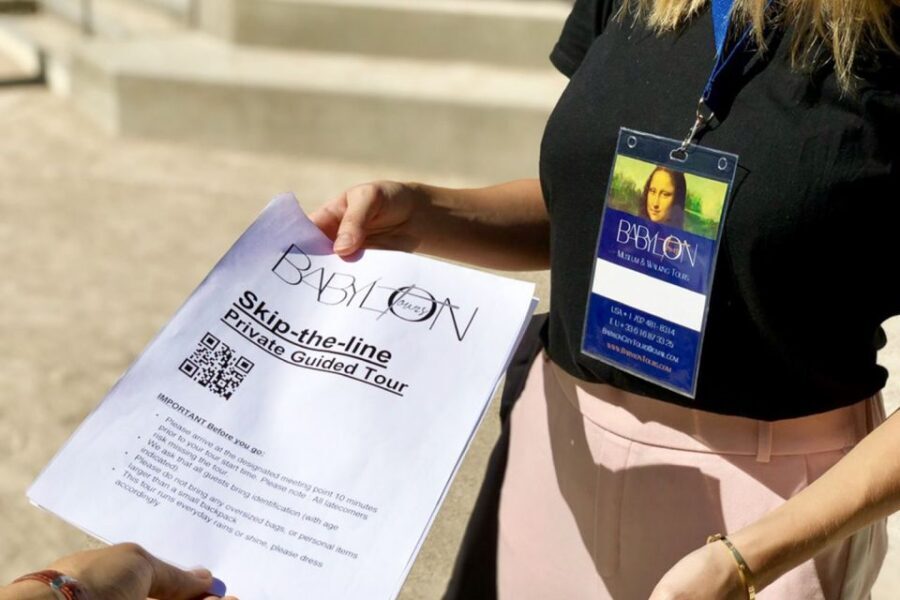
This tour asks you to bring your passport or ID card. That’s not the kind of detail you want to forget on museum day.
It also has strict limits on luggage:
- No luggage or large bags
- Oversize luggage is not allowed
- Items exceeding 55x35x20 cm aren’t permitted
So pack light. If you’re carrying a day bag, keep it compact. If you’re unsure, consider how you’d handle it even if security lines were slow—because you don’t want your whole schedule to hinge on one awkward moment at the entrance.
Now, the walking. The information is clear that there’s high walking involved. If you have mobility challenges, especially for the semi-private option, it’s not a match. Wheelchair tours are listed as on request only, but the tour also states it’s not suitable for wheelchair users. Because those points conflict, your best move is to contact the provider directly before booking and ask what accommodations are actually possible for your situation.
Also remember: some rooms may require quiet or restrict speaking, so keep your voice down when the guide tells you to.
Timing, Museum Closures, and How to Stay Calm
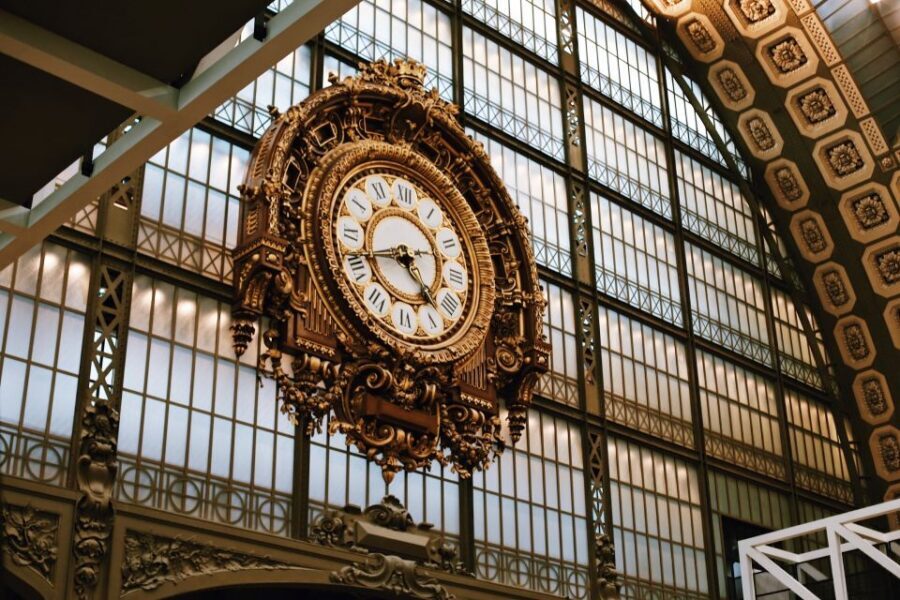
Museums can close rooms or shift access without much notice. This tour notes that there can be occasional closures without prior warning from museum management. If opening time is delayed more than 1 hour from the tour starting time, the provider will offer an appropriate alternative. In those delay cases, refunds or discounts aren’t offered by the platform.
That means you should keep your day flexible. Don’t plan a tight dinner reservation the moment the tour ends. You’ll want breathing room.
The tour also ends back at the meeting point, but you’re free to stay on afterward and continue exploring on your own. If you’re the type who wants to circle back and look again (especially at the works you connected with through the guide’s story), this is a nice bonus.
Who This Tour Is Best For
I’d book this if:
- You want two top museums in one day without turning it into a navigation nightmare
- You care about art context, not just seeing famous works
- You like a guided path that explains connections across time
- You’re traveling with someone who gets overwhelmed by huge spaces
I’d hesitate if:
- You don’t handle lots of walking well
- You need accessibility support beyond what’s confirmed by the provider
- You only want a quick highlights loop with minimal interpretation
The small group size helps a lot here. When the group is limited to 6 per guide, the tour feels less like a bus ride and more like a focused museum lesson.
Should You Book This Louvre + Musée d’Orsay Reserved-Entry Tour?
My take: this is a strong pick if you want your Paris museum day to make sense. The reserved entry matters, the chronological storyline matters, and the Louvre-to-Orsay pacing helps you experience the transition from ancient myth to Impressionist-era disruption without your brain melting.
If you’re comfortable with walking, and you’re happy to follow a guide through a structured route, you’ll likely come away with more than a list of famous art names. You’ll understand why the works matter—and that’s what makes the Louvre and Orsay feel less like chores and more like a real story.
If you have mobility concerns or luggage questions, confirm details before you book. Otherwise, this is a practical way to hit two heavyweights in one day and still feel like you actually saw them.
FAQ
What museums are included on this tour?
The tour includes the Louvre Museum and the Musée d’Orsay.
How long is the tour?
The duration is 5.5 hours. Start times vary, so check availability for the exact slot.
Are tickets reserved for entry?
Yes. You get reserved entry ticket access to both museums.
Is lunch included?
A lunch break is included, but food and drinks are not.
How do you get between the Louvre and Musée d’Orsay?
It’s about a 10-minute walk, and you’ll be accompanied by the guide if needed.
What languages are available for the live guide?
Live tour guides are available in Spanish, English, German, Italian, French, and Russian.
Is this tour wheelchair accessible?
Wheelchair tours are listed as available on request only, but the tour also says it is not suitable for wheelchair users. You should confirm your specific needs with the provider before booking.
What size luggage is allowed?
Luggage or large bags are not allowed. Oversize luggage is not permitted, and items exceeding 55x35x20 cm are not allowed in the museums.