REVIEW · PARIS
Louvre Museum Entry Ticket and Private Guided Tour
Book on GetYourGuide →Operated by TourUpinEurope · Bookable on GetYourGuide
Louvre fatigue is real. This private Louvre Museum tour is built to cut through the chaos with a guided route that gets you in front of the biggest artworks without wasting hours. I love that you get to focus on the famous pieces people come for, including the Mona Lisa and Venus de Milo, while your guide ties them to clear stories you can actually remember.
I also like that the guide doesn’t just point. You hear why certain artists were controversial, how details matter, and what to look for in works by Leonardo da Vinci, Caravaggio, Veronese, and Botticelli. The possible drawback: three hours is short for a museum this size, so you’ll leave knowing you saw the icons and the strongest storylines, not every room.
In This Review
- Key things to know before you go
- Why a 3-hour private Louvre plan works better than roaming
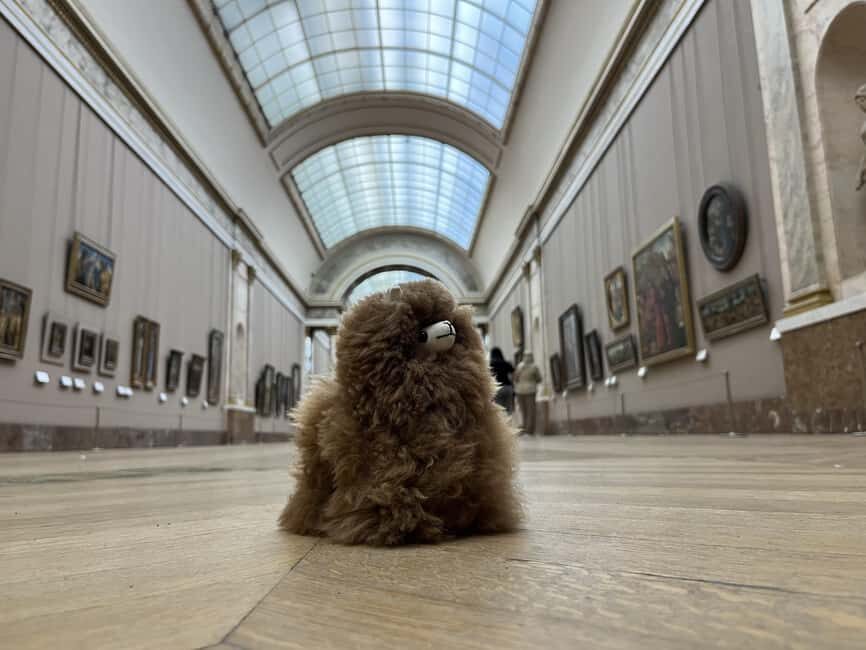
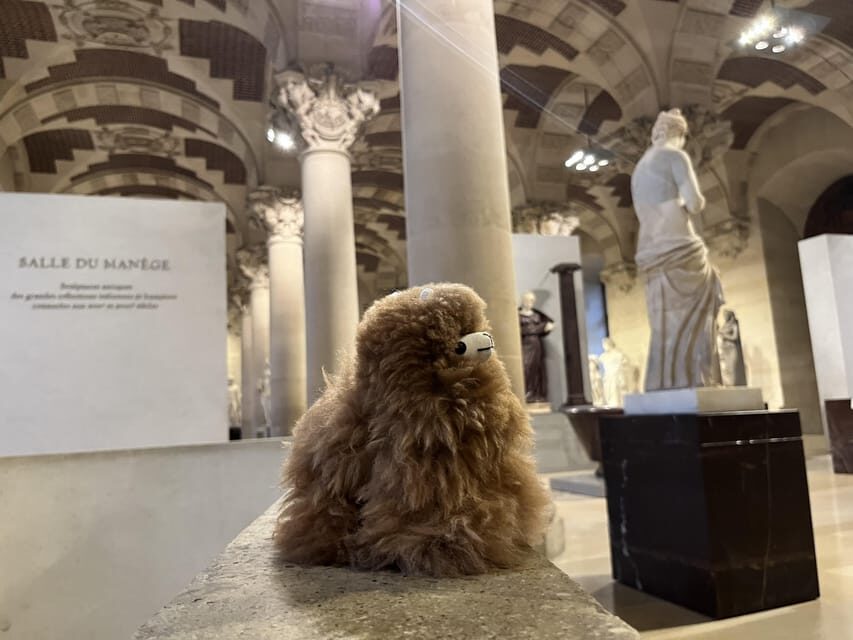
- Meeting at Palais Royal and spotting Mr. Lama Leonardo
- Security checks and photo rules that can affect your flow
- Getting in front of the Mona Lisa without losing the whole day
- Venus de Milo: famous sculpture, clearer context
- Leonardo da Vinci: Lisa Giocondo and details that matter
- Veronese and Caravaggio: controversy you can feel in the art
- Botticelli and the recurring woman theme
- Winged Victory of Samothrace: the finish that leaves an impact
- Guides, languages, and how the private format helps you
- Price and value: what $365 per person buys you
- Who should book this Louvre private guided tour
- Should you book this Louvre Museum Entry Ticket and Private Guided Tour?
- FAQ
- What’s included in the Louvre tour?
- How long is the tour?
- Is the tour private?
- Where do we meet for the tour?
- What languages are available?
- Are photos and videos allowed?
- What can’t I bring into the Louvre?
- Is the tour wheelchair accessible?
Key things to know before you go
- Private guide + Louvre ticket: you’re paying for a planned route, not just access
- Icon-first stops: expect time in front of major works like the Mona Lisa and Venus de Milo
- Story-driven art talk: Caravaggio, Veronese, Leonardo, and Botticelli get real context
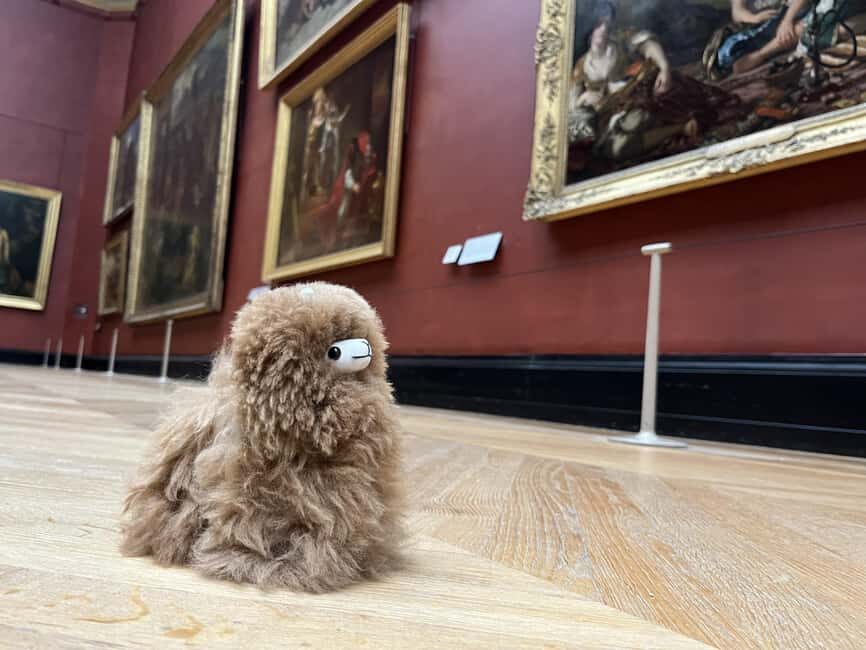
- A clear meeting point: look for the guide with the stuffed lama mascot, Mr. Lama Leonardo
- Photo rules matter: personal photos allowed in permanent collections, but no flash or selfie sticks
Why a 3-hour private Louvre plan works better than roaming
The Louvre is huge. Even when you have a “must-see” list, it’s easy to lose time to lines, crowds, and wrong turns. This tour is designed around the reality that you’re there for a limited window, so the guide leads you along a route that prioritizes the most recognizable sculptures and paintings.
You’ll also save energy. Instead of staring at walls trying to decode what you’re looking at, you’ll have someone translating the big ideas while you’re standing in front of the works. That changes the whole experience. You don’t just see masterpieces—you understand what made people argue about them, admire them, or copy them.
Is it still a lot in just three hours? Yes. But that’s also why it’s such good value for many first-timers: you trade “maybe I’ll get to it” for “I will definitely see it.”
You can also read our reviews of more tours and experiences in Paris



Meeting at Palais Royal and spotting Mr. Lama Leonardo
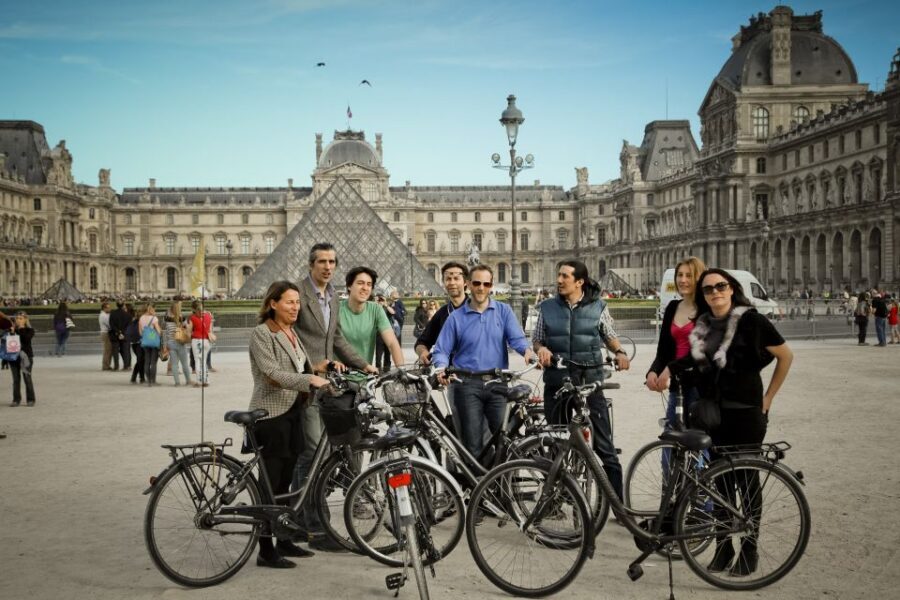
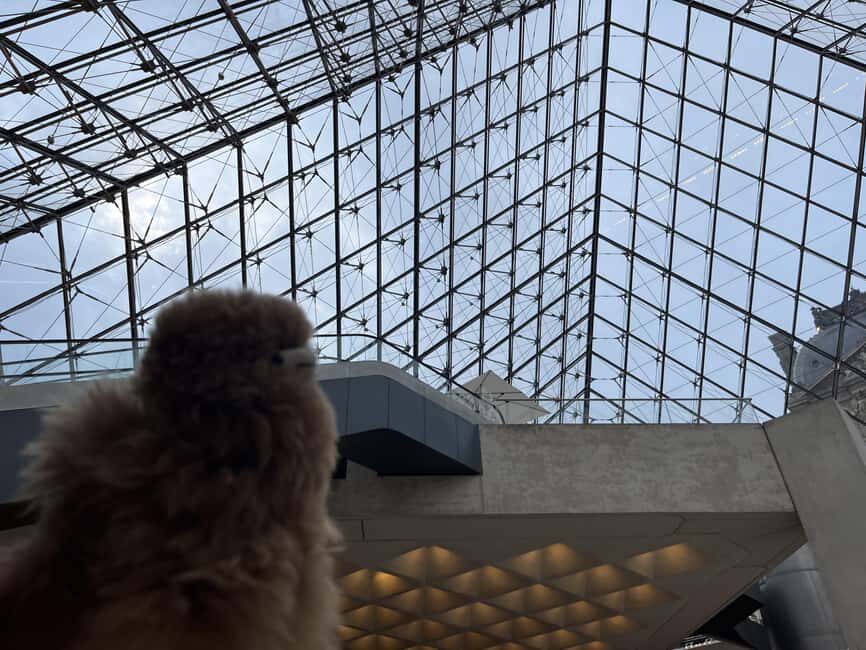
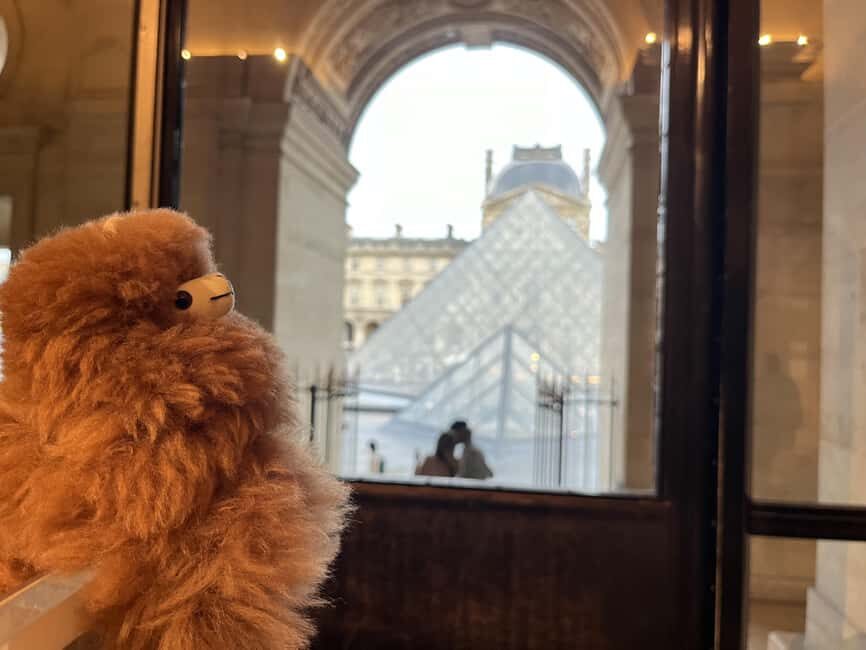
Your meeting point is right by the Palais Royal – Musée du Louvre metro station exit. Look for the guide standing next to a glass cube and with the stuffed lama mascot, Mr. Lama Leonardo.
This matters more than you’d think. The Louvre area has a lot of entrances and foot traffic. A clear landmark reduces that stressful “where are they?” moment and helps you start with less friction—especially if you’re traveling across time zones or with kids.
Tip for your day: arrive a bit early so you can settle in, use the restroom if you need it, and avoid that last-minute scramble.
Security checks and photo rules that can affect your flow
Before you start moving through the museum, you’ll go through standard security checks at the entrance. That’s normal at the Louvre, but your timing can feel tighter if you show up right on the minute.
Once inside, you can take photos and videos in the permanent collections for personal use. No selfie sticks. No flash or extra lighting. In temporary exhibition areas, photo or video rules may be different for specific works—so follow what staff indicate in the gallery.
Practical takeaway: if you love photography, decide ahead of time which works are your “capture it” priorities. Otherwise, you’ll spend mental energy on gear and settings instead of looking closely.
Getting in front of the Mona Lisa without losing the whole day
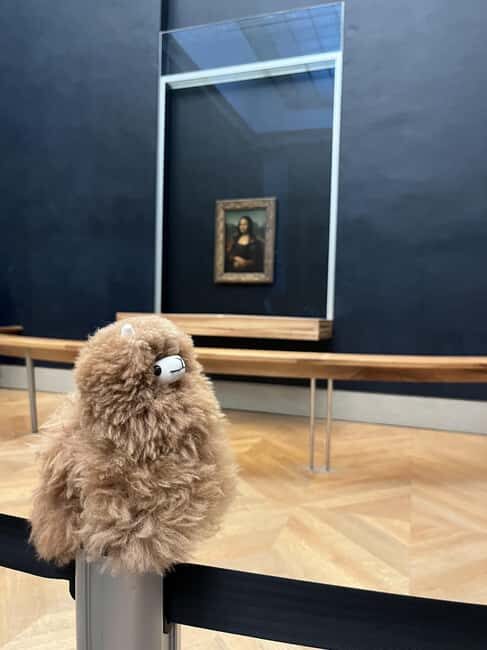
The Mona Lisa is the reason many people visit. A guided route helps because it reduces wandering. You spend your energy on the moment you’re actually trying to reach, rather than spending that time navigating.
What makes this tour’s approach work is the way you’re guided in how to look and what to listen for. The guide can explain why Lisa Giocondo became such an art-world focus, and it also helps you understand the painting as more than a face behind glass.
Another plus: you’re not left alone after the big name. You’ll keep moving to other key works while the same themes of portraiture, technique, and symbolism are still fresh in your mind.
Venus de Milo: famous sculpture, clearer context
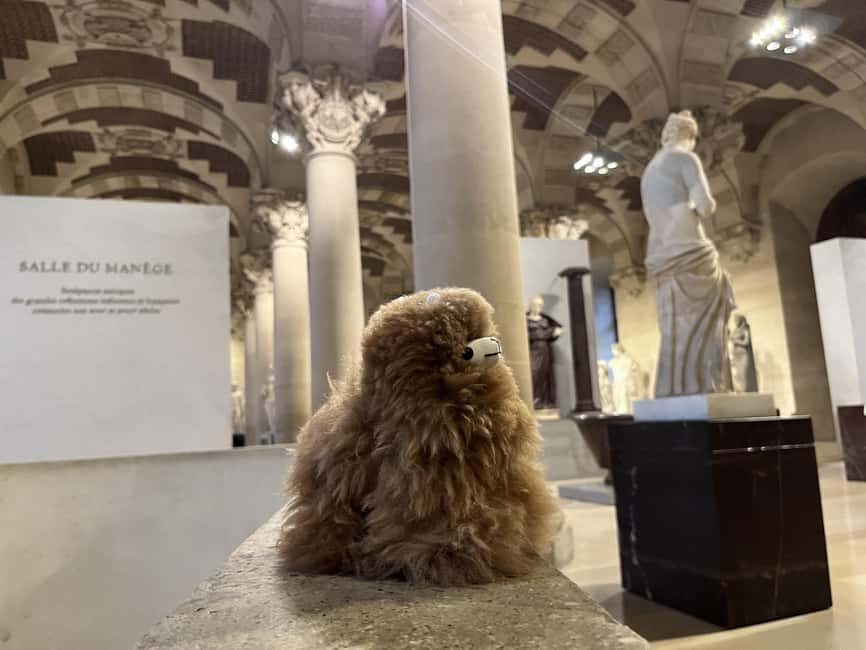
Venus de Milo is one of those works you’ve seen in books and online, yet seeing it in person feels different. With a private guide, you’re not stuck doing your own guesswork about proportions and style. You can stand there and focus while the guide helps you connect what you’re seeing to broader artistic ideas.
This is one of the tour’s smartest benefits: it helps you “read” art quickly. Your guide points out what to notice so the sculpture doesn’t blur into a generic stop on your trip.
If you’re the type who likes taking a careful lap around a sculpture, you’ll likely appreciate how the guide times your moments. You get the icon experience without rushing so hard that you miss what makes it special.
You can also read our reviews of more guided tours in Paris






Leonardo da Vinci: Lisa Giocondo and details that matter
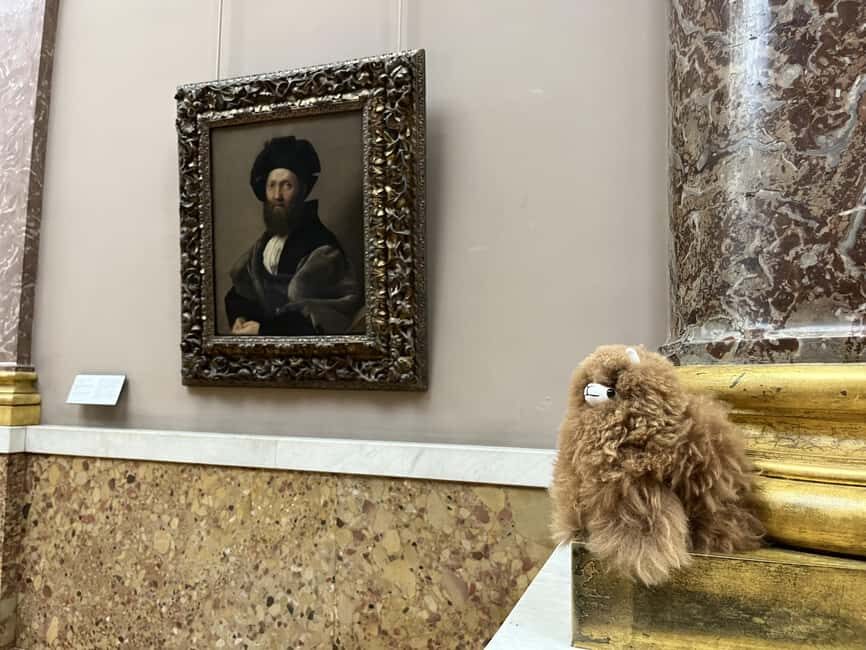
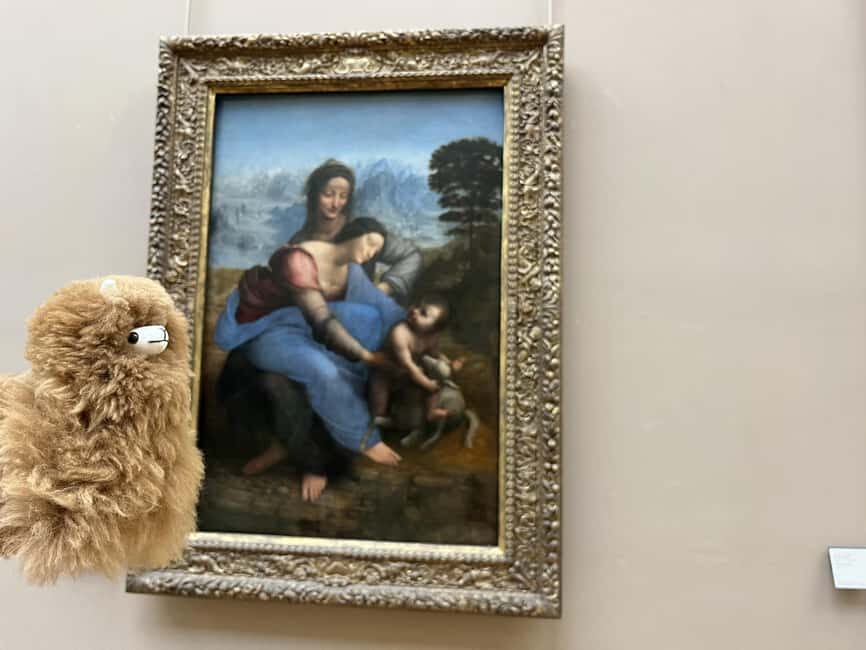
Leonardo da Vinci gets center stage on this tour, and the focus is not just on the artist’s fame. You’ll hear key points behind works attributed to him, including themes that explain why people keep returning to his paintings.
For many visitors, the most helpful part is learning what kinds of details to watch for—because Leonardo’s work often rewards attention. Instead of treating the painting like a static image, the guide helps you see it as something built with intention.
You also get the chance to hear about hidden meanings embedded by Leonardo in his paintings. Even if you only catch a few big ideas, that shift is huge: you leave knowing how to approach art the next time you’re in a museum.
Veronese and Caravaggio: controversy you can feel in the art
The Louvre has plenty of art that’s admired, but not all of it is comfortable. This tour uses that tension well.
You’ll hear stories about Veronese and why his depiction of Christ almost ran into trouble with the Inquisition. That kind of background can change the mood of a religious scene. You stop thinking only about style and start thinking about risk, interpretation, and how art could be read in different ways.
Then comes Caravaggio, with the kind of biography that makes people raise an eyebrow: a notorious drunkard and murderer, yet a maker of works that epitomize spirituality. That contrast is exactly what makes Caravaggio fascinating. When your guide sets it up, you’re able to see the paintings as both human and intentional—strong light, intense emotion, and subjects that feel close to real life.
If you like art that has moral friction or a “wait, what?” factor, this section is likely one of your favorites.
Botticelli and the recurring woman theme
Botticelli can be tricky if you don’t know what to look for, because his figures can feel similar at first glance. This tour gives you a specific thread to follow: you’ll learn about why all of Botticelli’s paintings feature the same woman.
That single idea does a lot of work. It turns a vague impression into a concrete visual pattern you can track. Suddenly you’re not just seeing a face; you’re seeing a motif that connects multiple works.
And when you’re in the Louvre, that matters. You’ll walk through looking for repetition, variation, and what changed between paintings. Your brain stays engaged instead of drifting.
Winged Victory of Samothrace: the finish that leaves an impact
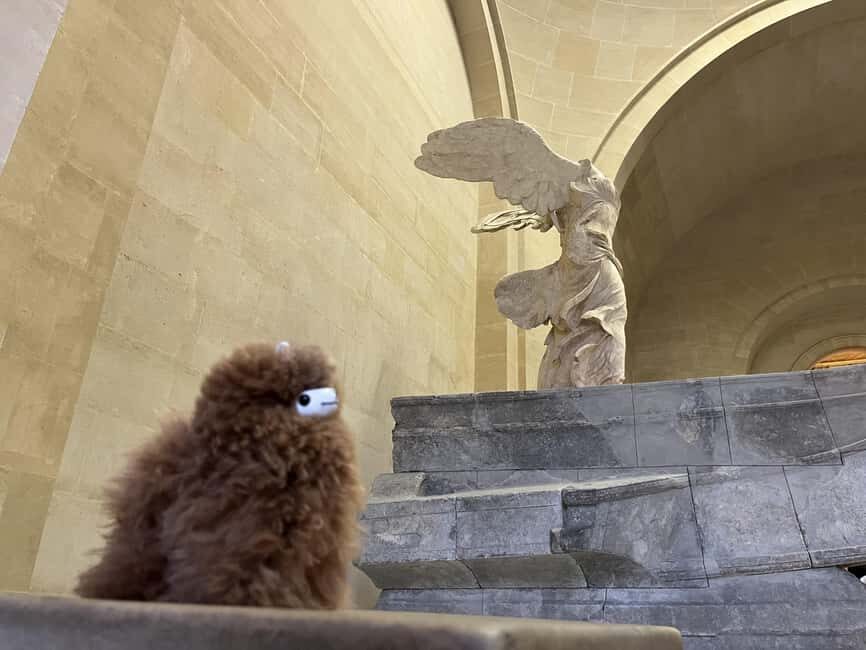
Toward the end of the tour, you’ll marvel at artwork like the Winged Victory of Samothrace. This sculpture is one of those “you can’t fake it” encounters. In person, you feel the drama of motion and the physical presence that photos don’t fully capture.
Finishing here tends to work well because it closes on a high-emotion note. You start with the headline painting and major icons, then you go deeper into artist stories, and you end with a sculpture that feels like the Louvre at its most cinematic.
If you tend to get museum-fatigued, the ending matters. The guide’s route helps you reach a strong emotional payoff before your energy drains.
Guides, languages, and how the private format helps you
This is a private group tour, and that difference shows up in pacing. You’re not fighting the group dynamics of a big bus-style tour, and the guide can slow down if something grabs your attention.
You can also get the tour in many languages: English, Spanish, Russian, French, Italian, Chinese, German, Japanese, and Korean. That’s a big deal in the Louvre, where the real value is in interpretation. When the language clicks, you understand more than just names and dates.
The guide lineup includes people like Daniel, Benedicte, and Natily, and those guides are known for patient explanations and keeping energy up—especially helpful if you’re bringing children. One key consideration: if your group includes kids, this kind of storytelling-led approach can keep them moving instead of bored in front of paintings.
Price and value: what $365 per person buys you
At $365 per person for a three-hour private guided visit, this isn’t a budget option. But it can be good value if you care about results, not just access.
Here’s what you’re paying for:
- A timed route through one of the world’s most confusing museum layouts
- Interpretation in real time while you’re standing in front of the works
- Prioritization so the “big names” actually happen during your visit
- Ticket included, which reduces the admin stress of pairing a tour with museum entry
If you’re the type who likes to get more from each hour—especially on a first Paris trip—this price can make sense. You’re buying back your time and your attention.
If you’re the DIY type with a strict list and you love wandering freely without a plan, you might prefer to build your own route. But if you want the icons plus artist stories, this private format often feels like the smarter use of a limited day.
Who should book this Louvre private guided tour
This tour is a strong fit if you:
- Want to see the Louvre’s biggest hits like the Mona Lisa, Venus de Milo, and the Winged Victory of Samothrace
- Prefer story-led art explanations instead of reading alone
- Want a manageable plan for a short Paris stay
- Want a guide who can adjust pacing for mixed-age groups
It may be less ideal if you want total freedom to stay in one room for a long time. Three hours is focused by design, so you’ll move with intent rather than drift.
Should you book this Louvre Museum Entry Ticket and Private Guided Tour?
I’d book it if your goal is a high-impact Louvre experience without the usual “we got lost” and “we ran out of time” stress. The biggest advantage is that you’re not just entering the museum—you’re getting a route that puts you in front of the works people recognize, and then you understand why they mattered.
If you can handle a packed three hours and you want someone to translate what you’re seeing as you go, this tour is an efficient, satisfying way to experience the Louvre.
If you want to add anything, plan your day around the museum security and photo rules, travel light, and arrive at the meeting point near Palais Royal so you start smoothly.
FAQ
What’s included in the Louvre tour?
You get a guided tour plus a Louvre ticket.
How long is the tour?
The duration is 3 hours.
Is the tour private?
Yes. It’s a private group.
Where do we meet for the tour?
Meet next to the Palais Royal – Musée du Louvre metro station exit. Look for the guide with the stuffed lama mascot (Mr. Lama Leonardo) standing next to the glass cube.
What languages are available?
The live guide can be English, Spanish, Russian, French, Italian, Chinese, German, Japanese, or Korean.
Are photos and videos allowed?
In the permanent collections, you can take photos and videos for personal use. No selfie sticks. No flash or lighting. Temporary exhibition areas may have additional restrictions for certain works.
What can’t I bring into the Louvre?
Luggage or large bags aren’t allowed. Pets aren’t allowed, though assistance dogs are allowed.
Is the tour wheelchair accessible?
Yes, the museum is wheelchair accessible.