REVIEW · PARIS
Paris: Afternoon E-Bike Guided Small Group Tour
Book on GetYourGuide →Operated by GO GO TOURS SARL · Bookable on GetYourGuide
Paris is best when you move.
This afternoon e-bike tour lets you cover big-name sights without turning your day into a stair-and-crowd contest. I like that the route hits classic icons like the Eiffel Tower, the Louvre area, and Notre-Dame views, while the guide also steers you through nicer-feeling streets and residential blocks that you’d skip on a bus. One thing to plan for: some intersections can feel busy, so you’ll want to ride confidently and follow the guide closely.
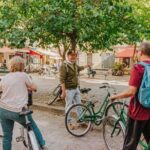
What makes it work well is the 2.5-hour format. You meet at 101 Av. de la Bourdonnais, get set up with a helmet, and then glide past landmarks with frequent photo-and-explanation stops. It’s also run rain or shine, so bring layers and think like a cyclist, not a spectator. Food and drinks are not included, but the pace is built around quick breaks when the moment calls for it.
In This Review
- Key highlights worth your attention
- Why this 2.5-hour e-bike loop fits Paris so well
- Starting at 101 Av. de la Bourdonnais: setup that makes the ride smoother
- Champs-Élysées to Grand Palais and Petit Palais: the Paris postcard stretch, on two wheels
- Place de la Concorde and the Revolutionary-era stop: where the story has teeth
- Louvre area to Musée d’Orsay: art stops that connect the left bank to the Seine
- Pont Alexandre III, Arc de Triomphe area, and the Flame of Liberty: grand views with a human pace
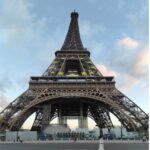
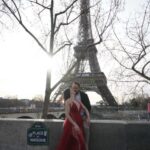
- Parc du Champs de Mars and the Eiffel Tower finish: the moment you came for
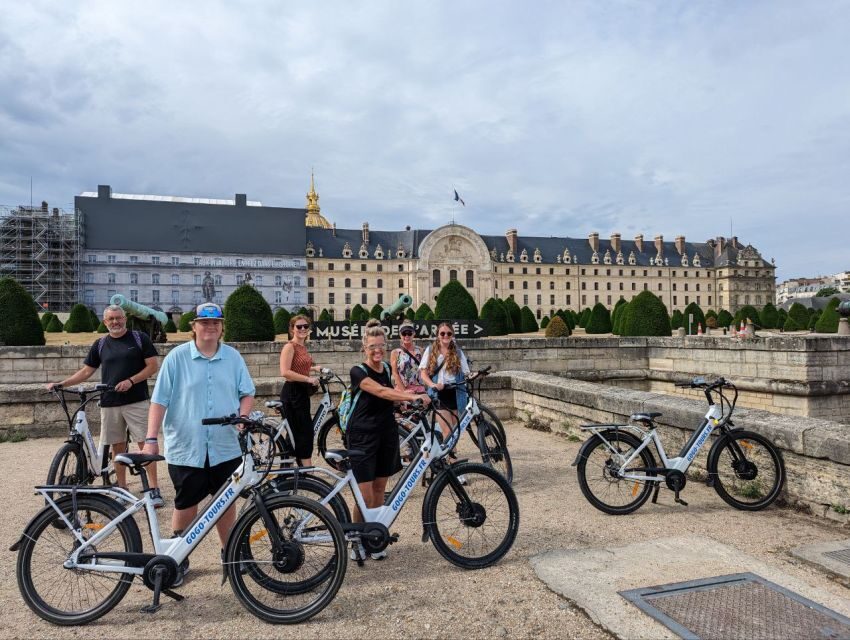
- Les Invalides and the Army Museum area: quick exterior views that set context
- How the guides shape the ride (and why named guides matter)
- E-bike comfort, pace, and the real feel of Paris traffic
- Price value: what $63 buys you in time, guidance, and saved energy
- Who should book this e-bike tour, and who should skip it
- Should you book this Paris Afternoon E-Bike Guided Small Group Tour
- FAQ
- What is the duration of the tour?
- Where does the tour start?
- Is the tour guided in English?
- Will the tour run in bad weather?
- Are helmets provided?
- Is food included?
- What age groups is the tour suitable for?
- Is this a small-group or private experience?
- How flexible is cancellation?
- How much does it cost?
Key highlights worth your attention
- Iconic sights efficiently: Louvre, Eiffel Tower, Arc de Triomphe area, and the Seine corridor.
- Small-group feel: you’ll typically ride with a tight group and get more direct guidance.
- Frequent photo stops: the guide helps you time pictures at the right angles.
- Revolution-era context near Concorde: you pass the spot tied to public executions.
- Easy riding with e-assist: much less effort than pedaling a normal bike for the whole loop.
- Guide-driven route choices: named guides like Jack, Kenza, George, Boris, and Emma are praised for adapting to what you want.
Why this 2.5-hour e-bike loop fits Paris so well
Paris can feel like two different cities at once: postcard monuments and real streets. This tour is built for the overlap. In about 150 minutes, you get big views, clear orientation, and enough motion to make the afternoon feel productive without burning the whole day.
You’re not just chasing photos. The ride format also helps you understand how the city fits together: broad boulevards, grand museum façades, the sweep of the Seine, and the way famous buildings sit in real neighborhoods. On a bike, those connections click faster than if you only walk short segments.
The e-assist matters too. A “regular” bike tour in Paris can turn into a long workout. With an e-bike, you keep the energy for stopping, listening, and taking in streetside details.
You can also read our reviews of more cycling tours in Paris


Starting at 101 Av. de la Bourdonnais: setup that makes the ride smoother
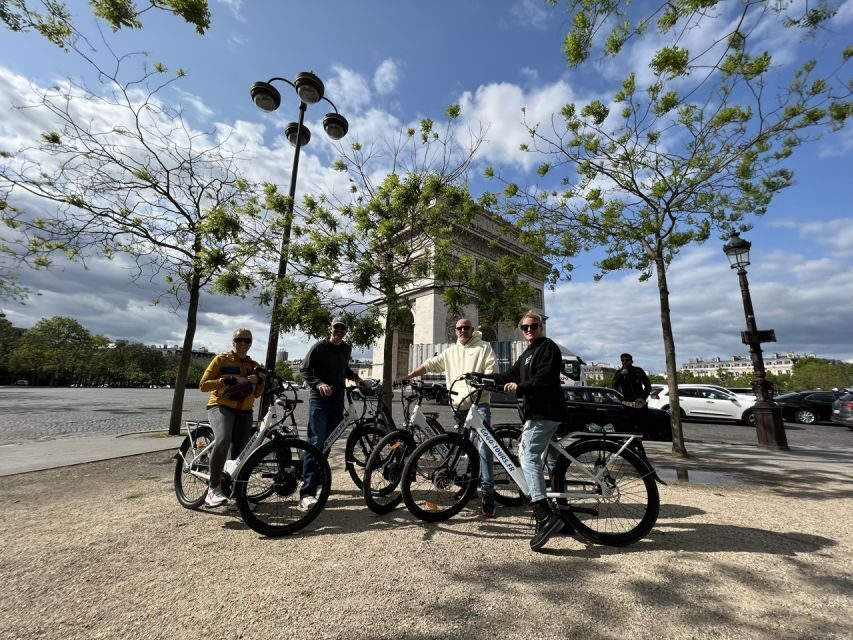
Your tour starts at 101 Av. de la Bourdonnais. Plan to arrive a little early so you can get through the handoff without feeling rushed. Luggage storage is part of the pre-ride flow, which is helpful if you’re juggling bags from a hotel or an arrival day.
You’ll be equipped with a helmet (and the helmet is described as optional). From there, you’ll hop on and get your bearings before the city pulls you into the rhythm of main roads. An English live guide leads the tour, so you’re not stuck guessing what you’re seeing.
Quick tip: treat the first minutes like training, even if you feel comfortable. You want your eyes on the guide, not on the next landmark. Once you’re rolling, the stops are timed to keep the pace comfortable and your photos worth the pause.
Champs-Élysées to Grand Palais and Petit Palais: the Paris postcard stretch, on two wheels
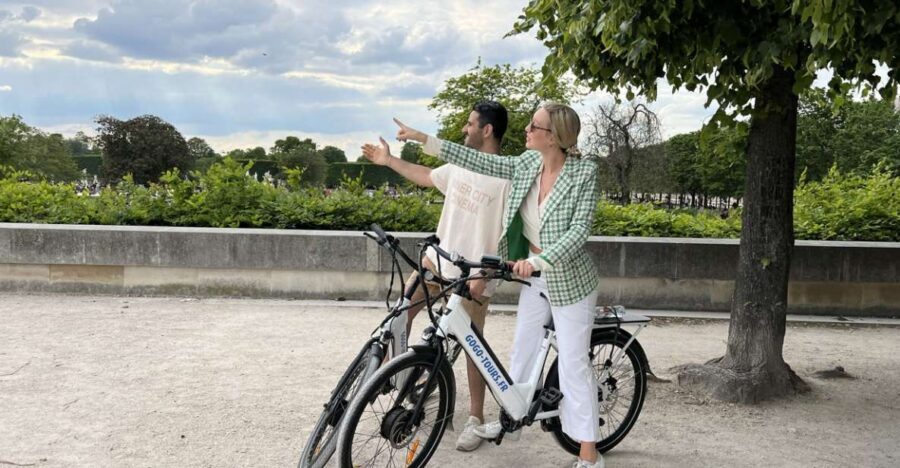
This is the part of the tour where Paris starts flexing its parade-boulevard muscles. You ride along the Champs-Élysées and pass the Grand Palais and Petit Palais area. Even if you’ve seen these buildings in photos, the scale hits differently when you’re moving slowly enough to notice details but fast enough to cover distance.
Grand Palais and Petit Palais are good examples of why a guided ride beats solo wandering. A guide can point out the design logic and the relationship between the architecture and the street flow. You get the “what” and the “why,” without needing to stop for a full museum-level explanation.
Expect short passes here—think exterior viewing and quick photo moments—rather than long time inside. If you’re hoping to spend hours on the Champs-Élysées, this tour is not trying to replace that. It’s trying to get you oriented and excited for what you’ll follow up later.
Place de la Concorde and the Revolutionary-era stop: where the story has teeth
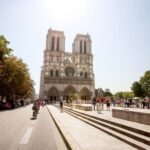
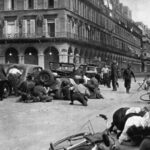
From the Champs-Élysées corridor, the route moves toward Place de la Concorde. This is where the tour adds a sharper historical edge. The experience specifically notes passing the place where public executions took place during the Revolution.
That matters because Concorde is easy to treat as just another grand square. A guide helps you see it as a turning point in the city’s story. When you understand the location’s role, the surrounding landmarks feel less like decor and more like witnesses.
Practically, this section is best as a stop-and-look moment. The square is visually impressive, but it can also feel intense with traffic flow. If you’re biking, keep your head up, hold your line, and let the guide manage the timing of where you pause for photos.
Louvre area to Musée d’Orsay: art stops that connect the left bank to the Seine
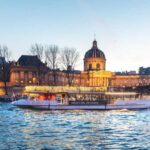
You’ll pass by the Louvre Museum and then the Musée d’Orsay. The guide’s job here is to connect the dots between major landmarks and the river corridor that ties them together.
You’re not touring the inside of the museum in this format. Instead, you get the exterior context and the big architectural impressions. That’s actually a smart strategy. The Louvre and Orsay are huge time commitments if you try to do them all in one go. Doing the outdoor orientation first makes it easier to plan a separate visit later with clearer priorities.
If you love photos, this is where angles matter. From a bike lane perspective, you can often capture views that you might miss on foot. The guide’s photo planning is a recurring theme in past riders’ feedback, and it shows you how to use the stops instead of just passing through.
You can also read our reviews of more guided tours in Paris



Pont Alexandre III, Arc de Triomphe area, and the Flame of Liberty: grand views with a human pace
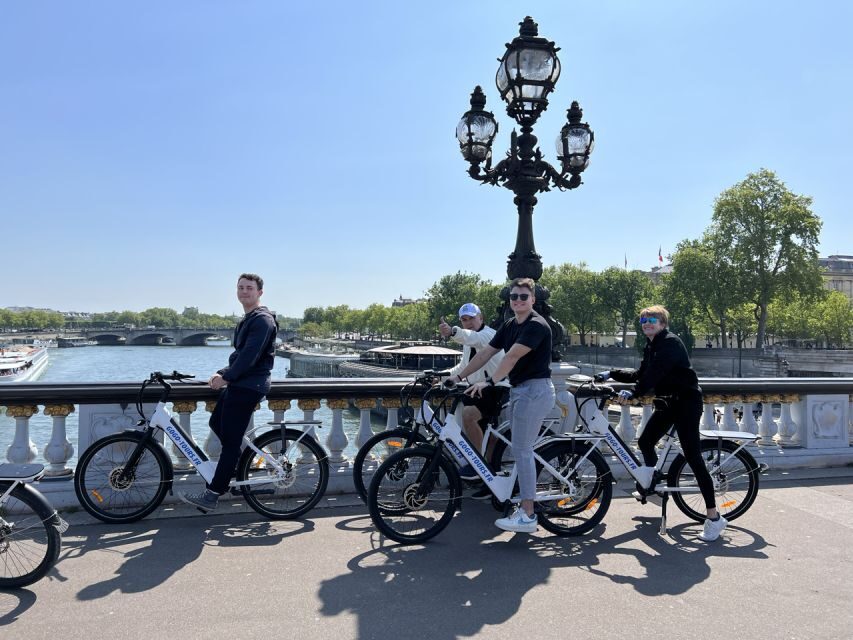
Some of the best “wow” moments on this tour come from the Seineside and monument belt. You pass Pont Alexandre III, then you move through the Arc de Triomphe area and the Flame of Liberty stop.
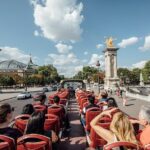
Pont Alexandre III is one of those bridges you can recognize immediately, yet still miss the details when you cross too fast. On an e-bike, you get to slow down just enough to appreciate why it looks so ceremonial. And then you shift back into the monument pattern: big shapes, strong lines, and Paris built to be photographed from multiple sides.
The Arc de Triomphe area can feel like a traffic puzzle, so listen closely when the guide calls out what’s next. The Flame of Liberty is a nice counterpoint here—less about the sheer monument size and more about atmosphere and symbolism.
The key benefit: you see these monuments as a sequence, not isolated stops. Paris makes more sense when you experience it as a connected walkable-to-rideable loop.
Parc du Champs de Mars and the Eiffel Tower finish: the moment you came for
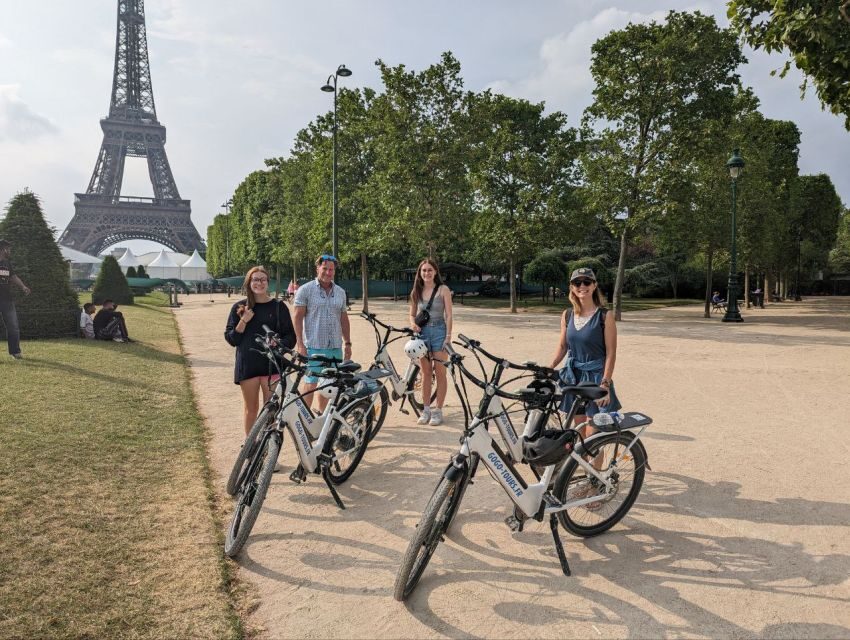
As you get toward Parc du Champs de Mars, you’re in the home stretch. This is where the tour’s pacing usually feels rewarding: you’re already warmed up from the early-landmark rhythm, and you’re positioned for that Eiffel Tower payoff.
The Eiffel Tower stop is described as a short pass, but you’re not riding past it like it’s background. The tour’s structure is designed so you hit the iconic end point with enough energy to look, take photos, and actually enjoy the view instead of rushing through.
If you’re visiting Paris for the first time, this kind of finish is valuable. It gives you a clear reference point for later days. You’ll start noticing how other neighborhoods relate to this central axis, and you’ll plan your next outings with more confidence.
Les Invalides and the Army Museum area: quick exterior views that set context
The route includes a pass by Les Invalides and the Army Museum, Paris area. These stops are brief, so don’t expect long explanations on every corner. But even short viewing time can help you understand why this part of Paris has gravitas.
Invalides isn’t only about a single building. It’s a reminder that Paris has always been both cultural and political, with military history woven into the city’s major institutions. A guide can turn a fast sighting into a meaningful backdrop for everything you see afterward.
For photo planning, you’ll likely want to slow your own expectations slightly here. It’s a pass-by moment. If you want a deeper history, you can always come back later with a specific plan, but the tour gives you a strong orientation first.
How the guides shape the ride (and why named guides matter)
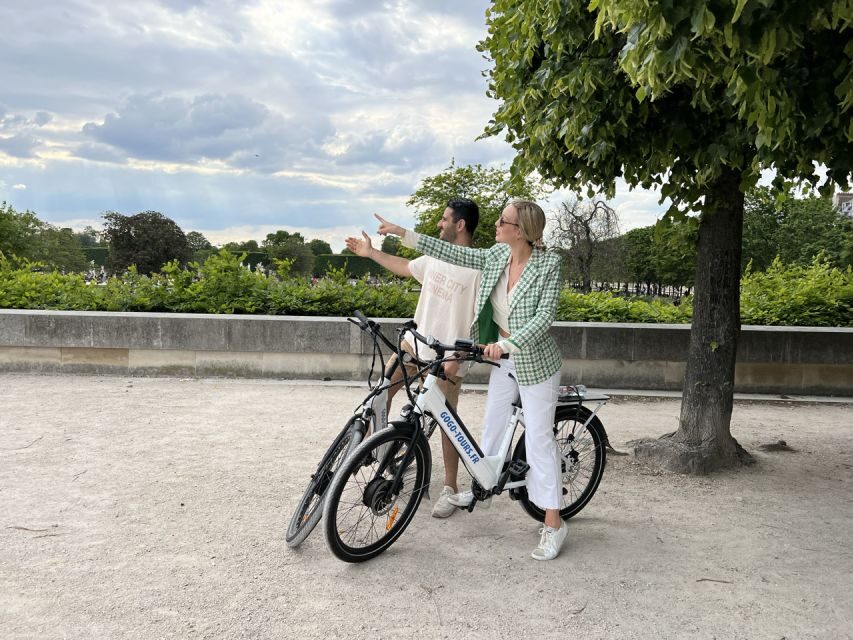
In a tour like this, the guide is the difference between sightseeing and learning to read the city. This one runs with live English guidance, and multiple named guides come up in feedback for making the ride feel personal.
Some guides are described as adapting the route to what you want, like Jack’s experience of tailoring the tour and even making time for hot chocolate on a freezing afternoon. Others, such as Kenza and Kenzo, are praised for clear explanations at each stop and for answering questions as you ride. George is repeatedly credited with fitting the itinerary well and giving helpful suggestions beyond the monuments. Boris and Emma are also mentioned for making the ride feel safe, organized, and easy to enjoy.
The practical takeaway for you: show up with at least a couple of must-see priorities (Eiffel Tower, Louvre area, Arc de Triomphe, Seine views). Then during the ride, ask one or two targeted questions. You’ll get more out of the stops that way, because the guide has a reason to focus.
E-bike comfort, pace, and the real feel of Paris traffic
E-bike tours sound easy, and in most ways they are. The e-assist helps you keep a steady rhythm without burning out, and past riders describe the ride as easy with frequent stopping points. One rider even noted covering around 15 km, which helps you calibrate that this is not a ten-minute loop. It’s an actual afternoon outing.
Still, the bike lanes and intersections are part of the experience. One person mentioned busy intersections feeling a bit “freaky” but doable. Translation for you: you don’t need to be a daredevil, but you should be alert, keep a consistent pace, and avoid texting while rolling up to crossings.
Also, sound can be tricky while you’re moving. One rider wished the guide had audio while riding, because hearing can get harder in traffic. The good news is you’ll have stops for explanations and photos, so if you miss a sentence, it usually comes back when you pause.
Bring a practical mindset:
- Dress for the weather since it’s rain or shine.
- Bring water or plan to grab it nearby since food and drinks aren’t included.
- Charge your phone and consider a power bank if you plan lots of videos.
Price value: what $63 buys you in time, guidance, and saved energy
At about $63 per person for 150 minutes, this is a value play if you want a highlight reel with real-world navigation support. Walking the same distance on a tight schedule is slow, and buses can feel detached from the street-level layout of Paris.
The cost makes sense because you’re paying for three things at once:
1) a comfortable way to cover distance (the e-bike),
2) an English live guide to give context, and
3) a guided route that keeps you from guessing where to go next.
You’re also not locked into a full-day commitment. If you only have one afternoon, this is the kind of plan that gives you a strong baseline, so your next day’s choices feel less random.
Who should book this e-bike tour, and who should skip it
This tour is designed for adults and older teens, since it’s not suitable for children under 12 and there’s an upper age limit of 95. If you’re comfortable riding an e-bike and can handle occasional city traffic, you’ll likely enjoy it a lot.
You might also prefer this option if you don’t want to spend your limited time in Paris on navigation. The guide route helps you hit major landmarks and also gives context for design, culture, and history.
Skip it (or think twice) if you’re not confident riding in active city streets. The tour passes many key areas with short time windows, so it isn’t built for slow, cautious pacing every minute.
Should you book this Paris Afternoon E-Bike Guided Small Group Tour
If you want a strong Paris orientation fast, I’d book it. The format is practical: 2.5 hours, major landmarks, an English guide, and an e-bike that lets you spend your energy enjoying the views instead of wrestling your legs.
I’d also book it if you like your sightseeing with meaning. The route touches big architectural names and adds story beats like the Revolutionary-era execution site near Concorde. And if you care about photos, you’ll benefit from the guide-led stop timing.
One last check: be comfortable with traffic energy. If that’s your only hesitation, you’ll still likely manage it. Just ride calmly, follow instructions, and use the stops to soak in the best angles.
FAQ
What is the duration of the tour?
The tour duration is 150 minutes (about 2.5 hours).
Where does the tour start?
The meeting point is 101 Av. de la Bourdonnais.
Is the tour guided in English?
Yes. The live tour guide speaks English.
Will the tour run in bad weather?
Yes, the tour takes place rain or shine.
Are helmets provided?
Helmets are provided and are described as optional.
Is food included?
No. Food and drinks are not included.
What age groups is the tour suitable for?
It is not suitable for children under 12, and it has an upper limit of 95 years.
Is this a small-group or private experience?
It’s available as a private or small group tour.
How flexible is cancellation?
You can cancel up to 24 hours in advance for a full refund.
How much does it cost?
The price is $63 per person.