REVIEW · PARIS
Marais: Discover the Medieval Heart of Paris
Book on GetYourGuide →Operated by My Super Tour · Bookable on GetYourGuide
The Marais is history you can walk through. This 150-minute tour takes you from the neighborhood’s medieval beginnings to today’s design and nightlife scene, with a guide who connects the buildings to real people and real stories. You’ll also hit foodie stops in the Jewish quarter, plus architecture you simply wouldn’t spot on your own.
I love two things most: the mix of medieval Paris with modern stops like Centre Pompidou, and the way the guide turns street corners into context (not just facts). You’ll also get hands-on neighborhood flavor, including classic Jewish foods such as falafel and hamantaschen along the way.
One thing to consider: the route is tight and involves steady walking, so cold weather and rain can make it feel like more than 150 minutes. Bring comfortable shoes, and yes, an umbrella helps.
In This Review
- Key things to know before you go
- From Bastille to Rue des Tournelles: getting the Marais in one walk
- Place des Vosges: where the Marais shows off its planning
- Maison de Victor Hugo: literature you can walk into
- Hôtel de Sully and noble mansions: why power looked like this
- Rue Saint-Antoine and the Jewish quarter: streets as a living archive
- Hidden stops, Masonic spaces, and courtyards you’d miss
- Halle des Blancs Manteaux and the shopping-smart Marais
- Picasso Museum Paris: why art matters here
- National Archives Garden and Centre Pompidou: the city’s layers collide
- Final stretch: Sainte-Croix de la Bretonnerie and a last look at the Marais
- What makes the guides a big deal here
- Value and timing: is it worth $50 for 150 minutes?
- Should you book the Marais medieval heart tour?
- FAQ
- FAQ
- Where is the meeting point?
- How long is the tour?
- What languages are offered?
- What is included in the price?
- What should I bring for the walk?
- Do I need to pay right away?
- Is there free cancellation?
- Does the itinerary include Maison de Victor Hugo?
Key things to know before you go
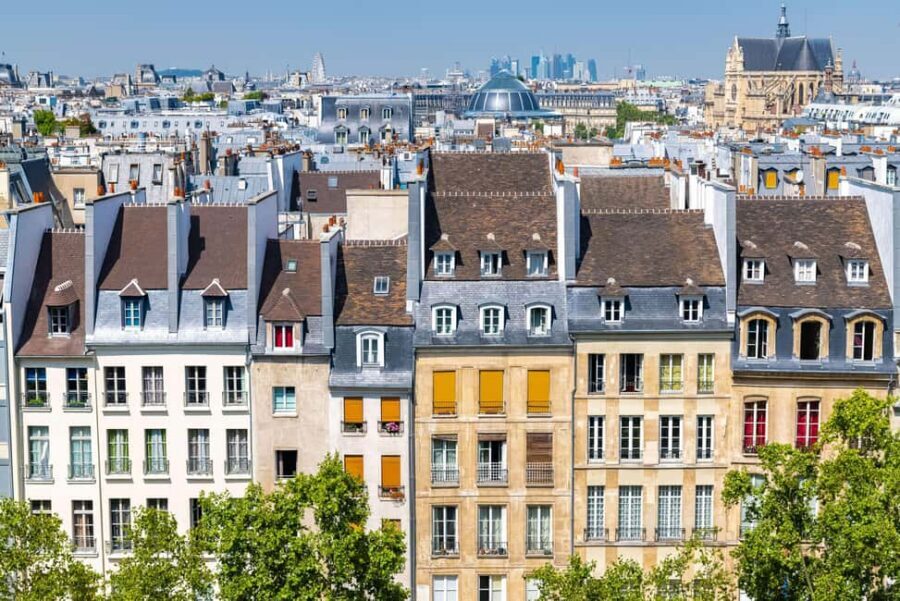
- Only medieval-feeling quarter: you’re in Paris’s oldest Medieval area, shaped by early draining of swamp land and then centuries of building
- Secret spaces, not just postcard spots: the route includes hidden corners and photo stops that you’d likely miss alone
- Jewish landmarks plus modern style: you’ll see the oldest synagogue in Paris and an Art Deco synagogue, then move into today’s Marais shopping energy
- Victor Hugo on your route: the tour includes a visit to Maison de Victor Hugo
- A guide who adapts: guides like Max, Sacha, and Malakas bring strong historical focus and will answer questions on the fly
From Bastille to Rue des Tournelles: getting the Marais in one walk
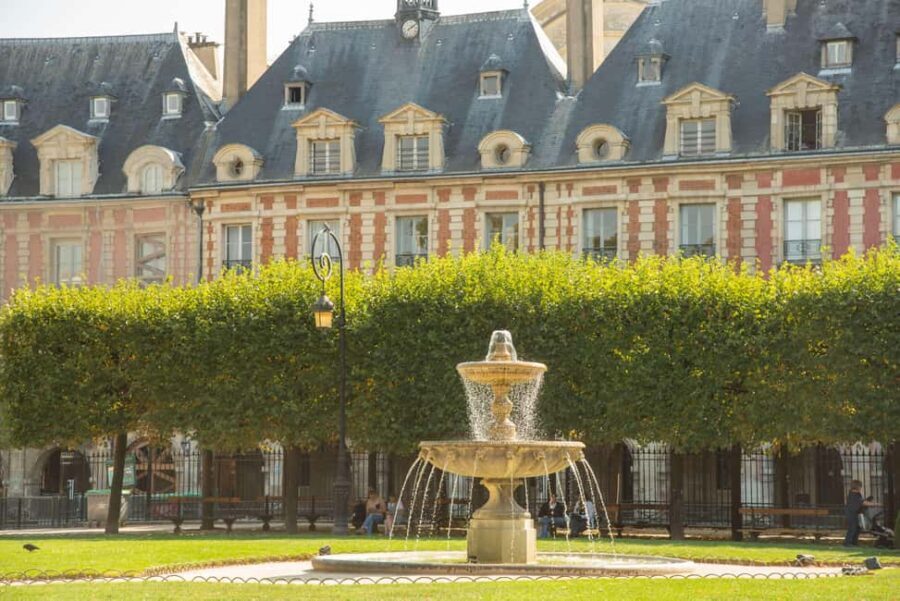
Most first-timers enter the Marais as a collection of sights. This tour helps you understand it as a timeline. You start at 3bis Pl. de la Bastille, then head toward the Marais’s heart, moving on foot through streets where the city’s layers are still visible if you know what to look for.
A key part of the value is how the guide frames the neighborhood before you even reach the big squares. The Marais began as swampy land, then was drained in the 13th century by the Knights Templar—an unusual origin story that changes how you read the layout. When you later see passageways, courtyards, and mansion-like facades, you’ll understand that these aren’t random: they’re part of how the area grew and stabilized.
Practical note: the meeting point is right by the metro—Bastille, exit 7 (sortie 79). The guide waits with a sign that says My Super Tour. If you’re traveling with a small group, this kind of start point is a big stress reducer because you’re not hunting.
You can also read our reviews of more tours and experiences in Paris.



Place des Vosges: where the Marais shows off its planning
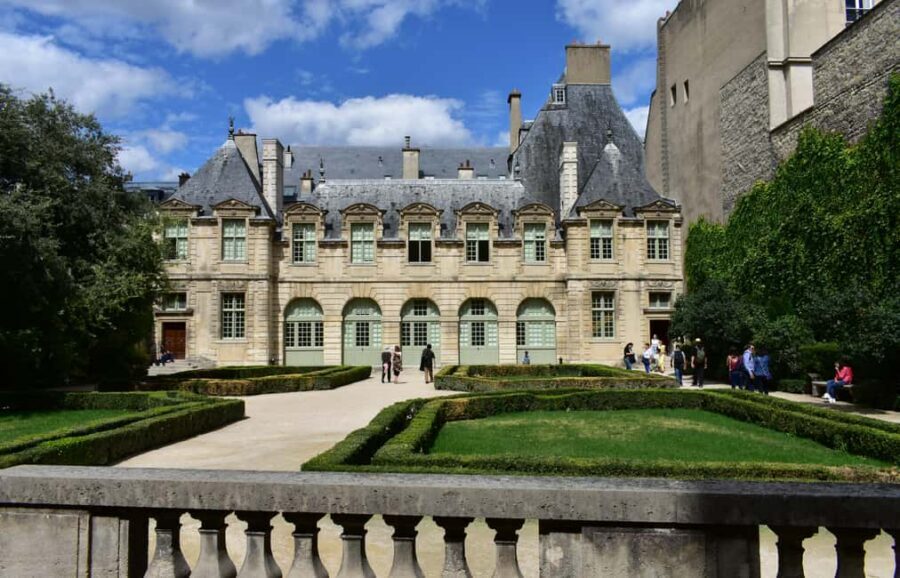
Next comes Place des Vosges, often considered the city’s oldest planned square. It’s one of those places that looks simple until you notice the details: the symmetry, the repeating building lines, and the way the square feels like it was designed to last.
This stop is short on purpose. The tour uses Place des Vosges as an anchor: you get oriented fast, then you move onward while the architecture is still fresh in your mind. If you’re the type who wants to understand why Paris looks the way it does, this is a good rhythm.
The only drawback is crowd pressure. Even on a guided schedule, squares like this can get busy. Arrive mentally ready for some people-watching before you can fully enjoy the view lines.
Maison de Victor Hugo: literature you can walk into
Then you visit Maison de Victor Hugo, a real shift from “look at a building” to “step into an era.” Victor Hugo is one of those names that can feel generic until you connect him to the exact setting where he lived and wrote. This stop gives you that connection.
What I like about including this is that it widens the Marais story. You’re not only dealing with royalty, religion, and defensive walls. You’re dealing with ideas—political writings, moral debates, and the kind of public life that shaped 19th-century France.
If you’re a fan of French literature, this will land harder than a regular architecture stop. If you’re not, the setting still helps: it makes the neighborhood feel human, not just historic.
Hôtel de Sully and noble mansions: why power looked like this
From there the tour turns toward Hôtel de Sully, and you’ll get both a photo stop and a guided look. This is where the Marais starts to feel like an aristocratic stage set. These mansions and large hôtels were built for people who had money, status, and influence—and you can see that in the scale and the polish.
The guide also connects these mansions to the 14th and 15th centuries, when concealed spaces and grand residences housed noble inhabitants. In practical terms, this stop teaches you how to read the street: you can spot when a doorway is just a doorway, and when it’s part of a larger story of wealth and protection.
One small consideration: because you’re moving quickly through multiple major sites, you might not have time for long lingering. If you want to stare at one facade for ten minutes, this tour is more about momentum than slow art appreciation.
Rue Saint-Antoine and the Jewish quarter: streets as a living archive
As you head past 99 Rue Saint-Antoine and toward the area around Rue des Rosiers, the Marais changes tone. This is where the tour leans into community, not just monuments.
The guide explains how this neighborhood became a melting pot shaped by Jewish life alongside other communities, including LGBT culture and modern designer storefronts. The result is a Marais that feels like a neighborhood you can actually understand, not a theme park.
Then comes one of the best parts: street food. You get a guided walk and time for street food such as falafel, plus Jewish favorites like hamantaschen and Hanukkah jelly donuts. If you’ve ever tried to “eat your way” through Paris without a plan, this is the safer, more satisfying version: you’re not wandering aimlessly for the right bites.
Also, this part of the route can be emotionally more interesting than you expect. The guide highlights landmarks like the oldest synagogue in Paris and the only Art Deco synagogue, which gives you a clear sense that Jewish life here has changed shape across time—not just stayed frozen.



Hidden stops, Masonic spaces, and courtyards you’d miss
A standout feature of the tour is that it includes at least one secret stop—a photo stop paired with guided commentary. These moments are why a guided route beats solo wandering. The Marais has plenty of corners that look promising but don’t reveal their purpose until you know what to ask.
The tour also points out Masonic temples and lodges, with an emphasis on the “why” behind their presence. Even when you don’t see everything from street level, you’ll learn to connect these spaces to the social networks and philosophies that influenced Paris over time.
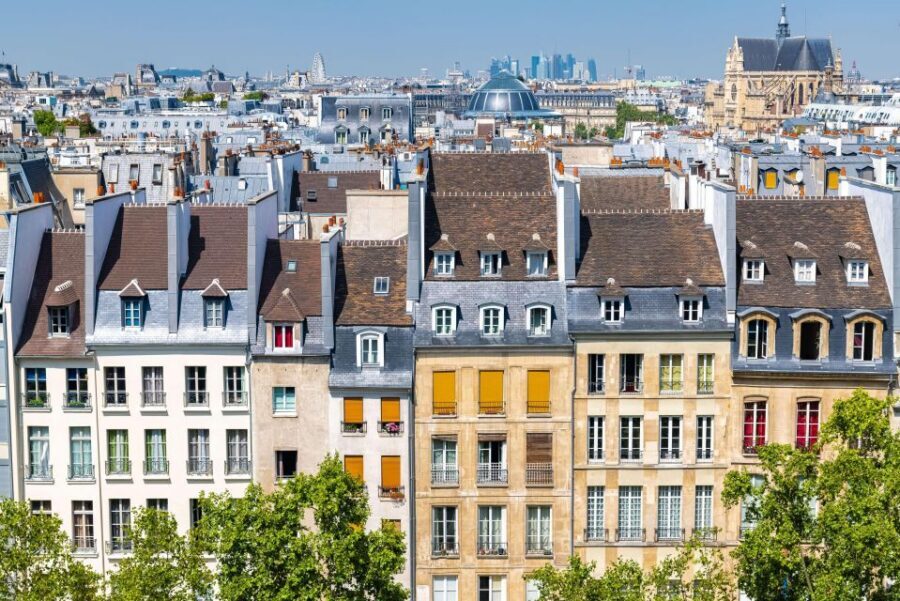
This is also where you’ll start noticing the architecture’s “hidden language”: entrances that don’t match the expected street grid, passages that open into calmer spaces, and mansions whose scale feels bigger once you understand how they’re set back from the street.
Halle des Blancs Manteaux and the shopping-smart Marais
You’ll then reach Halle des Blancs Manteaux, with a guided segment that helps you see what’s going on beyond the obvious. It’s one of those places where Paris mixes commerce and charm, and the guide helps you understand how the market-like spaces fit into the neighborhood’s evolution.
After that, the tour includes a stop at UNIQLO LE MARAIS. This might sound like a random brand detour, but it’s actually useful. It shows you what the Marais looks like now, not only what it used to be. Parisian neighborhoods change, and the Marais has become a go-to area for fashion and modern shopping.
If you like designer stores but also want everyday brands and quick browsing, this mix is a practical way to experience “current Marais” without turning the tour into pure window shopping.
Picasso Museum Paris: why art matters here
Next up is Picasso Museum Paris, with a guided tour included in the plan. This is one of the most “modern-leaning” stops, and it helps connect the Marais to 20th-century creativity.
I like that the tour doesn’t treat art as separate from place. You’re walking from medieval and religious landmarks into an art museum, and the guide helps you see the continuity: Paris’s creative life has always been tied to where people live and gather.
Time-wise, the stop is brief compared to a full museum visit. If you want to spend hours with the collection, you’ll still need a separate visit later. For this tour, it’s mainly about orientation and context.
National Archives Garden and Centre Pompidou: the city’s layers collide
The next moment shifts the mood again. You’ll have a photo stop and guided time at the National Archives Garden. Even in a tour that moves quickly, gardens matter because they show how space and planning evolved. It’s a reminder that the Marais isn’t only tight streets and stone walls.
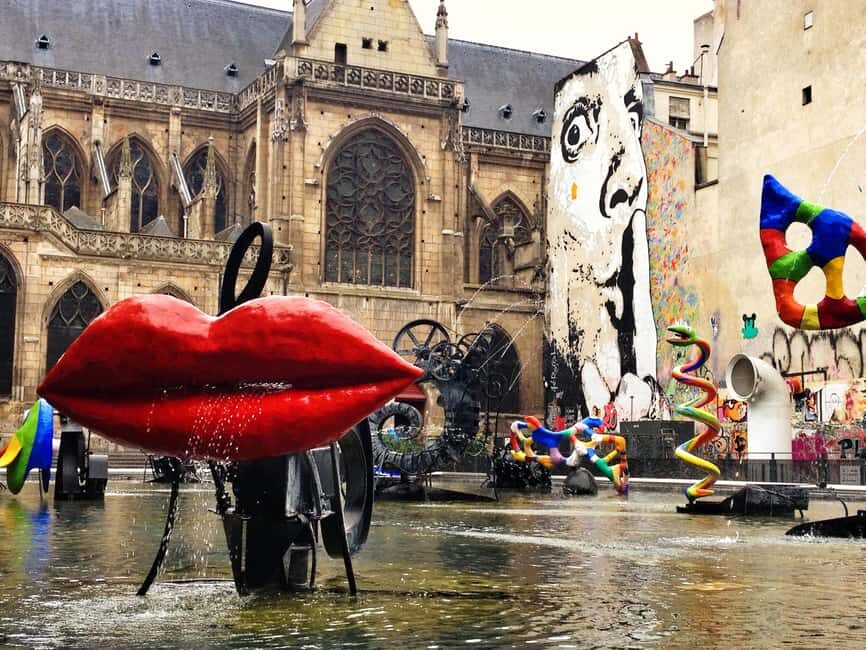
Then you head to Centre Pompidou for a photo stop and guided time. This is a deliberate contrast: medieval architecture and community landmarks on one side, and a modern cultural institution on the other. The guide’s explanation helps you understand that you’re not just jumping to a different part of Paris—you’re seeing the Marais’s influence on the wider city identity.
Final stretch: Sainte-Croix de la Bretonnerie and a last look at the Marais
Toward the end, you visit 30 Rue Sainte-Croix de la Bretonnerie, with a guided stop that includes time for shopping. This is where you can slow down just a bit and actually browse, grab a snack, or pick up a small souvenir without feeling rushed.
The tour ends having given you a full arc: medieval origins, noble residences, religious landmarks, food, modern shopping, and major cultural stops. That “arc” is the real value. It’s easy to collect isolated sights in Paris. It’s harder to understand how they connect.
What makes the guides a big deal here
The best part of this experience is not just the route. It’s the way the guide teaches it.
You’ll often meet enthusiastic guides who bring real academic depth and the ability to steer. One guide named Max is described as energetic and deeply informed, with studies in politics, history, and international relations—exactly the kind of background that helps you connect architecture to systems of power. Another guide named Sacha is praised for strong historical knowledge and tailoring the tour when questions come up, plus pointing out secret gardens that you wouldn’t stumble upon. Malakas is highlighted for knowledge and for keeping the information flowing even when weather made the walk uncomfortable.
So if you care about explanations that answer your questions instead of just reciting a script, this is the right kind of guided experience.
Value and timing: is it worth $50 for 150 minutes?
At about $50 per person for 150 minutes, this tour is fairly priced for what you get: a professional local guide plus a concentrated route that covers medieval sites, Jewish quarter highlights, and modern cultural icons.
If you were doing this yourself, you’d likely spend time figuring out what to prioritize and you’d miss parts of the story—especially the hidden spaces, the synagogue details, and the Masonic context. The tour compresses that learning into a manageable window.
One reason it feels worth it: the stops change categories. You go from square to mansion to synagogue area to food to art to modern culture. That variety helps the time pass quickly.
Should you book the Marais medieval heart tour?
Book it if you want the Marais in one organized hit—medieval roots, Jewish landmarks, architecture, and today’s design vibe—without spending your vacation assembling a complex plan. It’s especially good if you like your tours guided by someone who can answer questions and adapt, not just march you through photos.
Skip it if you prefer slow museum time, long independent exploring, or you hate walking in light rain or cold. The route is packed, and even with a professional pace, you should plan on being on your feet.
If you’re weighing solo wandering versus a guided route, take this as your shortcut. It helps you understand the neighborhood fast, then you can come back on your own to the parts you liked most—this time with a sharper eye.
FAQ
FAQ
Where is the meeting point?
The meeting point is at 3bis Pl. de la Bastille. The guide will wait with a sign reading My Super Tour at the exit of the metro station Bastille at exit 7 (sortie 79).
How long is the tour?
The tour duration is 150 minutes.
What languages are offered?
The live tour guide offers English and Russian.
What is included in the price?
The tour includes an experienced professional local guide.
What should I bring for the walk?
Bring comfortable shoes. Also bring a bottle of water, and for security bring an umbrella.
Do I need to pay right away?
You can reserve now and pay later.
Is there free cancellation?
Yes. You can cancel up to 24 hours in advance for a full refund.
Does the itinerary include Maison de Victor Hugo?
Yes. The tour includes a visit to Maison de Victor Hugo.