REVIEW · PARIS
Moet et Chandon Pommery Pressoria Champagne Private trip
Book on Viator →Operated by Clewel Travel · Bookable on Viator
Champagne day, tightly planned. This private trip strings together Moët & Chandon, Pressoria, Pommery, and Reims in one long day, with a 7:30 hotel pickup and timed tastings. I like the tasting structure that matches your chosen option level, and I like that Pommery and Pressoria are audio/self-guided, so you can read, listen, and move at a calmer pace. One thing to watch: there is no live guide by default, and BASIC access to Moët can depend on availability.
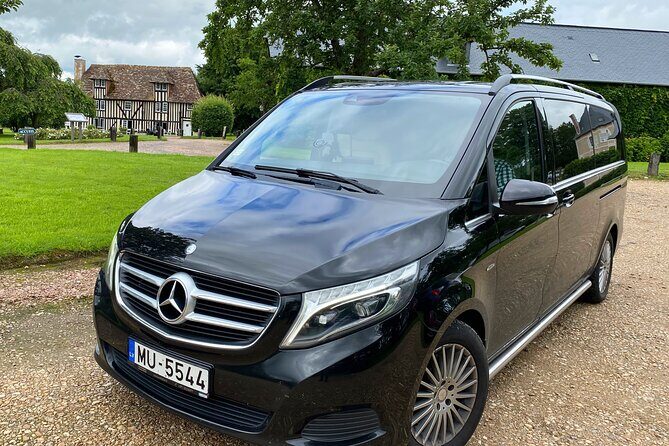
You’ll ride in a Mercedes (E220 or a minivan) with an experienced chauffeur who keeps you on schedule. If you want a true English-speaking guide throughout, a live guide is available for a surcharge, and that can be the difference between a good day and a truly educational one. The operator can also help with a restaurant reservation in Épernay, which is handy when your whole schedule is already crammed with cellar time.
In This Review
- Key things that make this Champagne tour work
- From Paris at 7:30: what the Mercedes day really feels like
- Moët & Chandon cellar visit: choosing Imperial vs Grand Vintage
- Pressoria Museum in Reims area: learn the method, then taste
- Épernay lunch hour: the one break you actually get
- Hautvillers Abbey stop: where Dom Pérignon fits into the story
- Pommery Champagne house in Reims: audio caves and Brut Royal
- Reims Cathedral: coronation grandeur for the last chapter
- Price and logistics: is $643 per person good value?
- Who should book this private Champagne trip (and who should pass)
- Should you book it?
- FAQ
- What’s included in the tasting stops?
- Do I need a live English guide?
- How long is the trip from start to finish?
- What are the differences between BASIC, MOST POPULAR, and ADVANCED at Moët?
- Is there time for lunch?
- What’s the minimum age for Champagne tastings?
Key things that make this Champagne tour work
- Mercedes hotel pickup at 7:30 with a planned rest stop on the way to the Champagne region
- Moët & Chandon cellar visit in English plus two glasses tailored to BASIC, MOST POPULAR, or ADVANCED
- Pressoria Museum is self-guided with tastings, built for learning the Champagne method without rushing
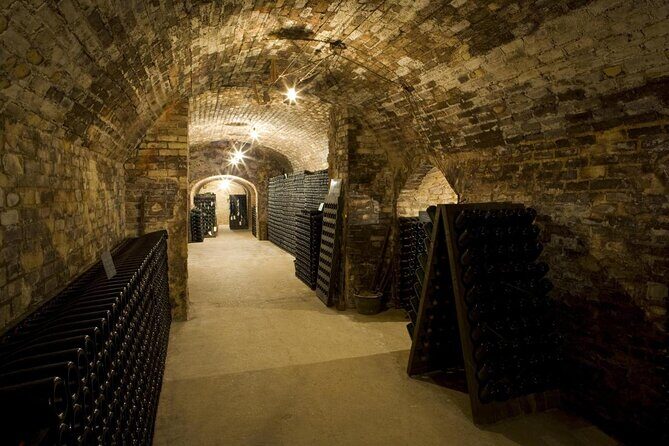
- Pommery caves are audio-guided and include a tasting of Brut Royal
- Epernay lunch stop is flexible (and the operator can help with a reservation)
From Paris at 7:30: what the Mercedes day really feels like
This tour is long, about 11 hours 30 minutes door-to-door. The upside of that length is that you’re not just hitting one big house and calling it a day. You’re covering several corners of the Champagne story: major houses, method education, vineyard villages, and the Reims Cathedral setting for the royal crowns.
The day starts with pickup at 7:30 am, then a roughly 2-hour ride (around 140 km) toward the Champagne region. There’s a rest area stop, which matters because most of the time you’ll spend here is standing, walking, waiting for entry slots, and enjoying tastings. Expect the schedule to move. You’ll be treated like a group with a clock, even though it’s private.
The transport is a Mercedes E220 or Mercedes minivan, which is a big deal for comfort. Champagne tours can feel like you’re trapped in a tiny bus for hours; this setup is more like a controlled day trip with fewer compromises. And bottled water is included, which is practical when you’re juggling tastings.
One logistical detail that shapes your experience: the chauffeur handles routes and timing, and they also make sure you get where you need to be for each entrance. But the chauffeur is not described as your guide. If you want someone to explain the why behind the wine and not just the where, plan on adding the live guide option.
You can also read our reviews of more private tours in Paris



Moët & Chandon cellar visit: choosing Imperial vs Grand Vintage
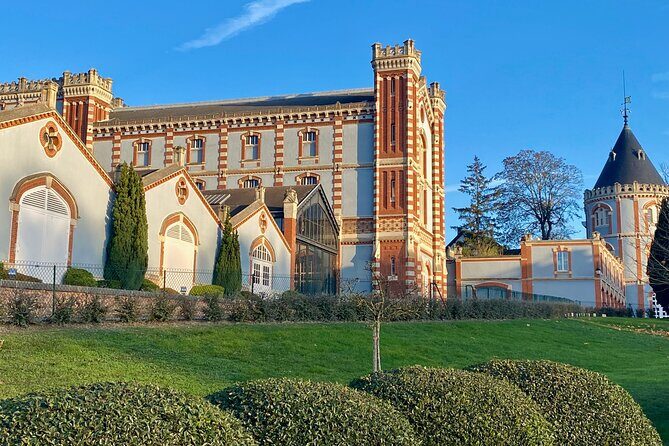
Moët & Chandon is the headline stop, and it’s built as an actual guided cellar experience (in English). You’ll arrive around 10:00 am, and the Moët time block is about 1.5 hours.
Here’s the key: your tasting isn’t one-size-fits-all. You choose a level, and it controls what you drink and how the group is capped:
- BASIC (up to 19 people): Guided cellar visit with tastings of Moët Impérial and Rosé Impérial
- MOST POPULAR (up to 15 people): Moët Imperial and Grand Vintage
- ADVANCED (up to 10 people): Moët Grand Vintage Blanc and Moët Grand Vintage Rose
For many people, the value is in those different pours. If you’re new to Champagne, Imperial bottles can be a straightforward start. If you’re tasting with more precision (or you already know the style families you like), the Grand Vintage choices give you something to compare.
Moët’s own scale is part of the “wow” factor. Their materials note they’re the world’s biggest Champagne producer, and that it’s behind every second bottle opened. Even if you don’t care about rankings, that kind of production scale helps you understand why cellar visits here can feel both polished and a bit industrial compared to smaller houses.
A practical note: Moët isn’t always available for the BASIC option. The operator says they may upgrade you to MOST POPULAR or ADVANCED if Moët is not available for that level. So keep your expectations flexible. It’s still the same tour design; the house access is what can shift.
Also remember the tasting age rule: minimum age for wine tastings is 18. If you’re traveling as a group that includes anyone under 18, they can still take part in visits, but they won’t be sampling alcohol.
Pressoria Museum in Reims area: learn the method, then taste
After Moët, you’ll head to Pressoria around 11:30 am. The museum visit runs 11:45 am to 12:45 pm, about an hour, and it’s self-guided.
Pressoria’s format is the reason this stop works so well inside a timed day. Instead of waiting for a guide to finish one topic at a time, you can take the exhibits in the order that makes sense to you. You’ll learn the history of the Champagne region and the production method, then you’ll finish with a tasting that includes two glasses of Champagne.
This is the stop I’d recommend to anyone who wants more than just sipping. The museum is essentially the bridge between “I like Champagne” and “I get why it tastes like Champagne.” When it’s self-guided, you can slow down for the bits that matter to your brain: the fermentation stages, the role of yeast and time, and why the bubbles are not magic, but process.
If you’re the type who likes to take notes, this is a good time to jot down what style choices you liked at Moët. Then you’ll have a clean memory trail when your tasting profile continues at Pommery later.
Épernay lunch hour: the one break you actually get
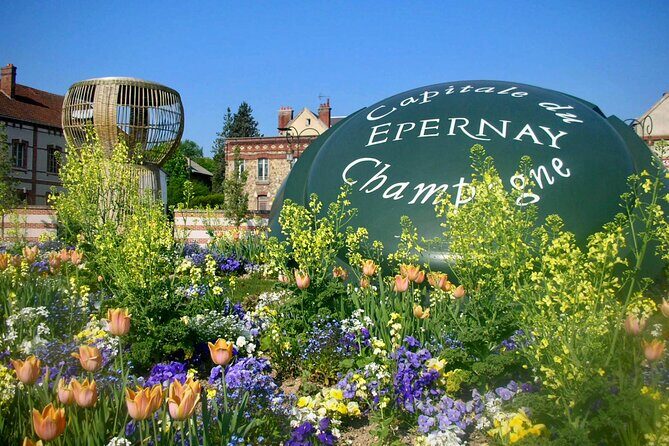
Next comes a short drive to Épernay, the Champagne “capital” vibe town. You’ll spend 13:00 to 14:00 on lunch and strolling, and you can either:
- take what you find on foot, or
- ask the operator to make a restaurant reservation (an important help here, because the schedule is tight)
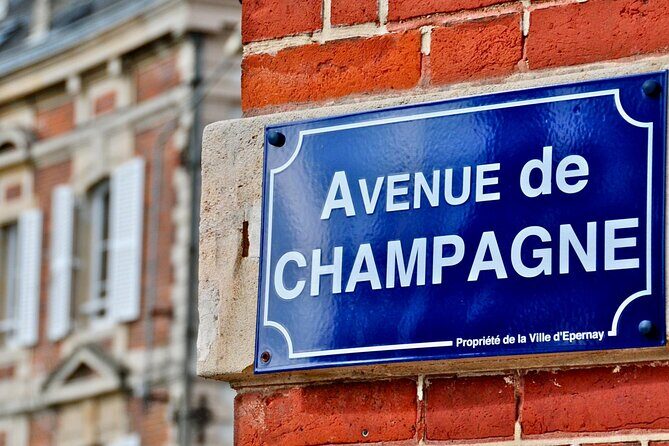
Épernay is known for being centered along the Marne River and surrounded by wine hills. The famous walking area is the Avenue of Champagne, and even if you don’t go inside every house, the street gives you the sense of where the money and the tradition sit side-by-side.
The timing is short—just one hour—so don’t try to “do” the whole town. Instead, pick one mission: lunch first, then a walk along Avenue of Champagne to see the house facades, or reverse it if you’re hungry later. Your chauffeur timetable will keep you from wandering too long.
Hautvillers Abbey stop: where Dom Pérignon fits into the story
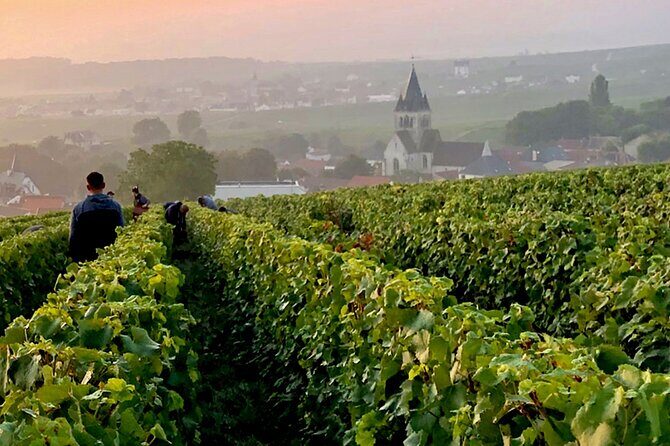
Around 14:15, you’ll stop at Abbaye Saint-Pierre d’Hautvillers. The visit runs about 30 minutes (14:15–14:45), and it includes the abbey’s church of Sindulphe d’Hautvillers.
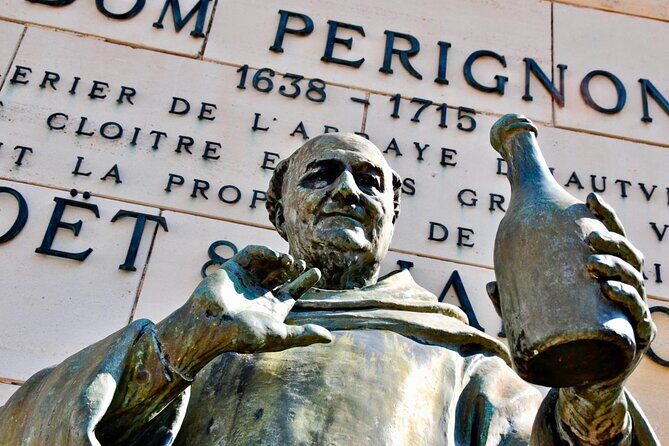
This stop is small compared to the big houses, but it’s meaningful. The abbey was founded in 665, stayed active until the French Revolution in 1789, and it’s tied to the Champagne story because Dom Pérignon developed wine-making methods in the region.
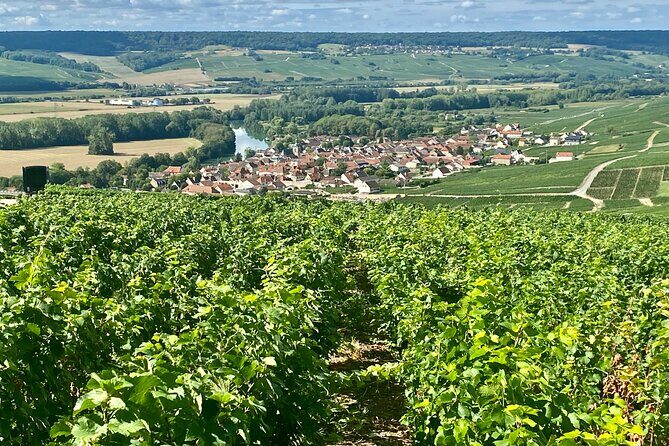
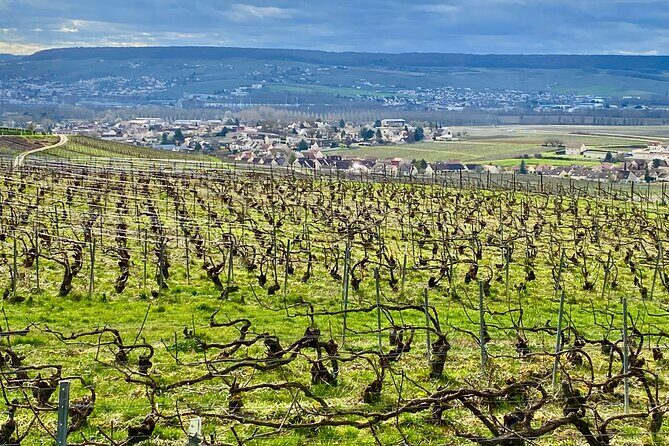
You’ll also get a short break for a panoramic viewpoint over the vineyards and the Marne River. This kind of stop is underrated on Champagne days. Big tastings can make the day feel repetitive. A vineyard viewpoint resets your mental map of where the grapes come from and why “place” matters.
One more useful detail: the village is described as having 26 local Champagne producers today. That tells you the region is not only famous for a handful of global brands. It’s still a working network of smaller producers, and this stop helps you remember that.
You can also read our reviews of more wine tours in Paris




Pommery Champagne house in Reims: audio caves and Brut Royal
Around 15:15, you’ll go to Pommery for 45 minutes (15:15–16:00). This part is audio-guided, and it includes a caves visit plus a tasting of one glass of Brut Royal.
Pommery is different from Moët in tone. Moët is a guided cellar visit with a more traditional tour structure. Pommery gives you the caves with audio support, and that can be better if you like to control your pace. You’re in the setting where Champagne ages, and you’re not trapped in a single speaking schedule.
Their caves are described as UNESCO listed, which helps explain why the attraction is more than just pretty stone. The caves are part of how Champagne works: stable temperatures, long aging periods, and a physical space built for the rhythm of production.
This is also one of the stops where the “no live guide” detail matters. If you don’t have a live guide, audio helps, but it still won’t answer surprise questions in real time. If you’re the type who wants to ask why a certain step is done a certain way, consider adding the live guide option.
Reims Cathedral: coronation grandeur for the last chapter
After Pommery, you’ll head to Reims Cathedral for a visit around 16:00 to 16:30. The cathedral’s role is simple and powerful: it’s where most French kings were crowned.
Why include it on a Champagne tour? Because Champagne’s importance isn’t just about taste and bubbles. In Reims, Champagne is linked to ceremony, power, and identity. The cathedral is a final “chapter” stop that gives the day a sense of place in French history, not only wine logistics.
The timing is tight, so focus on what you can actually absorb:
- the overall scale and details, and
- the sense of being in a coronation site, not a museum hallway.
If you’re sensitive to long days and strong smells or lots of walking, this final cultural stop is short enough to feel manageable.
Price and logistics: is $643 per person good value?
At $643.03 per person, this is not a budget day trip. But it’s also not just a single-house tasting. You’re paying for:
- hotel pickup and a full-day Mercedes,
- multiple entrance tickets (Moët, Pressoria, Pommery, Reims Cathedral),
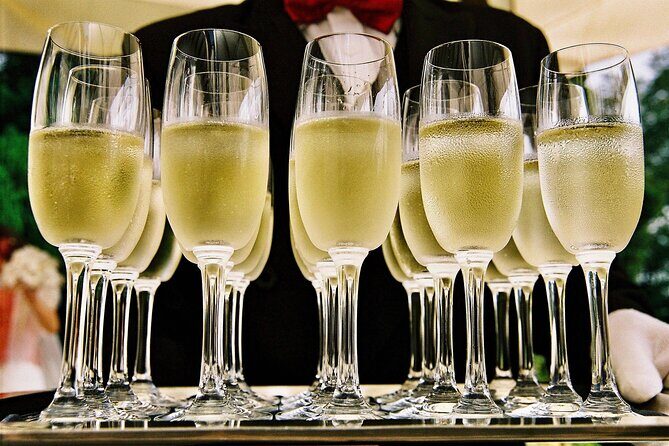
- at least five Champagne glasses across the day (two at Moët, two at Pressoria, one at Pommery),
- plus the included bottled water and fees.
The biggest driver of value is the balance between guided and self-guided time. Moët is guided in English with tastings. Pressoria and Pommery are audio/self-guided, which keeps costs down while still giving you structured learning and tastings.
Group size matters too. ADVANCED caps the group at 10, MOST POPULAR at 15, BASIC at 19. Smaller groups usually mean smoother pacing, less confusion, and a better chance of tasting without feeling like you’re part of a rush herd.
One practical tradeoff: this is private for your group, but your comfort depends on the “guide” setup you choose. The chauffeur is great at timing and routes, but they are not positioned as your narrative teacher. If you’re a wine-questions person, you may want the live guide surcharge even if it costs extra. If you’re mainly there to taste and see the key sites, the included audio/self-guided pieces likely feel right.
Meals are not included, and tips and souvenirs aren’t included either. The lunch hour in Épernay is short, so you’ll want to plan how you’ll handle food without blowing your schedule.
Who should book this private Champagne trip (and who should pass)
This trip fits best if you want a one-day Champagne sampler that covers the major geography: Moët area, Pressoria, Épernay, Hautvillers, and Reims.
It’s especially good for:
- Couples or small groups who want a private schedule and minimal hassle
- Wine lovers who like structure: cellar tour, then museum learning, then another house
- People who don’t mind that part of the day is audio/self-guided
It might not fit as well if you:
- Need a fully live, English-speaking guide for the entire day (the chauffeur is not the guide)
- Want complete freedom to change plans on the fly (the schedule is timed)
- Have super strict expectations about which Champagne houses appear at each option level (Moët may shift for BASIC based on availability)
Should you book it?
If you want an efficient day that feels like you’re ticking off the Champagne essentials, this is a strong choice. The Moët guided cellar time plus the Pressoria and Pommery learning/tasting blocks make it more than just a drive-and-drink outing. The private Mercedes pickup helps a lot, and the smaller group caps on the higher tiers can make tastings feel less rushed.
My call: book it if you’re okay with some audio/self-guided parts and you’re comfortable planning around a fixed schedule. If you’re picky about having a live English guide narrating everything, consider adding the surcharge up front—so the day isn’t only about where you go, but also why it matters.
FAQ
What’s included in the tasting stops?
You get Champagne tastings at Moët & Chandon (two glasses based on your option), Pressoria (two glasses), and Pommery (one glass of Brut Royal). Bottled water is included.
Do I need a live English guide?
The plan includes an English guided cellar visit at Moët & Chandon, but the chauffeur is not a guide. A live guide for the full trip is available for a surcharge if you book it in advance.
How long is the trip from start to finish?
It’s about 11 hours 30 minutes total, starting with pickup at 7:30 am in Paris and returning around 7:00 pm.
What are the differences between BASIC, MOST POPULAR, and ADVANCED at Moët?
BASIC (up to 19 people) includes Moët Impérial and Rosé Impérial. MOST POPULAR (up to 15) includes Moët Imperial and Grand Vintage. ADVANCED (up to 10) includes Moët Grand Vintage Blanc and Moët Grand Vintage Rose.
Is there time for lunch?
Yes. You have about 1 hour in Épernay for lunch. You can either make your own plans or ask for a restaurant reservation.
What’s the minimum age for Champagne tastings?
The minimum age for wine tastings is 18 years old.