REVIEW · PARIS
The Musée d’Orsay Guided Tour Orsay Museum Semi-Private 6ppl Max
Book on Viator →Operated by Babylon Tours Paris · Bookable on Viator
An art history win in 2.5 hours.
This small-group Musée d’Orsay tour keeps things human-sized, with real time for questions, not just head-bobbing at walls. I also love how it pushes straight into the story behind the art, from the artists who set the table for Impressionism to the painters who changed it next. The one drawback is the price: at $144.21 per person, it only feels worth it if you care about interpretation and not just ticket access.
You’ll meet at the Musée d’Orsay and walk through a landmark building that used to be a train station, so the setting already does half the work. Tours run morning, afternoon, or evening, and the guide keeps the pace right for a mixed group, including families with teens and younger kids. Just note you’ll need moderate walking fitness, and you can’t bring large bags or suitcases inside.
Because it’s semi-private (max 6 guests), the experience feels closer to exploring with an art-minded friend than surviving a crowd. Guides named in past tours like Eduardo, Lily/Liliya, Kotryna S, Christophe, Valerie, Ana, Daniel, Ivanna, and Achille are praised for storytelling that makes the paintings easier to understand and remember.
In This Review
- Key points to know before you go
- Entering the former train station at Musée d’Orsay
- Reserved entry and skip-the-line style access (what it really means)
- The Impressionist timeline you actually remember
- Stop-by-stop: what you’ll see at Orsay
- Semi-private means pacing you can keep up with
- Guides who bring stories, not just slide-show facts
- Timing, tickets, and getting ready for security
- Price and value: is $144.21 per person worth it?
- Who should book this Orsay semi-private tour
- Should you book this Musée d’Orsay semi-private guided tour?
- FAQ
- How big is the group on this Musée d’Orsay semi-private tour?
- How long is the tour?
- Is the tour in English?
- Does the price include museum admission and reserved entry?
- Are temporary exhibitions included?
- What should I know about bags and security at the museum?
- Is the tour accessible for wheelchair users or guests with walking disabilities?
- What if the museum has an unexpected closure or delayed opening?
- Can I cancel and get a refund?
Key points to know before you go
- Semi-private max of 6 means you can actually ask questions and stay engaged
- Reserved entry included helps you get inside without the longest waits
- Chronological Impressionist timeline ties artists and techniques together
- You’ll focus on major works like Manet, Renoir, Monet, Van Gogh, Degas, and Millet (when they’re on view)
- Family-friendly pacing works for mixed ages, with guides who keep kids involved
- Security rules for bags mean pack light for smoother museum entry
Entering the former train station at Musée d’Orsay
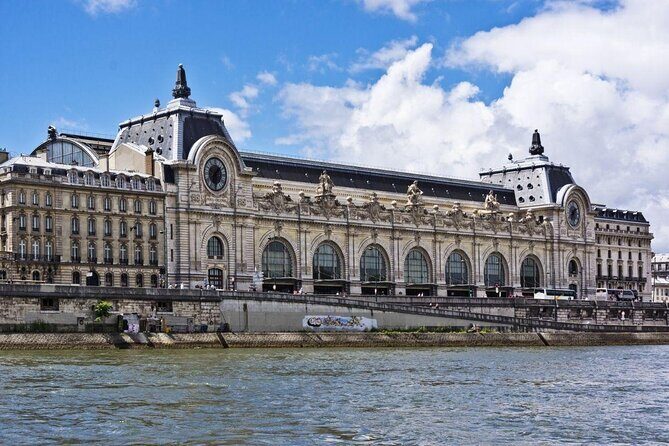
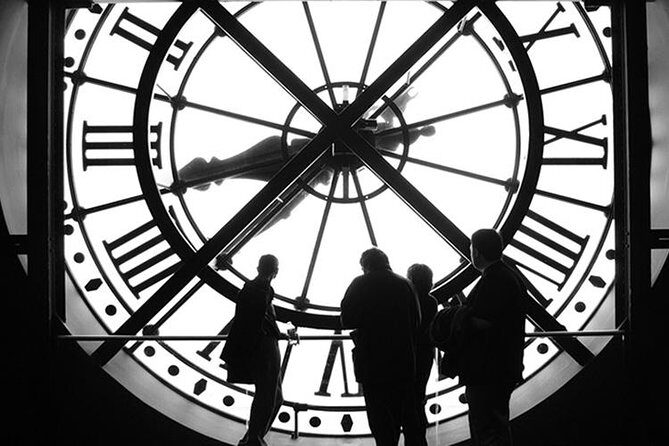
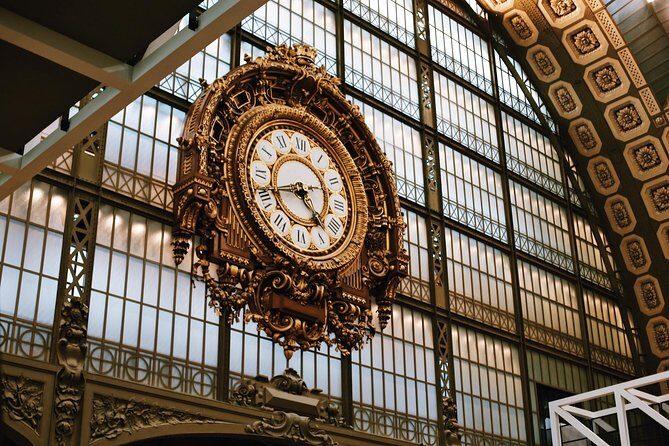
The Musée d’Orsay already feels like part of the story. You’re in a converted, century-old rail station, and the Beaux-Arts architecture makes the museum feel grand without being overly fussy. That matters because the collection can be a lot, and a guide helps you aim your attention instead of wandering randomly.
This tour also starts and ends right back at the museum, so there’s less stress than tours that juggle extra pickup or long transfer time. It’s designed for a smooth block of time: about 2 hours to 2 hours 30 minutes, with admission and reserved entry handled for you.
If you’re the type who likes to understand context before you get lost in details, you’ll probably appreciate this setup. The guide uses the building and the art’s sequence to explain why these painters broke with what came before.
One practical note: the museum uses security checks. No large bags or suitcases are allowed inside; plan on bringing only a handbag or a small thin bag pack. If you show up with a backpack the size of a carry-on suitcase, you’ll feel that friction immediately.
You can also read our reviews of more guided tours in Paris



Reserved entry and skip-the-line style access (what it really means)
You get priority entrance with reserved entry included, and that’s one of the biggest value drivers here. Orsay can be busy, and even when access is reserved, some lines can still form due to security measures at attractions. Translation: don’t assume you’ll walk in instantly, but you should avoid the worst of the delays.
I like that the tour is built to help you use time well. With a guided route and a planned timeline, you’re not spending your energy figuring out where to go next. Several guides are also noted for handling the small logistics of the group smoothly, including time to settle belongings before you start.
If you want to reduce crowd stress, your time of day choice matters. Morning and evening slots can feel easier than peak mid-day. Also, there’s a useful local rhythm tip: if your schedule allows, consider avoiding a Tuesday. Orsay can feel extra packed on certain days when other big Paris museums are closed, and that can make any tour feel tighter.
Bottom line: reserved entry is not magic, but it’s a real help when you want to focus on art instead of waiting in lines.
The Impressionist timeline you actually remember
The tour’s heart is the evolution of the art that leads up to Impressionism and then moves past it. You’re not just looking at famous paintings; you’re getting a way to connect them. That’s what makes a guided visit stick in your head.
The route is built around key movements and artists, including works such as:
- Manet’s Luncheon on the Grass
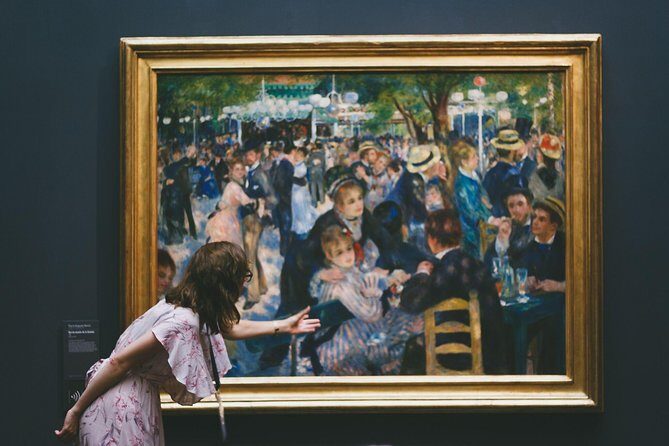
- Renoir’s Dance at Le Moulin de la Galette
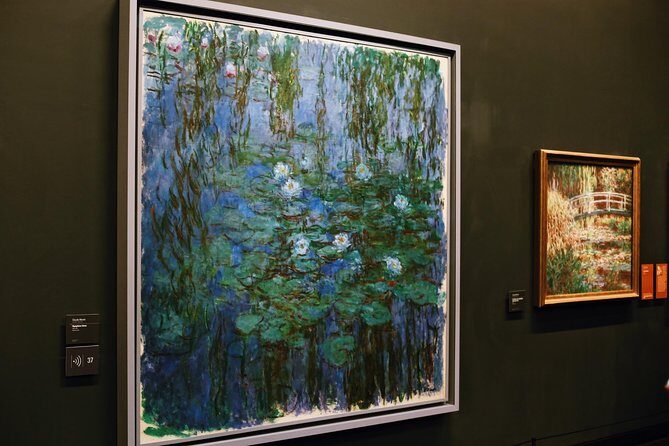
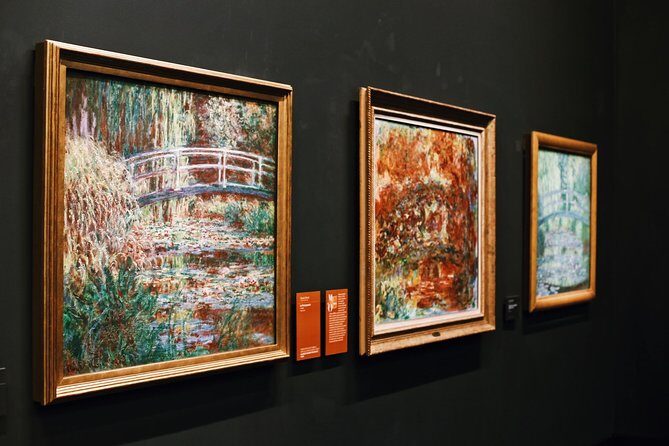
- Monet’s Poppy Field and Waterlilies
- Van Gogh’s Bedroom in Arles
- Degas’s Ballerinas
- Millet’s The Gleaners
You’ll also learn why these works were revolutionary at the time, even when they can look deceptively simple today. The guide explains what the painters were doing differently, not just what you’re supposed to notice.
A helpful expectation to set: highlights like these are included when artwork is available—Orsay can swap works for loans or restoration, and some collections can vary by year. You’ll still get the storyline, but the exact paintings might shift depending on what’s on display during your dates.
What I find smart about this structure is that it supports multiple kinds of visitors. If you’re new to art, the timeline gives you a map. If you’re more curious, the guide can point out technique, context, and the “why” behind the famous images.
Stop-by-stop: what you’ll see at Orsay
This is a single main stop: the Musée d’Orsay itself. But within that stop, the experience is organized like a path through changing styles.
You start by moving through the setting and then into the artistic movements that led toward Impressionism. The guide helps you connect the dots between earlier realism and the newer focus on light, color, and modern life. That’s where Manet often comes in—his Luncheon on the Grass is scandalous in art history for a reason, and the guide will frame what bothered people at the time, which makes the painting much easier to read.
Next, you head toward the lively celebration of everyday scenes with artists like Renoir. Dance at Le Moulin de la Galette is the kind of work that can feel busy on your own, but with a guide you learn what to look for and how the composition supports the mood.
From there, you’ll spend time with the Impressionist and post-Impressionist orbit. Monet’s paintings often land as a turning point in a visitor’s understanding—especially if you’ve only seen Monet as a postcard painter. In a tour context, you’re guided to notice how color and brushwork build an effect rather than just “look pretty.”
Van Gogh’s Bedroom in Arles gives a different kind of punch. It’s where many people start thinking about emotion and personal expression as much as style. The guide also links what you’re seeing to technique and the broader shift toward post-Impressionism.
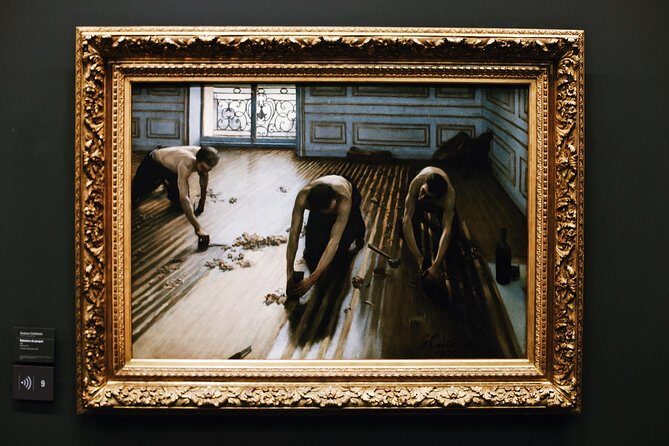
Degas and Millet round out the story with their own angles: Degas with movement and observation, and Millet with rural realism and the dignity of everyday work. If you came for Impressionism only, these moments broaden what you leave with.
One more thing that helps: some rooms inside Orsay are subject to quiet or restricted speaking rules. Guides typically brief you before entering those spaces, so you’re not surprised by the change in tone.
Semi-private means pacing you can keep up with
The best practical feature here is the group size: never more than 6 guests. That matters because Orsay is big, and you don’t get to see everything. In a small group, the guide can slow down for questions and speed up for people who are ready to move on.
You also benefit from the guide’s attention. In past tours, guides named like Lily/Liliya and Christophe are praised for keeping everyone involved, including families with kids of varying ages. If you’re traveling with teens or a mix of ages, this is often the difference between a tour that works and a tour that becomes a timeout.
It’s also worth noting that a smaller group usually makes the experience feel less rushed. Several guides are described as managing pace well, with enough time at the end for personal exploration.
That said, the tour still expects you to walk through galleries on a timed itinerary. It’s listed for moderate physical fitness, and it isn’t available for guests with walking disabilities or wheelchair use. If mobility is a concern, it’s worth looking for a different format that’s designed for accessibility first.
You can also read our reviews of more private tours in Paris






Guides who bring stories, not just slide-show facts
A museum guide can be either a narrator or a translator. This tour’s best experiences come from guides who turn paintings into stories you can follow. Names that show up with standout praise include Eduardo, Lily/Liliya, Kotryna S, Christophe, Valerie, Ana, Daniel, Ivanna, Achille, Hugo, Beatrice T, and Sunday.
What the strongest guides have in common is clarity with personality. Some are described as funny, flexible, and good at adjusting pacing without losing the storyline. Others are noted for organizing the talk around how the art evolves, so it feels like you’re watching the timeline move forward rather than hopping randomly between rooms.
There’s also a practical storytelling skill that helps a lot: explaining technique in a way that matches what you can actually see from the gallery distance. When a guide connects a technique to an emotion or a social reaction from the artist’s era, you start to interpret the painting instead of just identifying it.
If you care about art history, you’ll enjoy the explanations about the “pre-Impressionist” world and what changed afterward. If you’re new to museums, you’ll probably love that the guide makes artists feel human. Scandals, rivalries, and personal choices can suddenly make a painting feel less distant.
Timing, tickets, and getting ready for security
This tour includes admission and reserved entry, and you receive a mobile ticket. You don’t have to figure out ticket lines on arrival, which is one less thing to manage while you’re in Paris.
Still, you should plan for museum security. Bring a simple bag. Avoid big backpacks. Think “quick through the scanner,” not “I’ll deal with it inside.” The no large bag rule is strict enough that it can impact your stress level fast.
Also remember: the Orsay museum may have occasional closures. The tour operator says they’ll provide an alternative if the museum opening time is delayed more than 1 hour from the tour start time. In those delayed-closure situations, refunds or discounts aren’t promised, so if your day is tightly scheduled, build in buffer time.
For timing, choose based on your energy. Evening tours can be a great option if you want a slower end to your day, and morning or afternoon tours work well if you want to keep your schedule full but not frantic.
Price and value: is $144.21 per person worth it?
Yes, it can be. Here’s why the math works, and when it doesn’t.
At $144.21 per person, you’re paying for: a professional guide, semi-private size (max 6), and all entrance fees with reserved entry included. You’re also paying for time saved. Orsay is a museum where finding your way and prioritizing can take real effort, especially on your first visit.
If you love art history and want the bigger-picture story behind the most famous works, the price tends to feel fair. The guide’s job isn’t just to point; it’s to interpret, connect, and keep you moving efficiently through the collection.
If you’re more of a casual browser, you might decide the cost is too high for a tour. In that case, you could do self-guided with a museum map and spend your money on a neighborhood meal instead. But if you want a structured path with explanation, this tour is designed for that.
A fun bonus: several guides are praised for ending with time to explore on your own. That means you get guided context first, then freedom. You’re not forced to stick with the group every second.
Who should book this Orsay semi-private tour
Book this if you fit any of these:
- You’re a first-time Paris visitor and want one museum day that makes sense fast
- You care about Impressionism and post-Impressionism and want the timeline connected
- You like asking questions and learning through conversation
- You’re traveling with teens or a family group that needs energy-management
Consider skipping or looking for a different option if:
- You’re on a tight budget and mainly want to see the building and paintings without interpretation
- Your mobility needs are more than moderate walking can handle
- You need wheelchair access or accommodations not supported by this tour format
Also, there’s mention of upgrading to a private tour or a special kid-friendly family tour. If your group is flexible and you want even more attention, upgrading can be worth it. If you just want the sweet spot of small-group value, this semi-private format already hits it.
Should you book this Musée d’Orsay semi-private guided tour?
I’d book it if you want the Orsay collection to feel organized and understandable. The combination of max 6 guests, a structured Impressionism story line, and reserved entry included is exactly what makes a first visit less overwhelming.
I wouldn’t book it if you mainly want to stroll and take your time with zero schedule pressure. In that case, a self-guided visit can be more cost-effective. But for most people who care about art beyond the photos, this tour is one of the smoother ways to see Orsay and actually get something out of it.
FAQ
How big is the group on this Musée d’Orsay semi-private tour?
The group size is capped at 6 guests maximum, which is why it’s described as semi-private.
How long is the tour?
Plan on about 2 hours to 2 hours 30 minutes, with the duration listed as 2.5 hours.
Is the tour in English?
Yes, the tour is offered in English.
Does the price include museum admission and reserved entry?
Yes. All entrance fees are included, and reserved entry is part of the tour.
Are temporary exhibitions included?
No. Temporary exhibitions are not included.
What should I know about bags and security at the museum?
No large bags or suitcases are allowed inside. Only handbags or small thin bag packs are allowed through security.
Is the tour accessible for wheelchair users or guests with walking disabilities?
The tour is not available for those with walking disabilities or using a wheelchair.
What if the museum has an unexpected closure or delayed opening?
Orsay may close occasionally without warning. If the museum opening is delayed more than 1 hour from the tour starting time, the operator says it will provide an appropriate alternative, and refunds or discounts are not available for those delayed-closure cases.
Can I cancel and get a refund?
You can cancel up to 24 hours in advance for a full refund. If you cancel less than 24 hours before the start time, the amount paid is not refunded.