REVIEW · PARIS
Montmartre Sacré Coeur and Moulin Rouge best shops and cafés
Book on Viator →Operated by Visit Paris · Bookable on Viator
Montmartre can feel like a maze. This route turns it into a clear hit list. In about 90 minutes, you’ll get the context behind cabaret Moulin Rouge and the Montmartre art scene, so you’re not just walking past famous landmarks.
I especially like how the guide adds real-world details at each stop: finding the I love you wall in 250 languages, spotting the story woven into Montmartre streets, and getting practical food-and-shop direction for the rest of your trip. The best part is how much you can check off without feeling rushed in every photo.
One consideration: this is a hillside neighborhood with a moderate walking pace. If you want lots of sit-down time, some stops are brief by design—think quick looks, photos, and moving on.
In This Review
- Key things to know before you go
- Quick Orientation: Montmartre and Sacré-Cœur in 90 Minutes
- Who this tour serves best
- Start on Boulevard de Clichy: Moulin Rouge Cabaret and Photo Time
- The Wall of I Love You: A Fun, Fast Language Hunt
- Past Le Moulin de la Galette: Windmill History Meets Bohemian Shopping Stops
- The Last Vineyard of Montmartre: Seeing Wine Still Being Made
- The Pink House and Picasso’s Favorite Stop
- Place du Tertre and Kiki: Artists, Cafés, and What to Look For
- Sacré-Cœur: Gargoyles, Sculptures, and the Hilltop View
- Price and What You Really Get for $29.79
- Group Size, Pace, and Practical Tips That Make It Easier
- Should You Book This Montmartre and Sacré-Cœur Tour?
- FAQ
- How long is the Montmartre and Sacré-Cœur tour?
- What language is the tour offered in?
- Is there a mobile ticket?
- What tickets are included during the stops?
- Where does the tour start and end?
- What is the group size limit?
- Is the tour physically demanding?
- Is it near public transportation?
- Can I cancel for a full refund?
Key things to know before you go
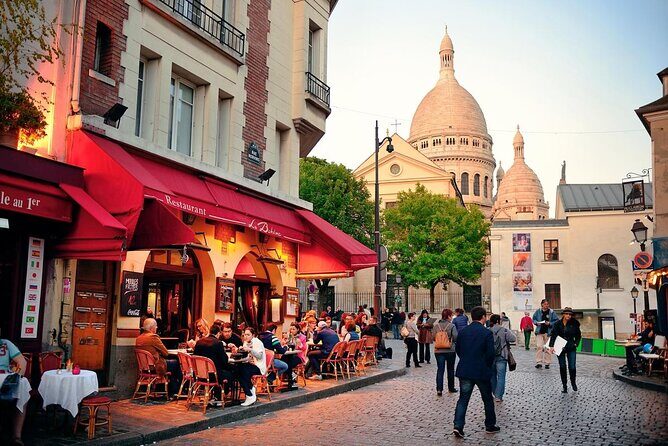
- Cabaret-to-basilica flow: Moulin Rouge history, then art squares, then the hilltop views.
- I love you in 250 languages: short stop, very satisfying, and fun to hunt for your language.
- Montmartre’s last active vineyard: see a living corner of the neighborhood, not just a photo stop.
- Shopping and café direction: you’ll pass a designer and vintage shop and get practical addresses for later.
- Picasso stops: the Pink House connection plus a guide who helps you order like a Francophile.
- Sacré-Cœur exterior focus: architecture, gargoyles, and sculpture details, with a city panorama finish.
Quick Orientation: Montmartre and Sacré-Cœur in 90 Minutes
If you only have a short window in Paris, this is a solid way to get your bearings fast. Montmartre rewards people who notice details—art corners, old street layers, and the way the hilltop changes the view. A guided loop helps you connect those pieces instead of treating the area like a selfie circuit.
What makes this format work is the pacing. You’re moving from one recognizable moment to the next—Moulin Rouge area, then the I love you wall, then the hilltop—while the guide explains what you’re actually seeing. You’ll also leave with tailored pointers for shopping, bakeries, and cafés you can seek out later.
You can also read our reviews of more shopping tours in Paris



Who this tour serves best
This is best for first-timers to the neighborhood, and for anyone who wants a mix of landmarks plus lifestyle tips. It’s also a good pick when you’d rather spend your time learning what matters than researching for hours.
Start on Boulevard de Clichy: Moulin Rouge Cabaret and Photo Time
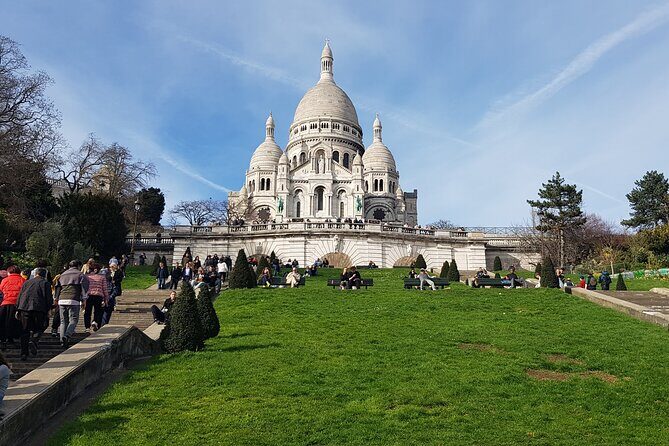
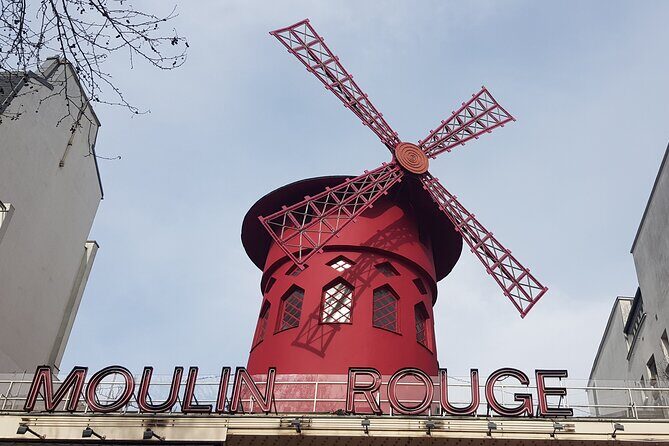
You begin at 82 Bd de Clichy, in the 18th arrondissement area, and you’ll work your way toward Montmartre’s famous cabaret district. One of the first moments is a guided listen to the history of Moulin Rouge, followed by time for photos.
This stop is small but useful. Moulin Rouge is one of those places everyone has heard of, but the story behind it gives you a better lens for the rest of Montmartre. You’ll know what to look for in the atmosphere around cabaret culture—how performance, spectacle, and Montmartre’s creative energy became linked over time.
Practical tip: if you want good photos, keep your camera ready. The tour pauses long enough for images, but you won’t have a long, slow window for perfect shots.
The Wall of I Love You: A Fun, Fast Language Hunt
Next up: the Wall of I love you, with the phrase written in 250 languages. This is one of those stops that sounds corny until you’re standing there looking for your language, a childhood language, or a language you’ve studied. The excitement is in the details—tiny typographic differences and the surprise of which languages appear.
The other reason I like this stop: it gives your brain a break. You’re not climbing yet, you’re not deciding where to eat yet. You’re doing something light and playful, which makes the rest of the day feel less like a checklist.
This stop includes admission ticket time, so you’re not scrambling for it on arrival. Aim to arrive with one goal in mind—find your own language first—then wander visually.
Past Le Moulin de la Galette: Windmill History Meets Bohemian Shopping Stops
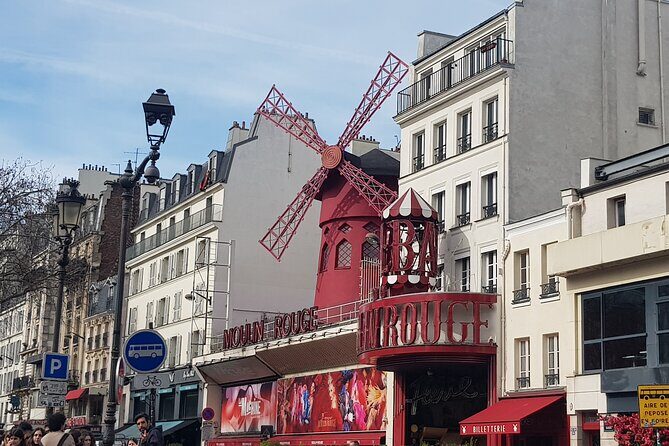
From there, the tour moves through the area around the ancient windmill Le Moulin de la Galette. You’ll also pass a French designer and a vintage shop on the way, with the guide pointing you toward the best addresses for shopping in this more bohemian corner of Paris.
Why that matters: Montmartre shopping can be a maze. Getting a straight-line recommendation from someone on the ground saves you from wandering into places that don’t match your tastes. If you like vintage, local design, or small finds, this is the kind of guidance that pays off later, when you go back on your own.
At the windmill area, you’ll hear about the history of Montmartre and famous painters who once lived nearby—names like Picasso, Renoir, and Van Gogh come up. You’ll get a sense of how artists weren’t just visitors. They helped define the neighborhood’s creative identity.
Practical note: some of this walking is on neighborhood streets. Wear shoes that handle uneven pavement without complaint.






The Last Vineyard of Montmartre: Seeing Wine Still Being Made
Then comes one of the most surprisingly moving parts of the route: the last vineyard of Montmartre, still active and producing red and rosé wine today.
A lot of Montmartre feels like a layered museum—pretty, famous, and preserved. This vineyard breaks the spell in a good way. You see that a living agricultural tradition still exists in the middle of a major city. It’s not just a story people tell for charm points; it’s something that keeps going.
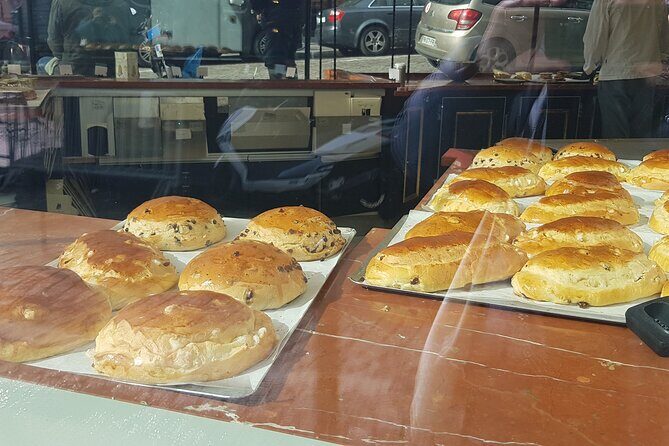
The tour also sets you up for food planning here. You’ll look at bakeries and cafés along the way, with the guide helping you identify what to prioritize later. Even if you don’t stop for a full meal right now, you’ll start recognizing the kinds of places that fit your style—quick pastry, sit-down coffee, or something more local.
The Pink House and Picasso’s Favorite Stop
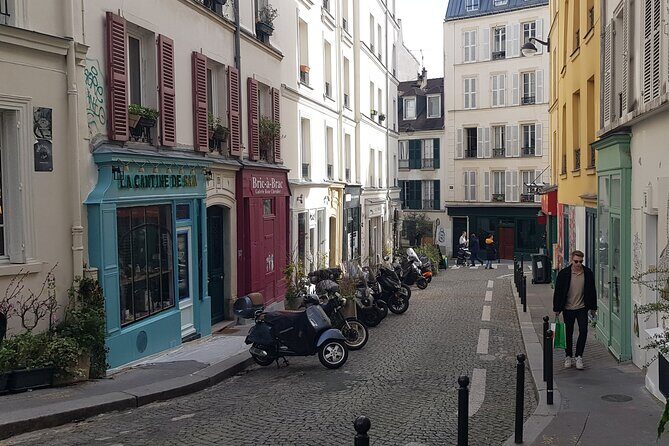
One of the marquee moments is a visit to the famous Pink House, described as Pablo Picasso’s favorite restaurant. The guide uses this stop to connect art, culture, and food—exactly the mix you want on a Montmartre day.
You’ll also get help choosing what to try. The emphasis here isn’t on trendy, expensive items—it’s on learning how to order like a connoisseur. The guide points you to what plate and pastry are must-tries during your stay, plus the best addresses for French gastronomy.
If you’re the kind of traveler who likes to “decide later” then freeze when a menu appears, this stop is for you. You’ll leave with a short list of food ideas so ordering feels confident, not chaotic.
Small drawback: since the tour timing is tight, you may not have time to eat a full meal during every stop. Use the tasting guidance as your plan for later, when you’ve got time to sit.
Place du Tertre and Kiki: Artists, Cafés, and What to Look For
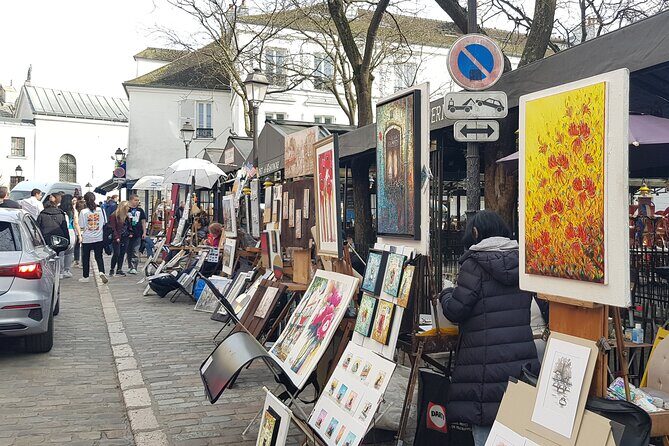
At Place du Tertre, you’ll see modern-day artists displaying paintings around the square. This stop is more than a photo moment. It’s your chance to understand why Montmartre became a magnet for art—and why the neighborhood still “works” for artists today.
From there, the tour includes a visit to Kiki, described as one of the painters. You’ll also take in the iconic cafés surrounding the square. This is where the neighborhood’s mood becomes real. The buildings, the street angles, the way the cafés face the square—it’s all part of the visual language.
Practical tip: don’t rush the cafés as background. Pick one café area and look closely. Notice how the seating faces the square, how people move in and out, and what kind of crowd settles there. That’s how you pick a café later that matches what you want—quiet, classic, or lively.
One more thing: this is also the area that can feel busy. If you want calm photos, plan to shoot from slightly aside angles rather than dead center in front of foot traffic.
Sacré-Cœur: Gargoyles, Sculptures, and the Hilltop View
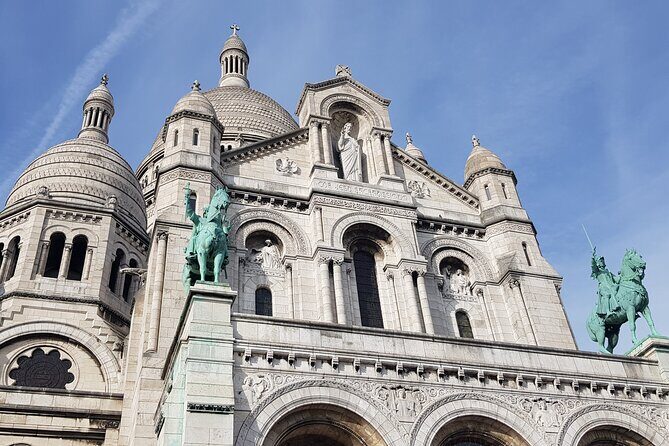
The tour finishes with the Basilica of the Sacred Heart—Sacré-Cœur—throning on top of the hill. You’ll spend time checking out the exterior details: architecture, gargoyles, and the sculptures decorating the basilica.
This is a great place to slow down for a minute. Up close, the church becomes more than a postcard. You can actually see the sculptural work and how it’s placed to catch light. Then, once you turn outward, you get the wide perspective over Montmartre and Paris.
The basilica stop includes free admission, and it’s a shorter window—about 10 minutes—so focus on the big moves: exterior details, then a view check before you head back down.
One consideration for comfort: the location is up on the hill. Even if you’re fit, you’ll still feel the climb. Start the day with comfortable shoes and no plans that require sprinting afterward.
Price and What You Really Get for $29.79
At $29.79 per person for about 1 hour 30 minutes, you’re paying for three things: time, guidance, and included access where it counts.
Here’s the value math that makes sense:
- The guide helps you interpret what you see, so landmarks feel connected instead of random.
- You check off multiple highlights in a short stretch—Moulin Rouge history, the I love you wall, Montmartre’s vineyard area, Picasso’s Pink House connection, Place du Tertre, and Sacré-Cœur.
- You get ticket value on the way: the I love you wall stop includes an admission ticket, while Sacré-Cœur is free.
- You leave with tailored suggestions for shops and cafés, which can save you time later.
So even though it’s not a long tour, it can still improve the quality of your entire day. You’re not just collecting photos—you’re collecting direction.
Group Size, Pace, and Practical Tips That Make It Easier
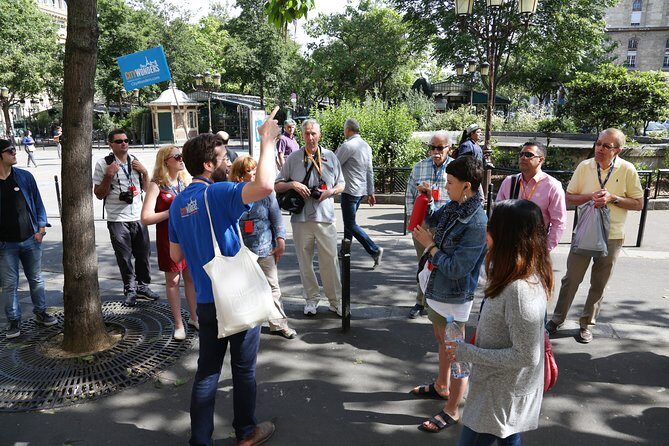
This activity has a maximum of 25 travelers, which is large enough to keep things lively but small enough that the guide can still direct the group and answer questions when it counts.
Because stops are designed as quick hits, you’ll get the best experience if you’re ready to move. Think: listen, look, photo, then step onward.
A few practical ideas:
- Bring a camera you can operate one-handed, because you’ll want your other hand free in crowded spots.
- If you’re prone to getting tired on hills, pace yourself and take it slow around Sacré-Cœur.
- If you have dietary interests, pay attention during the Pink House moment; it’s your chance to learn what to order later.
Also, if you’re traveling with a service animal, it’s allowed. The route is near public transportation, which is handy if you want to reposition yourself before or after.
Should You Book This Montmartre and Sacré-Cœur Tour?
I’d book this if you want a tight, well-guided highlights loop that covers both the famous sights and the day-to-day Paris details like where to shop and what to eat. It’s especially worth it if you like walking neighborhoods but hate doing the homework part alone.
Skip it—or pair it with a longer independent plan—if you want extended time sitting in cafés or you’re looking for a slow, relaxed art stroll. The format is efficient by design, so you’ll trade lingering for having a lot of context and variety in a short window.
Overall: this is a smart choice for getting oriented in Montmartre, understanding why the area mattered to artists, and leaving with real pointers for your next stops.
FAQ
How long is the Montmartre and Sacré-Cœur tour?
It lasts about 1 hour 30 minutes.
What language is the tour offered in?
The tour is offered in English.
Is there a mobile ticket?
Yes, the tour uses a mobile ticket.
What tickets are included during the stops?
Admission ticket details include the Wall of I Love You stop (admission ticket included). Sacré-Cœur is free.
Where does the tour start and end?
It starts at 82 Bd de Clichy, 75018 Paris and ends at Sacré-Cœur Basilica, 35 Rue du Chevalier de la Barre, 75018 Paris.
What is the group size limit?
The tour has a maximum of 25 travelers.
Is the tour physically demanding?
It’s recommended for moderate physical fitness, since you’ll be walking around the hilly Montmartre area.
Is it near public transportation?
Yes, it is near public transportation.
Can I cancel for a full refund?
Yes. You can cancel for a full refund up to 24 hours before the experience’s start time.