REVIEW · PARIS
Paris: Full-Day Cooking Class, Market Tour and Lunch
Book on GetYourGuide →Operated by Le Foodist · Bookable on GetYourGuide
Paris can be taught with your hands.
This full-day class in the Latin Quarter turns grocery shopping into part of the lesson, starting with a 09:00 welcome of croissant plus coffee or tea. Then you cook classic French dishes step-by-step in a small group (typically 3 to 7), using techniques you can actually repeat later. Two things I really like: the market tour for ingredient sourcing and the hands-on focus on classic French techniques rather than a scripted demo.
Before you book, note the main downside: the format is structured, so it’s not a long free-for-all wandering day. If you want lots of solo time strolling the market, you may feel the schedule moves faster than you’d like. Also, children under 12 can’t take the class.
In This Review
- Key moments that make this cooking class worth it
- Market-to-meal Paris: why this format works
- Le Foodist meeting point and the small-group advantage
- Latin Quarter market tour: choosing produce like you mean it
- Back to the kitchen by 10:30: planning your French menu
- Hands-on French technique: what you actually learn at the stove
- The lunch experience: 4 courses, wine, cheese, and a storyteller
- Recipes in English: your practical souvenir
- Price and value: is $258 fair for a 6-hour class?
- Who this class suits best
- A few considerations before you commit
- Should you book this cooking class?
- FAQ
- What is the meeting point?
- How long is the cooking class?
- What time does the day start?
- What’s included in the price?
- Is the class taught in English?
- Are children allowed?
Key moments that make this cooking class worth it
- Latin Quarter open-air market with help choosing the freshest ingredients (not just browsing)
- Small-group cooking (3–7 people) so you get real attention at the stove
- A menu built from what’s available, usually an appetizer, main course, and dessert
- Classic French technique training, including dessert ideas like ice cream and wine sauce
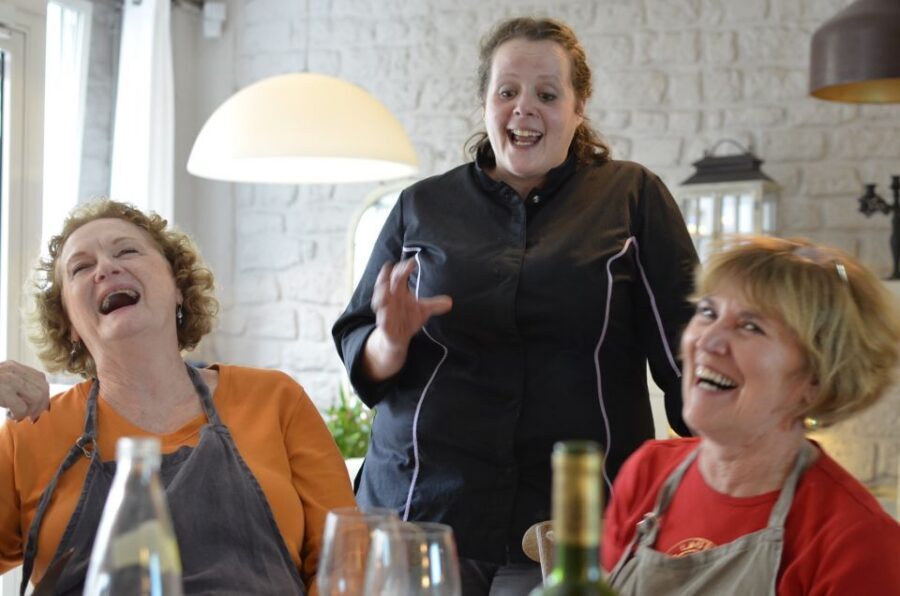
- 4-course lunch with red and white wine plus cheese, served with plenty of time to sit and enjoy
Market-to-meal Paris: why this format works
The best food days in Paris aren’t just about taste. They start earlier—when you’re picking ingredients and learning why they matter. This class keeps that logic front and center: you begin at Le Foodist at 09:00, get settled with breakfast, then head out to an open-air market in the Latin Quarter to shop like a local.
That market stop changes everything. Instead of eating French food as something that happens to you, you learn how ingredients get chosen for flavor, texture, and timing. It also gives you a concrete reason to be in this neighborhood beyond photos: the Latin Quarter is the kind of place where you can still follow food culture in real time.
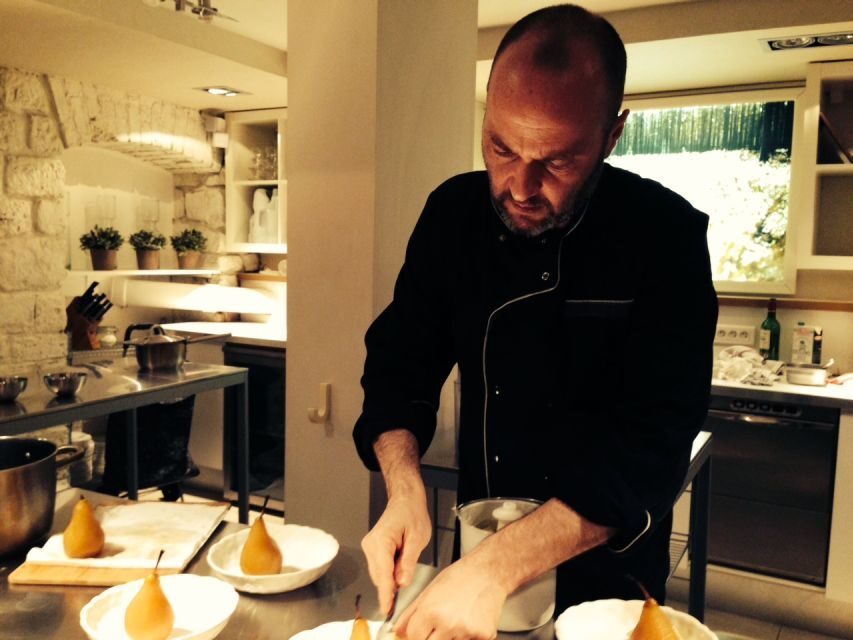
One more thing I appreciate is the tone. You’re not being rushed or herded. Even though the day has clear pacing, the lunch experience is built for eating properly—wine, cheese, conversation, and a chef who shares stories about how French food fits into culture.
You can also read our reviews of more shopping tours in Paris



Le Foodist meeting point and the small-group advantage
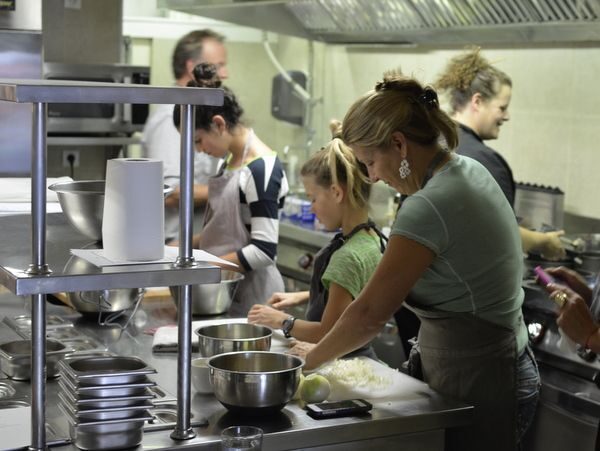
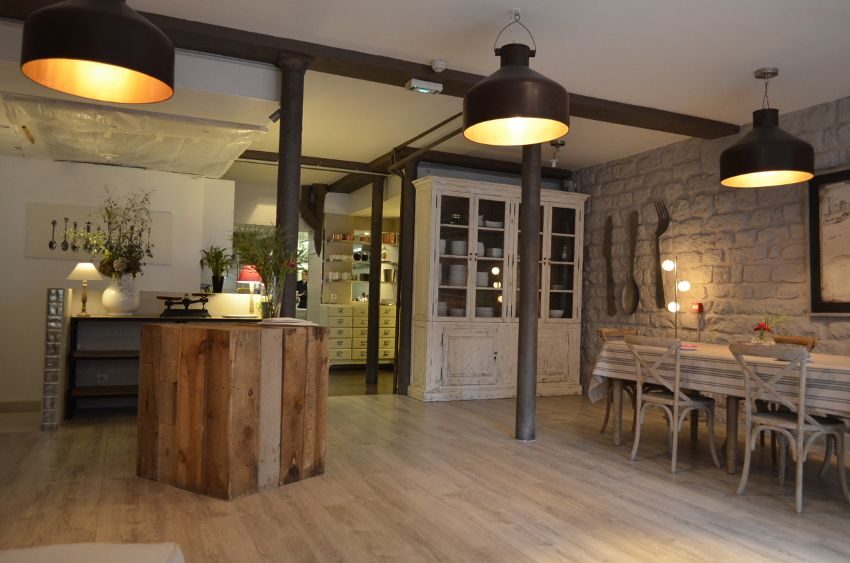
You meet at Le Foodist, 59 rue Cardinal Lemoine, 75005 Paris. It’s a practical location if you’re using public transport, and it’s close enough to get to without stress. More important, it sets the right atmosphere for the rest of the day: a real cooking environment, not a classroom pretending to be a kitchen.
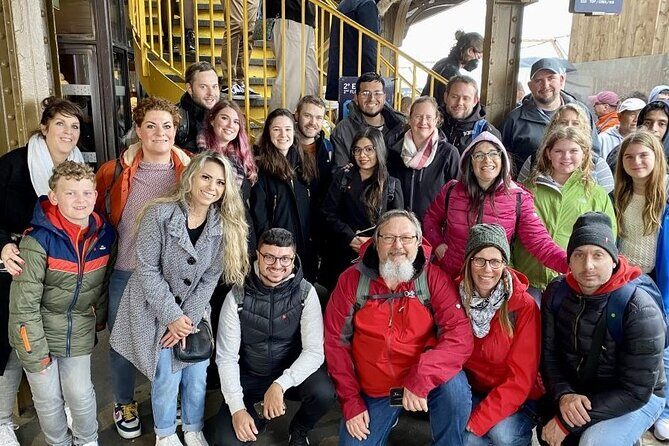
The class is typically limited to between 3 and 7 people. That small size is not a marketing detail—it’s what makes the techniques easier to learn. When there are only a few of you, the instructor can watch your cuts, your sauce consistency, and your timing. You can ask questions while you’re still cooking, not later when everyone’s cleaning up.
And the whole operation is in English. If you’re comfortable in kitchens but want clear explanations, that matters. You’ll hear French culinary stories from a native Frenchman as you eat, too, and the reviews back up that the English is strong and conversation-friendly.
Latin Quarter market tour: choosing produce like you mean it
The market visit is where the day earns its keep. You’ll go with the instructor to find the freshest ingredients for your menu. This isn’t a “here’s a tomato” walk. You learn what to look for—what freshness signals in the real world, how to think about ripeness, and how to connect ingredients to the dishes you’re about to make.
In the Latin Quarter market setting, you also get a crash course in sourcing. Paris isn’t a place where supermarkets teach you flavor hierarchy. The market does. When you’re standing in front of stalls, you start to understand what cooks mean when they talk about taste coming from choices, not trickery.
I also like that the day often includes a stop connected to cheese—some of the instructors bring you through a cheese-focused moment along the way. It turns the lunch into something more than “food we made.” You understand what you’re eating and where it comes from, and that makes the cheese course feel intentional rather than random.
One practical note: the market time is guided. That’s great for people who want help. If you’re the type who loves spending 60 minutes wandering and comparing, you might find yourself wishing for a little more unstructured roaming.
Back to the kitchen by 10:30: planning your French menu
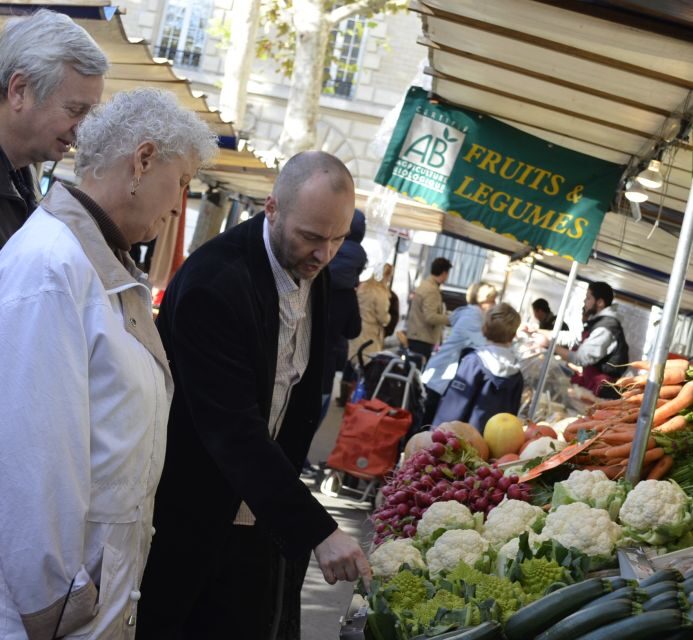
You return to the school by about 10:30. That gives you a clean rhythm: breakfast and market out front, then real cooking work right after. At this point, the menu is built based on what you found in the market—so the class doesn’t feel like you’re cooking from a template no matter what day you arrive.
Expect a menu with an appetizer, a main course, and a dessert. Classic techniques are the theme, and the ingredients from the market decide the final version of what you make. The day also includes practical lesson content on planning a meal and what you can prepare in advance. That’s a hidden superpower if you cook at home, because French cooking often looks intimidating until you learn the timing and staging.
You’ll also be told how to think like a cook: where prep work belongs, how to avoid chaos mid-meal, and how to keep the kitchen working while multiple parts come together. It’s not just technique. It’s production planning.
Hands-on French technique: what you actually learn at the stove
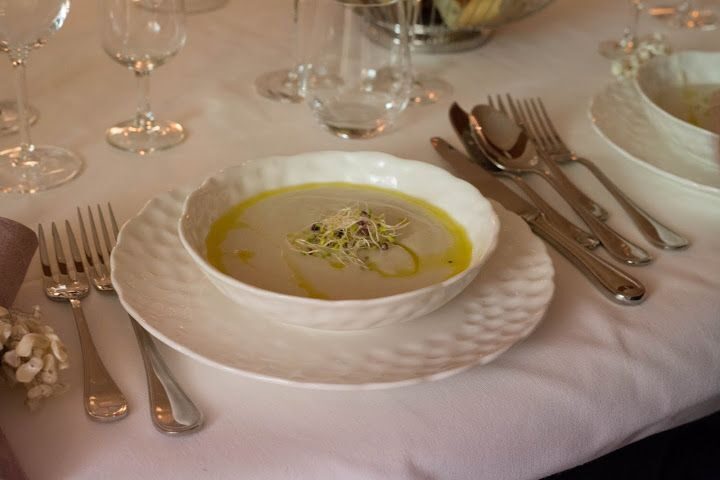
After about two hours of cooking, you’re ready to eat the lunch you built. The techniques you practice are described as classic French methods, and you’ll often touch classic dessert ideas like ice cream and a sauce built around wine. That pairing—sweet plus wine-based richness—shows up in French cooking for a reason: it’s balanced and it highlights flavor.
You’re not stuck watching one person work. The class is set up so you participate. In the reviews, people keep praising how the instructors guide you step-by-step with clarity and patience, which is exactly what you want if you’re learning new methods. One reviewer even mentioned knife basics and the way good cooking is built from small, repeatable habits like washing hands often during prep. Those are the details that make your home cooking smoother and cleaner.
Two other technique-focused takeaways I’d expect you to leave with:
- How to plan what goes first, what can wait, and what needs immediate attention
- How to adjust as you cook, using smell, texture, and timing rather than guessing from a timer alone
And yes, there’s wine. Reviews mention a glass or even two during the cooking stretch, and that can loosen the day up. If you don’t drink, it doesn’t have to dominate your experience—at least based on how the class is described in feedback from non-drinkers.
You can also read our reviews of more tours and experiences in Paris




The lunch experience: 4 courses, wine, cheese, and a storyteller
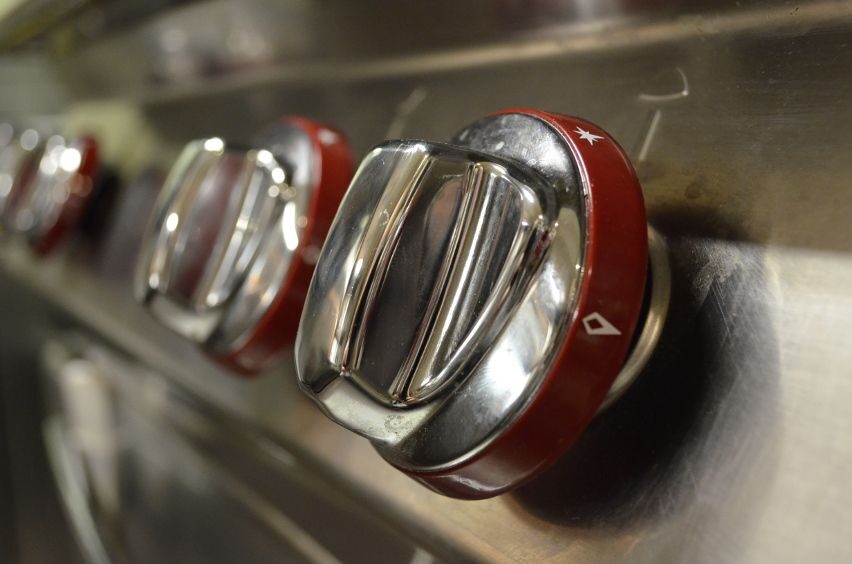
The meal is a big part of why this class is different from many cooking workshops. You’ll sit down to a traditional French lunch with a 4-course setup, including cheeses and both red and white wine. Lunch typically wraps around 15:00, and the tone is not hurry-up-and-out.
This matters because the best French cooking lessons don’t end at the stove. They end at the table, where you taste what you made and learn the “why” behind what you did. The instructors (often a native Frenchman) share culinary stories as you eat, and the English is clear enough to keep the conversation moving. That turns the lunch into a mini cultural lesson without making it feel like a lecture.
The cheese is a standout for a lot of people. Even when you’re not a cheese person, the pairing and the explanations help. You start to recognize how regions, milk types, and aging influence flavor. And when you’ve shopped for ingredients just before, that cheese course feels like part of the same story instead of a separate add-on.
Recipes in English: your practical souvenir
One of the smartest included items here is the recipe package. You get a hard copy and an electronic copy of all recipes in English. That’s valuable because cooking classes often leave you with vague memories and photos that don’t help when you’re back home.
What I like is that the recipes aren’t just decoration. The class emphasizes strategies you can use again: meal planning, what can be made ahead, and how to recreate the core technique even if you can’t source the exact same ingredients.
If you like cooking but struggle with French menus, this is a good fit. It gives you structure and repeatable methods, not just a one-time result.
Price and value: is $258 fair for a 6-hour class?
At $258 per person for a 6-hour experience, it’s not a budget activity. But it also isn’t “pay for a photo and a snack.” You’re paying for:
- A small-group cooking format (typically 3–7 people)
- Market shopping with help selecting ingredients
- Hands-on instruction focused on classic French technique
- Cooking equipment and an apron
- A substantial meal: 4 courses with cheeses and red and white wines
- Recipe materials in English (hard copy plus electronic)
When you add all that up, the price starts to look more realistic. You’re basically buying a day of expert coaching plus ingredients plus lunch, and you get to eat what you make. In a city where restaurant meals stack up quickly, this can be a solid value—especially if you’d otherwise spend your day doing just one expensive meal and missing the cooking education.
Who this class suits best
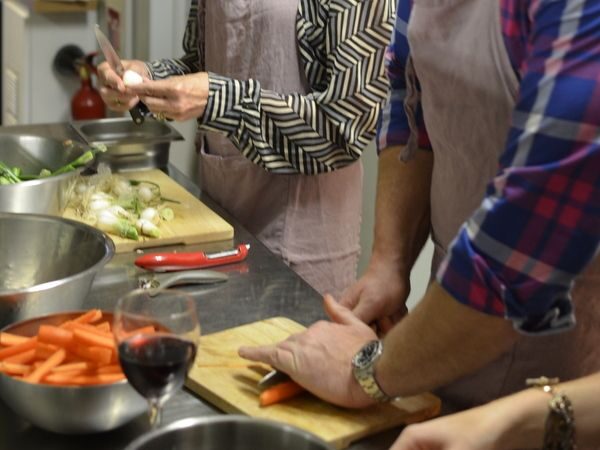
This is ideal if you want a Paris day that’s active and food-centered, not another museum circuit. You’ll likely enjoy it if you:
- Like cooking and want clear technique guidance
- Enjoy learning where ingredients come from (market shopping helps a lot)
- Want a fun group atmosphere without needing to be a skilled cook
It’s also a nice choice for couples and friends because the day is social, and you end up sharing one meal you created together.
The main group that should skip it: families with children under 12, since kids aren’t permitted in the class. If you’re traveling with younger kids, you’ll need a different plan.
A few considerations before you commit
Keep these points in mind so your expectations match the day:
- The day is structured, so market time is guided rather than free-form browsing.
- Your menu depends on what ingredients are available that day, so you won’t get to demand a specific dish.
- Dietary restrictions must be shared at least 48 hours ahead so the team can plan properly.
- The class has limited minimum sign-ups; if only two or fewer people book, the operator can cancel and offer an alternative date or a full refund.
None of this is a deal-breaker. It’s just normal for a hands-on class where shopping and cooking depend on planning.
Should you book this cooking class?
I’d book it if you want one high-quality food experience in Paris that teaches you something you can use at home. The combination of Latin Quarter market sourcing, small-group instruction, and a real sit-down lunch with wine and cheese makes it feel like a complete day, not a short cooking stunt.
Skip it if you want maximum free time wandering or you’re traveling with children under 12. Also, if you’re only interested in tasting and not in technique, you might find it too hands-on.
But if you love food culture and want the kind of Paris experience that starts before you cook and ends at the table, this one is a strong choice.
FAQ
What is the meeting point?
You meet at Le Foodist, 59 rue Cardinal Lemoine, 75005 Paris.
How long is the cooking class?
The experience lasts about 6 hours.
What time does the day start?
You’re welcomed at 09:00 with croissant, coffee, and tea.
What’s included in the price?
The class includes a 4-course meal with cheeses, red and white wines, use of all cooking equipment, an apron, and English recipes (hard copy and electronic).
Is the class taught in English?
Yes, the instructor is English.
Are children allowed?
Children under 12 years old are not permitted to take the cooking class.