REVIEW · PARIS
Paris and Parisians During WWII | Private Walking Tour
Book on Viator →Operated by MY PRIVATE PARIS · Bookable on Viator
WWII in Paris is heavy, but it matters. This small-group walking tour brings the occupation and Liberation to the street level, with an English-speaking guide and live commentary. I especially like the tight group size (10 max) and the chance to hear a real expert in action, including guide Marie, who gets standout praise for being both well-prepared and pleasant.
You also get a clear focus: life under Nazi occupation, then the people who worked to end it, from Resistance efforts through the Liberation of Paris. The stops are smart picks too, including Hotel de Ville and the Holocaust Memorial, so you’re not just hearing dates—you’re connecting them to places.
One consideration: this is a 2.5-hour walking tour in central Paris with a subject that’s emotionally tough. And since food and drinks aren’t included, you’ll want to plan for timing (or a snack afterward) if you’re sensitive to long, somber stretches.
In This Review
- Key highlights you’ll feel on the walk
- A sobering walk through occupied Paris, with a guide named Marie
- How the 2.5 hours are paced: group size and what to expect
- Hotel de Ville: where political power shows up in plain sight
- Cité Island near Notre-Dame: turning street geography into WWII meaning
- Holocaust Memorial: remembering with care, not just facts
- Resistance and Liberation: the shift from oppression to action
- Price of $278.09 per person: what you’re really paying for
- Where this tour fits best (and when to skip it)
- Should you book Paris and Parisians During WWII?
- FAQ
- How long is the Paris WWII private walking tour?
- Where does the tour start, and where does it end?
- Is this tour private or a shared group?
- Does the tour include food or hotel pickup?
- Do I get a ticket on my phone?
- Are there stops at Hotel de Ville and a Holocaust Memorial?
- What’s the cancellation policy?
- Is the tour accessible for people with different needs?
Key highlights you’ll feel on the walk
- Small group size (10 max): more time for questions and calmer pacing.
- WWII-focused storytelling: occupation life first, then Liberation and Resistance.
- Central Paris on foot: you see where major decisions and events happened.
- Hotel de Ville + Holocaust Memorial stops: politically grounded, then memory-focused.
- English-speaking local guide: guided, not just a self-guided audio tour.
- Private tour feel: only your group participates.
A sobering walk through occupied Paris, with a guide named Marie
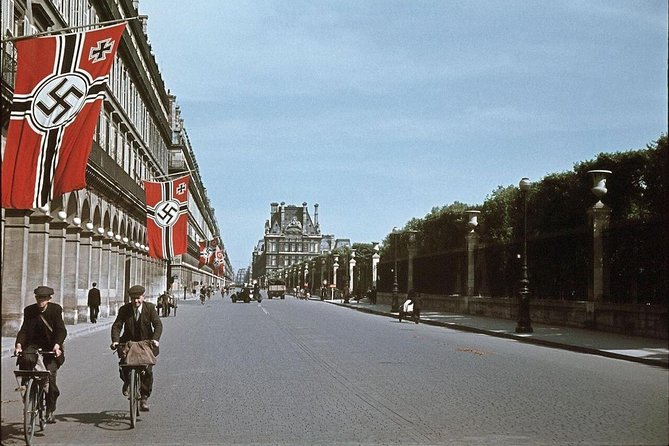
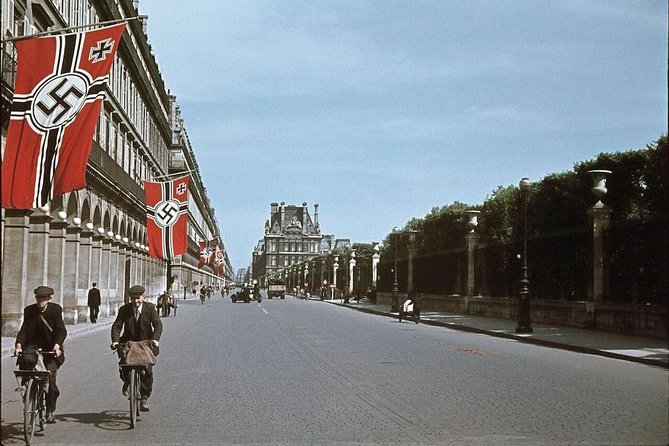
Paris can look like it’s all cafés and grand boulevards. This tour takes you somewhere darker—back to the years when Nazi occupation changed daily life and political reality. What I like about this format is that it doesn’t treat WWII as a vague “history chapter.” It’s anchored to specific places, so you can actually picture how power moved through the city.
The guide-led approach matters here. The tour is built around live comments from a local, English-speaking instructor, and that’s the difference between reading about the period and understanding what occupation felt like. One of the reviews specifically praised Marie as extremely knowledgeable and pleasant, which is a good sign for this kind of subject: you want accuracy, but you also want a calm voice.
You’re not being asked to do anything unusual—just walk, listen, and take in the context. Most travelers can participate, and service animals are allowed, which helps make the experience more accessible for different needs.
You can also read our reviews of more tours and experiences in Paris.


How the 2.5 hours are paced: group size and what to expect
This tour runs about 2 hours 30 minutes, which is long enough to build a real storyline, but short enough that you’re not stuck for half a day. You’ll stay in central Paris, moving on foot between stops that connect political decisions, wartime geography, and remembrance.
The 10-person maximum is a big part of the value. In a group that small, the guide can adjust to your questions and keep the tone respectful. It also tends to make the pace steadier, which helps when the topic is serious and you don’t want to feel rushed while processing what you’re learning.
Also note the practical basics: it’s not a “hop on, hop off” tour. You should plan for a walking route and comfortable shoes. The good news is the tour is described as near public transportation, so you can get there without needing a car.
Hotel de Ville: where political power shows up in plain sight
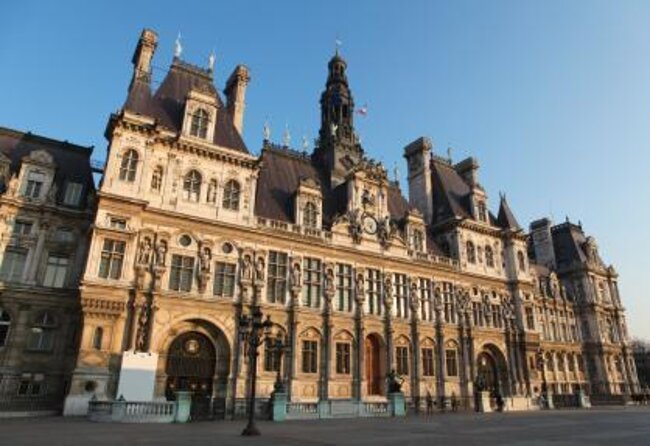
One stop is City Hall of Paris (Hotel de Ville). That matters, because it’s not just a pretty building. It’s part of the city’s political center—exactly the kind of location where decisions, authority, and control show up in physical space.
For your understanding, this stop does something important: it connects occupation to the mechanics of governance. When you’re learning about Nazi control in France, it’s easy to picture it as something distant—armies, posters, rumors. But occupation also operated through paperwork, institutions, and local power structures. Seeing that in a place like Hotel de Ville makes the history feel more concrete.
There’s also a natural teaching advantage. Hotel de Ville is a major central point in Paris, so it’s easier for a guide to build context before moving you to the next area. You’ll likely come away with a better sense of how the city’s role changed during the occupation years—and how politics wasn’t just background noise.
Cité Island near Notre-Dame: turning street geography into WWII meaning
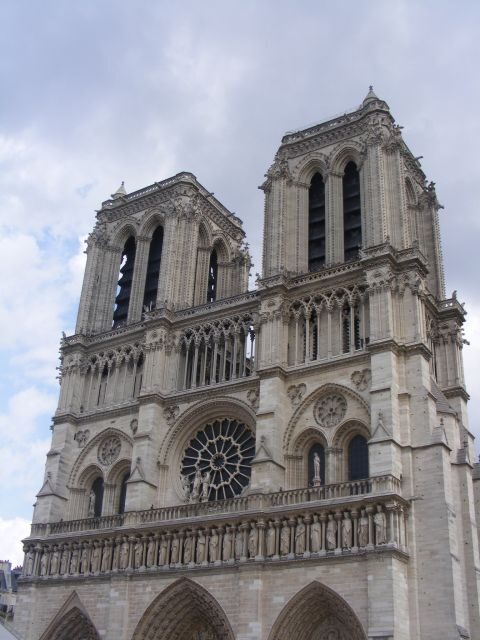
Another key stop is on Cité Island, near Notre-Dame. This part of Paris feels medieval and monumental today. But it’s also the kind of location where you can connect “where” with “what happened,” which is exactly what makes walking tours work for WWII learning.
Cité Island is central. That means your guide can use the surrounding layout to explain how the city’s key zones relate to major wartime realities—movement, visibility, control, and everyday life. Even if you don’t know the history cold, the location gives you mental anchors: when the guide refers to events, you can place them on the map in your head instead of juggling information like a slideshow.
What to watch for here: don’t treat the stop as sightseeing. The value is in listening for how the guide links the area to occupation life and then to the shift toward Liberation. If you come in expecting only a few dramatic facts, you may miss the point. If you come in willing to follow the storyline, this stop can make the whole tour click.
Holocaust Memorial: remembering with care, not just facts
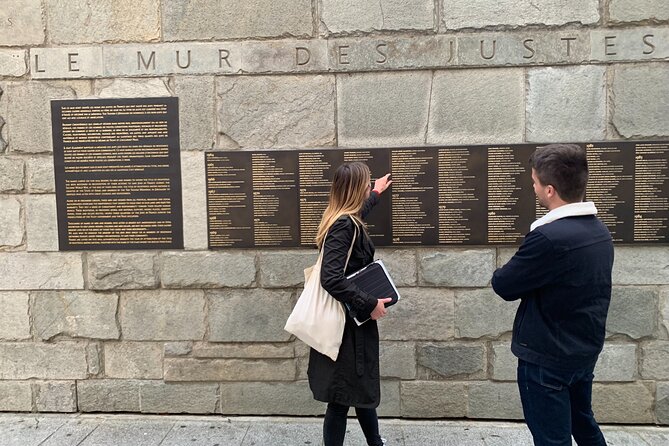
The highlights specifically call out a stop at the Holocaust Memorial. This is one of those moments where the guide’s tone becomes crucial. WWII history includes many layers, but Holocaust remembrance is unique: it requires respect, careful framing, and a human scale.
In a guided format, the best outcome is that you leave with something more than a checklist of information. You’ll want the experience to reinforce the seriousness of what happened and why remembrance matters in the same place it’s marked. Because the tour is only about 2.5 hours total, the emotional weight can be intense—but that also means the memorial stop is likely treated as a focused, meaningful point rather than an afterthought.
If this topic affects you deeply, that doesn’t mean you should avoid the tour. It means you should plan your day around it. Consider eating beforehand and giving yourself time afterward to decompress. (Food and drinks aren’t included on the tour, so your schedule will matter.)


Resistance and Liberation: the shift from oppression to action
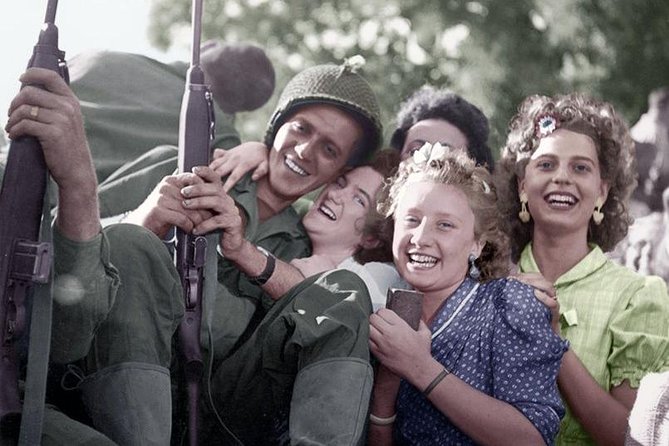
What I appreciate about this tour is that it doesn’t end with occupation details. It shifts toward the people who dedicated their lives to resisting Nazi control and to the Liberation of Paris. That arc is important because it gives you a more complete view of WWII in France.
A simple history lesson can sometimes get stuck in “what was done to people.” This tour’s theme includes how people fought back. That helps you understand that occupation didn’t just happen to France—it was met with courage and organizing, and those choices mattered.
You’ll also notice the itinerary’s structure supports that learning goal: it starts with the political center and occupation context, then moves into central geography and remembrance. By the time you reach the memorial stop, you’re not learning about the Holocaust as a standalone topic—you’re seeing it as part of the broader wartime reality in which occupation and persecution unfolded.
Price of $278.09 per person: what you’re really paying for
At $278.09 per person, this isn’t a cheap casual walk. So the real question is: what does that money buy you?
Here’s the honest value breakdown based on the tour details:
- Live, English-speaking local guide with commentary.
- Small-group cap of 10, which tends to improve the learning experience.
- 2.5 hours of guided interpretation, not just access to landmarks.
- A focused WWII theme with key stops including City Hall and the Holocaust Memorial.
If your goal is a quick overview while you wander on your own, you can often do that cheaper. But if your goal is a guided, place-based understanding of occupation and Liberation, paying for a specialist guide and a capped group size can be worth it. The guide’s role is where most of the value lives in this kind of tour, and the review highlight about Marie is a strong indicator that you’ll get both preparation and an approachable style.
Also, private tours can vary in how they’re priced versus “small-group” tours. This one is described as private in the sense that only your group participates, with the practical cap still being 10. That combination is often what makes it feel personal instead of crowded.
Where this tour fits best (and when to skip it)
This is a great match if:
- You want WWII history taught through real Paris locations, not just museum panels.
- You’re okay with a serious topic and want the guide to frame it respectfully.
- You prefer a guided experience with time for questions in a 10-person max group.
- You want a clear arc: occupation → Resistance → Liberation.
I’d think twice if:
- You’re hoping for an upbeat history stroll or a light, funny walking tour. This is about some of the hardest parts of modern French and European history.
- You hate long walking in central neighborhoods (the tour is about 2.5 hours, and food isn’t included).
- You want a full-day itinerary with multiple stops and long breaks. This one is intentionally focused and time-bound.
Should you book Paris and Parisians During WWII?
If you’re curious about how Nazi occupation shaped the daily reality of Paris—and you want that story told through key places like Hotel de Ville and the Holocaust Memorial—this tour is a strong choice. The best sign is the emphasis on live commentary and the guide quality highlighted by reviews, especially Marie’s mix of warmth and serious preparation.
Book it if you want a guided, place-based WWII experience with a small group size that keeps things thoughtful rather than rushed. Skip or reconsider if you’re looking for something casual, short, or food-and-fun oriented. For the right mood, this tour turns central Paris into something you understand, not just something you photograph.
FAQ
How long is the Paris WWII private walking tour?
It runs for approximately 2 hours 30 minutes.
Where does the tour start, and where does it end?
It starts at Paroisse Saint-Paul Saint-Louis, 99 Rue Saint-Antoine, 75004 Paris, France. It ends back at the same meeting point.
Is this tour private or a shared group?
It is private in the sense that only your group participates. The tour is also capped at a maximum of 10 people.
Does the tour include food or hotel pickup?
No. Food and drinks are not included, and hotel pickup and drop-off are not included.
Do I get a ticket on my phone?
Yes, the tour offers a mobile ticket.
Are there stops at Hotel de Ville and a Holocaust Memorial?
Yes. The stops include the Hotel de Ville and the Holocaust Memorial.
What’s the cancellation policy?
You can cancel for free up to 24 hours in advance for a full refund.
Is the tour accessible for people with different needs?
Service animals are allowed, and the tour says most travelers can participate. It’s also near public transportation.