REVIEW · PARIS
Paris Jewish History 2-Hour Private Guided Walking Tour
Book on GetYourGuide →Operated by Paris in person private tours · Bookable on GetYourGuide
A short walk can carry a heavy story. This private, 2-hour guide threads Paris street corners to the big moments of Jewish life and persecution in Europe, from medieval origins to the Dreyfus affair and WWII. I especially love the mix of real landmarks (the Pletzl and Rue Pavée) with the way the guide explains why they mattered, and I also like the stop at Place des Vosges, which turns learning into a calm moment of architecture and perspective. The only drawback to consider: because it’s tightly timed, it leans more toward historical events than everyday Jewish life details, so if that’s what you want most, you’ll need to ask your guide directly.
If you like your Paris with context, this is a smart fit. You start at Shakespeare and Company and you end near the Bastille area, with a private guide who sets the pace for your questions. Guides such as Hannah and Boris are praised for weaving Paris history with Jewish history clearly, so you’ll likely leave with a stronger sense of how the past shaped what you see today. The tour runs rain or shine, and it’s only 2 hours, so wear walking shoes and keep expectations focused.
In This Review
- Key highlights you’ll care about
- Shakespeare and Company: why this private start matters
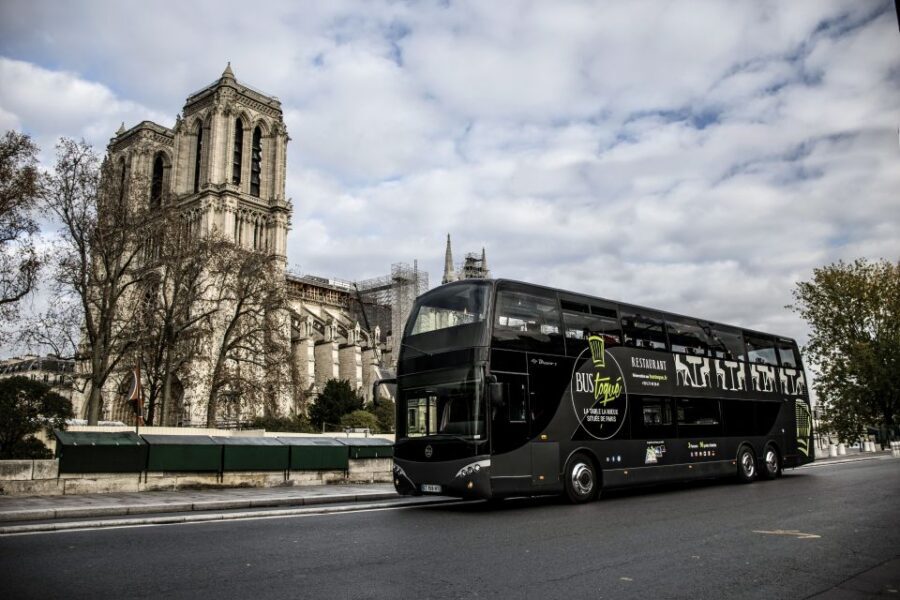
- Notre-Dame de Paris with a Jewish history lens
- The quick pivot points that keep the story from feeling like dates
- Le Marais and the Pletzl: the neighborhood as a living map
- Rue Pavée synagogue: Art Nouveau that earns your attention
- Place des Vosges and the Vichy-era remembrance stop
- Finishing near Bastille: how to extend the experience
- Price and value: what $176 buys you in real life
- Who should book this tour, and who might not
- Should you book this Paris Jewish History walking tour?
- FAQ
- What is the duration of the Paris Jewish History 2-Hour Private Guided Walking Tour?
- Where do I meet the guide?
- Where does the tour end?
- What sites are included on the tour?
- Is this tour private?
- What languages are offered?
- Is the tour wheelchair accessible?
- Does the tour run in bad weather?
- What’s included in the price?
- Is food included?
Key highlights you’ll care about
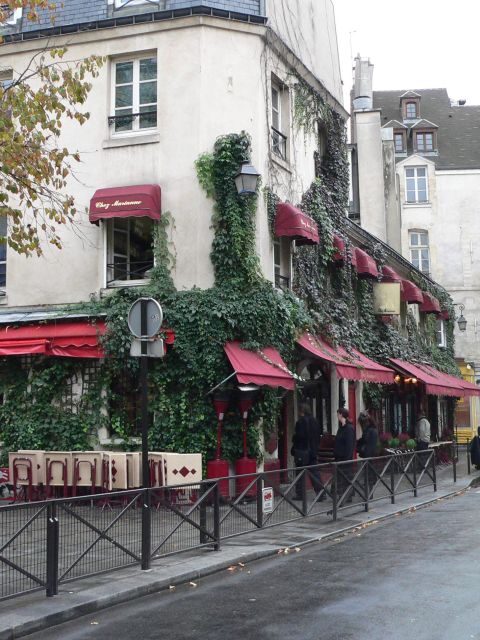
- Pletzl area context: the traditional heart of the Hebrew community and the meaning behind what you see
- Rue Pavée synagogue: an Art Nouveau stop with real architectural weight and a Jewish story
- Notre-Dame connections: you learn about Jewish presence and how prejudice shows up in later interpretations
- Place des Vosges: a beautiful square that helps you reset after heavier moments
- Vichy memorial stop: a direct, respectful look at WWII-era tragedy in Paris
Shakespeare and Company: why this private start matters
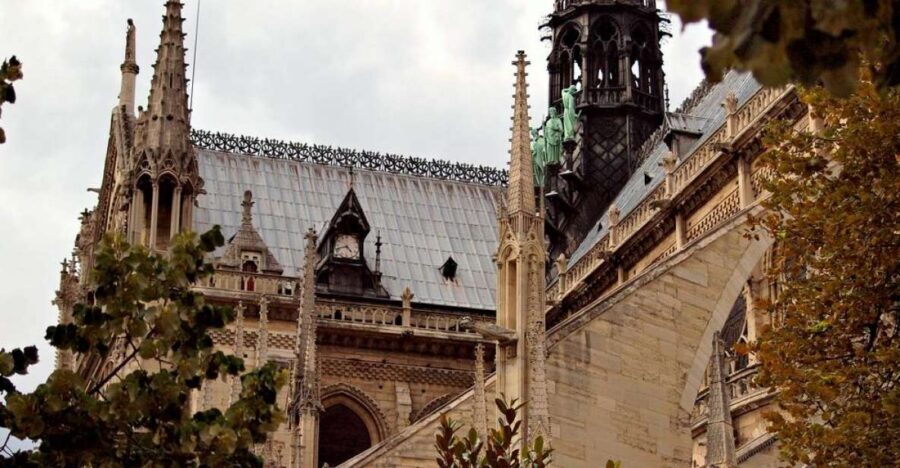
You meet right in the middle of the Latin Left Bank vibe at Shakespeare and Company, in front of the bookstore by the green water fountain. Your guide shows up with a red canvas tote bag, so it’s easy to spot the right person and get moving fast. For a walking tour, that first two minutes matter: you want a clean handoff, then you want the story to start immediately.
Because this is a private group, the guide can shape the pace to your questions. That matters a lot on a topic like Jewish history in Paris, where the timeline can feel dense if you’re just reading plaques on your own. With a private guide, you can ask why something is included, or you can steer toward the parts you care about most, like medieval-era roots, the Dreyfus affair, or WWII and the Vichy government.
It’s also a practical tour format: 2 hours total, rain or shine. That means you should plan for steady walking and short, guided stops rather than lingering. And since food and beverages aren’t included, I’d treat this like a proper “morning or afternoon history hit,” then eat after. If you’re prone to hunger headaches, bring water.
You can also read our reviews of more walking tours in Paris


Notre-Dame de Paris with a Jewish history lens
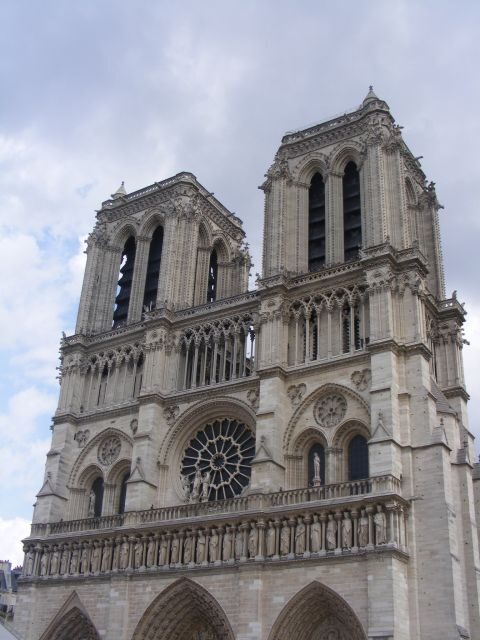
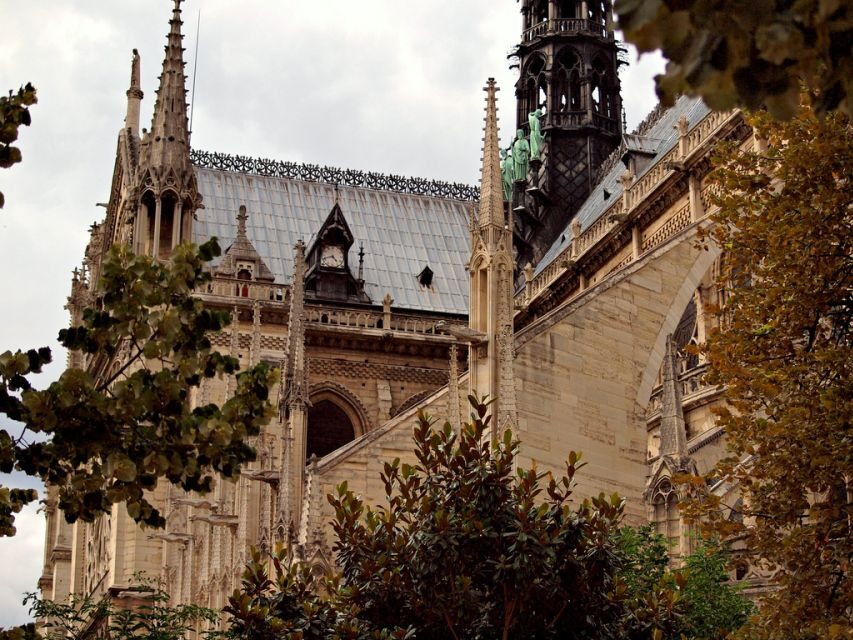
The first big stop is Notre-Dame Cathedral, with a guided segment lasting about 30 minutes. This is where the tour does something clever: it doesn’t just point at a famous building. It uses Notre-Dame to explain Jewish angles—how Jewish communities lived in Paris across centuries, and how prejudice and myths affected the way people understood each other.
Notre-Dame is also a great choice because it’s already on many itineraries, even for people who don’t think about Jewish history. With a guide, you’ll start noticing that a monumental site can carry multiple layers: art, power, religion, and the way societies explain themselves. In a tour like this, that becomes a lesson in how the past works—how facts, narratives, and politics all mix.
The timing is tight. Expect to learn and look, but not to do a full cathedral deep dive. If you want extra time inside the building, you’ll likely need to add that on your own afterward. Still, even with the limited time, this stop sets the emotional tone for what follows.
The quick pivot points that keep the story from feeling like dates
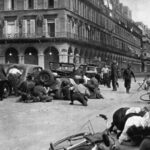
Right after the Notre-Dame segment, there’s another guided part around 15 minutes where the focus shifts again. The point of these short segments is that they help you connect the dots—medieval origins, later discrimination, and major turning points such as the raids by French kings, the Dreyfus affair, and the Nazi occupation and Vichy regime.
This is where I think you benefit most from a guide. A walking tour can easily turn into a string of names and years. A good guide helps you feel the “why now” behind each event. You’ll also hear about how medieval-era superstitions and prejudgments formed—because prejudice doesn’t appear out of nowhere. It’s built, repeated, and passed along.
One practical note: because the time is short, you may want to bring one question of your own. For example, you could ask how the Dreyfus affair changed public attitudes in Paris, or how Vichy affected daily life for Jewish residents. If the guide is good at answering, that question can turn a brief segment into one of the most memorable moments.
Le Marais and the Pletzl: the neighborhood as a living map
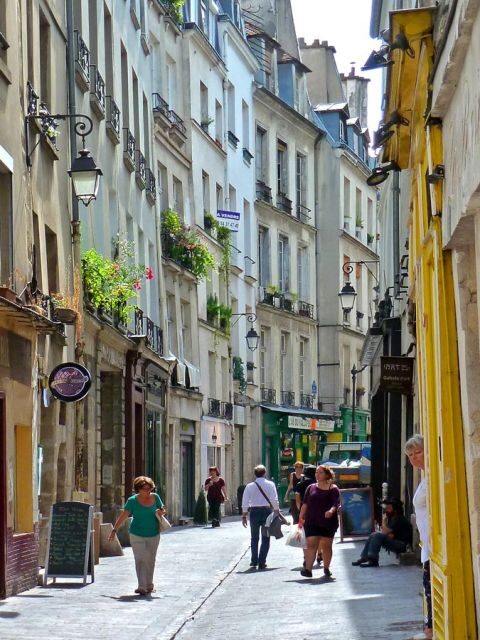
Then you move into the Le Marais area for about an hour of guided walking. This is where the tour becomes a real “streets to stories” experience. The star here is the Pletzl, the historical center of the Hebrew community. The Pletzl isn’t just a name you’ll hear in lectures. It’s a place where you can understand community concentration, commerce, and the physical geography of neighborhoods shaped by safety, segregation, and survival.
Le Marais also gives you the right kind of walking rhythm. You get enough time to notice street details, but you’re not stuck in one location. The tour’s value is in how the guide uses the walking route to explain historical movement: where communities clustered, where they were targeted, and how certain landmarks survived or reappeared in later eras.
This is also where stops like Rue des Écouffes and Goldenberg Deli come in. Even if you’re not shopping or eating, the guide’s framing helps you see why these specific streets feel important. Jewish history in Paris isn’t only about synagogues and dramatic events. It’s also about daily presence—people, businesses, and the texture of a neighborhood.
If you’re hoping for a tour that focuses heavily on what Jewish life looked like day to day—customs, routine, culture—you might want to ask for extra examples as you go. One review note pointed out that the guide could have included more stories about Jewish life in Paris, not just major historical events. That doesn’t make the tour weaker; it just means you can get more from it if you speak up.
Rue Pavée synagogue: Art Nouveau that earns your attention
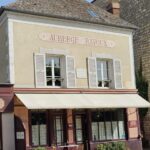
A highlight is the Rue Pavée synagogue, a roughly 100-year-old structure described as a jewel of Art Nouveau architecture. This stop is a gift because architecture can do something history lessons can’t: it makes the past feel constructed by real people with real taste, budgets, and community priorities.
When you see the synagogue through a guided lens, you’ll likely appreciate it on two levels. First, you see the style—the Art Nouveau flair that makes the building visually distinct. Second, you hear why a community would create and maintain a landmark like this. It’s a reminder that religious identity and public life can coexist, even in times that later turned dark.
This is the kind of stop where your guide’s pacing matters. If you rush, you miss the details. If you slow down, you get more out of the architecture cues. Since the tour is only 2 hours total, you won’t get forever here, but you should leave with a clear idea of what makes Rue Pavée special.
You can also read our reviews of more guided tours in Paris





Place des Vosges and the Vichy-era remembrance stop
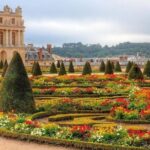
One of the tour highlights is Place des Vosges, often considered one of the most beautiful squares in the world. On paper, that sounds like a sightseeing detour. In practice, it works as a mental reset. When your head is full of raids, trials, occupation, and government persecution, a calm, symmetrical space can help you process what you just heard.
Place des Vosges also makes a historical point without lecturing. Squares like this show how Paris builds elegance alongside power. The contrast is useful here: the tour isn’t just trying to overwhelm you. It’s trying to show how layers of society sit on top of each other—sometimes peacefully, sometimes through suffering.
The tour also includes a memorial to the victims of the Vichy regime. This is one of those moments where you shouldn’t rush. A memorial stop can feel heavy, and that’s appropriate. I like that it’s included because it grounds the story in real harm, not only in abstract textbook terms.
If you’re the type who carries emotion easily, give yourself permission to take a few extra seconds in front of the memorial. Even a quick pause can make the learning stick.
Finishing near Bastille: how to extend the experience
You end at Трг Бастиље, near the Bastille area. I like this finish point because it leaves you with options. You can continue on foot into nearby streets, or you can switch to transit for the next stop without feeling trapped inside one tiny pocket of the city.
If you want to keep the theme going after the tour, use what the guide gives you as your filter. Look at neighborhood layout, not just buildings. Notice how architecture, street width, and landmark placement influence daily movement and safety. That’s one of the biggest takeaways from a good history walk.
Also, since food and beverages aren’t included, plan your next meal with intention. Choose somewhere you can sit and reflect. The tour covers tragic topics, and a quiet break helps you absorb it instead of rushing into the next distraction.
Price and value: what $176 buys you in real life
At $176 per person for a 2-hour private guided walking tour, the price might look steep if you’re comparing it to a group tour. But here’s where the value math makes sense.
You’re paying for a private guide on a topic that can get complicated fast: medieval origins of prejudice, major political events like the Dreyfus affair, and the WWII-era chain that includes the Nazi occupation and the Vichy government. A guide can explain the connections in a way that’s hard to do alone, especially when you’re trying to link specific streets to broader historical forces.
You’re also paying for focus. The route is designed to cover key sites efficiently: Notre-Dame, the Pletzl area, Rue Pavée synagogue, Place des Vosges, and a memorial related to Vichy victims. If you try to assemble that kind of route yourself, you’ll spend more time researching than walking—and you’ll still miss the “why this spot matters” context.
Is it worth it? If you want a structured narrative, yes. If you only want a casual stroll and general facts, a cheaper group tour might satisfy you. Think of this as a conversation on the sidewalk with someone who can connect the dots without you having to be your own teacher.
Who should book this tour, and who might not
This is a great match if you:
- want a private format with room for questions
- like history that connects buildings and neighborhoods to events
- care about how European Jewish history intersects with Paris specifically
- prefer learning through walking, not only museum rooms
It may be less ideal if you’re hoping for a long, slow, culture-and-lifestyle tour. One review mentioned wanting more stories about Jewish life in Paris. If that’s your main interest, you can still book, but go in ready to ask your guide for examples beyond the major events.
Finally, if you dislike emotionally heavy content, this tour includes material tied to anti-Semitism and WWII-era persecution. That doesn’t mean it’s sensational. It does mean you should be prepared for seriousness.
Should you book this Paris Jewish History walking tour?
I’d book it if you want a focused, well-paced way to understand Jewish history in Paris using actual places, not just names on a page. The Rue Pavée synagogue and the Pletzl area make it feel grounded, and the Notre-Dame connection adds a layer many visitors miss. The memorial stop also keeps the story from floating away into abstraction.
If you book, do one thing that will improve your experience: bring one or two questions about Jewish daily life in Paris, not only historical events. Guides like Hannah and Boris are praised for answering questions and tying neighborhood context to bigger events, so you can likely steer the discussion a bit toward what you want most.
FAQ
What is the duration of the Paris Jewish History 2-Hour Private Guided Walking Tour?
The tour lasts 2 hours.
Where do I meet the guide?
You meet in front of Shakespeare and Company bookstore, by the green water fountain.
Where does the tour end?
The tour ends at Трг Бастиље.
What sites are included on the tour?
You’ll visit Notre-Dame Cathedral, the Pletzl area, Rue Pavée synagogue, Rue des Écouffes, Goldenberg Deli, and Place des Vosges, plus a memorial to the victims of the Vichy regime.
Is this tour private?
Yes, it’s a private group.
What languages are offered?
The live guide is available in English, French, and Serbo-Croatian.
Is the tour wheelchair accessible?
Yes, it’s wheelchair accessible.
Does the tour run in bad weather?
The tour operates rain or shine.
What’s included in the price?
A tour guide is included.
Is food included?
No, food and beverages aren’t included.