REVIEW · PARIS
Paris Boutique-style French Pastry Class with a French Chef
Book on Viator →Operated by Patisserie a la Carte · Bookable on Viator
Sugar therapy, with rules. This boutique-style French pastry class in Paris is built for real technique, not just watching. You get a small group (max six) and a French pastry chef-led lesson on classic desserts, all within about 2.5 hours.
I especially like how practical it is: you’ll be mixing, shaping, and finishing pastries while following a clear flow of steps. I also love the take-home focus—recipes, equipment, and your finished pastries go with you as a genuine souvenir.
One consideration: there’s no hotel pickup, so you’ll need to make your own way to 9 Rue Thimonnier for the 2:00 pm start.
In This Review
- Key things to know before you go
- Boutique size and a real French pastry chef
- Where the class happens (and how to plan your afternoon)
- What you’ll make: classic French desserts and the techniques behind them
- How the hands-on lesson is likely to flow
- Tea, coffee, and the take-home payoff
- Price and value: does $113.49 make sense?
- Who this class suits best (and who might not)
- Should you book this Paris pastry class?
- FAQ
- What’s the duration of the pastry class?
- How many people are in each class?
- Where does the class start?
- What’s included in the price?
- Can you accommodate allergies or dietary requirements?
- Is the class canceled if there aren’t enough participants?
Key things to know before you go
- Max six people means more hands-on time and quicker help when something goes sideways
- French chef instruction in English with English recipe copies so you can bake again later
- Hands-on recipes + provided equipment removes the hassle of figuring out what to bring
- You take your pastries home in take-home bags, plus coffee and tea during class
- Some steps may be done in pairs for certain preparations, so expect group-of-two moments
- 10th anniversary eBook included: Everyday Gourmet French Tarts
Boutique size and a real French pastry chef
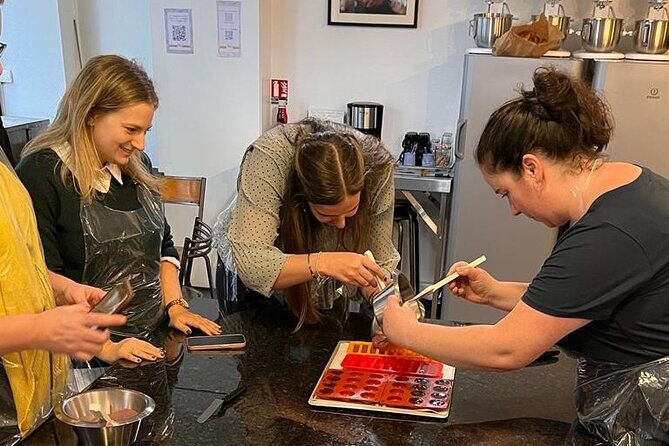
Paris can be great for food classes, but the ones that feel most fun are usually the ones where you actually do the work. Here, the class is capped at six people, which changes the whole vibe. Fewer people means less waiting, more chance to ask questions, and a calmer kitchen rhythm.
The instructor is a French pastry chef, and the teaching style matters. One of the strongest signals from past participants is organization and professionalism. In particular, one review calls out Julie as a very organized, professional teacher—exactly what you want when you’re learning precision baking and timing.
Now, the class is hands-on, but it’s not always purely “solo at one station.” The operator notes that for certain preparations, you may work in a group of two. That’s not a drawback by default. In practice, it can mean more guidance for steps that require careful coordination (mixing, assembly, glazing, or finishing).
You can also read our reviews of more tours and experiences in Paris

Where the class happens (and how to plan your afternoon)
The meeting point is 9 Rue Thimonnier, 75009 Paris, and the class starts at 2:00 pm. It runs for about 2 hours 30 minutes, and it ends back at the same meeting point—so you’re not signing up for a long, wandering schedule across multiple neighborhoods.
Because there’s no hotel pickup, I’d plan your route like you would for a museum stop: pick a nearby Metro/bus option, then add a few minutes buffer for finding the exact entry. This is especially helpful in Paris where the “last 200 meters” can feel longer than the first 2 kilometers.
Good news: the meeting area is described as near public transportation. That usually makes a 2 pm start manageable, even if you’re still figuring out your daily transit rhythm. If you’re pairing this with lunch, aim for something not too heavy. Pastry classes are active, and you’ll enjoy the experience more if you’re not arriving stuffed.
What you’ll make: classic French desserts and the techniques behind them

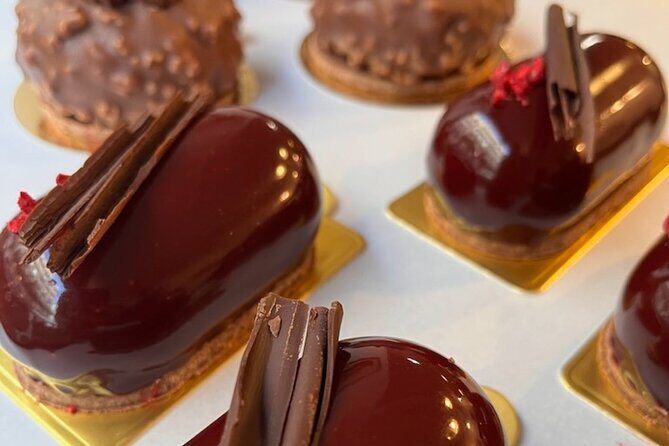
The core promise here is that you learn multiple classic pastries, not just one. The course description signals a technique-first approach, with training around things like mousses, mirror glazes, fillings, ganaches, and Bavarian cream. Even if the exact menu changes, those are core French pastry building blocks. Learn the “why” and you’ll be able to recognize patterns across desserts.
You’ll also see that the class is accessible across skill levels. The operator says it’s tailored for all skill levels, from beginners to more advanced bakers. That’s a big deal, because French pastries can look intimidating. The difference between “I tried it once” and “I actually understand it” is usually step-by-step guidance and consistent feedback.
From previous classes, the pastry lineup has included examples like crème caramel, madeleines, and an eight-layer meringue cake. Those choices tell you something important: the class isn’t only about showy modern desserts. You may cover both classics and structured, multi-step bakes.
Here’s what this means for you: you’ll leave with techniques that translate. If you learn how to handle custard texture for crème caramel, you’re building a mental sensor for doneness. If you practice the structure of meringue layers, you’re learning how to control stability and finish.
How the hands-on lesson is likely to flow
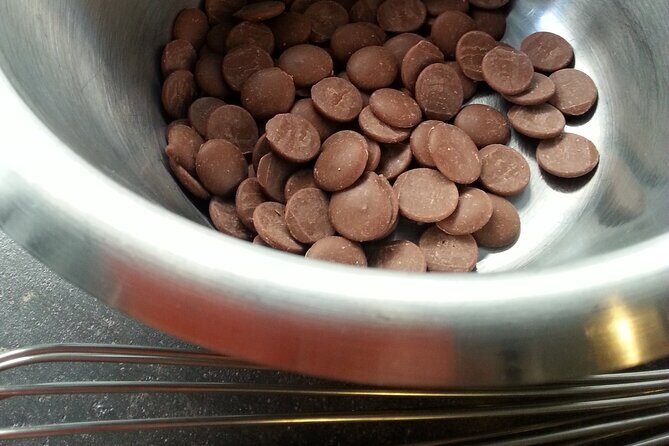
The class is designed around active participation. You’ll have the aprons, English recipe copies, and all cooking equipment you need, so you can focus on doing the work instead of sourcing ingredients or tools.
You can also expect the chef to guide you through the sequence. In a pastry class like this, timing and temperature matter, and the teaching value is in keeping you from learning the hard way. If your fillings are too warm, glazes can behave differently. If your batter is overmixed, texture shifts. The chef-led format is built to keep those problems from taking over your afternoon.
The operator notes that for certain preparations you may work in a group of two. That’s practical because some steps are easier when one person focuses on one task while the other handles the next. It can also help if you’re traveling with a friend or you’re pairing well with a partner for a shared workstation.
One more thing I like about the structure: it’s not just “make dessert, then leave.” You’re trained to understand the components. The description explicitly points to learning techniques for mousses, glazes, fillings, ganaches, and Bavarian cream. Even if your final products are different on the day you go, the chef’s approach is teaching fundamentals.
Tea, coffee, and the take-home payoff
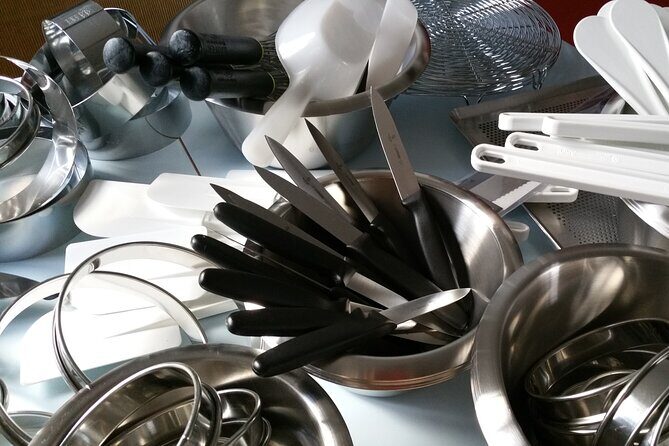
This class includes tea and coffee, which sounds small, but it helps. A pastry class can be a long sequence of tasks. Having a warm drink during the session gives you a little rhythm break without interrupting the flow of learning.
The big payoff is the take-home bags and the fact that you get to enjoy the pastries you prepared. Multiple past participants highlighted the joy of being able to take everything home. That matters because French baking is often more fun when it becomes a shared moment later—at your apartment, at your hotel room, or when you return to dinner plans.
You’ll also get an anniversary bonus: the operator says they’ll provide the Everyday Gourmet French Tarts eBook as part of their 10th anniversary. If you’re the type who wants to keep momentum after the class, that eBook could be a handy way to practice again without starting from scratch.
What I’d do with the take-home side: plan to transport your pastries carefully. Most people think it ends at the kitchen door, but the last mile affects the final experience. If your pastries are delicate, keep the walk short and avoid stacking if the take-home bags aren’t rigid.






Price and value: does $113.49 make sense?
At $113.49 per person, this isn’t a budget activity. But it also isn’t “pay for a recipe and a cookie.” The value is tied to several concrete inclusions:
- A French pastry chef leading the session
- Small group size (max six), which usually means more direct help per person
- All equipment, aprons, and recipes (including English copies)
- Tea and coffee during class
- Take-home bags so you can bring your work back with you
- The 10th anniversary eBook
For me, the best way to judge value is to ask: are you getting guidance that prevents mistakes and teaches you repeatable technique? With a small class and a chef-led, hands-on format, the odds are better that you’ll actually learn something you can use again, rather than just producing a single-day edible souvenir.
Also consider the time efficiency. At about 2 hours 30 minutes, you’re buying a focused learning block. In Paris, that matters because you’re often balancing sightseeing schedules, transit time, and meal timing.
If you’re a total beginner and want reassurance, the chef and the recipe support are part of what you’re paying for. If you’re an intermediate baker, the value is in technique and feedback, especially on tricky components like glazes and structured desserts.
Who this class suits best (and who might not)
This is a strong fit if you want:
- A hands-on Paris food activity that feels social but not chaotic
- A class where someone corrects your technique before you develop bad habits
- A tangible result you can enjoy later, thanks to take-home pastries
- An option that has worked well for adults and teens, based on past experiences, including a mother-and-granddaughter pairing
It may not be the best fit if you’re someone who hates following instructions or you need a very flexible schedule. Also, since the class is at 2:00 pm and there’s no hotel pickup, you need to be comfortable navigating to the meeting point on your own.
If you’re traveling with kids or teens, it can still work well, but keep expectations realistic. Baking is active, and the class includes technique-focused steps. One past participant specifically called out that adults and teens loved the class and that they made multiple desserts. That’s a good sign that the pacing can be friendly for mixed ages.
Should you book this Paris pastry class?
I think you should book it if you want more than a sweet tasting. This is a skill-building class with small-group attention, English recipe support, and the chance to learn techniques tied to classic French pastry systems. The take-home payoff is also genuine, not an afterthought.
I’d say skip or reconsider only if you strongly prefer self-guided experiences, can’t travel to 9 Rue Thimonnier without pickup, or you’re looking for something that’s mostly tasting rather than making.
If you want a practical Paris activity that ends with food in your bag and recipes in your hands, this one fits the bill.
FAQ
What’s the duration of the pastry class?
The class runs for about 2 hours 30 minutes.
How many people are in each class?
Each booking is capped at a maximum of 6 people.
Where does the class start?
The meeting point is 9 Rue Thimonnier, 75009 Paris, France, and the activity ends back at the same meeting point.
What’s included in the price?
It includes a professional French pastry chef, aprons, all cooking equipment, English copies of the recipes, tea and coffee, take-home bags, and an Every Day Gourmet French Tarts eBook (as part of the 10th anniversary).
Can you accommodate allergies or dietary requirements?
You’re asked to advise any allergies or special dietary requirements at the time of booking.
Is the class canceled if there aren’t enough participants?
Minimum numbers apply, so there is a possibility of cancellation after confirmation if requirements aren’t met. If that happens, you’ll be offered an alternative or a full refund.