REVIEW · MAREUIL LE PORT
Tasting Experience: Discover our Champagnes in Marne Valley
Book on GetYourGuide →Operated by Champagne Harlin Père & Fils · Bookable on GetYourGuide
A small tasting can teach a lot. This quick stop in Grand Est puts you face-to-face with a Champagne producer, Champagne Harlin Père & Fils, and turns a simple pour into a guided lesson on terroir, bubbles, and environment-first growing.
I like two things a lot: you taste three different champagnes plus a Ratafia Champenois, and the guide uses clear help (including visual aids) to get you from amateur questions to real tasting notes. There’s also a relaxed pace, with time and space to savor instead of being rushed.
The main thing to consider is practical: the tasting room can get noisy when other groups are inside, so hearing every detail may be easier if you arrive at a quieter time or sit closer to the guide.
In This Review
- Key Highlights You’ll Actually Care About
- Champagne Harlin Courtyard: Your Starting Point by Épernay and Reims
- What You Taste in 30 Minutes: 3 Champagnes and Ratafia Champenois
- The Tasting Lesson: How to Taste Without Feeling Fancy
- A quick tip for your own tasting
- Terroir in Plain Language: Mareuil-le-Port, Épernay, Tours-sur-Marne
- Environment-First Champagne: Biodiversity and Sustainable Viticulture
- Noise and Room Reality: When Group Size Affects Your Hearing
- Value Check: Is $18 for 30 Minutes Worth It?
- Who Should Book This Tasting (and Who Should Skip It)
- Should You Book Champagne Harlin’s Guided Tasting?
- FAQ
- How long is the Champagne and Ratafia tasting?
- What’s included in the $18 per person experience?
- Where do I meet the guide?
- Is this tour offered in English and French?
- Are children allowed?
- What is not included with this tasting?
- Can I cancel for a full refund?
Key Highlights You’ll Actually Care About
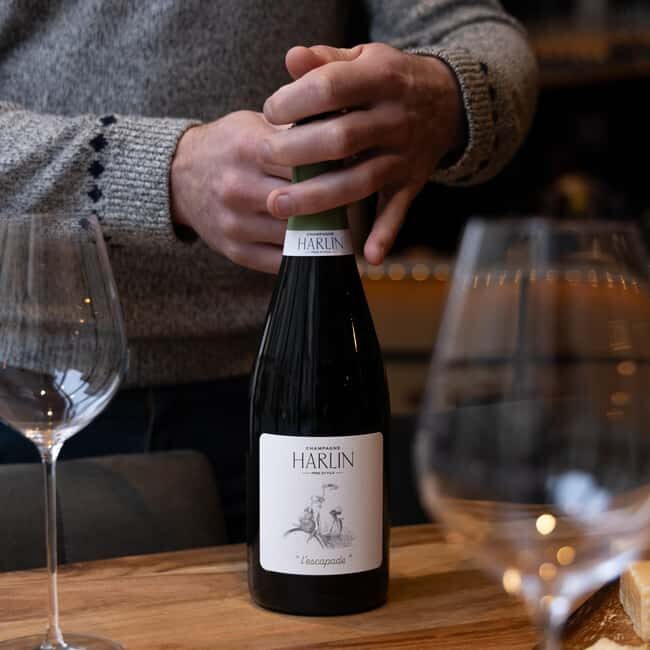
- 3 champagnes + 1 ratafia in just 30 minutes, so it’s efficient without feeling skimpy
- Terroir across Mareuil-le-Port, Épernay, and Tours-sur-Marne, explained in plain language
- A guide-led tasting method, including how to notice aromas and flavors
- Environment-first viticulture, with biodiversity and sustainable practices emphasized
- Relaxed pacing, where you get time to savor each glass instead of a speed-run
Champagne Harlin Courtyard: Your Starting Point by Épernay and Reims
This experience starts in the courtyard of Champagne Harlin at 8 Rue de la Fontaine. The setting matters more than you’d think: courtyards feel like a working Champagne home, not a museum line, and you get a sense that you’re joining a real production-minded business.
Location helps too. You’re in the Marne Valley region of Grand Est, less than two hours from Paris, about 20 minutes from Épernay, and roughly 30 minutes from Reims. That makes this an easy add-on if you’re basing yourself near the big Champagne names, or if you want one well-run activity without committing to a full half-day tour.
Language is also friendly for international visitors: the guide is available in French and English, so you won’t be stuck translating your way through the tasting.
You can also read our reviews of more tours and experiences in Mareuil Le Port.
What You Taste in 30 Minutes: 3 Champagnes and Ratafia Champenois
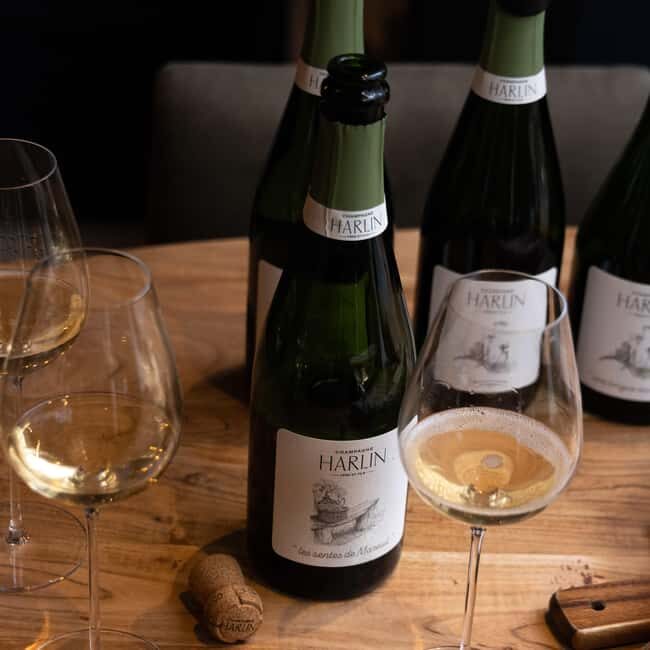
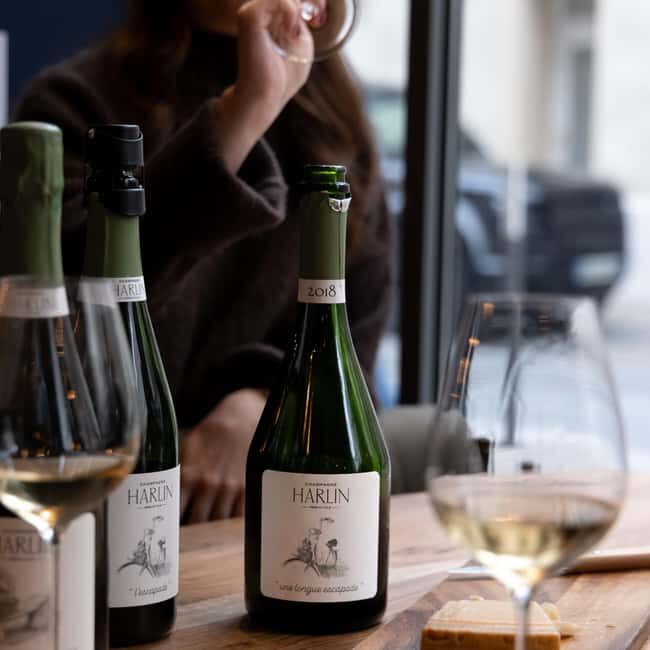
The tasting is built around a simple format: you sample three champagnes and one Ratafia Champenois, guided from glass to glass. For many first-timers, this is a sweet spot. You get enough variety to notice differences, but not so much that it turns into a blur.
Here’s what that variety does for you:
- Three champagnes let you compare styles that come from different terroirs and growing conditions.
- The Ratafia Champenois adds a curveball. It’s a traditional, distinct flavor expression that makes you think about Champagne in broader terms than just “dry sparkling wine.”
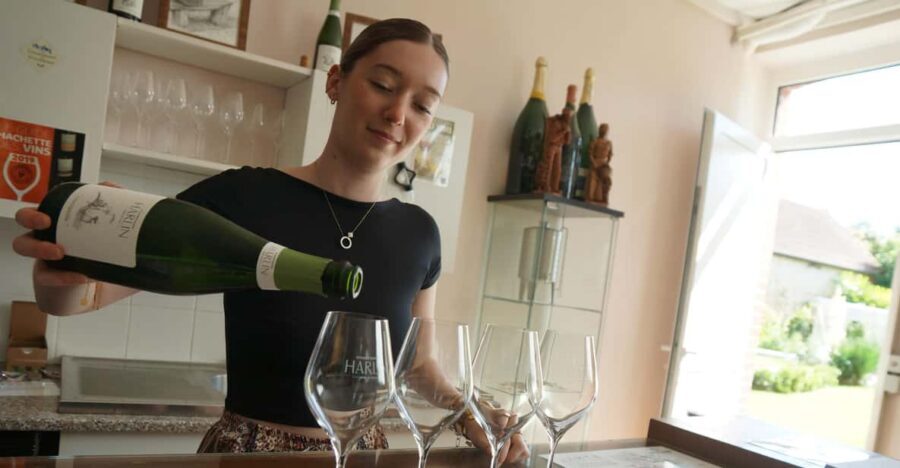
In one of the experiences, the guide was Clio, and the use of visual aids stood out. That’s a big deal if you’re new to tasting. When someone gives you small, clear mental checkpoints—what to look for first, what to smell for next—you taste with more confidence.
Also, plan your expectations: this tasting is 30 minutes. It’s not billed as a long cellar deep dive. It’s a guided sampler with a lesson, and it aims to leave you with understanding you can use right away.
The Tasting Lesson: How to Taste Without Feeling Fancy
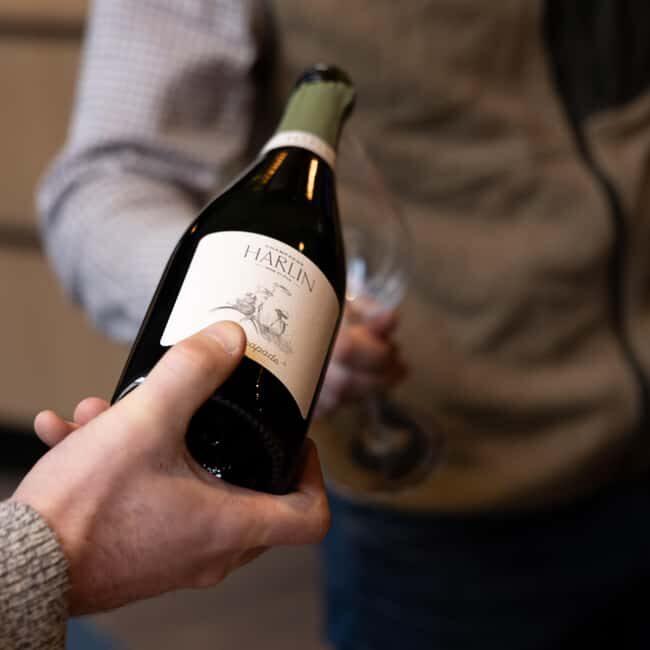
A good tasting guide doesn’t just pour wine. It teaches you a process. Here, you learn the basics of tasting Champagne properly—how to appreciate the effervescence and how to track aromas and flavors instead of guessing.
That matters because Champagne tasting can feel intimidating. People expect they’ll need to know grape varieties, vintage rules, or tasting vocabulary. You don’t. What helps is learning how to use your senses step by step.
In practice, you’re given time and breathing room. In one account, there was no pressure to perform a perfect explanation back to the guide. That relaxation makes it easier to try honestly, even if your tasting skills are brand new.
One more plus: you’ll get the chance to ask questions during a guided session rather than staring at a placard and hoping it sticks.
A quick tip for your own tasting
As you move through the glasses, write down three simple things:
1) what you notice first (smell or flavor),
2) what changes glass to glass,
3) which one you would actually want at dinner.
This turns a short tasting into a lasting memory.
Terroir in Plain Language: Mareuil-le-Port, Épernay, Tours-sur-Marne
The tasting is designed to show terroir, not just list it. You’ll hear how the soil and growing conditions influence what’s in the glass. And you’ll taste that difference across vineyards connected to Mareuil-le-Port, Épernay, and Tours-sur-Marne.
Why this matters: terroir can sound like wine-fairytale talk. But in a tasting format, it becomes measurable. You compare what you’re tasting while the guide connects it to the vineyard context.
If you’re the type who likes to understand a place, this is satisfying. You’re not just drinking. You’re mapping flavor impressions to where the grapes grew and how they were cared for.
And because the session is short, the terroir story stays focused. It’s the kind of explanation that helps you form real opinions, like which terroir expression feels more crisp, more rounded, or more expressive to your palate.
Environment-First Champagne: Biodiversity and Sustainable Viticulture
One theme runs through the session: the producer’s commitment to the environment. You’ll hear about biodiversity preservation and sustainable viticulture practices as part of the tasting experience.
This is more than a feel-good footnote. Champagne is heavily influenced by growing conditions, so sustainable practices can affect long-term vineyard health—and that can show up in the character of the grapes over time. You won’t be given lab results or technical paperwork in a 30-minute tasting, but the message is clear: they’re working with the ecosystem, not just against it.
If you care about how food and drink are made, this angle is a good match. It helps you see the producer as a steward of the place, not only a seller of bottles.
Noise and Room Reality: When Group Size Affects Your Hearing
Here’s the practical drawback to know: the room can be noisy when other groups are present, which can make it harder to hear the guide clearly. It’s not a deal-breaker, but it’s real.
To make the experience smoother:
- Arrive a few minutes early if you can, so you can choose a seat close to the guide.
- If it gets loud, focus on what matters most: the guidance on how to taste (aroma, effervescence, flavor order). Even if every sentence is muffled, the tasting method still helps.
This matters because you’ll enjoy the session more if you can actually follow the guidance. The tasting format is quick, so clarity counts.
Value Check: Is $18 for 30 Minutes Worth It?
At $18 per person for a guided 30-minute tasting, this is priced like a true “stop in, learn, taste, decide” activity. The value comes from the combination:
- Four pours (three champagnes + one ratafia)
- A guide who explains how to taste Champagne
- Terroir context across multiple vineyard areas
- The environmental angle tied to production practices
What keeps expectations realistic: cellar tour and vineyard tour entry tickets are not included. So if your main goal is to walk through cellars or explore vineyard rows in depth, you’ll need a separate ticket for those bigger tours.
But if you want a smart introduction—especially if you’re short on time—this works well. It’s also a good way to decide what style you like before spending on a bottle.
Who Should Book This Tasting (and Who Should Skip It)
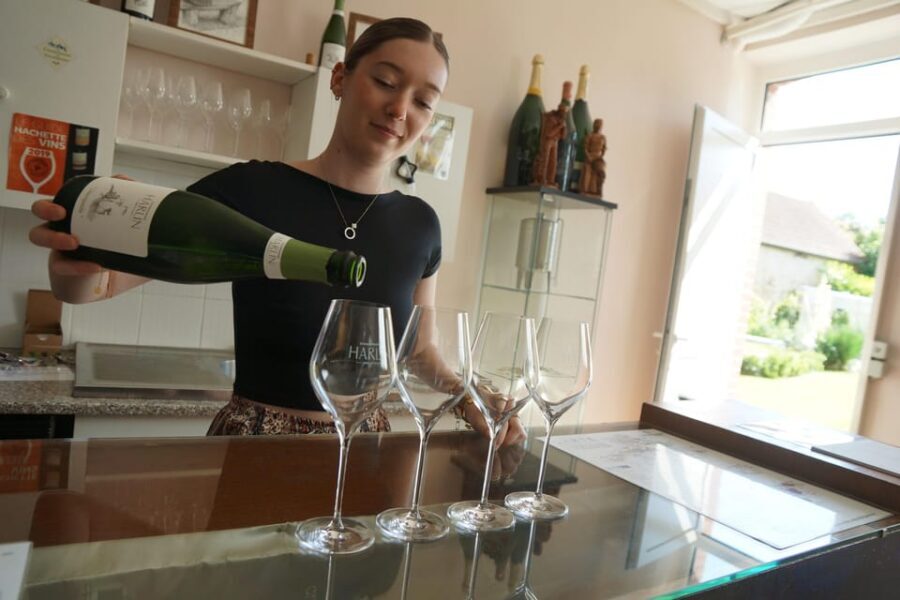
This is a great fit if you:
- want a fast, guided introduction to Champagne without committing to a half-day tour,
- enjoy learning the basics of tasting and terroir,
- care about how wineries approach the environment,
- are in the Marne Valley area near Épernay or Reims and want one high-quality, low-stress activity.
You might want to skip or rethink if you:
- need a very quiet room to enjoy guided explanations (the group noise can interfere),
- are looking specifically for a cellar or vineyard walk (those aren’t included here),
- are traveling with certain personal circumstances noted by the activity (see FAQ).
Should You Book Champagne Harlin’s Guided Tasting?
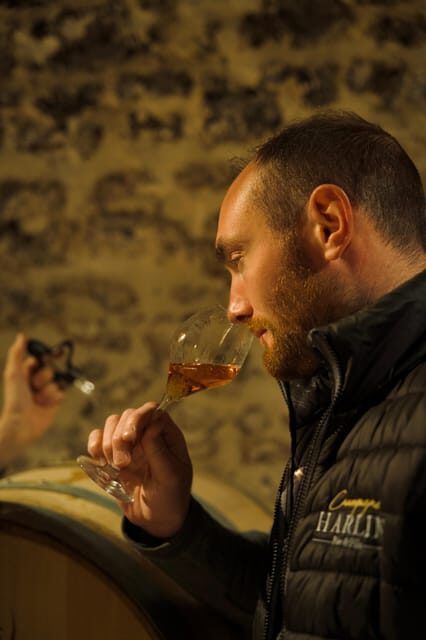
Yes, if you want a short, well-structured tasting that gives you more than just the wine. The best part is that you’re not left on your own: you get a guided method for tasting, terroir context, and a bonus Ratafia Champenois pour that makes the session feel thoughtfully designed.
If you’re planning a trip focused on Champagne culture but your schedule is tight, this is a strong choice. It’s also a good “confidence builder”—you’ll likely walk away knowing what you like and being able to explain it, even if you’re starting as a complete beginner.
FAQ
How long is the Champagne and Ratafia tasting?
The guided tasting lasts about 30 minutes (timing can be flexible based on availability).
What’s included in the $18 per person experience?
You get entry for the guided Champagne and Ratafia tasting, including tasting three champagnes and one Ratafia Champenois.
Where do I meet the guide?
Meet in the courtyard of Champagne Harlin at 8 Rue de la Fontaine.
Is this tour offered in English and French?
Yes. The live tour guide speaks French and English.
Are children allowed?
Children under 18 can accompany you, but they will not be permitted to drink alcohol. Fruit juices are provided for children, and you must let the provider know if you are accompanied by children to stay within the participant limits.
What is not included with this tasting?
This tasting does not include entry tickets for the Champagne Harlin cellar tour or the Champagne Harlin vineyard tour.
Can I cancel for a full refund?
Free cancellation is available up to 24 hours in advance for a full refund.