A Paris crime walk feels surprisingly personal. This guided loop through the judicial core of the city ties together major cases from the 14th century to today, with stops linked to the Palais de Justice and Conciergerie. I like that the stories are place-based, so you’re not just hearing names—you’re standing where justice (and punishment) actually played out.
One good heads-up: it’s an outdoor walk, so cold or rain can change the vibe fast, especially if you’re traveling with kids or you don’t love chilly weather.
In This Review
- Key highlights I’d plan around
- A Dark Walk From the Louvre Area to the Seine Courts
- What Makes the “Paris Crime” Theme Work Here
- Getting Oriented at Quai des Orfèvres
- Palais de Justice: Where Trials Turned into Public Theater
- The Conciergerie: Crime Stories With a Catch to the Air
- The Cast of Characters: Famous Cases, Real Motives
- Group Size and Timing: 1.5 Hours That Don’t Eat Your Day
- What You’ll Learn, and What Might Feel Off
- Price and Value: Why $17.02 Can Make Sense
- Who This Tour Suits Best
- Should You Book Paris Crime City?
- FAQ
- Where does the tour start?
- Where does the tour end?
- How long is the experience?
- How much does the tour cost?
- Is there a mobile ticket?
- What’s included in the price?
- How big is the group?
- Is the meeting point near public transportation?
- Does the tour require good weather?
- Can I cancel for a full refund?
Key highlights I’d plan around
- Small group size: max 25 people, which helps you actually hear the guide.
- Real legal landmarks: you’ll connect the stories to places like the Palais de Justice and the Conciergerie.
- A case lineup across centuries: from Renaissance-era intrigue to modern-crime references.
- Guide storytelling matters: in past groups, guides such as Lionel, Franck, Aurélien, and Nicolas were praised for clear, engaging narration.
- Good value for a guided hour-and-a-half: guide included in a low per-person price.
A Dark Walk From the Louvre Area to the Seine Courts
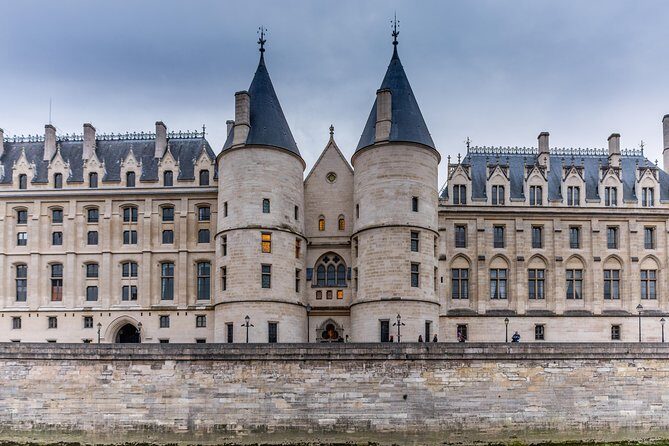
This is a Paris crime walking tour built around one idea: the best clues to a city’s past are still sitting on the street. You meet at the Louvre Pyramid (75001), then you walk into the judicial neighborhood tied to Quai des Orfèvres, following the trail of crimes along the Seine’s orbit.
The tour lasts about 1 hour 30 minutes. That short runtime is a big part of the value. Paris is big, and “one more museum” can drain you. Instead, you get a focused, guided walk where every stop is meant to trigger a new story—and a new way to look at the buildings you’d otherwise glance past.
I also like the small-group feel: the max is 25 people. In practice, that usually means the guide can keep everyone together and manage questions without turning the whole experience into a lecture for a crowd.
The biggest practical drawback? Weather. One guest described losing the pleasure of the walk because it was cold and rainy, and that’s exactly what can happen when a tour is built on outdoor movement and you’re dressed for summer in spirit, not temperature. Bring layers and don’t assume the day will magically cooperate.
You can also read our reviews of more city tours in Paris


What Makes the “Paris Crime” Theme Work Here
Paris has plenty of spooky tours. What makes this one feel different is the time span. The theme is not limited to one famous killer or a single era. It’s framed as a guided investigation through crime and justice in the heart of the city, stretching from the 14th century to today.
That range does two useful things for your trip planning:
First, it gives you variety. You’re not locked into one style of crime story. You’ll hear about betrayals and murders, but also about the motives and power struggles that make crime stories believable—not just shocking.
Second, it helps you understand how law and policing evolved. If you’ve ever wondered why a certain neighborhood in Paris feels like it always belonged to authority, this kind of walk turns that feeling into something concrete.
From the names that come up, the tour’s “case file” includes figures tied to different eras and styles of violence. You may hear references that stretch from Catherine de Medici to Jacques Mesrine, plus names such as Philippe le Bel, Cartouche, and Ravaillac. Even if you don’t know every name on day one, the guide’s job is to connect the dots to what the city looked like then.
One caution, though: this is not only a straight line of famous criminals. A few people found the tour more historical than purely “major criminals,” with so many references that it can start to feel like information overload. If you’re coming specifically for a “greatest hits of killers” style tour, go in ready for context and politics, not only crime.
Getting Oriented at Quai des Orfèvres
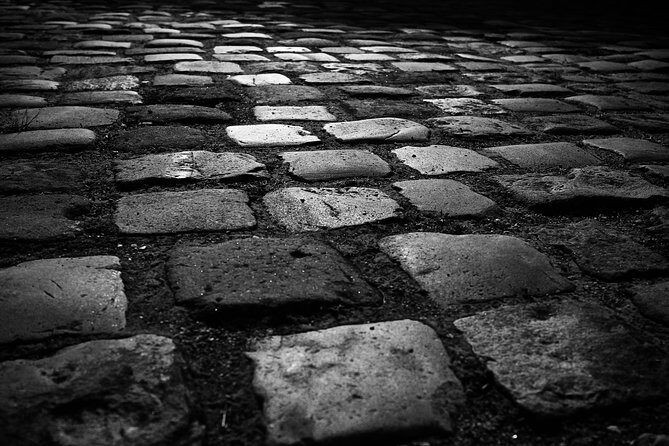
Early on, you’ll move into the atmosphere of the judicial zone—near Quai des Orfèvres—the kind of place where Paris’s public life and enforcement machinery blur together. This matters because it sets the lens for everything that follows.
Think of the first minutes as your mental setup. The guide is guiding you to view the area not as a postcard, but as an operating system: where decisions were made, where witnesses and suspects collided, and where the city’s power structures shaped what counted as crime.
Even if you’ve walked around Paris before, this neighborhood tends to feel more purposeful. You’re not wandering for beauty. You’re “walking as an investigator,” which is exactly the tone the tour description promises.
A helpful detail for your planning: the start and end points are in different areas—from the Louvre Pyramid to Rue Chanoinesse (75004). That means you can treat this as a “move across the city while learning” activity. When it ends near Rue Chanoinesse, you’ll be closer to the Left Bank/central sightseeing zone than you were at the Louvre.
Palais de Justice: Where Trials Turned into Public Theater
One of the most important stops is the Palais de Justice. This is where the stories stop being abstract. It’s hard to describe the effect without sounding dramatic, but standing near a place associated with courts and judgment changes how you hear the crimes.
Here’s what you should expect from a tour like this at the Palais de Justice:
- The guide connects specific cases and motives to the way power worked.
- You get the “why,” not only the “what.”
- The atmosphere is treated like evidence. Not in a spooky movie way—in a practical, historical way.
If you like murder mysteries, you’ll probably enjoy the way the guide frames conflicts. If you prefer political history, you’ll likely appreciate the explanation of how authority and society shaped the outcomes.
The drawback is also clear: if you’re not in the mood for court-and-context storytelling, the Palais de Justice portion can feel dense. Some people wanted the focus to land more on assassins and less on background. That doesn’t mean the stories are wrong—it just means you should match your expectations to the tour’s style.
The Conciergerie: Crime Stories With a Catch to the Air
Another key landmark is the Conciergerie, tied to the justice system and the imprisonment process. Even without stepping into a textbook, the idea of a prison linked to high-profile cases adds a layer of weight to the tour.
This is the kind of stop where the guide’s pacing really matters. In the best versions, you leave the Conciergerie with a clearer sense of what imprisonment and punishment meant in different periods, and how those systems created their own incentives and fears.
If you’re a fan of real-world historical storytelling, you’ll likely enjoy how the tour moves between the “big names” and the human details: betrayal, power, consequences.
If you’re sensitive to graphic themes, you should know the tone leans into murders and betrayals. One review used the phrase crimes under atmospheric influence—basically, the cold and weather made everything feel harsher. You might not get gore details, but the subject matter is darker than a typical city walk.






The Cast of Characters: Famous Cases, Real Motives
A lot of crime tours list names. This one aims to connect them to places and eras. That’s why names like Catherine de Medici, Jacques Mesrine, Philippe le Bel, Cartouche, and Ravaillac show up in the story mix.
What you’ll get (and what you might need to adjust for):
- You’ll likely hear stories that cover multiple political eras, not just one decade.
- You’ll get motive-oriented explanations—what people stood to gain or lose.
- You may also get lots of historical references, which can be fantastic for history lovers and frustrating for people who want a tighter “just the criminals” focus.
If you want to make the most of it, do one small prep step before you go: pick two or three names you already recognize and one era you’re curious about (Renaissance court intrigue? Revolution-era turmoil? more modern crime?). Then when the guide mentions those, you’ll be able to follow the thread instead of catching every reference cold.
Group Size and Timing: 1.5 Hours That Don’t Eat Your Day
The duration is about 1 hour 30 minutes, and that’s a scheduling sweet spot. You’re not sacrificing a half-day. You’re fitting in something smart between museum time and dinner.
Because the group is capped at 25 people, your guide has room to keep energy up and explain clearly. Some guests praised the guide’s professionalism and enthusiasm—especially guides named Lionel, Franck, Aurélien, and Nicolas—and that lines up with why this kind of tour works best when the narration stays sharp.
Also note: the tour is marked as near public transportation. That helps if you’re coming straight from another site. It’s also a plus if you want to end at Rue Chanoinesse and keep exploring without backtracking to the Louvre.
Walking pace can matter. One person specifically mentioned not much walking. That suggests this isn’t a hike. Still, it’s outdoors and you’ll be moving steadily enough to feel like a walk, so wear shoes you’re happy to spend an hour in.
What You’ll Learn, and What Might Feel Off
Here’s the honest balance: this tour tends to be strongest when you like context—who held power, how justice worked, and why criminals acted when they did. Several parts lean into history: the city’s institutions, the eras involved, and the web of events around the crimes.
That’s also where some disappointment can happen. A couple of guests felt the tour wasn’t exactly what they expected in terms of focusing on the major criminals of Paris. Instead, they found it more historical, and in one case, even a bit hard to track because there were many references.
So decide what role this tour should play in your trip:
- If you want a guided walk that turns landmarks into explanations, you’ll probably be happy.
- If you’re expecting a mostly “criminal greatest hits” format with very little background, you may wish you’d chosen a different style of tour.
One more variable you should plan for: the weather. If it’s raining, you’ll still walk. One guest wrote that the visit felt like everyone was frozen and that the walk lost pleasure. That’s your reminder to dress for unpleasant conditions, not for an ideal Paris postcard.
Price and Value: Why $17.02 Can Make Sense
At $17.02 per person, this is priced like a budget-friendly guided activity. What makes that price feel reasonable is the inclusion of a guide and the focus on landmark-rich storytelling in a tight 1.5-hour format.
Also, this tour seems designed for “schedule flexibility” rather than “big-ticket immersion.” You don’t need to clear your whole day. You can fit it in on a walkable route and still have energy left for other sights.
It’s also booked fairly in advance on average—about 16 days ahead. That doesn’t mean you must book exactly then, but it’s a clue that the popular slots can fill, especially when weather is good or when visitors want quick, guided experiences near central Paris.
When you’re getting value on a guided tour, look for two things:
1) Can you hear and follow the guide easily in the group size?
2) Do the stories connect to places you can remember after?
This tour is built for both, especially with the legal landmarks and the “investigator” narrative style.
Who This Tour Suits Best
This is a strong fit for you if:
- You like crime stories that include motivation and politics, not just plot twists.
- You want a short, guided walk that covers central Paris landmarks tied to justice.
- You enjoy learning through street-level storytelling.
It might be less ideal if:
- You want mostly the most infamous criminals with minimal history.
- You hate cold rain and would rather spend outdoor time elsewhere.
- You’re traveling with a need for lots of seated breaks, since it’s a walk (just not a long one).
Should You Book Paris Crime City?
I’d book this if you want a guided, place-based crime-and-justice walk that uses the Palais de Justice and Conciergerie area as your story engine. At $17.02 with a real guide and a 1 hour 30 minutes length, it’s a smart way to add something different to your Paris days without committing to a full museum block.
But I’d think twice if your heart is set on a purely criminal-focused greatest-hits format, or if you’re going when the forecast looks miserable. In bad weather, the “coldness of the crimes” can become literal, and the experience may feel less fun than the subject matter promises.
If you do book, dress for damp and cold, keep your expectations grounded in history + crime context, and you’ll get a lot of payoff from standing in these iconic court-linked spaces as the story moves from era to era.
FAQ
Where does the tour start?
The tour starts at the Louvre Pyramid, 75001 Paris.
Where does the tour end?
The tour ends at Rue Chanoinesse, 75004 Paris.
How long is the experience?
It runs for about 1 hour 30 minutes.
How much does the tour cost?
The price is $17.02 per person.
Is there a mobile ticket?
Yes, the tour includes a mobile ticket.
What’s included in the price?
A guide is included. Tips and transfer are not included.
How big is the group?
The experience has a maximum of 25 travelers.
Is the meeting point near public transportation?
Yes, it’s near public transportation.
Does the tour require good weather?
Yes. The experience requires good weather. If canceled due to poor weather, you’ll be offered a different date or a full refund.
Can I cancel for a full refund?
Yes. You can cancel up to 24 hours in advance for a full refund.