REVIEW · PARIS
Paris: French Pastry and Baking Workshop
Book on GetYourGuide →Operated by Bistrot Baguette · Bookable on GetYourGuide
Paris tastes better when you bake it yourself. In a hands-on workshop at Boulangerie Bistrot Baguette, I love the fact that you’re not just watching—you’re working alongside the instructor and getting real technique practice. Another highlight for me: you leave with the pastries you make, plus a 10% off treat-shopping perk for later that same day.
One thing to plan for: the class is advertised at 2 hours, but it can run closer to 1–2 hours depending on class size and how many participants are actively involved. If you’re coming in expecting a long adult-focused masterclass, consider that this is built to keep everyone moving and baking.
In This Review
- Key Highlights You’ll Care About
- Where You Bake: Boulangerie Bistrot Baguette Workshop Room
- What You Make in a French Pastry Workshop (Madeleines to Apple Pies)
- A Typical Flow Inside the 1–2 Hour Class
- The Instructor Factor: Coaching, Storytelling, and Multilingual Help
- Price and Value: Why $88 Can Make Sense (or Not)
- Small Group Size: How Up to 15 People Changes the Experience
- Baked Goods You Can Replicate Later (The Skill Behind the Dessert)
- When This Workshop Fits Best (Families, First-Timers, and Dessert Lovers)
- Practical Tips Before You Go
- Should You Book This Paris French Pastry Workshop?
- FAQ
- How long is the Paris French pastry and baking workshop?
- Where do I meet for the workshop?
- What’s included in the price?
- What pastries and baked goods will I learn to make?
- What languages are offered during the class?
- Is it suitable for young children?
Key Highlights You’ll Care About
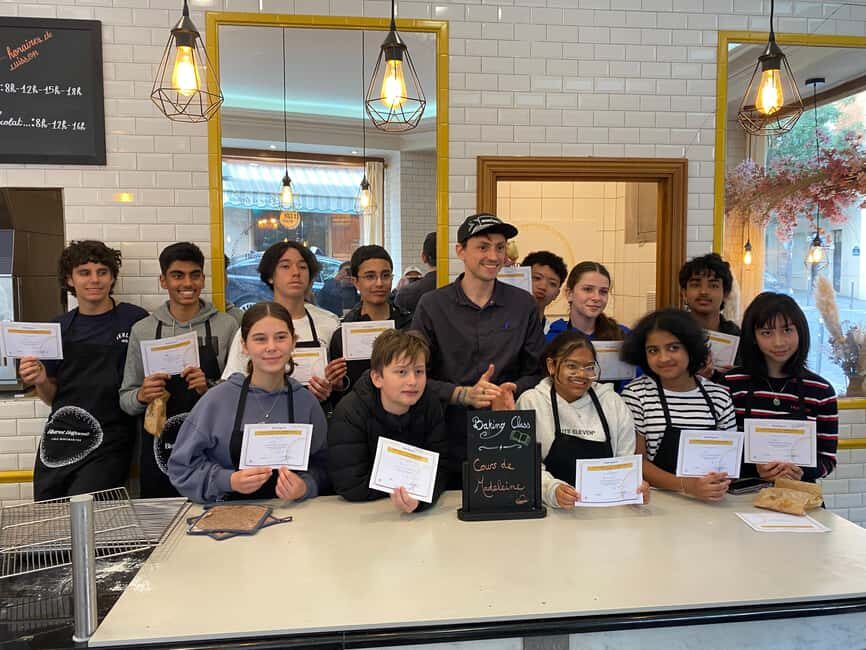
- Hands-on cooking space inside Boulangerie Bistrot Baguette, with a dedicated workshop area
- Real French favorites you’ll make, including madeleines and chocolate fondant, plus other options
- Small classes (up to 15 participants) that make it easier to get help while you work
- Take-home results: your baked goods are yours to bring away
- Instructor energy (stories, coaching, and humor show up in the teaching style)
Where You Bake: Boulangerie Bistrot Baguette Workshop Room
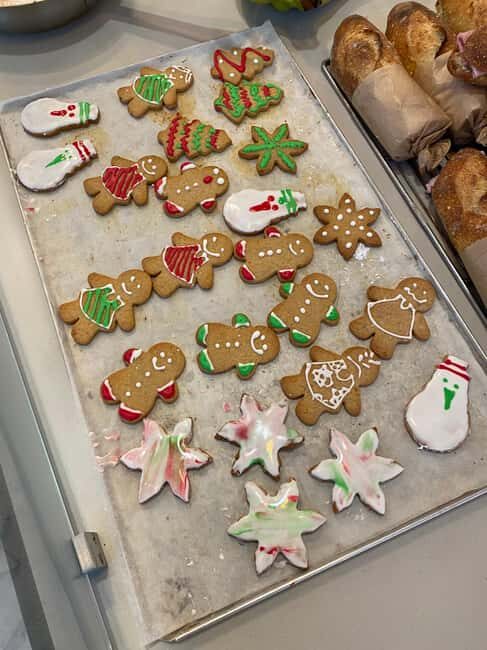
This class starts at Boulangerie Bistrot Baguette, and the setting matters. You’re not sent to a distant cooking studio—you’re in the real bakery environment, which keeps things grounded and practical. It also means the vibe feels like Paris: flour in the air, counters in motion, and pastry culture all around you.
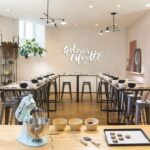
Inside, there’s a dedicated workshop area, so you can focus on the task without feeling like you’re in the middle of a retail crowd. You’ll get the equipment you need, and the format is designed so you can actively participate rather than just stand by.
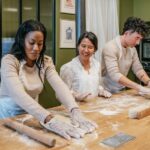
If you’re the type who likes to learn by doing, this is a big win. You’re practicing the motions that create great results—mixing, shaping, portioning, and learning what the dough or batter should look like as it comes together. That is the difference between a fun vacation snack and an actual skill you can repeat later.
You can also read our reviews of more tours and experiences in Paris

What You Make in a French Pastry Workshop (Madeleines to Apple Pies)
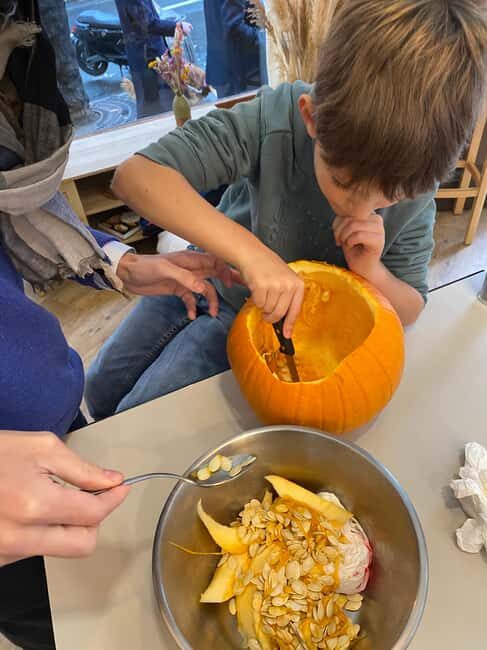
The heart of this experience is the variety. You’ll make French pastries and baked goods, including items such as madeleines, chocolate fondant, chouquettes, cookies, brownies, and apple pies. The workshop also covers bread and other French baking staples, depending on the session and class flow.
Here’s what that means for you as a practical learner: you’re not stuck doing one item for the entire session. You get exposure to different dough and batter types—some closer to cake-like batters, others more structured, and some that reward precision (like shaping and portioning). Even if you don’t walk away perfect on the first try, you’ll understand what kind of technique each pastry demands.
Some classes include a bigger mix of items, and others may focus on fewer pieces so everyone can finish and take something home. The useful detail here is that the “more” in the offering is still anchored to real French favorites you can recognize and replicate, not random experiments.
And yes, you’re taking the results with you. That part is more than convenience. You’ll actually remember what you learned because you can compare your home attempt to what you produced in class—plus you’ll have an easy, tasty way to share the story with friends back home.
A Typical Flow Inside the 1–2 Hour Class
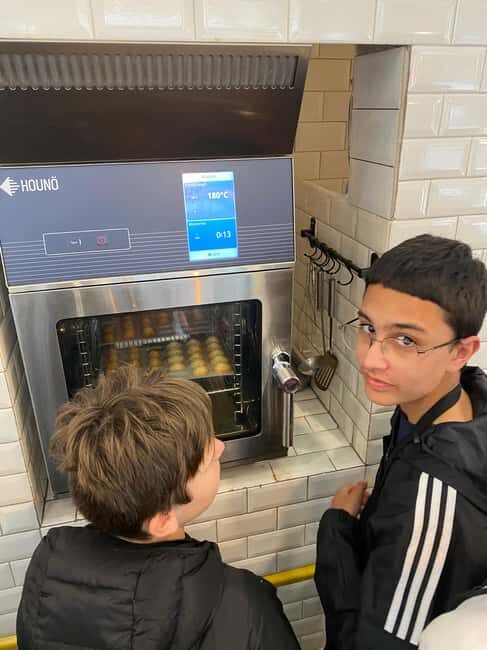
Even without a written minute-by-minute itinerary, the structure is clear: you’ll move through instruction, hands-on baking, and finishing steps that let you leave with pastries ready to enjoy.
First, expect an intro in the workshop space. This includes the history of French culinary specialties and a bit of context on what makes these treats distinct. That’s valuable because it gives meaning to the technique. When you know why a madeleine batter is meant to be treated a certain way, or why fondant is about texture, you’re more likely to remember what matters.
Then you get hands-on time. You’ll work on the pastries and baked goods offered for your session, and the instructor guides you while you do it. Based on the class style, you should expect the teaching to be interactive—questions welcomed, adjustments made in real time, and help when your batter, dough, or pastry doesn’t behave the way you hoped.
Finally, you wrap up with take-home pastries. It’s not just a photo op. This is built so your output is yours to carry—so don’t come in wearing uncomfortable shoes or anything you can’t move in.
The Instructor Factor: Coaching, Storytelling, and Multilingual Help
The instructor is a huge part of why this workshop works. You get instruction in French, English, and Spanish, which keeps the class accessible if your French is still “bonjour only.” That language option matters in a cooking workshop, where small details—like what the batter should feel like—make the difference.
Instructors can also bring a lot of personality. In past sessions, people have mentioned an instructor named Anastasia as attentive and supportive. Other classes have featured Chef Sylvan, praised for warmth and patience, plus the ability to make both kids and adults feel comfortable in the kitchen. Even when the class includes children, the teaching style still aims to keep adults engaged rather than treating them like extras.
Here’s the best way to think about it: if you’re worried you’ll feel lost, this format is designed to keep you on track. The coaching approach is interactive, meaning you can ask questions and get feedback while you’re still holding the mixing bowl.
If you’re traveling with kids, this teaching style can be a lifesaver. Parents often want something that feels cultural but still manageable, and French pastry technique provides structure—plus kids naturally love shaping batter into something that turns into dessert.
Price and Value: Why $88 Can Make Sense (or Not)
At $88 per person for about 2 hours, this isn’t a bargain-basement activity. But it also isn’t inflated for a simple demo. You’re paying for instruction, equipment, a dedicated workspace, and the ingredients needed to produce multiple pastries and bread items you can take away.
It also includes a diploma, which is small but fun—more importantly, it reinforces that this is meant to be a real workshop experience, not just a quick “try a pastry” stop. Add in the 10% off products that day, and you may get some built-in savings if you plan to snack or buy bread afterward.
That said, one practical consideration came up in feedback: some sessions may feel shorter than the 2-hour promise. If you’re an adult who wants lots of time for technique practice or a slower pace, you may prefer another activity that offers deeper instruction. The workshop format is meant to keep the group baking, not to run like a private studio session.
My advice: treat it as a high-reward taste-and-learn experience. If you want to bake a lot and learn a lot in one go, you’ll likely feel it was worth it. If you want a long, adult-only deep dive, plan your expectations around the hands-on workshop pacing.






Small Group Size: How Up to 15 People Changes the Experience
Maximum of 15 participants per class is a sweet spot. It’s big enough for energy but small enough that you’re not just waiting your turn at a station. In a baking workshop, that matters because technique is physical: you need guidance at the exact moment something changes.
This is where the “fun and interactive” claim becomes real. With a smaller class, instructors can correct issues before they turn into mistakes you can’t fix. It also helps you feel comfortable asking questions, especially if it’s your first time making French pastries.
Also, because it’s private group, your experience may feel more tailored than a public classroom. Private group format can mean better attention and a more relaxed pace. If you’re traveling with family, friends, or you want a calmer vibe than a large shared tour group, this setup is worth considering.
Baked Goods You Can Replicate Later (The Skill Behind the Dessert)
What makes this workshop valuable isn’t just the pastries—it’s the underlying baking logic you can use again. Even if you forget every detail, you’ll remember the key idea: French pastries are about texture and timing, and small handling changes matter.
You’ll work with items like madeleines (great for learning batter consistency and pan timing), chocolate fondant (useful for understanding rich dessert structure), chouquettes (helpful for practicing portioning and finishing), and cookies or brownies (where technique affects chew and bake level). Apple pies add a different skill set—working with filling and a pastry approach that rewards proper handling.
You should leave with a better sense of what “good” looks like, not just what “works.” That visual and hands-on learning is why this can be more useful than watching a cooking video. The next time you bake at home, you’ll have a mental checklist of what to watch for.
And because your products are yours, you can taste the outcome right away. That matters for learning. If you can compare texture to your expectations, you’ll connect technique to results faster.
When This Workshop Fits Best (Families, First-Timers, and Dessert Lovers)
This is a great fit if you want a memorable French activity that isn’t just about sight-seeing. It’s also hands-on in a way that travels well: you’ll learn while you’re in Paris, then you can share what you learned after you go home.
Families often love it. Reviews highlight a dynamic class experience for kids, including ages around 6 and up, with instructors described as great with children and engaging for adults at the same time. Children under 4 aren’t suitable, so plan around that if you’re traveling with toddlers.
Adults can love it too. The workshop covers a mix of pastries and breads, so you’re likely to find at least one item that feels exciting or approachable even if you’ve never baked from scratch. And if you’re the kind of traveler who likes structured activities you can do with your hands, this checks that box.
If you’re someone who dislikes sticky hands, messy aprons, or standing in one spot too long, you might want to think twice. This class is active by design—wear comfortable shoes and clothes you don’t mind getting a little flour on.
Practical Tips Before You Go
A few details will help you enjoy the workshop more.
- Wear comfortable shoes and sleeves you can move in. Baking can be warm and hands-on.
- Expect the class length to vary between about 1 and 2 hours. Arrive ready to bake, not to rush.
- If you have dietary limits, you’ll need to check what’s possible in your specific session, since the class focuses on classic French items listed for the workshop.
- Come with curiosity. This is as much about technique as it is about dessert.
Should You Book This Paris French Pastry Workshop?
I’d book it if you want a real, hands-on taste of French baking culture in Paris. The combination of a dedicated workshop area, instruction in French/English/Spanish, small class size (up to 15), and the fact that your baked goods are taken home makes the experience feel like value, not just entertainment.
I’d think twice if you’re a strict time-budget traveler who needs exactly 2 hours, or if you’re expecting an adult-only, slow-paced, deep-teaching seminar. One consideration worth keeping in mind: some sessions may feel shorter than advertised, because the workshop timing adapts to how participants engage.
If you want a fun learning activity that you’ll still talk about after your trip—because you can bake the results again—this is one of those Paris experiences that turns into a personal story.
FAQ
How long is the Paris French pastry and baking workshop?
It lasts about 2 hours, though the timing can run between 1 and 2 hours depending on how many people are interacting in the class.
Where do I meet for the workshop?
You meet at Boulangerie Bistrot Baguette.
What’s included in the price?
The workshop includes baking and pastry workshops, access to a dedicated workshop area, all necessary equipment, a diploma, the history of French culinary specialties, and you take home the pastries and baked goods you make. There’s also 10% off products that day.
What pastries and baked goods will I learn to make?
You’ll make a variety of French pastries and bread. The listed options include madeleines, chocolate fondant, chouquettes, cookies, brownies, apple pies, and more.
What languages are offered during the class?
The instructor teaches in French, English, and Spanish.
Is it suitable for young children?
Children under 4 years old are not suitable. The workshop is designed to work for all skill levels. For younger kids, it’s best to check the specific age fit before booking.