REVIEW · PARIS
Paris: Graffiti on Canvas Workshop at an Art Studio
Book on GetYourGuide →Operated by Graffiti Paris · Bookable on GetYourGuide
Paris has a way of surprising you.
This graffiti-on-canvas workshop is fun because it turns street-style art into something you can actually finish in one sitting. I like that you get guided practice with stenciling and lettering techniques instead of just copying a sample, and you’ll work directly with spray paint on a canvas you can bring home. One consideration: you only have 2 hours, so you’ll do best if you walk in with at least a basic idea (a word, theme, or color plan).
The vibe is friendly and hands-on.
A real street artist leads the session in English and French, and the instruction is practical—enough direction to keep you moving, but still room to make it yours. The main drawback is timing: if you overthink your design, the session can feel like it speeds up. Bring a simple concept and you’ll get a better result.
In This Review
- Key reasons this workshop is so popular
- Why graffiti-on-canvas in Paris feels different than a “class”
- Finding Graffiti Paris Atelier: the black storefront trick
- The 2-hour flow: brainstorm, stencil, letter, spray, finish
- What you make: a take-home canvas (and how to plan your design)
- Teaching style: guided street art without the intimidation
- Materials and drinks: what’s included (so you can just show up)
- Price and value: $70 for technique plus a take-home canvas
- Who should book this graffiti workshop (and who should skip it)
- Should you book this Paris graffiti workshop?
- FAQ
- How long is the graffiti on canvas workshop in Paris?
- Where do I meet for the workshop?
- What does the workshop cost?
- What’s included in the price?
- Is hotel pickup or drop-off included?
- What languages are the instructors?
- Is it suitable for kids and for wheelchairs?
Key reasons this workshop is so popular
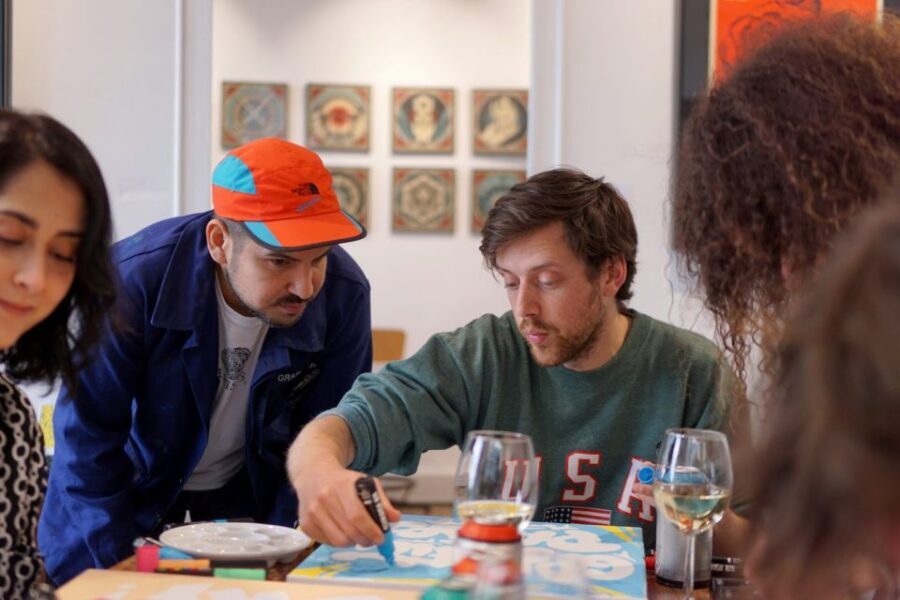
- A real street artist teaches the method and helps you translate street techniques to canvas
- You create your own stenciled and lettered design (not just a craft project)
- Your canvas is taken home as a souvenir, so the work has a real payoff
- An individual model is prepared for you based on the session theme
- Drinks and materials are provided, so you can focus on making, not shopping
Why graffiti-on-canvas in Paris feels different than a “class”
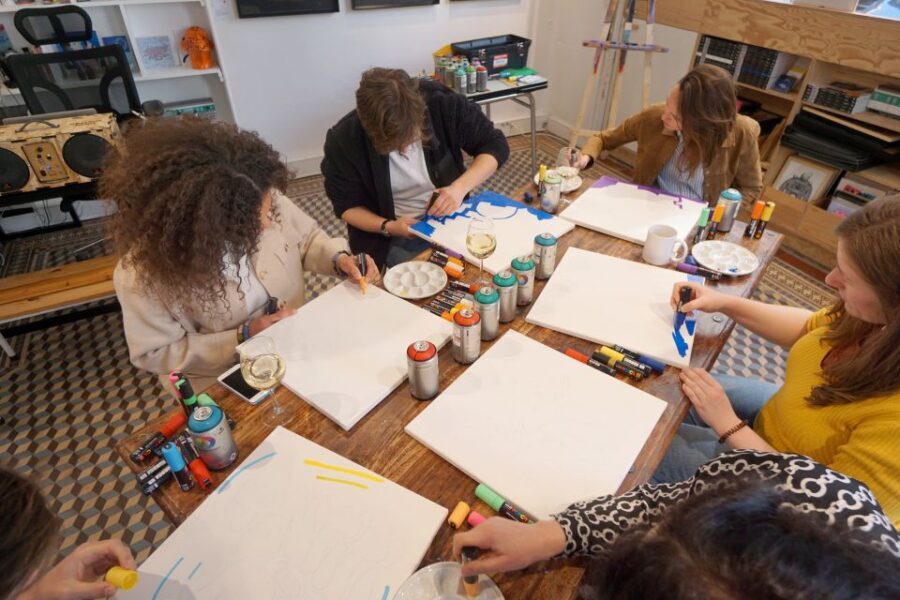
This isn’t the kind of art lesson where you spend two hours trying to make something pretty and hoping it turns out. It’s graffiti training in a controlled setting—structured enough that you don’t get lost, but still street-forward. The best part is the mix of skills: stenciling, lettering, painting, and spray painting all show up, so you learn how each tool changes the look.
Also, Paris is full of art, but graffiti is the kind of art you usually see at a distance—on walls, behind glass, or from far down the street. Here, you’re the one making the marks. That small shift matters. It’s one thing to admire street style. It’s another to understand how it’s built, layer by layer, and why certain letter shapes work better than others.
You can also read our reviews of more tours and experiences in Paris


Finding Graffiti Paris Atelier: the black storefront trick
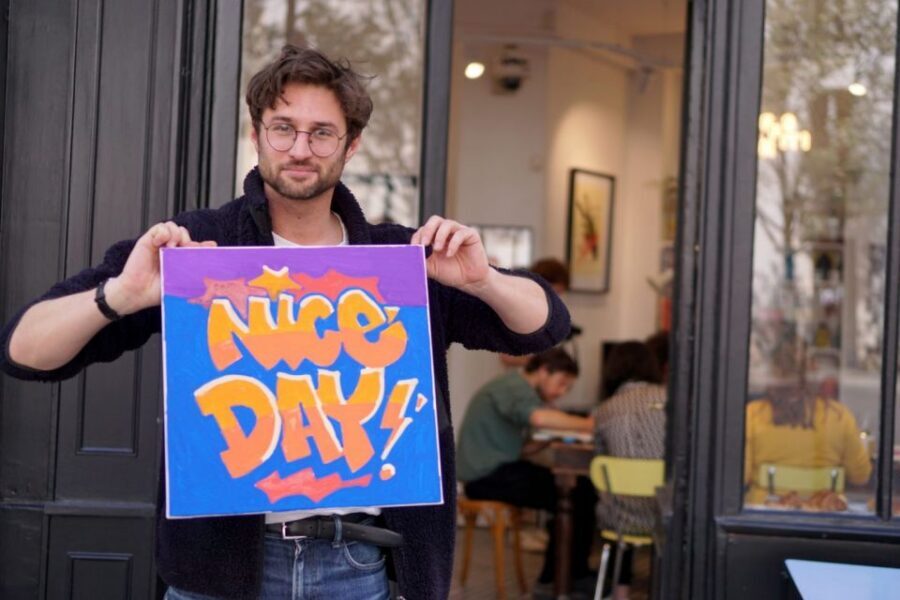
You meet in front of the Graffiti Paris Atelier in Paris’ 14th arrondissement. The studio has a black storefront, so it’s meant to be easy to spot.
Plan your arrival with a little buffer. Two hours sounds generous until you factor in warm-up, layout planning, and the time it takes to test colors and adjust your edges. If you’re rushed at the start, you’ll feel it later. If you arrive calmly, you’ll pick up the techniques faster.
The 2-hour flow: brainstorm, stencil, letter, spray, finish
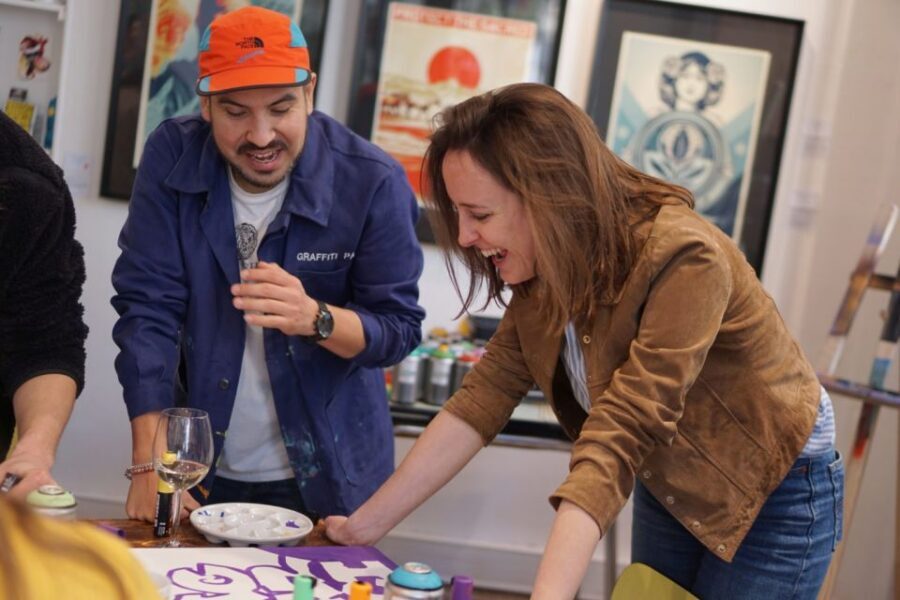
The workshop runs for 2 hours, and the structure is designed to get you from idea to finished canvas fast.
First comes a brainstorming stage. The street artist prepares an individual model for each participant based on the theme of the session. That’s huge for first-timers. It gives you a starting point, so you’re not staring at blank canvas wondering what to do.
Then you move into technique. You’ll practice and apply different street art methods that work together:
- Stenciling, which helps you get clean shapes and repeatable patterns
- Lettering, which is where graffiti starts to feel like graffiti
- Painting, which adds color blocks and depth
- Spray painting, which is the signature move and the one you’ll be proud to say you did
By the end, you’re not just mixing paint. You’re building a design with rhythm—outline, fill, accents—until it reads the way you want from a normal viewing distance.
One practical note from the way the class is described: if you bring a complex plan, you might get stuck trying to perfect every detail. The smarter move is to decide on your main word or concept first, then pick a color direction that matches it.
What you make: a take-home canvas (and how to plan your design)
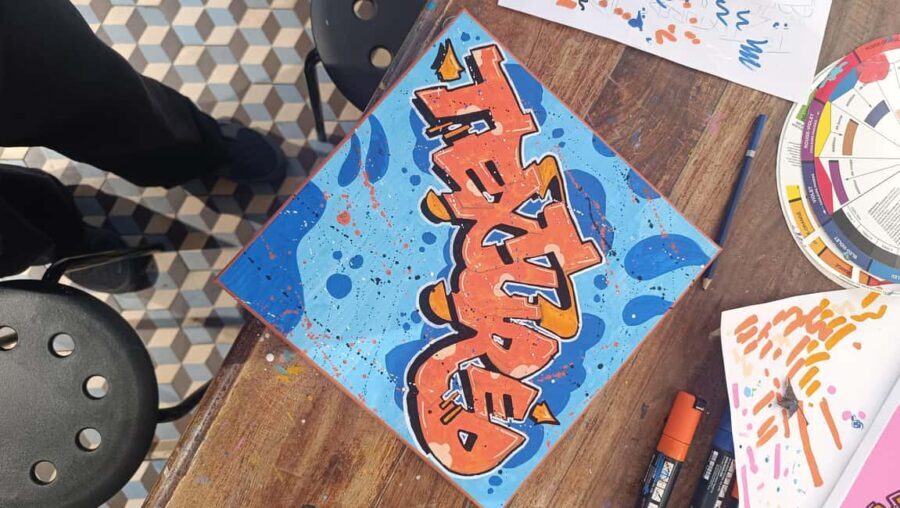
You’ll spray and design your own canvas as the end product, so the workshop has a clear “done” moment. That matters for value. Many activities teach a technique, but you still end up leaving with mostly photos. Here, you leave with the actual work.
Here’s what helps most:
- Bring a simple idea you can explain in one sentence (a word, name, or theme)
- Choose a color plan early so you’re not deciding from scratch mid-session
- Keep your lettering manageable for two hours of work
The teaching style is meant to keep you producing. You’ll get direction so the result feels like it’s truly yours, not random spray marks. Still, you should go in with a plan you can execute quickly. If you start with something too elaborate, you may lose time adjusting instead of moving forward.
Teaching style: guided street art without the intimidation
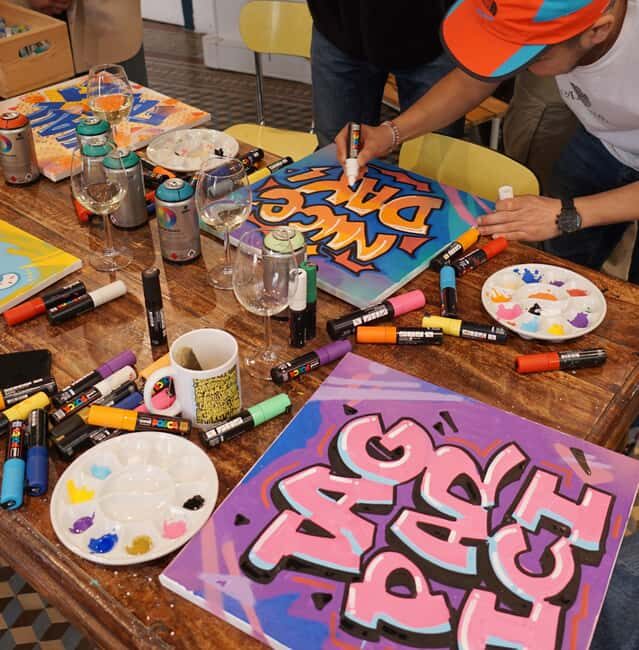
The instructor is a real street artist, and the session is described as meeting at their gallery and working in the studio format. You’re not learning from a script. You’re learning from someone who thinks in street art terms—how letters sit, how shapes align, how spray works on canvas.
The instruction is also language-friendly. The workshop runs with instruction in English and French, so you can follow the process without guessing. You can ask questions, and you’re not expected to know graffiti vocabulary before you arrive.
And yes, the class vibe is supposed to be relaxed. You’re learning a skill that usually happens fast on the street, so the studio environment is built to get you into a calm creative flow, not a high-pressure art exam mood.






Materials and drinks: what’s included (so you can just show up)
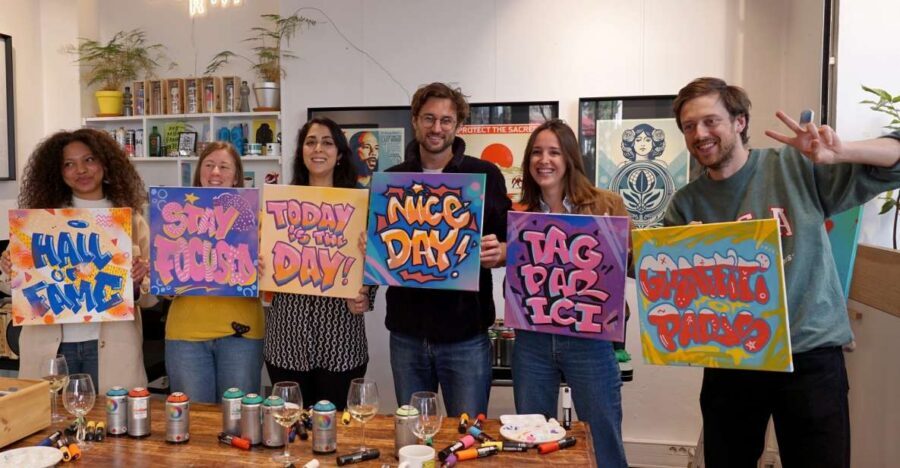
All materials are provided, which is the kind of detail that saves you time and reduces stress. You won’t need to hunt down spray paint, stencils, or supplies on arrival day.
The workshop also includes refreshments. The information lists coffee, tea, and water, and it’s also described as including soft drinks. That’s a nice touch because it makes the 2-hour block feel like a real hangout, not a rushed “instruction then go.”
And since hotel pickup and drop-off aren’t included, you’ll want to arrange your own way to the 14th arrondissement. The meeting point is clear and visual, which helps if you’re already tired from walking in central Paris.
Price and value: $70 for technique plus a take-home canvas
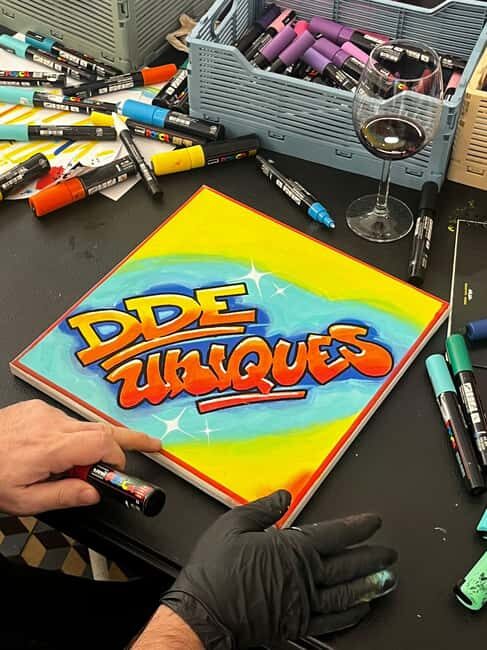
At $70 per person for 2 hours, you’re paying for three things at once:
- A real street artist instructor
- All the tools and materials to create your canvas
- The practical coaching time to get you from idea to finished work
In Paris, that’s not an impulse bargain. But it’s also not “pay for entertainment and leave empty-handed.” You’re leaving with your own artwork. You’re also learning several specific techniques—stenciling, lettering, painting, spray painting—so you’re walking away with skills you can use again, even if your next project is just doodles and shapes.
The biggest value booster is the individual model. When an instructor prepares a layout based on the theme and adjusts to your concept, you waste less time and you’re more likely to finish something you like.
Who should book this graffiti workshop (and who should skip it)
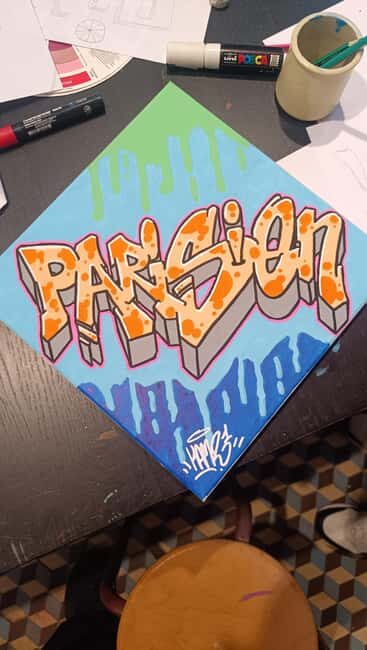
This is a great fit if you want an active, creative Paris activity that’s not stuck behind a museum rope. It suits:
- adults and older teens who like hands-on learning
- art lovers who want street techniques taught in plain terms
- anyone who wants a take-home souvenir that isn’t just a postcard
It’s not suitable for children under 10, and the session is best for people who can focus long enough to build and finish a design in 2 hours.
The good news: it’s listed as wheelchair accessible, so mobility doesn’t automatically rule it out.
Should you book this Paris graffiti workshop?
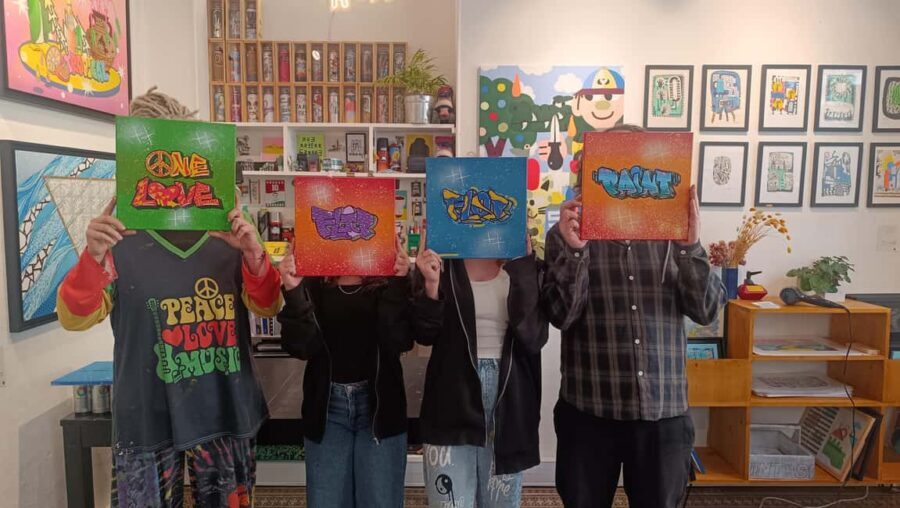
I think it’s worth booking if you want a creative activity with a clear finish—canvas in hand, techniques learned, and a session led by someone who does street art for real. The value is strongest when you treat it like a workshop with a plan: bring a simple concept, choose a color direction, and let the instructor guide your lettering and layout.
Skip it if you want a slow, observational experience with no pressure to finish. And if you show up with a vague idea and no willingness to decide quickly, the 2-hour timing can work against you.
If you’re the type who likes trying something new and making a mess in a controlled way, this is a solid Paris choice.
FAQ
How long is the graffiti on canvas workshop in Paris?
It lasts 2 hours.
Where do I meet for the workshop?
Meet in front of the Graffiti Paris Atelier, which has a black storefront.
What does the workshop cost?
The price is $70 per person.
What’s included in the price?
You get a street artist instructor, all materials, and coffee, tea, water (with soft drinks also included).
Is hotel pickup or drop-off included?
No. Hotel pickup and drop-off are not included.
What languages are the instructors?
The instructor speaks English and French.
Is it suitable for kids and for wheelchairs?
It is not suitable for children under 10. It is listed as wheelchair accessible.