REVIEW · PARIS
Paris Covered Passages Walking Tour plus Seine Cruise Option
Book on Viator →Operated by ExperienceFirst · Bookable on Viator
Paris’s prettiest streets hide overhead. In about 90 minutes, you’ll walk inside Paris’s famous covered passages and hear how these glass-roofed shopping lanes shaped daily life and architecture. I love the small-group feel (max 15) and the way the guide ties each stop to what you can actually see, not just dates on a sign. The one real trade-off: the tour is short, so you’ll likely want extra time in the passages afterward.
This tour is priced at $43.54 and includes a Paris shuttle plus an experienced local guide. You’ll get a mobile ticket, it runs in English, and you’ll start at Place des Petits Pères and finish at Passage Verdeau on Rue de la Grange-Batelière—right when you’re ready to keep wandering. Add-on options make it flexible too, with a narrated Seine cruise available for up to a year.
In This Review
- Key things to know before you go
- Covered Passages in 90 Minutes: What You’re Really Doing
- Price and value: why $43.54 feels fair here
- Getting there: Place des Petits Pères to Passage Verdeau
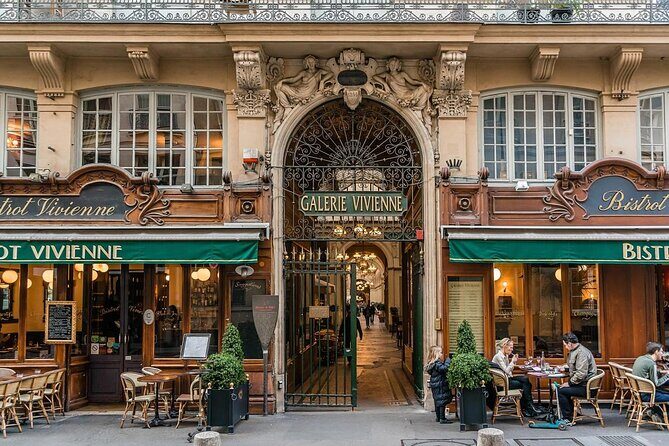
- Stop 1: Galerie Vivienne and the feeling of a national monument
- Stop 2: Passage Choiseul under a glass roof
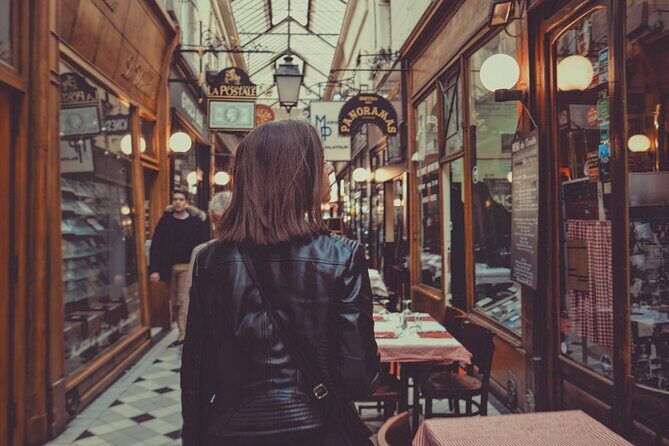
- Stop 3: Passage des Panoramas (dating to 1799)
- Stop 4: Passage Jouffroy and the photo-ready iron-and-glass look
- Stop 5: Passage Verdeau to finish near the Grands Boulevards
- Add-on upgrade: the Seine cruise from the Eiffel Tower
- What you’ll notice (and why the guide’s role matters)
- Weather and comfort: the one thing to watch
- Who should book this tour?
- Should you book it?
- FAQ
- How long is the Paris Covered Passages walking tour?
- Which covered passages will I visit?
- Is the tour offered in English?
- What is the maximum group size?
- Where do I meet the guide, and where does the tour end?
- What is the optional Seine cruise upgrade?
- Can I use the Seine cruise ticket on a different day?
- Is lunch included?
- Can I cancel for a full refund?
Key things to know before you go
- Five passage stops: Galerie Vivienne to Passage Verdeau in a tight, easy route
- Small group (15 max): more chances to ask questions and get help spotting details
- Free to enter the passages: no paid entry for the stops on this walking portion
- English-language guide: history and architecture explained clearly
- Optional Seine cruise from the Eiffel Tower: narrated ride with classic landmarks along the banks
Covered Passages in 90 Minutes: What You’re Really Doing
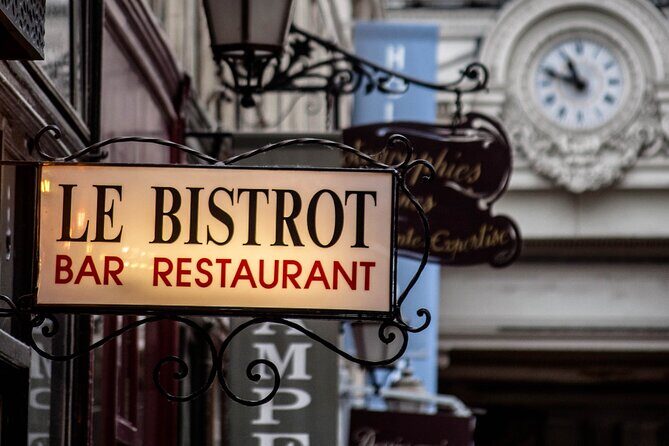
Covered passages are one of those Paris ideas that sound simple—shopfronts under glass roofs—until you see them in person. The point of this tour is not to rush through everything like a slideshow. It’s to help you notice the design choices that make these passages feel special: the rhythm of storefronts, the way light spreads under the roof, and the architecture that turns a short walkway into a real place.
At about 1 hour 30 minutes, the pacing is efficient. Each passage stop is timed at roughly 18 minutes, so you get enough time to look around, take photos, and absorb the guide’s context without turning it into a half-day project. If you’re the type who likes structure (a route, a plan, a guide telling you what to watch for), this works well.
The small group matters more than it sounds. With a maximum of 15 people, you’re less likely to get swallowed by a crowd. You can hear the guide, ask a question without shouting, and actually move at a comfortable walking pace between stops.
You can also read our reviews of more walking tours in Paris

Price and value: why $43.54 feels fair here
$43.54 can look like a lot until you add up what you’re getting. You’re paying for an experienced local guide to bring five specific passages to life, plus a shuttle that helps you get to the meeting area without wrestling transit right at the start.
A few details make the price feel more reasonable:
- The passages themselves are free to enter on this tour (your time is what you’re paying for).
- The format is built around stops you might otherwise miss. These are not the main boulevards. They’re tucked-in interiors, and you’d be left guessing what you’re looking at without a guide.
- You also have an upgrade path (the Seine cruise) if you want to expand the day.
If you’re trying to pack in a “Paris that most people skip” moment without spending a fortune, this is one of the cleaner-value ways to do it.
Getting there: Place des Petits Pères to Passage Verdeau
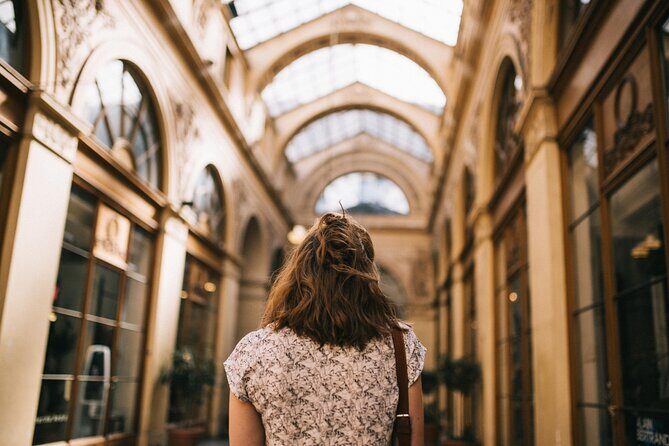
Your walking tour starts at Place des Petits Pères (75002) and ends at Passage Verdeau, 6 Rue de la Grange-Batelière (75009). This is a good setup because Passage Verdeau lands you closer to the Grands Boulevards area, which is convenient for continuing your day on foot.
The tour includes a Paris shuttle for transportation. That matters because it reduces the “now what?” stress when you’re in a new city. It also keeps you from burning time figuring out routes when you could be looking at glass roofs and iron frames.
The tour is also marked as being near public transportation and suitable for most travelers. If you’re traveling with a service animal, it’s allowed.
Stop 1: Galerie Vivienne and the feeling of a national monument
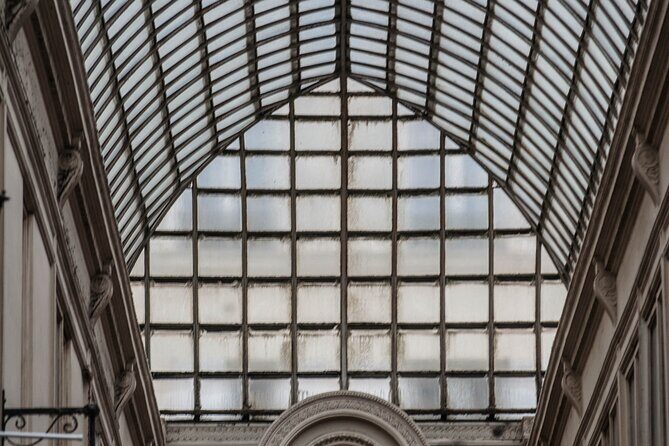
You kick things off in Galerie Vivienne, a neoclassical passage that’s described as a national monument. It’s known for luxury boutiques, but the value here isn’t shopping—it’s context. This is the kind of place where the architecture makes the whole corridor feel like a mini city block.
In about 18 minutes, you can do two things well:
- Slow down and look up at the passage design and the way the interior is structured.
- Let the guide explain how these passages became part of Paris life, not just pretty interiors.
A practical note: because it’s a showcase-style passage, it can feel a bit more polished than some of the others. If you’re hoping for lots of casual browsing energy, you may prefer the next stops where the vibe shifts.
Stop 2: Passage Choiseul under a glass roof
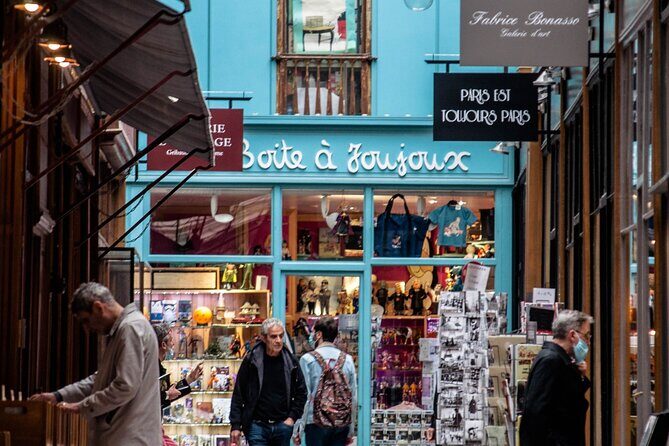
Next is Passage Choiseul, where the big visual hook is length: about 600 feet of sunlit shops under a glass roof. When light hits these interiors the right way, it changes the whole mood. You can walk through something that feels sheltered, almost indoor—but still bright.
This stop is a great place to practice your “look for details” habit:
- Notice the roof and how it shapes light down the length of the passage.
- Watch the storefront layout and how it creates a continuous perspective.
At 18 minutes, you won’t fully explore every shop, and that’s fine. This is your chance to understand how the passage functions as a retail corridor.
You can also read our reviews of more boat tours in Paris



Stop 3: Passage des Panoramas (dating to 1799)
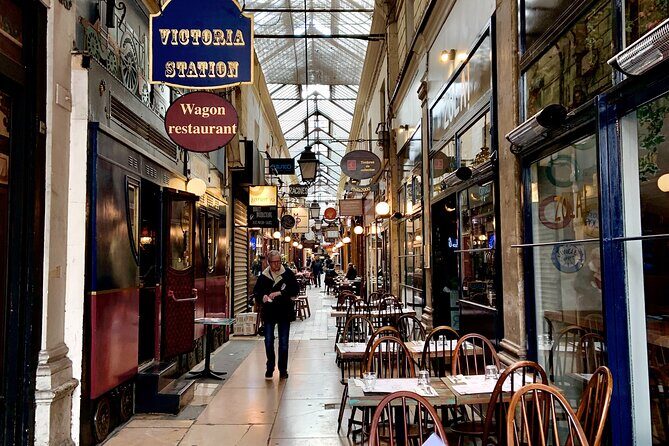
Passage des Panoramas dates to 1799. That date alone is interesting, but the more useful part is how it translates into the architecture you can see: elaborate design elements that make the passage feel older than most shopping streets.
It also has a practical advantage: it’s described as beloved for excellent dining. That makes this stop especially useful if you’re planning what to do next. Even if you’re not eating now (lunch isn’t included), you can spot where you might want to return later or what area feels most comfortable for a meal.
The downside of older passages: they can feel like you’re walking through a “time capsule,” which is great for atmosphere, but you may want to keep your eyes open for accessibility in terms of footing and crowd movement. This tour keeps pacing quick, but you’re still in a narrow corridor.
Stop 4: Passage Jouffroy and the photo-ready iron-and-glass look
Then it’s Passage Jouffroy, a strong choice if you like photographing structure. The focus here is the simple glass and iron framework. This stop is less about luxury storefront drama and more about geometry—lines, spacing, and the way the roof supports the interior.
If you’re carrying a phone camera, this is your moment to grab the shots:
- Frame the passage so the iron elements create leading lines.
- Try a photo looking slightly upward to catch the roof pattern.
Since each stop is timed, don’t overthink it. Get a couple quick angles, then spend the rest of the time listening for the guide’s explanation on why these passages were built the way they were.
Stop 5: Passage Verdeau to finish near the Grands Boulevards
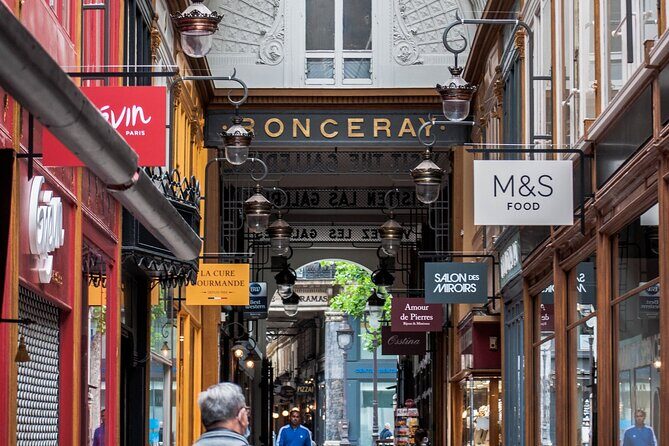
The tour ends at Passage Verdeau, described as picturesque and located in the Grands Boulevard area. Finishing here is smart: you’re not dumped somewhere random far from everything.
Use this last stop like a reset button. Since the guided portion is nearing the end, you can shift from listening hard to exploring lightly:
- Take a breath.
- Look for small storefront details you might have missed earlier.
- Decide what direction you want to go once you’re out.
Also, this is a nice moment to plan your next steps for food. The tour doesn’t include lunch, so you’ll want to pick a place nearby. Finishing near busy boulevard streets makes it easier to find options without backtracking.
Add-on upgrade: the Seine cruise from the Eiffel Tower
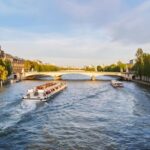
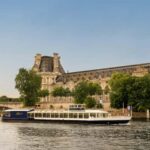
If you want to shift from “Paris on foot” to “Paris from the water,” this tour has a solid optional upgrade. The one-hour river cruise begins and ends at the Eiffel Tower, and it’s narrated.
What you see is built around classic landmarks along the Seine. Your cruise passes landmarks including:
- Notre Dame
- Petit Palais
- Musée d’Orsay
- Conciergerie
- plus additional sights along the route
One of the best parts of this upgrade is flexibility. Your cruise ticket is good for a one-hour cruise anytime within one year of your tour date. That means if your walking tour day is hectic—or the weather turns weird—you still get the chance to do the boat ride later without losing the value of your ticket.
If you’re trying to make the most of one trip to Paris, this combo works well: the passages are intimate and architectural, while the Seine view is big and iconic.
What you’ll notice (and why the guide’s role matters)
The passages don’t have much signage compared to major tourist sights. That’s where a good guide changes your experience. Instead of walking through quiet interiors wondering why they exist, you get clear pointers on what the design is doing.
From the guides mentioned by name in feedback, you can expect enthusiasm and concrete explanations. Guides like Fanny, Paula, and Maria (and others) are described as engaging and passionate about the passages, including the history behind why they came about. Even when people felt the tour could be longer, the consistent praise was about the guide making the details click.
In practical terms, here’s what you’ll walk away with:
- A better sense of how covered passages fit into Paris’s built environment.
- A set of visual cues you can recognize instantly on your own later (glass-and-iron structure, roof lighting, passage proportions).
- A quick way to understand which passages feel more suited to strolling, photos, or lingering.
Weather and comfort: the one thing to watch
This tour spends a lot of time in covered interiors, which helps. But you still walk between passage entrances, and Paris in colder months can feel sharp. One piece of feedback called out that the day they went was freezing.
So if you’re booking for winter or shoulder season, dress for walking between stops. Bring layers you can handle fast. You’ll be glad you did when you’re transitioning from bright glass-roof light to open air for a few minutes.
Who should book this tour?
This is a good fit if you:
- Want an off-the-beaten-path Paris experience that still feels classic.
- Love architecture, design, and the small-city details that make Paris feel alive.
- Like a structured route with just enough time at each stop.
- Are on a first trip and want one afternoon that doesn’t require a big logistical plan.
It’s less ideal if you:
- Crave long, unhurried exploration at a single place. At about 90 minutes total, you’ll skim rather than deeply settle.
- Want a heavy focus on shopping. The passages are full of shops, but the tour’s real value is the guide and the architecture.
Should you book it?
Yes—if your goal is a focused, high-impact look at Paris’s covered passages without spending hours. The route is efficient (five passages, timed stops), the group size stays small (max 15), and the included shuttle reduces stress. At $43.54, the price makes sense because you’re paying for expert context plus an easy, guided route through spaces you might skip on your own.
I’d especially book it if you’re adding the Seine cruise. Walking the passages on one day and then doing a narrated hour on the water gives you two different Paris moods without adding extra planning.
If you have the time, treat this tour as your “architecture warm-up.” Then use Passage Verdeau and the surrounding Grands Boulevards area to keep the day going your way.
FAQ
How long is the Paris Covered Passages walking tour?
It’s about 1 hour 30 minutes (approx.).
Which covered passages will I visit?
You’ll visit Galerie Vivienne, Passage Choiseul, Passage des Panoramas, Passage Jouffroy, and Passage Verdeau.
Is the tour offered in English?
Yes, the tour is offered in English.
What is the maximum group size?
This experience has a maximum of 15 travelers.
Where do I meet the guide, and where does the tour end?
You start at Place des Petits Pères and end at 6 Rue de la Grange-Batelière (Passage Verdeau).
What is the optional Seine cruise upgrade?
The upgrade is a one-hour narrated Seine river cruise that begins and ends at the Eiffel Tower.
Can I use the Seine cruise ticket on a different day?
Yes. Your cruise ticket is valid for a one-hour cruise anytime within one year of your tour date.
Is lunch included?
No, lunch is not included.
Can I cancel for a full refund?
Yes. You can cancel for a full refund if you cancel at least 24 hours in advance.