REVIEW · PARIS
Paris : Highlights of Parisians’ Paris guided tour
Book on GetYourGuide →Operated by CONNECTING FRANCE · Bookable on GetYourGuide
Paris has a way of showing off.
This tour takes you through the right bank where the city’s wealth and glamour feel built into the streets, not staged for tourists. I especially like the mix of big landmarks and the in-between spaces, including covered passages and Paris-style shopping streets you can actually enjoy at human speed.
One thing to consider: it’s a flat-walking route, but it’s not designed for wheelchair users or people with mobility impairments. Come with comfortable shoes, and you’ll have a much better time.
In This Review
- Key highlights worth your attention
- Why this Right-Bank walk feels different from a standard Paris tour
- Starting at Hôtel de Ville: the market origin story
- Les Halles side streets and the 1826 passage you’ll want to re-walk
- Palais-Royal: where luxury feels architectural, not loud
- Place Vendôme and Napoleon’s shadow behind the luxury
- Opera Garnier: the story part you’ll remember later
- Galeries Lafayette: dome views plus a shopping-street reality check
- Group size and pacing: why 2 hours feels like more in Paris
- Price and value: where your $66 goes
- What to wear and how to prepare (so you don’t lose time)
- The guides: what makes the storytelling land
- Should you book this Parisians’ Paris tour?
Key highlights worth your attention
- Small group pace (max 11) keeps the walk comfortable and lets you ask questions
- Hôtel de Ville to the Halles area connects Paris’s earliest market life to modern luxury
- A preserved 1826 covered passage adds a sense of secret-history magic
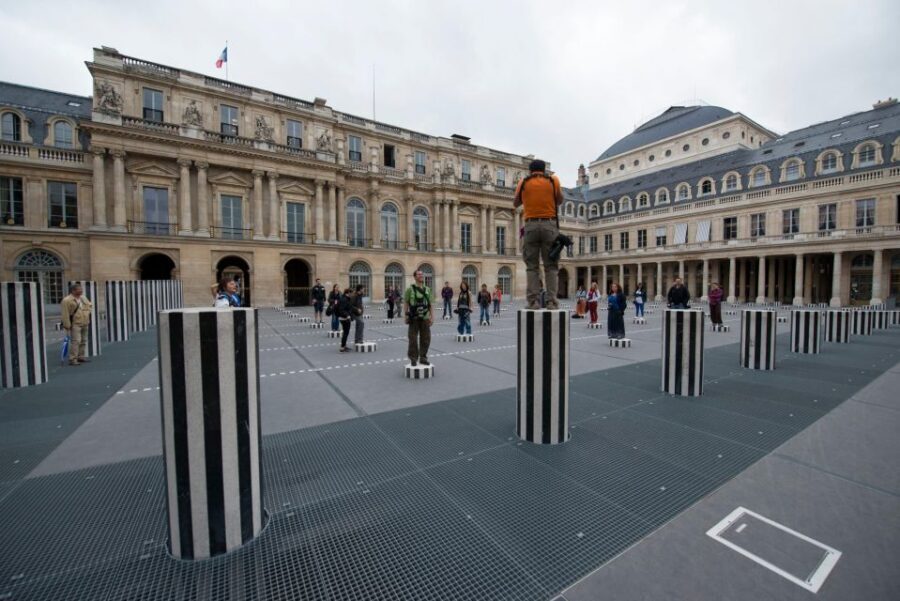
- Palais-Royal atmosphere makes the “Paris elegance” idea feel real, not just aesthetic
- Place Vendôme and Napoleon’s statue gives you the political drama behind the postcard
- Galeries Lafayette dome time turns a shopping stop into a view-worthy moment
Why this Right-Bank walk feels different from a standard Paris tour
Paris can feel like two cities fighting for attention: grand monuments on one side, and lived-in streets on the other. This guided tour blends both, with a clear theme: how money, taste, and power shaped the right bank.
You’ll walk through areas where the city’s image of elegance started and kept growing. Instead of treating luxury as pure fantasy, the guide explains how wealth and glamour became part of Paris’s day-to-day layout. That context matters. When you know why these neighborhoods developed the way they did, the streets stop feeling random.
And the format helps. This is a 2-hour, live, English-language walk, run as semi-private or private for groups up to 11 people. The pace is “at your speed,” which is perfect for seeing things without feeling rushed.
You can also read our reviews of more guided tours in Paris



Starting at Hôtel de Ville: the market origin story
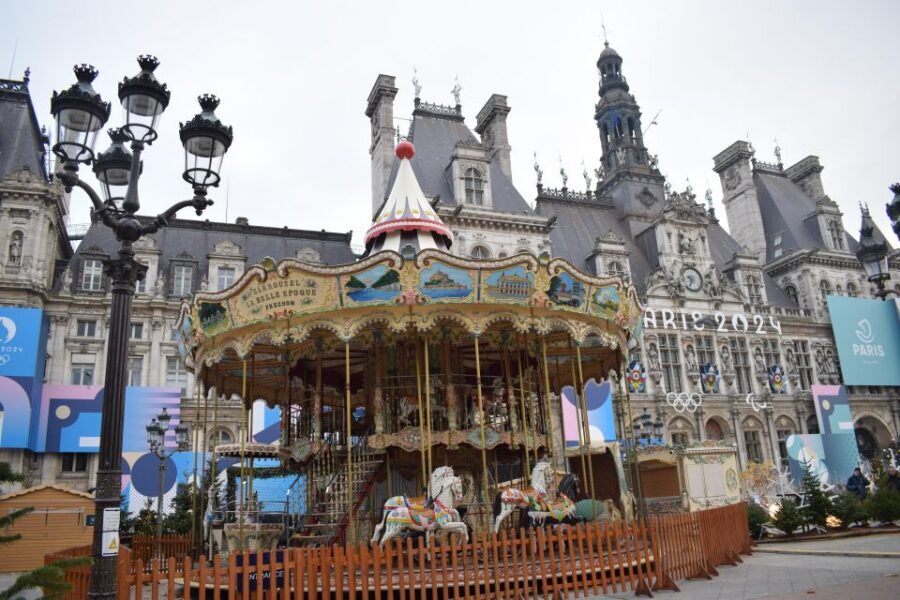
Your meet-up is right by the river side at Place de l’Hotel de Ville, in front of Bistrot Marguerite. If you’re coming by metro, the closest stop is Hôtel de Ville (Lines 1 and 11). Your guide will be there holding a sign that reads Connecting France, so if you don’t spot them instantly, look carefully—one of the practical annoyances mentioned is simply finding the guide at the start.
From there, the tour begins at Hôtel de Ville, and the guide frames the area as a place where Paris’s story kicked off. You’re told it traces back to the 6th century, with the rise of an early market that pulled merchants and activity into the neighborhood. That opening is more useful than you might think. A lot of Paris walks start with art and skip the economic engine. Here, you start with the engine.
If you’re the kind of traveler who likes to understand the city’s “how it worked” moments—trade, crowds, commerce—you’ll appreciate the way the guide ties today’s streets back to the earliest pull of business on the right bank.
Les Halles side streets and the 1826 passage you’ll want to re-walk
After the Hôtel de Ville portion, you head into the Halles district, where the mood shifts from civic grandness to lively little streets. This is where the walk gets fun in a very Paris way: you’re moving through places that still feel like part of the city’s routine, not only a museum route.
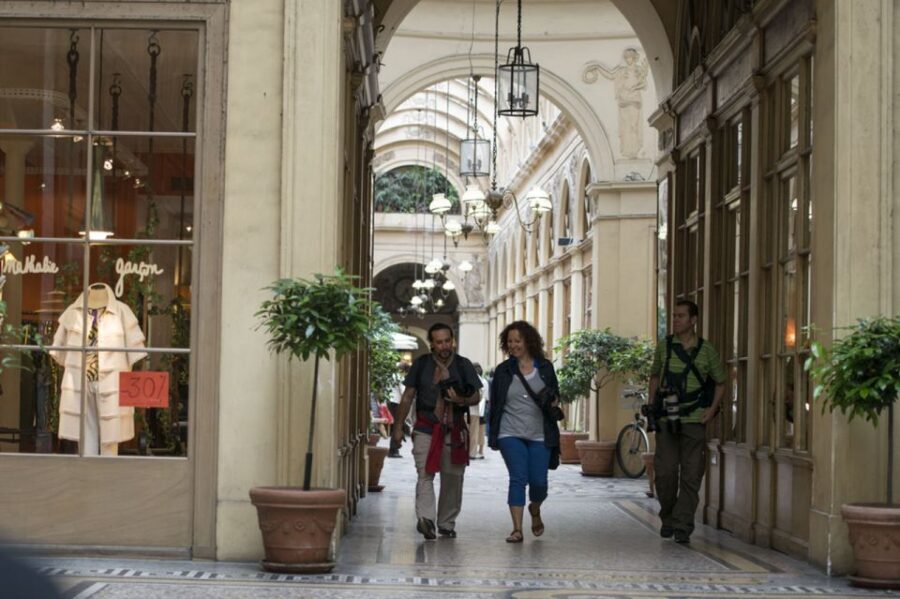
Then comes a highlight that’s hard to forget: a covered passage from 1826 that’s described as in perfect shape. A passage like this is one of those Paris features that looks like décor until you realize what it did. Covered walkways were practical—weather-friendly routes for pedestrians—and they also created a kind of indoor theater for shopping and social life.
Even if you’re not shopping, these passages teach you how Paris used architecture to shape movement. You’ll probably start spotting patterns right away: how streets connect, how storefronts line up, how light changes under a roof.
Palais-Royal: where luxury feels architectural, not loud
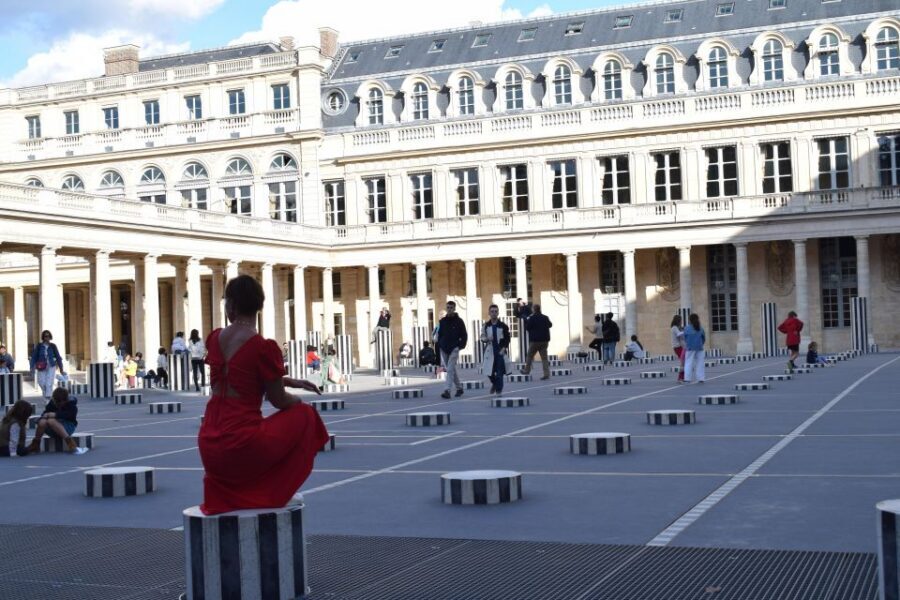
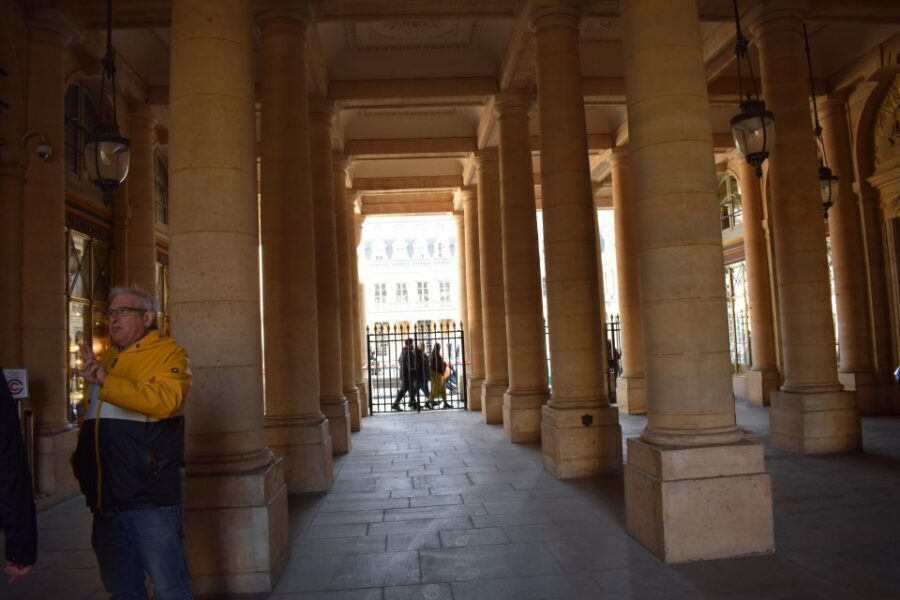
Next up is Palais-Royal, and the guide leans hard into atmosphere. This isn’t just about saying “pretty palace.” You’re shown how the space functions and why it became such a magnet for people who wanted proximity to power, style, and money—without necessarily being in the palace itself.
Palais-Royal is also a great place to slow your pace. The tour includes time to see and wander, and that matters here. The vibe isn’t something you grab in a 90-second photo burst. It’s a place where you notice details like proportions, the rhythm of walkways, and the way the covered elements make the area feel slightly different from the streets around it.
If you like architecture that feels lived-in, this portion is a win. And because you’ve already gotten the market-and-wealth context from earlier, the Palais-Royal section doesn’t feel like a random “another famous stop.” It reads like a logical next chapter.
Place Vendôme and Napoleon’s shadow behind the luxury
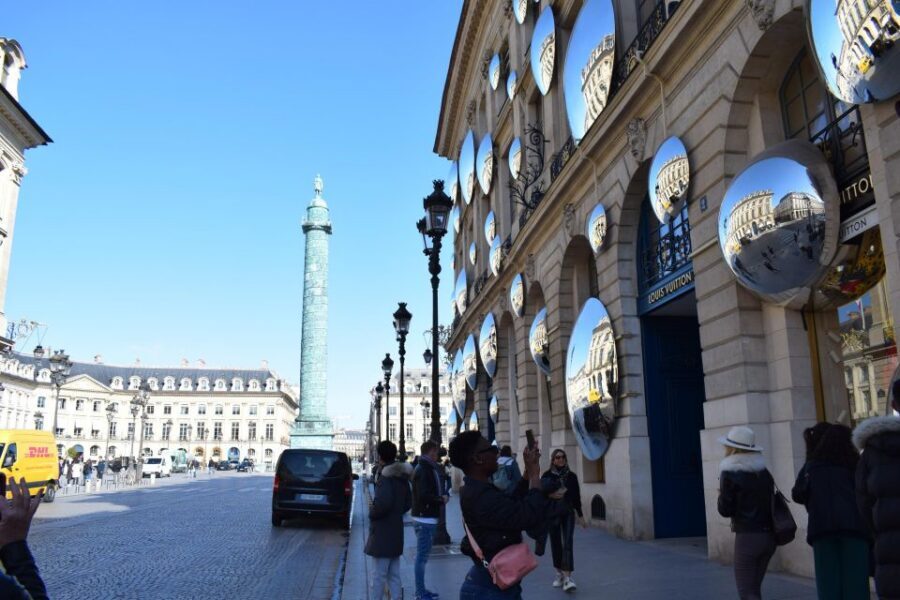
From Palais-Royal, you walk toward Place Vendôme, and this stop is about the drama behind the elegance.
Place Vendôme is associated with Louis XIV, and the story doesn’t stay in the abstract. You’ll see the statue of Napoleon, and the tour uses that backdrop to explain why this kind of square—so clean and so controlled—became a stage for status.
This is one of those places where you can tell the city planned the viewpoint. The layout makes it easy to frame the buildings like a portrait. That’s useful for photos, sure, but more importantly it shows you how Paris uses space to project authority.
A tip for getting more out of this kind of stop: spend one minute just standing still and looking at how the square “works.” Then start walking again. Your guide’s commentary makes more sense once you’ve visually mapped the place.
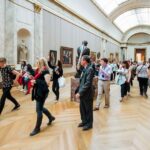





Opera Garnier: the story part you’ll remember later
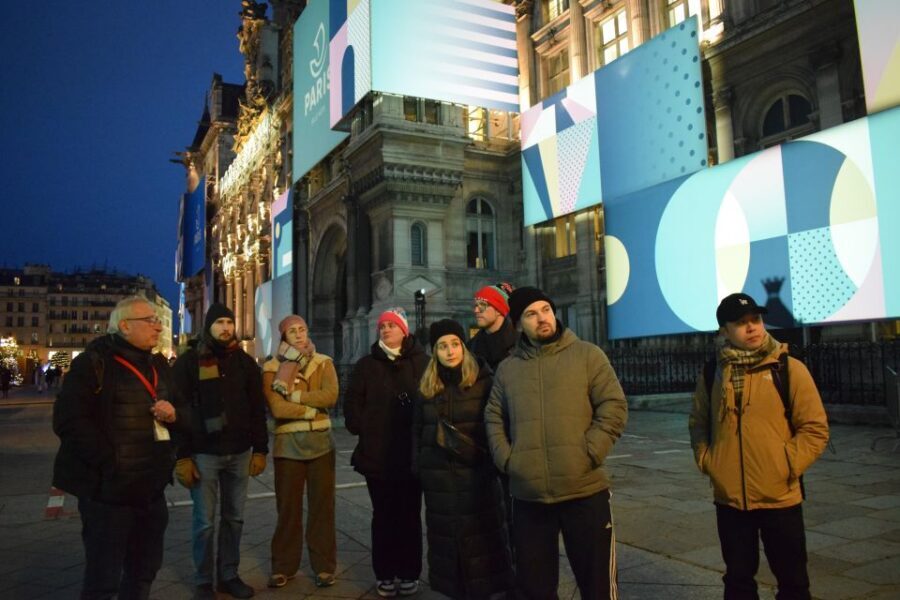
Then the tour passes by Palais Garnier (Opera de Paris), with time for sightseeing and the guide’s explanation. Even if you don’t go inside, the exterior is a powerful signal. The guide’s aim is to tell you the story of the opera’s history—and why it matters in a city where culture has always been tied to power.
Opera houses are never just about music. They’re about visibility: who gets to be seen, who gets to belong, and how grand buildings show a nation’s confidence. When you hear the story before you stare at the façade, the whole building becomes easier to “read.”
If you’re considering other Paris opera experiences later, this is a solid primer. It helps you connect the building to the social world that created it.
Galeries Lafayette: dome views plus a shopping-street reality check
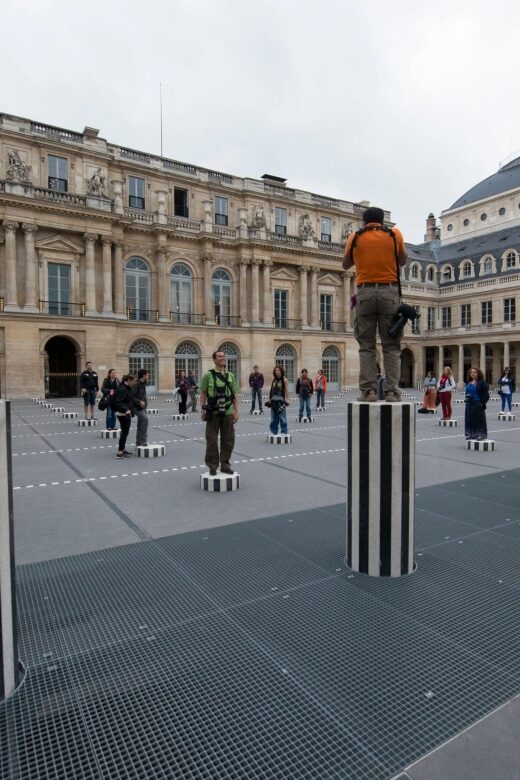
The final major stop is Galeries Lafayette, with guided time that includes sightseeing and shopping time, plus scenic views on the way.
This is a smart ending. You go from street-level luxury to one of Paris’s most iconic commercial interiors. And the tour doesn’t just point at it. You learn why the dome is so famous and what to look for when you’re up close. Even if you’re not shopping, you’ll still come away thinking about the building in a more informed way.
One thing I like about ending here is practical momentum. By the time you reach Galeries Lafayette, you’ve already walked through the theme of wealth and style, and the tour’s story clicks into place. Now you can decide what you want to do with that feeling: browse, rest, take a few photos, or simply enjoy the dome view without feeling like you missed something important.
Group size and pacing: why 2 hours feels like more in Paris
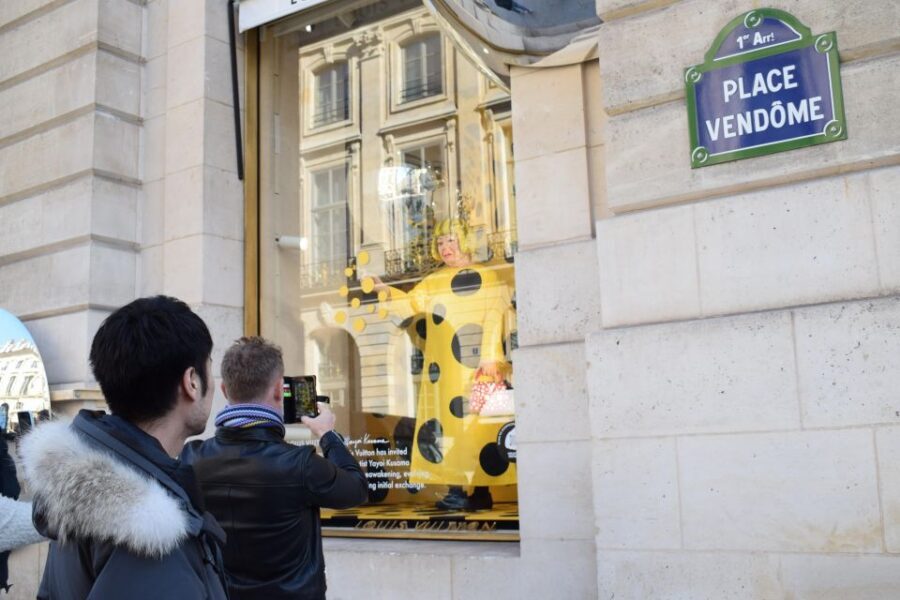
This tour works because it’s not a giant herd. With a group size of up to 11, you’re less likely to get swept along at a pace that makes you miss details. The walk is described as flat-walking, and the itinerary includes short segments between stops, so it stays manageable.
Also, because it’s a professional expert guide and the walk is designed around stories (not just checklists), the time doesn’t feel wasted. You get context at Hôtel de Ville, then atmosphere in the covered passages and Palais-Royal, then power and symbolism at Place Vendôme and Opera Garnier, and finally a finish in a major commercial space.
If you want a Paris walk that helps you understand what you’re seeing, not only where you’re standing, this format is a good match.
Price and value: where your $66 goes
At $66 per person for a 2-hour English-language guided walk, you’re paying for three things:
First, the guide time. A live expert who can connect the history of markets, luxury, and Paris’s right-bank growth is the real product.
Second, the route planning. The tour strings together areas that fit the theme—Hôtel de Ville, Halles, Palais-Royal, Place Vendôme, Opera Garnier, and Galeries Lafayette—so you’re not piecing together a half-day yourself.
Third, the “small group” factor. Going semi-private/private can reduce that feeling of being rushed by strangers.
What’s not included is also important: there are no monument or museum entrances included, and there’s no food or drinks. That’s fine, but it means you’ll want to plan your day so you’re not hungry during the walk. Also, if you’re hoping to go inside something in the area, you’ll need to handle those visits separately.
What to wear and how to prepare (so you don’t lose time)
You’ll want comfortable shoes. That’s not a throwaway tip. In Paris, even “flat” walking adds up fast, and this route mixes sidewalks with passageways and short transfers between major streets.
Because the tour isn’t suitable for wheelchair users, it’s best for people who can comfortably do a continuous walk with some sightseeing stops. If that’s you, great. If not, consider a different style of tour that’s designed for more accessible pacing.
Also, if you’re prone to missing meet-ups, arrive a few minutes early. Again, one practical complaint in the experience is simply trouble locating the guide at the start. Your best defense is proximity to Bistrot Marguerite and the Connecting France sign.
The guides: what makes the storytelling land
The tour brand is CONNECTING FRANCE, and English is the language. Several named guides have shown up in the feedback with a consistent theme: strong effort, clear explanations, and good documentation.
If you’re lucky enough to get a guide like Benjamin, the emphasis seems to be on historical detail plus making the route easy to follow. Other guides mentioned, like Antoine, are described as energetic and interesting in how they tell the story. And Sara is praised for being friendly and for sharing insights that go beyond surface-level pointing.
You don’t need to be a “history buff” to benefit. The best part is that the stories make the wealth-and-glamour theme feel connected to real places, not just names on a map.
Should you book this Parisians’ Paris tour?
Yes, if you want something smarter than a basic sightseeing circuit—especially if you like understanding Paris as a city shaped by commerce, power, and taste.
Book it if:
- You want a 2-hour walk with a small-group feel
- You enjoy stories that explain why wealthy areas look the way they do
- You’re excited for covered passages, Palais-Royal, and the Galeries Lafayette dome moment
- You’d rather get the context from a guide than try to self-navigate a theme
Skip it if:
- You need wheelchair-accessible or mobility-assist friendly routing
- You’re expecting monument or museum entry tickets to be included
- You want a long, museum-heavy day instead of a focused neighborhood walk
If you’re aiming for a half-day that leaves you feeling like you understood Paris’s right bank, this one is a solid choice.