REVIEW · PARIS
Paris: Louvre Guided Tour with Skip-the-Line Entry Tickets
Book on GetYourGuide →Operated by HISTORY GROUP 1 · Bookable on GetYourGuide
A quick pass through the Louvre saves your feet. This guided, skip-the-line tour gets you into the museum fast, with a live English guide helping you make sense of what you’re seeing. You’ll meet at Arc du Caroussel, then enter through a separate route designed to cut the worst waiting.
What I like most is that you’re not just rushing from famous painting to famous statue. You get context as you move through highlights, including Mona Lisa and the Winged Victory of Samothrace, plus explanations of how art styles changed over time. One thing to keep in mind: with big crowds, the group can feel a bit stretched, so you’ll need to stay close to your guide to catch the commentary.
If you’re sensitive to noise and spacing, plan to be flexible. In peak season, security can still slow things down, and some people note the tour can include moments where the pace feels less focused—so come prepared to work at following along.
In This Review
- Key things to know before you go
- Skip-the-line entry from Arc du Caroussel
- What you actually do in 2 hours (and why it helps)
- The guide-led storyline: from ancient art to later styles
- Mona Lisa: more than a selfie stop
- Winged Victory of Samothrace: seeing sculpture like a pro
- The galleries won’t be quiet, so manage your ears
- Rules that affect what you bring and what you can record
- Is this tour good value for $87?
- Who should book this Louvre guided tour?
- Quick FAQ for first-timers
- FAQ
- Where is the meeting point?
- How long is the tour?
- Is the tour in English?
- What does skip-the-line mean here?
- What is included in the price?
- Can I stay after the guided portion ends?
- What identification should I bring?
- Are there limits on bag size?
- Is photography allowed everywhere?
- Is there free cancellation?
- Should you book this Louvre skip-the-line tour?
Key things to know before you go
- Arc du Caroussel meeting point: that’s your starting anchor before you enter the museum.
- Skip-the-line entry via separate entrance: you’re designed to avoid the longest public queues.
- Two-hour highlights focus: you’ll hit major works without trying to see everything.
- Art timeline with a guide: explanations connect ancient pieces to later periods and styles.
- Stay after the tour: once you finish, you can continue exploring on your own.
- Practical rules for your bag and photos: size limits apply, and filming is prohibited in the temporary exhibition room.
Skip-the-line entry from Arc du Caroussel

Paris has a talent for making lines feel like a lifestyle. The biggest win here is that your tour includes skip-the-line entry, using a separate entrance rather than forcing you into the main crush. You’ll meet your guide at Arc du Caroussel, which is a clear, easy landmark to navigate, especially if you’re already doing a day in central Paris.
The tour is built around a simple idea: use your limited time wisely. The Louvre is huge, and two hours won’t let you “see it all” even if you sprint like you’re late for dinner. Instead, you get a guide-led route that concentrates on the most recognizable and meaningful stops, so you don’t wander for half the visit asking yourself what you’re looking at.
One practical note: even with skip-the-line access, the museum still has security. In peak season, access to security checkpoints may take longer because there are so many visitors. So the skip-the-line helps most with the big public queues, but it won’t magically remove every slowdown.
You can also read our reviews of more tours and experiences in Paris



What you actually do in 2 hours (and why it helps)
This is a 2-hour guided experience in English. That time window matters. In the Louvre, your first temptation is to grab a map and try to power through galleries. The problem is that galleries blur together fast. A guided tour gives you a storyline, and that makes it easier to remember what mattered.
Here’s the general flow you can expect:
- you start at Arc du Caroussel and enter with the group through the tour route
- your guide leads you through key collections and turning points in art history
- you focus on standout masterpieces people come to see
- then, when the guided portion ends, you’re free to continue at your own pace
The “best value” of a timed highlight tour is not that it’s faster than walking in. It’s that you get a working mental map of the museum’s key eras and famous works. You may only see a slice of the Louvre, but you’ll understand more than you would if you spent those same hours drifting.
The guide-led storyline: from ancient art to later styles
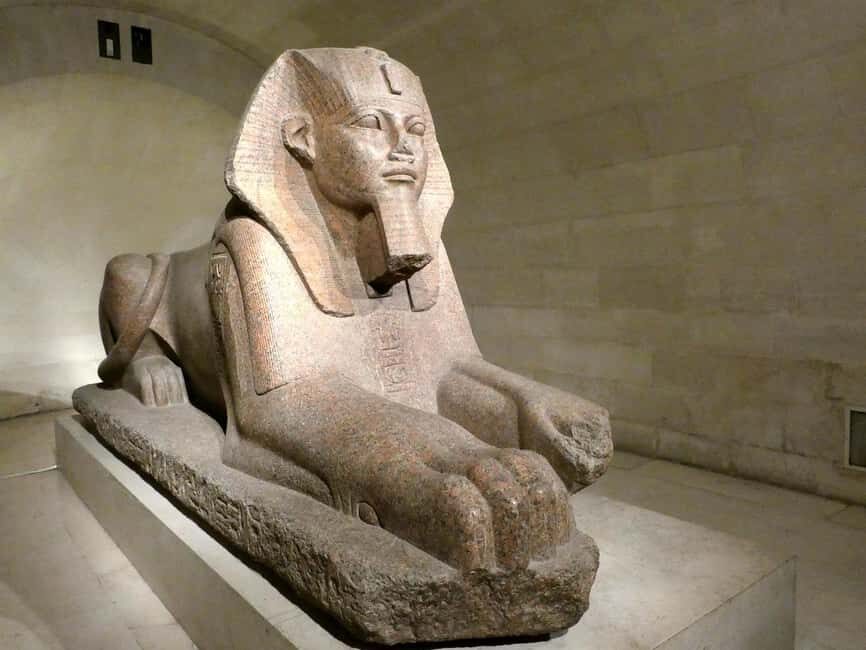
One of the tour’s core promises is that you won’t just see famous objects—you’ll also learn how art changed across periods. Your guide helps you trace the evolution of art styles, moving from ancient civilizations forward into later eras like the Renaissance and beyond (as described for this tour).
Why this matters for you: without context, museum masterpieces can feel like isolated “wow” moments. With a storyline, you start noticing patterns—how artists solved problems of realism, symbolism, composition, and technique. You end the tour with better instincts for what to look for when you keep exploring afterward.
This kind of explanation also helps if you’re not a hardcore art-history person. You don’t need a degree. The guide’s job is to translate what you’re seeing into something you can actually hold onto during a 2-hour visit.
Mona Lisa: more than a selfie stop
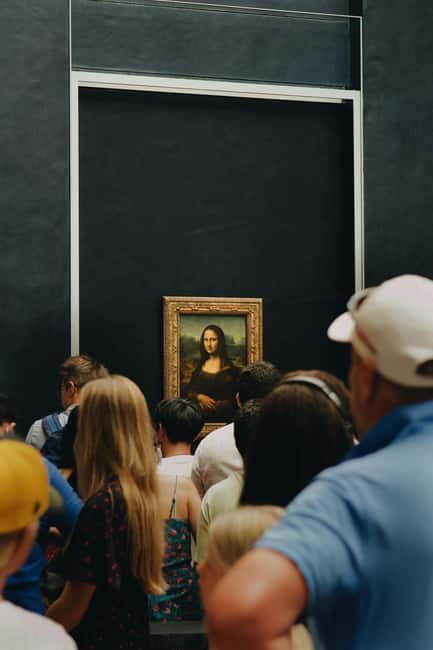
Yes, Mona Lisa is the star. But the tour’s value is that it treats her as part of a bigger story, not just a crowd magnet. With a guide, you’re more likely to understand why this painting became so famous and what to look for beyond the face that everyone recognizes.
You should also expect crowd pressure around this work. Even with skip-the-line entry, the most popular galleries can still be packed. That’s where staying close to your guide becomes important. If your group stretches out in busy moments, it gets harder to hear the commentary. So bring your “pay attention” mode, especially near top attractions.
If you’re thinking, I only care about seeing the painting, this tour still makes sense because the guide’s context helps you feel like you earned the stop.
Winged Victory of Samothrace: seeing sculpture like a pro
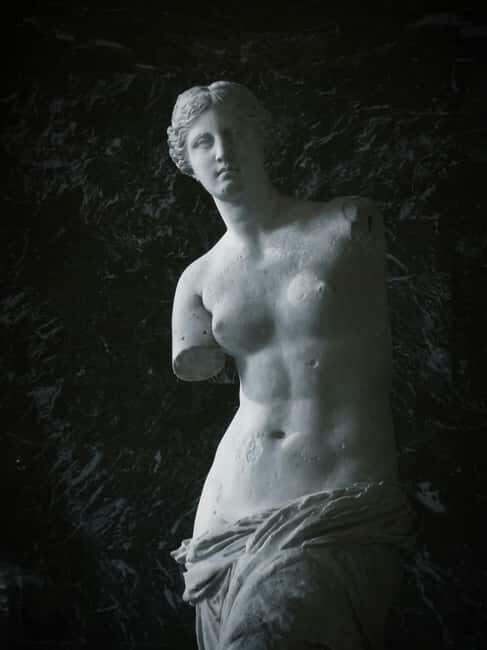
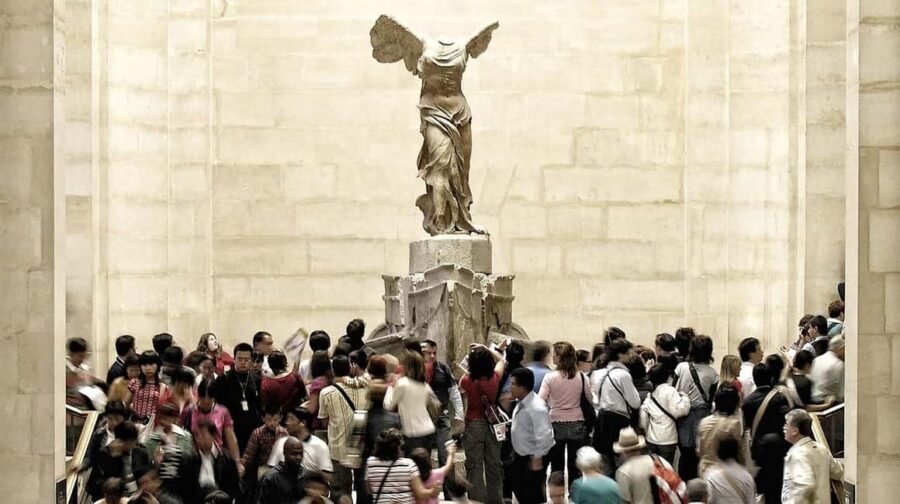
Another highlight is the Winged Victory of Samothrace. Sculpture in the Louvre can be tough on a tight schedule because you need to physically move to understand shape and drama. A guide helps you look in the right direction and not just at the obvious front view.
This piece also gives you something different from paintings: a sense of motion and scale. When you’re guided, you’re less likely to miss details that only register from certain angles—like how the pose reads when you change your position.
If you love visual impact, this stop is a good “anchor” in your day. If you’re not sure what you like yet, this is also a smart place to test your interests, because it clearly shows how artists worked with form and presence.
You can also read our reviews of more guided tours in Paris






The galleries won’t be quiet, so manage your ears

Here’s one potential drawback that can affect your experience: in big crowds, the group can feel like it’s breaking up, and it can be hard to keep up with the guide’s explanations. One person even described difficulty hearing the guide and needing to make a real effort to stay close.
My advice: don’t treat this as a casual stroll. The moment you fall behind, you lose the benefits of having a guide. That doesn’t mean you have to run. It means you should stay within easy speaking distance.
Also, the tour may have “downtime” at points. The most likely explanation is simple logistics: waiting briefly as the group moves, repositioning, or taking a breath near crowded rooms. If you’re the type who gets cranky when there’s no constant action, keep that in mind.
Rules that affect what you bring and what you can record
Before you go, check your packing. The Louvre has strict limits on what you can carry inside:
- items larger than 55x35x20 cm are not permitted
- bring passport or ID, since you’ll need it as part of standard entry checks
- wear comfortable shoes and clothes because you’ll be moving through museum halls
On photography: photography and filming are strictly prohibited in the temporary exhibition room. That rule matters because some visitors assume the museum is one blanket policy. For this tour, plan to take photos only where permitted and assume temporary exhibition spaces are a no-record zone.
And if you’re worried about not seeing enough: after the guided portion ends, you can stay at the Louvre for as long as you like. So even if the guided route ends before you feel satisfied, you can keep exploring—just follow the museum’s on-site rules.
Is this tour good value for $87?
At $87 per person for a 2-hour guided visit, you’re paying for three things:
1) skip-the-line entry (time saved and less queue stress)
2) a live guide (context and direction)
3) a focused set of major stops (so you don’t waste your limited time)
Whether it’s worth it for you depends on your style. If you hate lines and you’re spending only part of a day at the Louvre, the value is strong. If you’re the type who enjoys wandering without a plan and you already know the collection, you might feel the guided segment is too short.
But for most people, the math works. The Louvre is too big to “figure out” quickly. A short guided tour helps you get oriented fast, then you can use your extra time to chase your own favorites.
Who should book this Louvre guided tour?
You’ll likely love this experience if:
- you’re visiting the Louvre for the first time and want structure
- you want to see Mona Lisa and Winged Victory of Samothrace without guessing where to go
- you like learning how art styles evolve, not just standing and staring
- you’d rather pay for direction than gamble your time on a self-guided route
You might want a different option if:
- you’re very sensitive to noise and crowds
- you expect a perfectly quiet, classroom-style tour
- you hate any group pacing, especially during peak security moments
Quick FAQ for first-timers
FAQ
Where is the meeting point?
You meet your guide at Arc du Caroussel.
How long is the tour?
The duration is 2 hours.
Is the tour in English?
Yes, the live tour guide is English.
What does skip-the-line mean here?
Skip-the-line entry includes access through a separate entrance.
What is included in the price?
The tour includes skip-the-line entry to the Louvre and a guide.
Can I stay after the guided portion ends?
Yes. After the tour, you can stay at the Louvre for as long as you like.
What identification should I bring?
Bring a passport or ID card.
Are there limits on bag size?
Yes. Any items larger than 55x35x20 cm are not permitted in the museum.
Is photography allowed everywhere?
Photography and filming are strictly prohibited in the temporary exhibition room.
Is there free cancellation?
Yes, there is free cancellation up to 24 hours in advance for a full refund.
Should you book this Louvre skip-the-line tour?
If you want a smart start in the Louvre—fast entry, a guided storyline, and the major highlights—this is an easy yes. Two hours is short, but it’s long enough to learn how to look, not just what to look at.
I’d book it especially if you’re trying to do the Louvre as part of a packed Paris itinerary and you don’t want to spend that precious time in queues. Just go in with the right mindset: stay close, be ready for crowd noise, and use the post-tour freedom to follow up on whatever grabbed you most.