REVIEW · PARIS
Paris: Macaron Baking Class in Central Paris
Book on GetYourGuide →Operated by Studio Pâtisserie · Bookable on GetYourGuide
Macarons are tricky, in the best way. This class turns that fussy little cookie into a learnable process, with a hands-on kitchen session in central Paris. You’re not just watching dessert theater. You’re building shells, learning the batter and piping logic, and tasting the results soon after they come out of the oven.
I especially like the small group size (max 10), because you actually get help while you’re working. I also love that the instructor focuses on the science and technique, not guesswork, so you understand what to fix when things go off-track.
One consideration: this is not for everyone. It’s not suitable for vegans or people with nut allergies, and it’s not designed for kids under 12.
In This Review
- Key things that make this macaron class work
- Paris macarons, taught like a real kitchen skill
- 150 minutes in a small group: the pace you’ll feel
- Finding the grey storefront studio in central Paris
- The intro: where the macaron story meets the method
- Shells and piping: where your technique gets real
- Fillings and flavor: how the class gets you from shell to bite
- Baking, resting, and the moment you taste your work
- What you take home: recipe plus the confidence to repeat
- Value check: is $122 fair for a 150-minute macaron workshop?
- Who should book (and who should skip)
- My booking verdict: should you sign up for Studio Pâtisserie?
- FAQ
- How long is the macaron baking class?
- How big is the group?
- Is the instructor available in English?
- What’s included, and do I get anything to take home?
- Where is the meeting point?
- What should I bring or wear?
- Is it suitable for children, vegans, or people with nut allergies?
- Can I cancel and can I pay later?
Key things that make this macaron class work
- Small group (up to 10) means more time with the instructor and less waiting around
- English instruction with step-by-step guidance for shells, piping, fillings, and texture
- Science talk in plain language so you know what matters for the right bite
- You taste what you make right after baking, then take home a recipe to repeat
- Studio setup and cleanliness gets a lot of praise, making the whole experience feel smooth
Paris macarons, taught like a real kitchen skill
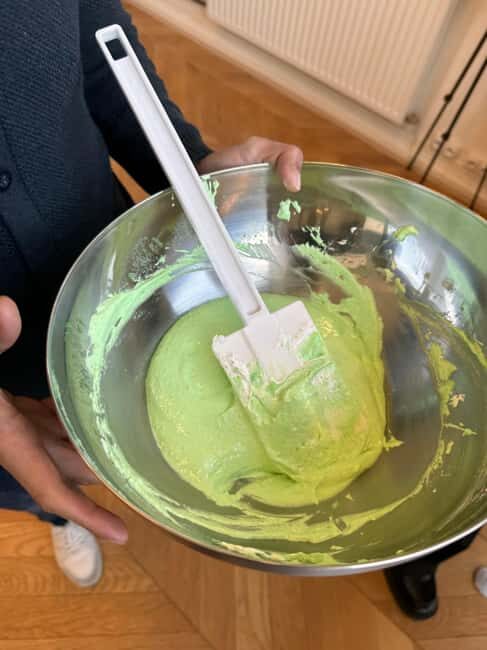
A macaron isn’t hard because people are scared of it. It’s hard because it’s sensitive. Egg whites, sugar, mixing level, piping, resting, baking, and cooling all have a say. What I like about this class is that it respects that reality instead of pretending macarons are magic.
You start with a quick orientation and then move into the work. You’ll learn the cultural side too, since macarons aren’t just a sweet treat in France. They’re an iconic part of pastry culture, with roots that explain why the presentation and technique matter.
If you came to Paris hoping for something more personal than another museum circuit, this fits. It’s French food in a workshop setting. You leave with a skill, not just a souvenir photo.
You can also read our reviews of more cooking classes in Paris
150 minutes in a small group: the pace you’ll feel
The session runs 150 minutes, which is a sweet spot for a first-timer. Long enough to cover the full flow (shells, fillings, baking, tasting), short enough that you’re not trapped for hours after you’ve lost focus.
The group is capped at 10 participants, and you’ll see why that matters once you start piping. Reviews mention a setup with stations that don’t crowd people, and that helps. You can concentrate on your own batter and shape without elbow-to-elbow chaos.
Also, the class tends to feel interactive. Past participants describe instructors who joke, teach, and answer questions, including troubleshooting tips. That’s huge when your first batch might not look perfect.
Finding the grey storefront studio in central Paris
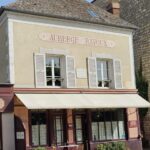
The meeting point is simple: look for a grey-coloured storefront on the main road. That kind of landmark matters in Paris, where two streets can look identical from far away.
Practical tip: wear comfortable shoes. You’re likely to be standing at your station, moving around as you follow steps, and stepping in and out of the prep area. Keep your outfit comfortable too—this is still a baking class, not a fashion show.
If you’re arriving by metro, give yourself extra time. Even a quick walk in Paris can turn into a detour when you’re checking street signs and chasing the right storefront color.
The intro: where the macaron story meets the method
Before you touch ingredients, you get context: a history and artistry of macarons, plus a clear run-through of what’s going into them. This isn’t just trivia. Understanding the purpose of the ingredients helps you understand why the steps are structured the way they are.
In this part, the instructor typically explains the basics in an approachable way. You’ll hear why consistency matters, what the batter should look like, and how the shells develop their characteristic texture. Reviews also highlight that instructors explain the why behind each step, which is the difference between memorizing a recipe and actually learning.
You’ll also meet the group. With a small class, you get a chance to chat while you’re waiting for the timing to catch up to the baking rhythm.
Shells and piping: where your technique gets real
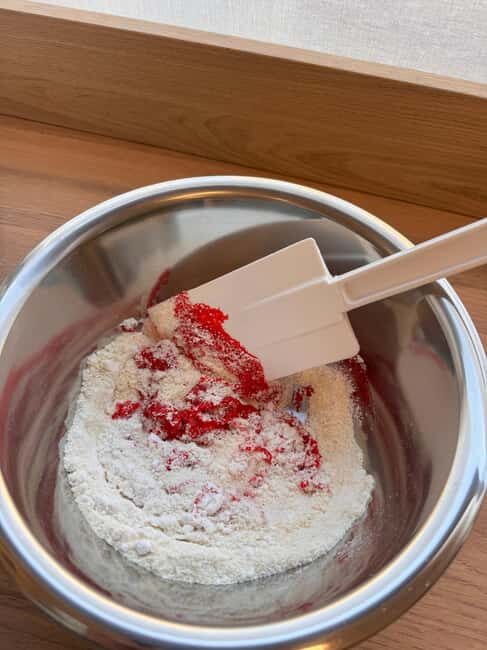
Now comes the real lesson: making the macaron shells and learning the technique for the right shape. The instructor guides you through mixing and batter texture, then piping. This is the part where most people realize macarons are more like precision work than casual baking.
Key skills you’ll practice include:
- Mixing to the correct batter stage (not too stiff, not too runny)
- Piping consistent rounds so they bake evenly
- Getting surfaces ready so shells form the right outer texture
Expect a “watch, do, adjust” flow. Reviews repeatedly mention clear instructions and hands-on coaching. Some participants specifically praised learning how to mix and pipe the batter properly—skills you can carry home.
If your shells are acting stubborn (cracks, uneven feet, wrong texture), this is also where you want the instructor’s eye. Past groups mention getting troubleshooting advice during the session, which is exactly what turns a first attempt into a repeatable method.
You can also read our reviews of more tours and experiences in Paris


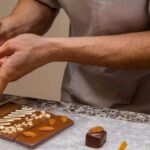
Fillings and flavor: how the class gets you from shell to bite
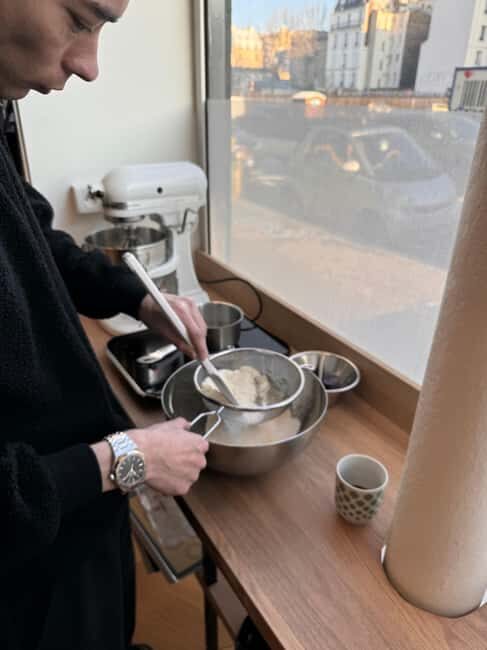
Once shells are formed, you move to fillings. This part is both practical and fun, because you get to think like a pastry chef. You’re not only building structure; you’re balancing the sweet-smooth match between shell and filling.
One thing to know: the class flavors may be chosen by the instructor. Some participants mention flavors like chocolate, black currant, and passionfruit. If you’re dreaming of a specific flavor combo like pistachio or vanilla, you might want to check what’s offered for your exact date before you commit.
Even with that caveat, the main value is technique. The way you portion, assemble, and finish the macarons affects how they mature and taste.
Baking, resting, and the moment you taste your work
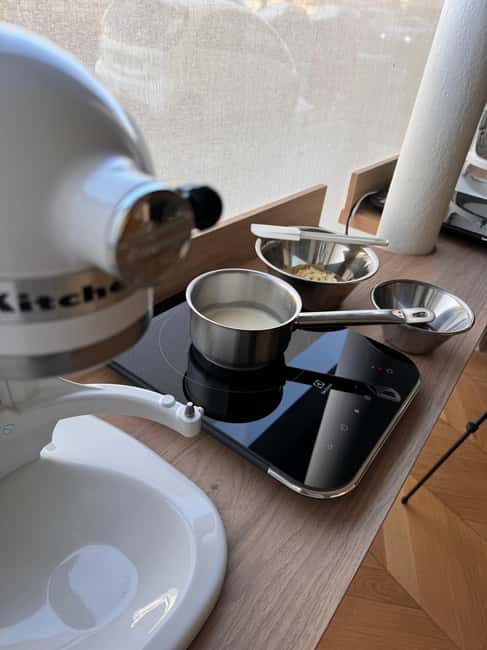
Baking is the clock-based part. You can do everything right up to this stage, then the oven and cooling still influence the final texture. That’s why the pacing of the class matters.
You’ll wait while the macarons bake, and some participants note that the studio is prepared and organized so you’re not just idling. A refreshing drink while waiting is also mentioned in reviews, which helps the time pass without turning it into boredom.
Then you taste. This is where the “sense of accomplishment” hits. You’ll sample the finished macarons and see how close you got to that ideal macaron bite.
Don’t expect perfection on your first round every single time. But if you follow the instruction closely, you’ll likely end up with macarons you can feel proud of, not just edible.
What you take home: recipe plus the confidence to repeat
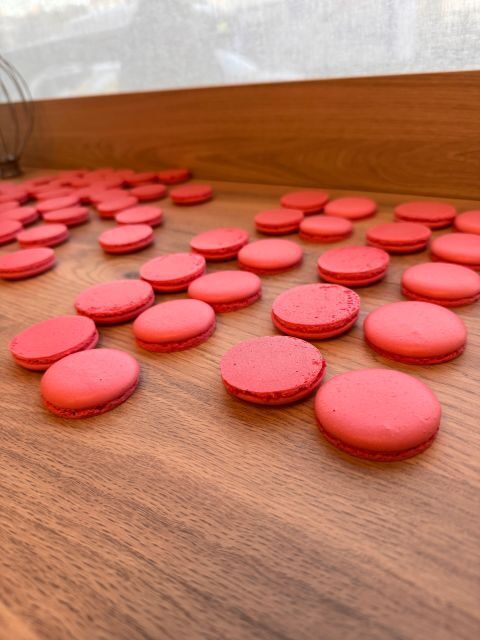
Included in the experience are an instructor, the baking class itself, tasting, and a recipe to take home. That recipe is the tool you’ll use later when you’re repeating the process in your own kitchen.
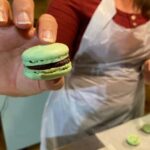
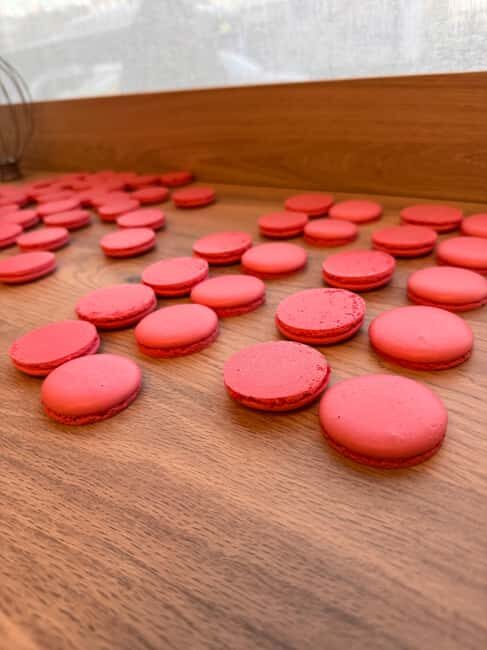
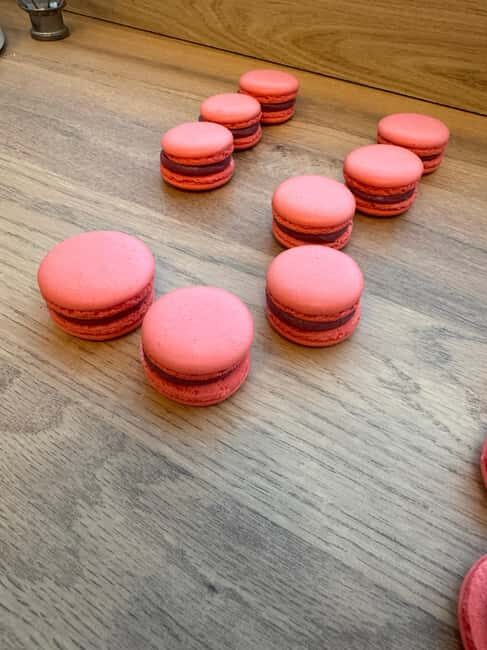
Many participants also report leaving with a box of macarons made during the class, with some mentioning around 15 per person. Exact numbers can vary by class setup, but the consistent takeaway is that you don’t just leave with knowledge—you leave with actual macarons.
For long-term value, the take-home recipe matters more than the souvenir aspect. A macaron recipe is usually useless if you don’t understand the steps behind it. This class teaches those steps as part of the process, so the written recipe has a real chance of working at home.
Value check: is $122 fair for a 150-minute macaron workshop?
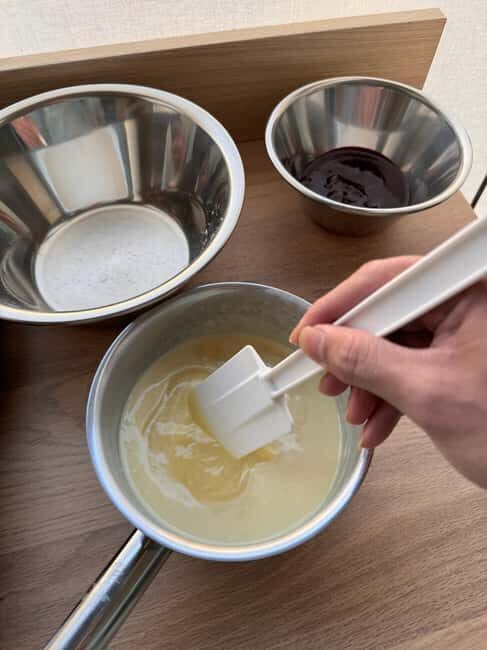
At $122 per person for 150 minutes in central Paris, you’re paying for several things at once:
- A trained instructor who coaches you through the most failure-prone parts (mixing and piping)
- A small group format (max 10) that makes help feasible
- Ingredient and equipment access for a batch you can taste
- A recipe you can recreate later
If you’ve ever tried to learn macarons from a generic internet recipe, you know how often it turns into frustration. The value here is not just the food. It’s guided practice in a controlled setup.
Is it cheaper than buying macarons from a bakery? Probably. But you’d be comparing a skill class to a purchase. Here you’re buying the ability to make macarons, plus the confidence that you can troubleshoot.
If you love baking, or you want one memorable hands-on thing to do in Paris that goes beyond eating, this price makes more sense.
Who should book (and who should skip)
This experience is a great fit if:
- You want an authentic Paris food activity with real hands-on work
- You like learning technique and want the “why,” not just the steps
- You’re comfortable following instructions in English
- You enjoy the challenge of precision baking
It’s not suitable if:
- You’re looking for vegan options
- You have a nut allergy
- You have kids under 12
Based on how the class is described, it also tends to work well for couples and solo travelers, since the group is small and the instructor can still give attention to each person.
My booking verdict: should you sign up for Studio Pâtisserie?
I’d book this if you want one high-value, practical Paris experience. Macarons are famous, but they’re also finicky, and this class tackles the finicky parts with hands-on coaching. The small group size and English instruction make it realistic for first-timers.
Skip it if you’re dealing with nut allergies or you need vegan ingredients. Also, if you’re expecting a pure sightseeing event, this is a workshop. The main payoff is learning how to make macarons, not strolling past famous monuments.
If you’re on the fence, here’s the best decision rule: if you’ll actually try making them again at home, then the $122 is buying a skill. If you just want to eat macarons, you might prefer a bakery stop instead.
FAQ
How long is the macaron baking class?
The class lasts 150 minutes.
How big is the group?
It’s a small group, limited to 10 participants.
Is the instructor available in English?
Yes. The instructor provides the class in English.
What’s included, and do I get anything to take home?
You get an instructor, the baking class, tasting, and a recipe to take home.
Where is the meeting point?
Meet at a grey-coloured store front on the main road.
What should I bring or wear?
Wear comfortable shoes and comfortable clothes.
Is it suitable for children, vegans, or people with nut allergies?
No. It’s not suitable for children under 12, vegans, or people with nut allergies.
Can I cancel and can I pay later?
You can cancel up to 24 hours in advance for a full refund. You can also reserve now and pay later to keep plans flexible.