REVIEW · PARIS
Paris: Montmartre Tour with Local Guide
Book on GetYourGuide →Operated by Voilà Tours · Bookable on GetYourGuide
Montmartre works best when you slow down. This guided walk turns the hill into a story you can follow, from Moulin Rouge views to the quiet pull of Sacré-Cœur.
What I like most is that you get a real Parisian point of view from guide René Kim, not just a list of landmarks. You also hit the key photo-and-walk moments—Place du Tertre and the famous steps around Sacré-Cœur—without wasting the whole outing in transit.
One thing to keep in mind: one reported experience involved a late cancellation (two hours before) and a slow refund, so I’d double-check your booking timeline and keep an eye on updates.
In This Review
- Key things to know before you go
- Montmartre feels like a movie when a local guides it
- Price and value: $46 for 2 hours of key sights
- Starting at Metro Blanche: the “easy to miss” detail
- Stop-by-stop: Moulin Rouge, cafés, and the hill’s famous corners
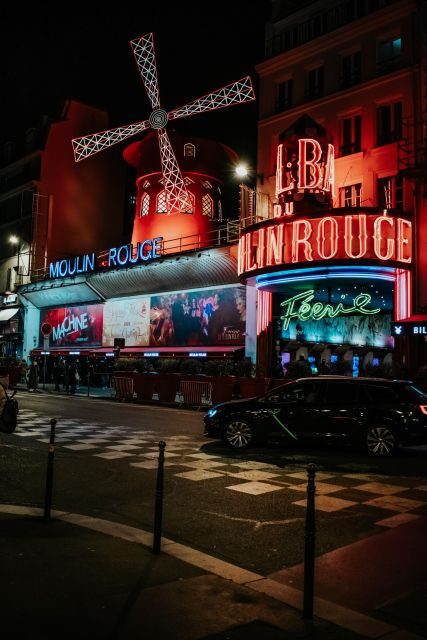
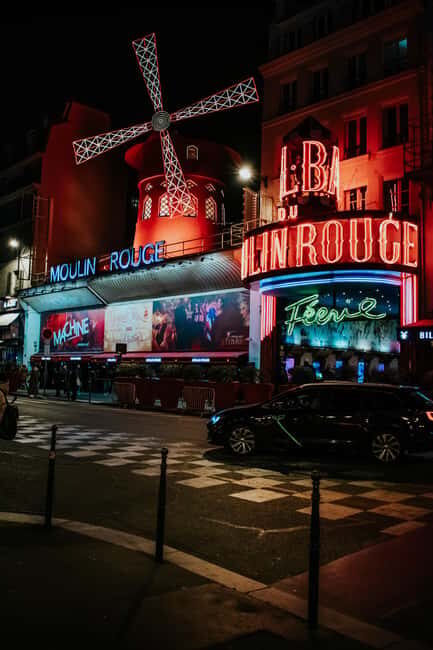
- Moulin Rouge (photo stop + guided time)
- Café des Deux Moulins (quick photo stop)
- Moulin de la Galette (photo stop + short visit)
- Place du Tertre: artists, La Maison Rose, and Dalida’s bust
- A small reality check
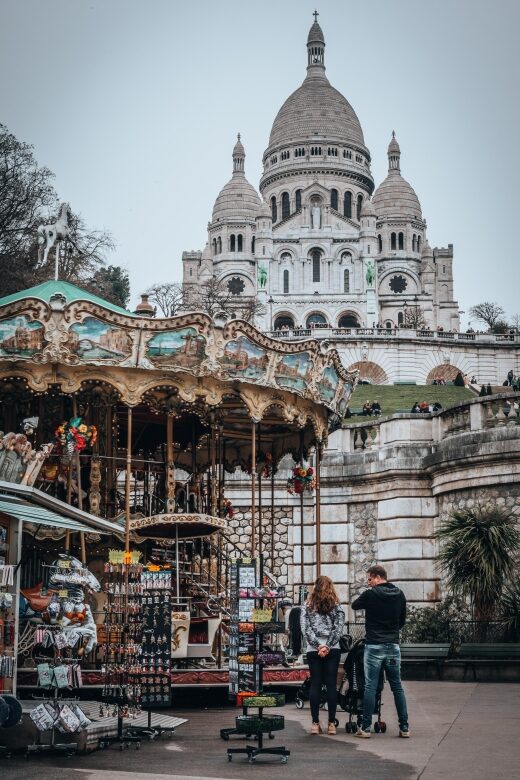
- Sacré-Cœur de Montmartre: the finish line and the view payoff
- What’s included: guide time and a bistro treat
- Languages: Spanish, English, French, and Lingala
- A drawback to consider: one late-cancellation case
- Who this Montmartre tour is best for
- Should you book this Montmartre Tour with Local Guide?
- FAQ
- How much does the Montmartre tour cost?
- How long is the tour?
- Where do I meet the guide?
- Where does the tour end?
- What are the main sights on the tour?
- Are there any included food or drink items?
- Is hotel pickup included?
- What languages are available for the live guide?
- What should I bring?
- What is the cancellation policy?
Key things to know before you go
- René Kim guides the walk with a local, story-driven approach
- Big names in a short route: Moulin Rouge, Sacré-Cœur, and Place du Tertre
- You’ll stop for small “scene changes” like Café des Deux Moulins and Moulin de la Galette
- Dalida and classic Montmartre details are part of the route (including her bust)
- Comfort matters: you’re on cobbled streets, so good shoes aren’t optional
Montmartre feels like a movie when a local guides it
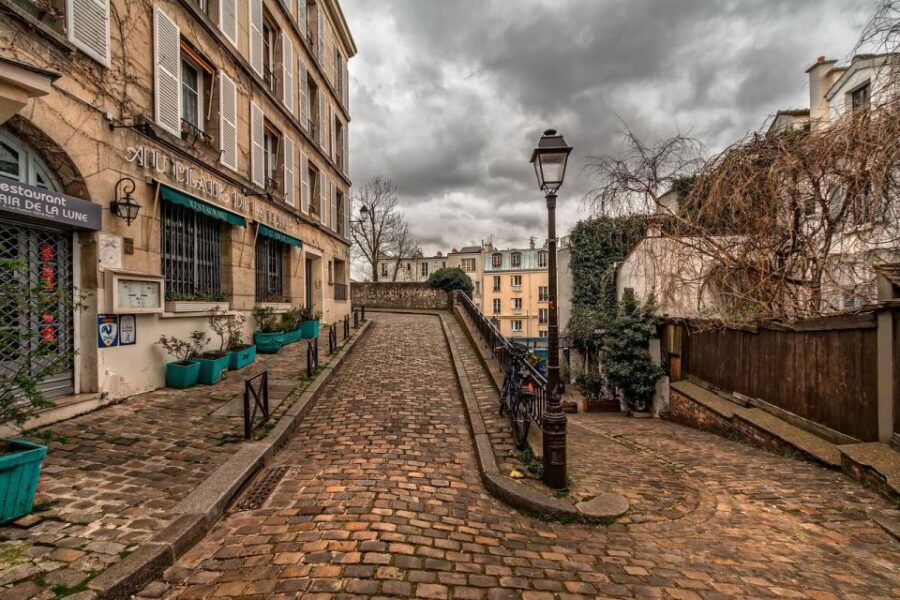
Montmartre has that Paris-with-an-edge vibe—artists, old myths, and streets that look like they’ve been waiting for your camera. On this tour, the guide’s job is to make sense of the maze, so you’re not just taking photos from one viewpoint to the next.
I especially like that you’re learning as you walk, not pausing for long lectures. The tour leans into the neighborhood’s creative past, including the artists who once lived here, and the “mysteries” you can still sense in the cobblestones.
And yes, the route is designed around what people actually want to see: Moulin Rouge, the classic hilltop atmosphere, and the street-life at Place du Tertre. It’s exactly the kind of outing that helps you get your bearings fast.
You can also read our reviews of more guided tours in Paris



Price and value: $46 for 2 hours of key sights
At about $46 per person for roughly 2 hours, this isn’t a budget bus tour. You’re paying for a guided walk plus access to the places most visitors only see in pieces.
Here’s where the value shows up:
- You get a guide for the full time, including stop-by-stop context.
- You’re covering major Montmartre moments in a compact plan.
- You also get authentic local delicacies at a charming bistro, which is a practical break and part of the value (not just a photo stop).
Is it worth it? If you enjoy walking and you like learning the “why” behind the sights, yes. If you only care about standing in front of landmarks with no context, you might prefer a self-guided route. But the guided pacing is the point.
Starting at Metro Blanche: the “easy to miss” detail
The tour starts at the exit of the Metro Blanche, at the green kiosk. That’s your first small logistics win—this is public-transit friendly, and you don’t need hotel pickup.
One practical tip: arrive a few minutes early so you’re not searching when you’re already near the crowd. Montmartre is lively, and the exact kiosk matters.
The tour also notes it ends back at the meeting point. At the same time, your final stop is the Basilica of Sacré-Cœur de Montmartre. So expect the walking to end near the hilltop area, with a return to the defined end point. When in doubt, follow what your guide says on the day.
Stop-by-stop: Moulin Rouge, cafés, and the hill’s famous corners
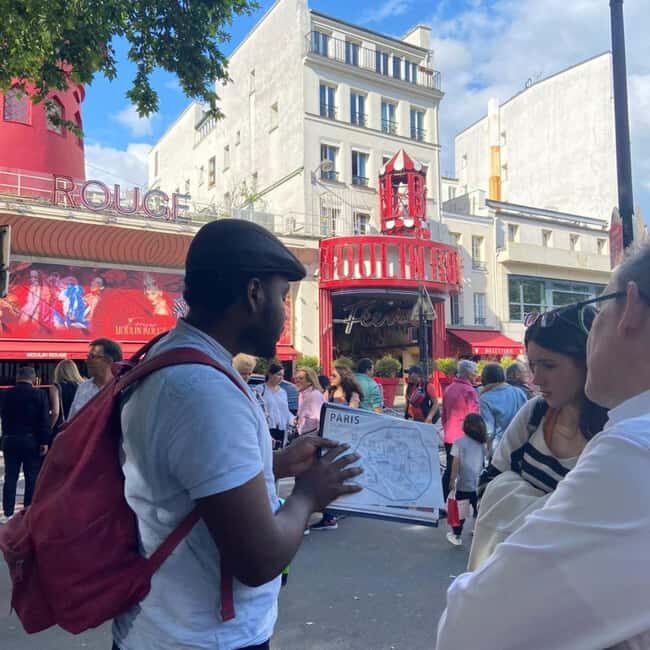
This is the kind of route where each stop gives you a different Montmartre mood. You start down near the action, then gradually work your way toward the basilica at the top.
Moulin Rouge (photo stop + guided time)
You get a dedicated Moulin Rouge moment—photo stop plus about 15 minutes with guidance. This is the classic “big wow” stop, and it’s also useful because it frames the rest of Montmartre.
Why it matters: if you understand the neighborhood’s performance culture, Sacré-Cœur doesn’t feel like a random ending. It starts to feel like a contrast—art and theater below, spirituality and views above.






Café des Deux Moulins (quick photo stop)
Next is Café des Deux Moulins, with a short 5-minute photo stop. This is the kind of pause that’s great if you want the “I was there” memory without losing time you’ll need for the walk and Place du Tertre.
A consideration: because it’s brief, don’t plan on lingering for coffee unless your schedule is very flexible. The tour keeps moving.
Moulin de la Galette (photo stop + short visit)
Then you’re at Moulin de la Galette, with around 14 minutes for photo and visit. This stop adds texture. It’s not only about celebrity name recognition—it’s also about seeing what Montmartre looks like from the corners where the hill feels most old and lived-in.
This is also where comfortable shoes pay off. The streets here aren’t flat and polished. You’ll appreciate every step that’s part of the experience rather than a chore.
Place du Tertre: artists, La Maison Rose, and Dalida’s bust
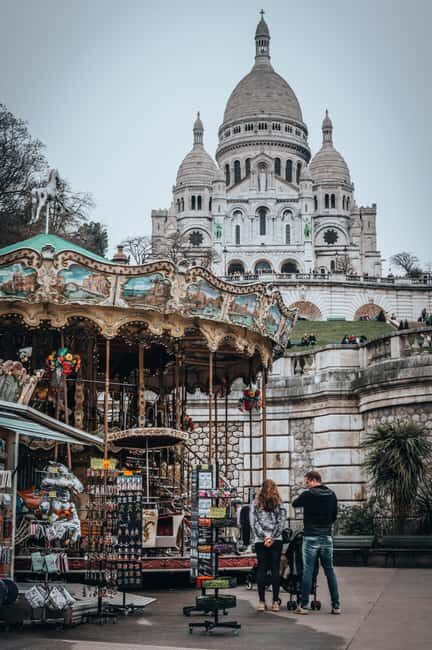
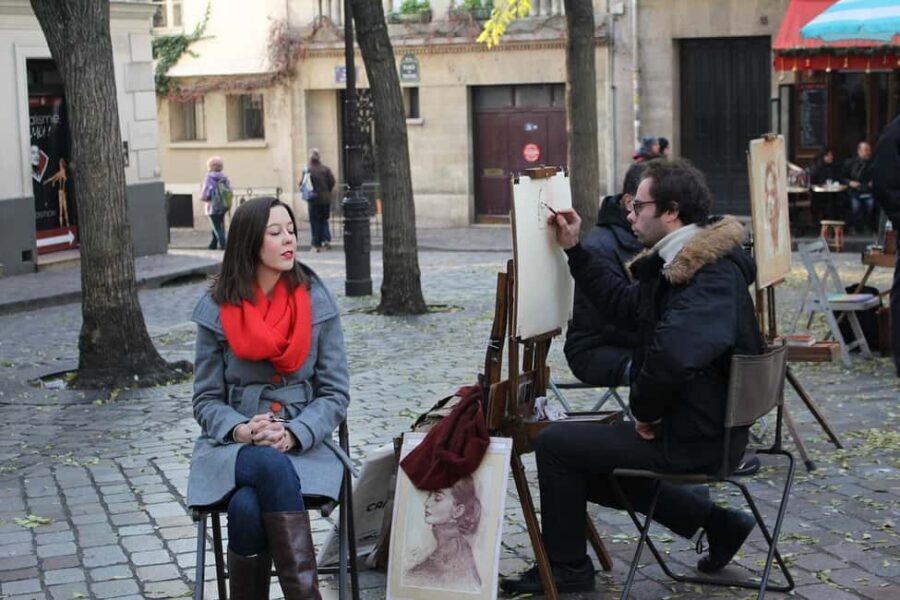
Place du Tertre is where Montmartre turns into street theatre. You get about 20 minutes here, with guided time so you’re not just wandering among stalls with no context.
I like this segment because it’s where your guide’s stories start to click. You’ll hear about the artists tied to the area and how the place became a magnet for creative life.
During this stretch, you also pass by or stop near details that make Montmartre feel specific, not generic:
- La Maison Rose for that instantly recognizable color and vibe
- The bust of Dalida, a standout cultural reference point
- Le Lapin Agile, a classic Montmartre stop you’ll hear about in the neighborhood’s performance lore
If you’re the type who likes connecting dots—who lived where, what performances shaped the streets, why these places earned their reputation—this is the part you’ll remember later.
A small reality check
Place du Tertre can be crowded and a bit loud depending on the time of day. That doesn’t ruin it, but it helps to expect “activity,” not quiet museums. Your guide should keep the time focused so you still get value from the stop.
Sacré-Cœur de Montmartre: the finish line and the view payoff
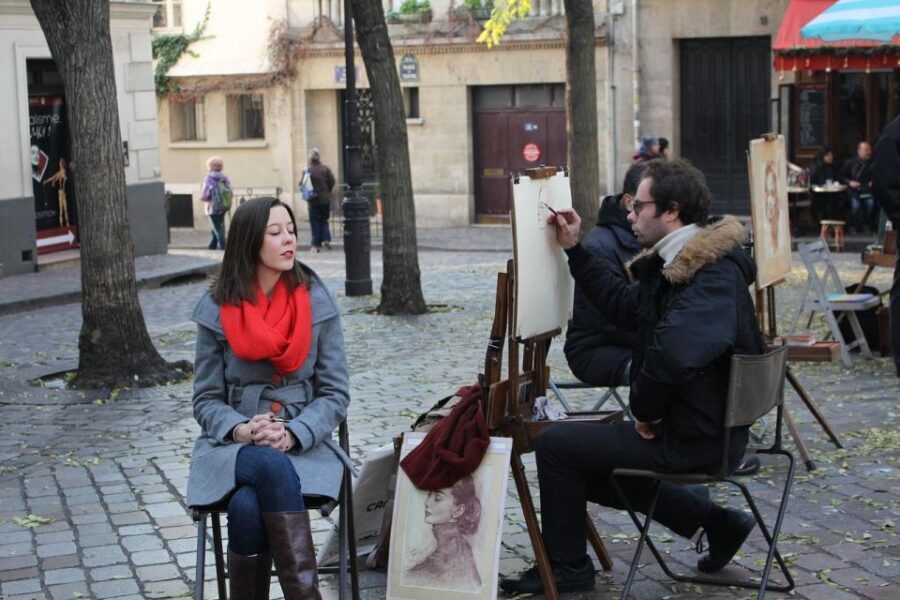
You finish at the Basilica of Sacré-Cœur de Montmartre. Even without getting into inside-the-church details (those can vary by day), you’re going to feel the change the moment you arrive.
This is the practical payoff of doing a guided route instead of only sightseeing on your own. The earlier stops give you context, so Sacré-Cœur reads less like a standalone attraction and more like the top of the same story.
What to watch for:
- Bring your camera, but also take a few minutes without it. The best views often happen in the first unhurried moments.
- Wear shoes that can handle cobblestones and uneven stone. Your legs will thank you.
What’s included: guide time and a bistro treat
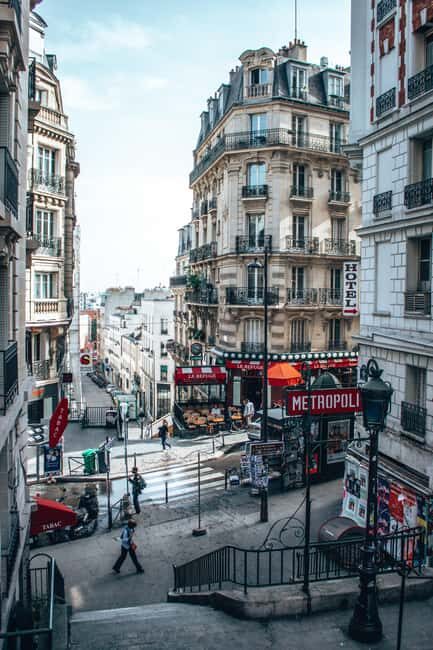
This experience includes:
- A guided tour of Montmartre
- Visits to iconic spots like Moulin Rouge, Sacré-Cœur, and Place du Tertre
- Authentic local delicacies at a charming bistro
That last item is a smart inclusion. A snack or small tasting isn’t just a perk—it helps you stay energized for the walking, and it keeps the outing grounded in local everyday life rather than only landmark sightseeing.
What isn’t included: hotel pickup and drop-off. So you’ll want to plan to arrive at Metro Blanche and start there like a local.
Languages: Spanish, English, French, and Lingala
The live guide can run in Spanish, English, French, or Lingala. If you’re trying to keep your French stress low, English or Spanish narration can make the stories much easier to follow.
A small tip: if you’re choosing between language options, match it to the style of questions you’ll want to ask. A guide who can answer you comfortably makes the whole walk feel more personal.
A drawback to consider: one late-cancellation case
One low-rating report described a cancellation about two hours before and claimed the refund took more than a week. That’s not something you want to shrug off.
So here’s my practical advice: before you go, stay flexible if your schedule is tight. Also, keep an eye on any updates from the provider and don’t wait until the last minute to confirm your start time.
Most trips go fine. But this is a reminder that even popular Paris tours can change suddenly, so plan backup timing.
Who this Montmartre tour is best for
This tour fits best if you want:
- A guided walking route that covers major Montmartre sights in a short timeframe
- A guide-led story focus, including artist references and recognizable cultural stops like the Dalida bust
- A plan that balances photo moments with walking time and a bistro break
It may be less ideal if:
- You hate cobblestones and prefer flat, minimal-walking days
- You only want independent time at your own pace and don’t care about context
Also, bring a camera and water, and wear comfortable shoes. This isn’t “pretty feet only” terrain.
Should you book this Montmartre Tour with Local Guide?
I’d book it if you’re doing Paris for a few days and want Montmartre to make sense fast. The combination of René Kim’s local perspective, the key stops (Moulin Rouge → Café des Deux Moulins → Moulin de la Galette → Place du Tertre → Sacré-Cœur), and that included bistro treat is good value for a two-hour hit.
Skip it if your priority is a slow, self-directed wandering day where you set the pace and length of stops. Also, if your plans are extremely time-sensitive, consider the one cancellation report as a nudge to stay aware of your confirmation and timing.
If you want Montmartre to feel like a real place—full of old performance energy and artist-side stories—this is a solid, practical way to do it.
FAQ
How much does the Montmartre tour cost?
The price is listed as $46 per person.
How long is the tour?
The duration is 2 hours.
Where do I meet the guide?
Meet in the exit of the Metro Blanche, at the green kiosk.
Where does the tour end?
It ends back at the meeting point, and the itinerary also indicates the finish at the Basilica of Sacré-Cœur de Montmartre.
What are the main sights on the tour?
You’ll see Moulin Rouge, Sacré-Cœur, and Place du Tertre, plus additional stops like Café des Deux Moulins, Moulin de la Galette, and the bust of Dalida.
Are there any included food or drink items?
Yes. The tour includes authentic local delicacies at a charming bistro.
Is hotel pickup included?
No. Hotel pickup and drop-off are not included.
What languages are available for the live guide?
The live guide is available in Spanish, English, French, and Lingala.
What should I bring?
Bring comfortable shoes, a camera, and water.
What is the cancellation policy?
There’s free cancellation up to 24 hours in advance for a full refund.