REVIEW · PARIS
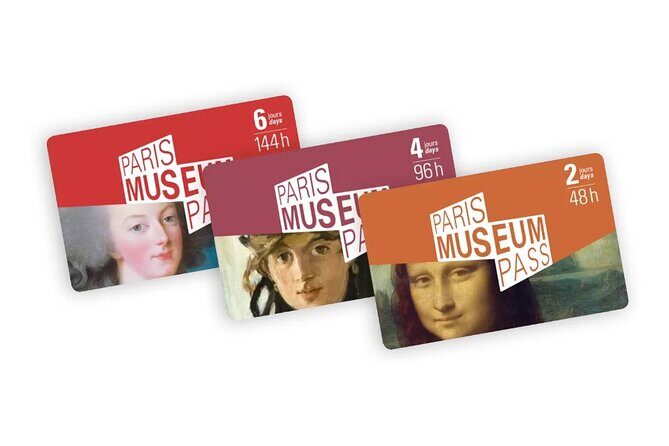
Paris Museum Pass: 2, 4, or 6 days
Book on Viator →Operated by Paris Odyssey · Bookable on Viator
Paris runs on lines. This pass helps you beat the ticket-stall shuffle. The real draw is that it’s a one-stop museum ticket system that lets you choose entry times for the big reservation-needed sites, so you spend less time waiting and more time seeing.
I love how many different museums and sights you can bundle in one go. It also includes admission to the permanent collections, which is where most “top museum” value lives. One thing to keep in mind: a 2-, 4-, or 6-day pass is only as good as your plan, because some places have tight opening days and a few entries require free time-slot reservations.
In This Review
- Key things to know before you go
- Price and value: is $155.42 per person actually worth it?
- How the pass works: consecutive days, permanent collections, and free time slots
- Time slots you must reserve (free)
- Your “best use” strategy: plan around closure days, not vibes
- 2-day Paris plan: the Louvre-Versailles timing puzzle (and how to win it)
- Day 1: Louvre day (Monday works best)
- Day 1 bonus nearby: Sainte-Chapelle + Conciergerie
- Day 2: Versailles day (Tuesday works best)
- 4-day Paris plan: a smart art route that actually fits daylight
- Day 1: Louvre + a nearby historic stop
- Day 2: Orsay + Rodin (avoid Monday closure)
- Day 3: Pompidou and modern energy
- Day 4: Orangerie + finish strong
- 6-day plan: where you start enjoying museums instead of surviving them
- Add a “special interest day”
- Add a “small time” day
- Entering the Louvre: what the reservation covers and how to use it well
- Versailles: palace priorities, and the one thing to verify
- Orangerie and Sainte-Chapelle: two timed stops that shape your whole day
- Musée de l’Orangerie
- Sainte-Chapelle
- Orsay, Rodin, and Arc de Triomphe: building a day that feels like a movie
- Pompidou and the permanent-collection question
- Beyond the big names: specialized museums that make the pass feel worth it
- Musée Picasso-Paris
- Musée du quai Branly
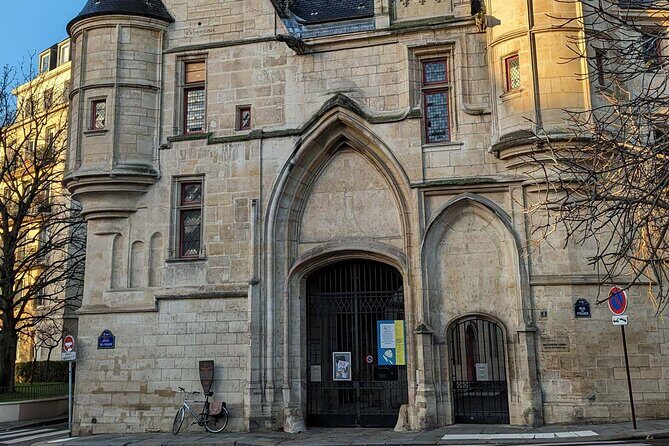
- Musée de Cluny
- Musée d’Art et d’Histoire du Judaïsme
- Sacred Paris and classic monuments: Pantheon, Conciergerie, and Notre-Dame crypt
- Invalides, the Dome, and the Arc light show option
- Architecture stops and quick hits when you’re running short on time
- Day trips included: Versailles isn’t the only “royal” option
- Wait times and line skipping: what it helps, and what it can’t change
- The human help factor: Rachid and fast support
- Who should book this pass (and who should think twice)
- Should you book the Paris Museum Pass?
- FAQ
- How many days is the pass valid for?
- Do I get access to temporary exhibitions?
- Which attractions require a free time-slot reservation?
- What are the opening days for the Louvre and Versailles?
- What time should I plan to start?
- How do I receive the pass?
- Is the audio guide included?
- Is food included?
- Does the pass help with lines?
- Can I cancel for free?
Key things to know before you go
- Timed-entry for the heavy hitters: Louvre, Versailles, Orangerie, and Sainte-Chapelle need free reservations.
- Priority access helps with lines: it doesn’t erase security checks, but it reduces the painful parts.
- A lot more than the usual suspects: Rodin, Picasso, Pompidou, Quai Branly, Cluny, Invalides, and more.
- You can shape your own route: the pass is valid for consecutive calendar days, starting on day one.
- Paper-light entry: you get the pass by email about a day before and it can be scanned on your phone.
- Support from a real human: the provider team includes help from Rachid, including booking help for reservations.
Price and value: is $155.42 per person actually worth it?

At $155.42 per person, this pass can be a smart move if you’re serious about museums. The math is simple: you’re paying for (1) admission to a pile of sites and (2) the time-savers that come with reservations and priority-style entry.
If your plan is only one or two museums, you’ll probably do better buying tickets directly. But if you’re stacking at least four museums over a few days, the pass starts to feel like a “yes, I’ll see art all week” kind of deal.
Here’s the practical reality: the Louvre and a few other top spots will still have security checks and sometimes extra waiting in high season. This pass helps with the main bottleneck—getting your entry sorted—so you don’t lose half your day to the wrong line.
You can also read our reviews of more museum experiences in Paris



How the pass works: consecutive days, permanent collections, and free time slots
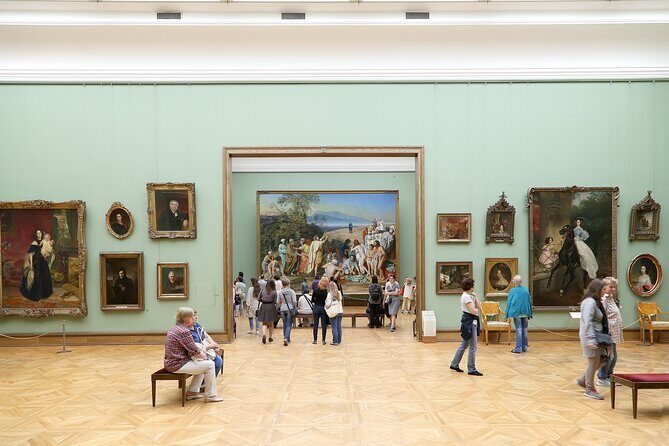
Your pass is valid for consecutive calendar days, starting from the first day you use it. That matters because museum opening days don’t care about your itinerary feelings. If you start on a day when a key site is closed, you can’t “make up” that lost time later without burning one of your pass days.
The pass includes access to the permanent collections at the listed museums (and many of the stops come with admission included). It’s not framed as an all-access pass to every temporary exhibition on every schedule. So if you have one specific blockbuster show you’re chasing, you’ll want to check separately before you go.
Time slots you must reserve (free)
You’ll need free reservations for:
- Louvre Museum
- Palace of Versailles
- Musée de l’Orangerie
- Sainte-Chapelle
For the other listed sites, you’re generally planning around opening hours and closure days, then using your pass for entry.
Your “best use” strategy: plan around closure days, not vibes
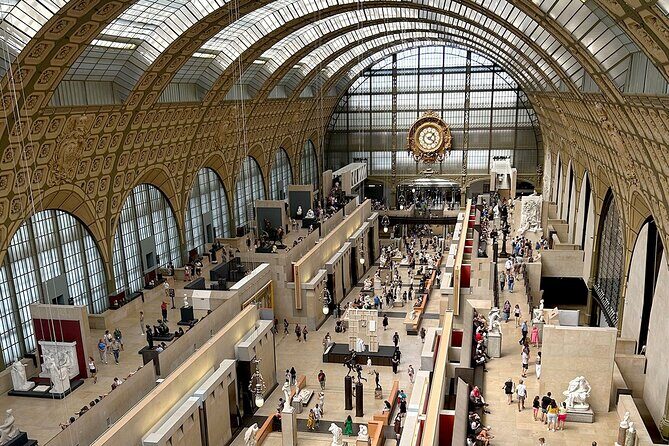
Paris museum days often work like dominoes. A lot of the major museums are closed on the same weekday each week, and you’ll feel it fast.
A few key patterns:
- Louvre: 9am–6pm, closed Tuesday
- Palace of Versailles: 9am–6:30pm, closed Monday
- Musée d’Orsay: 9:30am–6pm, closed Monday
- Centre Pompidou: 11am–9pm, closed Tuesday
- Musée Rodin: 10am–6:30pm, closed Monday
- Musée de l’Orangerie: 9am–6pm, closed Tuesday
- Sainte-Chapelle: 9am–5pm (reservation needed)
So if you start a 2-day pass on Monday, you can do Louvre on Monday, then catch Versailles on Tuesday. If you start on Tuesday, the Louvre becomes a problem because it’s closed—unless you move your plan.
2-day Paris plan: the Louvre-Versailles timing puzzle (and how to win it)
A 2-day pass is best for a tight hit list: your two “must-see” anchors, plus maybe one nearby bonus stop each day.
You can also read our reviews of more tours and experiences in Paris

Day 1: Louvre day (Monday works best)
The Louvre Museum is open 9am–6pm and closed Tuesday. That’s why a Monday start is so useful. If you can, pick a time slot that gets you in early enough to see the galleries you care about before your feet stage a coup.
Louvre tends to feel endless. Your pass won’t make the building smaller. But it helps you get in and start moving instead of spending your morning at a desk.
Day 1 bonus nearby: Sainte-Chapelle + Conciergerie
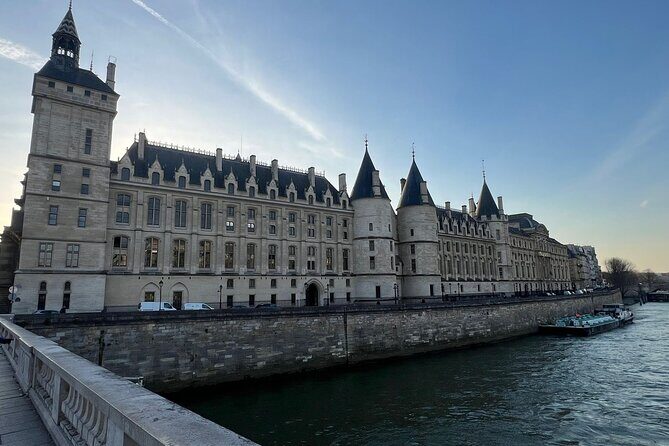
If your day has energy, Sainte-Chapelle (9am–5pm, 1 hour, reservation required) plus Conciergerie (9:30am–6pm, 1 hour) can be a great pairing because you’re already in the historic center area. The payoff is big: stained-glass drama and a sense of old Paris politics and drama that’s hard to manufacture later.
Day 2: Versailles day (Tuesday works best)
Palace of Versailles is open 9am–6:30pm and closed Monday. So if you start Monday, Tuesday is your Versailles window. Your pass includes the admission to the palace (and you’ll have a timed entry slot).
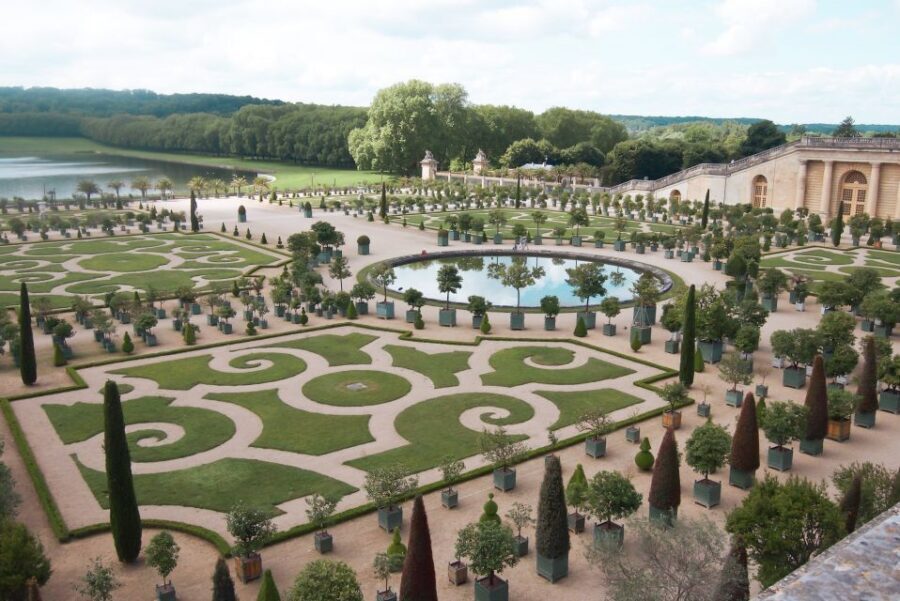
One practical caution: the pass gives you the palace experience, but you may still want to check what you’re expecting beyond the palace itself. There’s at least one reported mismatch about the gardens not being covered in the way some people assumed—so verify your plan in advance.
4-day Paris plan: a smart art route that actually fits daylight
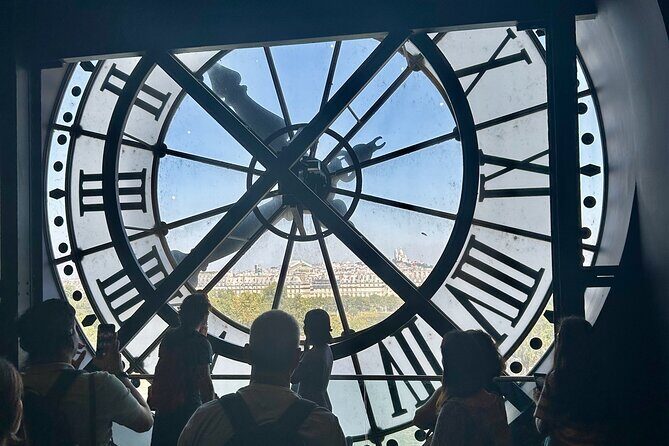
A 4-day pass is where this product starts feeling like a machine. You can hit the major institutions and still breathe between them.
Day 1: Louvre + a nearby historic stop
Use Monday for Louvre (9am–6pm, closed Tuesday). Add one timed/nearby site like Conciergerie (9:30am–6pm) if you have the stamina.
Day 2: Orsay + Rodin (avoid Monday closure)
Musée d’Orsay is closed Monday, open 9:30am–6pm. So start your art-heavy day on Tuesday (or Wednesday if your schedule is different). Add Musée Rodin (10am–6:30pm, closed Monday) on the same general side of the city.
Rodin is ideal if you want something a little different from the grand, “big museum” vibe. It’s also a nice reset: you can slow down, wander, and still feel like you did something culturally serious.
Day 3: Pompidou and modern energy
Centre Pompidou runs 11am–9pm and is closed Tuesday. If you need a modern anchor, that’s your day. Just remember: your pass covers permanent collections here too, so for temporary exhibits you might need extra tickets depending on what’s on.
Day 4: Orangerie + finish strong
Musée de l’Orangerie is open 9am–6pm and closed Tuesday, and it requires a free time slot. It’s a great way to end because it’s art-forward but not a “walk until you fade” marathon.
6-day plan: where you start enjoying museums instead of surviving them
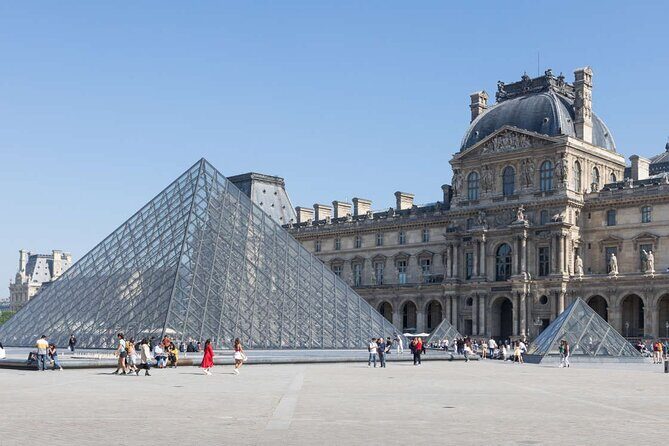
Once you’re on a 6-day rhythm, you can spread your museums across neighborhoods and add specialized stops that make Paris feel like Paris.
Here’s the advantage: you stop treating museums like checkboxes. You can pair sites that make sense together by theme or geography, then leave time for cafés, walking, and that feeling of wandering into the right street at the right time.
Add a “special interest day”
Your pass includes lots of focused museums that don’t always make the top tourist list, but they’re perfect for depth:
- Musée Picasso-Paris (9:30am–6pm, closed Monday): a clear Picasso fix
- Musée du quai Branly – Jacques Chirac (10:30am–7pm, closed Monday): arts and cultures beyond Europe
- Musée de Cluny (9:30am–5:45pm, closed Monday): medieval life and objects in a calm setting
- Musée de l’Ordre de la Libération (10am–6pm): history you can actually look at calmly
Add a “small time” day
Your pass also includes shorter visits that are great when you’re tired:
- Pantheon (10am–6:30pm, 1 hour)
- Musée de l’Air et de l’Espace (10am–5pm, 1.5 hours, closed on Mondays per the data)
- Arc de Triomphe (10am–10:30pm, 1 hour)
These fit like puzzle pieces when you don’t want a full museum day.
Entering the Louvre: what the reservation covers and how to use it well
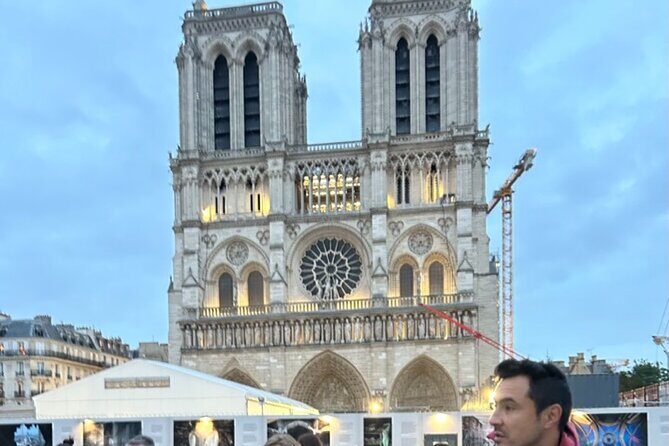
The Louvre is the big one. Your pass includes admission to the permanent collection, but you still need a free time-slot reservation.
A few tips that make this easier in real life:
- Arrive early. One of the best practical pieces of advice: get there about 30 minutes before your slot so security and entry don’t slice your museum time.
- Expect lines anyway. The Louvre is the Louvre. Your time slot helps with the right bottleneck, but it doesn’t dodge the reality of security.
Louvre opening is 9am–6pm, closed Tuesday. So if your pass includes Tuesday, don’t plan on the Louvre that day.
Versailles: palace priorities, and the one thing to verify
Versailles is open 9am–6:30pm, closed Monday, and your pass includes palace admission with a free reservation.
The palace itself is the star. If you plan your day around the palace highlights and don’t overbook yourself, you’ll be happier. One caution based on real-world experience: some people expected the gardens to be included in the way they assumed, then were surprised they had to purchase extra. So if gardens matter, check what your pass covers before you arrive.
Orangerie and Sainte-Chapelle: two timed stops that shape your whole day
These two are the reason you should take your scheduling seriously.
Musée de l’Orangerie
- 9am–6pm
- closed Tuesday
- 1 hour
- free time-slot reservation required
It’s compact, and that’s the point. It works well as a close-to-end-of-day stop when you want art that won’t drain your remaining energy.
Sainte-Chapelle
- 9am–5pm
- 1 hour
- reservation required
Sainte-Chapelle is one of those sights where timing matters because the best photos and calm viewing depend on when you enter. Since the pass requires a time slot, you can set your day around it instead of hoping.
Orsay, Rodin, and Arc de Triomphe: building a day that feels like a movie
This trio is a great example of how the pass lets you build a “Paris feel” rather than just a museum list.
- Musée d’Orsay: 9:30am–6pm, closed Monday
- Musée Rodin: 10am–6:30pm, closed Monday
- Arc de Triomphe: 10am–10:30pm, 1 hour
A smart approach is to do your art day earlier (Orsay + Rodin) while you’re fresh, then aim for Arc de Triomphe later. Even with the pass, you’ll want time for security checks and walking.
And if you hear about closures due to special events in Paris, don’t ignore it. One documented disappointment involved not being able to enter Arc de Triomphe because of event activity. That doesn’t mean it’s always an issue, but it does mean you should check entry status on the day.
Pompidou and the permanent-collection question
Centre Pompidou is 11am–9pm and closed Tuesday, with permanent collections included by the pass.
But here’s the reality check: some people ran into confusion when they reached the museum, especially around what was included vs. what required extra. The safest move is to head in knowing your pass covers the permanent collection. If you want a specific temporary exhibit, verify pricing separately at the museum entrance or in your booking details.
Beyond the big names: specialized museums that make the pass feel worth it
This is where you can turn a “ticket deal” into an actual trip.
Musée Picasso-Paris
Open 9:30am–6pm, closed Monday, 1 hour. It’s focused and efficient. Great when you want a single artist without the overwhelm.
Musée du quai Branly
Open 10:30am–7pm, closed Monday, 1.5 hours. This pairs well with a “think different” day, when you’re ready for something beyond the usual European canon.
Musée de Cluny
Open 9:30am–5:45pm, closed Monday, 1 hour. If you’re into medieval Paris, it’s the kind of stop that gives you texture without consuming your whole day.
Musée d’Art et d’Histoire du Judaïsme
Open 11am–6pm, closed Monday, 1 hour. Another focused stop if you want cultural stories tied to places, objects, and lived experience.
Sacred Paris and classic monuments: Pantheon, Conciergerie, and Notre-Dame crypt
Some people buy museum passes only for the museums. But Paris also rewards you for the “history in stone” stops.
- Pantheon: 10am–6:30pm, 1 hour
- Conciergerie: 9:30am–6pm, 1 hour
- Archeological Crypt of the Parvis of Notre-Dame: 10am–5:45pm, 30 minutes, closed Monday
These are excellent when you want variety in your day. You can do a museum in the morning, then shift to monuments in the afternoon. It reduces fatigue and keeps the city from blurring.
Invalides, the Dome, and the Arc light show option
If you like history you can see with your own eyes, Les Invalides area is a solid pick.
- Musée de l’Armée des Invalides: 10am–6pm, 1 hour
- Le Dôme des Invalides (Napoleon’s tomb): 10am–6pm, 45 minutes
Then, if the day still has energy, swing back toward Arc de Triomphe (open late, 10am–10:30pm). This can become your “evening views” plan, especially if you build your day around later opening times.
Architecture stops and quick hits when you’re running short on time
Your pass includes several mid-size or shorter-duration entries that work as glue between major sites:
- L’Hotel de la Marine: 10:30am–7pm, 1 hour
- Archeological Crypt: 30 minutes
- Pantheon: 1 hour
- Musée Rodin (shorter entry rhythm possible): 1.5 hours
Use these as breathing points. If you overplan, the pass can turn into a sprint. If you use it as a toolkit, you can keep your trip fun.
Day trips included: Versailles isn’t the only “royal” option
The pass also lists châteaux and nearby cultural sites beyond Paris. These are where a 4- or 6-day pass really starts to feel justified.
A few examples from the included lineup:
- Chateau of Champs-sur-Marne: 10am–5pm, closed Tuesday
- Chateau de Chantilly: 10am–5pm, closed Tuesday
- Chateau de Fontainebleau: 9:30am–5pm, closed Tuesday
- Chateau of Rambouillet: 10am–5pm, closed Tuesday
- Chateau of Vincennes: 10am–5pm, 1.5 hours
Also note: some entries are marked temporarily closed in the pass list (for example, a couple of specific museums/châteaux show that status). So if one of those is a must for you, don’t count on it blindly—double-check close to your visit.
Wait times and line skipping: what it helps, and what it can’t change
This pass is built for speed: it gives you a way to reduce time spent at the “getting in” stage, and the value shows up when you’re trying to visit a lot.
But two things still happen:
- Security checks are mandatory at museums.
- During high season, additional wait times may occur, especially at the Louvre, Musée d’Orsay, Sainte-Chapelle, and Musée de l’Orangerie.
So I’d treat this as a “less hassle” tool, not a magic wand. When you plan your day around your time slots and still give yourself a cushion, it feels great.
The human help factor: Rachid and fast support
One of the most praised parts of this experience is the help desk. I don’t love relying on a website when Paris is involved. So I like that this provider includes real assistance and that Rachid (and colleagues) can help schedule time slots and answer questions.
Even better, support came in handy for last-minute reservation needs when standard museum scheduling was hard due to timing constraints. That’s the kind of backup you want when your travel days don’t line up neatly with museum websites.
Who should book this pass (and who should think twice)
You’ll likely love it if:
- You want to see multiple major museums in a short window.
- You’re okay planning around closure days and time-slot requirements.
- You like the idea of having options so you can adjust your route as the day unfolds.
You might want to skip it (or at least compare ticket prices) if:
- Your schedule is only 1–2 museums total.
- You’re hunting specific temporary exhibitions at several museums.
- You don’t want to reserve time slots for key sites like the Louvre and Sainte-Chapelle.
Also, if you’re traveling with kids: one report notes that a free under-19 policy may depend on European residency. So don’t assume a free ticket automatically—check before you count on it.
Should you book the Paris Museum Pass?
Book it if your trip includes serious museum time and you’re aiming to stack sights efficiently. For me, the win is the combo of free timed reservations for the hardest entries plus priority-style access that saves hours.
But only buy if you’re willing to do one simple thing: plan around closures and reserve the big time slots you need. If you do that, the pass stops being a ticket product and becomes a trip organizer—one that keeps your days moving.
If you’re unsure, price out the likely “core” you’ll visit (Louvre, Orangerie, Versailles, Sainte-Chapelle, plus 1–3 more). If that total is close to or higher than the pass, you’re probably making a good call.
FAQ
How many days is the pass valid for?
You can choose 2, 4, or 6 days. The pass is valid for consecutive calendar days, starting from the first day of use.
Do I get access to temporary exhibitions?
The pass includes admission to permanent collections. The data provided does not claim blanket coverage for temporary exhibitions.
Which attractions require a free time-slot reservation?
A time-slot reservation is required for the Louvre Museum, Palace of Versailles, Musée de l’Orangerie, and Sainte-Chapelle. These reservations are free of charge.
What are the opening days for the Louvre and Versailles?
The Louvre is closed on Tuesday. The Palace of Versailles is closed on Monday.
What time should I plan to start?
The meeting point/start time is listed as 9:00 am.
How do I receive the pass?
You’ll receive your museum pass by email about 24 hours before your activity date.
Is the audio guide included?
No. An audio guide is not included, but you can book one at the museum.
Is food included?
No. Food and drinks are not included.
Does the pass help with lines?
Yes in the sense that it’s designed to speed entry and reduce queue time at major stops. You should still expect security checks and possible extra waits at busy times.
Can I cancel for free?
Yes. You can cancel up to 24 hours in advance for a full refund.