REVIEW · PARIS
Paris: Private Walking Guided Tour of City’s Highlights
Book on GetYourGuide →Operated by TOUR FRANCE EXPERIENCE · Bookable on GetYourGuide
Paris is easier when someone points the streets out. This private 3-hour walk is built for a first-time feel of the city centre, with your own guide steering you through the big names and the calmer side lanes. I like that you get a real private walking guide (not a crowd script), and I also like the focus on the Île de la Cité / Notre-Dame area, which is where Paris suddenly makes sense.
One heads-up: this is a highlights-and-orientation tour, not an all-day museum plan. Entrance tickets aren’t included, so if you want inside visits, you’ll either need to buy tickets separately or decide to prioritize views and exteriors during the walk.
In This Review
- Key Things I’d Book This For
- Starting on the Parvis Notre-Dame: getting Paris in focus fast
- Île de la Cité and Notre-Dame area: where the city starts making sense
- Louvre exterior and Place de la Concorde: seeing Paris’s big “geometry”
- How your guide can shape the walk: Champs-Élysées, Opera Garnier, and beyond
- Off-the-beaten-track time: galleries, flea market vibes, and antique hunting
- What “private” really buys you in 3 hours
- Price and value: is $264 per person worth it?
- What to do with your free agenda power
- Who this tour suits best (and who should skip it)
- Should you book this Paris Private Walking Guided Tour?
- FAQ
- How long is the Paris private walking tour of city highlights?
- Where does the tour start?
- Is this a private tour or a group tour?
- What is included in the price?
- Are entrance tickets included?
- Is transportation included?
- What languages are available for the live guide?
- What sights are included or expected on the tour?
- Can I change the itinerary based on my interests?
- What’s the cancellation policy and can I pay later?
Key Things I’d Book This For
- Private pace you control: set your agenda and move at your own rhythm.
- Notre-Dame and Île de la Cité orientation: a strong starting point for understanding how central Paris works.
- Louvre exterior + Place de la Concorde: two classic sights that help you grasp the city’s layout.
- Flexible swaps: Champs-Élysées, Opera Garnier, Orsay/Others, the Marais—depending on your interests.
- Off-the-beaten-track time: lesser-known areas can replace the obvious tourist loop.
Starting on the Parvis Notre-Dame: getting Paris in focus fast
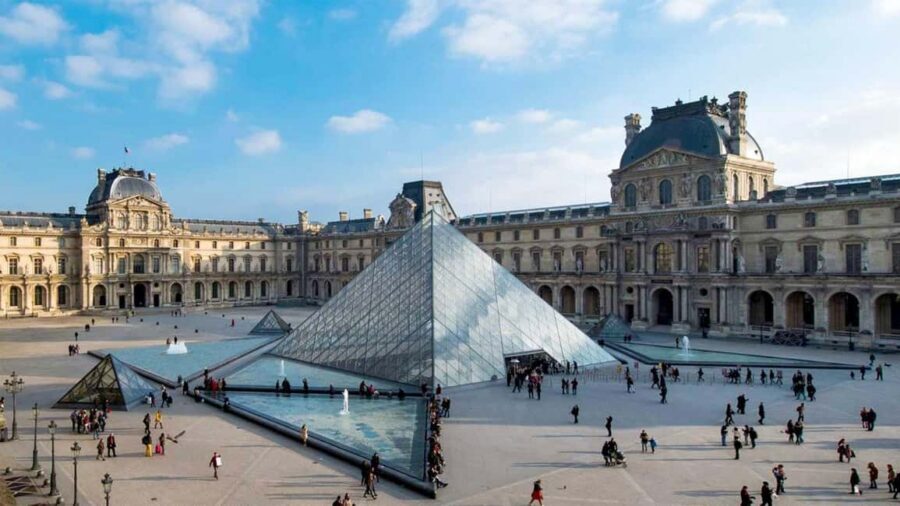
I love how this tour starts in the one place that instantly anchors central Paris. You meet at 7 Parvis Notre-Dame – Pl. Jean-Paul II (75004). That’s not just a convenient pin on a map. It’s the logical beginning if your goal is to understand why the city’s major sights are where they are.
From the start, the private format matters. You’re not stuck waiting for a line of strangers to cross a street. You’re also not hearing the same monologue repeated to every person in every group. Your guide can adjust the pace based on what you’re looking at—church details, building facades, street patterns, and the little visual cues that help you navigate later.
The guide also brings multilingual support. The tour runs with a live guide in English, French, Spanish, German, Italian, Chinese, Portuguese, Russian, and Japanese. That’s genuinely helpful if you want to ask questions and actually get answers, not just nod along.
You can also read our reviews of more walking tours in Paris



Île de la Cité and Notre-Dame area: where the city starts making sense
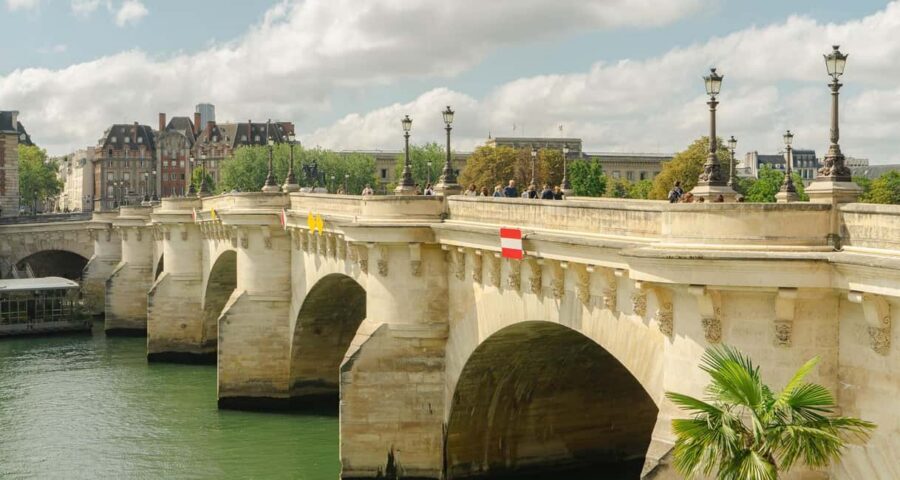
If you only do one thing in Paris, do it here—at least in terms of orientation. The tour is designed to show you the Cathedral Notre-Dame area and the Île de la Cité district, which is central to Paris’s story and layout. Even if you’ve seen photos, nothing matches the real thing when you’re standing nearby and seeing how the streets feed into the island.
In a tour like this, the real value isn’t just the view. It’s what you learn to notice. One of the best bits from the feedback I saw: guide Erwan was praised for explaining gates, buildings, and pictures clearly. That kind of guidance changes how you experience the area. You don’t just look at stone. You understand what you’re looking at, and you start connecting streets to the monuments they lead to.
There’s another practical bonus. Île de la Cité is a natural navigation anchor. Once you’ve walked it with context, the rest of central Paris feels less like a random collage and more like a connected map.
Louvre exterior and Place de la Concorde: seeing Paris’s big “geometry”
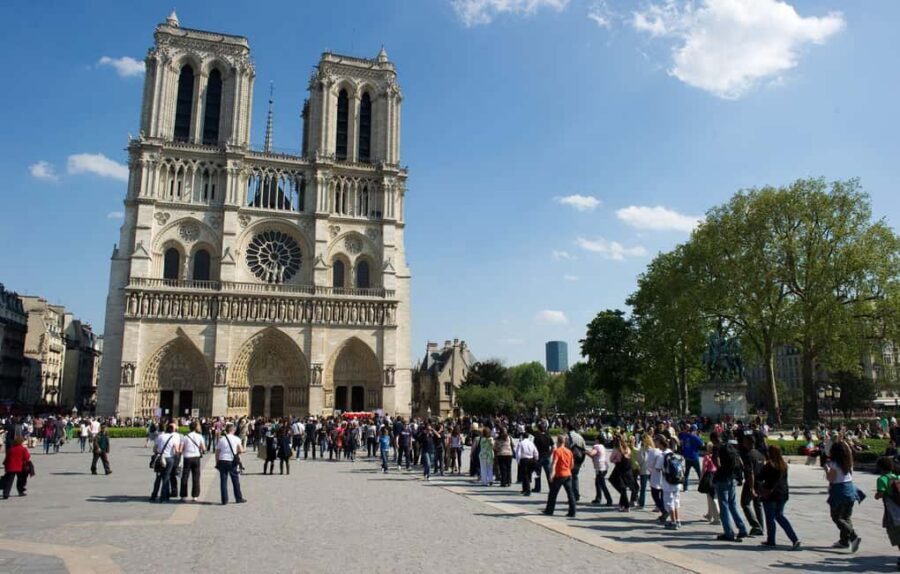
After the Notre-Dame area, the tour’s momentum shifts toward the classic “great avenue” Paris. You’ll explore the Louvre exterior and Place de la Concorde, both of which help you read the city in broad strokes.
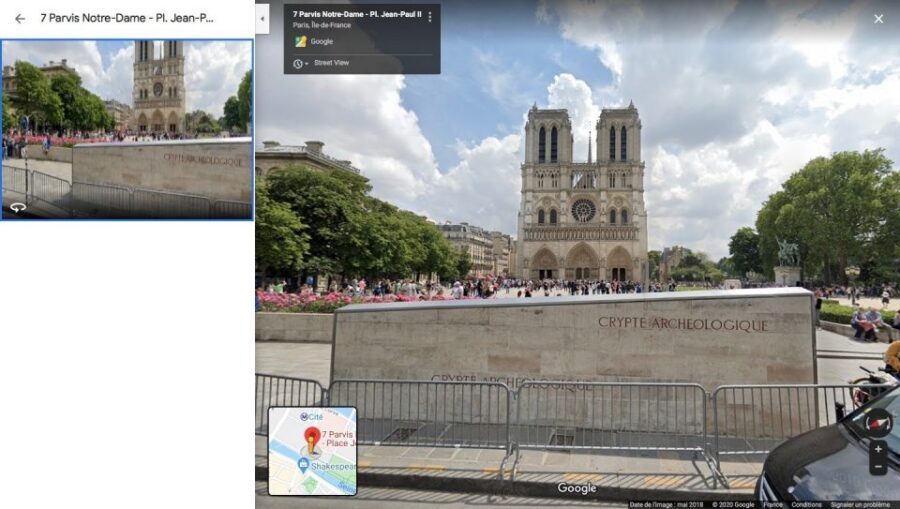
The Louvre exterior is a big landmark, even when you’re not going inside. It teaches you a key Paris skill: how to spot scale. The buildings don’t just sit there; they frame perspectives and control the feel of the surrounding blocks. From a walking tour perspective, exterior time is also efficient. It lets you enjoy the sight without spending your limited 3 hours in ticket lines.
Then comes Place de la Concorde, a place that’s all about open space and sightlines. If you’ve ever felt overwhelmed by Paris’s wide boulevards, this kind of stop is calming. It’s a visual reset. You can stand back for a moment, see the layout, and understand how routes connect across the city centre.
One consideration: since entrances aren’t included, you’ll want to be honest with yourself about what you care about most. If you dream of spending time inside the Louvre, this tour may not be your one-and-only plan. Think of it as your bearings trip, then build from there.
How your guide can shape the walk: Champs-Élysées, Opera Garnier, and beyond
This is a private tour, so it can behave like a customized city lesson. The experience notes that you can set your own agenda and decide what to see at your pace. It also points out that guides can structure the route around your interests, with options like covered galleries and different central districts.
In practice, this means you might spend your time on:
- Champs-Élysées (mentioned as a possible stop)
- the Opera Garnier district (also referenced)
- the Marais (including dramatic streets and squares that reward slow walking)
The helpful part is that the tour isn’t trapped in one fixed checklist. The description even suggests that if you want something not specifically mentioned, you can suggest it when booking. That’s a big deal for a city like Paris, where the best plan depends on your moods—art day, architecture day, or just wandering-with-purpose day.
One more useful thread from the tour info: some previous versions have included sights like the Eiffel Tower and the Orsay Museums area. That doesn’t mean every departure will hit everything, but it tells you the guides can build a route that touches multiple “must-see” clusters without making your afternoon feel rushed.
Off-the-beaten-track time: galleries, flea market vibes, and antique hunting
Paris has a tourist face. It also has a street-level face. One reason I like this tour format is that it explicitly makes room for the less obvious side.
You may be steered toward “off the beaten track” areas, including:
- covered galleries and an easy walk through a more 19th-century feel
- Saint Ouen for the flea market style of browsing
- antique shops for bargain hunting
- the Marais, beyond the postcard basics
Even if you don’t plan to buy anything, this is valuable. It turns your walk into something you can repeat later without a guide. Once you’ve seen how neighborhoods shift—from polished grand squares to smaller streets with character—you stop treating Paris like one long monument parade.
Also, these detours make the tour more than a photo session. They give you a sense of daily life texture. And on a 3-hour schedule, that balance is hard to get any other way.
You can also read our reviews of more guided tours in Paris





What “private” really buys you in 3 hours
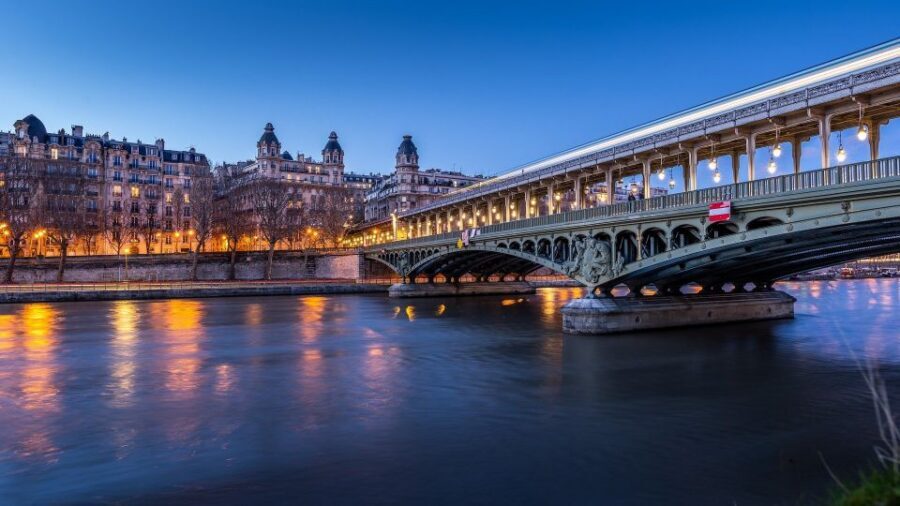
Three hours doesn’t sound long—until you’re walking without friction. The private format is what lets you spend less time managing logistics and more time noticing details.
A few things that matter a lot with this style of tour:
- Your guide can slow down when something catches your attention and speed up when you’re ready to move.
- You can build around what you want: big monuments, neighborhood vibe, or a specific district focus.
- You’re not competing with a group’s time pressure.
In the feedback, I saw strong praise for guide performance and clarity. One person highlighted that guide Soazig led the tour very well. Another praised Erwan for explaining the visual elements clearly. When a guide is good at translating what you’re seeing into something you can remember, the whole experience feels worth it, even when the walk has to stay brisk.
There is a balance to keep in mind. One review was sharply negative about organization and friendliness. That kind of outlier doesn’t erase the value of the concept, but it does suggest you should pay attention when you confirm details with the provider and be prepared to adjust if the start feels off. In a private tour, the quality of the guide really is the product.
Price and value: is $264 per person worth it?
At $264 per person for a 3-hour private walking tour, the price sits in the “worth it if it matches your goals” zone.
Here’s how I’d judge the value:
You’re paying for:
- a guide who can tailor the route to your interests
- a private pace (fewer delays, more attention)
- an efficient highlights-and-orientation plan for central Paris
You’re not paying for:
- entrance tickets (not included)
- transportation (not included)
So this is best value when you’re trying to maximize learning and direction in limited time. If you already know you’ll spend your next day inside museums, then a guide who helps you map out the sights and understand the city structure can save you real effort.
If, instead, you want heavy museum time and lots of interior entrances, you may feel the price more than the content. In that case, combine this with additional plans you book separately, or choose a tour format that includes museum entry.
What to do with your free agenda power
The most practical advantage here is that you don’t have to accept a one-size-fits-all route. You can steer your afternoon toward what you actually care about.
Before you go, decide which style you want:
- Monument overview: Notre-Dame area, Louvre exterior, Place de la Concorde, and major boulevard views.
- Neighborhood mood: Marais wandering, smaller historic streets, and slower turns.
- Shopping browsing: covered galleries, Saint Ouen flea market energy, antique-window time.
When you make those decisions, you’ll get more from the guide’s explanations. For example, if you’re aiming for architecture and symbolism, ask questions as you walk. If you’re aiming for navigation, ask how the routes connect and where you should walk later on your own.
Private tours work best when you treat them like a conversation with a Paris expert, not like a moving checklist.
Who this tour suits best (and who should skip it)
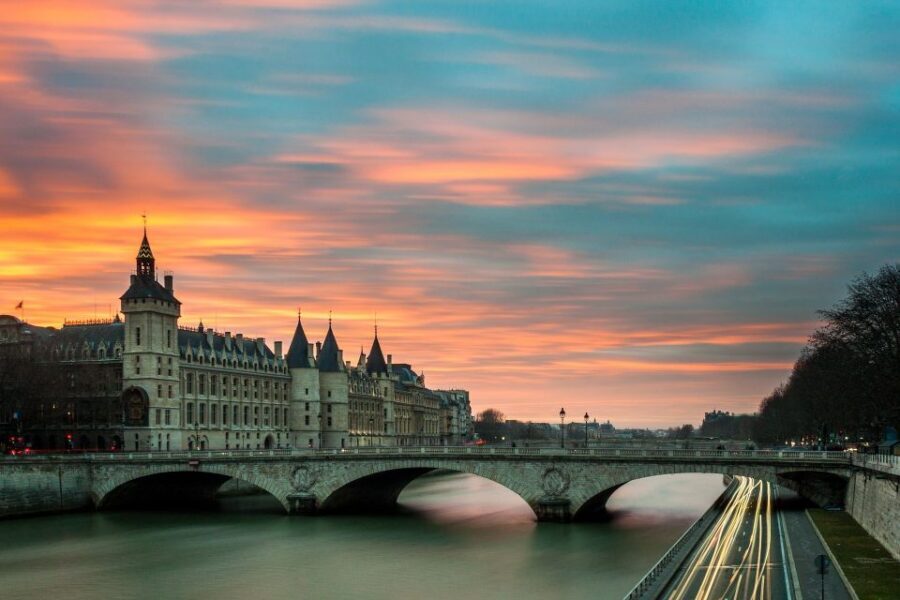
This tour fits best if you:
- are visiting Paris for the first time and want quick orientation through the city centre
- prefer a private guide and want flexibility instead of following a group schedule
- want to balance famous sights with lesser-known areas
- enjoy asking questions while you walk
It might not be ideal if you:
- only care about inside museum tickets and want guaranteed entry time (entrances aren’t included)
- want public transportation included in the price (transportation isn’t included)
- hate walking and need a more vehicle-based route (this is a walking tour by design)
Should you book this Paris Private Walking Guided Tour?
If you want an efficient, private, first-visit-style overview of central Paris—rooted at Notre-Dame, built around Île de la Cité, and reaching major sights like the Louvre exterior and Place de la Concorde—this is a strong match. The big win is the you-set-the-agenda flexibility, plus a guide who can explain what you’re seeing in a way that sticks.
I’d book it if your goal is clarity and direction more than museum time. I’d also book it if you’re drawn to the idea of pairing famous monuments with chances for side-street Paris, like Marais energy or a Saint Ouen flea market detour.
If you go, bring comfortable shoes and a short list of what you really want to prioritize. With that, the tour’s 3 hours can feel like a proper foundation for the rest of your trip.
FAQ
How long is the Paris private walking tour of city highlights?
It’s 3 hours.
Where does the tour start?
Meet your guide at 7 Parvis Notre-Dame – Pl. Jean-Paul II, 75004 Paris, France.
Is this a private tour or a group tour?
It’s a private group.
What is included in the price?
A private tour guide is included.
Are entrance tickets included?
No, entrance tickets are not included.
Is transportation included?
No, transportation is not included.
What languages are available for the live guide?
English, French, Spanish, German, Italian, Chinese, Portuguese, Russian, and Japanese.
What sights are included or expected on the tour?
You’ll see major Paris highlights such as the Cathedral Notre-Dame area, Île de la Cité, the Louvre exterior, and Place de la Concorde. The Champs-Élysées and other districts like the Opera Garnier area and the Marais are also referenced as possible highlights depending on how the route is structured.
Can I change the itinerary based on my interests?
Yes. You can set your own agenda and decide what to see at your own pace, and you can suggest places not mentioned when booking.
What’s the cancellation policy and can I pay later?
Free cancellation is available up to 24 hours in advance for a full refund, and you can reserve now and pay later.