REVIEW · PARIS
Paris Pastry Class with Ferrandi Chef at Galeries Lafayette Paris
Book on Viator →Operated by Galeries Lafayette Haussmann · Bookable on Viator
Paris has a lot of temptation. Pastry class is one of them.
A Ferrandi-trained chef in the Galeries Lafayette setting turns that temptation into something practical: you’ll learn how classic French desserts are built, not just how they taste. Recipes can shift with the seasons, so the class stays fresh, even if you’ve studied desserts before.
What I like most is the focus on hands-on technique and the chance to nail details you usually only notice after you fail at home. I also love the small group size of up to 6 travelers, which makes it easier to get real feedback instead of watching from the sidelines.
One drawback to plan around: access is strict—if you’re more than 10 minutes late, entry can be refused, and the menu can change with the season.
In This Review
- Key highlights you’ll feel during the class
- A Ferrandi Paris pastry class you can actually use at home
- Your 2-hour rhythm: what typically happens from arrival to tasting
- What you may bake: classic French desserts plus seasonal twists
- The chef teaching style: technique, not just recipes
- Location at Galeries Lafayette Haussmann: easy access, strict timing
- Group size and language: you’ll get more than a generic demo
- Price value: what $150.49 buys you in Paris baking time
- Who should book this pastry class
- Should you book this class?
- FAQ
- How long is the Paris Pastry Class at Ferrandi?
- Where do I meet for the class?
- What’s included in the price?
- What desserts will we make?
- What languages is the class taught in?
- Is there a minimum age?
- What happens if the class is canceled or I need to cancel?
Key highlights you’ll feel during the class
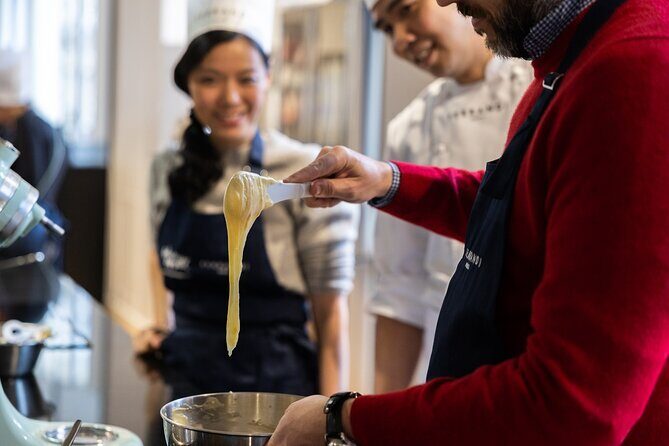
- Ferrandi chef-led instruction focused on making French desserts correctly, not guesswork
- Up to 6 people, so you can ask questions and get course-correcting tips
- Seasonal recipes, so what you make may vary while the skill set stays consistent
- A gourmet snack at the end, so you eat what you make (no waiting for another meal)
- English and French instruction, which helps if your French is getting rusty
- Galeries Lafayette location in the 9th, right in the center of Paris action
A Ferrandi Paris pastry class you can actually use at home
If your goal is to improve your baking, this style of class makes sense. You’re not just standing around while someone talks. You’re working with the chef on French pastry methods—then you get to taste the result.
The biggest value here is the Ferrandi connection. Ferrandi is a real culinary school brand in France, and that shows in how the session is structured: you learn technique first, then apply it. That matters if you’re trying to recreate something like a Paris-Brest or millefeuille later, because the magic is in the process—texture, timing, and consistency—more than in fancy ingredients.
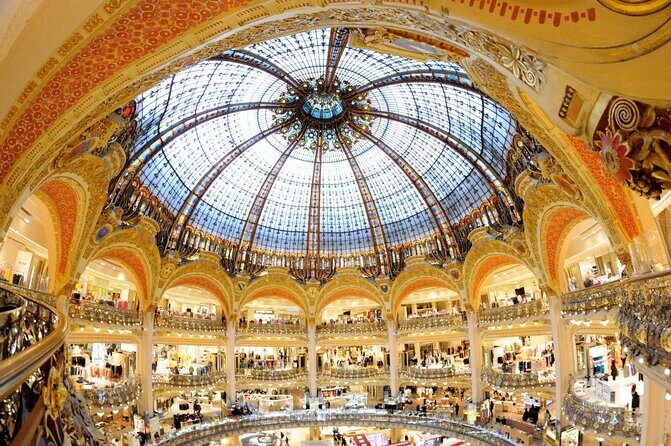
I also appreciate the setting: Galeries Lafayette Haussmann is a landmark address. Even if you don’t care about shopping, it’s a practical meeting point near public transportation. You’ll spend your energy on the class, not on getting to the right neighborhood.
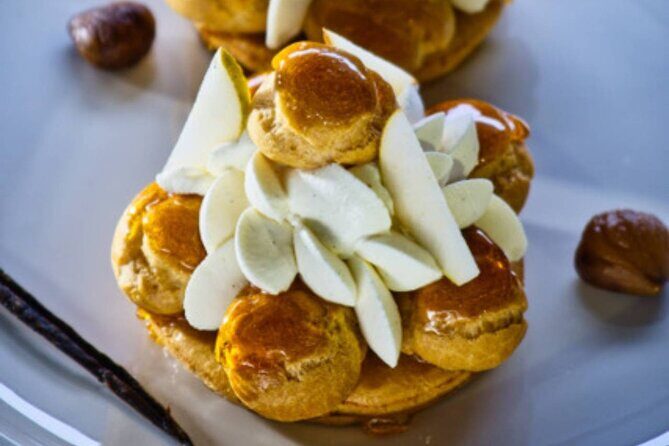
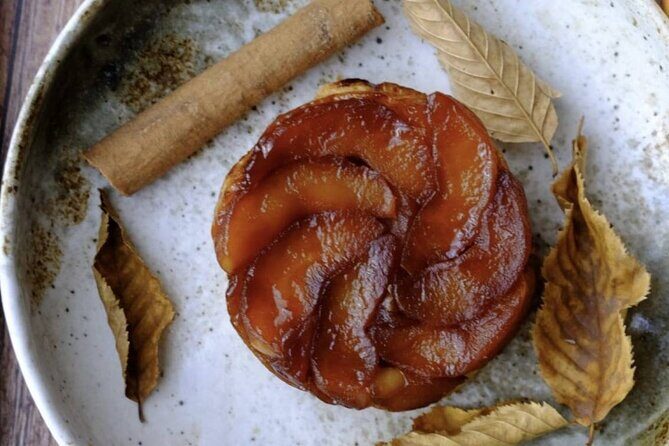
And yes, you’ll still get your Paris fix. The course is basically dessert-focused: examples mentioned include Hazelnut Paris-Brest, Pear Almond Tart, Strawberry pie, and Millefeuille with vanilla. Since recipes change with the seasons, you should treat those as the kind of classics you’ll be learning—not a guaranteed menu for every date.
You can also read our reviews of more tours and experiences in Paris

Your 2-hour rhythm: what typically happens from arrival to tasting
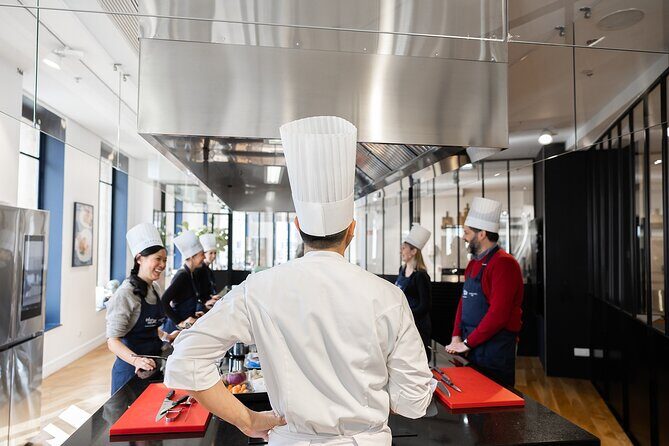
This is a short class by design—about 2 hours—so the schedule is built for momentum. You’ll meet at 35 Bd Haussmann (Paris 9th), then settle in with the chef and your small group. The class is designed to move from instruction to doing, without wasting time.
Here’s how to think about the flow:
1) Set up and chef direction
You’ll get the core method from the Ferrandi professional. Even when recipes shift seasonally, the technique categories stay similar: pastry dough or pastry components, filling, assembly, and the finishing steps that set the final texture.
2) Hands-on baking work
This is where the class earns its keep. Expect to do the tasks—mixing, shaping, filling, assembling—based on what the chef is demonstrating. The small group size is what makes this realistic; with only up to 6 people, you’re more likely to get direct feedback.
3) Gourmet snack and tasting
At the end, you sit down to enjoy what you made. That’s a big plus. Many cooking classes teach you something but then you eat later, somewhere else, or you’re left hungry. Here, the gourmet snack is part of the experience.
One small practical note: alcohol and soda/pop aren’t included. If you want a drink with dessert, plan to grab it nearby before or after.
What you may bake: classic French desserts plus seasonal twists
The class description leans hard into French pastry classics. You may learn to make things like Hazelnut Paris-Brest, Pear Almond Tart, a Strawberry pie, or Millefeuille with vanilla. The wording about seasonal change is important: the chef may adjust the recipe based on what’s available, which keeps flavor fresh but also means you shouldn’t bank on a specific dessert name for every date.
So what’s the value even if the exact pastry changes?
French pastry skills transfer. Whether the fruit is pear or strawberry, whether the base is one tart style or another, you’re training the same instincts:
- how the dough or pastry components should feel
- how fillings should be handled for proper set and texture
- how assembly affects the final slice or bite
If your plan is to impress someone at home with a specific dessert, you’ll still benefit. You just need to be ready to follow the chef’s seasonal version rather than demanding the exact same recipe you memorized online.
Also, since recipes can vary, the best way to get value is to treat the class like a technique workshop. Ask questions like:
- What makes this component succeed or fail?
- What should the mixture look like at key points?
- How do you know you’re ready for the next step?
Those answers are what help you later, when you’re shopping for ingredients in your own kitchen and the recipe inevitably differs slightly from your expectations.
The chef teaching style: technique, not just recipes
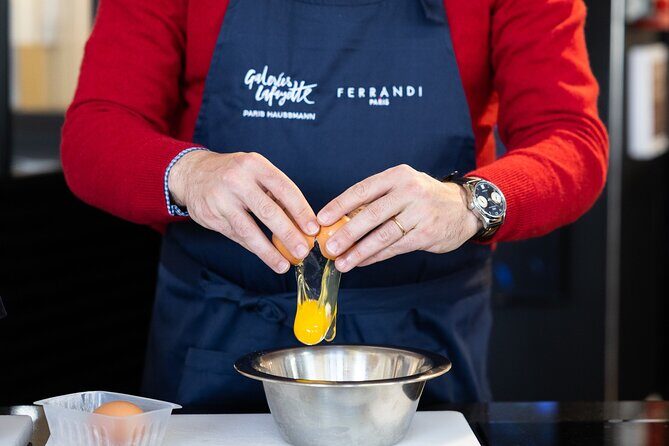
One standout detail from the experience is the quality of instruction. A named chef, Élyze, has been specifically praised for teaching with clarity and making sure you can replicate key pastry steps at home—like learning chou à la crème. That’s the kind of feedback that matters for you if you’re the type who wants results, not just entertainment.
Even if your chef isn’t Élyze on your date, this class is built around that same idea: you’ll leave with actionable knowledge. A Ferrandi-trained professional tends to focus on repeatable fundamentals—measurements, texture checks, and when to trust the process instead of forcing it.
Here are the tips you should actively watch for during the class:
- Texture cues: pastry is visual. If the mixture looks different, the result will too.
- Timing: pâte à choux, custards, and tart components all need the right moment to proceed.
- Assembly details: a dessert can taste great but collapse if it’s assembled wrong.
- Finishing touches: the last steps often determine whether it holds shape, slices cleanly, or turns soggy.
Because the group is capped at 6 travelers, you’re more likely to get personalized course-correction. That’s not just nicer—it’s practical. In baking, small errors compound fast.
Location at Galeries Lafayette Haussmann: easy access, strict timing
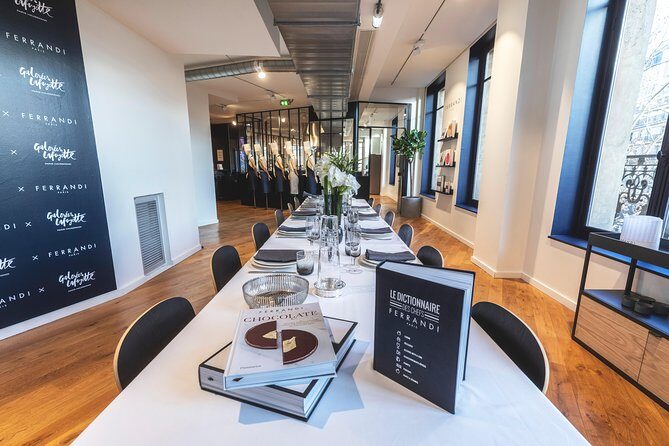
The meeting point is Galeries Lafayette Haussmann, 35 Bd Haussmann. That’s useful for two reasons: it’s central, and it’s easy to reach by public transportation.
The other reason is timing. The experience asks you to arrive 5–10 minutes early. If you arrive more than 10 minutes late, access may be refused. For a class that’s only about 2 hours, that makes sense. Nobody wants to lose half the session trying to catch up.
If you’re pairing this with other sightseeing, plan it like this:
- give yourself buffer time to get there
- don’t schedule the next thing right after the class ends
- treat dessert class as the main event
Also, it starts at 3:00 pm, and it ends back at the same meeting point. That helps you keep the rest of your afternoon simple.
Tip: since it’s a mobile ticket experience, have your phone charged and ready with the ticket pulled up. I’d rather deal with a quick tech check than rush in hungry and stressed.






Group size and language: you’ll get more than a generic demo
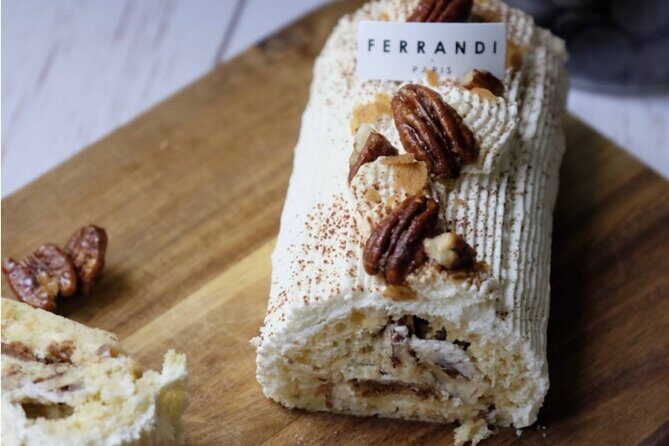
This class has a maximum of 6 travelers, which is rare for popular Paris activities. In practice, that means you can participate without feeling like you’re in a conveyor belt of tourists.
Language options are English and French. That’s valuable if you’re somewhere between beginner and intermediate. You can follow the main instructions without guessing, and if you’re comfortable in French, you’ll likely catch more nuance.
If you’re baking confidently, you’ll still benefit from hearing the reasoning behind steps, not just the steps themselves. If you’re nervous about pastry, this size helps because you can ask questions as you go.
Price value: what $150.49 buys you in Paris baking time
At $150.49 per person for about 2 hours, this isn’t the cheapest food activity in Paris. But it’s also not just a snack-and-a-story workshop. You’re paying for:
- a Ferrandi-school professional teaching format
- hands-on instruction (not just watching)
- a guaranteed snack of what you make
- a small group experience (max 6)
- a central Paris location that keeps logistics simple
For me, the value depends on your goal.
If you’re looking for an Instagram-friendly sugar hit, you might find cheaper dessert experiences. But if you want to take home skills—things you can recreate like chou à la crème techniques or tart structures—then $150.49 starts to feel reasonable for Paris.
The class is also commonly booked about 20 days in advance on average, which suggests it fills up. If you want a specific date, don’t leave it to the last minute.
Who should book this pastry class
This is a good fit if you:
- love French desserts and want more than tasting
- want a structured approach to baking classics
- prefer small groups and real back-and-forth with a chef
- want instruction in either English or French
- are planning a focused afternoon around food
It’s also a strong choice for families with older kids. The minimum age is 12, and anyone under 16 must be accompanied by an adult. (So yes, teenagers who actually want to cook can get a lot out of this.)
You might consider skipping if:
- you’re very late-prone (because entry can be refused if you’re more than 10 minutes late)
- you’re mainly looking for alcoholic pairings (none are included)
- you don’t want seasonal recipe uncertainty (your exact pastry name may change depending on the season)
If you’re on a tight travel schedule, this is still manageable. Two hours fits nicely between sightseeing blocks, as long as you keep time buffers.
Should you book this class?
Book it if your priority is learning French pastry technique in a small, chef-led format. The Ferrandi connection, the up-to-6 group size, and the included gourmet snack make it feel like a real food education—not a watered-down demo.
I’d pass if you want a guaranteed specific dessert every time, or if your schedule often runs late. Since recipes may change with the season and late entry can mean losing access, this works best when you’re willing to treat it like a class with a start time.
If you want a dessert memory in Paris that turns into something you can repeat later at home, this is a smart bet.
FAQ
How long is the Paris Pastry Class at Ferrandi?
It’s approximately 2 hours.
Where do I meet for the class?
The class starts at 35 Bd Haussmann, 75009 Paris, France.
What’s included in the price?
The class includes the French baking class and a gourmet snack.
What desserts will we make?
You can expect French pastry classics (examples like Hazelnut Paris-Brest or Pear Almond Tart are mentioned), but recipes may change with the seasons.
What languages is the class taught in?
The class is taught in English and French.
Is there a minimum age?
Yes, the minimum age is 12. Children under 16 must be accompanied by an adult.
What happens if the class is canceled or I need to cancel?
You can cancel for a full refund up to 24 hours before the experience’s start time. If the minimum number of participants isn’t reached, the provider may cancel and you’ll be reimbursed for the entire amount paid, and you may be offered another date or experience.