REVIEW · PARIS
Paris Wine Tasting Experience in Montmartre
Book on Viator →Operated by StellarTours · Bookable on Viator
If you like wine with a side of charm, this fits. This small-group tasting takes place in a classic Paris cellar just a short walk from Sacré-Cœur in Montmartre, and you’ll sample five wines (red, white, and sparkling) while learning how to see, smell, taste, and describe what’s in your glass. It’s hands-on, not stuffy.
What I love is how the sommelier keeps the explanations practical, so you’re not just drinking, you’re getting better at tasting. I also like the pairing—fresh bread and artisanal charcuterie are included, so the wines get tasted in a real-food context. One thing to consider: this is a tight one-hour experience, so if you want long, slow roaming time around Montmartre, plan a bit of extra sightseeing before or after.
In This Review
- Key things to know before you go
- In a Montmartre cellar, close to Sacré-Cœur
- What’s included: the tasting lineup and the food pairing
- Meet-up and the simple game plan
- Inside the cellar: how the sommelier turns wine into a skill
- 1) Seeing the wine
- 2) Smelling with purpose
- 3) Tasting and noticing structure
- 4) Describing what you feel
- The tasting order: why 2 reds, 2 whites, and sparkling work
- Food pairing: charcuterie and bread that aren’t just filler
- Buying bottles at the end (and shipping them)
- Price value: why $155 can make sense here
- Who this is best for (and who should skip it)
- Simple tips to get the most from your tasting
- Should you book this Montmartre wine tasting?
- FAQ
- How long is the Paris Wine Tasting Experience in Montmartre?
- Where does the experience start?
- What’s the price per person?
- What wines are included in the tasting?
- Is food included?
- Is the experience offered in English?
- Is hotel pickup or drop-off included?
- How big is the group?
- Can I cancel for a full refund?
Key things to know before you go
- Five pours, balanced across styles: 2 reds, 2 whites, and 1 sparkling white
- Food pairing is included: fresh bread plus assorted artisanal charcuterie
- You learn the mechanics of tasting: seeing, smelling, tasting, and describing wine like a pro
- Small group pace: maximum of 12 travelers, so questions get answered
- English-led experience: offered in English with a mobile ticket
- Optional purchases after: you can buy wines and champagnes, with worldwide shipping mentioned
In a Montmartre cellar, close to Sacré-Cœur
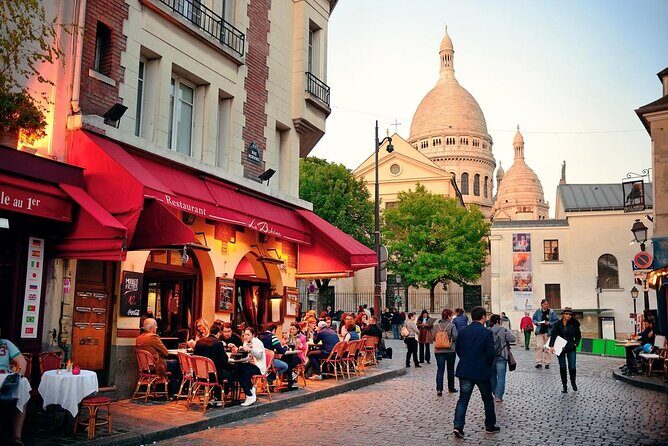
Montmartre has a way of turning an ordinary activity into something memorable. Even before you taste anything, you start in a real Paris wine setting—a cellar atmosphere that’s right in the neighborhood, just a few steps from Sacré-Cœur. That matters because wine tastings feel different when you’re not in a big retail room or a loud restaurant. In a cellar, the focus tightens.
The biggest practical perk is the format. This is one hour, and it stays intentional: you’re sampling a set lineup, you’re eating along the way, and you’re getting guidance from a sommelier. If you’re short on time in Paris (or you don’t want a “full afternoon tour”), it’s a smart fit.
You also get the “learn while you taste” approach. The sommelier isn’t there just to announce what’s in the glass—they’re there to help you understand how French wine works: wine regions, grape choices, climate and soil basics, and the techniques that shape the final flavor. You’ll leave with more confidence ordering wine later, which is one of the best souvenirs you can take home.
You can also read our reviews of more food & drink experiences in Paris



What’s included: the tasting lineup and the food pairing
You’ll taste five wines:
- 2 reds
- 2 whites
- 1 sparkling white
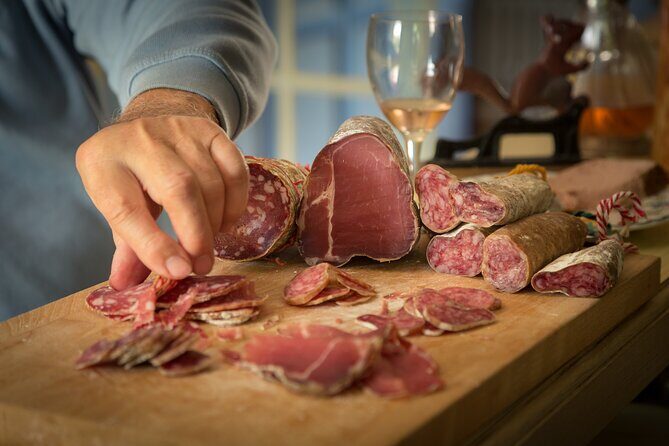
You also get snacks: assorted artisanal charcuteries and fresh bread. This pairing detail is not minor. Bread and charcuterie change how wine tastes. Fat, salt, and spice from cured meats can soften sharp edges in some wines and make fruit flavors pop in others. It turns the tasting into something closer to how wine is actually consumed in France—at least the “real life” version.
The lesson angle is built into the process too. You’ll practice tasting skills: how to look at wine, what to notice when you smell it, what to track when you taste, and how to put that into words. Even if you’re brand-new to wine, that structure helps you stop guessing and start noticing.
And yes, it’s interactive. The sommelier’s depth of knowledge is part of what people respond to—so expect discussion, questions, and explanations that connect the wine to the way it’s made.
Meet-up and the simple game plan
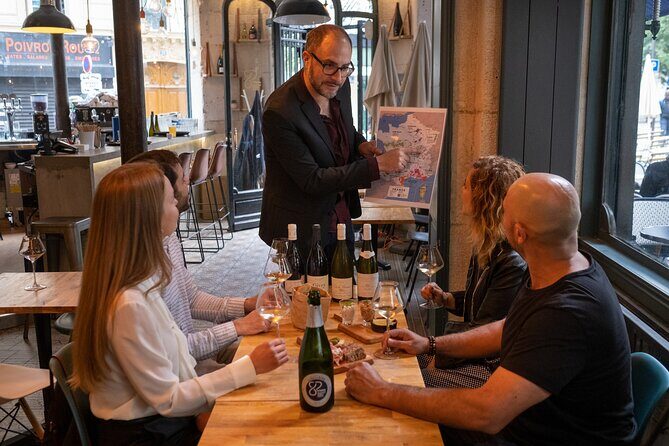
The meeting point is 6 Rue Tardieu, 75018 Paris. Your experience ends back at the same place, so you’re not worrying about transit or finishing somewhere inconvenient.
Because the tour is listed at about 1 hour, the timing usually feels like this:
1) You arrive and get settled.
2) You move into the cellar space.
3) You taste through the lineup (with food at the right moments).
4) You wrap up and can purchase bottles if you want.
There’s no mention of hotel pickup or drop-off, so plan to arrive under your own steam. The experience is noted as near public transportation, which is helpful if you’re pairing it with a Montmartre walk, a dinner reservation, or Sacré-Cœur time.
Inside the cellar: how the sommelier turns wine into a skill
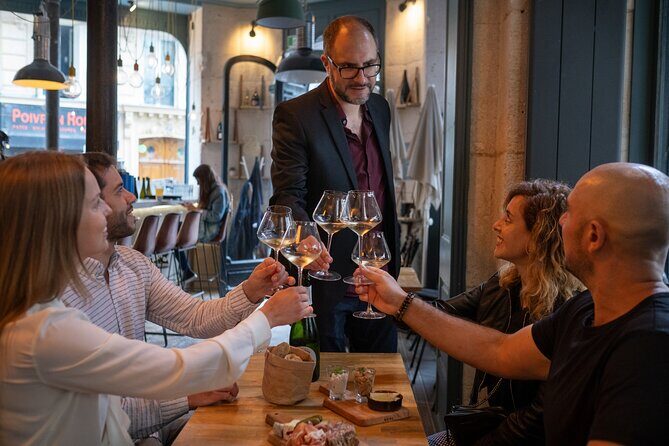
The heart of this experience is the sommelier-led tasting. The focus isn’t only on which bottles you’re trying. It’s on teaching you a method. That’s why the vibe tends to feel engaging instead of formal.
Here’s what that means for you in practical terms:
1) Seeing the wine
You’ll get prompted to look at the wine’s color and clarity. That sounds basic, but it helps you notice differences between reds and whites right away, and it gives you a quick way to describe what you’re drinking.
You can also read our reviews of more wine tours in Paris




2) Smelling with purpose
A lot of people swirl and then… hope for the best. The guidance you receive is meant to help you identify aromas systematically, rather than waiting for a miracle.
3) Tasting and noticing structure
When you taste, you’re meant to pick up on key elements: acidity, body, fruit, and how the flavors change as the wine sits on your tongue. This is where the food helps, because charcuterie and bread provide contrast.
4) Describing what you feel
Being able to describe wine doesn’t mean sounding fancy. It means having words for what you taste. That’s what makes the learning stick when you’re shopping later, or when you’re ordering at a café.
If you’re the type who likes to learn a “transferable skill” on trips, this is a big win.
The tasting order: why 2 reds, 2 whites, and sparkling work
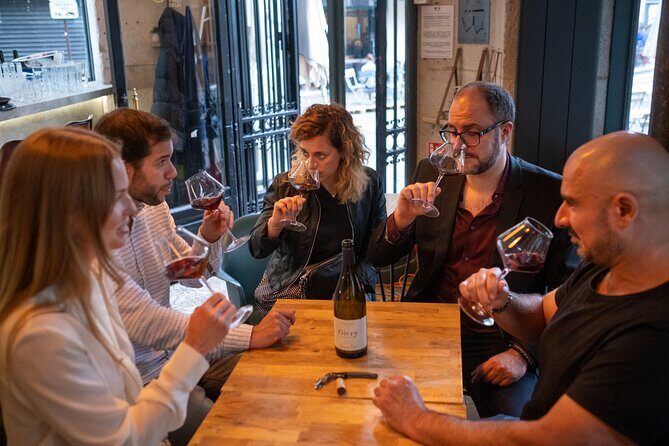
You’re sampling a spread: reds, whites, and sparkling. The lineup is built to give you variety without dragging the session out.
A good way to think about it:
- Whites usually let you focus on aroma and acidity. With bread and cured meat on the table, you can taste how the wine handles salty, fatty flavors.
- Reds then shift you into structure and fruit depth. The charcuterie pairing helps you notice balance—especially how the wine’s tannins feel.
- Sparkling white gives you a palate reset. It often helps you reframe what you liked about the still wines, because bubbles add brightness and texture.
Even if you can’t name every flavor you detect, you’ll still learn how the wines relate to each other. That’s what makes the tasting more than just five sips.
Food pairing: charcuterie and bread that aren’t just filler
Included snacks can sometimes feel like an afterthought. Here, bread and artisanal charcuterie are part of the point. You’ll nibble as the tasting progresses, so the wines don’t all taste the same.
Charcuterie brings salt and fat. Bread brings texture and neutrality. Together, they let you taste more clearly—especially for beginners who might find plain wine flavors too subtle on their own.
This is also a practical advantage. You’ll be in Montmartre, often walking around. Having food included keeps the tasting comfortable, and it helps you enjoy the experience instead of counting minutes until dinner.
Buying bottles at the end (and shipping them)
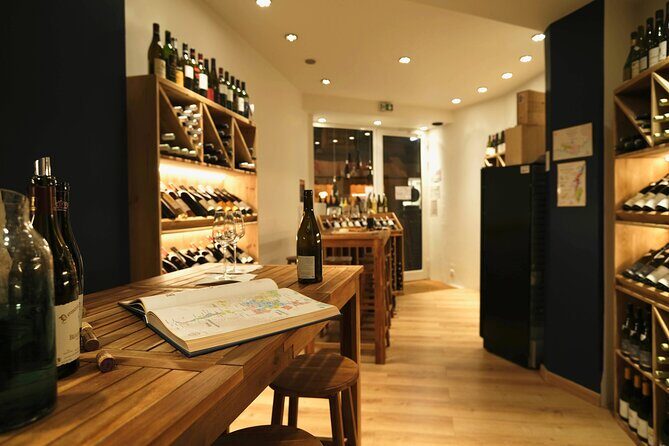
At the end of the experience, you can purchase wines and champagnes. The info also notes you can have bottles shipped worldwide.
That’s a nice option if you want to bring something home that’s tied to what you learned. Just keep expectations realistic: the buying portion is optional, and it’s better to treat it as a chance to match your new taste preferences to bottles you can actually enjoy again later.
Price value: why $155 can make sense here
At $155 per person for about one hour, you might wonder if it’s worth it compared with grabbing a glass of wine in a bar.
Here’s how I’d judge the value, using only what’s included:
- You’re getting five wines, not just a single pour or two.
- There’s a dedicated expert sommelier guiding the tasting with instruction.
- You’re also getting food (bread plus assorted artisanal charcuterie).
- The group size is limited to a maximum of 12, which usually means more interaction than big tastings.
If your goal is to learn something tangible—how to taste, how to describe, and how French wine choices connect to flavors—this format tends to feel fair. If your goal is only to drink casually, you could spend less. But then you’re giving up the coaching and the structured lineup.
Who this is best for (and who should skip it)
This experience is a strong match if:
- you want a short Paris activity that still feels meaningful
- you’re curious about French wine regions and how wine is made
- you want to learn tasting skills you can use later
- you like tastings that are small-group and discussion-friendly
It may not be ideal if:
- you’re hoping for a long Montmartre walking tour with lots of stops
- you only want free-form drinking with zero structured guidance
- you’re extremely price-sensitive and would rather self-guide
Simple tips to get the most from your tasting
A few practical moves make a difference:
- Eat something lightly before you go, but don’t expect the included food to replace a full meal.
- Go in with curiosity, not pressure. You’re learning a method, and you’ll get better as the tasting progresses.
- When the sommelier explains a wine, pick one idea to focus on (acidity, fruit, or how it changes with food).
- If you plan to buy bottles afterward, pay attention to what you enjoy most—not just what you think you should like.
Should you book this Montmartre wine tasting?
I’d book it if you want a compact, high-impact wine lesson in one of Paris’s most atmospheric neighborhoods. The combination of a small group, a sommelier-led learning approach, and the included bread and charcuterie makes it feel like more than a simple tasting flight.
I’d skip it if you’d rather do Montmartre at your own pace and keep costs low. This isn’t a “wander and graze” situation. It’s a focused hour where you taste, learn, and leave with better instincts for wine.
If that sounds like your kind of Paris evening, this one is a solid choice.
FAQ
How long is the Paris Wine Tasting Experience in Montmartre?
It lasts about 1 hour.
Where does the experience start?
The meeting point is 6 Rue Tardieu, 75018 Paris, France.
What’s the price per person?
The price is $155.00 per person.
What wines are included in the tasting?
You’ll taste 2 reds, 2 whites, and 1 sparkling white.
Is food included?
Yes. You’ll have fresh bread and assorted artisanal charcuterie as snacks paired with the wines.
Is the experience offered in English?
Yes, it’s offered in English.
Is hotel pickup or drop-off included?
No. Hotel pickup or drop-off is not included.
How big is the group?
The experience has a maximum of 12 travelers.
Can I cancel for a full refund?
Yes, you can cancel for a full refund if you cancel at least 24 hours before the experience’s start time.