REVIEW · PARIS
Paris: Pastry Class with Ferrandi Chef at Galeries Lafayette
Book on GetYourGuide →Operated by Galeries Lafayette Paris Haussmann · Bookable on GetYourGuide
Paris has a soft spot for pastry, and this class targets the skill, not the souvenir. You’ll work in the Ferrandi Kitchen at Galeries Lafayette, a real teaching space inside one of the city’s most famous department stores. In just 2 hours, you’ll get hands-on practice with classic French techniques and finish by eating what you made.
I love the small-group size (limited to 6), because you get faster, clearer help when something goes wrong. I also like that the class is focused on the core “how,” not just the “recipe,” with instructors teaching you the tricks behind items like millefeuille and Saint-Honoré.
One possible drawback: the lesson is short, and you won’t have time to slow down for every step. If you want a follow-along tool at home, note that some people wish there were more support like a video link for the recipe process.
In This Review
- Key things to know before you go
- Ferrandi Kitchen inside Galeries Lafayette: where you actually bake
- What recipes you’ll make (and what skills each one teaches)
- A 2-hour format that’s all about technique, not waiting around
- How the lesson flows inside the Ferrandi Kitchen
- The tasting: learning how to spot good pastry in real life
- What’s included (and what you’ll need to plan for)
- Meeting point and timing: the easy part if you arrive on time
- Language options and why small groups make a difference
- Price and value: is $153 per person worth it?
- Who this pastry class suits best (and who might feel the mismatch)
- Should you book this Paris pastry class?
- FAQ
- What is the duration of the Paris pastry class?
- How many people are in the class?
- Which languages are available?
- What recipes can I choose from?
- What’s included in the price?
- Are drinks included?
- Where do I meet the group?
- What do I need to bring?
- Are there age limits?
- Can I cancel, and how late?
Key things to know before you go
- Ferrandi Kitchen setup: You’ll bake in a well-equipped teaching kitchen at Galeries Lafayette
- Classic French recipes: Options can include strawberry pie, millefeuille with vanilla, and Saint-Honoré cake
- Taught in English or French: Choose your language for better understanding and faster feedback
- Hands-on time: About 1.5 hours of active baking, then a 30-minute tasting
- You leave with the method: You get an apron, chef’s hat, and the recipe to take home
- Budget reality check: Drinks aren’t included, so plan for water or bring an ID-based plan to buy one nearby
Ferrandi Kitchen inside Galeries Lafayette: where you actually bake
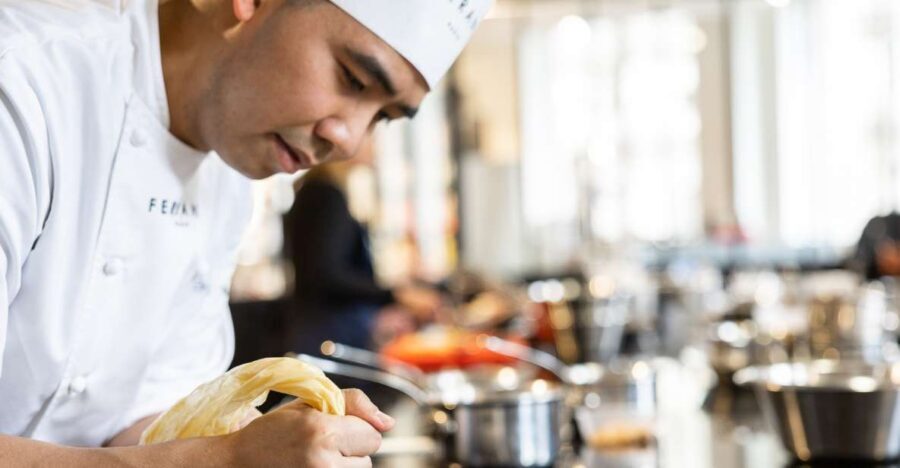
The setting matters more than most people think. Here, the class takes place on the 3rd floor at the Ferrandi Kitchen in Galeries Lafayette La Maison & Le Gourmet on Boulevard Haussmann. That’s a big deal because you’re not learning pastry in a random demo room. You’re in a place designed for serious food work, so your tools and workflow feel closer to what you’d do in a professional kitchen.
And yes, it’s in a department-store building. That mix can feel a little surreal—department store lights outside, pastry discipline inside. But it’s also part of the charm: you’re learning a traditionally technical craft while standing in one of Paris’s most iconic shopping locations.
You can also read our reviews of more tours and experiences in Paris

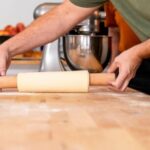
What recipes you’ll make (and what skills each one teaches)
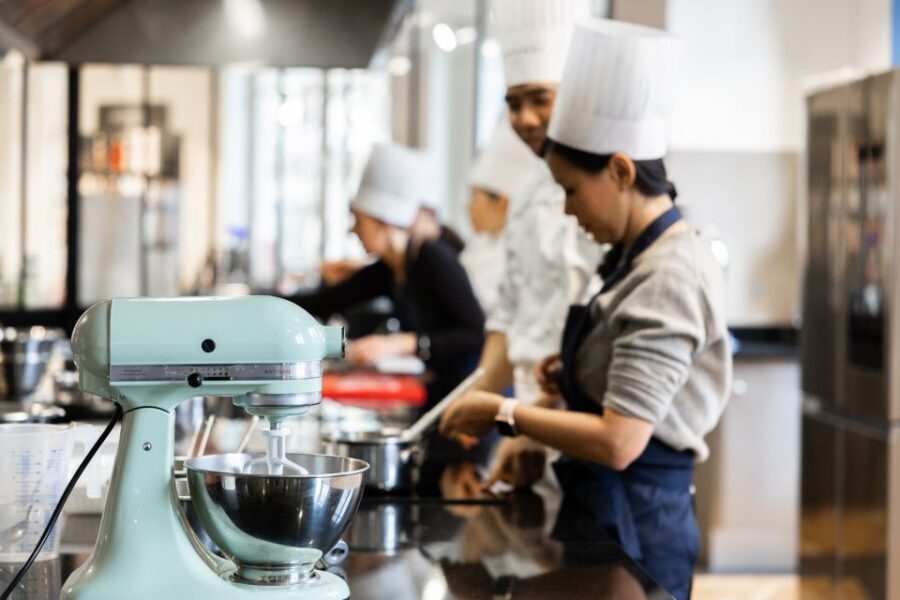
The class lets you choose among multiple recipes, typically including:
- Strawberry pie
- Millefeuille with vanilla
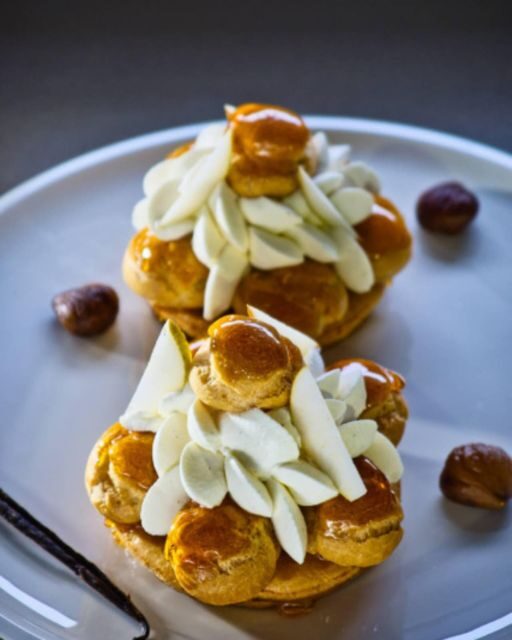
- Saint-Honoré cake
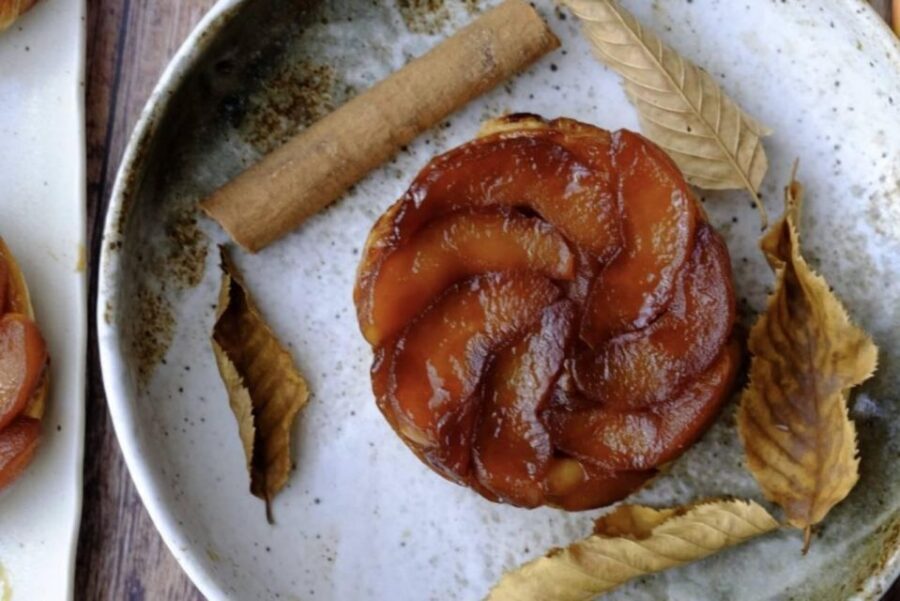
Even without seeing the full menu each time, you can think of these as a “skills lineup.” Strawberry pie is great for getting comfortable with pastry basics and texture control. Millefeuille pushes you toward layered construction and precision, because thin pastry and clean layers are the whole point. Saint-Honoré is one of the most famous French pastry styles, and it usually teaches you structure—how different components behave and how they come together.
What I like about the recipe choices is that they’re recognizable. You’re not stuck making something obscure. You’ll leave with a dessert that feels like it belongs in a Paris patisserie window, but you’ll understand the method behind it.
A 2-hour format that’s all about technique, not waiting around
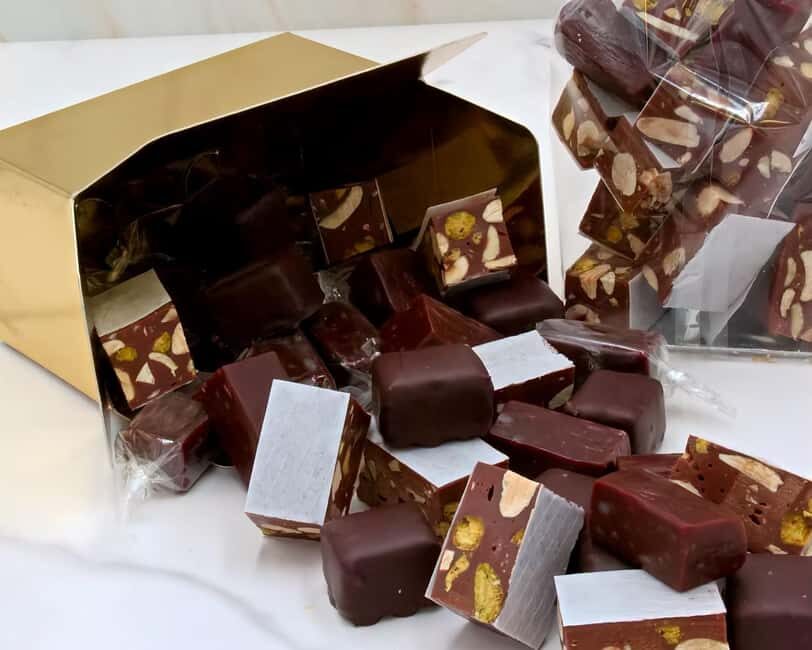
This runs for 2 hours total, with about 1.5 hours of interactive baking and roughly 30 minutes to savor what you made. That timing is smart for a short Paris visit: you get real production time without dragging the day into a half-day cooking commitment.
Because it’s a small group, the pacing tends to stay practical. You’ll spend most of your time working—mixing, shaping, assembling—rather than listening to long lectures. When you’re learning pastry, that’s exactly what you want. Techniques stick when your hands do the work.
The only catch is that you have to commit to the rhythm. If you’re the type who likes to master every step slowly, you may feel like it moves quickly. Still, you’ll leave with the recipe and the key logic behind each process, which helps you practice after the class.
How the lesson flows inside the Ferrandi Kitchen
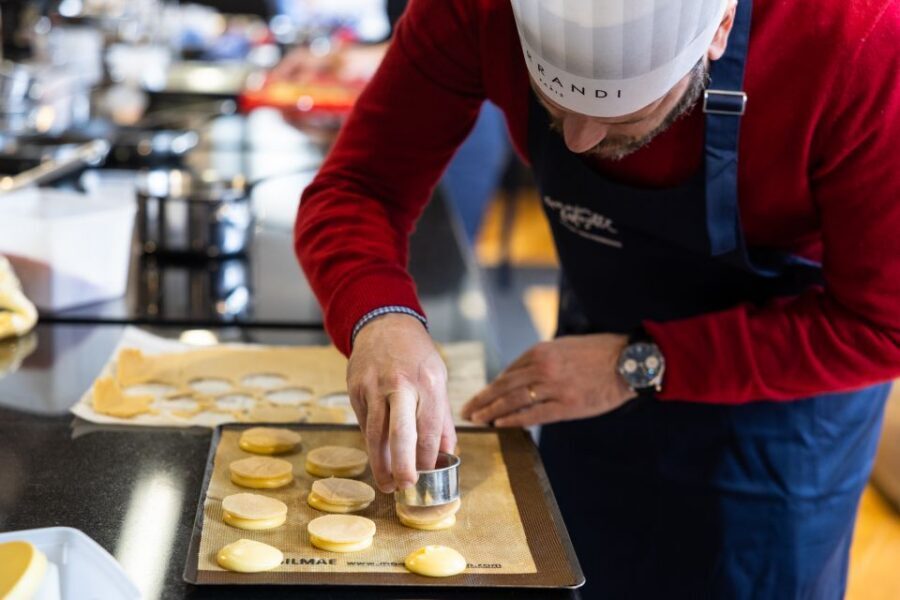
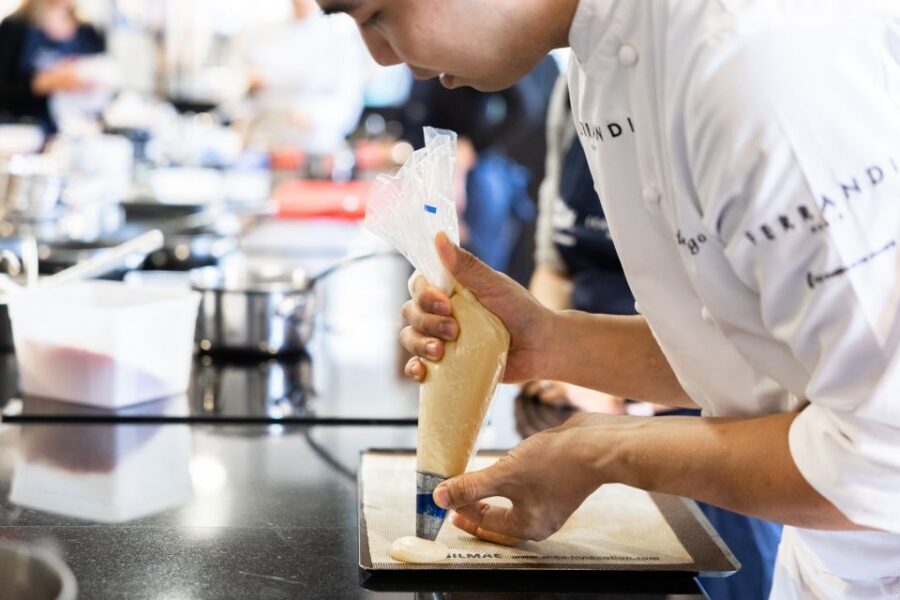
You’ll meet your expert chef and your classmates first, then get started learning French pastry techniques in the Ferrandi Kitchen. The class is designed to be interactive, meaning you’re not just watching. You’re doing the work while the instructor explains what matters.
Here’s the practical flow you can expect:
- Orientation and setup: You’ll get your chef gear (apron and chef’s hat) and start in a guided teaching environment.
- Hands-on baking: This is the big chunk—about 1.5 hours—where you build and assemble your chosen dessert.
- Final touches: The chef helps you nail the details that affect texture and presentation.
- Tasting: You’ll spend the last half hour eating your creations with the group.
A detail worth noting from the experience style: the instruction tends to include “tricks.” Not fancy talk—useful shortcuts and small technique tweaks that make a difference. One person highlighted that the chef shared many tricks and explained them clearly, even if the chef did some of the work. Another mentioned that a sous chef (Gerald) was very skilled, which fits the idea that you’re learning from people who know how to fix a process in real time.
The tasting: learning how to spot good pastry in real life
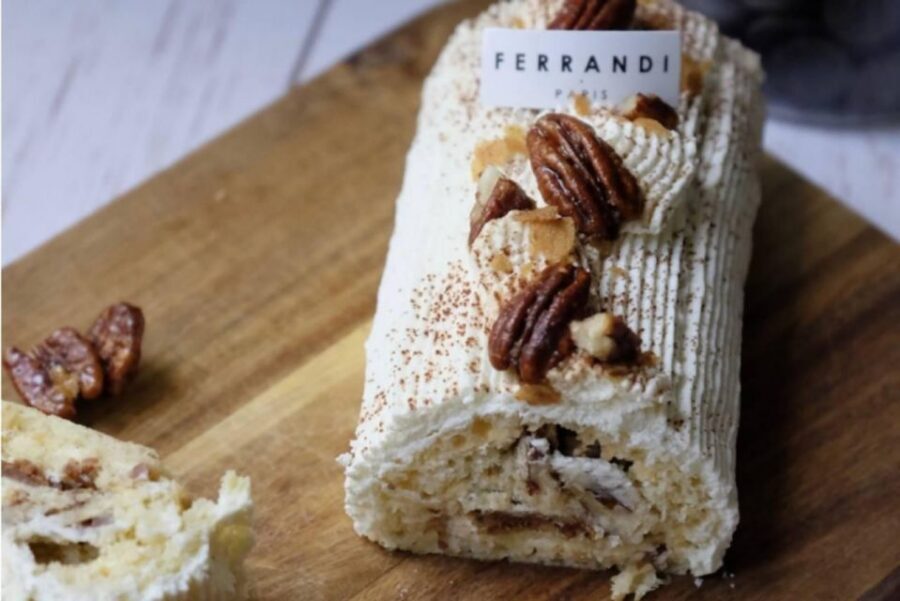
That 30-minute tasting isn’t just a reward. It’s part of the lesson. When you taste right after making something, you can connect outcome to action.
You’ll likely focus on:
- how the pastry layers hold together
- whether the texture matches what the dessert is supposed to have
- how sweetness and flavor balance comes across
This is where your brain starts building pastry judgment. Instead of thinking, it’s good or it’s not, you start asking better questions like: was the dough handled correctly, did the filling set the way it should, and did the assembly keep its shape?
Even if you don’t become a pastry critic overnight, this tasting helps you repeat the dessert at home with fewer guess-and-check cycles.






What’s included (and what you’ll need to plan for)
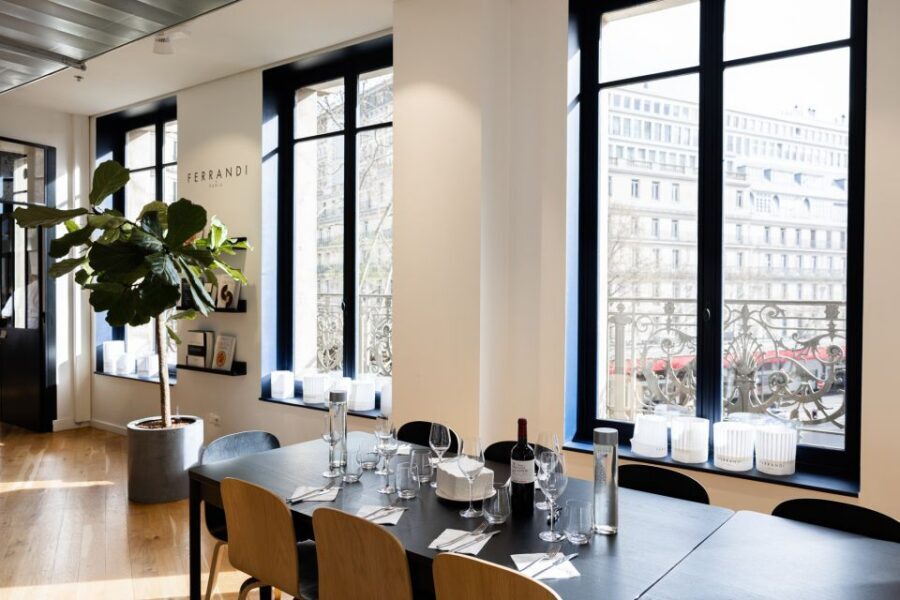
Included:
- Apron
- Chef’s hat
- Recipe to take home
Not included:
- Drinks
That one point changes how you plan your comfort. A 2-hour class can include times when you’re active and moving, and you may want water nearby. Since drinks aren’t included, I’d plan to grab water before you start or buy one around Galeries Lafayette before meeting in the kitchen area.
What to bring:
- Passport or ID card
Not allowed:
- Pets
Meeting point and timing: the easy part if you arrive on time
Your meeting point is at the Ferrandi Kitchen on the 3rd floor of Galeries Lafayette La Maison & Le Gourmet, Boulevard Haussmann. Since the kitchen work is time-based, arriving a bit early helps you settle in without feeling rushed.
Also, the class is small—up to 6 participants. That usually means the schedule is tight. If you like breathing room, build it in. If you’re late, you’ll feel it.
Language options and why small groups make a difference
You can learn in either English or French. This isn’t just a checkbox. Pastry has lots of precise wording—techniques, textures, and troubleshooting cues. When you’re working hands-on, understanding the instructor’s explanations clearly helps you correct problems faster.
The group size matters for the same reason. In a group capped at 6, you’re more likely to get direct feedback instead of generic instructions. You’ll also have time to ask questions before the process moves on.
If you’re traveling with French skills, you might enjoy switching between vocab and technique. If you don’t speak French well, the English option can still keep you fully in the action.
Price and value: is $153 per person worth it?
At $153 per person for a 2-hour class, you’re paying for more than ingredients. You’re paying for:
- access to a professional-style teaching kitchen
- expert instruction (with technique-focused guidance)
- hands-on practice with classic French desserts
- the recipe you can take home
In my view, this price makes sense if your goal is skill building. The value jumps if you’ll actually cook again after you return home. Pastry classes are most worth it when you treat them like a workshop, not a one-time show.
If you mainly want a taste of French food with minimal effort, you might find cheaper options. But if you want to come away knowing how to make a dessert like millefeuille or Saint-Honoré with a clear method, this format is a practical use of time in Paris.
Who this pastry class suits best (and who might feel the mismatch)
This is a good fit if you:
- like hands-on workshops more than museum-style tours
- want classic French pastry skills, not just a lesson in theory
- enjoy small-group instruction and want to ask questions
- want a repeatable recipe you can make later
It may feel less ideal if you:
- want a super slow pace or lots of step-by-step repetition
- expect drinks to be included
- need extra take-home instruction beyond the recipe itself
It’s also not suitable for children under 12. Teenagers under 16 must be accompanied by an adult, and accompanying persons need an admission ticket as well.
Should you book this Paris pastry class?
Book it if you want a focused, practical French pastry skill session in a real teaching kitchen—and you’ll cook again after your trip. The combination of small-group attention, classic recipes, and a take-home recipe makes the value feel grounded, not gimmicky.
Skip it or think twice if you hate time pressure. The class is efficient by design, and a few people have noted that the pace can feel short, especially if you want extra support like video-style guidance. If that would stress you out, you may prefer a longer workshop or a separate practice session elsewhere.
FAQ
What is the duration of the Paris pastry class?
The class lasts 2 hours total.
How many people are in the class?
It’s a small group limited to 6 participants.
Which languages are available?
The class is offered in English or French.
What recipes can I choose from?
You can choose among recipes such as strawberry pie, millefeuille with vanilla, and Saint-Honoré cake.
What’s included in the price?
An apron, a chef’s hat, and the recipe are included.
Are drinks included?
No, drinks are not included.
Where do I meet the group?
Meet at the Ferrandi Kitchen on the 3rd floor of Galeries Lafayette La Maison & Le Gourmet on Boulevard Haussmann.
What do I need to bring?
Bring a passport or ID card.
Are there age limits?
Children under 12 cannot participate. Teenagers under 16 must be accompanied by an adult.
Can I cancel, and how late?
Yes. You can cancel up to 1 Day and 22 Hours in advance for a full refund.