REVIEW · PARIS
Paris : Private guided tour in Rickshaw bike – Napoléon
Book on GetYourGuide →Operated by GoTurtle · Bookable on GetYourGuide
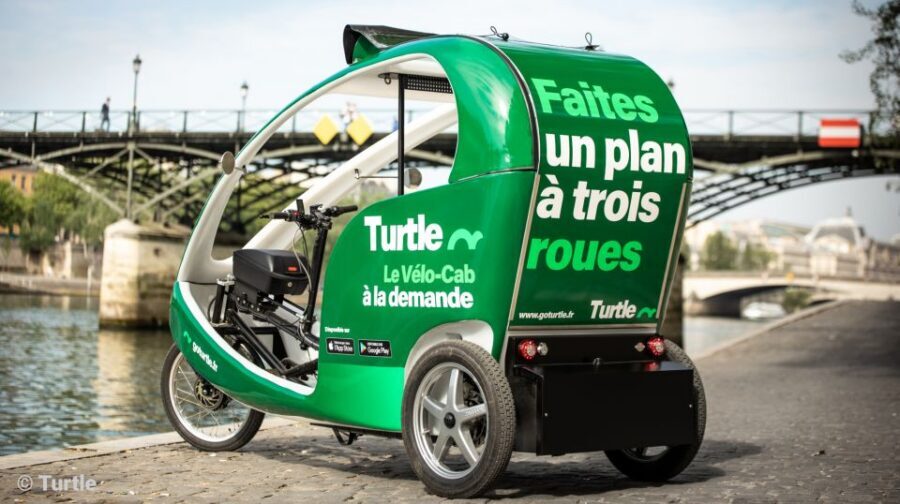
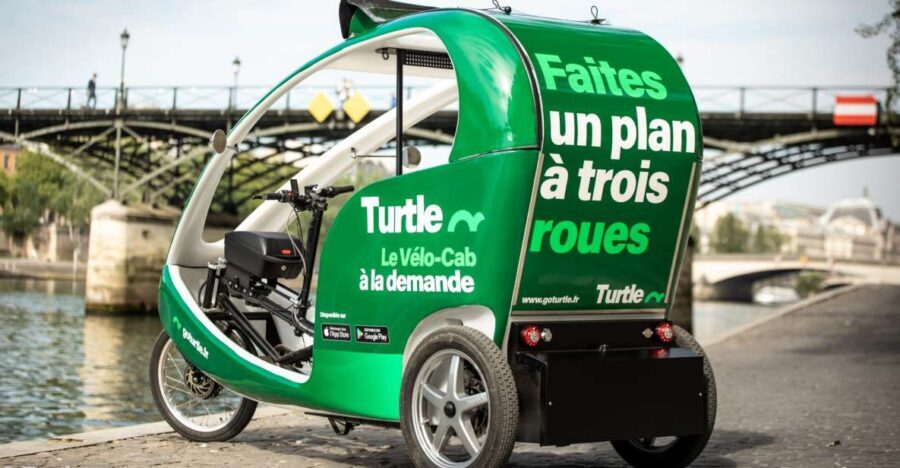
Paris looks different from a pedicab seat.
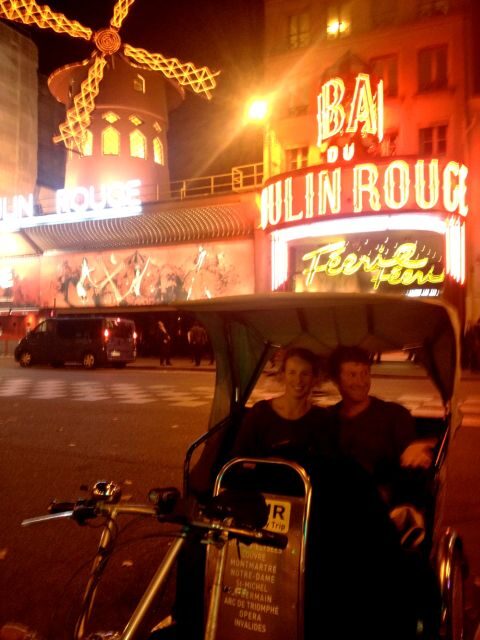
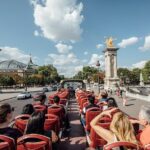
What makes this outing fun is the mix of private transport and a built-in “see more, stop often” rhythm. You roll along Paris cycle lanes with an experienced driver, get a wide 180° view, and pause for photos while a guide ties landmarks together with the stories behind them. Rain or shine, you keep moving.
I especially like the way the tour trades long walking for short photo stops at major monuments, so you can sample a lot without exhausting your legs. I also like the practical extras: Wi‑Fi on board, a comfortable seat, and an audio guide available in multiple languages.
One drawback to consider is that your experience can depend heavily on the driver’s communication and driving comfort. In past experiences, some guests flagged hard-to-follow English commentary and even music volume issues, plus a safety-and-return-to-accommodation concern in one case—so it’s smart to confirm pickup/drop-off expectations up front (if you add them).
In This Review
- Key things that make this pedicab tour work
- A green, private way to see Napoléon-era Paris
- The 180° pedicab view and why photo stops matter more than you think
- Mini Napoléon vs Napoléon: which route matches your time?
- Place de la Concorde: start strong, with the right orientation
- Hôtel de la Marine, Champs-Élysées, and the Arc of Triumph photo rhythm
- Grand Palais and Pont Alexandre III: where the Seine scenery kicks in
- Les Invalides, the Assembly Nationale, and the Seine bridges that keep the ride moving
- Notre‑Dame and Hôtel de Ville: the classic core, without the long slog
- Louvre to Palais Garnier: big icons, quick context, and a smart flow
- Place Vendôme back to Concorde: an ending that feels like a loop
- Price and value: what $23 per person gets you (and what to check)
- Driver quality matters: language, music volume, and comfort
- Who this tour fits best (and who might prefer something else)
- Quick checklist before you book
- Should you book this Napoléon pedicab tour?
- FAQ
- FAQ
- How long is the Napoléon pedicab tour?
- Where do I meet the guide and driver?
- Is the tour private?
- What languages are available for the live guide and audio?
- Does it run in bad weather?
- Is alcohol allowed on the tour?
Key things that make this pedicab tour work
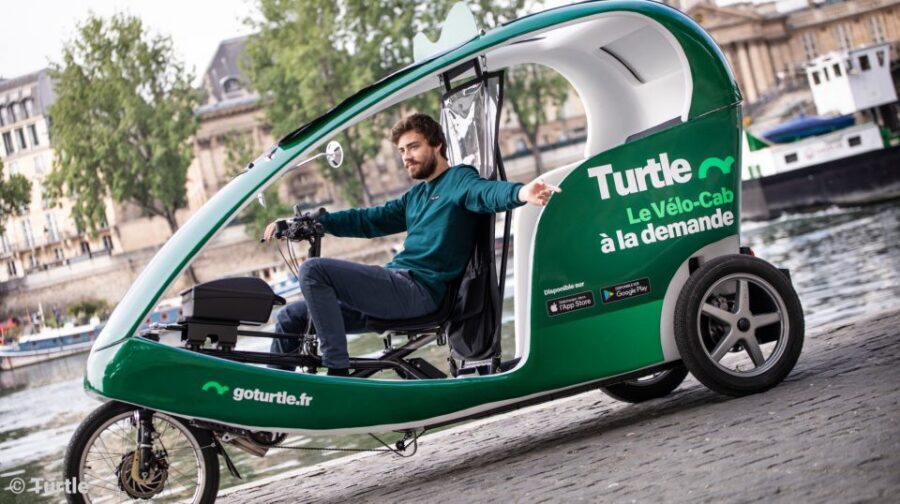
- Private pedicab with an experienced driver for up to 2 people, so the pace stays your pace
- 180° views and a comfortable seat that make monument spotting easier
- Photo breaks built into the route, not tacked on at the end
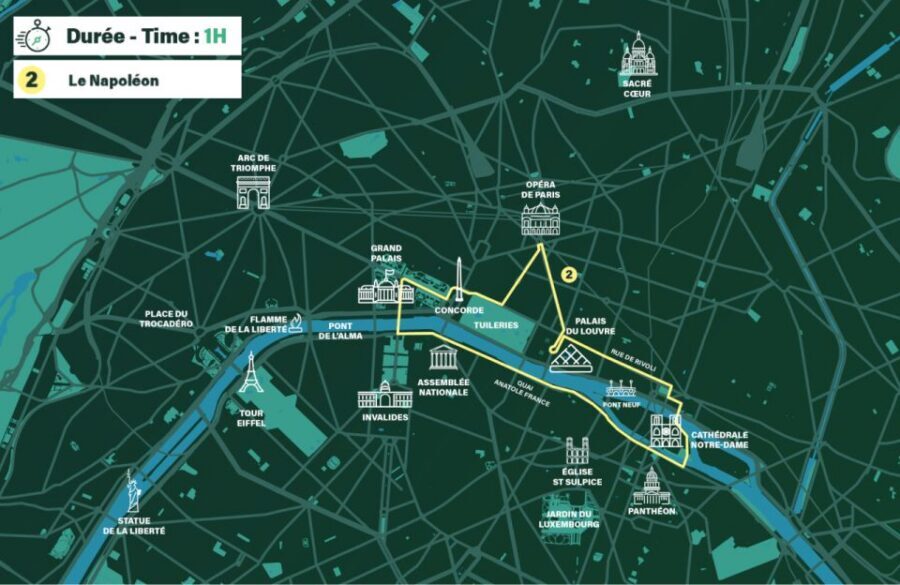
- More than 20 landmarks in about 1 hour on the longer Napoléon option
- Multilingual guide + audio guide, covering several languages
- Rain-or-shine operation with weather protection for the ride
A green, private way to see Napoléon-era Paris
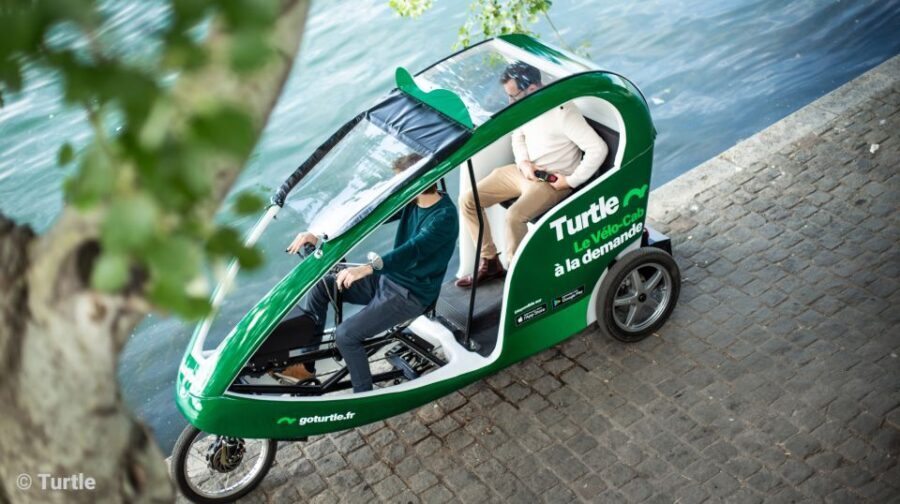
This is a classic Paris “greatest hits” route, but delivered the easy way. Instead of standing in crowds or doing a big walking circuit, you travel by pedicab along the cycle-lane network. That means you keep your bearings while still seeing the main monuments that shape the city center.
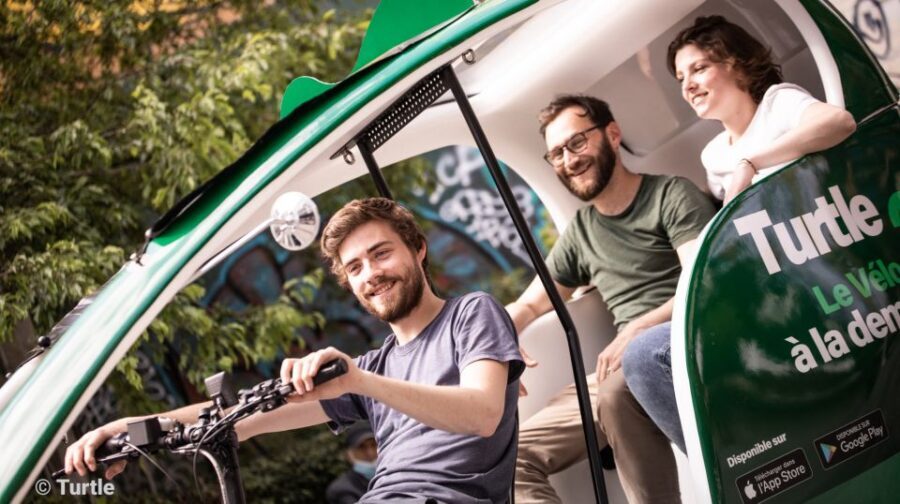
The private format is a big deal. With room for up to 2 people on the transport, you can stop when you want a photo, stay bundled when the weather turns, and ask a quick question without feeling like you’re competing with a group. And because it’s designed around photo breaks, you’re not rushing past everything like a postcard-flip slideshow.
Also, this isn’t just sightseeing from a moving sidewalk. A guide gives historical context for the monuments you pass, so the ride can feel like a story with scenery, not scenery with random facts.
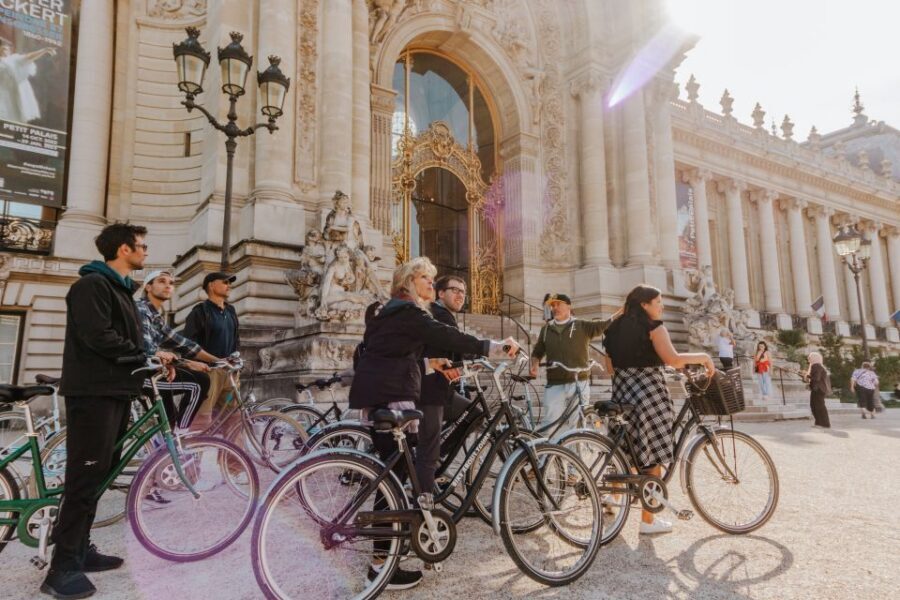
You can also read our reviews of more cycling tours in Paris



The 180° pedicab view and why photo stops matter more than you think
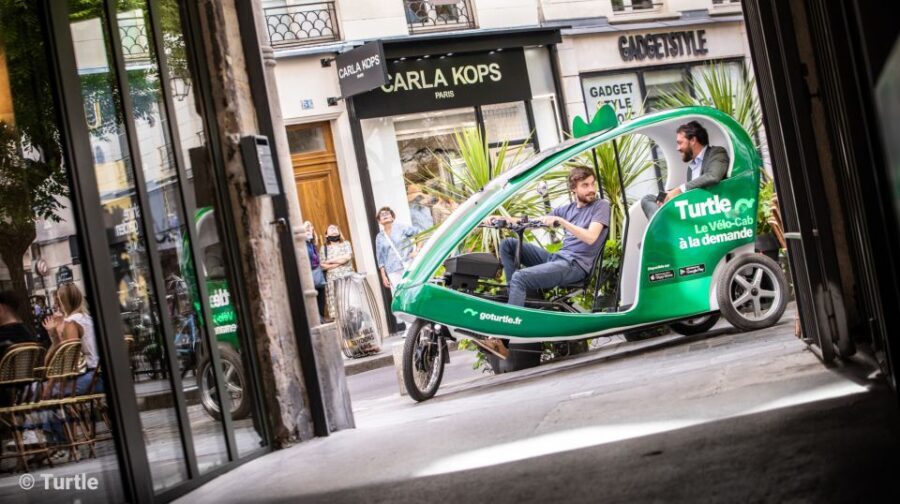
Paris monuments are tall, detailed, and often framed by bridges, gardens, and boulevards. From a bike seat, your perspective changes: you get a wide view that helps you line up shots faster than when you’re squeezed against a curb.
Photo breaks are a practical part of the plan. You’re not left to guess the single best moment to stop. You’ll get scheduled stops for photos, which is especially helpful if you’re traveling with teens, older parents, or anyone who gets tired quickly. You can take the shot, relax for a minute, and then roll on.
The comfortable seat and the 180° visibility help you enjoy the ride itself. Even if you’ve seen photos of Paris forever, it’s still satisfying to spot where you are in the city—Concorde to the Seine, the arc lines, the Louvre axis—without doing a map marathon on your phone.
Mini Napoléon vs Napoléon: which route matches your time?
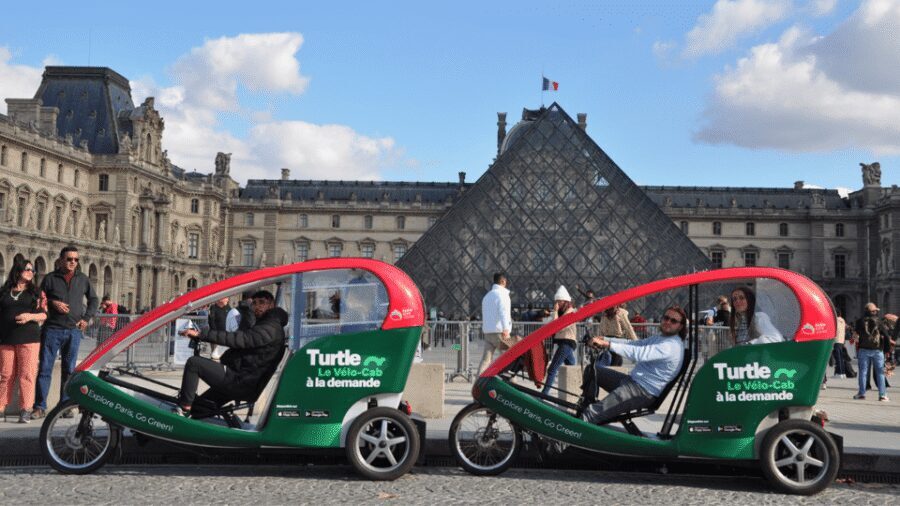
You basically choose between a shorter taste and a longer circuit.
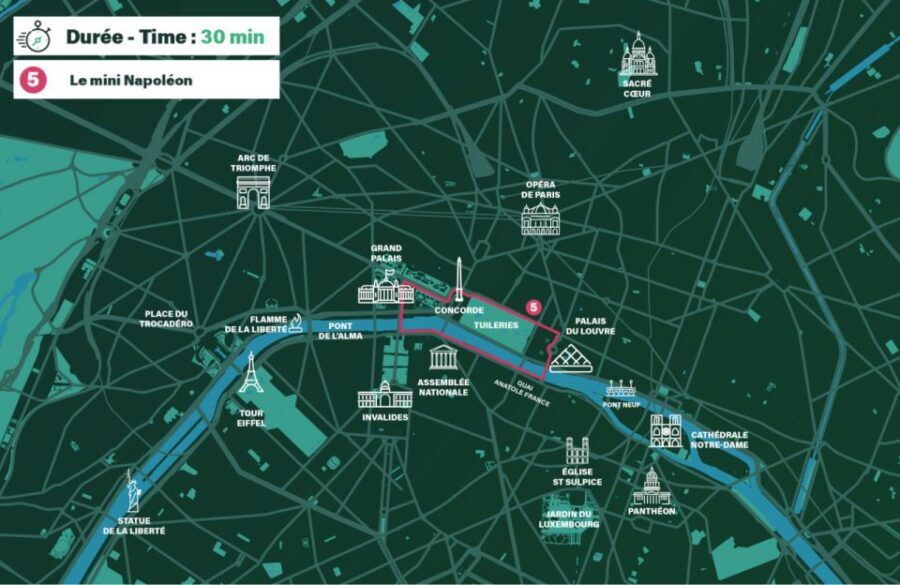
Mini Napoléon (about 30 minutes)
This version focuses on the historic center highlights in a tighter loop. You’ll pass by the Louvre Museum and its pyramids area, the Tuileries, Concorde, and you’ll reach the Bridge Alexandre III. It’s a good pick if you want a quick “wow” without committing to the full hour.
Napoléon (about 1 hour)
This one expands the route and adds more major stops. You’ll pass the Notre‑Dame Cathedral area, the Opera (Palais Garnier), Place Vendôme (with its famous luxury boutiques), Grand Palais, and you’ll ride along the Seine toward Musée d’Orsay. If you want a tour that feels like a proper highlights circuit, this is the one.
If you’re trying to decide, I’d ask yourself: do you want a concentrated sample or a complete run of the center monuments? The longer route is where the “20+ landmarks” idea becomes real.
Place de la Concorde: start strong, with the right orientation
Your tour meets at Place de la Concorde, in front of the main exit of the Jardin des Tuileries. This matters because Concorde is a natural “hub” for understanding the city’s geometry. From here, it’s easy to see why Paris builds so many grand streets toward big monuments.
Your first photo stops begin quickly, so you’ll get momentum fast. If you’re the type who hates waiting around, this start helps. You’re already moving toward major landmarks while your first-minute energy is high.
Also, starting near the Tuileries side keeps the “classic central Paris” feel. The tour isn’t pushing you into a remote neighborhood to begin. You’re right where most first-timers want to be.
Hôtel de la Marine, Champs-Élysées, and the Arc of Triumph photo rhythm
From Hôtel de la Marine, the tour heads toward the famous Champs‑Élysées. The value here isn’t just seeing a name on a sign—it’s getting a guided look at the urban scale. You can appreciate the width of the avenues and how they funnel sightlines toward the big symbols.
Then you’ll do a photo stop at the Arc de Triomphe. Even if you’ve seen it in pictures, this is one of those places where being close changes how you see it. From the pedicab seat, you can frame the arc against the surrounding streets and get a sense of the monument’s dominant role in the city plan.
Possible consideration: photo stop timing can feel quick if you’re trying to photograph everything from multiple angles. If you want a more relaxed pace for photos, you can plan to bring a phone camera strap or keep one person “on photo duty” while the other watches for the next stop.
You can also read our reviews of more guided tours in Paris




Grand Palais and Pont Alexandre III: where the Seine scenery kicks in
Next up: Grand Palais. Even when you’re not going inside, it’s worth seeing the structure in context. Passing it by pedicab gives you a clean view without the hassle of finding a spot in the crowd.
Then comes Pont Alexandre III for another photo stop. This bridge is one of the most photogenic ways to experience the Seine corridor. You’ll feel the city shift from boulevard grandeur to river-side elegance.
What I like about this part of the route is that it creates natural “mini chapters” in your head. You go from monumental architecture to a bridge moment that acts like a separator between halves of the tour.
Les Invalides, the Assembly Nationale, and the Seine bridges that keep the ride moving
As the route continues, you’ll stop for photos at Les Invalides and the Assemblée Nationale. These are powerful landmarks because they connect Paris to national identity, not just tourism. The guide’s historical framing helps you notice what you’re seeing instead of treating it like a checklist.
Then you transition into a bridge-and-river segment with multiple stops:
- Musée d’Orsay (photo stop)
- Pont des Arts
- Musée de la Monnaie
- Pont Neuf
Each one has its own “why it matters” feel. Pont des Arts gives you classic river views. Pont Neuf is the historic anchor that makes the Seine feel older than the modern skyline around it. Musée de la Monnaie adds a slightly different flavor in the mix, and Orsay is the key art stop for linking the river walk to a major museum.
Practical tip for pacing: because there are several bridge photo stops, try to keep your camera ready between them. You’ll lose more time fiddling than you think.
Notre‑Dame and Hôtel de Ville: the classic core, without the long slog
For many people, the Notre‑Dame Cathedral area is the moment the tour turns from “famous monuments” into “this is real Paris.” The route includes Notre Dame Cathedral as a photo stop, followed by Hôtel de Ville.
The benefit of doing this in a pedicab format is simple: you get the monument moment without the fatigue that can hit during a walking-heavy day. You can look, shoot a photo, and then move to the next landmark before you lose energy.
You’ll also see Arc de Triomphe du Carrousel along the way. It’s another architectural pause that helps tie the center landmarks together into a single story arc.
Louvre to Palais Garnier: big icons, quick context, and a smart flow
The tour includes a photo stop at the Louvre Museum and the Palais Garnier (often called the Opera). This is where the “Napoléon” theme really shows up—big-scale Paris institutions, the kind that give the city its reputation for architecture and power.
Then you’ll continue through Rue de la Paix and Place Vendôme. This stretch adds a shopping and luxury layer to the story. It’s not only about monuments; it’s about how the city’s identity shows up in street life and commercial prestige.
From a value standpoint, this section is strong because it covers a lot of recognizable geography in a single flow. If you’re short on time, it’s hard to match this coverage with independent transit plus walking.
Place Vendôme back to Concorde: an ending that feels like a loop
Your final stop returns you to Place de la Concorde. Ending back at the start makes sense here. Concorde is easy to recognize and easy to connect with the rest of your day—whether you’re heading to another museum, meeting someone, or just doing a relaxed post-tour walk.
Place Vendôme also acts like a satisfying conclusion before you head back to the broader avenue drama of Concorde. You leave with both monument memory and street-level Paris atmosphere.
Price and value: what $23 per person gets you (and what to check)
At around $23 per person, this can be a strong value if you care about three things: private pacing, lots of landmark coverage, and a driver who knows the route.
Here’s what you’re paying for:
- Private transport (up to 2 people) with a guide/driver
- More than 20 landmarks on the longer option
- Photo breaks
- Wi‑Fi on board
- Guide commentary and audio guide in multiple languages
- Pet friendly for those traveling with animals
If you add hotel pickup within a certain area near the start, that convenience can be worth real money—especially if you’re staying farther from Place de la Concorde. One past experience did note extra charges for pickup, so if your accommodation is included in the pickup zone, confirm the exact arrangement beforehand to avoid surprises.
Also remember: pedicab tours are short by design. You’re buying access to prime views and curated stops, not a slow, museum-style exploration.
Driver quality matters: language, music volume, and comfort
This tour’s success often comes down to the driver and guide pairing. In the most positive experiences, the ride was patient, the guide explained history clearly, and photos were handled smoothly. One standout example named João Fernández, described as amazing, showing major attractions patiently, and taking lots of photos.
Another positive note mentioned Ismael, who was punctual and made the experience easy. If you get a calm, confident driver, you’ll likely enjoy the ride more than you expected.
On the other hand, there are also clear red flags you should pay attention to:
- If instructions or commentary are hard to understand due to language barriers, you may miss context.
- Loud music can drown out narration, making it harder to follow the guide.
- Comfort and safety matter. One experience described erratic driving and a worry about feeling safe.
My practical advice: when you meet the driver, do a quick check. Ask what language they’ll use for commentary and whether you can hear it. If the music is too loud for your comfort, you can request a lower volume right away. And if anything about driving feels wrong to you, speak up.
Who this tour fits best (and who might prefer something else)
This pedicab style works best when you want a high-impact sightseeing day without logistically fighting crowds and long walks.
It can be a great fit for:
- Families with teens who still want structure and stops
- Couples who like photo opportunities and a private pace
- Visitors who get tired easily but still want to see a lot
- Travelers who value multilingual options via guide and audio
If you want a slow, in-depth experience where you linger for 45 minutes inside each major site, this probably won’t match your style. This is about movement, views, and monument context from the street.
Quick checklist before you book
A few things are worth planning around based on the tour details:
- The tour runs rain or shine, with weather protection, so plan for wet or windy conditions.
- No alcohol or drugs are allowed.
- It’s a private group with transport up to 2 people.
- The tour is available in multiple guide languages, and audio guides cover several languages too.
- If you care about pickup/drop-off, confirm it clearly if you plan to add it.
If you’re traveling with a pet, it’s pet friendly, which is a helpful detail when so many city experiences aren’t.
Should you book this Napoléon pedicab tour?
Book it if you want a private, green-feeling way to cover the center quickly, grab photo breaks at major monuments, and get historical context without doing a long walking loop. The 180° view and the structured stops make it a smart choice for first-timers and for anyone who wants Paris in a single compact day.
Skip or reconsider if you’re very sensitive to communication issues or you expect a super flexible, door-to-door experience with zero change to the plan. Also, if you’re adding hotel pickup, confirm the exact arrangement ahead of time.
Overall, with a strong average rating of 4.5 and a mix of experiences that often praise the driver’s friendliness, patience, and photo handling, this is the kind of tour that can turn a rushed day into a memorable one—especially if you care about seeing the city’s big-name monuments from the best angles.
FAQ
FAQ
How long is the Napoléon pedicab tour?
It runs for 30 minutes to 1 hour, depending on which Napoléon option you choose.
Where do I meet the guide and driver?
You meet at Place de la Concorde, in front of the main exit of the Jardin des Tuileries.
Is the tour private?
Yes. It’s described as a private group, and the pedicab transport is for up to 2 people.
What languages are available for the live guide and audio?
The live guide is offered in English, French, Spanish, Arabic, Portuguese, Italian, and Polish. The audio guide is available in English, French, Spanish, German, Japanese, and Dutch.
Does it run in bad weather?
Yes. The tour takes place rain or shine.
Is alcohol allowed on the tour?
No. Alcohol and drugs are not allowed.