REVIEW · PARIS
Paris: Small Group Moulin Rouge & Sacré Cœur Montmartre Tour
Book on GetYourGuide →Operated by Danis Tour · Bookable on GetYourGuide
Montmartre feels like Paris with a soundtrack. This guided walk threads together cabaret legends, artists’ addresses, and the hilltop payoff at Sacré Coeur. I especially liked the way the guide made the neighborhood make sense, and I loved the photo-friendly stops that help you get memorable shots without wasting time.
I also got a real sense of Montmartre’s creative side through specific landmarks tied to the arts, not just name-dropping. The biggest drawback to know up front is that this isn’t a flat stroll: you’ll be on a steep route up toward Sacré Coeur, so it’s not set up for wheelchair users.
In This Review
- Key highlights you’ll care about
- Meet at Blanche Station, then start where the story begins
- Moulin Rouge: the cabaret heart of Paris
- Cobblestones and artists’ addresses you can actually see
- Place des Abbesses, the Wall of Love, and an old church moment
- Bateau Lavoir, Maison Rose, and the creative corners of Montmartre
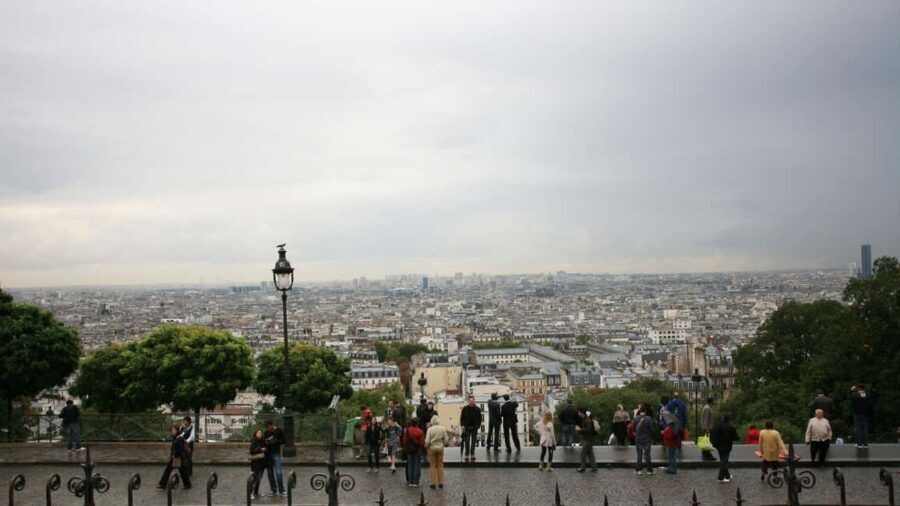
- Climb to Sacré Coeur for the dome and the best city view
- Price and value: how $2.27 fits a 2-hour guided walk
- Logistics that help (and one thing to plan around)
- Who this tour suits best
- Should you book this Montmartre tour?
- FAQ
- How long is the Paris: Small Group Moulin Rouge & Sacré Cœur Montmartre Tour?
- What language is the tour guide?
- Where do I meet the guide?
- Where does the tour end?
- What major sights are included in the walk?
- Is food or drinks included?
- Do I need to bring money for tips?
- Is the tour suitable for wheelchair users?
- Can I cancel and get a full refund?
Key highlights you’ll care about
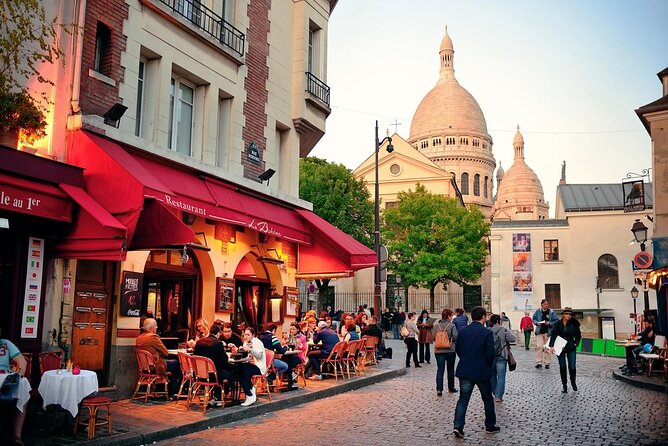
- A strong guide in English (Daniel): clear explanations, friendly energy, and helpful photo moments
- Moulin Rouge first: you start at the cabaret heart, then walk into quieter streets
- Café des Deux Moulins and Amélie connection: a very recognizable stop with a real-world vibe
- Artist-linked sights: you’ll pass famous creative addresses like the House of Van Gogh
- Classic Montmartre landmarks: Wall of Love, Bateau Lavoir, Maison Rose, and Place du Tertre
- Sacré Coeur views that beat most viewpoints: dome-and-city panorama from the top
Meet at Blanche Station, then start where the story begins
Your tour starts at the Blanche Station stop on metro line 2 (M2). When you come out, look to the left side of the road. You’ll see Five Guys and Starbucks across from the Moulin Rouge. The meet-up point is in front of Starbucks—easy to find, and close to where you’ll begin exploring.
Starting here matters. Moulin Rouge isn’t just a photo spot; it’s a mental landmark. It gives you an anchor point for everything you’ll see later: the cabaret energy, the artsy neighborhoods nearby, and why Montmartre became a magnet for performers and visual artists.
The tour moves on foot, so you’ll get that “walk it to understand it” rhythm. You’re not shuffling from one bus window to the next. You’re learning why these streets feel like they do.
You can also read our reviews of more tours and experiences in Paris.



Moulin Rouge: the cabaret heart of Paris

You’ll see the Moulin Rouge, often called the most famous cabaret in the world. Even if you’ve seen pictures, seeing it at street level changes things. The building is front-and-center, and you can feel how this area became part entertainment district, part artist playground.
This first stop works as context. Once you’ve got Moulin Rouge in your view, the rest of Montmartre turns into a map of creative life. You’ll walk along cobblestone streets and past bohemian-style apartments that once housed artistic legends.
A small caution: this area is well-known, so expect a crowd vibe around major landmarks. The upside is that you’re starting with the headline attraction, so you can relax once the tour shifts toward lesser-known corners.
Cobblestones and artists’ addresses you can actually see
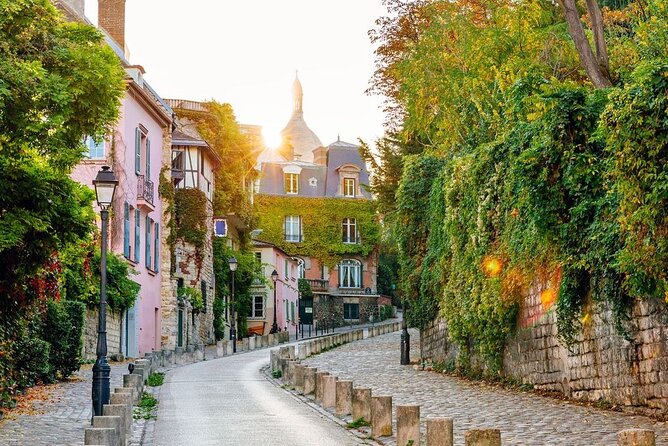
After the big headline, the walk focuses on the parts of Montmartre that feel more personal. You’ll notice how narrow streets, steep slopes, and older buildings shape the neighborhood. It’s one thing to read about artists moving here; it’s another to walk the same streets and spot the kinds of buildings they would have lived with.
Two stops I’d plan around if you want the “Paris pop culture meets real place” effect are:
- Café des Deux Moulins: linked to Amélie, so it’s easy to recognize, but the charm is that it’s also just a working café in Montmartre
- House of Van Gogh: an artist-linked address that helps you connect the neighborhood with painters’ real-world presence
These aren’t random attractions. They’re the kind of stops that make the neighborhood feel less like a postcard and more like a lived-in creative zone.
Place des Abbesses, the Wall of Love, and an old church moment
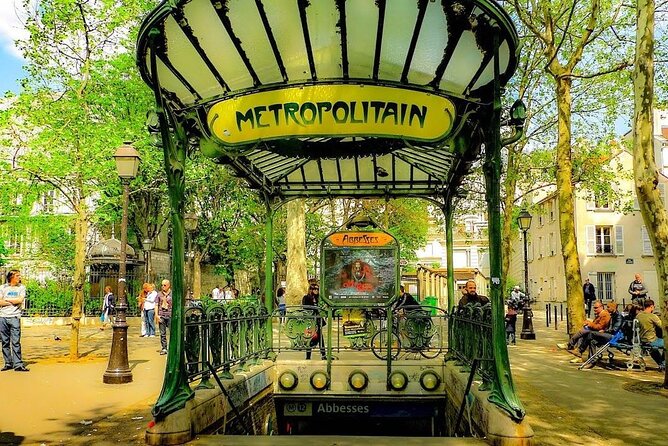
As you climb, you’ll reach Place des Abbesses. This is one of the older public squares in Montmartre, and the tour highlights a surviving church that gives the area a deeper, older layer beyond cabaret and art.
You’ll also find the famous Wall of Love here. Even if you’ve seen images online, it’s worth seeing in person because it’s instantly human-scale—less “monument,” more expression. The whole point is that Montmartre isn’t only museums. It’s also how people mark space and emotion in the street.
This section is a nice break in pace. It lets you slow down for photos, take in the square, and reset your legs before the big view payoff.
Bateau Lavoir, Maison Rose, and the creative corners of Montmartre
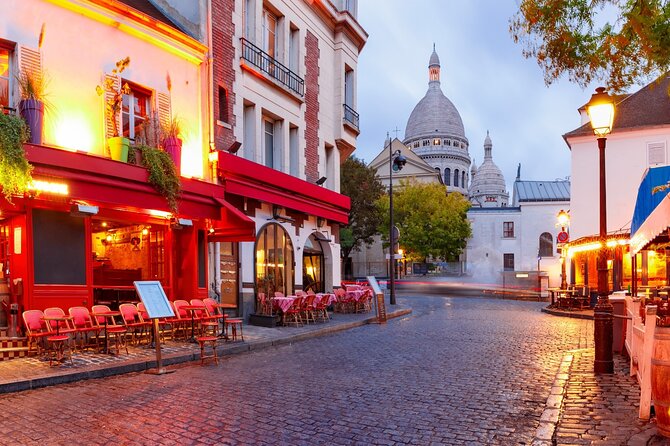
Next comes a cluster of Montmartre classics tied to the arts atmosphere you came for. You’ll pass the Bateau Lavoir and see Maison Rose, two well-known names that help you picture why artists were drawn here. These aren’t just decorative stops; they connect to the neighborhood’s reputation for creative gathering and experimentation.
You’ll also see:
- Place du Tertre: famous for its art atmosphere
- The area’s last vineyard: a surprising detail that adds a distinct Montmartre flavor beyond art alone
That vineyard detail is a good example of why a guided walk helps. On your own, you might miss it. With a guide, you learn what to look for and why it matters.
Practical tip: these parts of the walk include lots of stopping and looking around. Wear shoes you can handle for uneven pavement. You’ll be happier if your feet are comfortable before you hit Sacré Coeur.



Climb to Sacré Coeur for the dome and the best city view
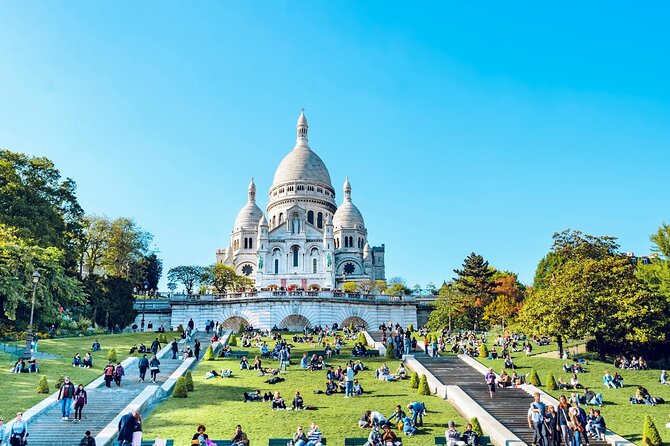
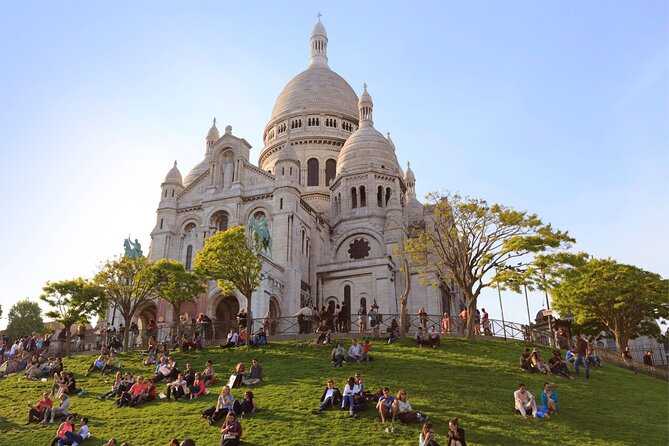
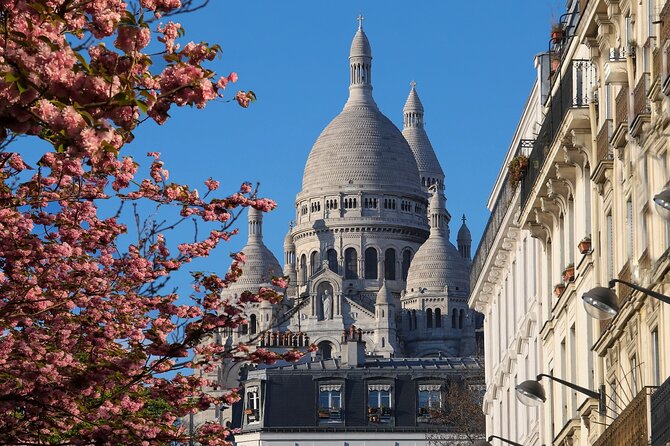
The final stretch is the payoff. You’ll climb your way up to the Basilica of Sacré Coeur. It’s decorated with statues of French heroes, and around the basilica you can find gardens, a fountain, and a panoramic dome.
Most people know Sacré Coeur for views, but what I like is the full setting: the basilica area feels like a viewpoint district, not just a single terrace. When you reach the top, Paris opens up in a way that’s hard to replicate from street level.
This is where the tour becomes more than sightseeing. It’s a “walk the neighborhood, then look over it” experience. You’ll understand Montmartre’s layout better because you’ve been walking its streets.
One more reality check: because this involves a climb, take it slow. This tour isn’t for pushing your cardio limits; it’s for enjoying the route and the view.
Price and value: how $2.27 fits a 2-hour guided walk
The price listed here is $2.27 per person for a 2-hour English-language walking tour. That’s an unusually low figure, and while you shouldn’t expect it to replace a paid museum entry or a full-day sightseeing program, it does suggest strong value for what you actually get: a professional guide, a structured route, and key landmarks grouped in a way that saves you time.
What you’re paying for in practical terms:
- A live guide who can explain what you’re seeing
- A walking route that connects landmarks logically (cabaret to artist spots to views)
- Time efficiency: you don’t have to plan the whole sequence yourself
Also, note what isn’t included: food and drinks. So bring water if you tend to get thirsty, and plan to eat afterward.
And yes, tips are expected. Tips are cash only, so have a little cash ready.
Logistics that help (and one thing to plan around)
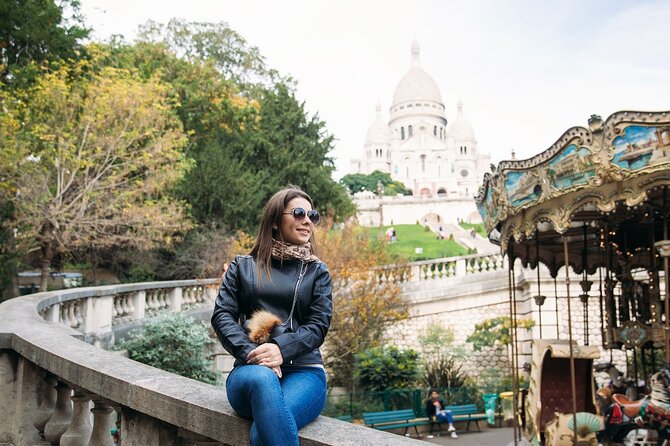
This is a live tour in English. The guide you might meet is Daniel, and he’s repeatedly praised for speaking French and English very well, explaining clearly, and being friendly and passionate. One review also called out that he offers to take nice photos, which matters if you want good shots without awkward self-timing.
Group pace matters on walking tours. This one is structured for a steady walk with stops, and it’s not suitable for wheelchair users. If you have mobility limits, skip this one or bring a backup plan for a shorter route, since the Sacré Coeur climb is part of the experience.
The tour ends back at the meeting point area, so you’re not dealing with a long “transfer home” situation.
Who this tour suits best
This tour is a good fit if you:
- want to see Montmartre’s big cultural landmarks in one walk
- like art and creativity connections (cabaret, painters, famous addresses)
- want a guide who can explain in English and handle questions
- enjoy photo stops and want help getting them
It’s less ideal if you’re:
- trying to avoid hills and uneven walking surfaces
- expecting lots of food or a full meal included (it’s walking + sights)
- hoping for wheelchair-friendly access (it isn’t set up for that)
Should you book this Montmartre tour?
I’d book it if your goal is a focused, 2-hour walk that gives you Montmartre’s story—from Moulin Rouge to Sacré Coeur—without you having to stitch the route together yourself. With Daniel as the guide, you get clear explanations, good energy, and practical photo help, which is exactly what turns “I went to Montmartre” into “I understood Montmartre.”
Skip it or reconsider if hills are a big problem for you, since the climb to Sacré Coeur is a core part of the experience. Otherwise, it’s a smart way to spend a short Paris morning or afternoon: structured, landmark-heavy, and genuinely Montmartre.
FAQ
How long is the Paris: Small Group Moulin Rouge & Sacré Cœur Montmartre Tour?
The tour lasts 2 hours.
What language is the tour guide?
The tour is in English.
Where do I meet the guide?
Meet at Blanche Station (metro line 2). Exit the station, look left, and wait in front of Starbucks across the road from the Moulin Rouge.
Where does the tour end?
It ends back at the meeting point.
What major sights are included in the walk?
You’ll see Moulin Rouge, Café des Deux Moulins, the House of Van Gogh, Place des Abbesses (including the Wall of Love), Bateau Lavoir, Maison Rose, Place du Tertre, and finish at Sacré Coeur for city views.
Is food or drinks included?
No. Food and drinks are not included.
Do I need to bring money for tips?
Yes. Tips are cash only.
Is the tour suitable for wheelchair users?
No, it is not suitable for wheelchair users.
Can I cancel and get a full refund?
You can cancel up to 24 hours in advance for a full refund.