REVIEW · REIMS
Reims: Champagne House Mumm, Winery Visit with Lunch
Book on GetYourGuide →Operated by À la Française Champagne ! · Bookable on GetYourGuide
Champagne gets real when you see the places behind it. This 8-hour small-group outing links Reims with the village of Hautvillers, then layers in tastings at two different styles of producers—family-run growers and a major Champagne house. I especially like how the day mixes scenery and education with real time in cellars. I also like that lunch isn’t an afterthought; it’s built into the flow of the tasting day. One thing to consider: you’re tasting a lot, and the pace is busy from start to finish.
The highlights aren’t just brand names. You start with a guided drive through UNESCO-listed Champagne vineyards, then you get into the story at Hautvillers, including Dom Pérignon’s church where he is buried. Later you tour a traditional press, tank room, and cellar corridors—then finish at Maison Mumm in Reims for their process and an emblematic cuvée tasting.
This is also a practical tour for people who want structure without feeling rushed through a museum. With only up to 8 people, the guide can answer questions. Just bring a jacket for the cellar—temperatures average around 10°C down there—and wear shoes you don’t mind getting a little cool and dusty.
In This Review
- Key Things You’ll Notice Right Away
- Reims Morning Start: Meeting, Minivan Ride, and a Tight 8-Hour Plan
- UNESCO Vineyards by Minivan: The Terroir Talk Before You Taste
- Hautvillers Village: Dom Pérignon’s Church and the Birthplace Story
- Family-Run Winery #1: Press, Tanks, and the Cool Cellar Corridors
- Lunch at a Family-Run Winery: Food, Rest, and More Champagne
- Maison Mumm Reims Cellars: Big-House Craft and an Emblematic Cuvée
- The Guides Are a Real Part of the Value
- Price and Value: Is $294 Worth It?
- What to Bring and How to Handle the Cellar Temperature
- Who This Tour Suits (and Who Should Skip It)
- Should You Book This Champagne House and Lunch Tour?
- FAQ
- What time does the tour start and end?
- Where do we meet in Reims?
- How big is the group?
- What’s included for food and tastings?
- Do we visit Maison Mumm every time?
- What should I bring?
Key Things You’ll Notice Right Away
- Small-group format (max 8) means you can ask questions during tastings and tours without losing your spot.
- 7 tastings plus lunch keeps the day from being only a sightseeing circuit.
- Hautvillers + Dom Pérignon church gives Champagne context before you start comparing styles.
- Cellar time (10°C) is real, not a quick photo stop—so plan for layers.
- Two different winery experiences helps you understand both grower craft and Champagne house technique.
- Maison Mumm in Reims caps the day with a big-name visit and an official tasting in the cellars.
Reims Morning Start: Meeting, Minivan Ride, and a Tight 8-Hour Plan
You meet at 9:20 am in front of the tourist office right next to Reims centre train station (there are two nearby meeting options listed, both in that area). From there, the day is set up like a guided loop: transport by air-conditioned minivan, short sight stops, and longer blocks for tastings.
This “one-day course” layout is one of the best parts if you’re short on time. You get the region’s highlights without having to coordinate trains, rides, and separate reservations. The finish is at about 5:30 pm back in Reims, which makes it easy to plan dinner afterward.
Because it’s a small group, you’ll generally spend less time waiting. It also helps when your guide is doing something more interactive—like pointing out vineyard details during the drive and then tying those ideas into what you taste later.
You can also read our reviews of more wine tours in Reims


UNESCO Vineyards by Minivan: The Terroir Talk Before You Taste
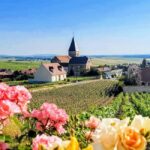
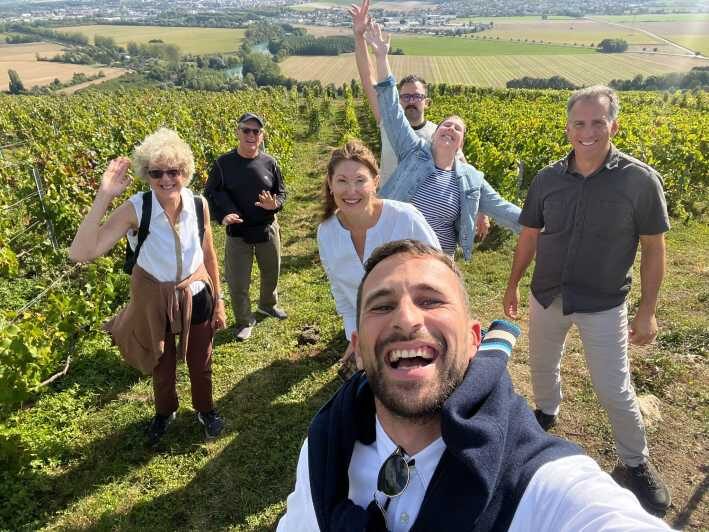
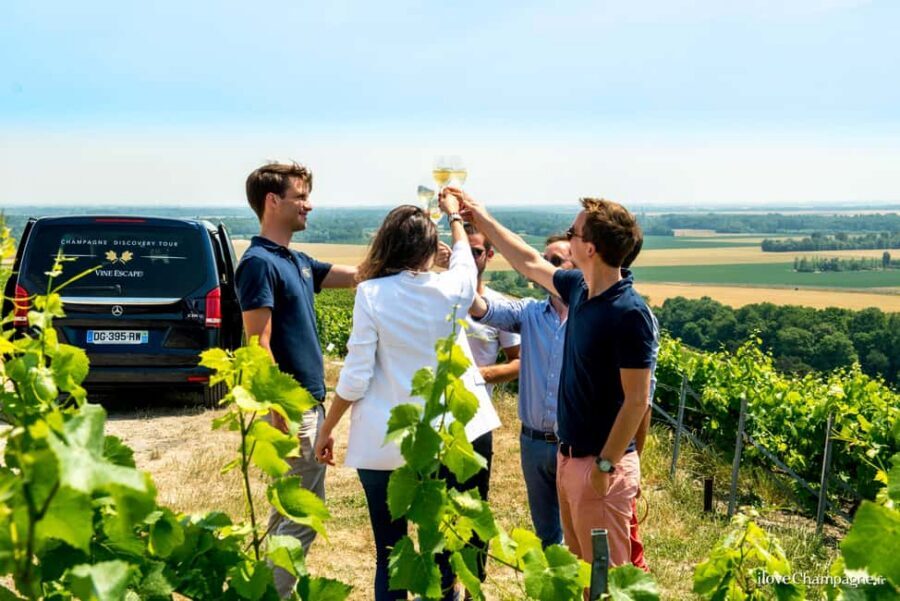
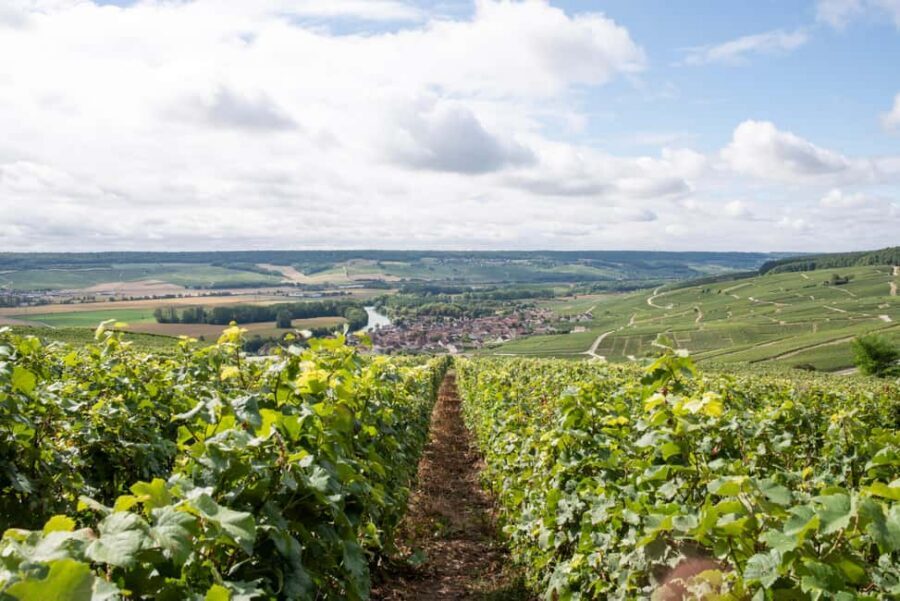
Before you walk into anything, you get the view. The morning includes a drive through the Champagne region’s vineyards, with guided commentary about terroir—how the land, soil, and growing conditions shape the grapes and ultimately the wine.
Even if you don’t consider yourself a wine person, this part works. It’s not written like a textbook. The guide helps you connect what you’re seeing—rows, slopes, and the unique vineyard geography—to why Champagne behaves the way it does. You’ll also get a moment to enjoy the scenery without feeling you’re stuck in a bus the whole time.
Practical tip: if the light is good, this is often the best window for photos. Bring a phone camera strap or keep your hands free. In Champagne, the vineyards can look scenic in every direction, and you’ll want to turn around quickly to catch angles.
Hautvillers Village: Dom Pérignon’s Church and the Birthplace Story
Then you head to Hautvillers for 45 minutes. This stop is the emotional “why” of the day: Hautvillers is tied directly to the early story of Champagne, and you visit the church where Dom Pérignon is buried.
This isn’t a long sit-down visit. You move through at a human pace, enough to take it in and still keep momentum for the tasting portion of the day. The time is short by design, which is helpful because the rest of the day is more sensory and hands-on.
What I like here is the sequencing. You don’t start with brands. You start with origins. That makes it easier to understand why different producers emphasize different aspects of Champagne making later—because you’re already thinking about history and place, not just taste notes.
Family-Run Winery #1: Press, Tanks, and the Cool Cellar Corridors
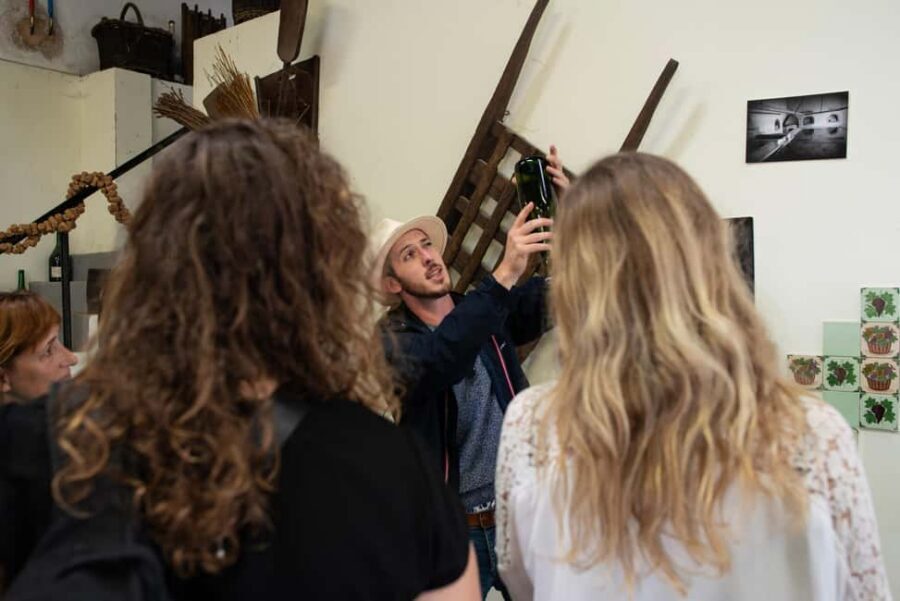
The first winery block is built for “how it’s made,” not just “what it tastes like.” You’ll see traditional equipment like the press and the tank room, then you continue into the cellar areas where bottles mature slowly over time.
This is the kind of stop that feels better once you’ve already been talking about terroir in the vineyards. You’ll start spotting connections: how grapes become juice, how decisions get made in the process, and how time in the cellar becomes part of the finished style.
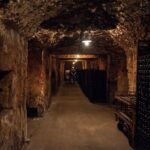
Down in the cellar corridors, plan for around 10°C on average. A jacket isn’t optional if you get cold easily. You’ll also want to keep your pace steady. Cellar spaces are cool and sometimes a bit narrow, so it’s not the best place for rushing, drinking, or trying to take dramatic photos while walking.
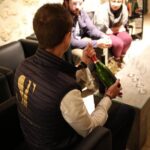
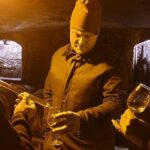
Tasting here includes several of their best-selling cuvées. This matters because the goal is not just to sample random labels. You’re guided toward the house style and the bottles that represent their value choices—so you can later decide what you want to buy for the next celebration at home.
Lunch at a Family-Run Winery: Food, Rest, and More Champagne
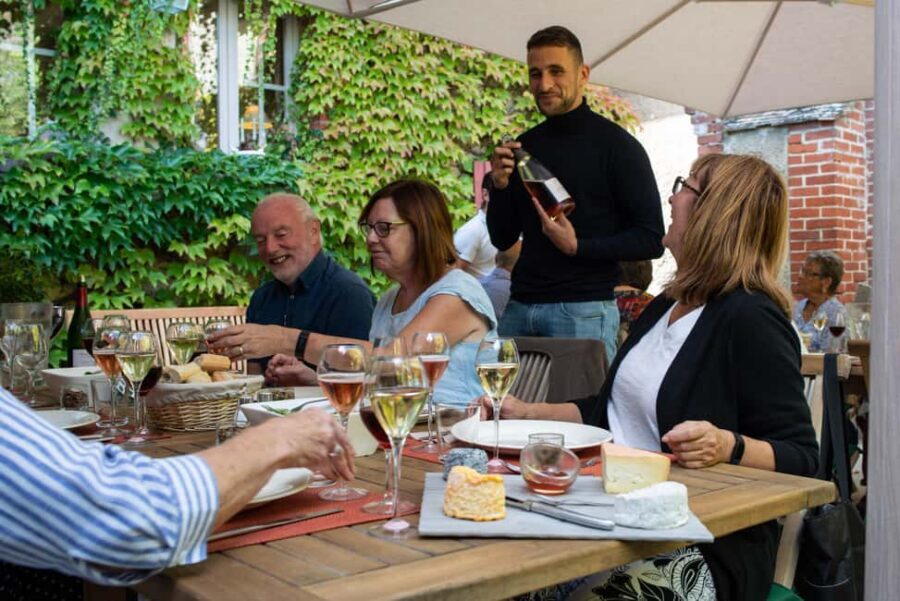
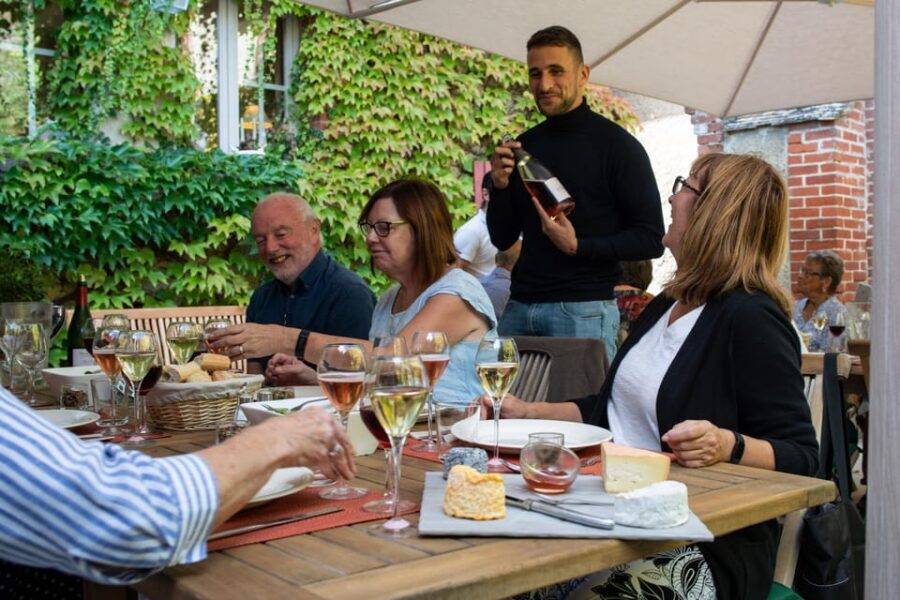
After the first tasting-and-cellar visit, the day shifts into a more relaxed rhythm. Lunch is included and lasts around 2 hours at a family-run winery.
This is one of the smartest parts of the schedule. You get time to reset your palate, talk with the guide, and take a breath before the final major house visit. It also keeps the day from turning into nonstop standing and sipping.
You’re also welcomed at lunch with more Champagne as part of the experience. That’s helpful because it lets you compare while you’re fed, not only between tastings on an empty stomach.
Because exact menu details aren’t specified, think of lunch as part of the tour’s overall pacing. If you have food preferences or allergies, plan to communicate those at the start of the day through the guide/operator, since the winery controls what’s served.
You can also read our reviews of more tours and experiences in Reims




Maison Mumm Reims Cellars: Big-House Craft and an Emblematic Cuvée
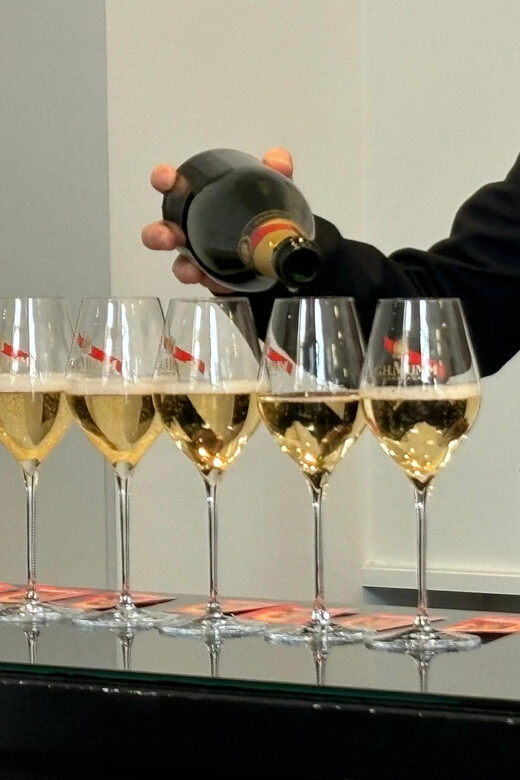
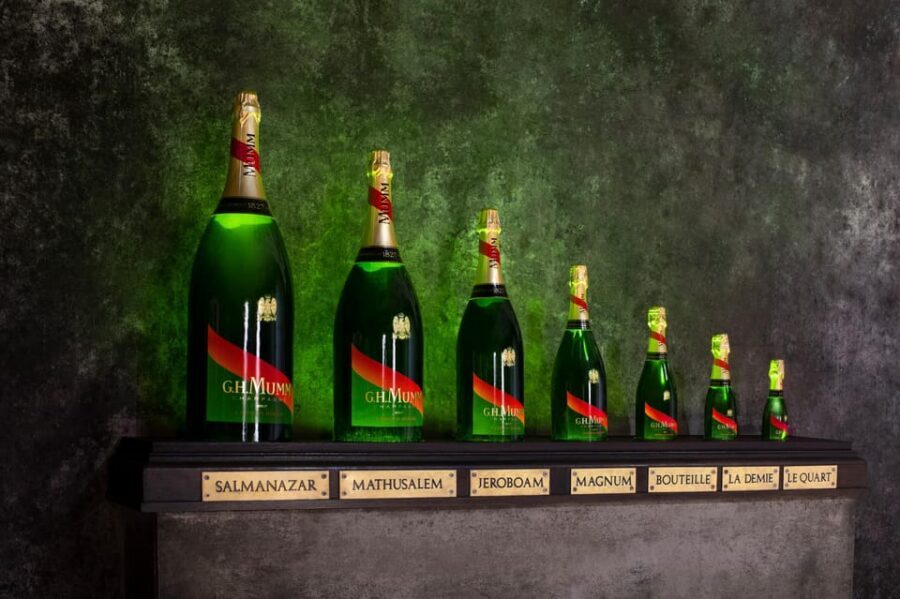
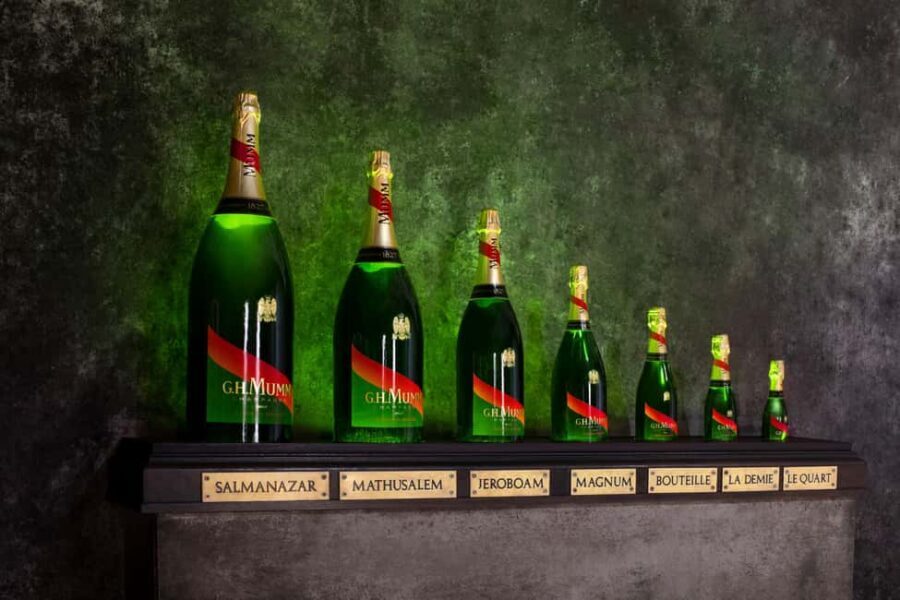
The last stop is Maison Mumm in Reims, with a visit to their cellars and time for a tasting. This is where the day goes from “grower craft” to “house system,” which helps you see how major producers scale while still relying on the same Champagne basics.
You also get a practical benefit: entrance fees and tastings are included, and you can skip the ticket line. In a day like this, that small efficiency adds up.
The tour includes an introduction to the Champagne making process and time to discover their emblematic cuvée tasting. If Maison Mumm isn’t available on a given date, the experience can be replaced by a similar house, so you still get the major-house capstone.
If you like structure, this ending is satisfying. You’ve already toured a press, tanks, and a cellar at the family winery. Now you’re comparing that with a large house approach, which makes your final tasting more meaningful.
The Guides Are a Real Part of the Value
This experience lives or dies by the guide, and the names you’ll hear around the group are a big clue. People are praised for guides such as Perrine, Martin, Suzanne, Julie, and Etienne.
What stands out in their feedback is not just facts. The guides bring personality—laughter, thoughtful explanations, and good photo help in scenic spots. One guide is specifically noted for taking great pictures and bringing personal touch through relationships with Champagne houses and the land. Another is praised for passion and clarity about the region, the houses, and what makes styles tick.
How to use that to your advantage: ask at least one question during the cellar portion—something like what they’d buy for a first-time Champagne drinker, or what cuvée fits a dinner menu. Since you’re in a small group, you’re more likely to get a real answer instead of a rushed one.
Price and Value: Is $294 Worth It?
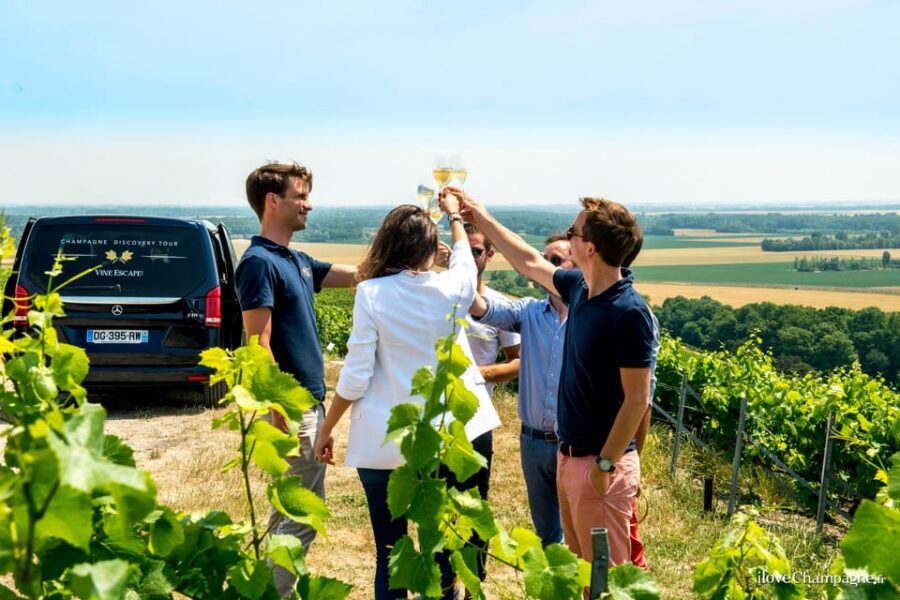
At $294 per person for roughly 8 hours, you’re paying for much more than a logo visit. What makes the math work is that the price includes:
- a local English-speaking guide
- air-conditioned transport by minivan
- entrances and tastings at two family-run wineries
- entrance fees for Maison Mumm and their tasting
- 7 tastings total
- lunch (included)
If you tried to build this yourself, the cost usually rises quickly once you add transport, timed winery reservations, and multiple tastings plus a guide to connect the dots. Here, you’re also getting the structure of a day where one stop prepares you for the next—vineyards to origins, origins to production, production to big-house tasting.
Could it feel pricey? If you only want one quick tasting, yes. But if you want a full Champagne education day with guided context and multiple stops, the included tastings and transport are doing a lot of the heavy lifting.
What to Bring and How to Handle the Cellar Temperature
This tour is hands-on and seasonal. Your two main “bring this” items are simple:
- A jacket for the cellar (average around 10°C)
- Comfortable shoes for winery floors and cool corridor walking
Also plan your day around the fact that there are 7 tastings and lunch, plus Champagne during the experience. Pace yourself, drink water if you can (other drinks aren’t included), and avoid trying to speed-run the tasting notes. Your best results come when you slow down and compare what you liked in one stop to what changes in the next.
A final note: animals are not allowed in shared tours for passenger comfort. And children under 4 aren’t suited for this format.
Who This Tour Suits (and Who Should Skip It)
You’ll likely enjoy this most if you want:
- a structured day in Champagne without planning a thing
- both grower-style winery visits and a major house like Mumm
- a historical stop at Hautvillers before you start comparing tastes
- a group size small enough for real conversation
This is less ideal if you need hotel pickup, since it doesn’t include hotel pick-up/drop-off. It also may not suit you if you dislike cellars or cold spaces, given the temperature down there.
Should You Book This Champagne House and Lunch Tour?
Book it if you want a day that teaches you how Champagne is made while still feeling like a classic regional outing—vineyards, Hautvillers, cellars, then a big-house finish. The strongest reasons are the small-group size, the 7 tastings, and the way lunch is built into the day rather than tacked on between stops.
Consider passing if you’re only after one light tasting, or if you don’t want a scheduled 8-hour pace with multiple alcohol-included tastings. For many people, though, this is exactly the right length and structure for a first real Champagne trip.
If you’re deciding between a major house only versus a mixed grower-and-house day, this one wins because it helps you compare styles with context you can actually use later when you shop for bottles at home.
FAQ
What time does the tour start and end?
The tour meets at 9:20 am and returns to Reims around 5:30 pm.
Where do we meet in Reims?
You meet at the tourist office next to Reims centre train station. Two nearby starting options are listed: 7 Av. de Champagne or 1 Cr de la Gare.
How big is the group?
It’s a small-group tour limited to a maximum of 8 people, with a local English-speaking guide.
What’s included for food and tastings?
Lunch is included, and the tour includes 7 tastings total across the winery visits and tastings at the Champagne house.
Do we visit Maison Mumm every time?
Maison Mumm in Reims is part of the experience, and if it’s not available, it can be replaced by a similar Champagne house.
What should I bring?
Bring a jacket for the cellar, since temperatures average around 10°C. Also wear comfortable shoes for winery and cellar walking.