REVIEW · PARIS
Running Tours in Paris for intermediate to advanced runners
Book on GetYourGuide →Operated by Juan Echeverria · Bookable on GetYourGuide
Paris looks different when you move through it.
This running tour is built for intermediate to advanced runners who want more than a photo stop. You cover real streets with a local guide—Juan Echeverria, born and raised in Paris—who shares stories and practical pointers as you jog, so you learn what to seek out (and how to get around) once your run is done.
I like two things most: the route choices that actually connect major sights with calmer back streets, and the small group size (1 to 5) that keeps the pacing feel human. One drawback: you need to be comfortable with a serious run—plan on at least 8 km (5 miles) fitness—and there’s no gear provided, so you’ll want solid shoes and a weather-ready outfit.
In This Review
- Key Points Worth Lacing Up For
- Why This Running Tour Feels More Real Than Sightseeing
- Meeting at Place de la République and Settling Into Your Rhythm
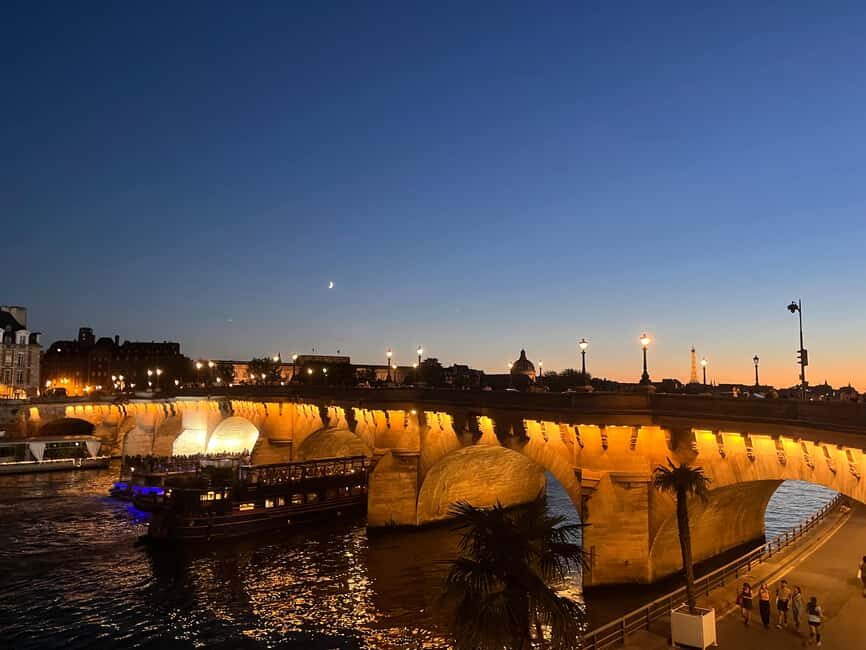
- Seine River Bridges: The Landmark Route That Still Feels Like Paris
- Canal Saint-Martin and Parks: A Quieter Route for People Who Like Real Streets
- Sunrise or Sunset Runs: Timing That Changes What You See
- Picking 45, 60, or 90 Minutes (and Not Overstretching)
- What’s Included, and What You Must Bring Yourself
- Pace, Safety, and Who This Tour Is Actually For
- Value: $53 for a Paris Lesson You Can Run With
- The Boulangerie Bonus (What Juan’s Tips Can Add)
- Should You Book This Running Tour of Paris?
- FAQ
- What meeting point do I use?
- How long is the running tour?
- What route areas can I expect to run through?
- Does the tour include water and snacks?
- Is running equipment provided?
- What languages are the guides available in?
- Who is the tour not suitable for?
- Is free cancellation available?
- Can I reserve now and pay later?
Key Points Worth Lacing Up For
A local Parisian guide guides you, with English, French, and Spanish
Small groups (1 to 5) keep the run focused on your pace
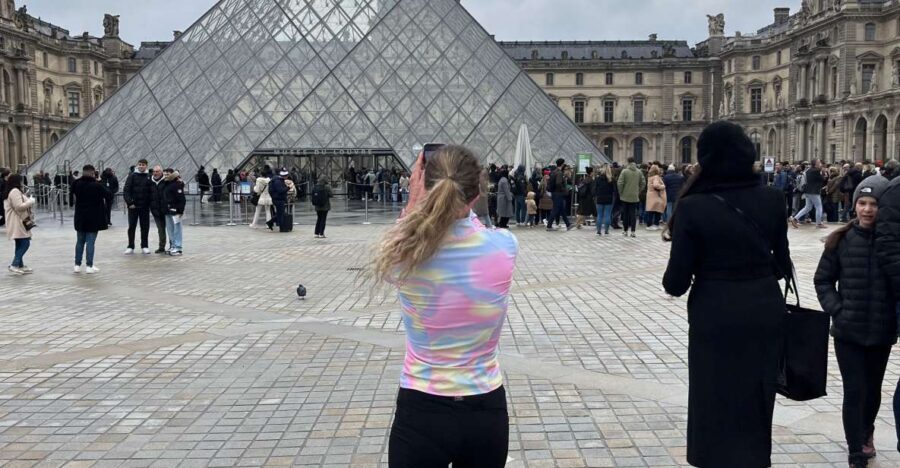
Routes link landmark areas like the Louvre/Tuileries to bridges and river views
You can choose morning, afternoon, or evening vibes, with sunrise/sunset depending on season
You get water and a cereal bar, plus music during the run
Why This Running Tour Feels More Real Than Sightseeing
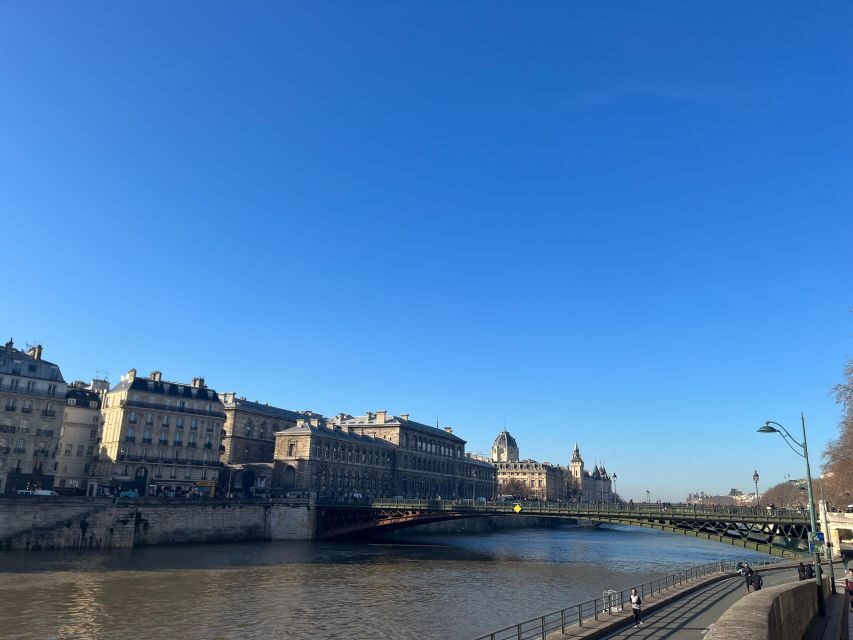
A lot of Paris tours give you a list of stops. This one gives you a rhythm. You’re still seeing the big icons, but you’re doing it the way Parisians experience them—by foot, by street-level, and with time to notice details between famous façades.
The guide style is what makes the difference. Juan’s approach isn’t just facts. He tends to toss in short anecdotes and stories as you pass neighborhoods and landmarks, so the city starts to click as a whole map. One runner specifically loved how the stories came in while running around the streets, and another said Juan explained the places you saw in a way that made the city easier to navigate afterward.
And yes, you’ll cover major sights—like stretches that take you near the Louvre, Tuileries, Musée d’Orsay, les Halles, Île Saint-Louis, and Île de la Cité—but you won’t sit on a bus while the city slides by. That changes everything. You notice the slope of streets, the flow of bridges, and the way different banks and canals shift the mood from busy to quietly local.
You can also read our reviews of more tours and experiences in Paris.


Meeting at Place de la République and Settling Into Your Rhythm
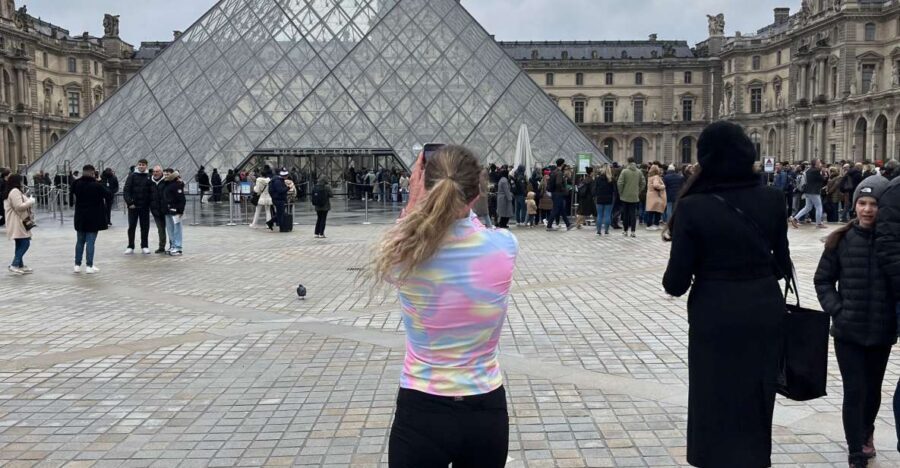
Your starting point is Place de la République, and you meet next to the statue in the center of the square. That matters more than you might think. République is a practical hub: it’s easy to reach and it gives the run a clean launch before you move toward the water and landmark zones.
This is also where you’ll get the “pacing check” that makes or breaks a running tour. The tour is designed for runners who already log distance, not people doing couch-to-Paris. Reviews highlight that Juan can adapt to a runner’s pace, which is exactly what you want if you’re intermediate and you don’t want to be dragged forward or stuck jogging slow.
Expect the session to feel structured but not rigid. The tour is built around a guided running visit—music included—and you’ll be given water and a snack (a cereal bar). That’s a small thing that keeps the whole experience from turning into a fight with hunger or thirst halfway through your route.
Seine River Bridges: The Landmark Route That Still Feels Like Paris
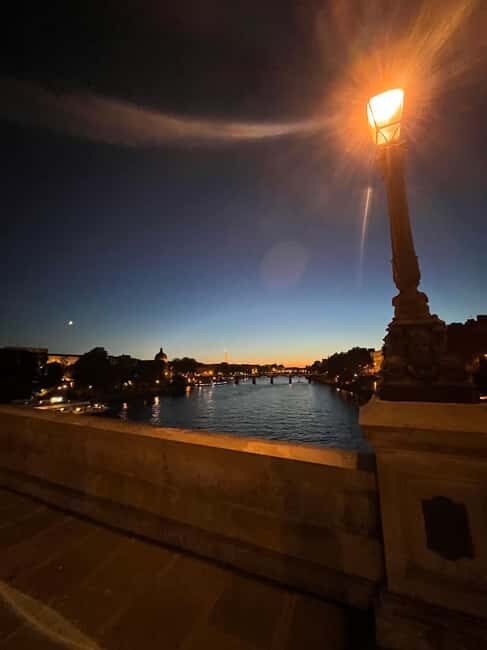
If you want postcard Paris without the tourist-bus pause, choose the path that follows the Seine River and bridges. This is the route that threads famous riverside scenery with the practical joy of running outdoors.
Along the way, you’ll get views tied to top central sights—areas around the Louvre and Tuileries, toward Musée d’Orsay, and through the core island geography of Île Saint-Louis and Île de la Cité. Even if you don’t go inside any museums, you get the context you’d miss if you only saw these places from a ticketed line.
Why the bridges matter: bridges in Paris are like connectors between “chapters.” Each one has its own angle, its own crowd energy, and its own skyline feel. Running across them makes you notice the city’s topography in a way that walking tours rarely deliver. One runner put it well by highlighting the off-the-beaten-path feel combined with the big sights—exactly what this style of route aims for.
A practical note: water routes can mean more wind and more changing light. Plan your clothing accordingly, especially if you’re heading out in the early morning or later evening.
Canal Saint-Martin and Parks: A Quieter Route for People Who Like Real Streets
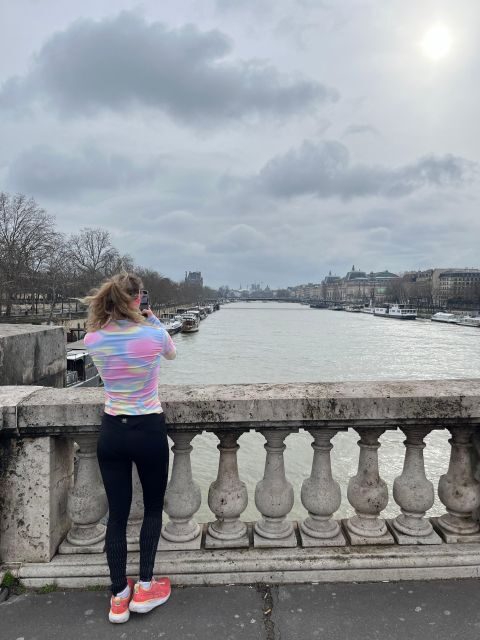
Paris isn’t only the grand show. One of the best parts of this tour format is that it can route you through the calmer side of the city—using Canal Saint-Martin and parks rather than keeping you glued to the busiest landmark corridors.
Canal runs tend to feel more lived-in. You see smaller street rhythms, different types of sidewalks, and a different pace to the neighborhood atmosphere. It’s the kind of route that helps you understand how Paris residents move through their day, not just how visitors line up for famous views.
And you don’t lose the “Paris wow” factor, either. The tour description connects this side of the city with top areas like les Halles, and it can still include landmark-adjacent viewpoints depending on the chosen path.
If you’ve already visited central monuments or you’re planning museum time later, the canal-and-parks option can be the perfect pairing. You’ll come away with a mental map of where you can wander next without getting stuck in the most crowded zones.
Sunrise or Sunset Runs: Timing That Changes What You See
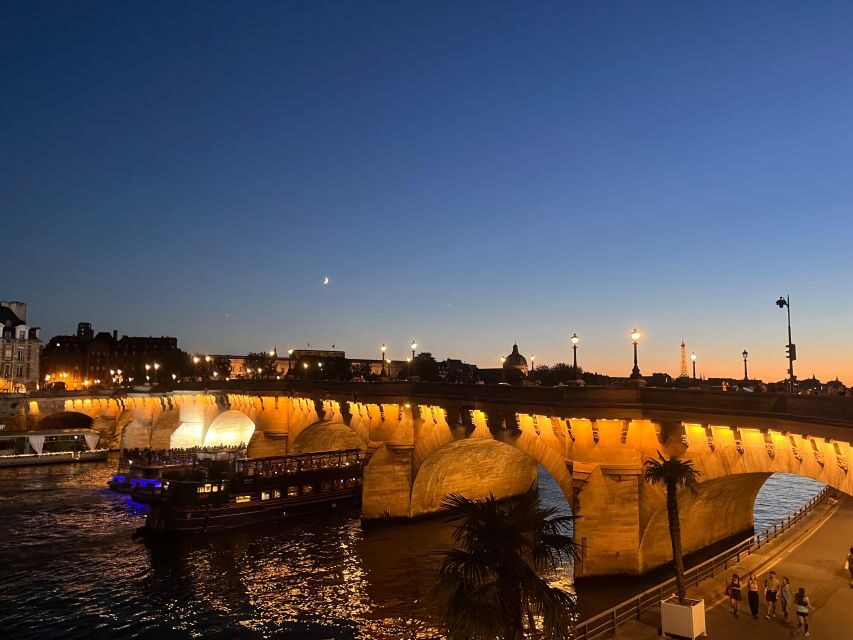
The tour offers morning, afternoon, or evening options, and the season can affect whether you catch sunrise or sunset. That matters because Paris at low-angle light looks different on the water and bridges.
Here’s the real-world advantage: at dawn or dusk, the city feels less like a stage and more like a place with a schedule. The streets can feel calmer, and the river views look more layered and cinematic than midday glare. You still get city landmarks, but the city energy is softer.
The only caution is practical: light changes quickly, and you’re running. Make sure you’re truly ready for the conditions—pace, visibility, and temperature. This tour already asks you to check the weather before you go and wear a suitable outfit, so treat this as part of your planning, not an afterthought.


Picking 45, 60, or 90 Minutes (and Not Overstretching)
The experience is offered in different time lengths, and the idea is simple: choose based on your running level and what you want to see. The information you’re given points to options like 45 minutes, with longer choices depending on your level and route.
Here’s how I’d decide as a planning-minded runner:
- If you’re new to running in busy cities or you want a quick overview, go with the shorter slot. You’ll still hit key areas and get guide advice.
- If you want more time on bridges and through different neighborhoods, choose the longer run. One runner reported doing about 9.3 miles on their session, which shows there can be real distance in play when you pick a length that matches your fitness.
- If you’re training or you’re on a tight schedule, pick the time that fits your recovery needs for the rest of the day.
Also keep in mind the minimum fitness expectation. The tour requires you to be used to running at least 8 km (5 miles). That doesn’t just mean you should be able to do it once—it means you should feel stable doing it, then doing it while navigating streets, turns, and stoplight timing.
What’s Included, and What You Must Bring Yourself
This is the part where the tour stays honest. You get:
- A professional local guide (English, French, Spanish)
- Water during the run
- A cereal bar
- Music included
- A guided running visit with route options (Seine/bridges, Canal Saint-Martin, parks)
What you don’t get: running equipment. So bring your own shoes, and bring what you need for comfort and safety. Since it’s an outdoor city run, I’d also bring the basics that keep your feet happy—quality socks and a weather-appropriate layer. The tour asks you to wear suitable clothing based on weather, and that’s not optional if you want the experience to feel fun.
One small plus from the reviews: runners appreciated the practical snacks and water setup, including the idea of protein-type fuel at the end. Even if the exact item is described as a cereal bar, the takeaway is the same: you’re not left to scramble for food after a workout.
Pace, Safety, and Who This Tour Is Actually For
This isn’t a casual stroll. It’s an intermediate to advanced running experience with clear limitations. It’s not suitable for:
- Children under 16
- Pregnant women
- People with back problems
- People with heart problems
- People with diabetes
- People with a cold
- Visually impaired people
- People without experience
- People with high blood pressure
- People with low level of fitness
- People over 309 lbs (140 kg)
- Wheelchair users
That’s not “fine print.” It’s the foundation of why the run works. When everyone understands the fitness needs, the group stays safer and the pacing stays sensible.
So ask yourself honestly: do you feel good running at least 8 km, and can you do that without surprise breathing problems? If yes, this can be a great way to exercise while seeing Paris in an efficient, meaningful way. If no, you’ll likely spend the run stressed instead of enjoying it.
Also note the “no alcohol or drugs” rule and no pets. That keeps the atmosphere focused on health and the run itself.
Value: $53 for a Paris Lesson You Can Run With
The listed price is $53 per person, and the experience is positioned around a 45-minute duration in the summary. Even if you choose a longer option, the value logic stays the same: you’re paying for a trained guide, a small-group setup, and time-efficient access to multiple zones of the city.
Where the value really shows up:
- You’re not spending hours figuring out where to run. A local guide handles that.
- You get city interpretation while you exercise. That’s different from a standard sightseeing tour where learning happens only when you pause.
- Small groups mean more personal pacing attention, which keeps you from wasting the run trying to keep up.
If you’re the type who likes practical travel knowledge—where to go next, what to avoid, how neighborhoods connect—this tour can pay off even beyond the workout.
The Boulangerie Bonus (What Juan’s Tips Can Add)
One detail that came up in a review: Juan recommended a choux pastry from a boulangerie, and the runner ended the experience with that sweet stop. That’s not listed as a formal included item, but it fits the guide’s role: showing you what’s genuinely worth trying and where to do it without guesswork.
Think of it as the cherry on top after your effort. When a local guide gives food advice tied to where you’ve just been, it feels like part of the experience instead of a random tourist snack.
Should You Book This Running Tour of Paris?
Book it if:
- You’re a trained runner and can comfortably handle at least 8 km
- You want to see Paris from the inside track: bridges, river energy, canals, and key central areas
- You like small groups and direct guidance so you can keep a steady pace
Skip it if:
- You want a beginner-friendly walking style tour
- You’re dealing with health constraints listed as not suitable
- You don’t have the right shoes or you aren’t ready for weather and changing conditions
If you meet the fitness requirements, this is a smart way to burn energy while turning Paris into something you understand spatially. You finish with miles behind you and a clearer sense of where everything is—so the rest of your trip feels easier.
FAQ
What meeting point do I use?
Meet next to the statue in the center of Place de la République.
How long is the running tour?
The summary lists 45 minutes, and you can choose between different lengths depending on your level and what you want to see.
What route areas can I expect to run through?
You can run along the Seine river and bridges, through parks, and around Canal Saint-Martin, and you may pass by areas such as the Louvre, Tuileries, Musée d’Orsay, les Halles, Île Saint-Louis, and Île de la Cité.
Does the tour include water and snacks?
Yes. The tour includes water and a cereal bar.
Is running equipment provided?
No. The tour does not provide running equipment.
What languages are the guides available in?
The guide speaks English, French, and Spanish.
Who is the tour not suitable for?
It is not suitable for children under 16, pregnant women, people with back problems, heart problems, diabetes, a cold, or high or low fitness levels, and it’s also not suitable for wheelchair users or visually impaired people. People without running experience are also not recommended. There’s also a weight limit listed.
Is free cancellation available?
Yes. You can cancel up to 24 hours in advance for a full refund.
Can I reserve now and pay later?
Yes, it offers a reserve now & pay later option.