REVIEW · PARIS
Solex Guided Tour of Intellectual Paris
Book on GetYourGuide →Operated by Le French Way · Bookable on GetYourGuide
Electric bikes change how Paris feels.
This Solex guided tour turns sightseeing into motion, with a recycled, retrofitted vintage-style ride that makes the Left Bank feel closer and more personal. I also like the small group size (max 10), which keeps the pace friendly and the guide’s explanations from getting drowned out.
One thing to consider: you’re on a vehicle for the full 2–3 hours, so you’ll want comfortable clothes and good shoes, and you need to follow traffic rules and the guide’s directions closely.
In This Review
- Key highlights you’ll feel right away
- Why a recycled Electric Solex feels like the Left Bank’s time machine
- Where you start near Père Lachaise and how the ride is paced
- Notre-Dame: the icon you see with movement, not tickets
- Panthéon: when ideas become stone
- Les Invalides and its golden dome moment
- Eiffel Tower by electric run: the fast way to get close
- Musée d’Orsay and the Seine UNESCO riverbanks
- Place de la Bastille: revolution in street form
- The guide experience: why the storytelling is part of the value
- What to wear and how to prep so you enjoy every stop
- Price and value: what $90 buys you (and what it doesn’t)
- Who should book this Solex tour
- Should you book the Solex Intellectual Paris Tour?
- FAQ
- How long is the Solex Guided Tour of Intellectual Paris?
- Where is the meeting point?
- Where does the tour end?
- What’s included in the price?
- What languages are offered?
- How big is the group?
- Is this tour suitable for children?
- What should I wear?
- Is cancellation free?
- Do I need to pay right away?
Key highlights you’ll feel right away
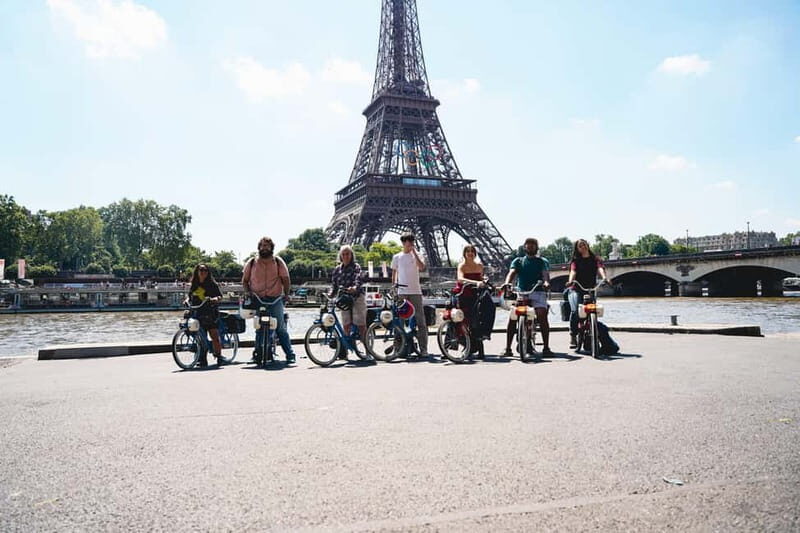
- Recycled, retrofitted Electric Solex with a nostalgic French vibe
- Left Bank focus on writers, philosophers, and artists’ Paris
- Seine River banks route, tied to a UNESCO World Heritage stretch
- Icon stops in one outing: Notre-Dame, Panthéon, Les Invalides, Eiffel Tower
- Small-group attention (maximum 10 people) for better storytelling
- Helmet included so you can travel lighter
Why a recycled Electric Solex feels like the Left Bank’s time machine
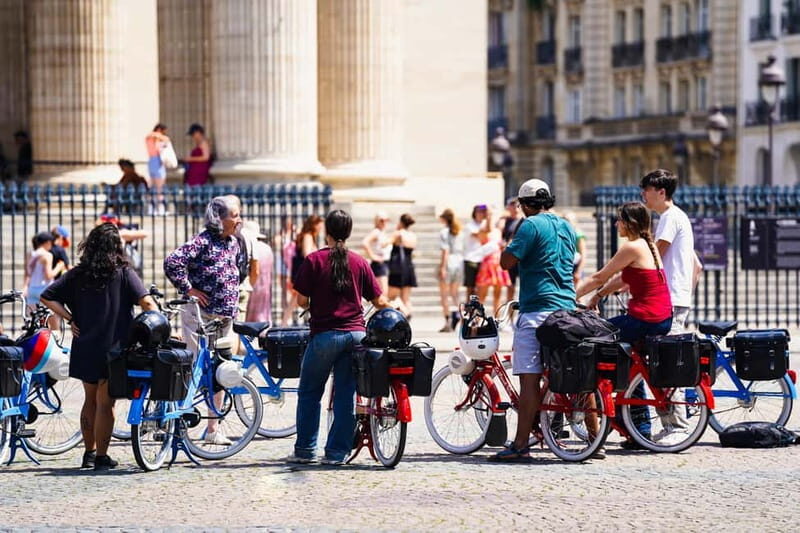
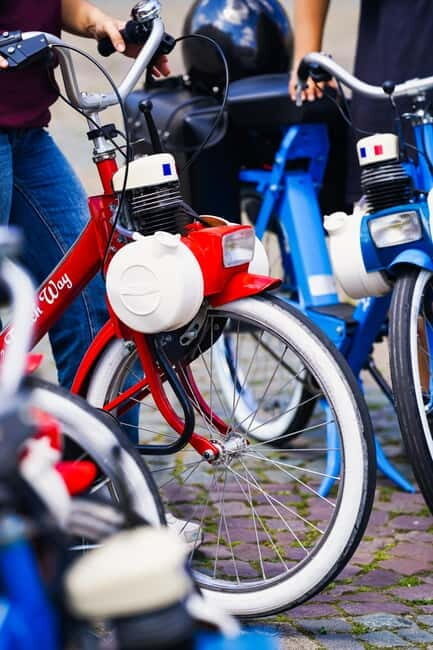
The real charm here is the combination of old-school romance and modern help. The bikes are described as recycled and retrofitted Electric Solex machines, so you’re not dealing with some generic rental scooter feel. You get that French “classic ride” vibe, but with the easy electric assist that keeps the tour enjoyable instead of turning it into a workout.
That matters on the Left Bank. This area is all about ideas and slow reading energy, but it still moves fast when you’re hopping between monuments. On a Solex, you get to glide from one famous sight to the next, which is exactly how I like to experience Paris when I’m short on time.
And you get the kind of moments that feel instantly Paris: wind in your hair, quick glimpses of stone facades, and those sudden “wait, I’m right here” views when a landmark finally lines up with the street you’re on.
You can also read our reviews of more guided tours in Paris



Where you start near Père Lachaise and how the ride is paced
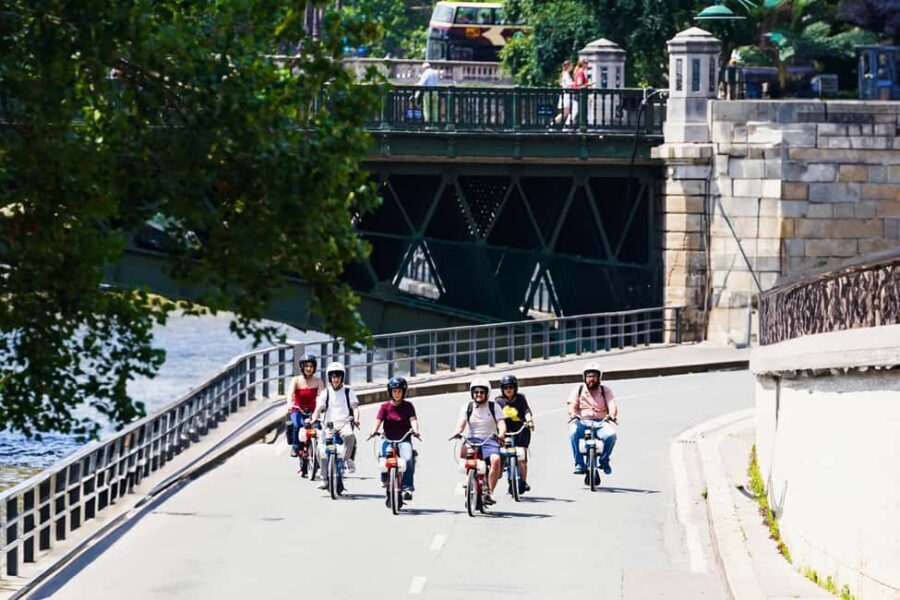
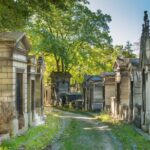
Your meeting point is a few meters from Père Lachaise Cemetery, at 18 Rue Soleillet, 75020 Paris. The guide will be there from 15 minutes before departure, and the tour ends back at the same place. That round-trip setup is simple: you’re not hunting for a different drop-off location after the ride.
The tour runs 2–3 hours (starting times depend on availability), and the group is limited to 10 participants. That small size is more than a comfort perk. It helps the guide keep a steady rhythm through the city without losing people or rushing explanations.
You’ll be provided a Solex bike and helmet, and the tour is guided in English or French. You only need comfortable clothing and to dress for the weather. The basics may sound obvious, but on a bike tour, they’re what separate a fun outing from an annoying one.
Also note the age rule: this one is 18+ only. If you’re traveling with teens, you won’t fit this format unless the rules clearly allow it, since the activity specifically says it’s not suitable for children under 18.
Notre-Dame: the icon you see with movement, not tickets
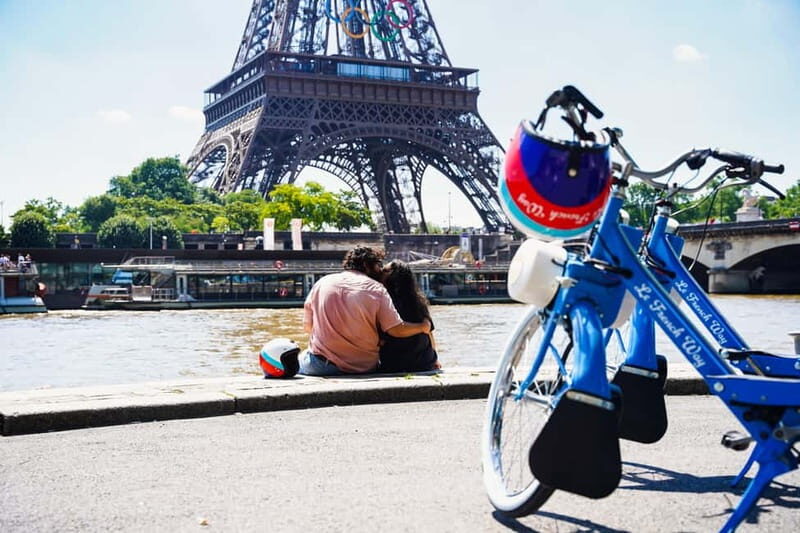
Notre-Dame is listed as a stop, and it makes sense as the first “wow” for this route. Whether you’re seeing it as part of a quick street-level moment or in a more framed view from the ride, the big advantage is timing. Instead of planning a long detour, you catch it as part of the flow of the tour.
Why I like starting with Notre-Dame on a bike: it sets the tone. Notre-Dame isn’t just a famous building. It’s a symbol that anchors a lot of Paris storytelling, and on the Left Bank route you immediately start hearing how the city’s writers and thinkers connected to places like this.
Possible drawback: if you’re expecting a long, inside-the-building visit, this isn’t pitched that way. This is a guided ride and stops format. You’ll get the landmark moments, not a museum-day experience at each site.
Panthéon: when ideas become stone

Next comes the Panthéon, the resting place of France’s great figures. Seeing it on a bike tour works well because you get a “city-to-monument” experience. The Panthéon sits in that strong civic Paris style: big lines, dramatic presence, and a sense of monumentality that you feel even before you stop for photos.
This stop also matches the tour theme. The Panthéon is where the intellectual side becomes physical. You’re not just visiting a building; you’re visiting a place that represents public memory and national thought.
Practical tip: bring a camera you can handle with your hands while you’re stopped. The tour structure is fast enough that you don’t want to waste your best angles fumbling.
Les Invalides and its golden dome moment
Les Invalides is highlighted for its magnificent golden dome, and I get why this stop lands. The dome has that “Paris knows what it’s doing” effect. Even when you’re not staring at it nonstop, it’s the kind of landmark your eyes keep returning to.
On this ride, the dome also helps break up the tour visually. Notre-Dame and the Panthéon lean into the classical and monumental feel. Les Invalides adds a different silhouette and color intensity, so your photos don’t all look like the same kind of architecture.
Small consideration: lighting and weather matter. If it’s a gray day, the gold effect can look more muted. Not a deal-breaker, just something to keep in mind if you’re chasing a particular photo look.


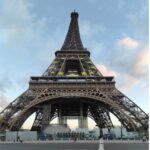

Eiffel Tower by electric run: the fast way to get close
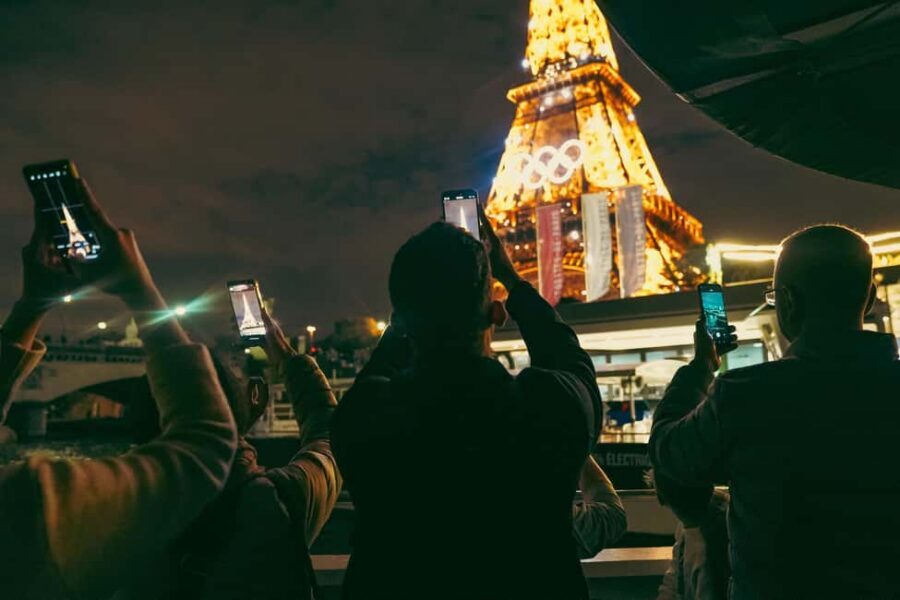
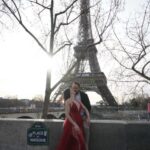
The tour includes the Eiffel Tower, and doing it by Solex is a clever way to fit it in without turning your whole day into a queue-and-wait exercise.
What’s valuable here is the pacing. You’ll be moving through neighborhoods and then, suddenly, there it is. That contrast is fun: Paris changes quickly depending on where you are and how fast you’re traveling. The electric bike gives you enough speed to make the sequence work, without the stress of squeezing through the city on foot.
Do note the limit of the format: this tour is about the ride and guided stops, not a long sit-down visit. If your goal is going up into the tower, this is best treated as a high-quality add-on that helps you see it in context.
Musée d’Orsay and the Seine UNESCO riverbanks
This is one of the most satisfying parts of the route: the Musée d’Orsay, described as a former Beaux-Arts palace on the Seine, plus time along the Seine riverbanks, a UNESCO World Heritage site.
The value here is simple: the Seine is one of the best “connections” Paris has. It links neighborhoods, history, and views. If you only visit the river on foot later, you can miss how much the river changes the feeling of the city. On a bike route, the river becomes an ongoing reference point. You don’t just arrive at the water. You ride beside it.
Why Musée d’Orsay fits the “intellectual Paris” theme: it’s museum space, yes, but it’s also an architectural story—a former palace repurposed for art. That kind of transformation is very Paris: layers, reinvention, and meaning built on top of older meaning.
Weather note: when the sky is moody, the Seine can look dramatic. If it’s sunny, reflections can make the photos pop. Either way, you’re in a section of the city built for sightlines.
Place de la Bastille: revolution in street form
The tour ends with a stop at Place de la Bastille, described as a symbol of revolution. This is a good final note because it shifts the mood from landmark beauty to civic energy.
Bastille is the kind of place where you feel Paris isn’t just about monuments. It’s also about public life and historical turning points. Even if you don’t spend long here, the fact that your route includes it keeps the tour from becoming only postcard Paris.
Practical photo tip: if you want a sharper shot, pause before you pull out for the next stretch. This tour is designed around movement, so give yourself one calm moment to frame Bastille properly.
The guide experience: why the storytelling is part of the value
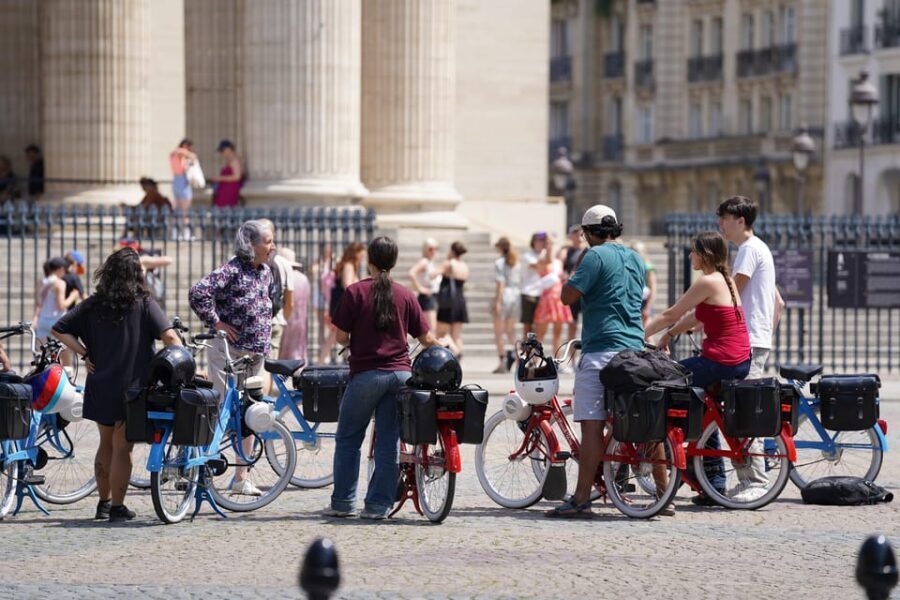
This tour is praised for one big reason: the guide’s delivery. The experience is described as fun, interesting, and guided with city anecdotes, and you feel that when you’re on a bike. A good guide turns a list of famous names into a route with reasons behind it.
You’ll also notice the language support: the tour runs in English or French, so you’re not stuck with hand-wavy explanations. That matters on the Left Bank, where context is everything.
The guide also plays a practical role. On public roads, staying safe and staying together requires clear instructions. If you follow the rules and listen for cues, you’ll get the freedom of the ride without the stress.
What to wear and how to prep so you enjoy every stop
This is not a “wear a fancy outfit and hope for the best” kind of outing. It’s a bike tour, and your comfort affects the whole experience.
Bring:
- Comfortable clothes
- Comfortable shoes
- Layers for the weather
Dress for the season as you would in Paris: breathable layers in summer, warm waterproof clothing in cooler months. You’ll likely feel wind and street pace, especially around the Seine stretches.
And do not ignore the simple rules: follow traffic laws and follow the guide’s instructions. It’s how the tour stays smooth and safe.
Price and value: what $90 buys you (and what it doesn’t)
At $90 per person, this is not a budget-only activity, but it can be good value if you want the Left Bank landmarks without spending your day bouncing between transit plans and long walks.
Here’s what you’re paying for:
- A guided route that hits major names: Notre-Dame, Panthéon, Les Invalides, Eiffel Tower, Musée d’Orsay, Place de la Bastille
- A dedicated bike experience with a helmet included
- A format that keeps the pace lively over 2–3 hours
- A small group that supports better attention and smoother movement
What it doesn’t replace:
- Any deep, time-intensive museum day
- A full inside-the-sites schedule
- A self-guided plan where you choose your own stops
Think of it as an efficient, guided “Left Bank in motion” experience. If that matches your travel style, the price becomes easier to justify.
Who should book this Solex tour
This tour is a great fit if you:
- Like the idea of seeing Paris while riding, not just walking
- Want a guided story route focused on intellectual and artistic Paris
- Prefer small groups and clear guidance
- Are comfortable with an active travel format (bike + traffic rules)
- Are 18+ and can follow safety instructions
If you’re the kind of traveler who wants long stops, deep museum time, or an unstructured day, you may find the ride-and-stops style a bit tight. But if your goal is to get a lot of meaningful landmarks into one smooth morning or afternoon, this hits the target.
Should you book the Solex Intellectual Paris Tour?
Book it if you want Paris to feel personal and move at a pace that matches the city’s vibe. The combination of vintage electric Solex, a Left Bank-focused route, and stops that range from Notre-Dame to the Seine and Bastille makes it a smart use of time.
Skip it (or consider a different format) if you don’t like riding for a few hours, dislike following traffic guidance, or are hoping for extended time inside major sites. This is sightseeing by motion, guided with context, and it works best when you’re in that mindset.
FAQ
How long is the Solex Guided Tour of Intellectual Paris?
The tour runs 2–3 hours, depending on the starting time available.
Where is the meeting point?
You meet at 18 Rue Soleillet, 75020 Paris, just a few meters from Père Lachaise Cemetery. The guide arrives about 15 minutes before departure.
Where does the tour end?
It ends back at the same meeting point.
What’s included in the price?
Included are the tour guide, Solex bike, and helmet.
What languages are offered?
The tour is guided in English or French.
How big is the group?
The group is limited to a maximum of 10 participants.
Is this tour suitable for children?
It’s 18+ only and not suitable for children under 18.
What should I wear?
Wear comfortable clothes and plan for the weather. Comfortable shoes are recommended, and you should dress in breathable layers in summer or warm waterproof layers in cooler months.
Is cancellation free?
There is free cancellation up to 24 hours in advance for a full refund.
Do I need to pay right away?
You can reserve now & pay later, so you can book your spot without paying today.