REVIEW · PARIS
The Essential Louvre Masterpieces Tour – Limited to Six Guests
Book on Viator →Operated by Fat Cat Tours · Bookable on Viator
Two hours, and you still feel the Louvre. The best part here is the small-group setup—max six guests—so you can actually hear your guide and move through the museum without getting swallowed by the crowd. It’s also a good fit if your Paris time is tight: you still cover the major eras in one smooth, focused run.
I also love how the tour doesn’t treat the Louvre like a checklist. With guides such as Lily and Violette (among others), you’ll get story-level context—symbolism, style differences, and what to notice up close—so the Venus de Milo to the Mona Lisa feel connected, not random. Add the included museum entry (the tour includes a €28 adult ticket), and the price starts to look more like “pay for guidance” than “pay for standing in line.”
One thing to plan around: this is semi-private, and strollers/pushchairs can’t be accommodated. The tour also asks for moderate physical fitness, plus the Louvre has rules about what you can carry (like large backpacks or luggage).
In This Review
- Key highlights worth centering your planning on
- A six-person Louvre beats the usual overwhelm
- Where you meet (and why the starting point matters)
- How the tour uses 2.5 hours: a guided timeline you can actually remember
- Antiquity stop: Venus de Milo and the sculpture lessons that stick
- Winged Victory: seeing the museum’s emotional high point
- The Italian Renaissance shift: how the Louvre changes gears
- Mona Lisa without the wandering fatigue
- Guide impact: what makes people rate this tour so highly
- Small restrictions that affect how you should pack
- Price value: what you’re paying for (and what you’re not)
- Who this tour is best for (and who might want a different format)
- Should you book the Essential Louvre Masterpieces Tour?
- FAQ
- How long is the Essential Louvre Masterpieces Tour?
- Where does the tour start and end?
- Is the museum entrance ticket included?
- What’s the group size?
- Is the tour offered in English?
- Do I need hotel pickup or drop-off?
- Are food and drinks included?
- Can I bring a stroller or pushchair?
- Are large backpacks or luggage allowed?
- Are there any age or residency discounts noted for admission?
Key highlights worth centering your planning on
- Max six people: easier conversation, better pace control, less group chaos
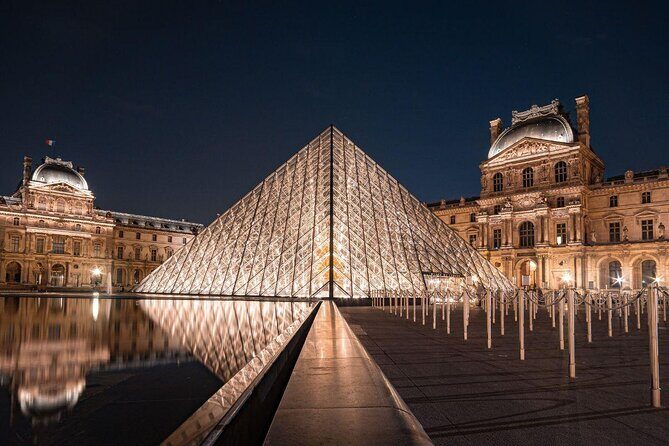
- Masterpieces in one arc: Venus de Milo, Winged Victory, Italian Renaissance, Mona Lisa
- Art-history interpretation, not recitation: guides explain how Greek vs Roman sculpture differs
- A museum route with purpose: Roman sculptures → Etruscan collection → Renaissance paintings
- Crowd-smart guiding: several guides are praised for navigating efficiently and keeping you engaged
A six-person Louvre beats the usual overwhelm
The Louvre is famous for two things: its masterpieces and its scale. On this tour, the scale doesn’t win, because the format is built for focus. With a maximum group size of six, you get a more “walk-and-talk” feel than a standard bus-style shuffle. That matters because the Louvre’s best moments happen in details—faces, poses, pigments, and the odd ways artists copied, changed, or rejected earlier styles.
You also have options that make it easier to match the museum to your trip. This tour runs in English, and you can choose a morning or afternoon slot. If you hate losing your “best energy hours” to museums, that choice is real value.
There’s also an upgrade path if you want it even more personal: the tour offers a private experience option. If you’re traveling as a couple or with a tight schedule (and you don’t want any waiting for other people), that upgrade can feel like paying for time.
You can also read our reviews of more tours and experiences in Paris.



Where you meet (and why the starting point matters)
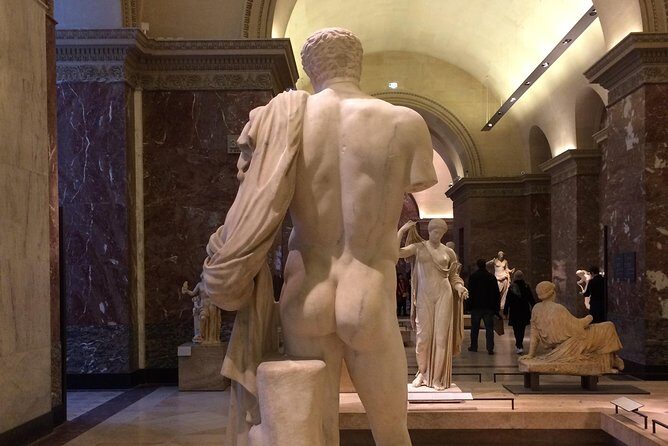
The tour starts at 8 Pl. du Carrousel, 75001 Paris, and ends inside the Louvre Museum (75001). It’s near public transportation, which is handy because you don’t have hotel pickup. In practical terms, you want to be on time at the start, because this experience is short—about 2 hours 30 minutes—and the route depends on keeping momentum.
If you’re the type who arrives early “just in case,” this is one of those tours where that helps. In the Louvre, delays can come from the usual museum bottlenecks (security checks, crowded corridors, ticket-related friction). A group that small tends to move faster, but you still need time on your side.
One more practical tip from the tour rules: the Louvre doesn’t allow large backpacks or luggage. Bring a small day bag if you can. If you’re traveling with a lot of stuff, this tour can force you to travel lighter—annoying if you packed heavy, but freeing once you’re inside.
How the tour uses 2.5 hours: a guided timeline you can actually remember
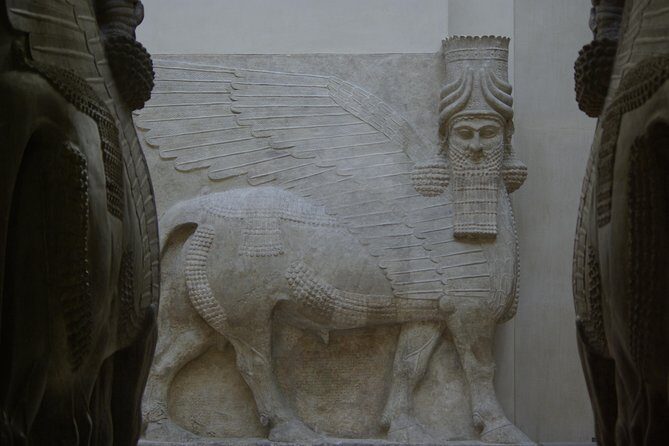
The Louvre can feel like a museum theme park: you look, you take photos, you move on. This tour gives you something better—a timeline you can grasp. The route is staged by major artistic shifts, so you’re not just seeing famous works; you’re learning how Europe’s art language changes over centuries.
The big structure you’ll follow is:
- a run through key antiquity highlights, including Venus de Milo
- a section comparing styles across cultures (Greek vs Roman sculpture)
- a segment on Etruscan sculpture
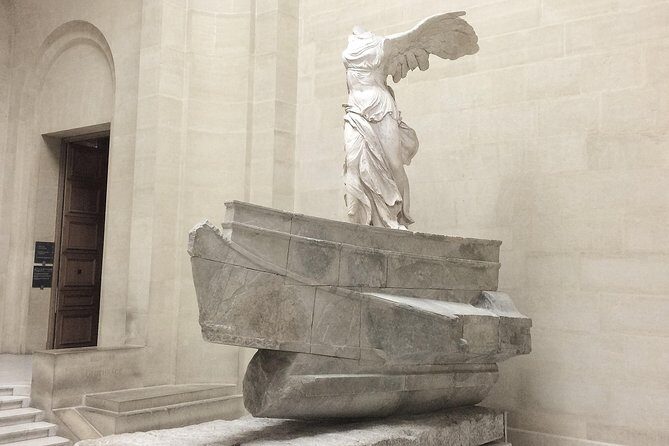
- a climax at Winged Victory of Samothrace
- then you move into a Renaissance-to-masterpieces flow, ending near the Mona Lisa
That “arc” is a big reason people love this tour so much. Even if you don’t know art history going in, you leave with a map of ideas: what changed, what stayed, and why certain details matter.
Antiquity stop: Venus de Milo and the sculpture lessons that stick
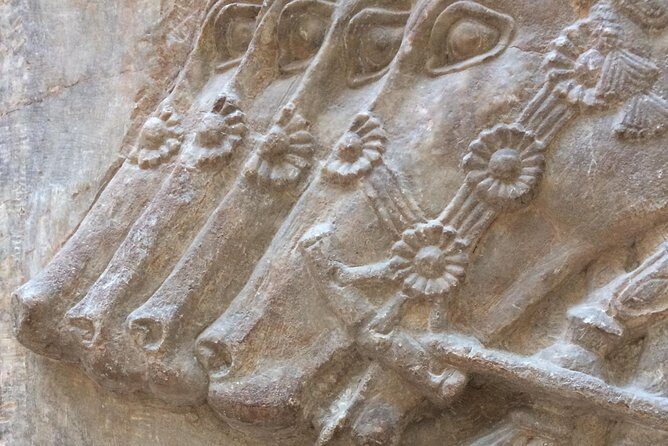
Your introduction to the Louvre starts with antiquity, and the guide’s job is to turn marble into something you can read. You’ll begin with key works from this era and then move through major sculpture groups. The tour specifically calls out Venus de Milo, which is a great anchor because it’s instantly recognizable and visually strong. But the real value is what comes around it.
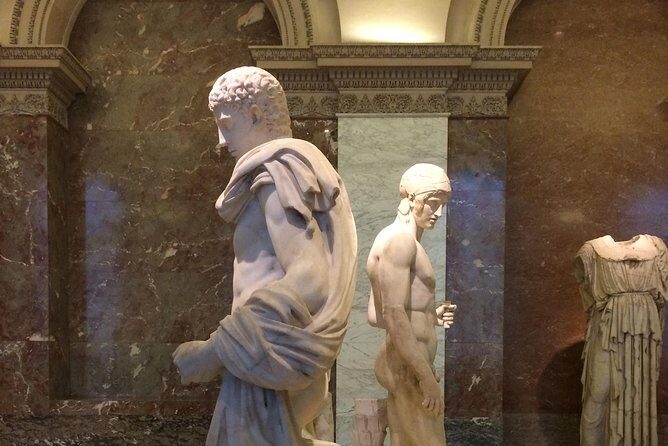
Instead of treating each sculpture as an isolated icon, the guide helps you analyze differences in sculpture styles—especially Greek vs Roman characteristics. That’s useful because a lot of museum confusion comes from seeing two “similar” figures and not knowing what changed. Once you learn a few visual clues, the next rooms feel less like chaos and more like patterns.
After that sculpture comparison, the route moves into Roman sculptures and then toward the Etruscan collection. This is where guided viewing becomes worth paying for. People often skip these transitions because they don’t look like the most famous artworks on the planet. With a guide, you understand why they matter and how they connect to the era before and after.
If you’re curious about how artists borrow and remix, this section is where you’ll feel it most.
Winged Victory: seeing the museum’s emotional high point
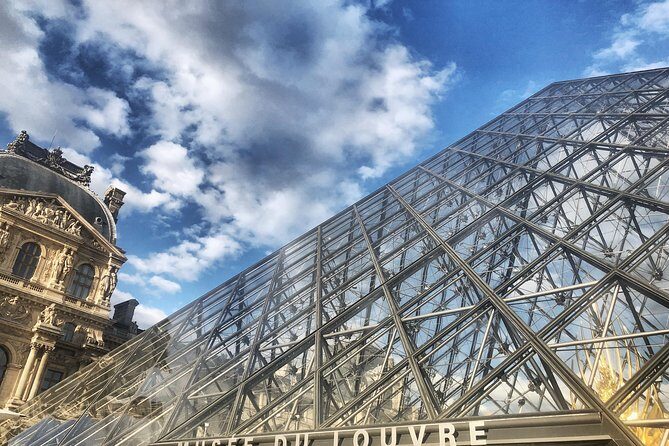
The tour’s antiquity portion culminates with Winged Victory of Samothrace. This is one of those artworks where being in the room changes everything. The guide’s approach here is less about facts and more about how to look—what to notice in the pose, the motion, and how the composition works.
The order is smart, too. By the time you reach Winged Victory, you’ve already been primed to understand sculpture as style and storytelling, not just “pretty stone.” That makes it easier to appreciate why the work still hits hard centuries later.
The tour also includes a stop in a room that’s described as one of the few left in its original condition. That detail might sound small, but it adds a sense of time-travel. In a museum full of reconstructions, an intact original space helps you feel the Louvre as a historical building, not just a gallery.



The Italian Renaissance shift: how the Louvre changes gears
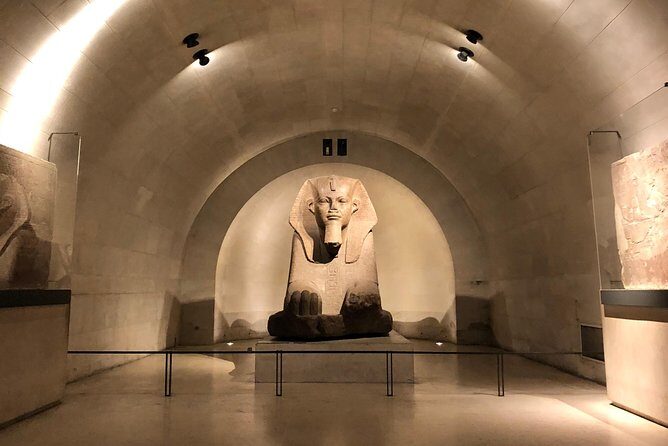
After antiquity, the tour moves into Italian Renaissance art. This is a big jump, and that’s exactly why it’s included. The Louvre’s collection spans different visual languages, and without guidance, it’s easy to bounce from one famous work to the next without noticing how styles change.
When your guide walks you into Renaissance painting territory, you’ll learn what makes the era different—how composition and expression evolved and what to watch for in the way artists built scenes and faces. Then you make your way toward the Mona Lisa as the tour’s major painting moment.
If your time in Paris is short, this is a practical win. You get a “then-and-now” understanding of how European art developed fast—without trying to learn centuries of art history in one afternoon on your own.
Mona Lisa without the wandering fatigue
Even if you’ve seen the Mona Lisa a hundred times in photos, seeing it in person is still a rush. The practical problem is that the Louvre can make you feel rushed or lost around it—too many directions, too many crowds, not enough context.
This tour’s format helps because you’re moving with a plan. The guide brings you through the right corridors at the right time, so you spend your energy watching instead of searching. Several guides are praised for helping people navigate the museum smoothly and keeping them engaged, rather than letting you get pulled into the general foot traffic.
You’ll also get help with how to approach the painting: what to focus on, and how to interpret what you’re seeing. That turns a moment that could feel like a quick photo stop into a real viewing experience.
Guide impact: what makes people rate this tour so highly
The consistent theme across the guides who lead this experience is simple: they don’t just point. They interpret.
Guides like Adam are mentioned for using questions to keep everyone thinking—so you don’t drift into passive staring. Barbara is noted for explaining the Louvre’s bigger story, including how the building connects to the museum’s layout. Erell and others are praised for tailoring information and helping families connect with what they see. And Gary, for example, is described as having advanced degrees and having worked directly in the Louvre, with guidance built around thought-provoking observation.
There’s also a recurring “crowd management” strength. When a guide knows where to put you and how to time small movements, your brain can stay in museum mode. You can actually look at art instead of bracing for shoulder-checks every five seconds.
If you’re going with kids or someone who thinks museums are boring, this is a major reason to book a guided route. The tour experience is designed to make the art feel like a story you can follow.
Small restrictions that affect how you should pack
Before you show up, read these rules like they’re part of the itinerary. They aren’t optional.
- No strollers or pushchairs on the semi-private tour. If you need mobility support, plan an alternative strategy for the day.
- The Louvre doesn’t allow large backpacks or luggage. Keep your bag compact.
- The tour asks for moderate physical fitness. You’ll be walking through galleries and moving at a museum pace for about 2.5 hours.
These points don’t ruin the tour, but they can change the comfort level. If you travel with lots of gear or you rely on a stroller, you’ll likely feel stressed before you even reach the first gallery.
Price value: what you’re paying for (and what you’re not)
At $192.36 per person, you’re not paying for a seat on a massive group bus. You’re paying for:
- a small-group format (max six)
- an expert English guide
- and the included museum admission ticket (the adult entry cost is listed as €28)
You’re also getting a planned route that targets major highlights in a limited time. That’s important value. The Louvre is the kind of museum where independent touring can eat up hours just figuring out where to go next. When time is scarce, paying for a guide often feels less like an expense and more like buying back your day.
What’s not included is just as important:
- no hotel pickup/drop-off
- no food and drinks
If you’re the type who likes a leisurely café lunch, you’ll need to plan that yourself.
Who this tour is best for (and who might want a different format)
This tour is a strong match if you want the Louvre in one focused sweep:
- first-time visitors who don’t want to guess what matters most
- couples and friends who want a calmer experience than a large group
- families who want the big landmarks without a chaotic self-guided scramble
- anyone who likes art history when it’s translated into plain, visual “what to notice” guidance
It’s also a good option if you hate the idea of spending your vacation time trapped in admin—this tour includes a mobile ticket, and the semi-private format helps keep things organized.
Consider a different choice if you:
- need stroller access (this semi-private tour can’t accommodate them)
- can’t do moderate walking
- plan to carry lots of luggage (Louvre bag rules can limit what you bring)
Should you book the Essential Louvre Masterpieces Tour?
If your goal is to see the Louvre’s best-known works—Venus de Milo, Winged Victory of Samothrace, and the Mona Lisa—with real context in about 2.5 hours, I think you should book. The six-person limit and the guide-led storytelling are the core reasons this tour makes sense for real schedules.
I’d book especially if you’re doing only one Louvre visit. The tour gives you a guided route that connects eras instead of treating each artwork as a disconnected stop.
One last nudge: this kind of tour gets booked ahead. The tour is commonly booked around 58 days in advance, so if your dates are fixed, don’t wait until the last minute. You’ll want your Louvre plan locked in early, so you can enjoy the rest of Paris without museum stress.
FAQ
How long is the Essential Louvre Masterpieces Tour?
It lasts about 2 hours 30 minutes.
Where does the tour start and end?
It starts at 8 Pl. du Carrousel, 75001 Paris, and ends at the Louvre Museum (75001).
Is the museum entrance ticket included?
Yes. The tour includes the adult museum ticket listed as €28.
What’s the group size?
This is limited to a maximum of 6 travelers, and it’s described as semi-private.
Is the tour offered in English?
Yes, the tour is offered in English.
Do I need hotel pickup or drop-off?
No. Hotel pickup/drop-off is not included.
Are food and drinks included?
No. Food and drinks are not included.
Can I bring a stroller or pushchair?
No. Strollers and pushchairs cannot be accommodated on the semi-private tour.
Are large backpacks or luggage allowed?
The Louvre does not allow large backpacks or luggage.
Are there any age or residency discounts noted for admission?
Yes. Free admission applies to visitors under 18 and EEA residents under 26, with valid ID and proof of residency.