REVIEW · PARIS
WW1 Australian Battlefield Day Tour from PARIS: Somme, Villers-Bretonneux…
Book on Viator →Operated by Terres de Mémoire · Bookable on Viator
Australian memory has a gravity of its own. This private day trip links the Somme fighting in 1916 to the stopping of German forces in 1918, with a WW1 expert guiding you across key Australian sites like Lochnagar Crater and Villers-Bretonneux. You get pickup options, a small group (up to 7), and an air-conditioned ride that keeps the focus on the places instead of the map stress.
I especially like two things. First, the pacing plus included access means you can spend your time reading, listening, and walking instead of hunting tickets at every stop. Second, the Villers-Bretonneux memorial gives you a real chance for a personal connection, the kind people often remember for years, especially when you come with a family name to search against the 11,000 missing.
One drawback to consider: this is a long day (about 9–11 hours), and lunch and snacks are not included, so you’ll want a plan before you leave.
In This Review
- Key things that make this tour worth your time
- Why this Australian Somme route from Paris is a smart value
- Lochnagar Crater: the mine crater from July 1, 1916
- The 1st Australian Division memorial: Gibraltar bunker, Windmill, and Mouquet farm
- Thiepval Memorial: a focused look at the missing of the Somme
- Beaumont-Hamel trenches: seeing preserved ground from 1916
- Albert for lunch: a real reset between memorials
- Villers-Bretonneux Australian National Memorial: the power of names
- Sir John Monash Centre: turn what you saw into a story you can picture
- Pacing, comfort, and what to bring for a 9–11 hour day
- What this tour does best for Australians and families
- Should you book this WW1 battlefield day from Paris?
- FAQ
- How long is the WW1 Australian Battlefield Day Tour from Paris?
- Is this tour private, and how many people are in the group?
- What’s included in the price?
- Is lunch included?
- Are admission tickets included for the memorials and sites?
- What if the weather is bad?
Key things that make this tour worth your time
- Lochnagar Crater for a direct look at the mine site from July 1, 1916
- 1st Australian Division memorial area tied to the Gibraltar bunker, Windmill, and Mouquet farm
- Thiepval + preserved trenches at Beaumont-Hamel for two different styles of remembrance
- Albert lunch stop with a timed break near the basilica
- Sir John Monash Centre to connect the Western Front story to what you just saw on the ground
Why this Australian Somme route from Paris is a smart value
If you’re short on time in Paris but still want a meaningful day trip, this one makes sense. It’s private (up to 7 passengers), run with a WW1 expert driver/guide, and built around the core Australian-linked sites in the Somme and nearby 1918 action around Villers-Bretonneux.
The price tag ($296) is easier to swallow when you look at what’s included. You’re paying for transportation, an expert guide, and access to the sites and museum fees. Plus, the stops are set up so you’re not scrambling for entry timing on your own, which is a big deal in a region where moving efficiently can feel harder than it looks.
I also like that the tour is flexible in a practical way. The operator notes that each tour is unique, and you can ask to focus on specific areas or even graves in the region. That matters because WW1 battlefield days hit different depending on why you came: education, family research, or both.
Finally, this route is packed but not random. The stops are arranged so you move from major 1916 locations to the commemoration sites that tie the Australian story together on the Western Front.
You can also read our reviews of more tours and experiences in Paris.


Lochnagar Crater: the mine crater from July 1, 1916
Lochnagar Crater is the kind of stop that makes the words of WW1 feel physical. The mine crater here is tied to a huge underground mine blow-up on July 1, 1916. You’ll have around 30 minutes at this stop, with admission included and no ticket hassle.
What I’d do with your time: don’t rush to the first viewpoint and move on. Use those minutes to orient yourself—think about how underground forces were used to change the surface, then let the guide’s explanation connect it to what Australians faced in the Somme.
Practical note: you’ll want comfortable footwear. Battlefield ground can be uneven, and this area has enough foot traffic that you’ll appreciate shoes you trust on short walks.
The 1st Australian Division memorial: Gibraltar bunker, Windmill, and Mouquet farm
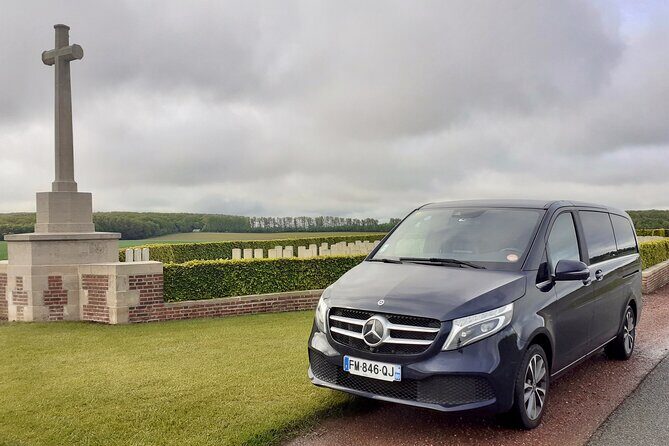
Next up is the memorial for the 1st Australian Division, tied to the Gibraltar bunker site plus the Windmill and Mouquet farm areas. The time here is about 30 minutes, and the focus is on the places where Australians lost so many lives.
This stop is powerful because it’s specific. Instead of a vague “battle happened here” feeling, you get place names that the guide can connect back to the fighting context you’re seeing across the day. If you like your history grounded in real geography, this part will click.
Possible drawback: because the stop is short, you’ll get best results if you’re ready to listen right away. If you’re the type who needs a long quiet moment to read every panel, you might wish you had more time—but that’s true of most battlefield days, and the trade-off is you get to cover more key sites.
Thiepval Memorial: a focused look at the missing of the Somme
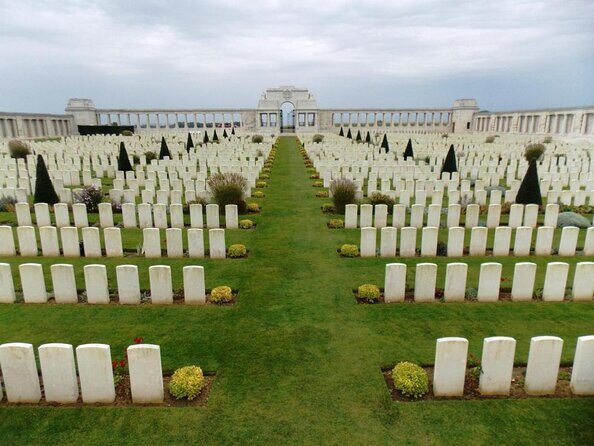
Thiepval Memorial is where you slow down with the scale of loss. It’s described as the memorial to the missing of the Somme, and you’ll have about 30 minutes here.
This is a good stop for two different kinds of visitors. If you came for education, this is where the guide can translate what “missing” means in practical terms for families and for how nations remember. If you came with a family name, this is the kind of place where your attention naturally shifts to checking names and absorbing the intent of the memorial.
Tip: bring your own notes if you can. If you have a name, double-check spellings before you arrive at memorial walls. Even a small mistake can waste time when you only have a half hour.
Beaumont-Hamel trenches: seeing preserved ground from 1916
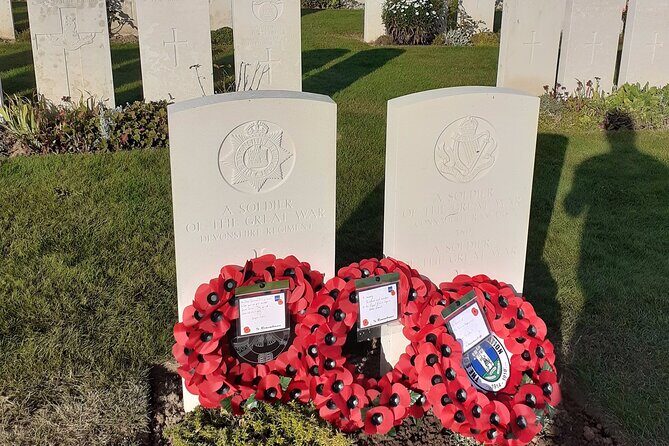
Terre-neuvien de Beaumont-Hamel is one of the stops that makes a day like this feel worth the drive. You get about an hour here, and the key detail is that the battlefield is preserved, with original trenches from the 1916 Somme fighting.
An hour is a good window. It lets you step into the terrain mentally and then let the guide explain how the trenches connect to the wider battle story. This is also one of those locations where you’ll feel the difference between reading about WW1 and standing on the ground.
What to watch for: don’t treat it like a museum walk. Take breaks between viewpoints. Even in a timed tour, pausing for 30 seconds to look across the trenches helps the information stick.


Albert for lunch: a real reset between memorials
You’ll stop in Albert for lunch, with about 50 minutes on the clock. The basilica is described as famous, so this is also a chance to grab a quick meal and reset your head before the last memorial-heavy stretch.
Lunch isn’t included, so decide in advance how you want to handle this. If you want a sit-down meal, 50 minutes can feel tight. If you keep it simple—grab something quick, eat, and walk a short loop near the basilica area—you’ll come out happier.
A practical approach: choose a place close to where you’ll regroup, and don’t assume you’ll have time to hunt once you’re hungry. This is one of the easiest ways to protect the rest of the day.
Villers-Bretonneux Australian National Memorial: the power of names
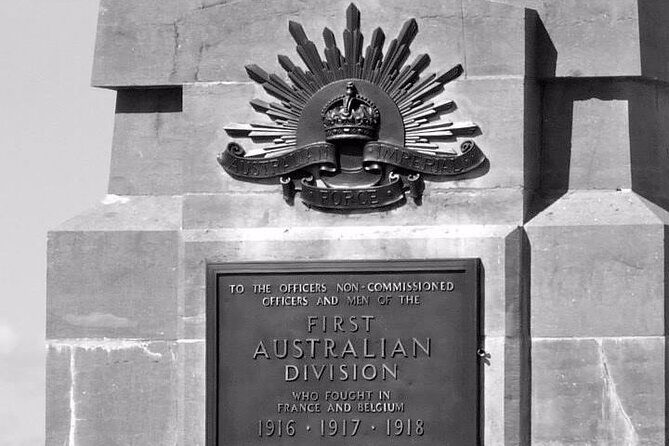
Villers-Bretonneux is where the emotion often lands hardest. This stop centers on the Australian War Memorial in the town, commemorating the 11,000 Australians missing in France in World War One. The tour description also highlights it as the largest Australian memorial in Europe.
You’ll have about 40 minutes here, which is long enough to take in the memorial’s meaning and still have time to focus on personal connections. Many people find this moment especially moving when they can locate a relative’s name. Even if you don’t have family tied to this, it’s still worth using your time to read carefully.
How to make your visit smoother: if you’re searching names, arrive mentally prepared. Know the spelling you expect, and don’t rely on memory alone. This stop is designed for remembrance, so keep your pace respectful and focused.
Also, remember the tour is running as a sequence. If you spend too long at the first wall you reach, you may feel rushed at the end. Ask your guide for a suggested order inside the memorial area, and let the time work for you.
Sir John Monash Centre: turn what you saw into a story you can picture
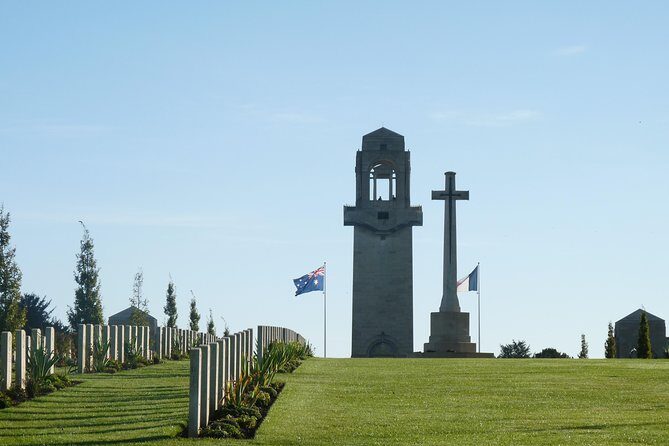
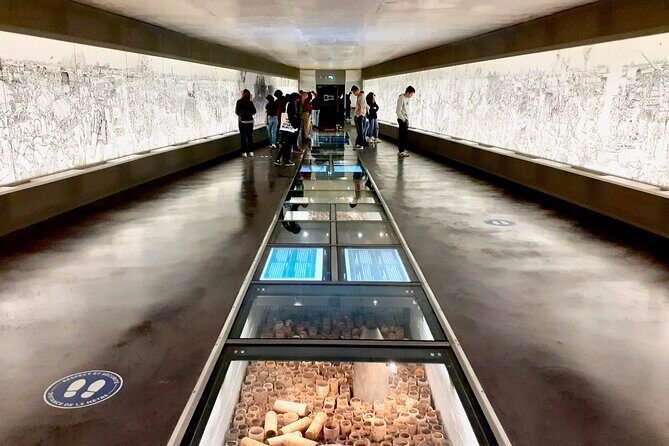
To wrap up, you’ll visit the Sir John Monash Centre, with about 45 minutes allocated. The highlight here is an immersive room and the chance to understand more about the Australians on the Western Front after seeing key ground sites.
I like this kind of stop because it bridges the gap between place and meaning. Battlefield sites can feel heavy, and the Monash Centre helps you organize what you just experienced into something you can talk through later.
Practical tip: use the centre time to connect the dots. Ask yourself how Lochnagar Crater, the division memorial area, Thiepval, and Beaumont-Hamel all fit into the broader Australian story in the region. Then you’ll leave with more than a list of sites.
Pacing, comfort, and what to bring for a 9–11 hour day
This is a full day. From the moment you’re picked up, you’re trading Paris streets for rural roads and memorial stops, so build comfort into the plan.
Because the tour notes that most travelers can participate, it’s designed for general mobility. Still, you should wear shoes that handle walking and standing for long stretches. Also, keep layers in mind; weather can shift, and the operator notes the experience requires good weather.
Since lunch and snacks aren’t included, I strongly suggest you bring water and a small backup snack, even if you plan to buy lunch. That way, you don’t end up fighting hunger at the wrong time, especially if the day runs slightly behind schedule.
Finally, the tour uses a mobile ticket. Make sure your phone battery is healthy, and consider downloading or saving the ticket information before you head out. It’s a tiny step that can save you stress when you’re moving between stops.
What this tour does best for Australians and families
If you’re Australian—or your trip is tied to Australian connections—this day can hit a different level. The stops aren’t just generic WW1 memorials; they’re specifically tied to Australian fighting areas and Australian remembrance.
For families with a relative in mind, the combination of memorial sites is especially useful. You’re not just visiting one place and hoping it matches your research. The day includes multiple remembrance locations, including the Australian National Memorial at Villers-Bretonneux, where names are part of the experience.
It also suits history lovers who want context without doing the full logistics work. Battlefield travel on your own can be time-consuming, and it’s easy to misjudge distances in rural France. A private day with a guide fixes that instantly.
And because it’s limited to a small group (up to 7), you get more room for questions. If you’re curious about why a specific site matters, or you want the guide to point out where the fighting connects, smaller groups make that easier.
One more note: guides on this tour are praised for clear explanations and conversational friendliness. If your guide is someone like Sylvestre (a name that shows up repeatedly), you can expect the day to feel structured and easy to follow while still respectful.
Should you book this WW1 battlefield day from Paris?
Yes, if your goal is a focused Australian WW1 day that doesn’t require you to master the region first. The value comes from the combination of transportation, an expert WW1 guide, and access to the sites and museum fees, plus the practical time you get at each stop.
Book it if you:
- want a private small-group format with up to 7 people
- care about Australian-linked sites from the Somme era and Villers-Bretonneux
- might have a family name to search at memorials
- prefer a guided day over trying to stitch together multiple locations yourself in a single day
Skip it (or rethink) if:
- you hate long days and want lots of flexible time to linger
- you’re counting on lunch being handled for you
- you’re traveling when weather is unreliable, since the experience requires good weather
If you’re standing in a place like Lochnagar Crater and later looking at Australian remembrance at Villers-Bretonneux, you’ll understand why this route is so often recommended. It’s not just a checklist. It’s a guided path through the places where the story was fought and where it’s kept.
FAQ
How long is the WW1 Australian Battlefield Day Tour from Paris?
The tour runs about 9 to 11 hours, depending on the day and timing between stops.
Is this tour private, and how many people are in the group?
It’s a private or personalised tour with a maximum of 7 passengers.
What’s included in the price?
Access to all the sites and museum fees, a driver/guide with WW1 expertise, air-conditioned vehicle transport, and private transportation.
Is lunch included?
No. Lunch and snacks are not included, though you do have a stop in Albert for lunch.
Are admission tickets included for the memorials and sites?
The tour includes access to all the sites and museum fees, and the stop descriptions show admissions as free for the locations listed.
What if the weather is bad?
The experience requires good weather. If it’s canceled due to poor weather, you’ll be offered a different date or a full refund.