REVIEW · PARIS
Artists in Montparnasse, smartphone audioguided tour
Book on Viator →Operated by REWIND · Bookable on Viator
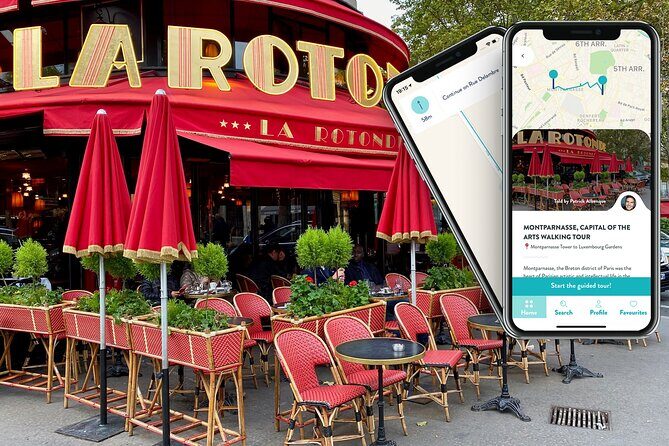
Montparnasse comes with its own soundtrack. This smartphone audioguided walk lets you follow a professional commentary right on the street, with audio that cues as you reach the spots. I love that the stories are timed to the location, so the neighborhood feels less like trivia and more like a living set.
The second thing I like: you get specific, name-and-place detail, including the Prohibition-era American bar linked with Hemingway and Scott Fitzgerald and the hotel connected to the birth of surrealism. The only potential drawback is that it’s app-led rather than a classic live guiding format, so if you want lots of back-and-forth questions, you may feel a bit on your own.
In This Review
- Key Highlights at a Glance
- Why Montparnasse Still Matters for Art-Lovers
- How the Rewind Smartphone Guide Shapes Your Walk
- Getting Your Bearings: From Rue du Départ to Montparnasse
- Montparnasse at Street Level: Symbolists, Art Deco, and Café Life
- Preserved Artist Studios: Where Work Became Reputation
- Mythical Cafés and Cinemas: The Social Side of Art
- Prohibition-Era American Bar: Hemingway and Scott Fitzgerald
- The Hotel for Surrealism and the Shift from Montmartre
- Finishing Near Closerie des Lilas and the Luxembourg Gardens
- Price and Value: What $11.57 Buys You
- Who This Montparnasse Audio Walk Suits Best
- Should You Book This Montparnasse Smartphone Audio Tour?
- FAQ
- How long is the Montparnasse smartphone audioguided tour?
- Where does the tour start and end?
- How does the audio work while you walk?
- Is this tour private?
- When is it available?
- Can I cancel and get a full refund?
Key Highlights at a Glance
- Auto-triggered audio on the street so you don’t miss the point of each stop
- Prohibition-era American bar stories featuring Hemingway and Scott Fitzgerald
- Surrealism’s hotel connection plus why the scene shifted from Montmartre to Montparnasse
- Preserved artist studios and mythical cafés that anchor the art talk in real places
- Art-film cinema and classic café names like the Select and the Coupole
- A private experience format designed for just your group
Why Montparnasse Still Matters for Art-Lovers
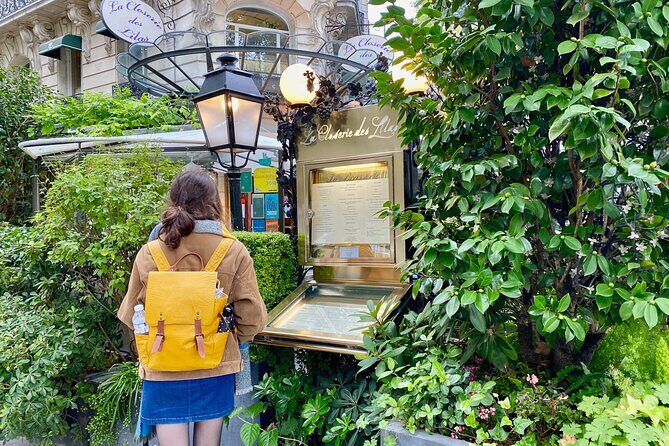
If you only know Paris through the big postcard stops, Montparnasse can feel like the side street with the stronger personality. This is where you go to understand how Parisian art and ideas moved and reorganized in the early 1900s, especially in the first half of the 20th century.
What makes this area so useful for a walk like this is that the neighborhood is packed with layers. You’re not just reading about art movements. You’re moving through the places where artists and writers actually gathered, worked, argued, and mythologized themselves. The app format helps you keep that flow, because you don’t have to hold a paper map in one hand and a lecture in the other.
You can also read our reviews of more tours and experiences in Paris


How the Rewind Smartphone Guide Shapes Your Walk
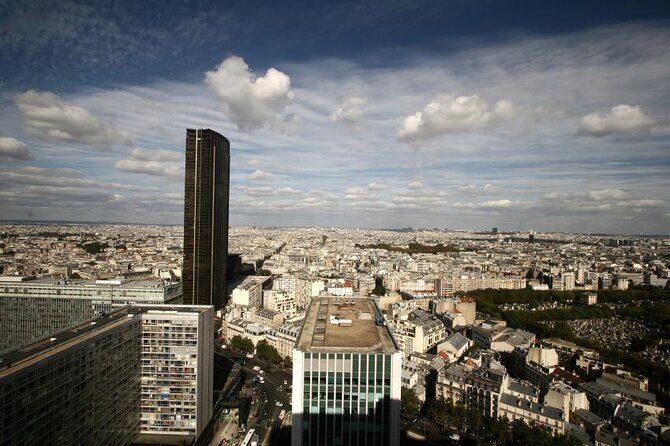
This experience runs on the Rewind app. You carry your phone, listen to the commentary, and the audio commentaries trigger automatically when you reach the right spots. That single feature changes how you move through the district.
Instead of stopping to check where you are all the time, you can do the simpler thing: walk, look up, and let the narration guide your attention. It’s also a nice fit for your pace. If you want a quick pause to read a façade detail, you can. If you prefer to keep moving, you can do that too.
Because the tour is private for your group, it avoids the awkward feeling of being squeezed into someone else’s rhythm. It’s not a big group bus tour energy. It’s more like you borrowed a well-written audio companion for 1 hour 30 minutes.
Getting Your Bearings: From Rue du Départ to Montparnasse
The walk begins at 36 Rue du Départ (75015) and ends near 171 Bd du Montparnasse (75006). Your route finishes close to Closerie des Lilas and the Luxembourg Gardens, which is handy because it gives you an easy “wrap-up zone” for a late coffee or a post-walk stroll.
Timing matters here. At about 1 hour 30 minutes, you’ll want to plan for steady movement with a couple of natural stops. If you arrive already tired or plan to spend a long time browsing shops, you may feel rushed by the end.
Also, keep an eye on the setting: Montparnasse is an active neighborhood. The audio will keep you on track, but it helps to wear comfortable shoes and stay aware of traffic while you look for the next cue.
Montparnasse at Street Level: Symbolists, Art Deco, and Café Life
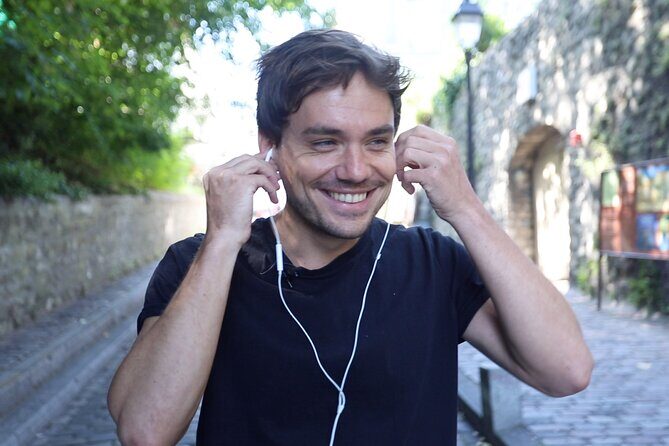
The tour centers on the core idea that Montparnasse was a major hub for Parisian artistic and intellectual life in the early 1900s. The app sets the scene first, then brings you to places tied to that world.
You’ll get a sense of how this area became a magnet for different aesthetics and communities—especially symbolist and art deco circles. That’s not just a label thrown at you. The commentary connects the movements to where people actually hung out, which is often what makes the concepts stick.
A practical benefit: because the tour is location-based, you’re more likely to notice details that match what you’re hearing. When the narration talks café culture, your eyes start looking for the kind of street corner where conversations, arguments, and deals would have happened.
Preserved Artist Studios: Where Work Became Reputation
One of the standout elements is the focus on preserved artists’ studios and the idea of creative space as part of the story. In Paris, the buildings often carry the tone long after the original occupants are gone. Here, the goal is to help you read those spaces.
When you hear about studios in this district, the point isn’t to imagine a museum display. It’s to understand that art didn’t happen in isolation. It happened next to daily life—through regular meetings, regular customers, and regular walks between places of work and places of talk.
If you enjoy art history but hate lectures that stay abstract, this part is a good match. It takes something broad and makes it physical.



Mythical Cafés and Cinemas: The Social Side of Art
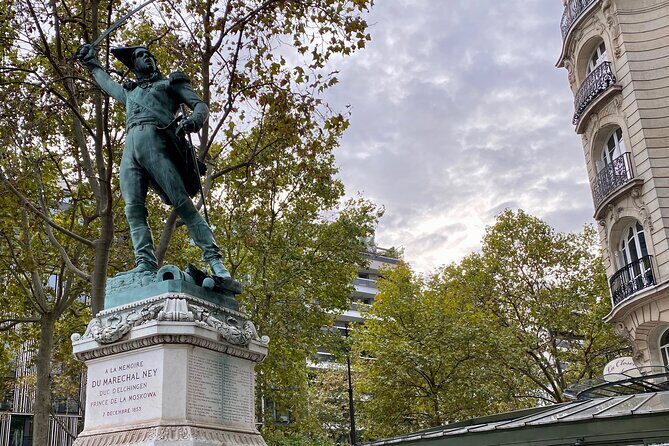
This is not only painters and manifestos. The narration also points you toward the social engine of the district: cafés and cultural venues where art-film discussions and late conversations would naturally bloom.
You’ll hear about mythical cafés including the Select and the Coupole. Even if you don’t stop inside, knowing the names ahead of time gives you a sharper sense of what the streets used to support—more than sightseeing, more than a backdrop.
The same idea shows up with the mention of classic art-film cinemas. This helps you see Montparnasse as a place where different art forms cross-pollinated, not just one scene at a time.
Prohibition-Era American Bar: Hemingway and Scott Fitzgerald
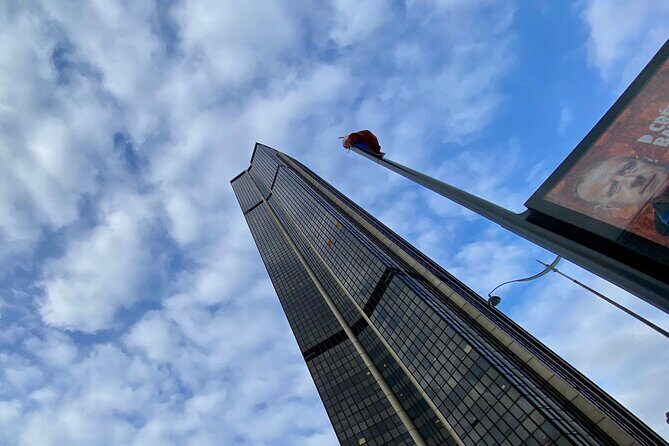
One of the more fun and memorable storylines connects Montparnasse to an American bar era during Prohibition. The commentary links it with Hemingway and Scott Fitzgerald—two names that still carry weight in modern writing culture.
This section matters for two reasons. First, it shows how Paris attracted outsiders and how creative circles weren’t limited by language or nationality. Second, it reminds you that nightlife is often where cultural movements pick up speed. People don’t only create art in studios. They create it in rooms that feel electric, loud, and slightly risky.
For me, the value here is that the audio makes the neighborhood feel specific. You’re not just hearing that “writers came to Paris.” You’re walking through a district where the storytelling is tied to known literary figures and a particular historical moment.
The Hotel for Surrealism and the Shift from Montmartre
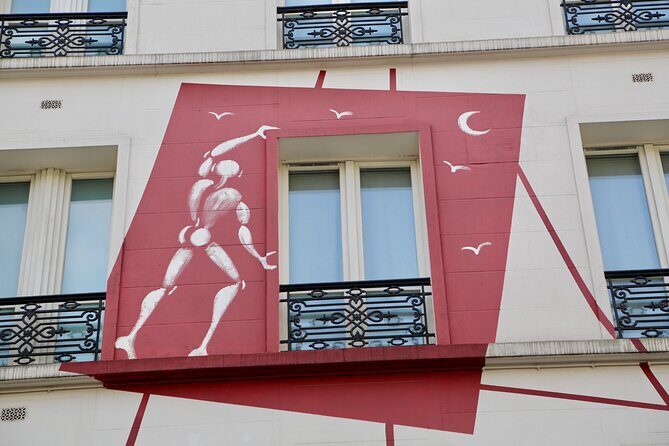
Another key thread is the hotel connection to the birth of the surrealist movement. Surrealism can sound like a concept you read about in a book. Linking it to an actual address helps it feel real, immediate, and human.
The tour also explains why the artistic milieu gradually moved from Montmartre to Montparnasse. That kind of cause-and-effect is useful, because it gives you a mental map of Paris art history as something that changes over time, not something that simply exists.
As you walk, try to think of Montparnasse as a kind of gravitational center. People follow energy—attention, patrons, venues, and the chance to be around others making work like theirs.
Finishing Near Closerie des Lilas and the Luxembourg Gardens
Your walk winds up near Closerie des Lilas and the Luxembourg Gardens. That’s a smart finish because it transitions you from “listening mode” to “walking mode.”
If you want to keep the art atmosphere going, Closerie des Lilas is the kind of classic stopping point that fits the story you’ve been hearing. If you want something calmer, the Luxembourg Gardens are a natural place to decompress and reflect without forcing yourself into another timed activity.
In practical terms, this end point also helps you plan your next step. You won’t feel like you’re stranded at the middle of nowhere after the audio stops.
Price and Value: What $11.57 Buys You
At $11.57 per person, you’re paying for a guided experience without paying for a traditional live guide’s time. Considering the duration is about 1 hour 30 minutes, the math works out best if you’re the kind of traveler who enjoys structured storytelling while exploring on your own.
Also note the line about admission being free. That suggests you’re not locked into a pricey ticketed entry during the walk. Instead, you’re spending money on the narrative and on the walking route itself.
Is it worth it if you only want a quick neighborhood glance? Maybe not. But if you want to learn names, movements, and specific places while still keeping flexibility, it’s a strong value.
Who This Montparnasse Audio Walk Suits Best
You’ll likely enjoy this most if you:
- like art history told through real streets and real venues
- prefer self-paced walking over being shepherded by a group
- want a practical way to cover Montparnasse quickly in a short time
It may not be your best match if you need a live guide to answer detailed questions or if you want a long, slow tour with lots of pauses inside sites. This experience is built for motion and timing, using the app’s auto-triggered cues.
Should You Book This Montparnasse Smartphone Audio Tour?
I’d book it if you want an efficient, story-led way to understand why Montparnasse mattered in the early 1900s. The standout value is how the audio connects famous literary and art movements to specific neighborhood locations, including the Prohibition-era American bar linked to Hemingway and Scott Fitzgerald and the surrealism hotel reference.
Skip it only if you’re specifically looking for a live guide presence, because the core format here is you plus your phone plus the street.
If you’re coming to Paris for a first or second visit and you want more than the usual landmarks, this is a smart add-on that makes Montparnasse feel understandable fast.
FAQ
How long is the Montparnasse smartphone audioguided tour?
It lasts about 1 hour 30 minutes.
Where does the tour start and end?
It starts at 36 Rue du Départ, 75015 Paris, and ends near 171 Bd du Montparnasse, 75006 Paris (close to Closerie des Lilas and the Luxembourg Gardens).
How does the audio work while you walk?
The audio commentaries trigger automatically when you reach the corresponding locations.
Is this tour private?
Yes. Only your group participates.
When is it available?
It lists hours from Monday to Sunday, 7:00 AM to 6:00 PM (for the period 11/06/2020 to 06/16/2026).
Can I cancel and get a full refund?
Yes. You can cancel up to 24 hours in advance for a full refund. Cancellation within 24 hours isn’t refunded.