REVIEW · PARIS
Bastille’s Architecture & Artisans Self-Guided Walking Tour
Book on Viator →Operated by Vidi Guides · Bookable on Viator
A quick walk can teach you a lot. This Bastille architecture and artisans self-guided tour turns a small corner of Paris into a clear little story, with audio from a local historian and a route you can pace your way.
I especially like the flexible pacing. Each stop is short, so you can pause to read signs, watch street life, or just take in the blocks around Faubourg Saint-Antoine without feeling rushed.
One drawback to consider: if you do not download your audio in advance or you are not on the exact starting square, the self-guided format can feel confusing for a few minutes.
In This Review
- Key things to know before you go
- Why Bastille’s artisan streets feel different than central Paris
- Price and time: an hour of context for $17.88
- How the self-guided audio tour really works (and what to prep)
- Stop-by-stop: Place de la Bastille to Rue du Faubourg Saint-Antoine
- Faubourg architecture details: Passage du Chantier and Fontaine de Charonne
- Square Trousseau pause, then Bastille Market’s real neighborhood energy
- Coulée Verte René-Dumont: a calm send-off to end the loop
- Who this tour is best for (and who might want a different plan)
- Tips to make the most of the route (especially for photos)
- Should you book this Bastille architecture and artisans tour?
- FAQ
- How long does the Bastille Architecture & Artisans self-guided walking tour take?
- Where does the tour start and end?
- Is the tour audio available offline?
- What language is the audio guide in?
- Are earphones included?
- How many stops are on the route?
- Do I need a mobile ticket?
- Is there GPS or navigation support?
- Is the tour limited in group size?
- What’s the cancellation option?
Key things to know before you go
- Local historian audio that gives context instead of just naming streets
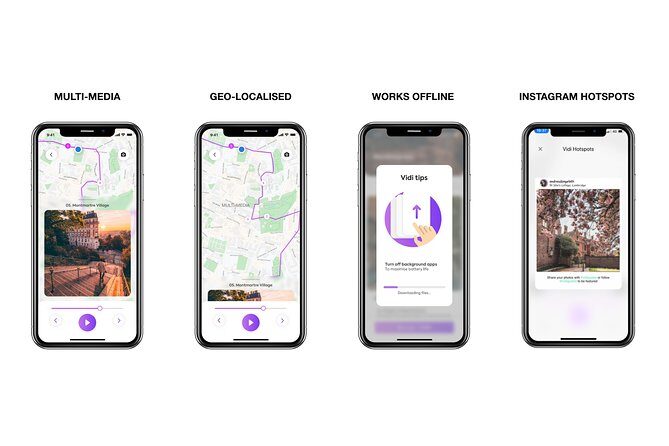
- GPS, location-aware map so you can keep moving without second-guessing yourself
- Offline mode (download ahead) for listening without Wi-Fi
- A short, 7-stop loop that works well when you have limited time
- Photo-focused moments with suggested Instagram hotspots
- Bastille Market as a built-in break for brocantes and local food energy
Why Bastille’s artisan streets feel different than central Paris
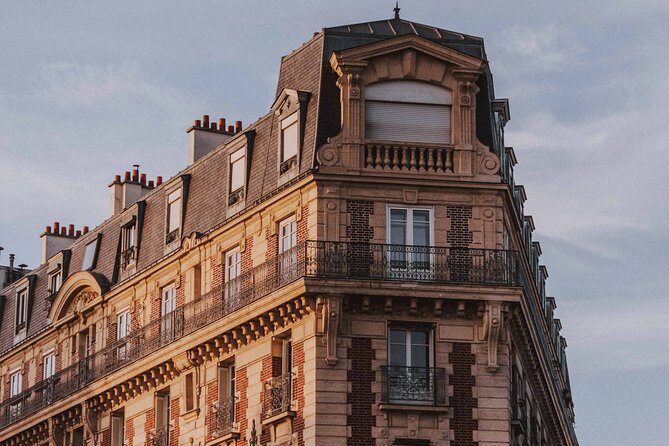
Paris is full of big-ticket sights. Bastille is different. Instead of chasing the postcard views, this walk nudges you toward the working, maker-minded side of the city, where history shows up through streets, small passages, fountains, and neighborhood rhythms.
What makes this tour work is the blend of architecture and people. You get a path that starts at Place de la Bastille and keeps widening outward through the Faubourg Saint-Antoine area, with audio that ties the built environment to the revolutionary era. You’re not just looking at stone and ironwork. You’re learning how the neighborhood’s “how it was shaped” story connects to why these streets mattered.
I also like that the pacing is simple. The whole route is about 45 minutes to 1 hour, with each segment designed to be manageable. Even if you stop for a coffee, the tour format still holds together.
You can also read our reviews of more walking tours in Paris



Price and time: an hour of context for $17.88
For $17.88 per person, this is one of those Paris experiences that feels like good value because you’re buying convenience plus storytelling, not a guided lecture marathon. At this price, you can treat it like a free-ish add-on to a day already packed with museums and classic sights.
Time matters here. In Paris, you can easily spend an hour just crossing town or walking from one attraction to another. This route is compact and built around several outdoor stops, so you can spend your time actually seeing and listening rather than searching.
The tour is offered in English, and it’s listed with a mobile ticket. You are also told the maximum group size is 10 travelers, which is a nice sign if you worry about things feeling crowded. Since it’s self-guided, group size mostly matters for the overall setup rather than your moment-to-moment experience.
How the self-guided audio tour really works (and what to prep)
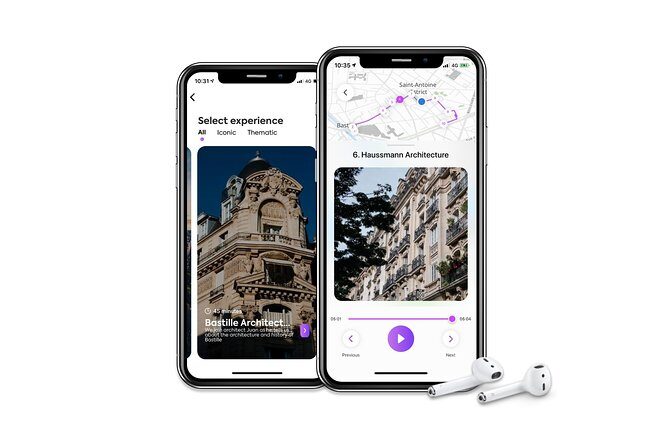
This is a self-guided walking tour with an audio guide recorded by a local historian. You use your phone and the route is supported by a GPS, location-aware map. That means you do not have to rely on memory or bulky paper instructions.
There are two practical things to do before you start:
- Download for offline listening in advance, since the tour supports Offline Mode.
- Bring your own earphones. Earphones are not included, and you will want sound to make the history segments land.
The route is “location aware,” so you can focus on walking while still feeling guided. The end of the tour is at 1 Coulée Verte René-Dumont. That matters because you can plan your next stop or dinner around where you’ll finish, instead of looping back to the start.
One more detail I like: the tour includes Instagram hotspots. In practice, that means you are not guessing where the best angle is. You’ll get nudged toward picture-friendly spots as you move through the neighborhood.
Stop-by-stop: Place de la Bastille to Rue du Faubourg Saint-Antoine
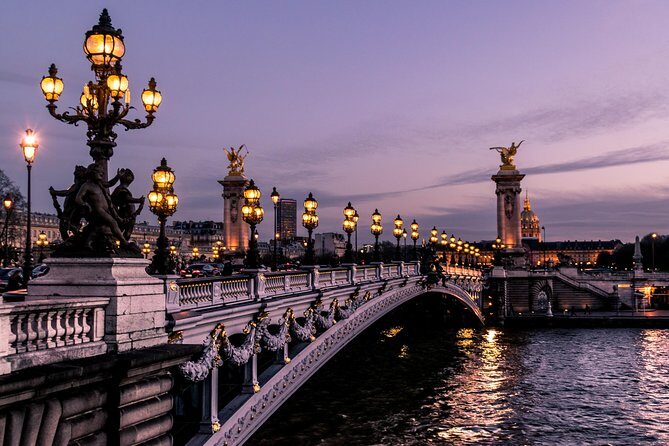
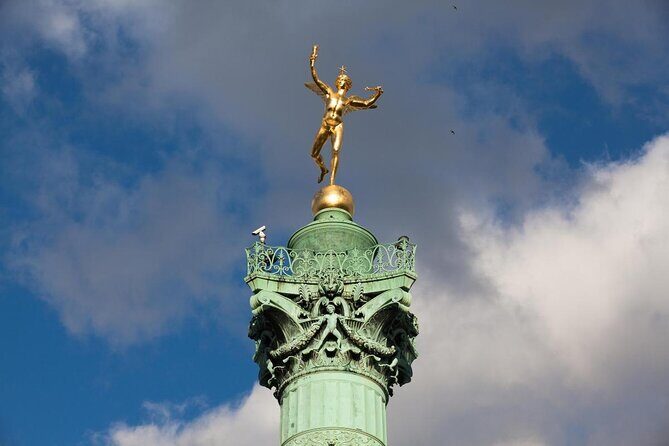
Stop 1 is Place de la Bastille. You spend about 5 minutes here, and the audio is aimed at the big idea: this is the place tied to how the historic French Revolution began. The square can be busy, but that short audio slot works because it gives you a frame without demanding you stay stuck in one spot.
Practical tip: treat this first stop like orientation for the whole walk. If you rush past it, the later architecture explanations may feel less connected. If you linger for two extra minutes to listen fully, the rest of the tour clicks.
Stop 2 is Rue du Faubourg Saint-Antoine, also about 5 minutes. This segment focuses on the neighborhood’s artisanal roots and how those kinds of local skills and working rhythms helped inspire the French Revolution. It’s a different kind of history lesson. Instead of only big speeches and named figures, you get the “why the area mattered” angle.
You’ll probably notice the vibe shift as you move from the broader square into a more neighborhood-scale street. That’s the point. The audio keeps you thinking about the relationship between everyday work and historical change.
Faubourg architecture details: Passage du Chantier and Fontaine de Charonne
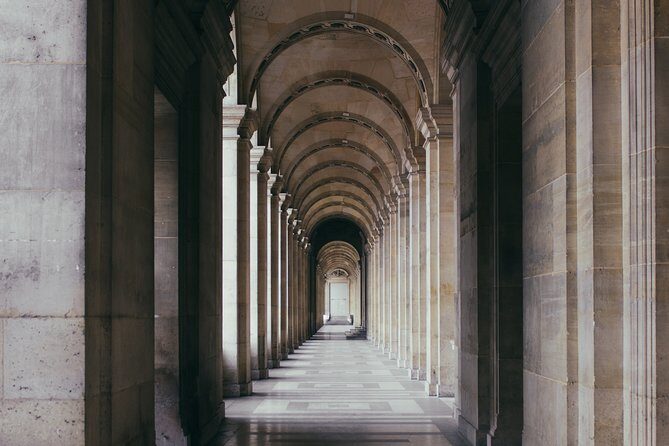
Stop 3 is Passage du Chantier, about 5 minutes. This is where the tour leans harder into architecture. You are guided to peer into an older style of passage and understand how that kind of design connects to the relevance of Faubourg Saint-Antoine.
Even if you are not a self-proclaimed architecture person, this stop can still land. Short segments like this are ideal when you want to learn something concrete fast. You are not reading a textbook. You’re looking at a place, then hearing why it matters.
Stop 4 is the Fontaine de Charonne (also about 5 minutes). The audio calls attention to how the fountain’s beautiful antiquity is preserved and how it blends with the present. This is the kind of stop that rewards slow-looking. Stand back a bit first, then move closer and really compare how the surroundings have evolved.
One consideration: fountains and outdoor spots can be visually subtle depending on light and crowd levels. If you happen to start on a dull day, give it a little more time than the suggested 5 minutes. A quick extra minute helps you see what the audio is pointing at.
You can also read our reviews of more guided tours in Paris





Square Trousseau pause, then Bastille Market’s real neighborhood energy
Stop 5 is Square Trousseau, about 5 minutes. It’s described as a green oasis of unique beauty, and the audio talks through its history. This break is smart. Without it, an architecture-and-streets tour can become one long visual push. A small park stop gives your eyes a rest.
If you’re traveling with anyone who gets tired of “just walking and listening,” this is where you can reset the group mood. Sit for a minute, stretch your legs, and let the audio land.
Stop 6 is Bastille Market, listed alongside Market d’Aligre / Beauvau. This is the longer stop at 10 minutes, and it’s the most food-and-street-life oriented part of the route. The audio nudges you toward brocantes (browsing and resale treasure hunting) and local cuisine, plus it points you to the host’s favorite atmosphere spot—voiced by Juan in the tour descriptions.
This stop is valuable because it turns history into something you can feel in the neighborhood today. You can treat it as a quick browse, or you can commit fully and grab something to eat if your schedule allows. Either way, you finish the market segment with a stronger sense of what Bastille is like beyond landmarks.
A small practical note: markets often reward timing. Even without knowing a lot about the schedule ahead of time, you’ll usually get more from this stop if you approach it with curiosity rather than a tight plan.
Coulée Verte René-Dumont: a calm send-off to end the loop
Stop 7 is Coulée Verte René-Dumont, again about 5 minutes. The audio wraps things up by recounting its past and its poetic present. This kind of ending matters. It gives you a softer landing after streets, passages, and the busier market zone.
Because your tour ends here, it also helps you transition to the rest of your day. If you’re heading to a nearby neighborhood dinner, you’ll be starting that next segment from a more relaxed, scenic spot rather than having to backtrack.
Who this tour is best for (and who might want a different plan)
I’d book this if you like Paris that feels human-scale. It’s a strong match if you enjoy:
- walking at your own pace
- listening while you look
- mixing architecture with history context
- quick neighborhood experiences instead of big-ticket museums
You’ll also enjoy it if you want an easy slot on a day when your feet are already busy. The 45-minute to 1-hour format keeps it realistic.
It may feel less ideal if you hate any kind of tech dependence. You will need your mobile device and audio playback, and earphones are not included. Also, if you start without making sure your tour audio is ready, the “self-guided” part can feel frustrating for the first minutes.
In other words: it’s not a problem tour, but it does reward a tiny bit of prep.
Tips to make the most of the route (especially for photos)
- Start at Place de la Bastille and give yourself 2 minutes to confirm you’re in the right spot before you press play. With GPS support, you can still get things right quickly, but starting on time is easier than fixing confusion later.
- At each stop, listen first, then look. If you look first, you may not catch what the audio is pointing out.
- For photos, pay attention to the Instagram hotspot cues. Even when the area is visually interesting, good angles can be easy to miss.
- If you want better listening without distractions, use the offline download option so you are not scrambling for Wi-Fi mid-walk.
And if you do plan to linger, do it strategically. Add a minute or two at a quieter stop like Square Trousseau or Fontaine de Charonne, then keep moving on the streets so you still finish at Coulée Verte René-Dumont.
Should you book this Bastille architecture and artisans tour?
I think this is a smart buy if you want a low-pressure Paris history walk with a clear path and short audio segments. The price is reasonable, and the structure fits real schedules: you get revolutionary context at the start, artisan-focused street insight through Rue du Faubourg Saint-Antoine, architectural attention at Passage du Chantier and Fontaine de Charonne, a breather at Square Trousseau, and then a genuinely neighborhood-feeling finale at Bastille Market and Coulée Verte René-Dumont.
I would book it if:
- you like self-guided experiences with GPS support
- you can download for offline use beforehand
- you want a Paris day that feels lived-in, not just monumental
I would skip it if:
- you expect a fully guided, step-by-step human escort
- you dislike phone-based navigation
- you do not want to deal with audio setup at all
If you’re the kind of traveler who enjoys learning while walking, this one is worth your hour.
FAQ
How long does the Bastille Architecture & Artisans self-guided walking tour take?
It’s listed as about 45 minutes to 1 hour.
Where does the tour start and end?
It starts at Place de la Bastille and ends at 1 Coulée Verte René-Dumont, 75012 Paris.
Is the tour audio available offline?
Yes. It offers an Offline Mode, letting you download tours in advance to listen without Wi‑Fi.
What language is the audio guide in?
The tour is offered in English.
Are earphones included?
No. Earphones are not included, so you’ll want to bring your own.
How many stops are on the route?
There are 7 stops, covering Place de la Bastille, Rue du Faubourg Saint-Antoine, Passage du Chantier, Fontaine de Charonne, Square Trousseau, Bastille Market, and Coulée Verte René-Dumont.
Do I need a mobile ticket?
Yes. It’s described as using a mobile ticket.
Is there GPS or navigation support?
Yes. It includes a location-aware GPS map to help you enjoy the sites without getting lost.
Is the tour limited in group size?
Yes. It has a maximum of 10 travelers.
What’s the cancellation option?
There is free cancellation, and you must cancel at least 24 hours in advance for a full refund.