REVIEW · PARIS
Classic 2CV Tour paris 2h
Book on GetYourGuide →Operated by Lapegasebleu · Bookable on GetYourGuide
Paris has a way of moving too fast.
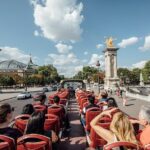
This classic 2CV tour lets you see the big sights at a slower, friendlier pace, with that 1940s-style open-air feeling. I love how the sunroof makes the city feel lighter, and how you get a guided route that turns photo stops into mini lessons you can actually remember.
Two things I really like: first, the car’s quirky charm. You’re not stuck in a sterile coach. The 2CV feels playful, and it’s also built to handle rougher roads, which matters when you want angles and viewpoints you can’t always reach on foot. Second, I like that you’re in a private group up to 3, so the guide can adjust the rhythm and answer questions in real time (and I got a strong sense of this with Ahmed).
The main thing to consider is that this is a 2-hour drive-and-stop format, not a long walking tour. Some monuments are seen from the outside with guided time at each spot, so if you want hours inside museums, plan those separately.
In This Review
- Key highlights that make this 2CV route worth your time
- Why a classic 2CV is a smarter way to see Paris
- Meeting at Champ-de-Mars: where the tour starts and how to get oriented
- The 2-hour rhythm: what this tour does well (and what it won’t)
- Stop-by-stop: from Eiffel Tower views to the Latin Quarter mood
- Eiffel Tower: the perfect opener for photos and orientation
- Trocadéro Gardens: views that make the city feel cinematic
- Arc de Triomphe and Champs-Élysées: grandeur at slow speed
- Grand Palais and Petit Palais: the pause for architecture lovers
- Pont Alexandre III: crossing a landmark bridge without rushing
- Les Invalides and l’Assemblée Nationale: where Paris gets serious
- Place de la Concorde and Madeleine: classic Paris in the middle of the action
- Opéra and Place Vendôme: elegance with built-in context
- Louvre and Pont Neuf: the heart of Paris street-level storytelling
- Notre Dame and the Latin Quarter: when the route starts feeling more human
- Pantheon and Luxembourg Gardens: an end that feels calmer than it sounds
- The guide matters: what Ahmed-style storytelling adds to the drive
- Photoshoot time and the best ways to get good shots
- Price and value: what $256 per group up to 3 really buys you
- Small rules that keep the tour smooth (and comfortable)
- Who should book this 2CV tour for Paris
- Should you book this 2CV tour? My practical take
- FAQ
- How long is the Classic 2CV Tour Paris?
- Where does the tour start and end?
- What’s included in the tour price?
- Are meals and drinks included?
- Is this a private group tour?
- What languages are the guides available in?
- What should I bring?
- Is smoking allowed during the tour?
Key highlights that make this 2CV route worth your time
- Champ-de-Mars start right behind the Eiffel Tower, easy to orient yourself fast
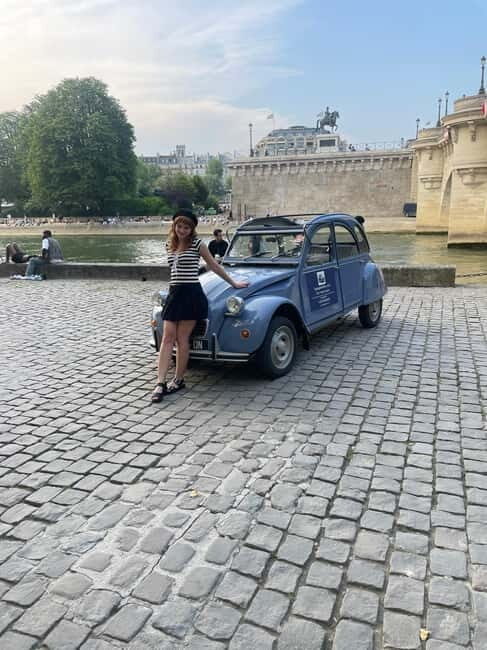
- Classic Citroën 2CV feel with open-air views and music onboard
- Guided stops at major landmarks plus time for photos at each highlight
- Small-street access for angles you usually do not get from bigger vehicles
- Photo shoot built into the experience, not an afterthought
- Ahmed-style local storytelling that helps you connect the monuments as you go
Why a classic 2CV is a smarter way to see Paris
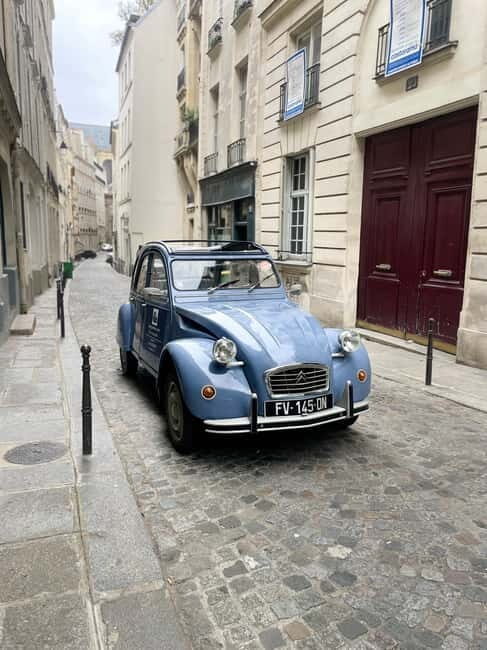
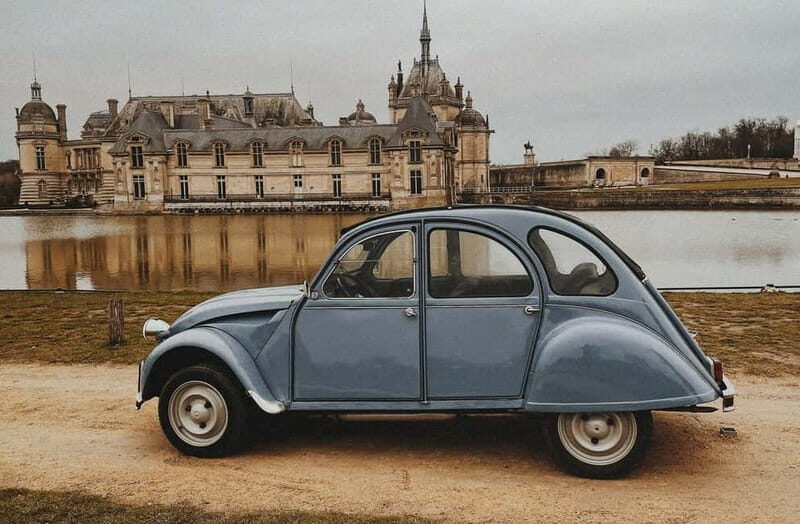
A 2CV is not just transportation. It changes how you notice a city. You feel the air, you hear the light movement of the street, and the pace stays human enough that you can actually take in what you’re passing.
I also like the way this tour balances iconic with practical. You’ll hit the most famous Paris landmarks, but you do it by car, which is a real advantage when you want to cover ground without stacking in museum crowds. The guide helps you understand what you’re looking at, so the photos end up being more than postcards.
And yes, the car is quirky. That’s part of the fun. The result is a tour that feels like a throwback while still being comfortable and organized.
You can also read our reviews of more tours and experiences in Paris


Meeting at Champ-de-Mars: where the tour starts and how to get oriented
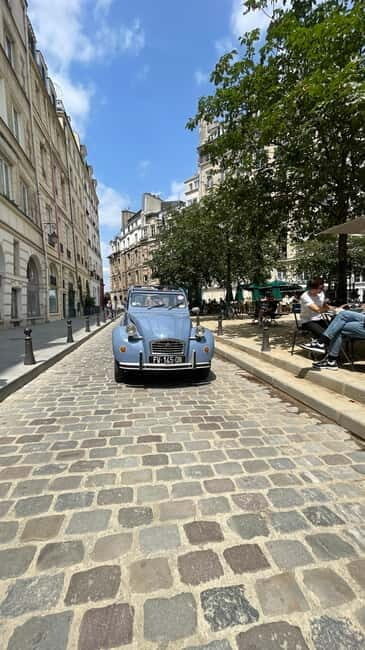
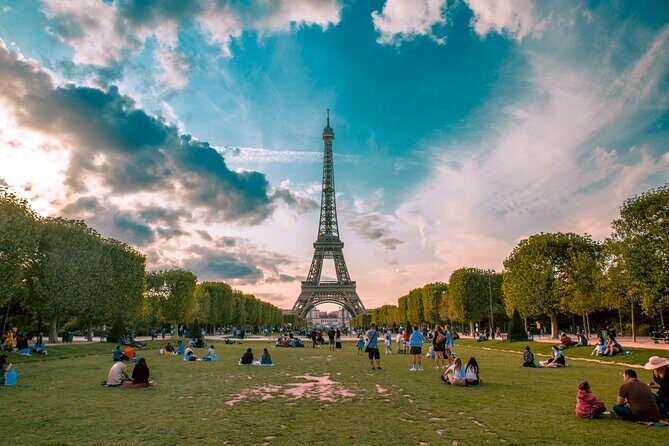
You start at Champ-de-Mars, behind the Eiffel Tower, at the meeting point listed as Le point de rdv est au chanps de mars derrier la tour eiffel. Coming in with that anchor matters, because it sets your bearings for everything you’ll see later.
The tour ends back at the same spot. I like that. It means you’re not forced into an awkward last-mile scramble when the tour wraps. It also makes planning your next activity easier.
The total time is 2 hours, with starting times shown when you check availability. So treat this like a focused first-look or a mid-trip refresh: you’ll get the city’s main highlights, but you won’t run your legs off.
The 2-hour rhythm: what this tour does well (and what it won’t)
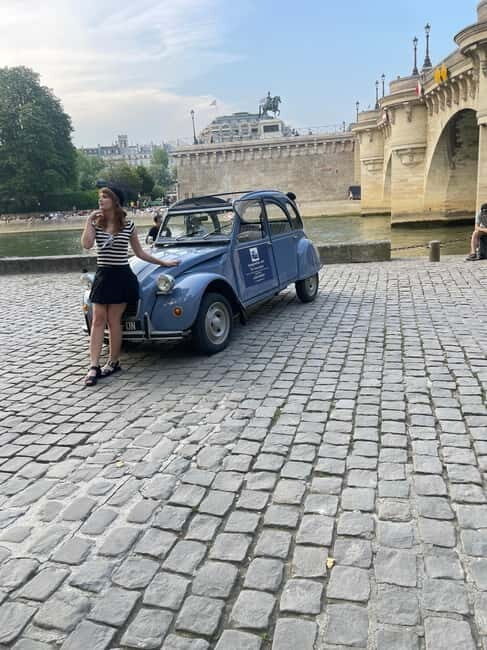
This experience is built around a simple pattern: drive, stop, quick guided orientation, then photo time. You’ll see a lot of Paris in a short window, which is perfect when you have limited time or you want a highlight reel without committing to a full day.
Here’s what it does well:
- It keeps your energy steady, since you’re not doing constant long walks.
- It links monuments together with explanations, so the route feels like a story rather than a checklist.
Here’s what you should not expect:
- You will not get long, deep time at any one place.
- If you’re hoping for a full museum visit, you’ll need to add that on your own.
Stop-by-stop: from Eiffel Tower views to the Latin Quarter mood
Eiffel Tower: the perfect opener for photos and orientation
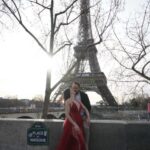
The first big moment is the Eiffel Tower, with a guided tour. This is a strong start because it gives you a central reference point immediately. You see the landmark, you hear what makes it important, and you can start building a mental map of where you are in Paris.
If you’re bringing a camera, this is where you’ll want to get your eye in. The car plus the guide’s timing usually helps you capture clean angles without spending the whole morning stuck in one spot.


Trocadéro Gardens: views that make the city feel cinematic
Next is the Trocadero Gardens area for another guided stop. This is the kind of place where you can take photos and also understand why it’s such a classic viewpoint.
What I like here is the shift in perspective. You’re not just seeing the Eiffel Tower as a distant object. You’re seeing how Paris frames it. That makes the later monuments feel connected, not random.
Arc de Triomphe and Champs-Élysées: grandeur at slow speed
Then you’ll head to the Arc de Triomphe, followed by Champs-Élysées. These are big, showy landmarks, but the value of doing them by 2CV is pace.
From the car, you get the sense of scale without fighting traffic chaos on foot. The guide’s talk helps you connect the Arc and the boulevard to the broader story of how Paris presents power and identity.
Also, the slower ride means you’re more likely to notice details while moving. You’re not sprinting between photo angles.
Grand Palais and Petit Palais: the pause for architecture lovers
You’ll stop at Grand Palais and Petit Palais with guided tours. Even if you don’t go inside, these buildings are worth seeing because they show a particular Paris style: ornate, dramatic, and built to impress.
This is one of the moments where you’ll get more value from listening than from snapping. The guide’s explanation helps your eyes land on the right parts, instead of you just walking past the façade like a tourist with tunnel vision.
Pont Alexandre III: crossing a landmark bridge without rushing
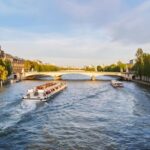
Next up is Pont Alexandre III. Bridges in Paris are often the connecting tissue between neighborhoods, and this one is famous for a reason.
By including a guided stop here, the tour gives you time to look at the bridge’s character and its role in how people move through the city. Plus, it’s a great photo stop because you can frame views in both directions.
Les Invalides and l’Assemblée Nationale: where Paris gets serious
You’ll visit Les Invalides and then l’Assemblée Nationale. These stops add weight to the route. They remind you Paris isn’t only about pretty streets and big towers.
I like this part because it balances the earlier “wow” factor with meaning. The guide’s local context helps you understand why these buildings are not just impressive, but also politically and historically important in how France represents itself.
Place de la Concorde and Madeleine: classic Paris in the middle of the action
Then comes Place de la Concorde, followed by Madeleine, Paris. These stops work well because they’re both visually dramatic and easy to recognize. Even if you know Paris only from films and photos, you’ll likely recognize the shapes instantly.
This is also where you might feel the tour is doing its job: giving you a guided sweep of central Paris while still making time for photos. If you like pictures with recognizable landmarks in the background, this section is a good stretch to keep your camera ready.
Opéra and Place Vendôme: elegance with built-in context
You’ll pass through Opera, Paris and then stop at Place Vendôme. This area is all about Paris refinement. The guide’s explanation matters here because it turns what could be just pretty buildings into something you understand.
And since you’re in a 2CV, you’re able to enjoy the streets at a calmer pace. That calm pace is not just comfort. It’s what makes it easier to pay attention.
Louvre and Pont Neuf: the heart of Paris street-level storytelling
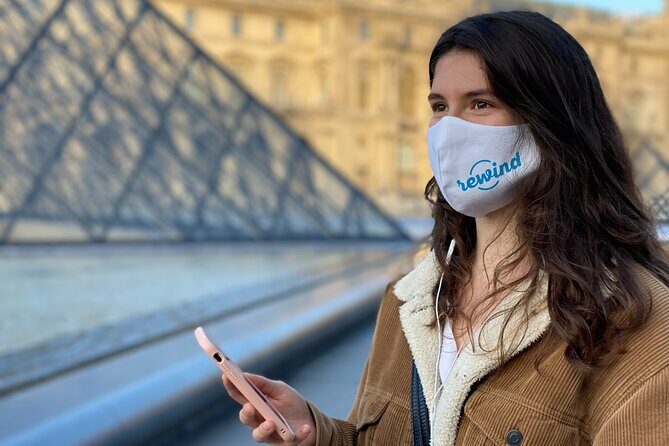
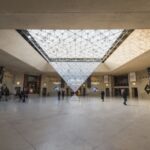
Next are Louvre Museum and Pont Neuf. I like pairing these two because it shows how Paris history isn’t only inside museums. The city itself carries history along the river and in its central links.
At Pont Neuf, look for how the bridge connects viewpoints. It’s a great spot to get photos that feel like Paris is wrapping around you rather than sitting off in the distance.
Notre Dame and the Latin Quarter: when the route starts feeling more human
You’ll stop at Notre Dame Cathedral and then Latin Quarter. This shift is real. The route starts to feel less like monuments on a stage and more like streets where people have lived, studied, argued, and walked for a long time.
The guide’s stories here help you see the Latin Quarter as more than a trendy name. It’s a place with a long rhythm, and that matters when you’re trying to connect Paris memories into one coherent trip.
Pantheon and Luxembourg Gardens: an end that feels calmer than it sounds
Finally, you’ll reach the Pantheon, Paris, and then Luxembourg Gardens before returning to Champ-de-Mars.
If you like the idea of ending on something open and airy, this is a good way to do it. Even with only a short stop, Luxembourg Gardens give you a softer landing at the end of a busy landmark route.
And it’s a smart photo finish: you get the contrast between monumental architecture earlier and a calmer green space before you’re back at the start.
The guide matters: what Ahmed-style storytelling adds to the drive
One of the best parts of this tour is the way the guide connects the monuments. In my experience, that’s what makes a short tour feel satisfying instead of rushed.
I specifically got a strong impression of Ahmed’s approach: he was accommodating and shared local information that helped us figure out how to get from one place to another, while pointing out history along the way. That kind of practical storytelling turns the tour into something you can reuse later in your trip.
It also helps you get more accurate photos. If you know what you’re seeing and why it’s there, your pictures stop being random.
Photoshoot time and the best ways to get good shots
This tour includes a photoshoot, and you’ll also have photo time at each stop. That’s important because it means you’re not left to guess where to stand and when to click.
My advice:
- Come ready with your camera already charged and your main settings sorted. This saves time when the car pauses.
- Wear sunscreen and a hat, especially if you’re traveling in bright weather. The sunroof makes sunny days feel extra nice, but it also increases exposure.
- Be ready for changing angles as you move. The 2CV’s slower pace gives you better chances to catch the right framing.
If you want fewer blurry shots, keep your camera steady and let the guide’s timing help you. This is not a sprint. It’s a series of intentional pauses.
Price and value: what $256 per group up to 3 really buys you
The price is $256 per group up to 3 for 2 hours. On paper, that can look like a luxury. In real life, it can be excellent value if you compare it to the cost of separate transportation and multiple “must-see” tours you’d otherwise piece together.
Here’s the value equation I like:
- You get a vintage car experience plus guided stops at major monuments.
- You get pick-up from the hotel listed under Included, but the tour also notes hotel pickup and drop-off as not included, so you should confirm what applies to your booking. Either way, you’re paying for the guided route and car time.
- You get a photo-focused experience with music onboard, plus time to see many sites without a full day plan.
So the best value is for small groups. If you’re traveling as a pair or with a third person, the per-person cost drops fast, and the private rhythm becomes the point.
Small rules that keep the tour smooth (and comfortable)
This is an easy tour to enjoy if you plan for the car rules:
- No smoking
- No food or drinks in the car
Pack light and think camera-first. Hat and sunscreen are recommended, and it’s smart to bring them because the ride is open-air under the sunroof.
If you’re the kind of person who likes to take photos, also keep your hands free. It’s easier to grab shots and adjust quickly during short stops.
Who should book this 2CV tour for Paris
I’d book this if you:
- Want a classic Paris highlight run without walking for hours
- Like photo stops that come with guidance, not just free time
- Enjoy a vintage, quirky experience with a slower pace
- Are traveling as a small group and want the guide to stay flexible
I’d think twice if you:
- Want long museum time or deep inside-the-sites visits
- Prefer self-guided wandering all day with no scheduled stops
- Have very strong mobility needs, since you’ll still be doing short stops and getting in and out of the car
Should you book this 2CV tour? My practical take
Yes, I think this is a good booking when your goal is Paris highlights with personality. The 2CV makes the route feel like a story you’re riding through, not a checklist you’re rushing through. The guide’s local context, especially the Ahmed-style help with history and practical orientation, is what makes the stops click.
If you want a quick, memorable Paris circuit with real photo opportunities and a classic vibe, this fits the bill. Just make sure you confirm pickup details for your specific booking, since the notes are a bit mixed.
FAQ
How long is the Classic 2CV Tour Paris?
It lasts 2 hours. Starting times depend on availability.
Where does the tour start and end?
The meeting point is Champ-de-Mars behind the Eiffel Tower. The tour ends back at the same meeting point.
What’s included in the tour price?
Included are a guided tour in a vintage 2CV, photoshoot, pickup from the hotel (listed as included), and music.
Are meals and drinks included?
No. Meals and drinks are not included.
Is this a private group tour?
Yes, it’s a private group, and the group size is up to 3.
What languages are the guides available in?
The live tour guide is available in French, English, Arabic, and Hungarian.
What should I bring?
Bring a camera, a hat, and sunscreen.
Is smoking allowed during the tour?
No. Smoking is not allowed, and you also can’t consume food and drinks in the car.