REVIEW · PARIS
Paris Montmartre: 2-Hour City Tour in German
Book on GetYourGuide →Operated by HelpTourists · Bookable on GetYourGuide
Montmartre can feel like a movie set.
That’s exactly why I like this 2-hour Montmartre tour in German: you get the big-name sights plus the smaller lanes that give the neighborhood its character. Two things I really value are the German-speaking guide (so you can actually follow the stories) and the focus on hidden corners away from the main crowds. One consideration: this is a walking tour, so wear good shoes and be ready for the hill and cobblestones.
You’ll also get a more personal feel than a typical sightseeing bus ride. The tour is described as private group, and the guide team includes people like Lucy, praised for showing great side streets and sharing engaging details. The one drawback to plan around is the language barrier if you don’t speak German, since the tour is only offered in German.
If you want Montmartre’s highlights without spending the whole day figuring things out, this is a practical way to do it. You’ll hit the essentials—Sacré-Cœur, Place du Tertre, Moulin Rouge—and then zoom out just enough to understand why artists loved this hill in the first place.
In This Review
- Key things I’d focus on before you go
- Montmartre in German: why this 2-hour format feels smart
- Starting at Blanche: finding your guide and getting oriented fast
- Moulin Rouge: the photo icon, plus a better way to look at it
- Moulin de la Galette: shifting from show business to Montmartre atmosphere
- Place du Tertre: the lively artists’ square, with off-crowd perspective
- Sacré-Cœur Basilica: when the big view meets real street-level context
- Lapin Agile: a quieter stop that adds personality
- Vigne du Clos Montmartre: the city hill with a vineyard note
- Price and value: is $91 per person worth it?
- Who this tour suits best
- Should you book this German Montmartre tour?
- FAQ
- What language is the tour offered in?
- How long is the Montmartre tour?
- Where does the tour start?
- What stops will we see during the walk?
- Is food or drinks included?
- Is there free cancellation?
Key things I’d focus on before you go
- German-language storytelling that helps you understand what you’re seeing, not just where to stand.
- Quiet corners off the main path to experience Montmartre beyond the obvious photo spots.
- A tight route in just 2 hours, built around major landmarks plus a few “how did this get here?” stops.
- Iconic stops in sequence, including Moulin Rouge, Moulin de la Galette, Place du Tertre, Sacré-Cœur, and Lapin Agile.
- A private-group feel so your guide can keep the pacing comfortable.
Montmartre in German: why this 2-hour format feels smart
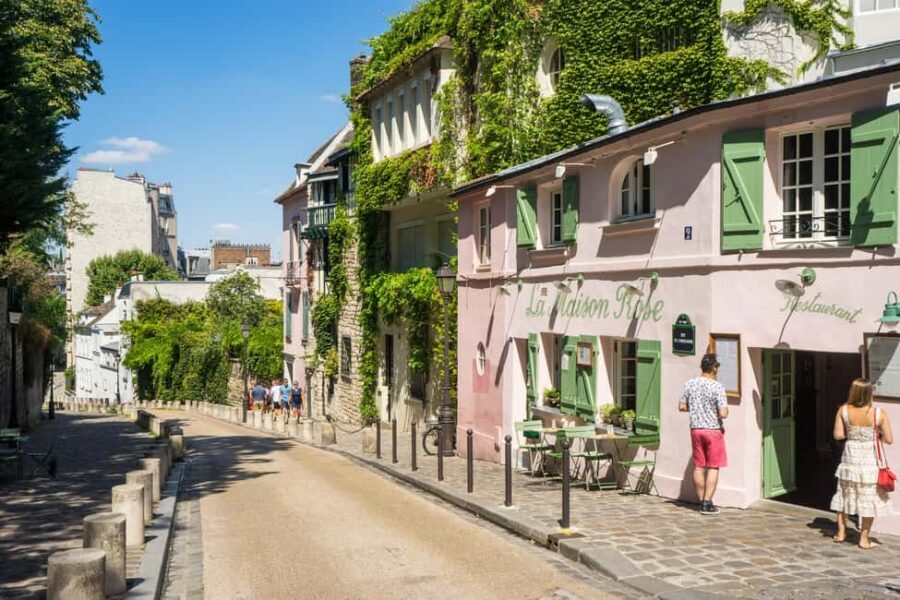
Montmartre sits up above Paris, and the neighborhood still feels like it’s operating by its own rhythm. Even if you’ve seen photos of the white basilica or the purple windmill a dozen times, the streets are what make it click. That’s why I like a short guided walk here: it keeps you moving through the right viewpoints and streets without turning the day into a logistics project.
The big win for most people is that you won’t just read plaques and hope you understood. This tour is live and German-only, so the guide can explain the artistic past and how everyday life works in the area now. You’re still seeing the headline sights, but you’re getting the context that makes them more than postcards.
And because it’s only 2 hours, you can pair it with other Paris plans without feeling like you lost half a day. If your schedule is tight—or you just want the best part of Montmartre without overcommitting—this format fits.
You can also read our reviews of more city tours in Paris


Starting at Blanche: finding your guide and getting oriented fast
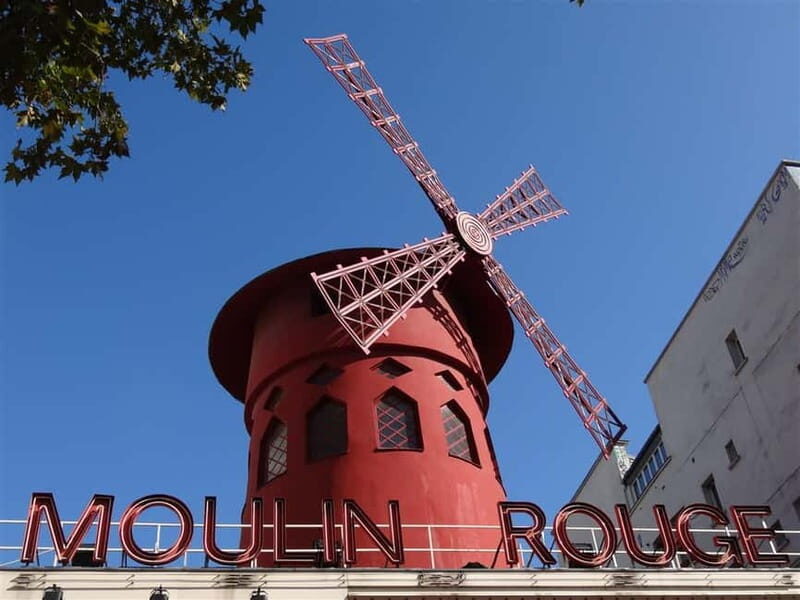
You meet at the Blanche metro area (M2), at the small traffic island in front of the Moulin Rouge cabaret. The guide will carry a bag with a HelpTourists logo, so it’s pretty straightforward to spot them.
That start location matters because it helps you get your bearings quickly. Montmartre streets don’t always feel linear, and in a short tour, the biggest risk is wasting time wandering. Starting right by Moulin Rouge means you’re already near one of the most recognizable anchors of the neighborhood, so the first minutes set the tone: yes, you’re here to see the famous stuff—but you’re also here to learn how it connects.
What to do beforehand: check your route to the Blanche station so you don’t arrive sprinting. With only a couple hours, a late start compresses everything.
Moulin Rouge: the photo icon, plus a better way to look at it
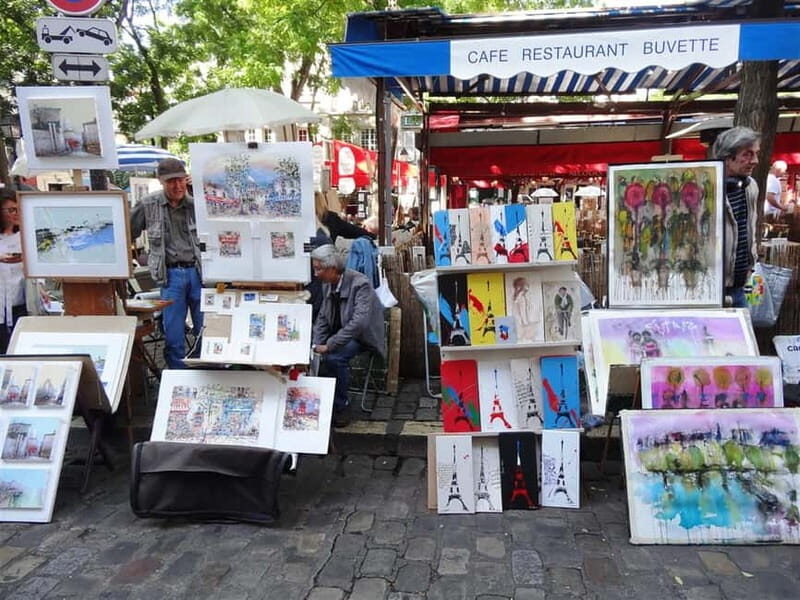
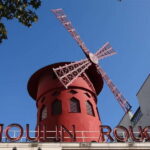
Your first major stop is Moulin Rouge. It’s known for its legendary status, including that unmistakable look of the building with its purple windmill. On your own, Moulin Rouge is often just a quick camera stop. With a guide, it becomes a starting point for understanding why this hill became associated with art, performance, and nightlife energy.
I like this kind of opening because it gives you a reference. Once you’ve seen the landmark, the rest of the walk feels like an intentional route rather than a collection of random streets. You’ll also be less tempted to stop every five seconds, because the guide is already shaping what to notice next.
Small consideration: it can be busy around big photo landmarks. Since the tour is structured, you won’t be stuck waiting indefinitely—you’ll move on to the next area while the guide keeps the storyline going.
Moulin de la Galette: shifting from show business to Montmartre atmosphere
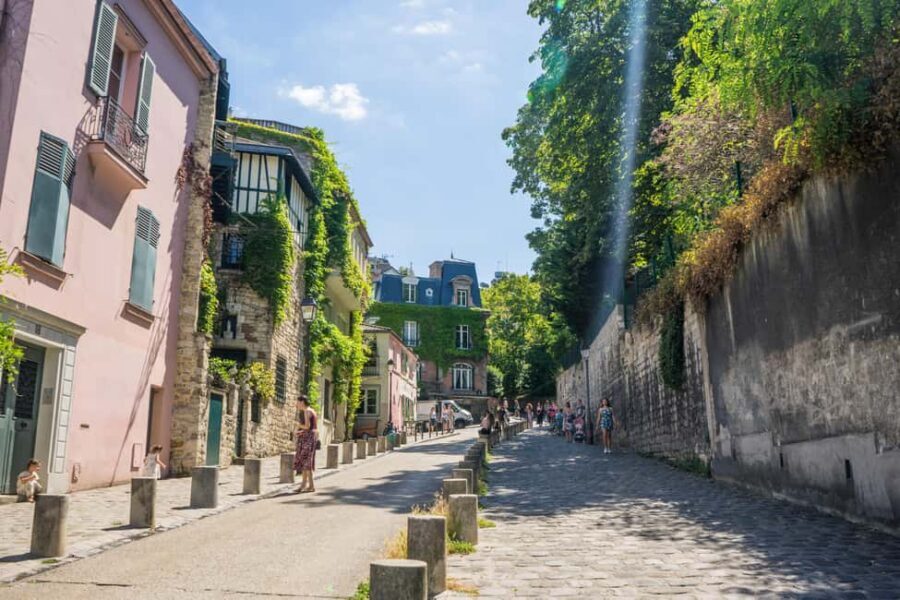
Next up is Moulin de la Galette. This is one of those Montmartre names that signals you’re still in the core of “the artists’ quarter,” even as the scene changes from one landmark to the next.
The value here is less about a single view and more about pacing. Montmartre changes block by block, and the guide’s job is to keep you aware of that shift—how the area reads as theatrical and artistic while still being a lived-in neighborhood.
Because your time is limited, stops like this help you see more layers than you would in a casual self-walk. If you only go from Sacré-Cœur straight to Place du Tertre, you miss that middle feeling—the sense that this hill was always both practical and creative.
Place du Tertre: the lively artists’ square, with off-crowd perspective
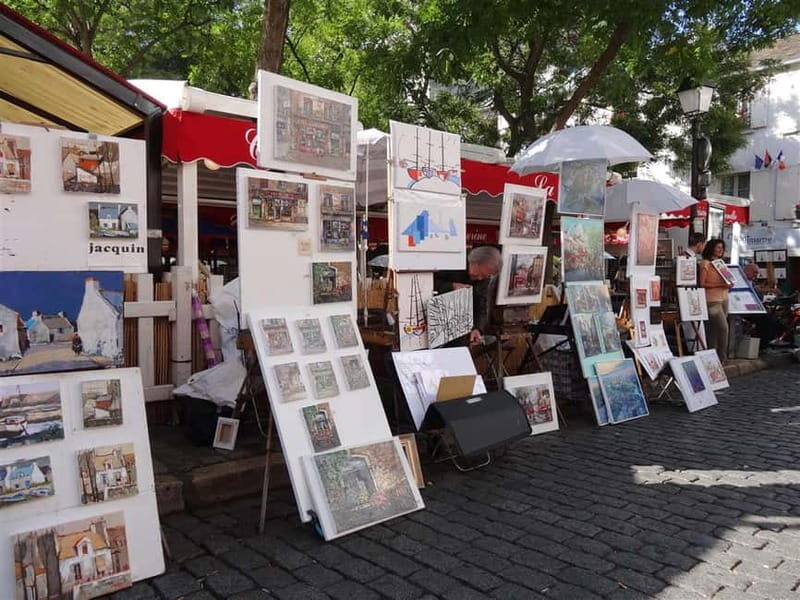
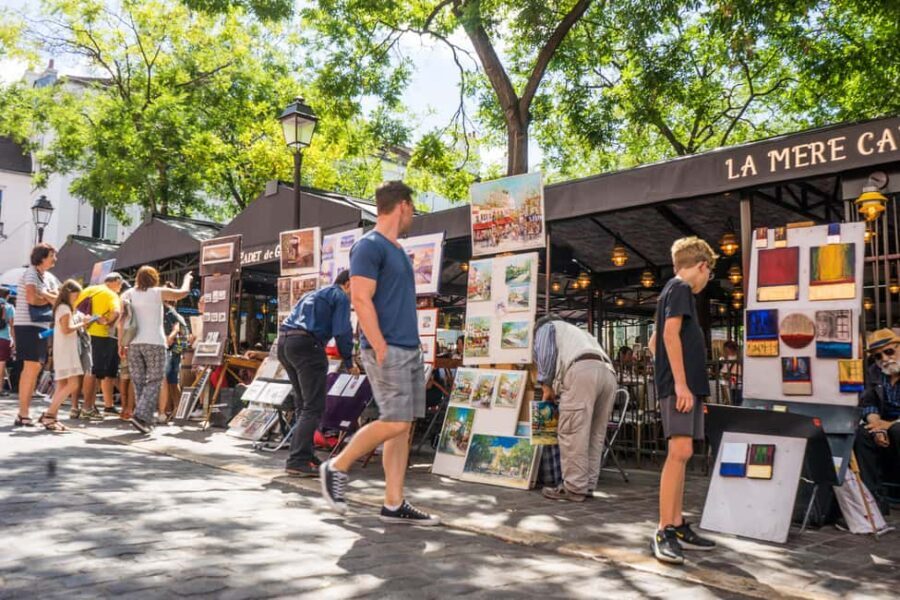
Then you reach Place du Tertre, described as lively and closely tied to Montmartre’s artistic identity. This is the kind of place that can be overwhelming if you only think in terms of crowds and street photos.
With a guide, you get a more useful approach: what to watch for, what to ignore, and how this square fits into the neighborhood’s larger story. Your guide also adds detail and curious facts while you’re there, which turns a “been there” stop into something you can actually remember.
I also like that the tour is designed to include “hidden corners” away from the main tourist flow. That means Place du Tertre can be a focal point without being the only place you experience.
You can also read our reviews of more tours and experiences in Paris





Sacré-Cœur Basilica: when the big view meets real street-level context
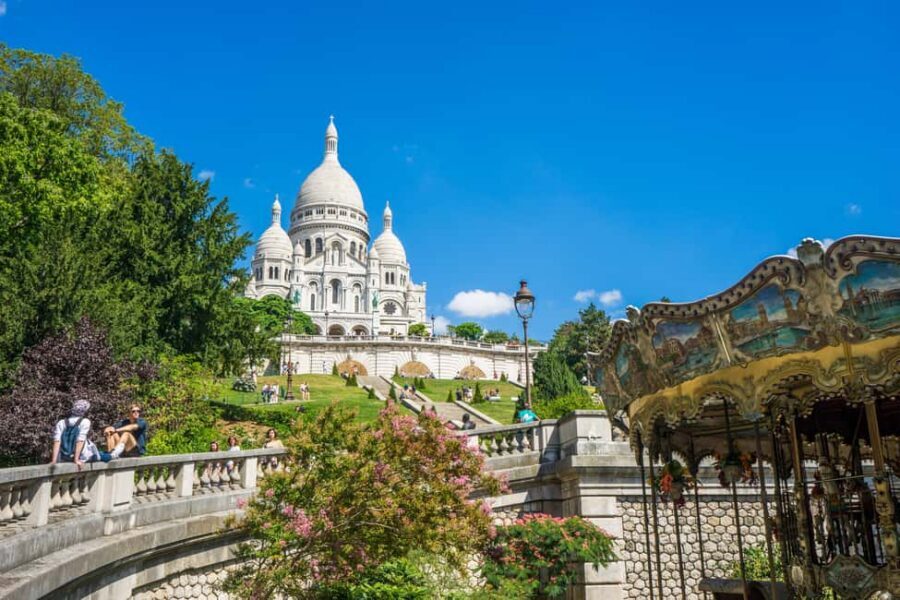
One of the highlights is the Sacré-Cœur Basilica, described as a gleaming white landmark. This is the point where most people want a view, and the guide helps you connect the landmark to what you’ve already seen.
Why it works in a guided tour: you’re not just arriving at the basilica as a separate attraction. By the time you get there, you’ve walked through the artistic identity of Montmartre. That makes Sacré-Cœur feel less like a random monument and more like the spiritual and architectural counterpart to the hill’s creative reputation.
Another practical reason this stop is important: it gives you a natural “wrap-up” moment. The tour finishes at the Sacred Heart Basilica area, so you end where your eyes naturally want to end, with no need to backtrack across the hill.
What to keep in mind: the exact vibe can vary depending on the time you go, but the basilica area is a destination. Even with a guide, plan for a bit of movement and crowd energy around the most popular viewpoints.
Lapin Agile: a quieter stop that adds personality
You’ll also visit Lapin Agile. In Montmartre, names like this matter because they’re part of the neighborhood’s creative mythology. Even if you’ve only heard the name once or twice, a guided stop helps you understand why it’s referenced so often when people talk about the hill’s artistic pull.
This is also where a short tour benefits you. Without time to wander on your own, you might miss the stops that are meaningful but not always the most obvious from far away. Lapin Agile fits that role: it’s not just another landmark; it’s a mood shift toward the more intimate side of Montmartre’s reputation.
Pro tip: if you like photography, spend a moment here simply looking. The point isn’t only to capture the place—it’s to notice how the character changes as you move through the neighborhood.
Vigne du Clos Montmartre: the city hill with a vineyard note
Next comes Vigne du Clos Montmartre. The name alone signals something different from the classic postcard view: it points to the fact that Montmartre wasn’t always just an entertainment and art district.
This stop is valuable because it adds contrast. Montmartre may be famous for artists, but it also has roots as a hill area outside the city gates before it became a bohemian heart in the early 20th century. A vineyard-related stop helps you feel that timeline rather than just hear it.
If you want to understand Montmartre as more than a set of icons, this is one of the best ways to do it in two hours: you get the neighborhood’s present-day identity and a hint of what was here before it became famous.
Price and value: is $91 per person worth it?
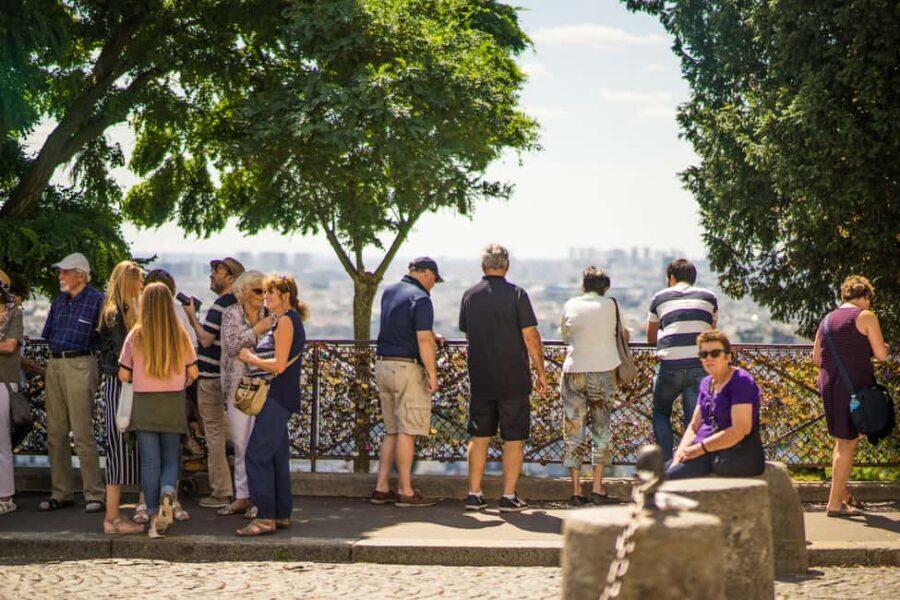
The tour costs $91 per person for 2 hours, and it’s a walking tour with a tour guide. What’s not included: food, drinks, and entrance fees.
So is it good value? For me, the answer is yes if you care about three things:
- You want German-language context instead of guessing.
- You prefer structure over time-wasting wandering.
- You’d like multiple landmarks plus quieter corners in a short window.
At $91, you’re paying for the guide’s time, local knowledge, and the planning that stitches together Moulin Rouge, Moulin de la Galette, Place du Tertre, Sacré-Cœur, Lapin Agile, and the Vigne area without leaving you to figure out the flow.
Where value can be weaker: if you’re already fluent in German and you’re happy to do a very self-guided Montmartre loop with minimal storytelling, you could spend less on a different approach. But if you want to understand the neighborhood while you walk, a guided format is often the most efficient way to get that.
What to prep: bring water if you need it, and wear shoes you trust. You’ll be on foot through cobbled, hilly streets, and the tour is short enough that comfort matters.
Who this tour suits best
This experience is a strong fit if:
- You want a German-guided Montmartre overview with clear explanations.
- You’re short on time but still want both iconic landmarks and off-crowd streets.
- You like walking tours where the guide builds a story as you go.
It may be less ideal if:
- You don’t speak German (since the tour is only available in German).
- You don’t like walking, since the format is built around a compact route on foot.
Families should note that children up to 8 years can participate for free, which can help make it easier on your travel budget.
Should you book this German Montmartre tour?
If your goal is to see Montmartre’s headline sights—Sacré-Cœur, Place du Tertre, Moulin Rouge—and also get something more human than a quick photo run, I think this is a smart booking. The combination of German narration, a private-group feel, and a route designed to include hidden corners is what makes it work.
I’d book it if you want to leave Montmartre feeling like you understood the place, not just visited it. And if you’re lucky enough to get a guide like Lucy—praised for showing great corners and sharing exciting stories—you’ll likely walk away with a stronger sense of why this hill still matters.
FAQ
What language is the tour offered in?
The tour is only available in German.
How long is the Montmartre tour?
It lasts 2 hours.
Where does the tour start?
You meet at the Blanche metro station (M2), at the small traffic island in front of the Moulin Rouge cabaret.
What stops will we see during the walk?
You’ll visit Moulin Rouge, Moulin de la Galette, Place du Tertre, Sacré-Cœur Basilica, Lapin Agile, and Vigne du Clos Montmartre, and the tour ends back at Sacré-Cœur.
Is food or drinks included?
No. Food, drinks, and entrance fees are not included.
Is there free cancellation?
Yes. You can cancel up to 24 hours in advance for a full refund.