REVIEW · PARIS
Croissants Baking Class near Eiffel Tower
Book on Viator →Operated by Aten-Te Aute · Bookable on Viator
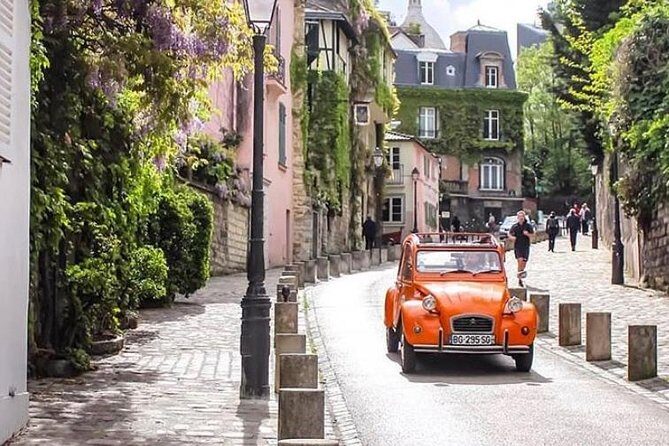
Eiffel Tower, then butter lessons. This croissants baking class happens in a private Parisian apartment in the 16th arrondissement near the Eiffel Tower area (Trocadéro). I like the small group setup (maximum 6), and you’ll do the whole thing in English with a mobile ticket for an easy start.
What makes it especially interesting is the skill focus. You’ll learn the laminated dough technique called pâte feuilletée levée, and you’ll end with croissant and pain au chocolat as your dessert. One consideration: the time is limited to about 1 hour 30 minutes and it’s centered on croissants, so it’s not a broad pastry sampler—and bookings are non-refundable, so plan carefully.
In This Review
- Key Highlights You’ll Actually Care About
- Croissants Baking Class in a Private Apartment Near Trocadéro
- The Real Lesson: Pâte Feuilletée Levée and What Makes It Different
- What Happens During the 1 Hour 30 Minutes
- Small Group Attention That Feels Personal
- Ingredients and Tools: Convenience With a Purpose
- Price and Value: Is $166.80 Worth It?
- Who This Croissants Class Suits Best
- Quick Practical Tips Before You Go
- Should You Book This Croissants Class?
- FAQ
- How long is the croissants baking class near the Eiffel Tower?
- What language is the class taught in?
- How many people are in the class?
- Where do I meet, and does the tour end nearby?
- What will I make during the class?
- Do they provide ingredients and tools?
- What technique will I learn?
- Is the meeting ticket mobile?
- What’s the cancellation policy?
Key Highlights You’ll Actually Care About

- Maximum 6 people means you get real attention instead of watching from the sidelines
- You’ll learn pâte feuilletée levée, the laminated dough method behind famous French breakfast pastries
- The class explains the difference between viennoiseries and French pastry
- Everything you need is handled for you, including ingredients and tools
- You’ll make and enjoy croissant and pain au chocolat as part of the experience
- It’s hosted in a private apartment near Trocadéro, close to the Eiffel Tower area
Croissants Baking Class in a Private Apartment Near Trocadéro
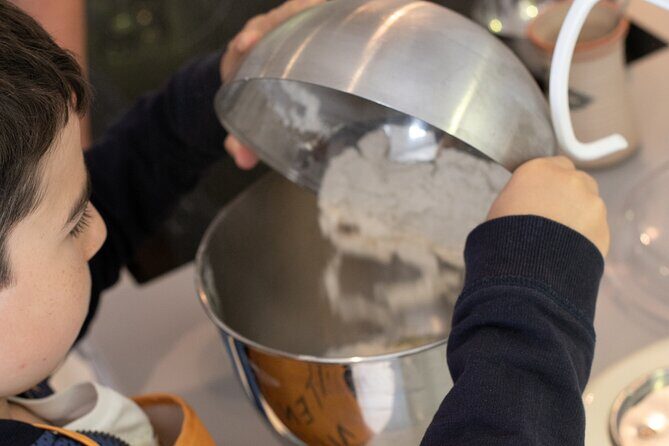
This experience is set up to feel like you’re learning pastry from inside someone’s home kitchen—except the instruction is structured and the workflow is built for a short, productive session. The meeting point is at 54bis Av. Mozart, 75016 Paris, and the activity ends back there, so you’re not dealing with multiple transfers or a long hop across town.
The location matters. District 16 near Trocadéro puts you in the part of Paris many people use as their Eiffel Tower viewpoint zone. That makes this class a nice fit if you’re already planning an Eiffel-area afternoon and you want something more hands-on than photos and café tables.
You’ll also be in a small group of up to 6 travelers, which is the biggest quality-of-life feature here. Larger classes can feel like a show. This format keeps the pace human, and it’s easier to get your questions answered while your dough is still waiting at the right stage.
Finally, the class is offered in English, so you won’t be stuck decoding instructions while your butter is doing its own thing. And because you use a mobile ticket, you’re not scrambling for paper confirmation.
You can also read our reviews of more cooking classes in Paris


The Real Lesson: Pâte Feuilletée Levée and What Makes It Different
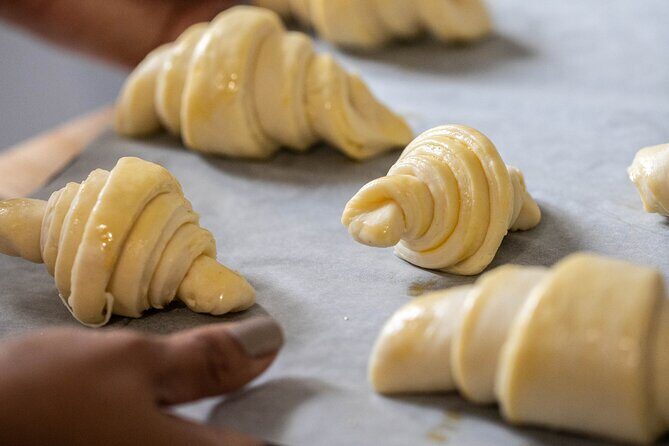
Croissants are famous for a reason, but this class doesn’t stop at the final shape. It’s about mastering the technique professional bakers rely on: laminated dough, specifically pâte feuilletée levée.
That phrasing is important. Laminated dough can sound abstract until someone breaks down how the layers are built and why that method produces pastry that flakes, stretches, and bakes into that classic texture. Here, you’re not just copying a process. You’re being taught the technique behind the result—so you leave with a better understanding of what’s happening (and what you’d try differently next time).
You’ll also get context that you usually don’t find in a simple “make a croissant” workshop. The class includes the history and meaning behind viennoiseries versus French pastry. In plain terms: it helps you place croissants and pain au chocolat inside the bigger pastry world rather than treating them like random bakery items. That context makes the class more than a one-off activity.
And since the session is focused on croissants, the teaching stays practical. You’re practicing what matters for croissant-style pastry—so the class doesn’t get diluted into too many dough types or too many recipes to remember.
What Happens During the 1 Hour 30 Minutes
The whole experience runs about 1 hour 30 minutes. That might sound short, but it actually fits laminated dough well. Long classes can drag, and pastry is partly about timing. A tight session usually means clearer steps and less time waiting for someone else.
Here’s how the structure typically feels based on how the class is described and what it includes:
First, there’s an intro that sets expectations beyond the recipe. You’ll learn about the difference between viennoiseries and French pastry, and you’ll hear the broader story behind these breakfast staples. It’s the kind of start that makes the rest of the session easier to follow because you know what you’re aiming for.
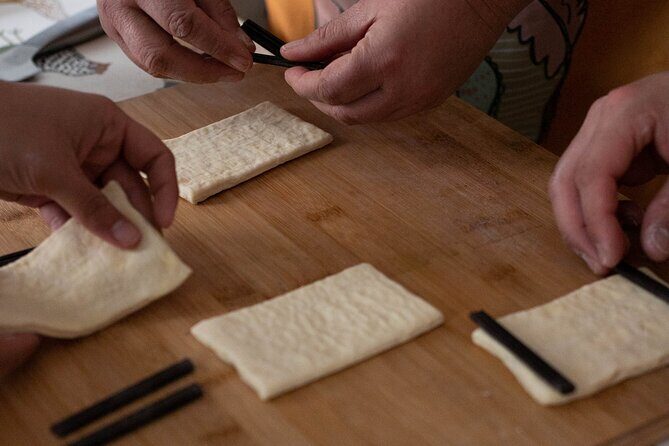
Next comes the main work: learning how to make croissants through the laminated dough technique. Since the experience is explicitly based on croissants, you can expect the bulk of the session to be devoted to the dough process and then shaping toward croissant results.
Then you’ll end with dessert: croissant and pain au chocolat. Even if you don’t think you’re a “dessert person,” it’s a smart payoff. You get a direct link between the method you practiced and what lands on your plate. That also helps you taste for texture and flavor rather than only thinking about whether it looks right.
Small Group Attention That Feels Personal
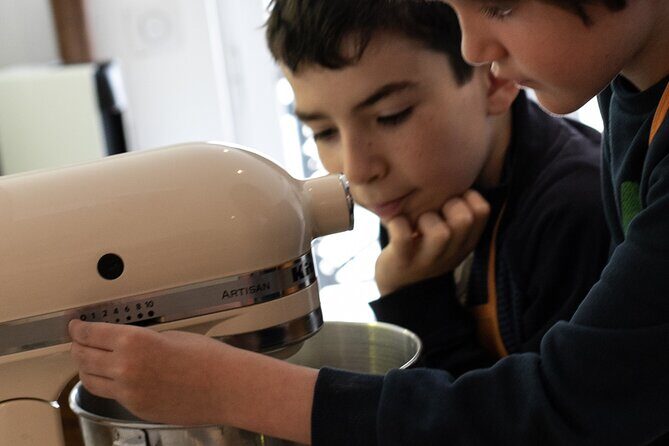
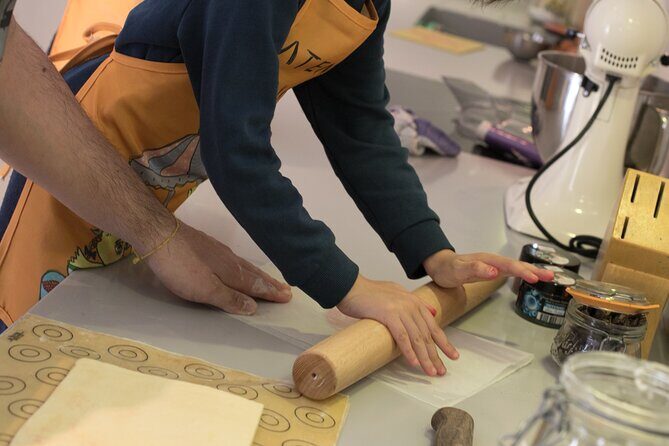
This class earns strong praise for one reason: the teaching is responsive. The feedback highlights that the instructors take time with each person and don’t rush anyone through the steps. One standout theme is how easy the instructions are to follow—especially because laminated dough can be technical when you try it at home.
A guide name that shows up in the reviews is Selene. Multiple comments point out her calm, friendly approach and the way she takes time to teach each participant properly. One review notes that an adult and her daughter had a great time with Selene and laughed a lot during the session. Another mentions a small group of only two that morning, which meant even more direct attention during the teaching.
Why this matters for your experience: laminated dough is not the kind of skill you learn by watching a video once. You need feedback. If something looks off—too soft, not folding right, not developing the right structure—you need corrections immediately, while you can still change course.
With this class capped at 6, you get that chance. You’re not lost in a crowd.
Ingredients and Tools: Convenience With a Purpose
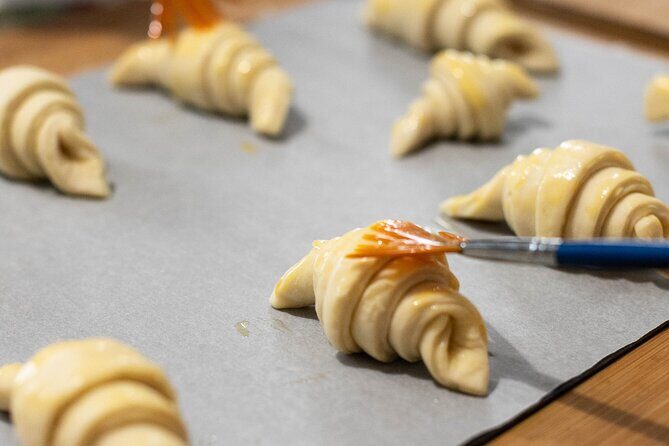
A lot of cooking classes sound good until you learn you have to buy half the ingredients and bring your own equipment. Here, ingredients and tools are provided for ease, which is a big deal in Paris when you’re managing luggage, time, and that one last grocery run you didn’t plan.
From a value perspective, that’s part of what you’re paying for. The price isn’t only instruction—it includes the working materials that make the session possible. Also, having everything on hand reduces stress. You’re free to focus on the skill.
This “you show up, we run the kitchen” model is especially helpful for visitors. Even if you cook at home, the setup in an apartment can be very different from your kitchen. Provided tools and ingredients keep the experience consistent and let the class stay on schedule.
You can also read our reviews of more tours and experiences in Paris





Price and Value: Is $166.80 Worth It?
The price is $166.80 per person, for roughly 1 hour 30 minutes, in a small group (max 6) near Trocadéro, with English instruction and materials included.
So is it worth it? For me, the answer comes down to what you’re buying:
- Personal instruction in a group that stays small. You’re paying for time with a teacher, not just an activity ticket.
- A specific, professional technique rather than a generic “bake something” class. Learning pâte feuilletée levée is the core value.
- Everything supplied (ingredients and tools), which is practical when you’re traveling.
- A convenient location near the Eiffel Tower area, which can save you time and transit energy.
If you’re the type who likes food experiences but hates wasting hours on guesswork, this class fits your style. If you only want a casual treat with minimal learning, you might think it’s pricey for the short time window. But the skill focus, plus the small-group attention, is what helps justify the cost.
Who This Croissants Class Suits Best

This experience is a great match if you want a hands-on Paris food activity that’s still structured and learnable. It’s especially good for:
- Couples or parent-child pairs who want a fun activity that doesn’t feel like a museum
- First-time bakers who want step-by-step guidance (and the chance to ask questions)
- Food travelers who like pastry culture and want more than a basic tasting
- Anyone staying near the Eiffel Tower area who wants an easy day plan rather than a long commute
It can also work well for groups of friends, as long as everyone is comfortable in a small setting and ready to focus for about an hour and a half. Since the class is centered on croissants, you won’t come away with a long list of different pastries. You’ll come away with one core technique you can use again.
Quick Practical Tips Before You Go
You’re meeting at 54bis Av. Mozart and returning there, so treat it like a contained neighborhood experience. It’s also described as being near public transportation, which is helpful if you don’t want to rely on walking in the Eiffel Tower crowds.
Because it’s an apartment setting, arrive a bit early and keep things simple. You’ll likely be focused on your work station once the class starts, so don’t plan a tight connection right after.
Also, don’t wait until the last minute to book. The group limit is 6, and classes with a small cap tend to fill based on seasons and schedules.
Should You Book This Croissants Class?
If you’re choosing between a generic food tour and an actual cooking lesson, I’d lean toward booking this—especially if you care about learning technique, not only eating something good. The strongest reasons are the small-group size, the teaching style (with Selene mentioned as friendly and attentive), and the clear focus on pâte feuilletée levée.
Skip it only if you’re hoping for a wide pastry variety in one session or if your plans are so uncertain that a non-refundable booking would be risky. But if you want a memorable, skill-based Paris experience near Trocadéro, this one is a very solid pick.
FAQ
How long is the croissants baking class near the Eiffel Tower?
It lasts about 1 hour 30 minutes.
What language is the class taught in?
The experience is offered in English.
How many people are in the class?
There’s a maximum of 6 travelers.
Where do I meet, and does the tour end nearby?
The start point is 54bis Av. Mozart, 75016 Paris, France, and it ends back at the meeting point.
What will I make during the class?
The experience is based on croissants, and you’ll also have croissant and pain au chocolat as part of the dessert.
Do they provide ingredients and tools?
Yes. All ingredients and tools are provided for ease.
What technique will I learn?
You’ll learn how to make the laminated dough called pâte feuilletée levée, the method used by professional bakers for famous French breakfast pastries.
Is the meeting ticket mobile?
Yes, it uses a mobile ticket.
What’s the cancellation policy?
It is non-refundable and cannot be changed for any reason. If it’s canceled because the minimum number of travelers isn’t met, you’ll be offered a different date/experience or a full refund.