REVIEW · PARIS
Drawing workshop/creative notebook & cultural walk in the Tuileries
Book on Viator →Operated by iN ARTS · Bookable on Viator
Paris turns better on paper.
This Tuileries drawing workshop blends a relaxed cultural walk with real coaching for your sketchbook, moving from the gardens toward the Louvre area. You’ll get short stops with history context, then you translate what you see into lines, shapes, and simple renderings, even if your last sketch was… a while ago.
What I liked most: the teaching feels practical, not artsy-mystical, and the vibe stays warm even when you are not confident. I also love the pace, with Evelyne leading the walk and instruction, plus extra support from Romain in the drawing moments. A possible drawback: the big landmarks are brief touchpoints, so if you want lots of time standing and staring (or museum time), this is more workshop-walk than deep sightseeing.
In This Review
- Key highlights you will actually feel
- From Place de la Concorde to sketchbook mode
- Jardin des Tuileries: where the drawing prompts click
- Louvre Pyramid in 15 Minutes: a fast shape-and-perspective exercise
- Arc de Triomphe du Carrousel: history cue plus a final drawing
- Small-group coaching with Evelyne and Romain
- Price and value: what $94.82 buys in 3 hours
- FAQ
- FAQ
- What’s the duration of the Tuileries drawing workshop?
- Where do I meet and where does the tour end?
- What time does it start?
- Is the workshop in English?
- How many people are in the group?
- Are cancellations refundable?
- Should you book the Tuileries drawing workshop?
Key highlights you will actually feel
- Small group (max 10) so you can get help when your pencil freezes
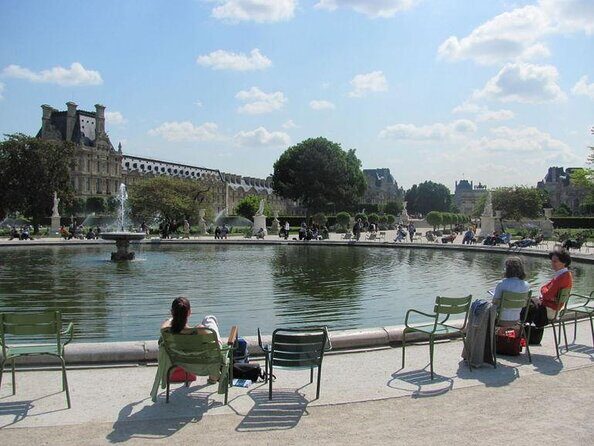
- Guided stops inside the Jardin des Tuileries where history and sketch prompts connect
- Louvre Pyramid sketch activity that focuses on shape and perspective basics
- Arc de Triomphe du Carrousel wrap-up with story + a final drawing cue
- Beginners welcome, including kids, with instruction that aims for recognizable results
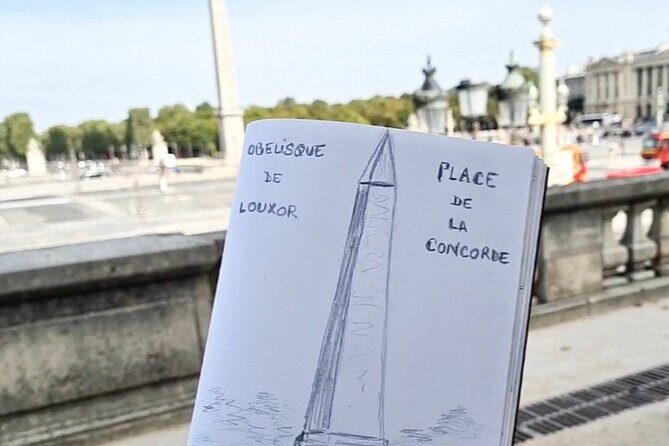
From Place de la Concorde to sketchbook mode
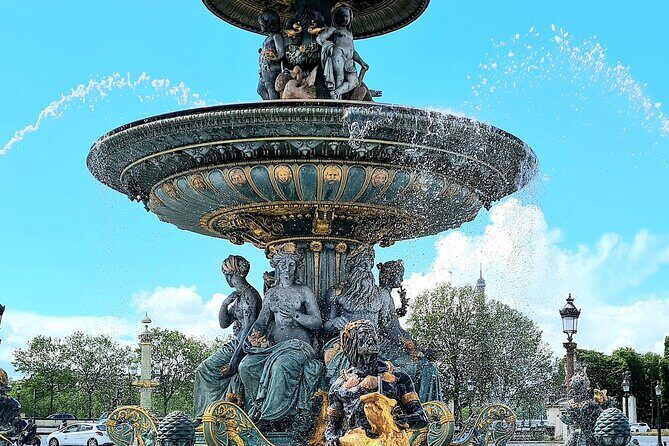
The meeting point puts you right in the heart of central Paris: 9 Pl. de la Concorde, with the walk ending at the Arc de Triomphe du Carrousel. The tour runs about 3 hours, starting at 2:00 pm, which is a smart choice if you want morning to be your museum or neighborhood time and then switch to something calmer and creative.
I like the way this format uses movement. You’re not just sitting through an art lecture. You walk through key garden and monument sightlines, and every time the guide points out something worth noticing, you immediately try to draw it. That timing matters because it turns looking into doing, fast.
Also, this is designed for real-world participation. The group is small, the instruction is in English, and the experience is set up so most people can join. If you’re worried about being the slowest person with the pencil, that worry has a way of shrinking once you realize the goal is progress, not perfection.
If you’re coming later in the day, plan to arrive a few minutes early. The start point is easy to find, and the tour is set up with a mobile ticket, which keeps things smooth once you’re on site.
You can also read our reviews of more walking tours in Paris



Jardin des Tuileries: where the drawing prompts click
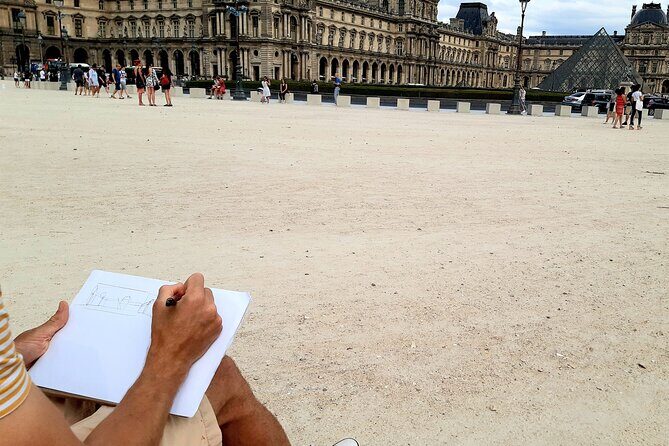
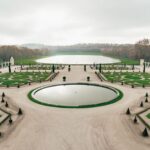
Most of the action happens in the Jardin des Tuileries, which is exactly what I’d want from a creative-notebook walk in Paris. This is the part that lasts about 2 hours, and it’s where you get history from the guide plus multiple “stop-and-sketch” moments in different corners of the gardens.
Here’s why this segment works for beginners: the prompts are tied to what you can actually see in front of you, not abstract art homework. The guide tells the story of the place, then you draw it. That means you’re using the facts as an anchor for your attention. You start noticing proportions, edges, and layout instead of just taking photos.
One thing I’d underline: even people who described themselves as rusty said they left with drawings that looked recognizable. That tells me the instruction is built around reachable goals—like capturing the big forms first, then adding a little more detail only when you’re ready.
You also get variety in how you make marks. The workshop includes drawing and painting tasks using different techniques, so you’re not stuck doing the same thing for two hours straight. For families, that variety matters. One review highlighted that an 11-year-old enjoyed it a lot, and another noted the guide was patient with children, which can be the difference between an art class that feels stressful and one that feels inspiring.
A practical consideration: gardens can be more comfortable than streets, but there can still be crowds and foot traffic. The solution is simple: treat it like a slow walk with purposeful sketch stops. If you keep moving, you’ll stay focused.
Louvre Pyramid in 15 Minutes: a fast shape-and-perspective exercise
After the garden time, you end up at the Louvre Pyramid area for a short 15-minute drawing activity. This is a clever pivot. Big landmarks can be intimidating, but shrinking the session to 15 minutes makes it doable.
In this mini-stop, the activity is tied directly to the pyramid itself. That likely means you’re focusing on the main geometry—angles, edges, and how lines converge—rather than trying to render every tiny detail. And that’s the sort of assignment that helps your brain stop “getting stuck” and start making smart choices with your pencil.
I like that the tour doesn’t pretend this is your only chance to study the Louvre surroundings. Instead, it gives you a targeted prompt that you can complete, then you move on. The result is less overwhelm and a better chance of finishing with something you can be proud of.
If you’re the type who gets frustrated when a sketch looks wrong at minute 3, this is the part that can surprise you—in a good way. Short time blocks encourage bold attempts and help you learn what to simplify.
Arc de Triomphe du Carrousel: history cue plus a final drawing
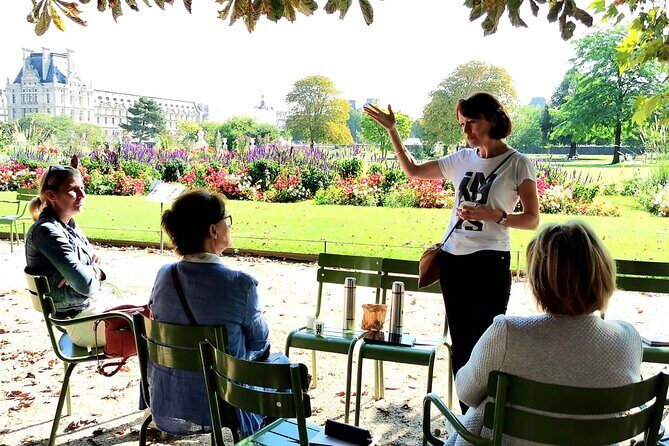
The last monument touchpoint is the Arc de Triomphe du Carrousel, where you pass in front of it and get 10 minutes of history plus a drawing activity. That ending matters because it gives your sketchbook a clear final scene, instead of fading out at the last garden stop.
A good workshop ending should feel like closure, and this one does. You get a bit more story context, then you translate what you’re seeing into a quick drawing task. Ending here also keeps the walk from feeling like one long, uninterrupted park session. You get the variety you need to stay engaged until the finish.
If you’re traveling with someone who likes culture but worries they won’t enjoy art, this stop helps balance both. The guide’s explanations keep the “why it matters” part in view, while the pencil keeps the activity hands-on.
Small-group coaching with Evelyne and Romain
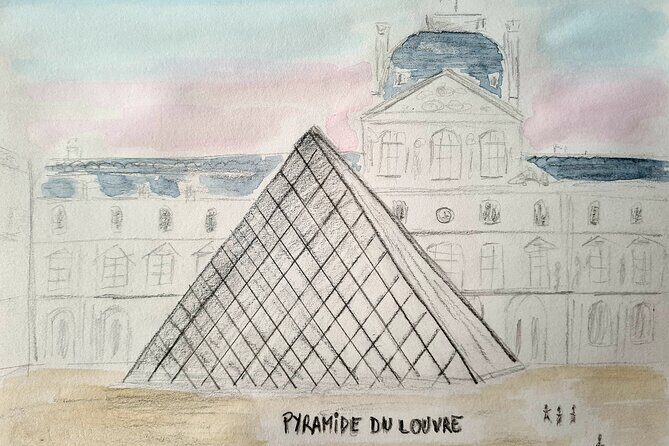
This is where the experience earns its high rating. The tour is designed for patience. Reviews specifically called out Evelyne as friendly and engaging, and also mentioned Romain being especially patient and encouraging for someone who didn’t feel artistically talented.
That pairing of teacher + support matters in a workshop. If you only get one round of instructions and then you’re left to figure it out, you’ll either freeze or fake confidence. Here, the tone is supportive enough that people can adjust on the fly. That helps everyone, not just the nervous beginner.
It’s also clear the guide knows how to work across ages. There’s direct evidence that children joined in easily, and that the class gave kids a push toward buying supplies and practicing. That suggests the instruction style is not overly technical, and it’s paced so younger participants can follow along without feeling lost.
For you, that means: you don’t need an art background to join confidently. Bring curiosity. Bring a willingness to try simple steps. The goal isn’t to copy a postcard perfectly; it’s to create a recognizable sketch and leave with momentum—so your next drawing doesn’t feel like a lost cause.
Another consideration: with a maximum of 10 people, you should expect some waiting during stop transitions. That’s normal for small groups in busy public spaces. The tradeoff is that you get attention during the actual drawing moments.
You can also read our reviews of more tours and experiences in Paris





Price and value: what $94.82 buys in 3 hours
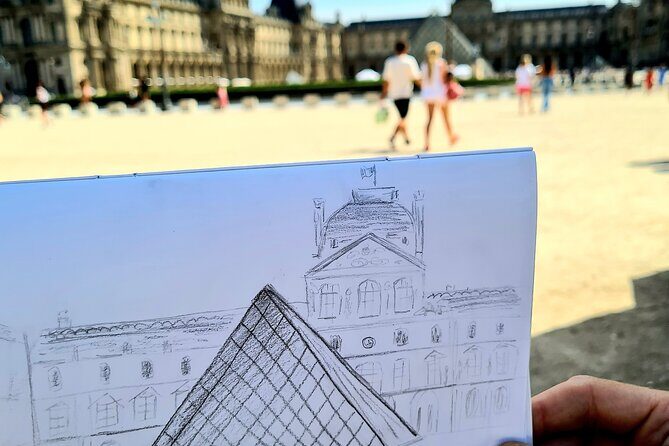
At $94.82 per person for about 3 hours, you’re paying for more than a walk. You’re paying for guided instruction that turns history into something you can produce: a drawing or small painted rendering connected to each setting.
I look at value in three layers here: time, coaching, and structure. You get enough time to actually build skills in the Tuileries (around 2 hours), then you get short, well-targeted landmark drawing prompts at the Louvre Pyramid and the Arc de Triomphe du Carrousel. That keeps the experience from feeling like one long wait for the “main part.”
Coaching is the second layer. If you’ve ever taken a class where the teacher talks and you still don’t know what to do next, you’ll appreciate what people described: recognizable results, encouragement, and patience for those who felt rusty. That kind of support is hard to replicate on your own.
The third layer is group size. A max of 10 is a real quality-of-life factor in art instruction. It means you’re less likely to get left behind when you hit a problem.
Finally, the stops themselves list free admission for the garden and those monument viewpoints. That doesn’t mean everything is free in practice, but it helps you understand the price is mostly about the guided workshop experience, not ticket costs.
If you like hands-on travel, this pricing makes sense. If you only want photo ops and zero drawing, you might prefer something lighter.
FAQ
FAQ
What’s the duration of the Tuileries drawing workshop?
It runs for about 3 hours.
Where do I meet and where does the tour end?
You meet at 9 Pl. de la Concorde, 75001 Paris, and it ends at the Arc de Triomphe du Carrousel, Pl. du Carrousel, 75001 Paris.
What time does it start?
The start time is 2:00 pm.
Is the workshop in English?
Yes, it’s offered in English.
How many people are in the group?
The experience has a maximum of 10 travelers.
Are cancellations refundable?
You can cancel up to 24 hours in advance for a full refund.
Should you book the Tuileries drawing workshop?
Book it if you want Paris that you can touch with your hands. This is a great choice for beginners, people returning to art after years, and families with kids who can handle a short, guided activity. The strongest signal here is the combination of history storytelling plus patient, step-by-step drawing help from Evelyne, with Romain offering additional encouragement.
Skip it if your priority is long, deep monument time or museum wandering. The Louvre Pyramid and Arc de Triomphe du Carrousel moments are short and focused, and the tour’s main mission is the workshop. If that sounds like your kind of afternoon, you’ll leave with sketches and a reason to keep drawing long after you go home.