REVIEW · EPERNAY
Food & Champagne Experience from Epernay (Private tour)
Book on Viator →Operated by Aÿ-Champagne Experience · Bookable on Viator
Champagne schooling starts before the first pour.
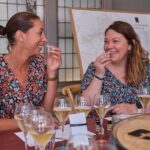
This private Food and Champagne day is built around real production and real tastings across the Marne Valley and key villages around Epernay. You’ll start with a playful aroma workshop and finish with a Champagne knowledge certificate if you pass the olfactory and taste test.
I especially like the range: you’re not stuck with one style or one house. The plan is centered on Grand Cru/Premier Cru Champagnes in multiple formats (like Blanc de blancs, Blanc de noirs, plus extra brut/brut/dry and rosé), and you’ll also meet the region through ratafia and Champagne brandies at more than one stop.
One thing to consider: this is a high-touch day with a lot of pours and driving, and group comfort can vary. If your group is larger (or the day runs hot), the smaller vehicle options can feel tight, and lunch portion size may not match everyone’s expectations for the price.
In This Review
- Key highlights you’ll care about
- From Epernay to Aÿ: a route that actually teaches Champagne
- The aroma workshop in Mareuil-sur-Ay: how you learn what to taste
- Tastings beyond Champagne: ratafia, Fine de la Marne, Marc de Champagne
- Aÿ vineyard stop: Grand Cru Pinot Noir and sustainable viticulture
- Lunch at a winemaker’s in Monthelon: classic regional plates with Champagne logic
- Avize and Côte des Blancs: UNESCO views and Chardonnay villages
- Oger press, winery, cellar, and Biscuits roses of Reims
- Avenue de Champagne in Epernay: the big houses from the street
- Price and value: what you’re paying for and what can disappoint
- Best fit: who this tour suits (and who might want a different plan)
- So should you book this Epernay Food and Champagne tour?
- FAQ
- FAQ
- What is the tour duration?
- What time does the tour start in Epernay?
- Is this a private tour?
- Do you offer pickup from hotels or apartments?
- Is the tour available in English?
- What will I taste during the day?
- Is there food included, and what kind?
- Do you visit vineyards and production spaces?
- What happens if the weather is bad?
- Can I cancel for free?
Key highlights you’ll care about
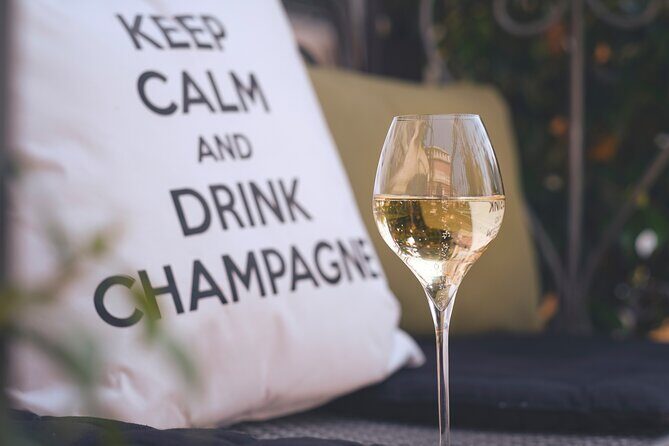
- Aroma workshop + certificate: you get a structured way to learn what you’re tasting, not just drink it.
- Grand Cru/Premier Cru focus: tastings include both blended and single-varietal expressions and different styles.
- Ratafia culture day: sweet grape-based ratafias, plus Fine de la Marne and Marc de Champagne.
- Food pairings in Champagne terms: Coteaux-Champenois and Champagne are matched with specific dishes like foie gras and snails.
- UNESCO Marne Valley views, even if you’re short on time: you pass the historic hillsides tied to where Champagne was born.
- Chardonnay country finish: Avize and Oger add the Côte des Blancs angle, plus snack time with Biscuits roses of Reims.
From Epernay to Aÿ: a route that actually teaches Champagne
I like how this itinerary moves like a lesson. You start around Mareuil-sur-Ay and the Champagne core villages tied to Pinot Noir, then you swing toward Avize and Oger for Chardonnay territory in the Côte des Blancs. That shift matters because Champagne doesn’t taste the same when the grape and terroir change.
You’ll also get the benefit of planning for a full day without feeling like it’s only inside. Expect vineyards and villages typical of the region, plus a short, commented pass along Avenue de Champagne in Epernay to see the big-name production buildings from the road.
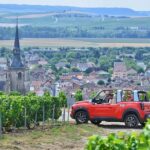
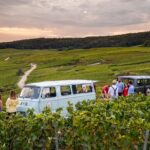
This is a private tour, so you’re not sharing the experience with strangers. You’ll ride in a vehicle picked based on weather/season and your group size—an electric E-Mehari style vehicle, a premium van, or a minivan. If you’ve got any trouble getting into slightly raised vehicles, it’s worth flagging up front.
You can also read our reviews of more food & drink experiences in Epernay
The aroma workshop in Mareuil-sur-Ay: how you learn what to taste
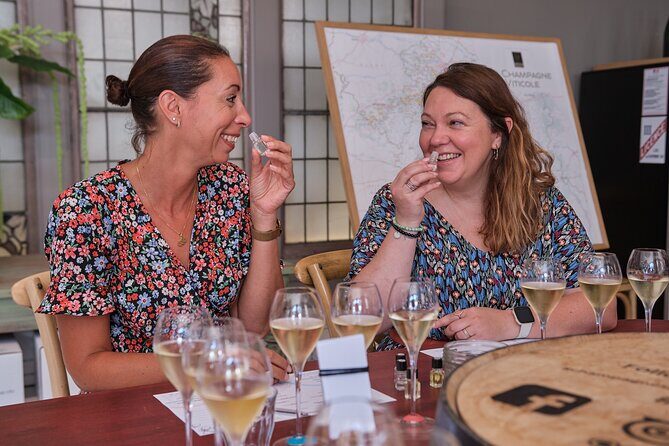
Stop 1 is where the day turns from sipping to understanding. You begin at a producer with a playful workshop to discover Champagne aromas, then you use those same senses during tastings.
Then comes the fun part: there’s a taste and olfactory test, and if you pass, you receive a Champagne knowledge certificate. Even if you’re not a training-to-be-a-sommelier type, that structure keeps the tastings from turning into a blur of glassware.
What makes this stop especially good value is how it sets you up for the rest of the itinerary. Once you start noticing things like fruit, floral notes, and barrel/aging impressions, you’ll follow the day’s style differences much faster—like how Blanc de blancs (Chardonnay-led) can read differently from Blanc de noirs (Pinot Noir-led).
The tasting focus here is also explicitly upscale: you’ll sample 9 Grand Cru/Premier Cru Champagnes, including blended and single-varietal styles such as Blanc de blancs and Blanc de noirs, and you’ll also encounter non-dosed natural Champagne plus several sweetness/dryness levels (extra brut, brut, dry) and rosé. That’s a lot of range for one morning.
Tastings beyond Champagne: ratafia, Fine de la Marne, Marc de Champagne
In Ay, the tour adds a side of Champagne culture that many people never try. You’ll taste ratafias, plus Fine de la Marne and Marc de Champagne from the Goyard Distillery.
Here’s why this matters: ratafia isn’t a “random extra.” It’s described as a sweet wine made from the same grape varieties as Champagne. It tends to bring a different kind of intensity than the sparkling wine you’re used to, which makes it a great way to understand how the region thinks about grapes and flavor.
The tour also treats spirits as part of the meal plan. All tastings are commented and selected to fit typical dishes. That’s the difference between a booze-heavy stop and a food-and-wine stop that feels designed.
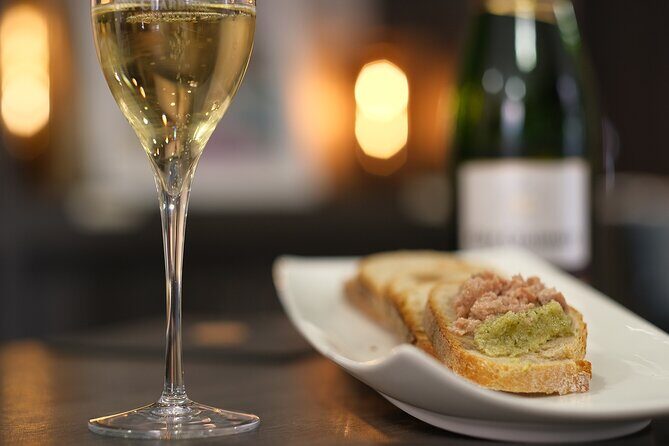
You’ll also try Coteaux-Champenois in a Champagne bar setting, which can be red, white, or rosé under Controlled Designation of Origin rules. The plan includes pairing options such as foie gras and snails for adventurous eaters, or choices like sea bass rillettes with truffle, scallops, or white pudding if you want something a bit gentler.
If you like tours where you learn by eating and sipping together, this stop is one of the best parts of the day. It turns the region into a full-flavor story.
Aÿ vineyard stop: Grand Cru Pinot Noir and sustainable viticulture
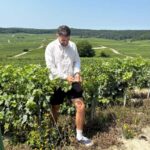
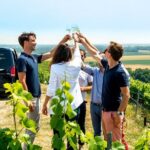
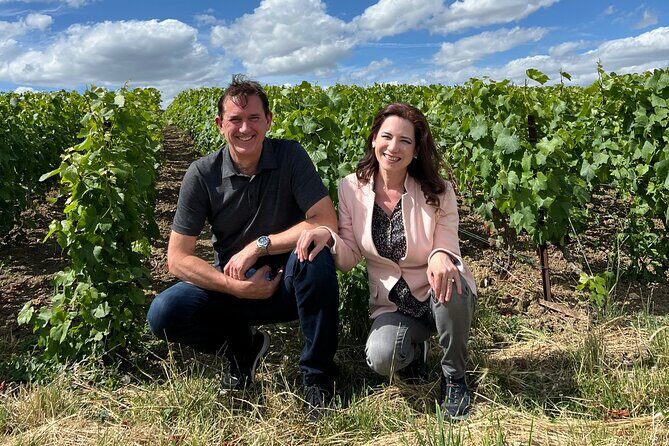
Stop 3 shifts from tasting to seeing. In the village and Grand Cru vineyard of Aÿ-Champagne, you’ll spend time in the heart of the vines to understand the work of the vine, grape varieties, terroir, and sustainable viticulture.
This stop is short (about 45 minutes), but it adds context that the tastings can’t give you alone. Knowing that Aÿ was once the main center of the Champagne industry and that the kings of France had their own wine presses there helps you understand why Pinot Noir dominates the story in this part of the region.
You’ll also learn that the Aÿ vineyard is classified as Grand Cru at the highest level of the Champagne appellation. When you taste later on, those classifications stop being abstract words and start sounding like something you can taste.
Lunch at a winemaker’s in Monthelon: classic regional plates with Champagne logic
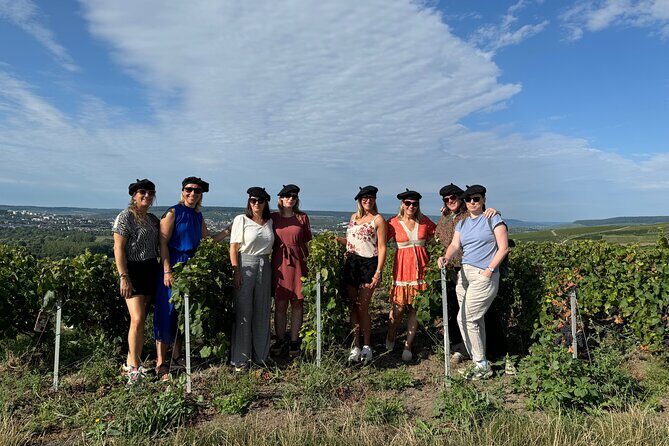
After the vineyard learning, the day turns properly food-focused at Monthelon. Lunch happens at a winemaker’s, where you’ll taste his Grand Cru and Premier Cru Champagnes, along with multiple ratafias.
A detail I like here is the mention of a unique ratafia made from a forgotten grape variety. That kind of specific local production is exactly the sort of thing that makes a private regional tour feel different from generic Champagne tastings.
The meal itself is built around local French staples. You’ll get a mixed platter of charcuterie and cheeses, including regional standouts like Jambon de Reims, Chaource, and Langres. There are also items like cured ham and duck rillettes with ratafia, plus duck breast, with the unmissable French baguette.
For dessert, the sweet thread continues. You’ll have a chocolate filled with ratafia plus a dessert based on Biscuit Rose of Reims. If you don’t know these biscuits yet, don’t worry—you’ll likely meet them again later in the day in snack form.
One consideration: lunch can land differently depending on your expectations. If you’re the type who wants a bigger sit-down meal, it’s smart to go in with the mindset that this is a Champagne-focused lunch pairing, not a full restaurant feast.
Avize and Côte des Blancs: UNESCO views and Chardonnay villages
Stop 5 is a quick but meaningful geographic shift. In the morning, you’ll discover the Marne Valley and its historic hillsides listed as a World Heritage Site by UNESCO, which connects to where Champagne was born.
Then, on the road to the next winegrower, you drive through the Côte des Blancs, the kingdom of Chardonnay Grand Cru, with classic villages like Cramant and Avize. The stop time here is listed as short (around 15 minutes), so think of it as a “set your bearings” moment rather than a long walking tour.
Still, this part helps you taste with context. When you go from Aÿ Pinot Noir territory into Chardonnay country, you’ll notice the different flavor signatures more easily—especially once you’ve already trained your nose in the morning workshop.
Oger press, winery, cellar, and Biscuits roses of Reims
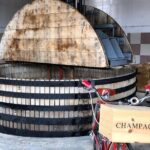
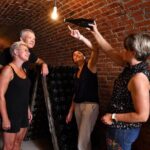
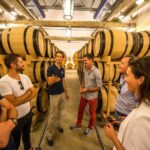
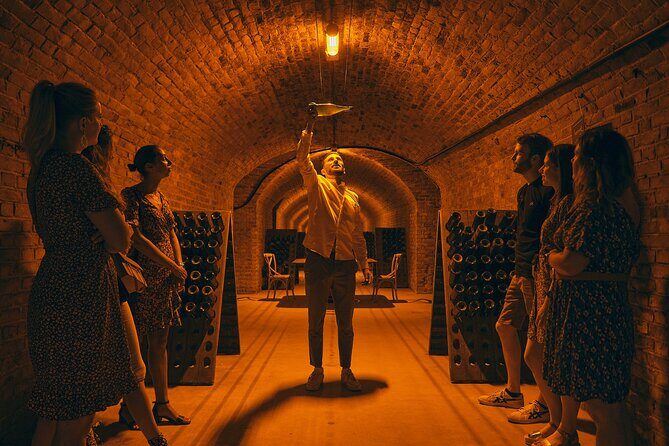
Stop 6 is where the day gets hands-on again. In Oger, you visit a third family of independent Champagne producers for several generations. You’ll talk about the Champagne-making process and get to see the press, winery, and cellar.
This is one of those “small detail” moments that pays off across the day. Seeing where juice presses and where aging happens helps you connect what’s in the glass to what happened in the building.
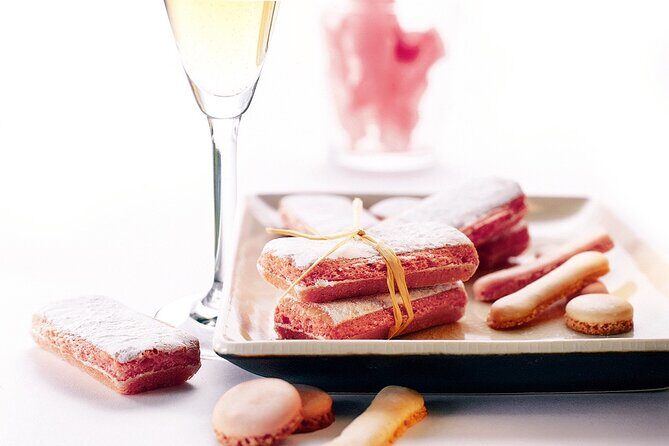
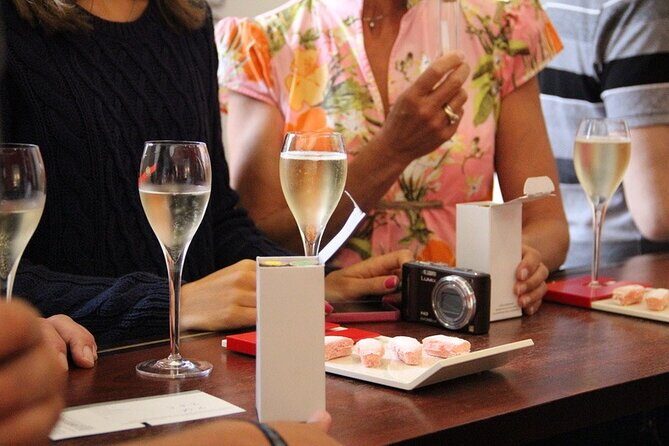
At snack time, you’ll taste other Grand Cru Champagnes alongside Biscuits roses of Reims from the Biscuiterie Fossier. The information you’re given notes the original recipe dates to 1756, and in this setting they come as a crunchy macaroon form.
The day ends with a typical French surprise discovery. Since the specific reveal isn’t described here, I treat this as a reminder to keep some energy for the final moments—this tour is full-tilt, not a gentle stroll.
Avenue de Champagne in Epernay: the big houses from the street
You’ll also have a commented passage through Avenue de Champagne in Epernay, where major Champagne Houses are located, including Moët & Chandon, Perrier Jouët, and Pol Roger.
This is not presented as a formal house tour. Instead, it gives you a quick, high-recognition view of the region’s scale and architecture without requiring a whole extra ticket and time block.
It’s also a nice counterpoint to the small-producer feeling of the earlier stops. One day, you see both ends of the Champagne ecosystem: family production and the world-famous brands built on the same terroir.
Price and value: what you’re paying for and what can disappoint
At $785.72 per person, this isn’t a budget Champagne outing. You’re paying for several big-ticket components bundled together:
- A private day with pickup within about 6 km (3.7 miles) around Epernay
- Transportation in a vehicle chosen for weather and group size
- Multiple tastings, including Grand Cru/Premier Cru Champagnes in a variety of styles
- Ratafia and Champagne brandies (Fine de la Marne, Marc de Champagne)
- Food pairings that keep showing up at each stop
- Visits that go beyond viewpoints and include press/winery/cellar experiences
- A knowledge-focused workshop with a certificate at the end of the test
So the value is strongest if you want a day that’s structured, educational, and heavy on both food and tastings.
The main way this kind of tour can disappoint is expectations. If you only want top-shelf vintages every single glass, you might feel let down when the tasting lineup includes different styles and strengths. The itinerary does specify Grand Cru/Premier Cru and includes non-dosed natural options and multiple sweetness/dryness styles, but Champagne tastings are still curated, not pulled from your exact wish list.
Also, consider comfort. One review detail points out that a smaller vehicle can feel tight for a full group and can get hot. If your group is on the larger side or you’re sensitive to heat, it’s worth asking about which vehicle will be used for your party.
Best fit: who this tour suits (and who might want a different plan)
This experience is best for you if:
- You want to learn while you taste, not just collect glasses
- You’re curious about ratafia and Champagne spirits beyond the bubbles
- You like pairing wine with specific food like foie gras and snails
- You want both Pinot Noir country (Aÿ) and Chardonnay country (Côte des Blancs, Avize/Oger) in one day
It might be less perfect if:
- You hate long tasting days and prefer quiet, low-key visits
- You want a big, traditional sit-down lunch without many pours tied in
- You expect every pour to be a rare vintage moment and not a style-driven flight
So should you book this Epernay Food and Champagne tour?
If you love the idea of a day where Champagne comes with workshop learning, vineyard context, and multiple food pairings, I think this is a smart pick. The standout is the way it strings everything together: aroma workshop first, Grand Cru/Premier Cru tastings throughout, spirits like ratafia in the middle, then Chardonnay production in Oger with a press/winery/cellar look.
Before booking, I’d do one practical thing: set your expectation that this is a curated tasting experience with a menu of styles, not a straight-up “only the most expensive bottles” tour. If that matches your vibe, you’re likely to have a brilliant day from start to finish.
FAQ
FAQ
What is the tour duration?
The tour runs about 7 to 8 hours.
What time does the tour start in Epernay?
The start time is 9:30 am.
Is this a private tour?
Yes. It’s a private tour, and only your group participates.
Do you offer pickup from hotels or apartments?
Pickup is offered within a perimeter of about 6 km (3.7 miles) around Epernay. If you’re farther, pickup may not be possible.
Is the tour available in English?
Yes, it’s offered in English.
What will I taste during the day?
You’ll taste 9 Grand Cru/Premier Cru Champagnes in multiple styles, plus several ratafias. You’ll also taste Fine de la Marne and Marc de Champagne, and you’ll try Coteaux-Champenois with food pairings.
Is there food included, and what kind?
Lunch is included at a winemaker’s, with a platter of charcuterie and cheeses and regional specialties. There are also food pairings earlier in the day, plus snack time with Biscuits roses of Reims.
Do you visit vineyards and production spaces?
Yes. The day includes vineyard time in Aÿ and production-related visits in Oger, with a look at the press, winery, and cellar.
What happens if the weather is bad?
Rain is possible in the region. In at least one case, the guide provided umbrellas, so you should be ready for wet weather and keep an eye on the forecast.
Can I cancel for free?
Yes. You can cancel for free up to 24 hours in advance for a full refund.