REVIEW · EPERNAY
Gold Champagne Experience from Epernay (Private Full day tour)
Book on Viator →Operated by Aÿ-Champagne Experience · Bookable on Viator
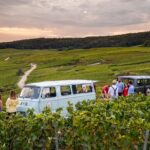
Champagne country has a rhythm. This private full-day Gold Champagne Experience from Epernay turns the region into a clear, story-driven route: villages tied to Dom Pérignon, UNESCO-listed vine hills, and tastings of Grand Cru and Premier Cru styles. I also like that you meet independent producers and walk through presses, wineries, and cellars, not just watch from the sidewalk. One thing to consider: the electric E-Mehari jeep-style vehicle is iconic, but it can be awkward to get in and out of, especially if you prefer easier entry.
I really like how the day mixes “where it comes from” with “what it tastes like.” Your guide (examples I saw include Julie and Nina) gives you enough context to understand why growers talk about dosage, old vines, vintage differences, and Chardonnay vs Pinot Noir—without turning it into a lecture. You’re going to leave with tasting comparisons you can actually remember.
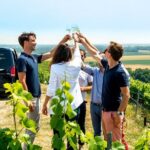
Finally, the day is built for people who enjoy alcohol pairings and guided stops. You’ll have a French lunch with a bottle of Champagne for two, plus extra Champagne-based spirits like Ratafia, Fine de la Marne, and Marc de Champagne—so plan to go slow, hydrate, and take your time with each pour.
In This Review
- Key things that make this tour worth your time
- A private Champagne day that actually stays on track
- Hautvillers: Dom Pérignon’s grave and the UNESCO vine hills
- How independent growers change your whole understanding of Champagne
- Epernay’s Avenue de Champagne: mansions and the scale of the cellars
- Cramant lunch: where Chardonnay Grand Cru earns its nickname
- Oger: 100% Chardonnay Grand Cru tastings, including no-dosage
- Aÿ-Champagne: Pinot Noir country and three Champagne-based spirits
- What the day’s timing and alcohol pacing means for you
- Comfort in the car: the one real downside to know ahead of time
- Price and value: what $584.52 buys in Champagne time
- Who should book this private Champagne experience?
- Should you book? My practical take
- FAQ
- How long is the Gold Champagne Experience from Epernay?
- Where does the tour take place?
- What is the price per person?
- Is this tour private?
- Does the tour include pickup?
- What language is the tour guide?
- What tastings are included?
- Is lunch included?
- Can the lunch be adjusted for dietary needs?
- Can I cancel for a refund?
Key things that make this tour worth your time
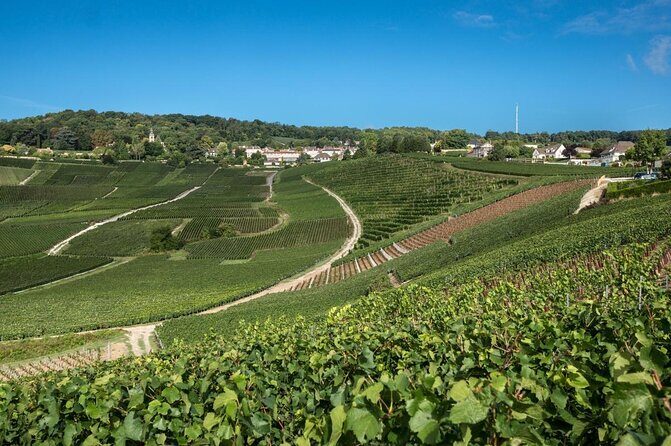
- Grower visits with real production stops: presses, cellars, and winery explanations
- Multiple tasting sessions: Premier Cru first, then Blanc de Blancs 100% Grand Cru styles
- UNESCO Champagne sites on your route: Hautvillers hillsides, Avenue de Champagne in Epernay, and Grand Cru villages
- Lunch that’s part of the experience: French meal with Champagne included (plus local bar/restaurant choices)
- You get both history and taste: Dom Pérignon’s story and the Champagne houses that shaped the trade
A private Champagne day that actually stays on track
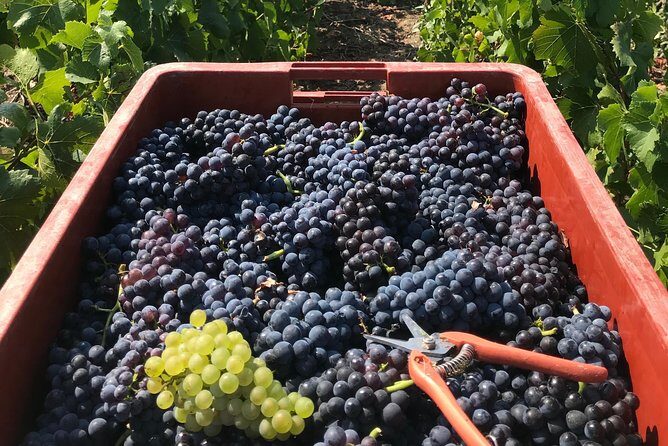
This tour is structured like a guided walk through key Champagne “nodes,” with just enough time at each one to feel purposeful. The biggest win is that it’s private for your group, so the pace is set by your guide rather than by a bus schedule and a crowd.
The second win is the tasting plan. Instead of one generic flight, you get tastings that correspond to where you are—Premier Cru in one zone, then Grand Cru Blanc de Blancs character in another. That matters because Champagne isn’t just one thing. It’s a stack of decisions: grape variety, vineyard placement, vinification choices, and how (or whether) the wine is finished with dosage.
You should also know the day runs about 7–8 hours. That’s long enough to taste deeply, but not so long that you’re constantly rushing. Still: if you’re the type who gets restless after lunch, eat slowly and ask your guide to pace the pours.
You can also read our reviews of more private tours in Epernay
Hautvillers: Dom Pérignon’s grave and the UNESCO vine hills
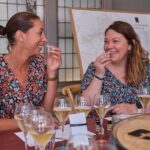
Your day starts in Hautvillers, often described as a cradle of Champagne, and the first stop is Abbaye Saint-Pierre d’Hautvillers. You get a private tour of the church area where Dom Pérignon’s grave is found. The tour includes his story, and the day gives you a chance to judge the legend versus the reality—so you don’t just repeat a myth you read online.
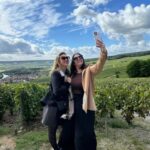
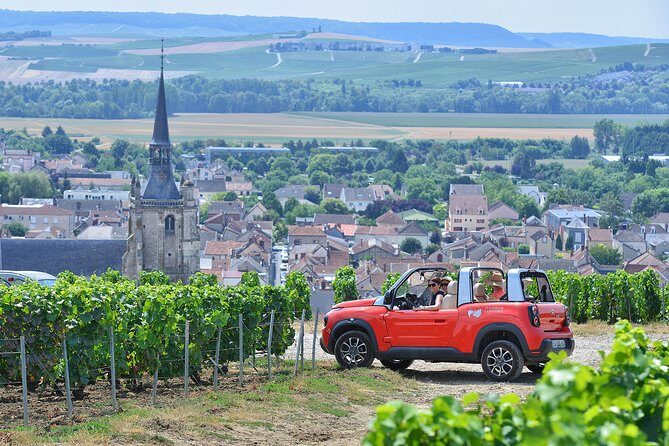
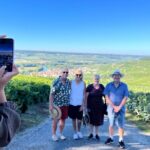
Then you move through Hautvillers again, this time for the setting that helps you understand why Champagne history clusters here. The vineyards on these historic hillsides are part of the UNESCO-listed Champagne landscape, and you’ll get a viewpoint over the Marne Valley, plus photo moments that actually make sense because you’re standing where the story started.
What I like about this first section is that it anchors your tasting later. When you hear about vinemaking experiments connected to the area, you don’t feel like you’re switching topics halfway through the day. You’re still learning the same “why” you started with.
If you’re sensitive to walking, you can still enjoy the views, but plan on a bit of hillside strolling—nothing extreme is described, yet Champagne villages are built on slopes.
How independent growers change your whole understanding of Champagne
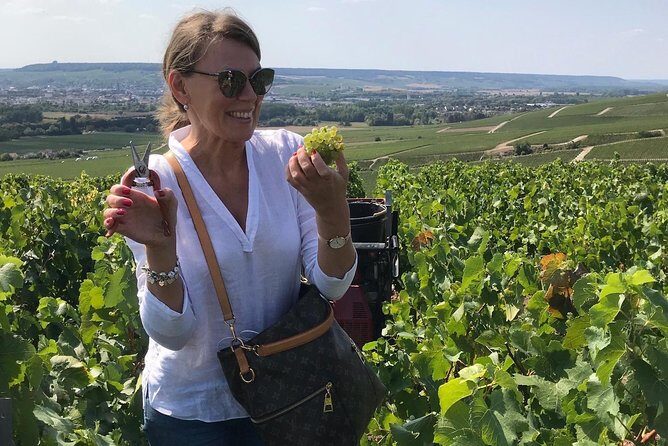
After the first historical anchor, the tour shifts into the practical side: meeting independent wine producers and growers and seeing how they make their Champagne. This is a big reason the day feels valuable, because it helps you separate Champagne romance from Champagne technique.
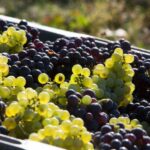
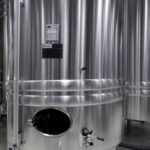
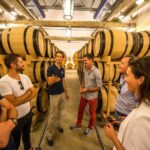
In one producer stop (the order can vary by season and availability), you’ll tour presses, wineries, and cellars and then do a commented tasting of three Premier Cru Champagnes. Premier Cru is the label you’ll keep hearing in Champagne talk because it signals a vineyard-class idea of quality—yet it’s also a starting point. The real learning happens when your guide points out how the same classification can still taste different depending on choices like freshness, extraction, aging, and finishing style.
You might notice the tour’s flexibility here. The tasting location could be in the Côte des Blancs or in Aÿ-Champagne depending on what’s available. That’s not a problem as long as you show up ready to learn that Champagne routes can shift for real-world farming and scheduling.
One practical tip: ask questions during the tasting, not after. It’s easier to remember the differences while the guide can still tie your bottle in front of you to what you saw in the cellar.
Epernay’s Avenue de Champagne: mansions and the scale of the cellars
You also cross Avenue de Champagne in Epernay, the “capital” zone of this vineyard region. The tour treats this like a history lesson you can walk through: prestigious Champagne houses, grand mansions, and the scale of the cellars beneath.
The key detail you’ll hear is the huge underground storage story—about 100 kilometers of cellars and around 200 million bottles. Even if you don’t go underground on this stop, that scale changes how you think about time and consistency in Champagne. You’re no longer tasting a fresh “product.” You’re tasting a system built for aging and release.
The route also includes a commented passage along Avenue de Champagne and references major Champagne houses such as Moët & Chandon, Perrier-Jouët, and Pol Roger. The goal here isn’t to “rank” them—it’s to show you what success looked like for the Champagne trade and how the big names shaped the roads, buildings, and production infrastructure in this district.
If you love architecture and old trade routes, this stop will feel satisfying. If you prefer pure vineyard time, you might treat it as a short breather before the next tasting zone.
Cramant lunch: where Chardonnay Grand Cru earns its nickname
Next you head to Cramant, a Côte des Blancs village known for Chardonnay Grand Cru. This area is often described as the kingdom of Chardonnay Grand Cru, and the tour frames it as more than a marketing phrase. You’ll get the idea that this region’s reputation comes from what growers do with Chardonnay when the terroir is strongly expressed.
For lunch, you won’t be stuck in a bland tourist dining room. You’ll eat at a Champagne and dining bar that’s appreciated by locals, chosen for a convivial break. The lunch includes Champagne and dining set-up—with a bottle of Champagne for two—and it’s described as a meal built from local choices.
The menu can include things like:
- gourmet platters of charcuterie and cheese, plus bread and salad
- ready-made farm meals
- pâtés and regional biscuits, followed by coffee
One useful detail: the lunch location can vary by day, so don’t expect the same exact restaurant every time. The bigger constant is the style—French, local ingredients, and food meant to match the pours rather than fight them.
If you have allergies or dietary needs, tell the operator when you book. The tour specifically asks you to communicate food allergies or dietary requirements, which is exactly what you want for a day like this. Also, if you’re unsure what will be served, ask your guide what’s on the plate that day so you can decide what to eat and how quickly.
You can also read our reviews of more wine tours in Epernay
Oger: 100% Chardonnay Grand Cru tastings, including no-dosage
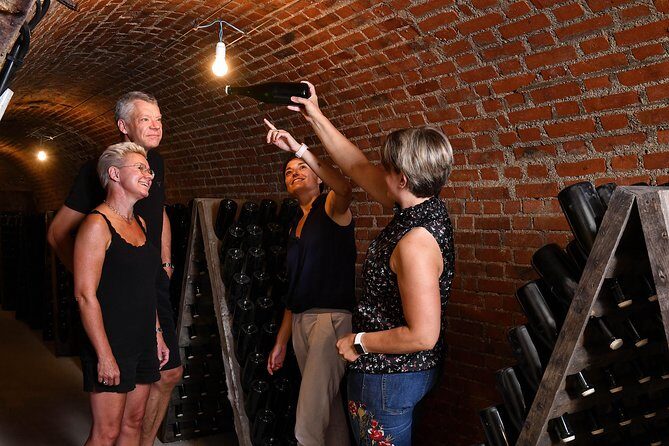
In Oger you’re still in the Côte des Blancs, but the focus sharpens. Oger is another famous Grand Cru village with a strong Blanc de Blancs identity—Champagne made from 100% Chardonnay Grand Cru.
Here’s where the tour leans hardest into tasting variety. You visit one of the two producer families featured during the day (again: presses, wineries, and cellars) and then taste three 100% Grand Cru Champagnes. The guide also gives you tasting advice so you can understand different Blanc de Blancs styles, including:
- natural Champagne without dosage
- extra brut
- from old vines
- vintage options
- and even Champagne aged in oak barrels
That’s a lot of variation in one stop, and that’s why it’s worth doing the full day rather than cherry-picking a single tasting. You’re learning the difference between structure, brightness, and texture—without needing to be a wine expert.
The tour route between villages also passes by places like Chouilly and Avize and includes visual context such as the largest bottles factory and a nearby site associated with major houses. You’ll even hear about the Montaigu site dedicated to Moët & Chandon and the ultra-private Château de Saran property where top luxury customers and VIPs are received.
None of this is meant to replace your tastings; it helps you understand why some areas became “centers” of prestige and distribution. Think of it as the trade map beside the vine map.
Aÿ-Champagne: Pinot Noir country and three Champagne-based spirits
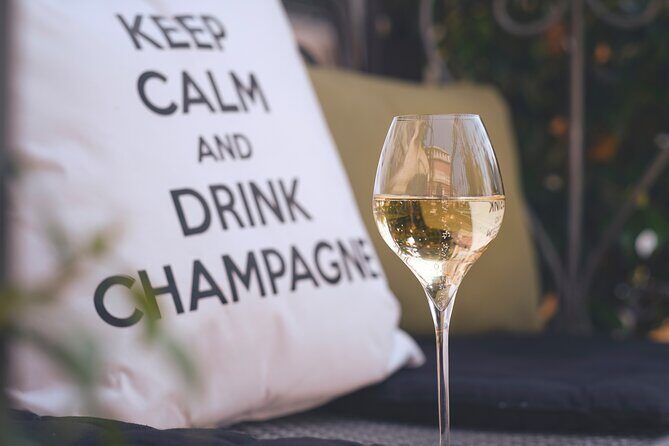
Later you reach Aÿ-Champagne, a UNESCO-listed historic village with Grand Cru vineyards—plus a different grape story than the Côte des Blancs. In Aÿ, the emphasis is on Pinot Noir, and the tour frames why this matters: different grapes, different balance, different feel in the glass.
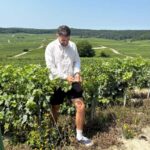
The tour also explains how Aÿ was a main center of Champagne industry in the 16th century, and how the wines of Champagne were formerly called wines of Aÿ. You’ll get a look at part of the historic village, plus information on work in the vines, grape varieties, terroir, and sustainable viticulture.
Another practical and memorable part: you stop in front of Champagne house headquarters in Aÿ such as Bollinger, Deutz, and Ayala. This is a photo-and-context stop, but it also gives you names to remember when you see bottles on shelves at home.
Then you get something you might not expect on a Champagne-only outing: you taste the three essential Champagne alcohols and aperitifs—Ratafia, Fine de la Marne, and Marc de Champagne—from the Goyard Distillery, described as the oldest distillery in Champagne. This portion is great if you like “edge” flavors beyond Champagne itself, because it shows how Champagne producers (and local traditions) treat what’s left and what’s transformed.
What the day’s timing and alcohol pacing means for you
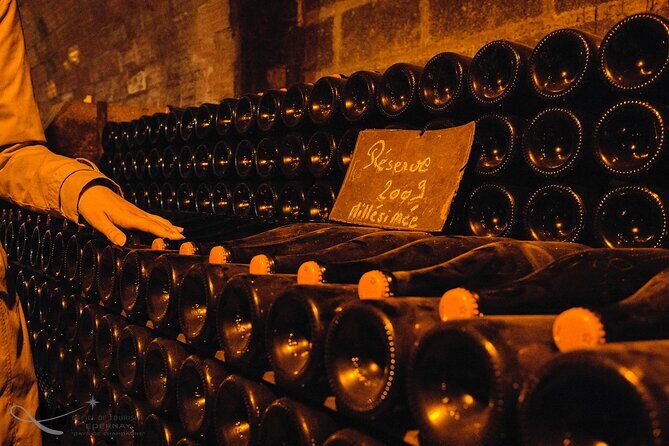
This is a full day built around multiple tastings plus a lunch with Champagne. That doesn’t mean you should rush through it. It means you should plan to work with the day.
Here’s how I’d handle it to keep the experience enjoyable:
- Start each tasting by asking what to compare (acid vs body, dosage vs no-dosage, young vs aged).
- Eat lunch slowly. The meal is there to support the tasting, not just “fill time.”
- Take water breaks between stops—especially if you go hard on the oak-aged or vintage options.
Also, the tour includes several different styles: Premier Cru, Grand Cru Chardonnay, and 100% Chardonnay and Pinot Noir comparisons, plus spirits. If you’re sensitive to strong flavors, let your guide know. You can often pace tastings so you’re enjoying the nuance instead of pushing through it.
Comfort in the car: the one real downside to know ahead of time
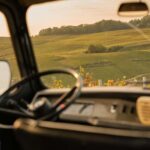
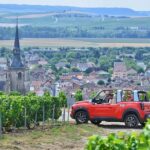
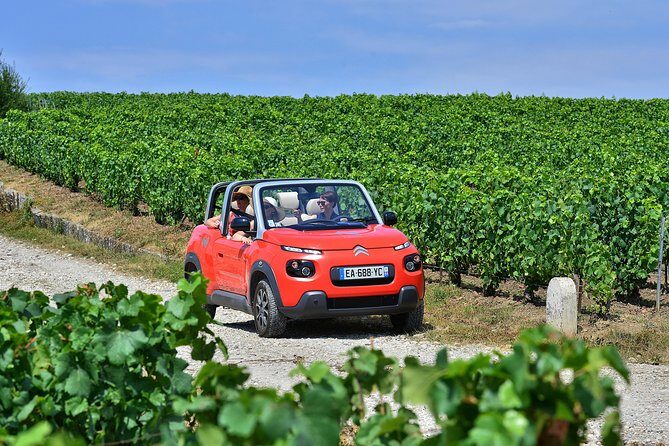
The day’s logistics run smoothly, but the vehicle choice matters. The tour may use an electric E-Mehari jeep-type car, a modern reissue of an iconic French vehicle. It’s fun and different, but it’s described as slightly raised and can be harder to get in and out of. If you’re in your 50s or 60s, or you have mobility concerns, this is the one detail I’d take seriously before you book.
You can request a more classic premium vehicle like a minivan or van if you prefer four doors and easier entry. This request option is specifically mentioned for couples and comfort preferences, and it’s worth using so you don’t spend the day fighting the car.
Price and value: what $584.52 buys in Champagne time
At $584.52 per person for a 7–8 hour private tour, this isn’t a budget activity. You’re paying for the private nature, the guide time, and the fact that your day includes multiple paid-feeling components: winery access, production-focused visits, and several tasting sessions.
Here’s the value logic that makes sense:
- You get two producer-style stops with production site visits and guided tastings (Premier Cru, then Grand Cru/Blanc de Blancs styles).
- You get UNESCO-linked stops and a guided explanation that ties the region together, rather than random sightseeing.
- Lunch is included with Champagne plus a bottle for two, which offsets part of the cost compared to doing meals separately.
- You also get the extra spirit tasting with Ratafia, Fine de la Marne, and Marc de Champagne—not just Champagne flights.
If you compare this to spending a full day hiring a driver and paying for separate tastings and lunch, the cost starts to look more reasonable—especially for couples or small groups who want a guided plan. If you’re a solo traveler who doesn’t drink much, it can feel expensive. But if you like learning and you actually drink what you taste, it’s money spent in the right places.
One other note: this tour is typically booked well ahead (on average 95 days in advance). That usually means it’s not just random demand—it’s people locking in dates for a private Champagne day.
Who should book this private Champagne experience?
This tour fits best if you:
- want a private group experience rather than a shared bus day
- enjoy learning how Champagne is made (presses, cellars, and production choices)
- like structured tastings that compare styles, not just “try a few glasses”
- want both Premier Cru and Grand Cru tasting variety in one day
It may be less ideal if:
- you strongly dislike alcohol pairings and would rather keep tastings minimal
- you need very easy car access and don’t plan to request a four-door vehicle
- you prefer only big Champagne houses and skip independent growers (this day is clearly built around growers)
Should you book? My practical take
Yes, I’d book it if you want a serious but friendly Champagne day with real stops: Dom Pérignon’s story at Hautvillers, UNESCO-listed vine areas, independent producer visits, and tastings that cover dosage and oak-aged styles. The day’s best moments are the ones where the guide connects what you see—presses and cellars—to what you taste.
Before you go, do two things: request a four-door vehicle if car comfort matters to you, and tell them about any food allergies or dietary needs so lunch stays easy. If you handle those details, the rest of the day is built to make Champagne feel understandable—and fun.
FAQ
How long is the Gold Champagne Experience from Epernay?
It runs about 7 to 8 hours.
Where does the tour take place?
In Champagne, France, starting and ending back at the meeting point around Epernay.
What is the price per person?
The price is $584.52 per person.
Is this tour private?
Yes. It’s a private tour/activity, and only your group participates.
Does the tour include pickup?
Pickup is offered, but only within a 6 km (3.7 miles) perimeter around Epernay. If you are outside that area, pickup may not be possible.
What language is the tour guide?
The tour is offered in English.
What tastings are included?
You’ll taste three Premier Cru Champagnes at one producer stop and three 100% Grand Cru Champagnes (including Blanc de Blancs styles) at another producer stop. The day also includes tastings of Ratafia, Fine de la Marne, and Marc de Champagne from the Goyard Distillery.
Is lunch included?
Yes. You get a French lunch and a bottle of Champagne for two. The lunch location can vary by day.
Can the lunch be adjusted for dietary needs?
Yes. You should inform the provider about food allergies or dietary requirements when booking.
Can I cancel for a refund?
Free cancellation is available up to 24 hours before the experience’s start time for a full refund.