REVIEW · PARIS
From Paris: Full-Day Champagne Tour
Book on GetYourGuide →Operated by Paris' TRIP · Bookable on GetYourGuide
Champagne tastes better with a plan. This full-day trip from Paris takes you straight into the Champagne region, with visits centered on Épernay houses, Hautvillers, and several tasting moments along the way. I like that it keeps things small (max 8 people), and I also like that you’re not stuck doing just one quick sip. One caution: the return minivan can feel cramped on a long ride.
What makes this day different is the way it links the romance of Champagne to the nuts-and-bolts process. You’ll see how big brands and family producers handle the same bubbles, and you’ll stop at Hautvillers to connect the drink to Dom Pérignon and his legacy. If you’re chasing a super relaxed, slow-and-linger kind of outing, this probably won’t be that.
In This Review
- Key highlights to look for
- Why this 11-hour Champagne day works from Paris
- Getting to Épernay: Moët & Chandon, Mercier, or Taittinger
- Hautvillers and the Dom Pérignon tomb stop
- Family-producer tastings and cellar visits that feel more personal
- The tasting pacing: 4 or 5 pours, not endless wine
- Lunch break: how to use the free time well
- What to pack for cold cellars and long drives
- Price and value: what $311 really buys you
- How good guides change the whole day
- Who this tour suits best (and who should skip)
- Should you book this Champagne tour?
- FAQ
- How long is the Champagne tour from Paris?
- What does the tour include?
- Is food included during the day?
- Do they serve champagne if someone is under 18?
- What’s the meeting point in Paris?
- What should I wear for the tour?
Key highlights to look for
- Small group (max 8): more Q&A time and a calmer pace than big buses
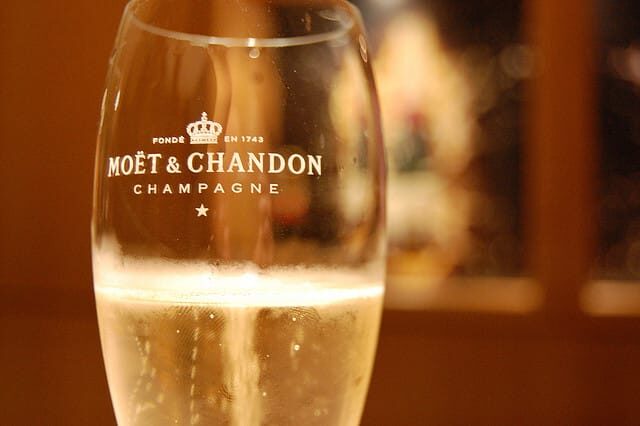
- Top Champagne house cellar time: typically Moët & Chandon, Mercier, Taittinger, or similar
- Hautvillers stop + Dom Pérignon tomb: history you can actually point to
- 4 or 5 tastings total: enough to compare styles without turning it into a drinking marathon
- Family producer visit: where you often get the friendlier, less scripted feel
Why this 11-hour Champagne day works from Paris
A full Champagne day means you’re trading time for efficiency. The logistics here are simple: you leave Paris by air-conditioned minivan, spend the day in Grand Est around Épernay and Hautvillers, then head back. The upside is you get real geographic context without spending your own time figuring trains and connections.
An 11-hour schedule also forces a smart kind of focus. Champagne isn’t a single stop-and-go attraction. It’s a production system plus a culture plus a place. This tour tries to hit all three in one day: famous cellar architecture at a major house, a landmark history moment in Hautvillers, then tastings with a family producer where the vibe is often more personal.
The small-group setup matters more than people expect. With a max of 8, you’re less likely to get lost in the crowd, and you can usually hear the guide’s explanations. In one day, that can be the difference between collecting random facts and actually understanding why Champagne tastes the way it does.
You can also read our reviews of more wine tours in Paris

Getting to Épernay: Moët & Chandon, Mercier, or Taittinger
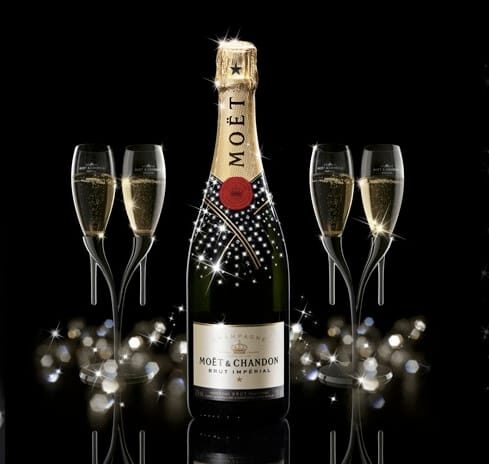
Épernay is where the Champagne “palaces” cluster on the sparkling hillsides. On this tour, your first major stop is a top Champagne house in Épernay—Moët & Chandon, Mercier, Taittinger, or a similar prestige name.
At a big house, you’re typically going to get a structured experience: you’ll hear the brand story, learn how Champagne production is organized, then taste. Moët & Chandon is often referenced for its heritage—established in 1743, and famously associated with demand from King Louis XV in the 1750s. Even if you’re not a deep-history person, knowing that royal connection helps you understand why these houses became power players.
You’ll also want to set expectations about pacing. Some visitors expect long cellar walks and multiple tastings at the top house. In practice, it can be more “overview first, then move on.” That doesn’t make it bad; it just means the tasting and viewing time might be tightly scheduled.
One thing I really like here is that you’re comparing later. If you taste a major house first, the family producer stop afterward becomes a real contrast—different scale, different voices, and often different style decisions.
Hautvillers and the Dom Pérignon tomb stop
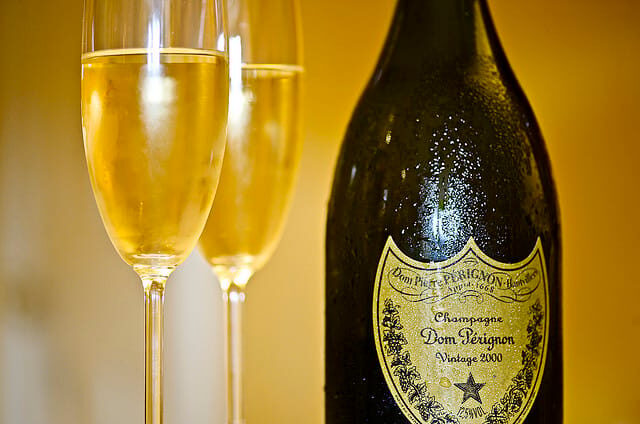
From Épernay you head north to Hautvillers, a small village where Champagne history feels close. The big landmark stop is the tomb connected to Dom Pérignon—an anchor point for how people tell the story of Champagne’s development.
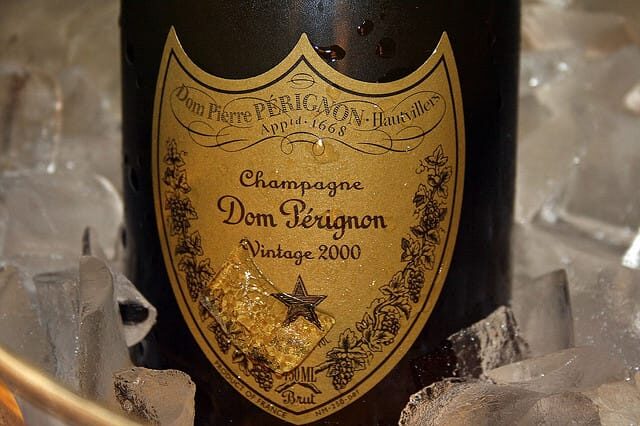
Why this stop works: it’s not just a photo stop. Hautvillers sits in the Champagne narrative. Dom Pérignon worked in the area in the late 1600s, and the tour framing connects him to improvements in wine and Champagne quality starting in the 1670s. Even with limited time, seeing the tomb grounds the sparkling drink in a human story.
This is also a nice moment to reset your palate. After tastings at a top house, you get a short break from the cellar rhythm and a change of scenery—Hautvillers on the banks near the Marne.
One practical note: cellars and underground spaces are usually cold and damp. That means Hautvillers and any walk-through portions may feel chilly even if the surface weather looks mild. Bring a layer you don’t mind wearing all day.
Family-producer tastings and cellar visits that feel more personal
After Hautvillers, you’ll do tastings at a family producer. This is where many people breathe easier. Big houses can feel grand, polished, and tightly timed. Family operations often feel more like a conversation.
What you’re looking for at this stage isn’t just flavor—it’s “why.” The guide’s job is to help you connect the tasting to the production reality: the difference between styles, the reasons Champagne houses aim for consistency, and what families sometimes do differently because they’re not chasing the same volume demands.
You should also expect a cellar visit here and at the main house. The underground galleries can feel damp and chilly, so your enjoyment depends on your clothing choices. If you show up in a thin jacket, the day can feel longer.
One downside to be aware of: sometimes cellar access can be limited. On some schedules, a specific cellar space may be under construction, which can shorten what you’re able to see. If that happens, your tasting still may proceed, but the “walk in and explore” part could feel reduced.
The tasting pacing: 4 or 5 pours, not endless wine
This tour includes 4 or 5 champagne tastings. That’s a key detail for value and expectations.
Four to five tastings in one day is enough to compare styles: crisp, fruit-forward profiles versus more textured, toasty, or wine-making-driven flavors. It’s also enough for you to start noticing your preferences—dryness level, bubble size feel, and how sweet or sharp the finish lands.
But it’s not “pour yourself a flight” territory. The tasting format at each stop is guided and structured, which means you’re tasting with intent, not guessing your way through a buffet.
Also, you should plan around the legal side. Alcohol service is only for guests at France’s legal drinking age of 18 and over. If you’re traveling with a group that includes people under 18, the tour still runs, but you won’t all have the same tasting experience.
Finally, remember that taste is affected by what you eat and how hydrated you are. Food isn’t included, so your lunch choices matter. More on that next.
You can also read our reviews of more tours and experiences in Paris


Lunch break: how to use the free time well
The tour gives you free time for lunch, and your guide will recommend places to eat. This is one of those “small detail, big payoff” moments. If you follow your guide’s suggestion, you’ll likely avoid wasting the best part of your day hunting for food on your own.
Keep two practical things in mind:
- Eat before you get back to tastings. Skipping food makes every sip feel more intense, and not in a good way.
- If you’re hoping to walk off the day, pick lunch spots that are close enough to rejoin the group on time.
Since food isn’t included, you’ll want to budget for lunch at your own pace. This is also where you can decide how adventurous you want to be: a simple meal helps you enjoy the next cellar stop more than a fancy slow lunch would.
What to pack for cold cellars and long drives
This day runs in all weather, so dress like a person who lives in real cities: layers, shoes you don’t mind walking in, and a rain-ready outer layer. The tour itself expects you to handle changes in conditions.
Cellar comfort matters. The underground galleries and wine cellars are usually cold and damp. Bring something warm that you can keep on without thinking about it. A hoodie plus a light jacket can work, as long as you’re not counting on a summer outfit to save the day.
Other practical picks:
- A scarf or small layer for chilly stairs or concrete corridors
- A small crossbody or secure pocket for your phone and ticket items
- Water, if your lunch plan allows it
And for comfort during transport: if you’re sensitive to tight seating, consider arriving early to get situated at the best spot and keep your patience level steady for the long drive.
Price and value: what $311 really buys you
At $311 per person for an 11-hour, round-trip day from Paris, you’re paying for four big things:
- air-conditioned transport from Paris and back
- a live English-speaking guide
- a small-group format (max 8)
- multiple guided experiences: tastings plus cellar time at major and family producers
Is it a bargain compared to doing Champagne on your own? Not usually. You’re mostly buying convenience and structure. The real question is whether the “structure” matches what you want.
Here’s where value can swing:
- If you care about seeing both a top house and a family producer, and you want a guide to connect history to what’s in your glass, the price can feel fair.
- If you expected deep, long cellar exploration and extra tasting time at the major house, you might feel shortchanged—especially if one site’s cellar access is limited due to construction or if the top house visit runs more like an overview plus tasting.
One practical way to judge before you book: think about your goal. If your goal is a well-run day that gets you to the right places fast, this tour can deliver. If your goal is maximum time in underground cellars and maximum pours, you may want a different style of tour that focuses more heavily on one producer or one cellar route.
How good guides change the whole day
The guide experience can make this tour feel either smooth and educational or frustratingly rushed. The format depends on the person leading it.
When it’s working well, the guide helps you understand what you’re tasting and why each stop is different. In one praised case, the guide named Richardo was described as fantastic and very helpful at making the day click, plus the route timing felt comfortable. Another good sign: staff at the producers being friendly can turn a formal visit into something more human.
You can’t control every detail, but you can help your day by arriving ready to participate. Ask questions. Take a moment during tastings to note what you like. That way, even if a stop feels shorter than expected, you still leave with useful comparisons.
Who this tour suits best (and who should skip)
This tour suits you if:
- you want a single-day Champagne plan that runs from Paris and hits the big names in Épernay
- you like structured tastings and a guide’s explanations
- you enjoy history stops like Hautvillers and the Dom Pérignon tomb
- you’d rather compare multiple styles than commit to one producer all day
It might not suit you if:
- you hate tight seating or long van rides
- you want lots of free roaming time
- you’re someone who gets annoyed when a cellar section is closed due to maintenance work
- you need wheelchair-friendly access (this tour isn’t suitable for wheelchair users or people with mobility impairments)
Should you book this Champagne tour?
Book it if you want a well-organized day that delivers 4–5 tastings, a proper Hautvillers history stop, and a chance to compare a major house with a family producer—without you doing the planning math.
Skip it (or look for an alternate format) if your top priority is lots of cellar wandering and extra time at a single producer. Also think twice if you’re sensitive to cramped transport, since the day is long and the minivan ride is part of the deal.
If you do book, give yourself the best odds: dress warm for the cellars, eat a real lunch, and treat each tasting like a mini comparison—then you’ll get more out of the time you spend in the glass.
FAQ
How long is the Champagne tour from Paris?
The tour lasts 11 hours.
What does the tour include?
It includes round-trip transportation from Paris by air-conditioned minivan, a live English-speaking guide, small group size up to 8 participants, a visit to Hautvillers to see the tomb of Dom Pérignon, tastings at a top Champagne house (Moët & Chandon, Mercier, Taittinger, or similar), a cellar visit, tastings at a family producer, and 4 or 5 champagne tastings.
Is food included during the day?
No. Food is not included. You’ll have free time for lunch with recommendations from your guide.
Do they serve champagne if someone is under 18?
No. Guests who have not reached France’s legal drinking age of 18 will not be served alcohol.
What’s the meeting point in Paris?
The tour meets in front of Club le Duplex 2, bis avenue Foch, Paris 75116.
What should I wear for the tour?
The tour runs in all weather. Cellars and underground galleries are usually cold and damp, so wear layers and bring something warm.