REVIEW · PARIS
From Paris: Normandy D-Day Landing Beaches Full-Day Tour
Book on GetYourGuide →Operated by Blue Fox Travel · Bookable on GetYourGuide
Normandy hits you in the chest. This full-day D-Day tour from Paris brings the battle to life with a small-group minibus (max 8) and your guide using campaign military maps, plans, and photos so you can actually connect the dots. You’ll cover the major landing-area sites in one day without feeling like you’re being herded.
I also love the way the day ends at the American Cemetery, where the scale is hard to process: more than 10,000 white cross graves and a chance to time your visit around the cemetery ceremony (including Taps in the late-day slot on some visits). The only drawback to consider is simple: it’s a long day (about 12 hours, rain or shine), and food isn’t included—so you’ll pay for lunch and tips on your own, on top of the ticket.
In This Review
- Key highlights worth getting excited about
- Starting The Day In Paris: 6 Avenue de Wagram to Normandy’s Coast
- Why The Small-Group Van Makes Such A Difference Here
- Longues-sur-Mer Battery: The View Before The Beach
- Omaha Beach: Getting The Scale Of A Landing Wrong Is Easy
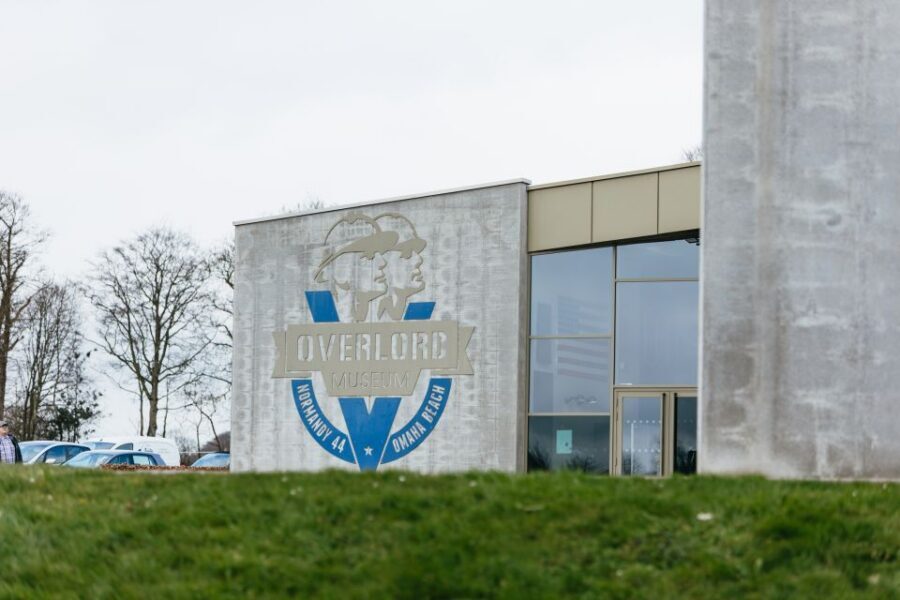
- Operation Overlord Museum: The Plans, Maps, And Artifacts You Can’t Fake
- Lunch Time: A Real Break, Not Just a Timer
- Pointe du Hoc and the “Why” Behind the Objective
- A Quick Detour With Cider Or Wine: Small Time, Big Personality
- Normandy American Cemetery: Crosses, Names, and the Moment It Gets Quiet
- Getting Back To Paris Around 20:00: The Long Road Home
- Price And Value: What $312 Buys For A 12-Hour Story
- Who This Normandy D-Day Tour Fits Best
- Should You Book This Normandy D-Day Tour?
- FAQ
- How long is the Normandy D-Day tour from Paris?
- Where do I meet the driver/guide in Paris?
- Is an English-speaking guide included?
- Is food included in the price?
- What major sites does the tour cover?
- Is the Operation Overlord Museum ticket included?
- Does the tour run if it rains?
- Is this a small-group tour?
- What if the Overlord Museum is closed?
- Is this tour suitable for children or wheelchair users?
Key highlights worth getting excited about
- Small-group comfort (max 8) with an English live guide and a clean minibus.
- Omaha Beach + Pointe du Hoc on the same day, so you see both the landing and the hardest objective.
- Operation Overlord Museum entry included, with skip-the-line via a separate entrance.
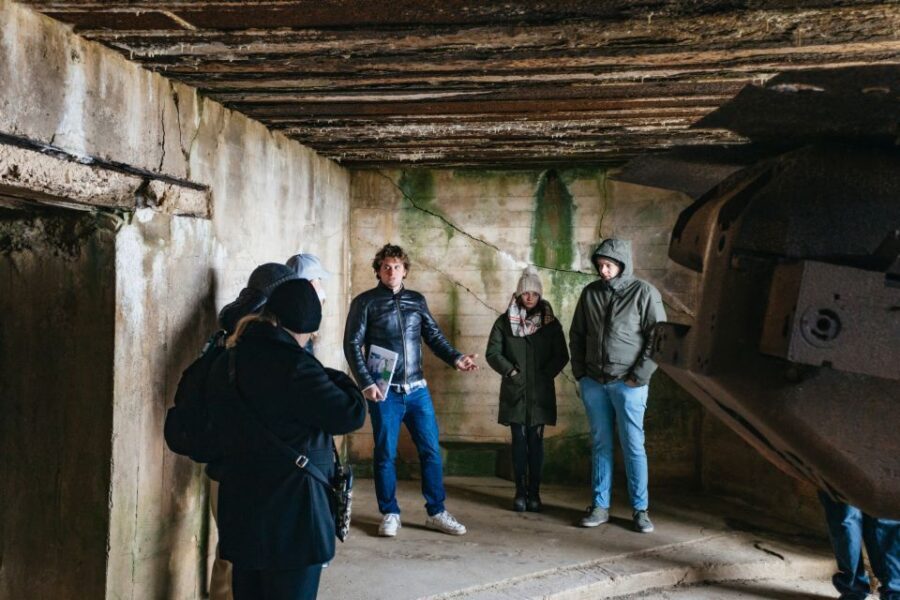
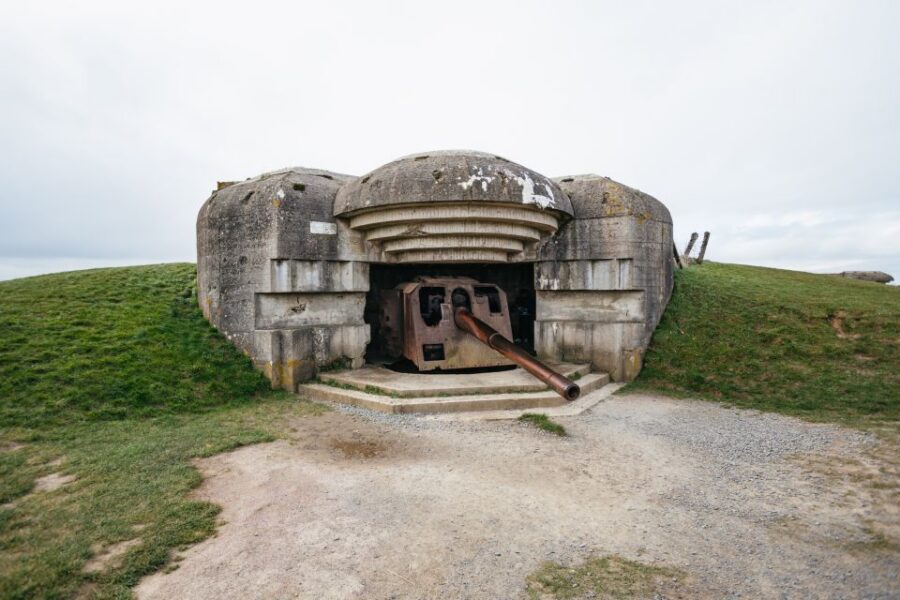
- German bunkers and coastal fortifications you can stand next to, not just read about.
- American Cemetery scale, with names and the emotional weight of the site.
- Bonus timing moments, like guides adjusting the schedule for conditions such as low tide.
Starting The Day In Paris: 6 Avenue de Wagram to Normandy’s Coast
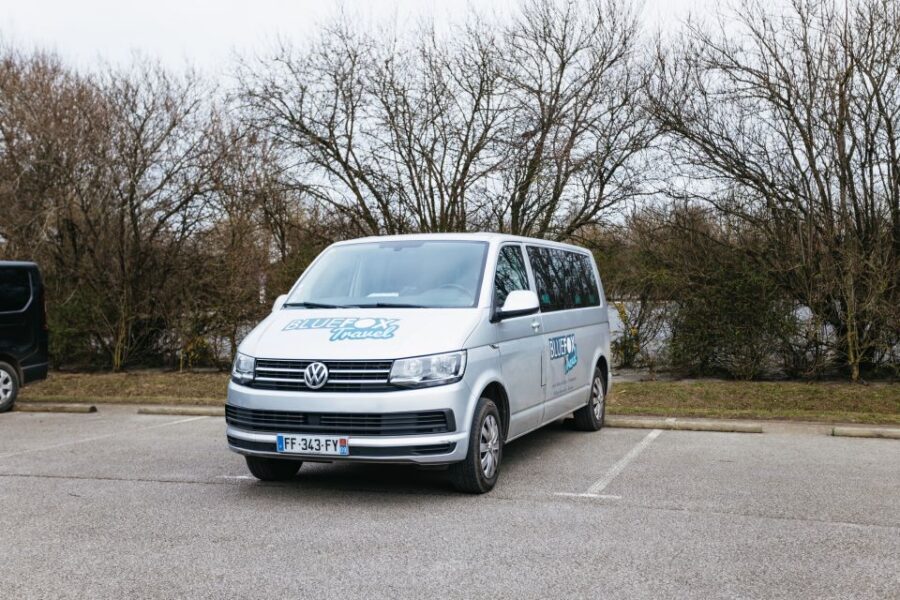
This tour starts in a very practical way: you meet at 6 Avenue de Wagram in Paris, and you’ll connect with your driver/guide in a gray minivan about 10 minutes before departure. That matters more than it sounds. A day-trip to Normandy lives or dies on how smoothly the morning starts, and having a fixed meeting spot keeps the day calm and predictable.
From there, you’ll spend about 2.5 hours driving through the Normandy countryside. Expect a lot of scenery and a lot of road time, because this is a true full-day excursion. The upside is you’re not just transferring between a couple of sites—you’re building a “story line” from the coast to the inland objectives. Guides like Enzo and Oliver are known for keeping the travel time meaningful, not wasted.
Because it’s rain or shine, plan around weather. Normandy can be cold, blustery, and damp even outside winter. Bring layers you can zip up and down, and wear shoes that handle uneven ground at beach and monument areas.
You can also read our reviews of more tours and experiences in Paris


Why The Small-Group Van Makes Such A Difference Here
A max group of 8 participants is a big deal on D-Day sites. This isn’t a quick museum stop where you can slip in and out. You’ll stop, walk small sections, look out at terrain, and then listen to the guide explain what you’re seeing.
In a large bus, you often get one slow “tour voice” and limited time to ask a question. In this smaller setup, your guide can shift pacing if the group needs an extra minute at a viewpoint, or if someone wants to slow down and absorb a cemetery moment. Several guides stand out in the feedback for doing exactly that—moving the story along, then giving you space to reflect.
It also helps with logistics. You’ll have frequent short drives between stops and some tight timing in the late day. The smaller vehicle and group make those transitions smoother, and it’s one reason people consistently describe the trip as busy but not packed.
Longues-sur-Mer Battery: The View Before The Beach
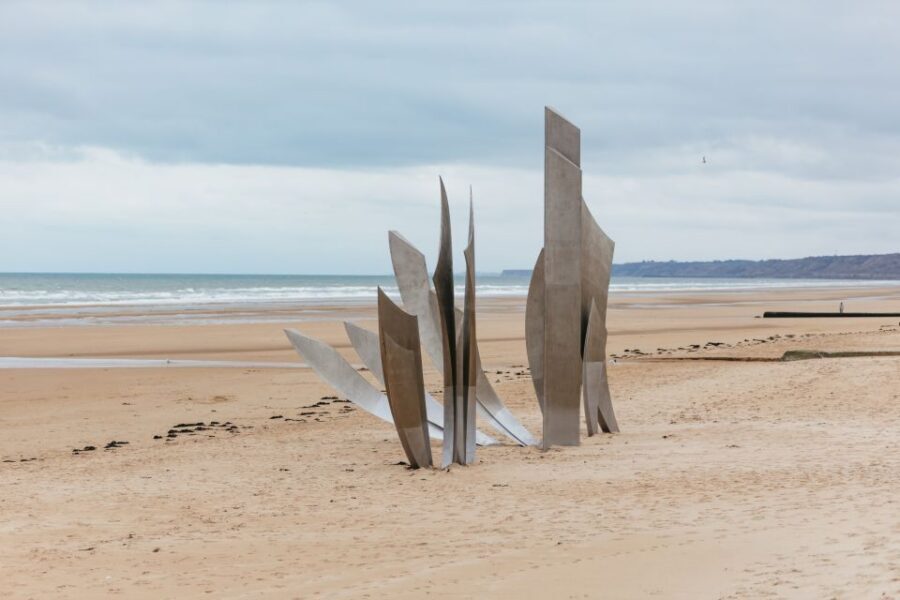
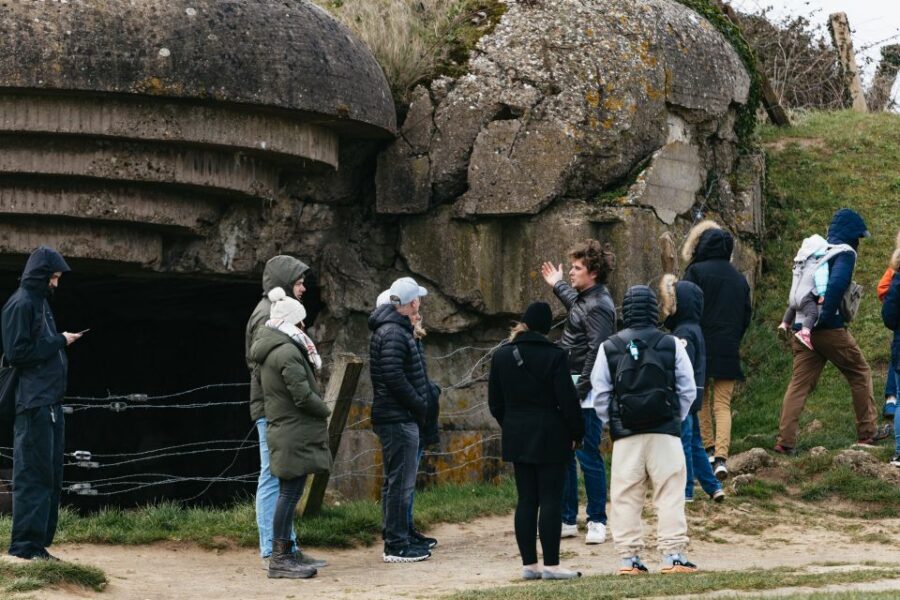
The first coastal stop is Longues-sur-Mer battery, a place that helps you understand the “defend the coastline” thinking of the German forces. Even before you reach the landing beaches, this stop gives you a framework: you’re seeing how the coastline was prepared for resistance, with fortified positions meant to stop ships and break the momentum of an assault.
You’ll get about 30 minutes here. That’s not a lifetime. It’s enough to grasp the layout and move from general D-Day history into a more grounded sense of why certain beaches were so costly. If you like history that sticks, this first look is helpful. It turns the rest of the day from a list of names into a map you can mentally walk.
One practical note: batteries and fortifications tend to be exposed. Dress for wind. If you’re a person who gets cold easily, add a hat or a light scarf. You’ll thank yourself when the minibus doors close and you’re moving between open viewpoints.
Omaha Beach: Getting The Scale Of A Landing Wrong Is Easy
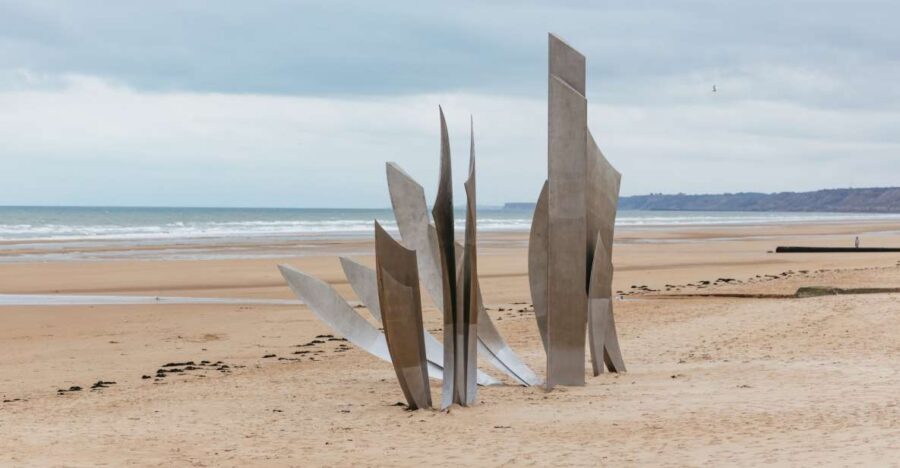
Then you move to Omaha Beach, with about 30 minutes on site. This is the moment most people came for. But Omaha isn’t just a beach—it’s a brutal piece of terrain where distance, cover, and timing mattered. Standing there, you start to understand why documents and movies can feel clear, yet real geography still shocks you.
A strong advantage of going with a live guide is that you’ll connect what you see (shoreline shape, the approach, and the ground rising inland) to what you’re being told about the battle plans. The tour’s emphasis on military maps and campaign photos helps you understand the whys, not just the headlines.
One tip worth considering: timing can change your perception. Some guides have adjusted the schedule so the group experiences the coastline around low tide, which can make the shoreline feel more “real” and less like a distant postcard. Even if you don’t get that exact timing, the guide will still help you read the coast like it’s part of the battle plan.
Operation Overlord Museum: The Plans, Maps, And Artifacts You Can’t Fake
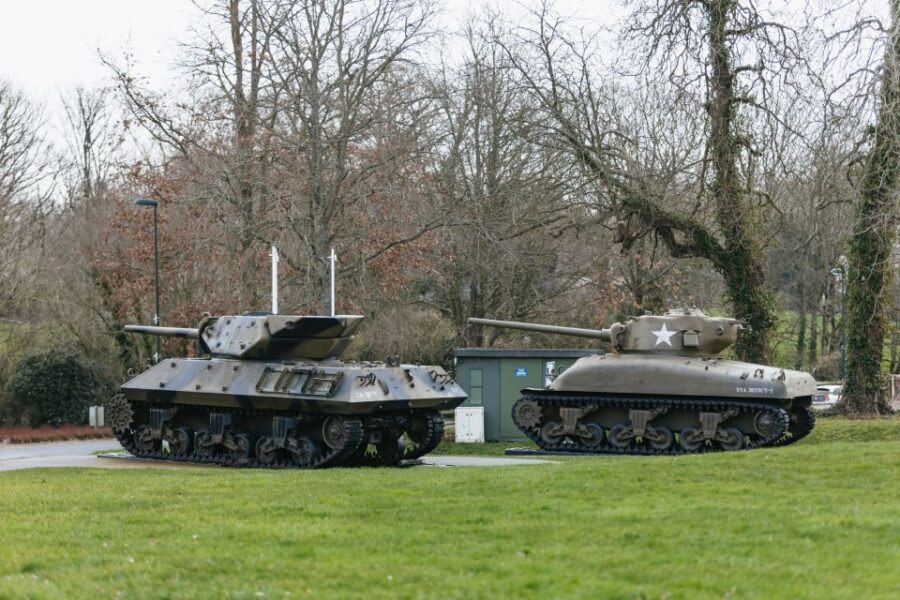
Next up is the Operation Overlord Museum (about 45 minutes), and here’s where the included ticket and skip-the-line access matter. You’re not standing in a queue with hungry people and limited daylight. You walk in and start learning with your guide’s framing.
This museum is valuable because it supports the day’s story with artifacts and visuals from the broader Operation Overlord effort. Since the tour uses maps and photos from the campaign plans, the museum stops you from memorizing facts. It helps you organize what you’ve already learned—and prepares you for the next shock: Pointe du Hoc.
What I like about this museum time is the balance. 45 minutes won’t satisfy someone who wants a slow, detailed museum marathon. But it’s enough to get the context you need so Pointe du Hoc and the beach stops land with meaning instead of confusion.






Lunch Time: A Real Break, Not Just a Timer
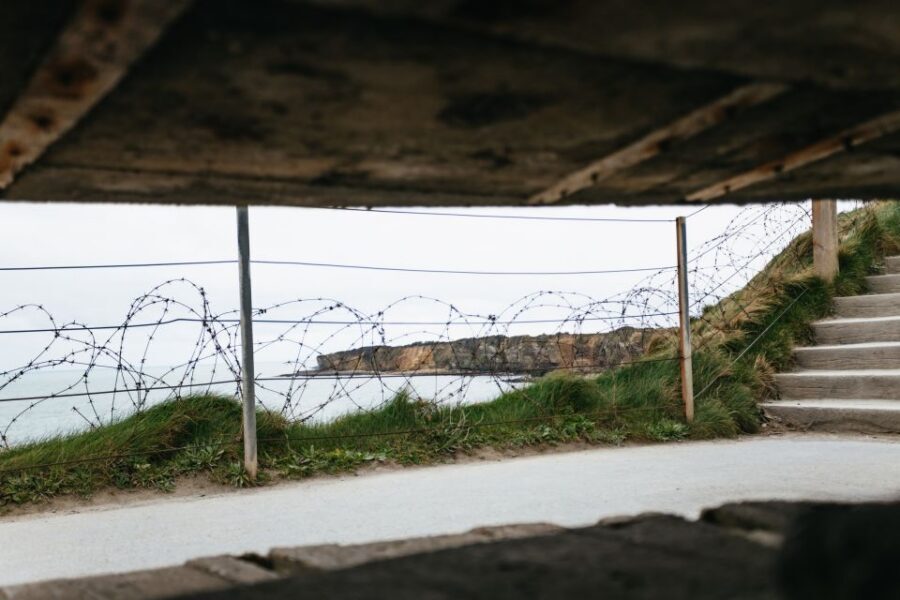
Lunch is scheduled for about 75 minutes. Food isn’t included in the tour price, so you’ll be choosing a place during this window. The practical upside is you avoid the trap of eating random convenience food on the road for a half-day. You’ll have time to get a proper meal and reset.
In the feedback, lunch stops have been described as local and well chosen, not just a tourist buffet. That’s what you want on a long day. You’re already committing your day to heavy history; giving you a decent lunch makes the second half of the tour easier to digest emotionally and physically.
If you’re the type who hates making decisions on the road, bring a little strategy: check whether you prefer simple set-menu meals, and plan on paying by card or cash at the restaurant.
Pointe du Hoc and the “Why” Behind the Objective
Pointe du Hoc is where the story sharpens. You’ll spend about 45 minutes here, and it’s one of the hardest-to-understand places unless someone helps you read the terrain and the objective.
The tour connects Pointe du Hoc to the Allied task of neutralizing strong German positions. You’ll also see the remnants and defensive structures that show how steep, exposed, and punishing these approaches were. This is the kind of stop where you get less out of simply looking and more out of listening—your guide’s job is to help you picture the mission and what it required.
A lot of people remember Pointe du Hoc as a turning point in their understanding. It’s not only emotional; it’s also geographic. You start seeing how the battle wasn’t one simple landing—it was a chain of objectives that depended on each other.
A Quick Detour With Cider Or Wine: Small Time, Big Personality
Between battlefield stops and the final cemetery visit, you’ll have a short wine tasting (about 15 minutes)—and in practice, this is often described as an apple cider stop with a family-run feel. It’s brief, and the point is mostly to break up the driving and give you something local to taste.
This is the part of the day that can divide opinions. If you’re strict about maximizing time at solemn historical sites, it may feel like the least connected segment. But if you want a small taste of Normandy life beyond the war story—something local and human—it can work.
My advice: treat it like a pause, not a highlight. Use it to warm up, stretch your legs, and reset your energy. Then you’ll be ready for the heaviest stop.
Normandy American Cemetery: Crosses, Names, and the Moment It Gets Quiet
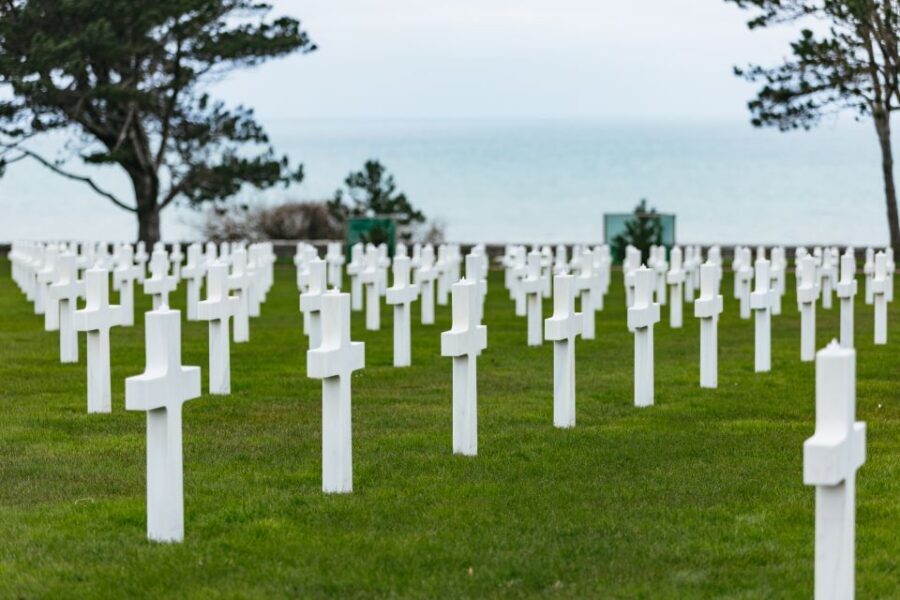
Finally, you reach the Normandy American Cemetery, with about 45 minutes on site. This is where the tour becomes more than educational. The cemetery is an ocean of white markers, marking the fallen with names that make the scale personal.
The standout detail is the sheer number: more than 10,000 white cross graves. This isn’t the place for rushing. The guide’s stories and the sheer physical presence of the site make it hard to treat as just another stop.
Many guides aim to time the visit for the cemetery ceremony, including moments associated with Taps (described in the feedback around 4pm). If your day runs close to that late-day rhythm, your guide may push to make it happen. Even if not, plan for stillness. Bring your attention here, not your phone camera.
One more practical point: cemetery grounds involve walking. Wear comfortable shoes and give yourself permission to pause often. You’re seeing a place designed to slow you down.
Getting Back To Paris Around 20:00: The Long Road Home
You’ll return to Paris around 20:00, depending on traffic. That’s a lot of hours in one day, so plan your evening when you get home. Don’t schedule something demanding right after. This tour often ends with the kind of quiet that makes it hard to jump straight into a big dinner plan.
On the drive back, the smaller group format can feel more relaxed. Some guides use travel time to reinforce the story with visuals or updates, and you’ll likely feel a clearer understanding of how the day’s stops connect. It’s also a good time to compare what you noticed on Omaha versus what you felt at the cemetery—because they hit differently.
Price And Value: What $312 Buys For A 12-Hour Story
At $312 per person for a roughly 12-hour day, you’re paying for three main things: (1) a live English guide, (2) round-trip minibus transportation from central Paris, and (3) included entry to the Operation Overlord Museum plus skip-the-line access.
To judge value, think about what you’d pay if you did this on your own: you’d still need transport (often two or more rentals or expensive taxi transfers), you’d still need a guide to explain the “why,” and you’d likely still spend time figuring out how to sequence the sites efficiently. The included museum ticket reduces friction.
The day’s cost also reflects the complexity of doing Normandy well in one day. You’re visiting several major sites rather than a single beach. That is a higher logistics bill than many casual day trips.
Just remember the big add-ons: food isn’t included, and tips are not included. So your real budget includes lunch during that 75-minute window. If you plan for that upfront, the price feels more like a complete experience rather than a partial one.
Who This Normandy D-Day Tour Fits Best
This is a strong fit if you want a guided, efficient Normandy day from Paris and you don’t have time for a multi-day trip. The small-group format and the structured stops make it ideal for first-timers who want context fast.
It’s also a good match if you care about the emotional side as well as the historical side. The American Cemetery is built for reflection, and the tour pacing is designed to give you enough time there without rushing.
What doesn’t fit as well:
- If you need wheelchair access, this tour isn’t suitable for wheelchair users based on the stated requirements.
- If you’re traveling with young kids, it isn’t suitable for children under 7.
- If you dislike long days and you want food fully handled for you, note that lunch and drinks are on your own.
Should You Book This Normandy D-Day Tour?
Yes, I think you should book it if you’re in Paris and you want a high-impact D-Day day that actually connects the story—from fortified coastal defenses to Omaha, then Pointe du Hoc, then the American Cemetery—under one clear line of explanation.
If you’re the type who needs extra quiet time at just one site, or you want a slow museum approach, you might prefer an overnight plan. But for a single-day Normandy visit, this tour is built for meaning, not just checking boxes: small-group comfort, included museum access, and guided interpretation at the stops that matter most.
FAQ
How long is the Normandy D-Day tour from Paris?
The tour lasts about 12 hours, with return to Paris around 20:00 depending on traffic.
Where do I meet the driver/guide in Paris?
Meet at 6 Avenue de Wagram. The driver/guide arrives in a gray minivan about 10 minutes before departure.
Is an English-speaking guide included?
Yes. The tour includes a live English-speaking guide.
Is food included in the price?
No. Food is not included, though there is a lunch break during the day.
What major sites does the tour cover?
You visit Omaha Beach, Pointe du Hoc, the Normandy American Cemetery, Longues-sur-Mer battery, and you enter the Operation Overlord Museum.
Is the Operation Overlord Museum ticket included?
Yes. Operation Overlord Museum entry is included, and you also skip the line through a separate entrance.
Does the tour run if it rains?
Yes. Tours operate rain or shine.
Is this a small-group tour?
Yes. It’s described as a small-group tour with a maximum of 8 participants.
What if the Overlord Museum is closed?
In case of exceptional closure, the Operation Overlord Museum may be replaced by the American Cemetery Visitor Center.
Is this tour suitable for children or wheelchair users?
It’s not suitable for children under 7 or wheelchair users.