REVIEW · PARIS
From Paris: Small-Group Champagne Tour with 3-Course Lunch
Book on GetYourGuide →Operated by GO GO TOURS SARL · Bookable on GetYourGuide
Champagne country works best when it comes with a plan. This small-group day trip from Paris turns a long drive into a real Champagne education, with guided visits to famous cellars and tastings you can actually compare. I love the mix of a big Champagne house plus a smaller estate, and I also love that lunch is a full 3-course meal (not just a snack).
One real consideration: this is an all-day outing (about 11 hours) and the cellars can be cold and damp, so you will want a jacket even if Paris feels warm.
In This Review
- Key takeaways before you go
- From Paris to Épernay: why this tour feels smooth
- Who this pacing suits
- Épernay and the first Champagne tasting: getting your bearings
- What I like here
- A small practical tip
- Inside the grand champagne houses: cellars, scale, and why it matters
- What you learn in the cellars
- The atmosphere is part of the value
- Lunch in Épernay: the meal that actually keeps you going
- What can go wrong
- The Marne photo stop and vineyard-side reality check
- Why this matters for what you’ll learn later
- The second winery visit: comparing styles without getting lost
- The blind tasting: where the learning clicks
- How the tour makes you a better Champagne taster
- The best kind of souvenir
- Value and price: is $411 per person actually fair?
- Where the cost can sting
- Guide energy makes or breaks the day
- Comfort and practical tips that save your day
- Should you book this Champagne tour from Paris?
- FAQ
- How long is the Champagne tour from Paris?
- Is hotel pickup and drop-off included?
- Which Champagne houses do you visit?
- How many tastings or glasses are included?
- Is lunch included?
- What if I am under 18?
- Can I cancel for a refund?
Key takeaways before you go
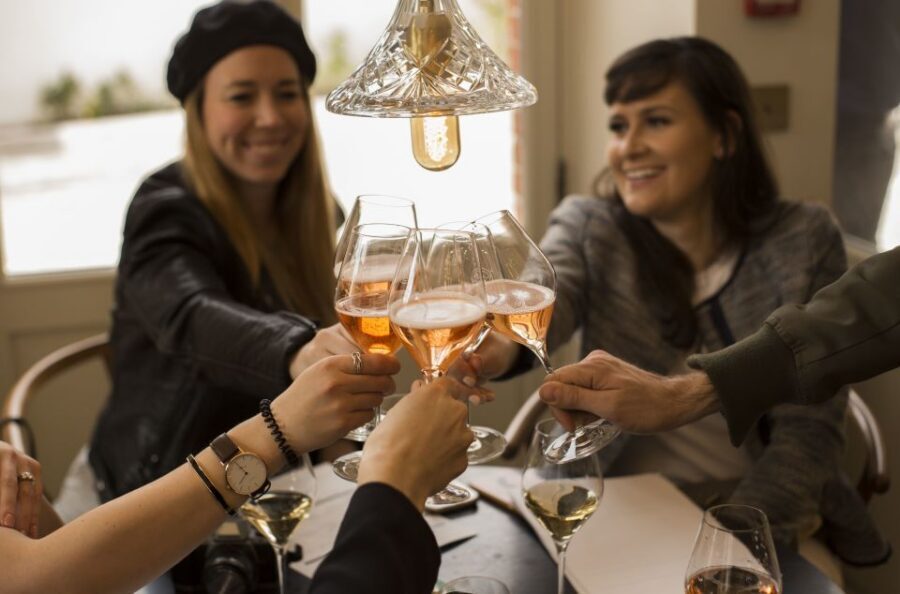
- Two guided Champagne tastings plus a blind tasting: you learn faster when you taste in sequence
- Grand house cellar time (big producers like Moët & Chandon or Veuve Clicquot): see scale and tradition side by side
- A smaller estate stop: quieter production, more intimate, and often a better feel for the vineyard
- 3-course lunch in/near Épernay: you need solid fuel for the day’s wine pours
- Vineyard views and varietal talk: terroir and grape types make more sense after you see the vines
- English live guide: the explanations are built for non-experts, with plenty of chances to ask questions
From Paris to Épernay: why this tour feels smooth
A Champagne day trip can go one of two ways: either you crisscross the region with no context, or you get a clear route and explanations that make each stop click. This tour is set up for the first one you want—a guided circuit with hotel pickup, an air-conditioned minivan, and a tempo that keeps you from feeling like you’re just being transported from tasting to tasting.
The basic rhythm is simple. You get picked up in Paris, then you settle into the drive for roughly two hours toward the Champagne heartland around Épernay. From there, the day is built around tastings and cellar visits, with a proper lunch in the middle so your palate has a chance to reset.
You’ll also appreciate the small-group vibe. Even without a guaranteed group size, you’re in a van setup designed for conversation, not a cattle-car tour. That matters because Champagne is a sensory topic—how bubbles behave, how acidity reads, how fruit and toast show up—so being able to ask questions makes the day better.
You can also read our reviews of more wine tours in Paris

Who this pacing suits
This is a great fit if you want an easy win from Paris: less planning, more tasting, and real context. If you’re the type who loves comparing styles—Blanc de Blancs vs. Blanc de Noirs, for example—this route gives you the raw material to do it.
If you hate long days or you easily get carsick, plan ahead. It’s still a day trip to Grand Est, and your schedule depends on traffic and the timing of tours at the houses.
Épernay and the first Champagne tasting: getting your bearings
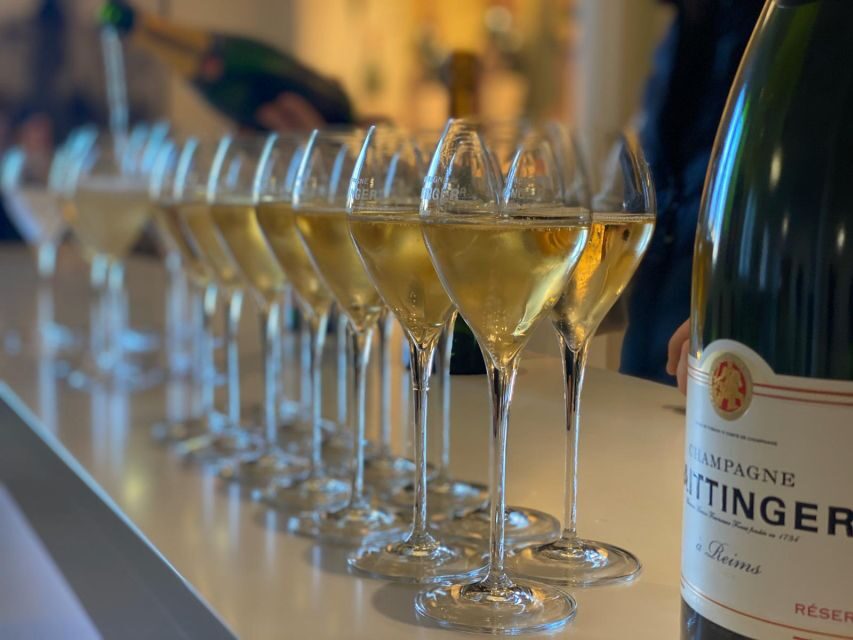
Your first major stop centers on Épernay, the town that feels made for Champagne lovers. Expect a guided tour of a Champagne producer—often one of the big, famous houses—and you’ll taste along the way. On paper, it sounds like the classic formula. In real life, it works because you start with a framework.
The guide helps translate what you might otherwise see as just pretty bottles. You get talk about the grape types and what the region does to them. You also begin learning the vocabulary you’ll use later: styles like Blanc de Blancs (usually Chardonnay-focused), Blanc de Noirs (Pinot Noir-focused), and Champagne rosé. You’re not memorizing wine terms; you’re learning them in the context of what’s in your glass.
What I like here
I like that the day doesn’t start with random tastings. Starting in Épernay lets you orient your brain: you learn how Champagne is made and marketed, then you see how that translates into the cellar experience.
A small practical tip
Cellars are often cold and damp. Even in mild weather, that chill is real. Bring a jacket or second layer. It makes the tour more comfortable and less distracting, especially if you’re the kind of person who enjoys photos.
You can also read our reviews of more tours and experiences in Paris

Inside the grand champagne houses: cellars, scale, and why it matters
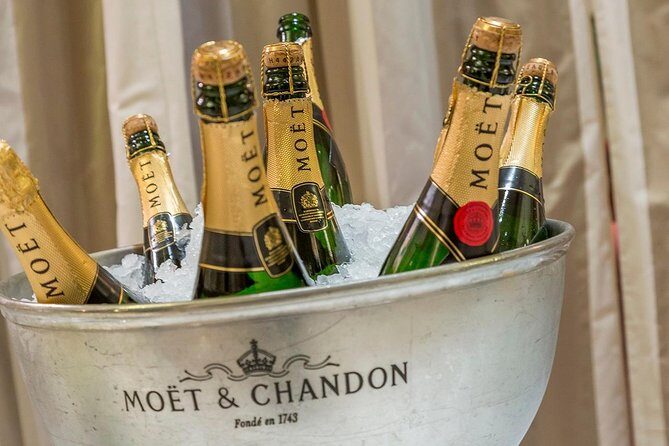
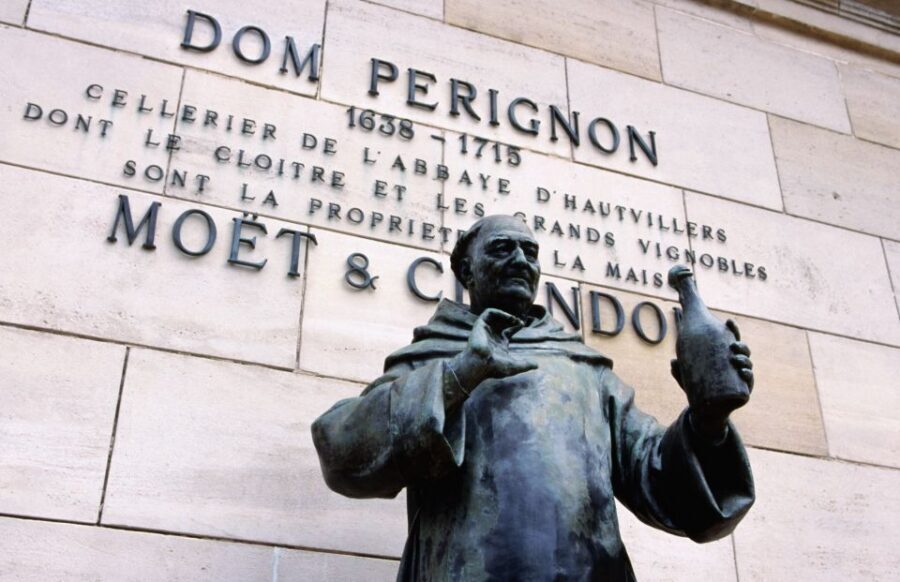
One of the big reasons this tour works is the chance to see a top-tier Champagne operation in its home setting. Depending on availability, the guide will choose a well-known producer such as Moët & Chandon, Veuve Clicquot, Taittinger, Mercier, Nicolas Feuillatte, or Boizel. The exact name can vary, but the type of experience is consistent: guided cellar tour plus tasting.
What you learn in the cellars
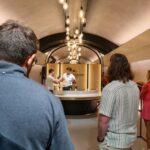
A cellar isn’t just a cool room for storage. It’s part of the production story. You get explanations tied to how Champagne develops, why time matters, and how the region’s method turns grapes into something with the signature sparkle and structure.
This is also where you start to understand the difference between style and marketing. Large producers tend to be more standardized in what you can expect, simply because they serve global markets. You may still find variation, but it’s easier to compare when you’ve already tasted a baseline.
The atmosphere is part of the value
The setting does something to the experience. Standing in those older corridors makes it easier to grasp why Champagne has the reputation it does: it’s labor-heavy, time-heavy, and tightly controlled. Even if you don’t care about the technical details, the vibe makes you pay attention.
Lunch in Épernay: the meal that actually keeps you going
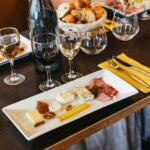
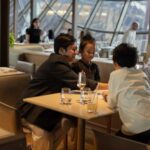
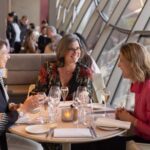
You get a 3-course lunch at a local restaurant, included in the price. This is not a throwaway course. Champagne pairs with food best when you’re not too rushed and when your palate has something solid to grab onto.
In practice, lunch does two jobs:
1) It slows the day down just enough to reset your tasting brain.
2) It gives you time to eat something that matches the day, not a random tourist menu.
What can go wrong
Sometimes the schedule can feel a bit tight. You’ll still get lunch included, but you may not get a long lingering meal. If you’re the kind of person who likes to take your time, keep your expectations flexible and remember you’ll be back on the go for another tasting stop.
Also note: beverages like soft drinks or still or sparkling bottled water beyond what’s included may cost extra. If you want a specific non-alcoholic drink, it’s worth having a few euros handy.
The Marne photo stop and vineyard-side reality check
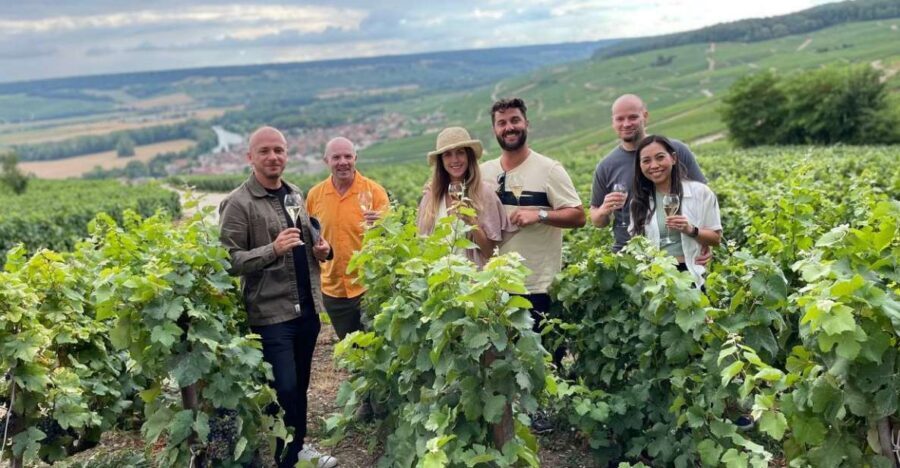
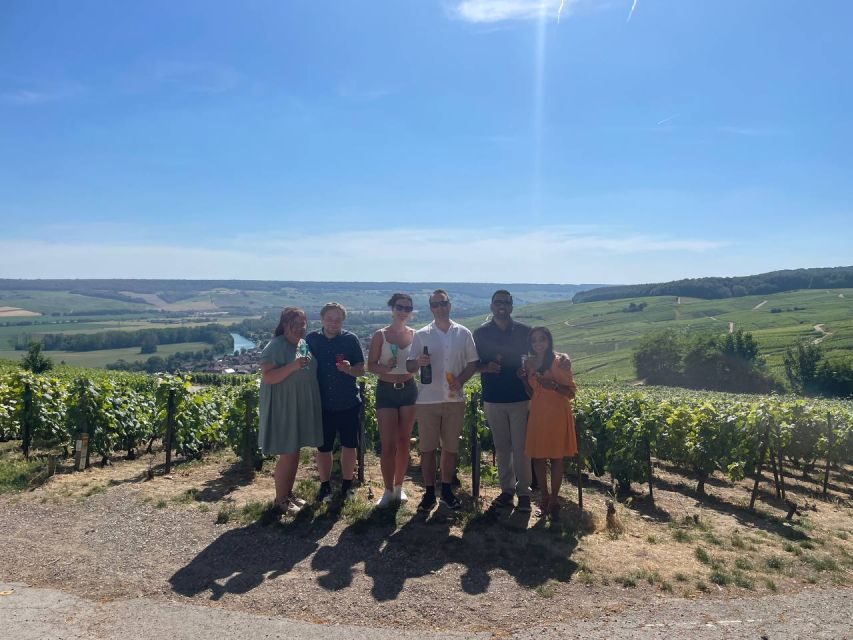
After the lunch break, the tour moves through the region with a mix of photo stops and Champagne talk. One stop is around Marne, with a photo opportunity and an additional tasting moment.
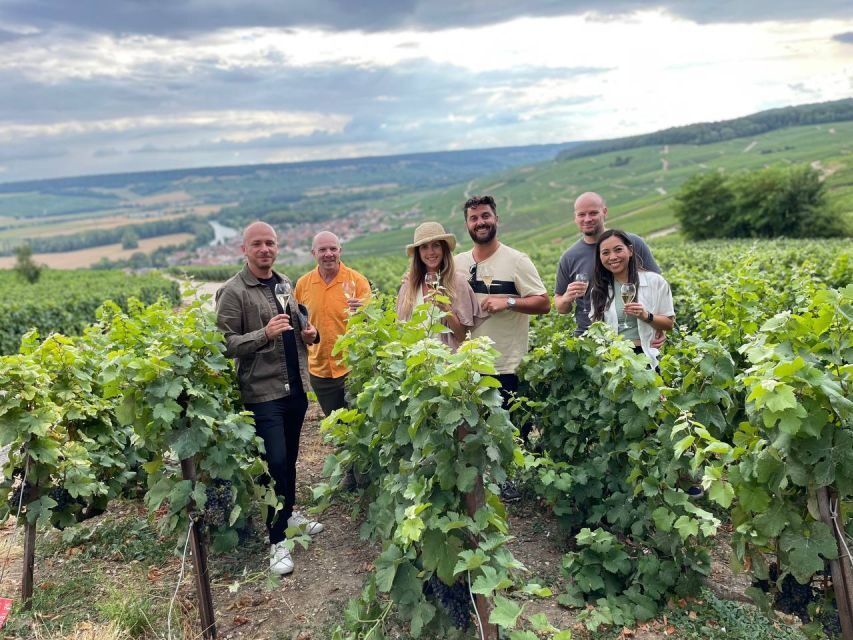
This is where you get something Champagne tastings don’t always deliver: scale and geography. Seeing the vines up close helps make the terroir discussion concrete. When your guide points out varietal differences and explains how the land affects grapes, it lands better when you’re literally surrounded by the place.
Why this matters for what you’ll learn later
You’ll soon start comparing types of Champagne like Blanc de Blancs, Blanc de Noirs, and rosé, and you’ll also hear about the distinction between Grands Crus and Premiers Crus. That’s easier to understand after you’ve seen how close the vines are, how the region is structured, and how production is tied to specific areas.
If you skip the vine view (weather or schedule can force it), you’ll still get the conceptual part. But the photo-and-vine moments are often what make the day feel like more than wine.
The second winery visit: comparing styles without getting lost
The afternoon is built around a second Champagne experience—often a visit to a more intimate producer, or a smaller estate-style operation. The idea is smart: compare a big house with a smaller one so you can feel the differences rather than just hear about them.
You’ll likely get:
- a guided tour (again, the process and cellars)
- another tasting at that location
- and then a later tasting designed to train your perception
The blind tasting: where the learning clicks
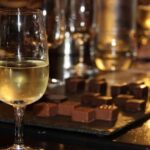
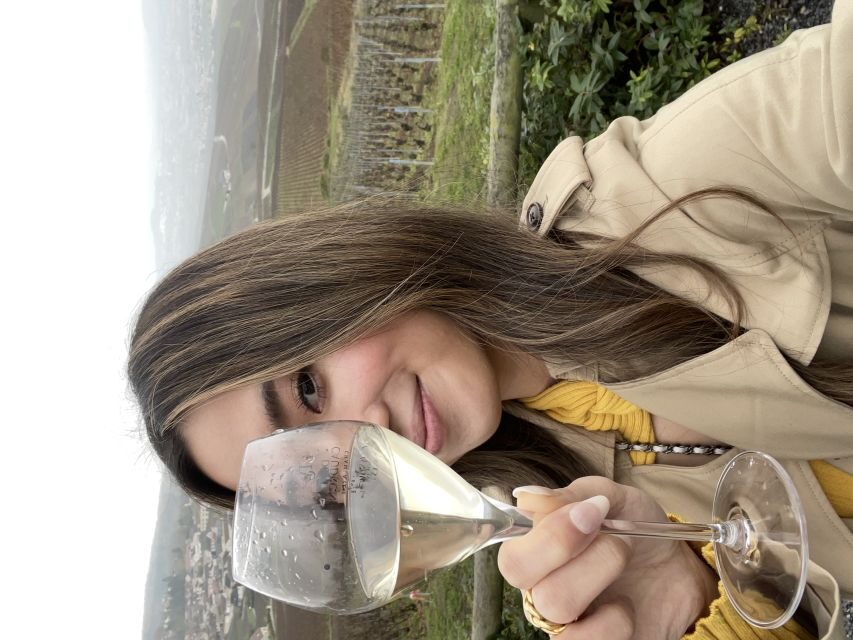
A key part of this day is a blind tasting in the vineyard area. That setup helps you stop relying on the label. You start focusing on what’s actually in your glass: acidity, fruit, texture, and the way the bubbles carry.
It’s also where the terms become useful. When you taste different styles without knowing the bottle first, you get a better chance of noticing what separates types like Chardonnay-forward Champagnes from Pinot-heavy ones, and where rosé tends to land in flavor and feel.
Some days also include fun “Champagne game” moments—people have tried things like opening a bottle in a more theatrical way. Whether that shows up for you depends on timing and the house, but the point is clear: the guide tries to make the education feel like an event, not a lecture.
How the tour makes you a better Champagne taster
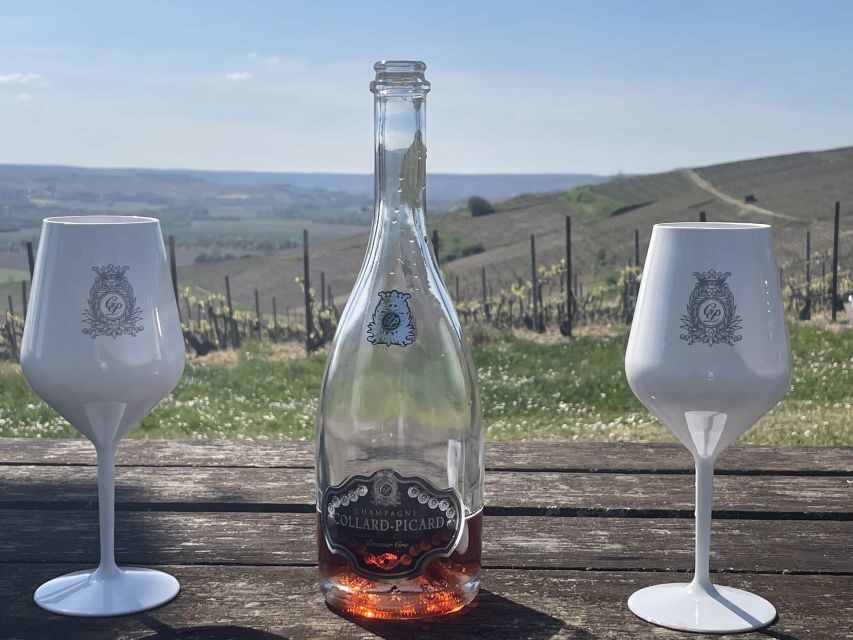
By the end of the day, you should walk away with more than a nice memory and a few bottles you’ll eventually drink. This tour is designed to help you talk about Champagne like you actually get it.
Here are the main takeaways you’ll be able to use:
- You’ll understand Blanc de Blancs vs. Blanc de Noirs vs. rosé in terms of what you taste, not just what the label says
- You’ll learn the idea of terroir—the land and grape relationship—because the tour ties it to what you see and taste
- You’ll hear about Grands Crus vs. Premiers Crus, so you know that not all Champagne-growing areas are valued the same way
- You’ll compare production styles, since you’re typically doing one major house experience and one smaller estate experience
The best kind of souvenir
Don’t think of it as just the bottle purchase. The better souvenir is the ability to pick up a Champagne menu and make sense of what’s inside. After a blind tasting and two house visits, you start recognizing patterns. That’s the moment when the day feels worth the money.
Value and price: is $411 per person actually fair?
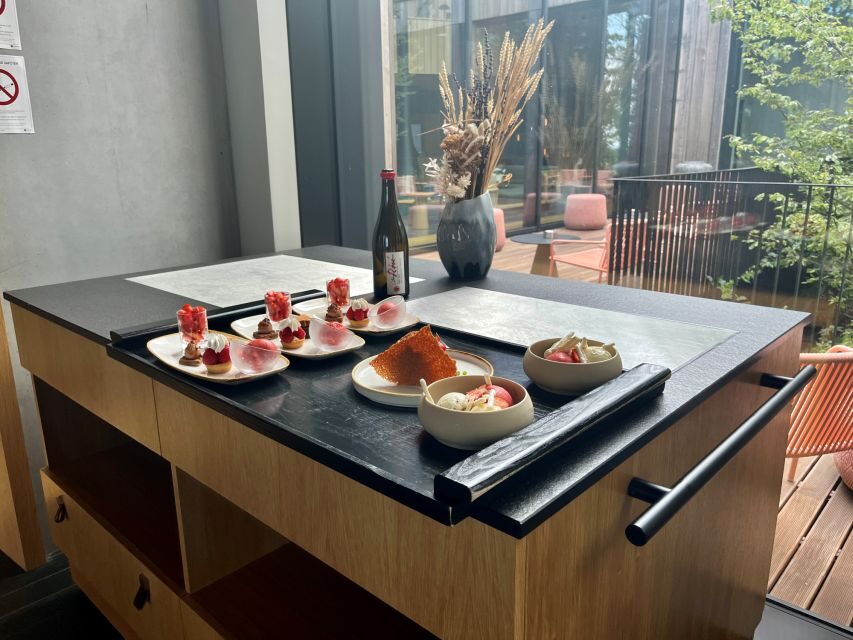
At about $411 per person for roughly 11 hours from Paris, this isn’t a cheap outing. But it also isn’t just a bus ride with a few sips.
You’re paying for a bundle:
- hotel pickup and drop-off
- air-conditioned minivan transportation
- an English live driver/guide
- cellar tour and tasting at a famous Champagne house
- a second winery/estate visit with tasting
- 3-course lunch
- up to 6 glasses of champagne
- bottled water
For many visitors, the value is in the structure. Champagne region days can be pricey because you’re essentially paying for time with producers, access to cellars, and guided tastings that you can’t easily replicate yourself without doing a lot of planning.
Where the cost can sting
Alcohol adds up, and restaurant add-ons can. If you tend to order extra drinks at lunch, your final bill could rise beyond what you expect. Still, the core experience is priced as a package: you know you’re not going to show up and get squeezed into buying your way through the day.
Guide energy makes or breaks the day
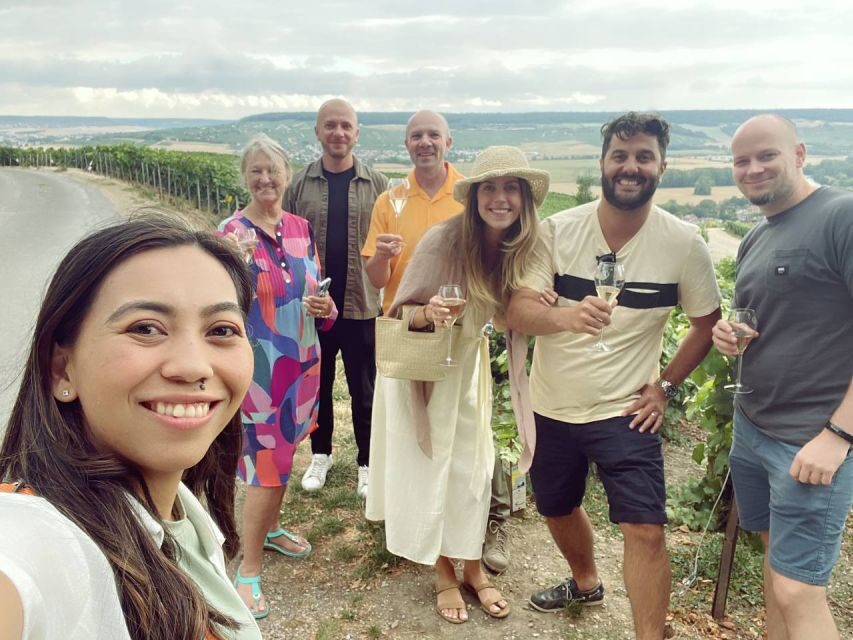
A day like this stands or falls on the guide, because you’re drinking, walking, and learning at the same time. The guides on this tour are consistently praised for being fun, communicative, and responsive.
I’ve seen guides named Arthur, Tomer, Sebastian, Sacha, TJ, Max, Benoit, Dalton, David, Alex, Hugo, Erin, and JT—and the common thread is how they run the pace. They help keep people engaged, answer questions, and make sure everyone gets the key parts of the itinerary without feeling bullied by the clock.
Some guides also add extra touches when timing allows—like stops linked to local sights in the region. You might catch places such as Reims Cathedral / a Notre-Dame-style church stop on certain days. That kind of bonus turns the trip from wine-only to full history-and-region day.
Comfort and practical tips that save your day
Here’s how to make this tour feel easy instead of exhausting.
- Dress for cellar weather: bring a layer. Cold cellars are common, and you’ll be there.
- Eat well at lunch: you’ve got tastings after, and Champagne tastes better when you’re not hungry.
- Go slow with your pours: up to 6 glasses is included, but you don’t need to race each tasting like a game.
- Bring your best shoes: you’ll walk around vineyards and indoors in cellars.
- Expect the order to shift: the tour says timing can vary, and the vine visit can be affected by weather or schedule. Keep your plan flexible.
If you’re celebrating something—birthday, anniversary, milestone—this tour can be a strong choice because the day is already built around a memorable theme and the guides tend to make it personal.
Should you book this Champagne tour from Paris?
If your goal is a high-output Champagne education with minimal planning, I think this tour is a strong pick. The combination of a major house cellar visit, a smaller estate-style stop, and a blind tasting by the vineyards is exactly how you turn Champagne from a label into a real experience you can describe.
Book it if:
- you want a guided day with two different tasting experiences
- you care about learning the basics (Blanc de Blancs, rosé, crus, terroir) in a practical way
- you like the idea of hotel pickup and a structured schedule
Skip it if:
- you hate long days or you’re very sensitive to being on the move for 11 hours
- you only want one quick taste and don’t care about cellar tours
- you prefer doing everything at your own pace with zero guided comparisons
In short: if you’re going to spend a day outside Paris, this one gives you a lot of Champagne story per hour—and a lineup of tastings that actually helps you understand what you’re drinking.
FAQ
How long is the Champagne tour from Paris?
The duration is listed as 11 hours.
Is hotel pickup and drop-off included?
Yes. The tour includes hotel pickup and drop-off in Paris, with the pickup location confirmed the day before.
Which Champagne houses do you visit?
A renowned Champagne house (such as Moët & Chandon, Mercier, Nicolas Feuillatte, Veuve Clicquot, or Taittinger) is selected based on availability, and you visit a smaller estate later.
How many tastings or glasses are included?
You get champagne tastings at the Champagne house and the later winery/estate stop, and the included drinks are up to 6 glasses of champagne.
Is lunch included?
Yes. A 3-course lunch is included in the price.
What if I am under 18?
Persons under 18 years of age may be offered non-alcoholic grape juice.
Can I cancel for a refund?
Yes, free cancellation is available up to 24 hours in advance for a full refund.