REVIEW · REIMS
From Reims: Champagne Afternoon E-Bike Tour
Book on GetYourGuide →Operated by À la Française Champagne ! · Bookable on GetYourGuide
Champagne views start rolling early in the day. This small-group e-bike tour mixes UNESCO vineyard riding with a real family domaine cellar visit at Le Clos Corbier, so you get scenery and answers, not just sips. You’ll pedal about 15 km through the Montagne de Reims area, then cool down with tastings in the cellars.
I especially like how the electric bike makes the whole route feel relaxed. Even on rolling vineyard roads and canal-side paths, you can actually enjoy the stops and the photo moments. I also like that you taste three different champagnes tied to the family operation, with time to learn how the process leads to what’s in your glass.
One thing to consider: this isn’t a stroller-friendly stroll. It’s a bike tour for people who can comfortably ride, and if weather turns rough (rain or storms), the cycling portion shifts to a minivan-run version of the experience.
In This Review
- Key highlights at a glance
- From Reims or Aÿ to Le Clos Corbier: the flow of your afternoon
- The UNESCO vineyard ride: Montagne de Reims on an e-bike
- Marne canal return: coming back by water, not crowds
- The family winery visit at Le Clos Corbier: what you actually do
- About that tasting education: how to get more than three pours
- Small group size and the guide vibe: comfort, not chaos
- Weather backup by minivan: still worth it when plans change
- Distance, fit, and who should skip this
- Price and value at $147 per person
- The day’s pacing: when you’ll feel it most
- Should you book this e-bike Champagne afternoon from Reims?
- FAQ
- How long is the Reims Champagne afternoon e-bike tour?
- Where can I start this tour?
- How far do you ride during the tour?
- How many champagne tastings are included?
- What size is the group?
- What language is the tour guide?
- What happens if the weather is bad?
- Who is this tour not suitable for?
- Should you book this e-bike Champagne afternoon from Reims or Aÿ?
Key highlights at a glance
- E-bike through UNESCO classified vineyards around Montagne de Reims, with classic village-and-vine views
- Le Clos Corbier at the heart of the day, where the bike tour connects to the tasting
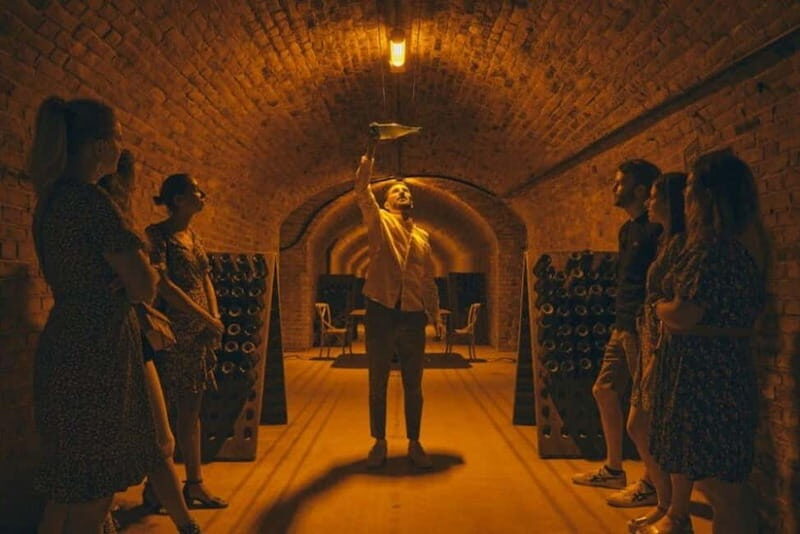
- Cellars and tastings with a family-run winery, plus guidance on how Champagne is made
- Three champagne glasses as part of the visit, not just one quick pour
- Small group of up to 8, so questions don’t get swallowed by a crowd
From Reims or Aÿ to Le Clos Corbier: the flow of your afternoon
This tour is built around one simple idea: Champagne is best understood when you see where the grapes grow and then taste where it becomes Champagne. You start either in Reims (Le Clos Corbier) or on the Aÿ-Champagne side (Mareuil-sur-Ay). Either way, you’re guided to the same main hub: Le Clos Corbier, where your electric bike is ready.
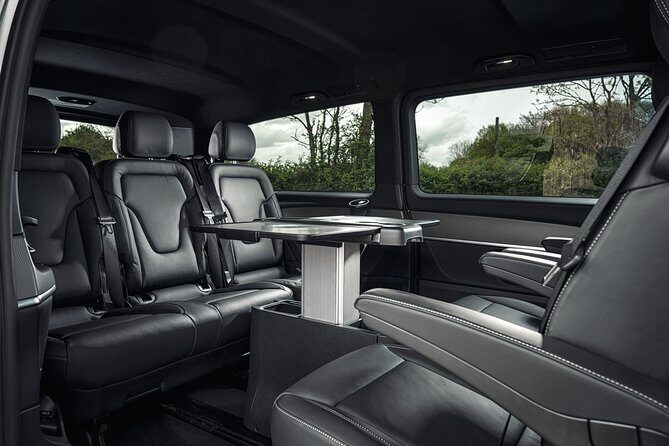
If you’re choosing the Reims option, there’s an air-conditioned minivan transfer to the Epernay area before you get on the bike. If you’re starting closer to Aÿ, you may have a shorter scenic stretch by vehicle before your ride begins. The point isn’t the bus. It’s that you arrive ready to pedal without spending your whole day figuring out logistics.
Once you meet your guide, expect a warm-up to get comfortable on the e-bike. That matters more than it sounds. Champagne country has little slopes and turns that can feel fine in a car but different on a bike. Getting a quick feel for the assist and braking lets you enjoy the vineyards rather than white-knuckling the handlebars.
You can also read our reviews of more cycling tours in Reims
The UNESCO vineyard ride: Montagne de Reims on an e-bike
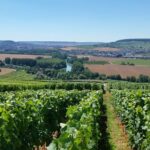
Your bike time is about 2 hours, built for people who want real motion through the vines, not just a short loop. The route takes you through the Montagne de Reims vineyards and villages, an area known for structured vineyards and the classic look of Champagne farming—rows of vines, small roads, and viewpoints that pop out when the terrain opens.
You’ll ride roughly 15 km (9.5 miles) total. That’s far enough to feel like you traveled, but not so long that you arrive at the winery wrecked. The e-bike helps smooth the effort. Instead of burning your legs on every small hill, you can keep a steady pace and spend your energy on enjoying the view and the conversation.
In good moments, this is where Champagne turns from a label into a place. You start noticing things you’d miss on foot or from the road: how vineyard parcels sit on different slopes, how villages tuck into the valley, and how the rhythm of the landscape changes as you follow the route toward the canal.
And if you’re the type who likes photo stops, this is also your chance. I’d go in with a “slow down for 30 seconds” mindset—if there’s a spot that calls to you, ask your guide about timing so you can grab your angles without messing up the rest of the day.
Marne canal return: coming back by water, not crowds
After you’ve had your vineyard time, you cycle back toward Le Clos Corbier down the Marne canal. This section is a nice change of pace. Instead of climbing and dropping between village roads, you get a more linear sense of direction—often flatter and calmer under the tires.
I like this kind of return for two reasons. First, it helps you keep your energy for the tastings that come right after. Second, canal-side riding often feels quieter and more scenic in a different way than the main vineyard roads. It’s still “Champagne country,” just with a slightly different mood.
This part of the tour also helps you transition mentally. The bike experience is about movement and views. The tasting portion is about texture, temperature, and detail. By the time you roll back, you’re primed to pay attention.
The family winery visit at Le Clos Corbier: what you actually do
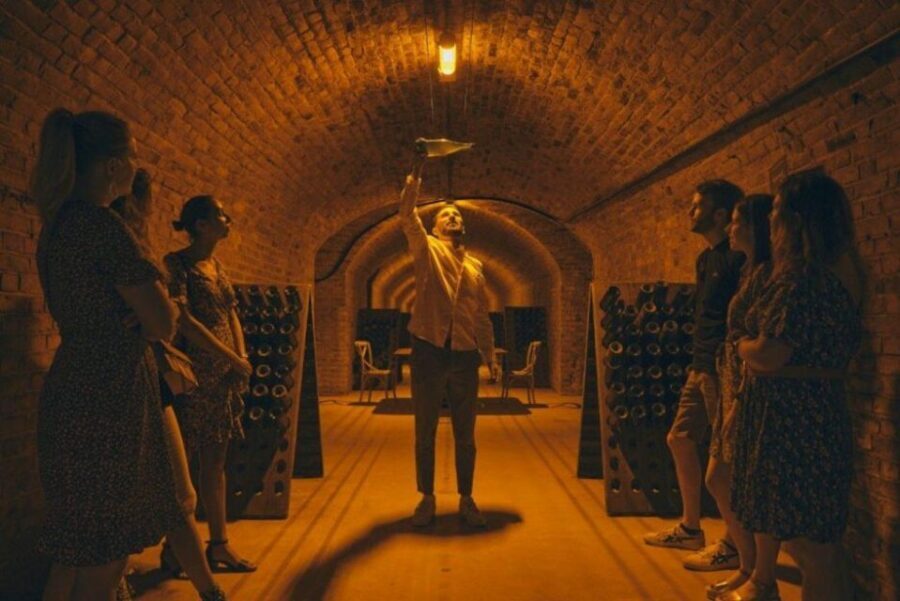
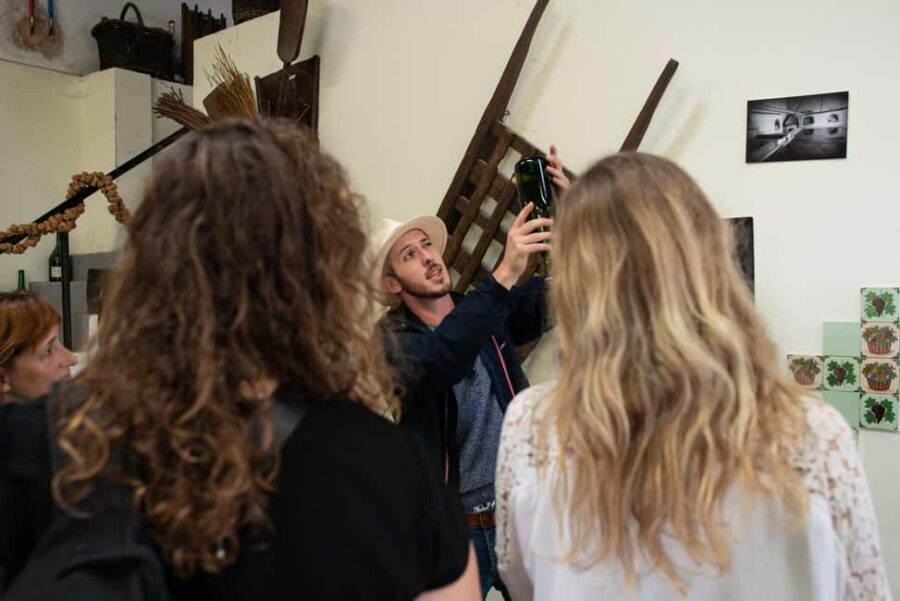
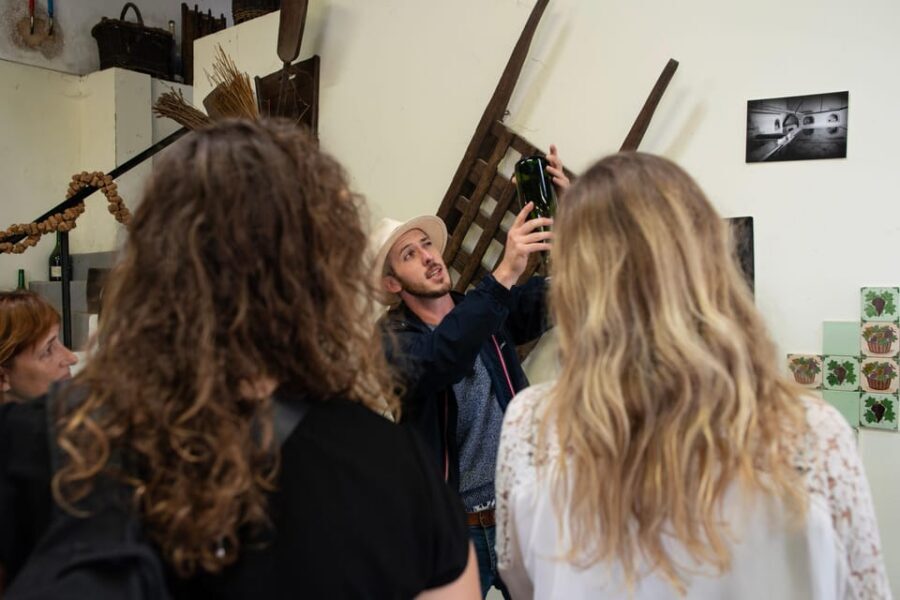
Once the ride ends, you shift gears into the cellar and tasting program at Le Clos Corbier. This is where the afternoon becomes more than scenery. You’ll visit the cellars and taste different champagnes from the family domaine.
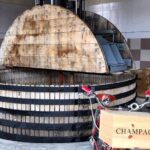
The visit is designed to connect what you saw outside with what you learn inside. You’ll discover and learn about the Champagne making process. The guide explains how grapes become a sparkling wine through stages that are part science, part timing, and part careful handling. You don’t need to be a wine expert to get something from this. The guide’s job here is translation—turning cellar steps into plain language you can remember later.
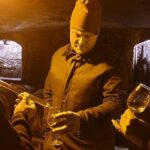
Then you taste. You get three champagne glasses, which is a smart number. It’s enough to notice differences, not just enough to say you tried Champagne. You’ll have time to make comparisons—flavor, feel, and overall impression—while your guide keeps the context grounded in the family’s approach.
A practical note: Champagne tasting always goes best when you slow down. Sip, pause, and let the wine warm just a bit in the glass. If you rush, you’ll end up with a blur of bubbles. If you give yourself those few seconds, you’ll walk away remembering what each glass offered.
About that tasting education: how to get more than three pours
The best part of a guided tasting isn’t magic—it’s prompts. Your guide will point out what to look for during each glass, tied to the production story you heard in the cellar.
Here’s how you can make the most of your three glasses without overthinking it:
- Taste in order and take one note in your head: dry vs. fruit-forward, light vs. more structured
- Pay attention to the finish, not only the first flavor hit
- Look for balance: acidity, body, and how quickly the flavor fades or lingers
You’ll also learn enough about the process that your brain stops treating Champagne like a single product. Instead, it becomes a range of decisions—how the wine is handled, how it’s aged, and how that turns into what you’re tasting.
If you enjoy asking questions, this is the time to do it. The group is small, so you can get answers in plain talk instead of hearing a generic script.
You can also read our reviews of more wine tours in Reims




Small group size and the guide vibe: comfort, not chaos
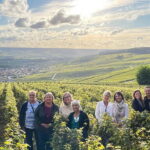
This tour runs with a small group limited to 8 participants. That’s a big deal on a tasting day. You can hear explanations, you can ask questions, and you don’t spend your time trying to re-find your guide between vineyard stops.
Your guide leads in English. You’ll also notice that guides can bring their own communication style. One person on an equivalent tour credited the guide, Tomas, for trying to speak Spanish too, which says a lot about how they try to connect with everyone in the room.
One practical consideration: in vehicle sections, audio can be tricky. One review suggested that a mic during driving would make it easier to hear from the back seat. So if you’re picky about sound, sit where you’ll have the clearest view and assume you might miss a detail or two when the minivan is moving.
Weather backup by minivan: still worth it when plans change
Champagne country weather can be moody. You’re told that if there’s bad weather—rain or storms—the same experience will be done by minivan.
That matters because it keeps the core value of the tour intact: you still get guided Champagne education and the cellar tastings, even if the roads are too wet or the cycling portion isn’t practical. It’s not ideal if you bought the tour specifically for the bike miles, but it’s a sensible way to protect the schedule and the tasting portion you’re paying for.
In practical terms, pack for changing conditions: comfortable shoes and clothes you don’t mind getting slightly damp if the weather flips. The e-bike itself is an advantage in variable conditions, but you still want to stay comfortable.
Distance, fit, and who should skip this
Let’s be honest: this is not for every body type or medical situation. It’s not suitable for children under 16, pregnant women, people with heart problems, wheelchair users, visually impaired people, people under 155 cm, and anyone with pre-existing medical conditions.
You also need to be able to ride a bike. That includes basic balance and comfort with the e-bike controls. If you’ve never ridden much before, you might want to choose a different kind of Champagne tour that matches your comfort level.
If you’re a typical active adult who can ride for about 2 hours and handle 15 km, this is a great match. The e-bike makes it more doable than a traditional bike tour, but you still need to move and stay steady for vineyard roads.
Price and value at $147 per person
At $147 per person, the price is easier to justify when you break down what’s included. You’re not just paying for a guide and a bike. Your ticket covers:
- A small-group guided experience
- E-bike rental and a helmet
- Entrance fees at a family-run winery (Le Clos Corbier)
- Three champagne tastings
- Plus, for the Reims start option, air-conditioned minivan transport to Epernay
That’s why this can feel like good value compared to piecing together a tasting ticket plus separate transportation plus a basic tour. You’re basically buying a full arc: vineyard riding, cellar time, and guided education.
Also, small-group limits matter. When you’re in a group of up to 8, the guide can actually manage the rhythm of stops and questions. You get more “tour per minute” than big-bus sightseeing where everyone competes for the same attention.
The day’s pacing: when you’ll feel it most
This tour runs about 210 minutes to 5 hours total. That timing is a sweet spot for Champagne day-tripping. Long enough to feel like a proper outing. Short enough that you’ll still have energy afterward to explore Reims or Aÿ on your own.
You should expect the day’s biggest “effort” during the ride. The tastings come after. So don’t schedule a big dinner tasting immediately afterward if you’re sensitive to alcohol. Also, wear comfortable shoes and dress for weather because the outdoors portion is real.
If you want a smooth day, arrive ready to move, not ready to debate. Bring water if you like, but note food and additional drinks aren’t included. Plan to eat before or after based on your own tolerance and timing.
Should you book this e-bike Champagne afternoon from Reims?
Book it if you want Champagne that feels like a place, not a worksheet. The combination of UNESCO vineyard riding, a family domaine cellar visit, and three guided tastings is an efficient way to get both atmosphere and meaning in about half a day.
Skip it if you’re not comfortable riding a bike for around 15 km, if you’re in one of the listed medical or access categories, or if you’re mainly chasing a fully relaxation-only outing with no physical component. The e-bike helps, but it still involves pedaling and handling.
My rule for this tour: if you love views plus learning (and you can handle a moderate bike day), you’ll likely feel like the money went where it should—into guiding, tastings, and seeing the vines that make the Champagne.
FAQ
How long is the Reims Champagne afternoon e-bike tour?
It runs about 210 minutes, which is roughly 5 hours.
Where can I start this tour?
You can choose one of two main starting areas: Le Clos Corbier in Reims or Aÿ-Champagne (Mareuil-sur-Ay). The exact meeting point may vary by the option booked.
How far do you ride during the tour?
You cycle around 15 km (9.5 miles).
How many champagne tastings are included?
You’ll taste three champagne glasses during the visit at the family-run winery.
What size is the group?
It’s a small group limited to 8 participants.
What language is the tour guide?
The live guide is English.
What happens if the weather is bad?
If there’s rain or a storm, the same experience is done by minivan instead of cycling.
Who is this tour not suitable for?
It’s not suitable for children under 16, pregnant women, people with heart problems, people who can’t ride a bike, wheelchair users, visually impaired people, people under 155 cm, and anyone with pre-existing medical conditions.
Should you book this e-bike Champagne afternoon from Reims or Aÿ?
Yes, if you want a guided mix of Champagne countryside + a genuine cellar visit + three guided tastings, without spending all day on transport. This tour is especially worth it when you like the idea of learning the Champagne making process and then tasting with context right after. If you’re unsure, pick the start option that’s closest to where you already are—because the ride and tasting portions are the heart of the value.