REVIEW · PARIS
Paris: Fashion History Walking Tour in the Heart of Paris
Book on GetYourGuide →Operated by Fashion History Tour · Bookable on GetYourGuide
A fashion stroll with real Paris atmosphere. This 2-hour walk turns street sights into a story about why designers create, how luxury gets sold, and why trends spread the way they do. You’ll meet Ivo at Comédie-Française, then move through landmark fashion corridors like Rue Saint-Honoré, with stops that connect haute couture to Parisian culture, not just names on a list.
What I love most is the mix: fashion history plus current trend talk, so it feels usable, even if you’re not a runway person. I also like the small-group setup (limited to 10), which keeps the pace relaxed and the questions flowing. A possible drawback: with only two hours, you won’t get long in any single boutique, so this is best if you want a smart overview and a shopping shortlist, not a slow wander.
In This Review
- Key Highlights You Should Expect
- Fashion Meets Landmarks in 2 Hours
- Meet Ivo at Comédie-Française and Get the Fashion Storyline
- Palais-Royal Gardens and Colonnes de Buren: Why This Courtyard Feels Like Fashion
- Rue Saint-Honoré: Paris’ Oldest Fashion Street and Its Shortcut to Style
- Rue Cambon and Coco Chanel’s Birthplace: The Psychology Behind the Legacy
- Place Vendôme and the Rue du Faubourg-Saint-Honoré Luxury Corridor
- Vintage Luxury vs Today’s Collections: What to Compare While You Walk
- Pace, Comfort, and Timing: Making the Most of the Walk
- Who This Tour Is Best For (and Who Might Not Need It)
- Should You Book This Fashion History Walk?
- FAQ
- Where does the tour start?
- How long is the Fashion History Walking Tour?
- How large is the group?
- What languages are offered?
- Is the tour wheelchair accessible?
- What should I bring?
- Is the tour refundable if plans change?
Key Highlights You Should Expect
- A fashion-design professional guide (Ivo) leading with stories and practical context, not museum recitation
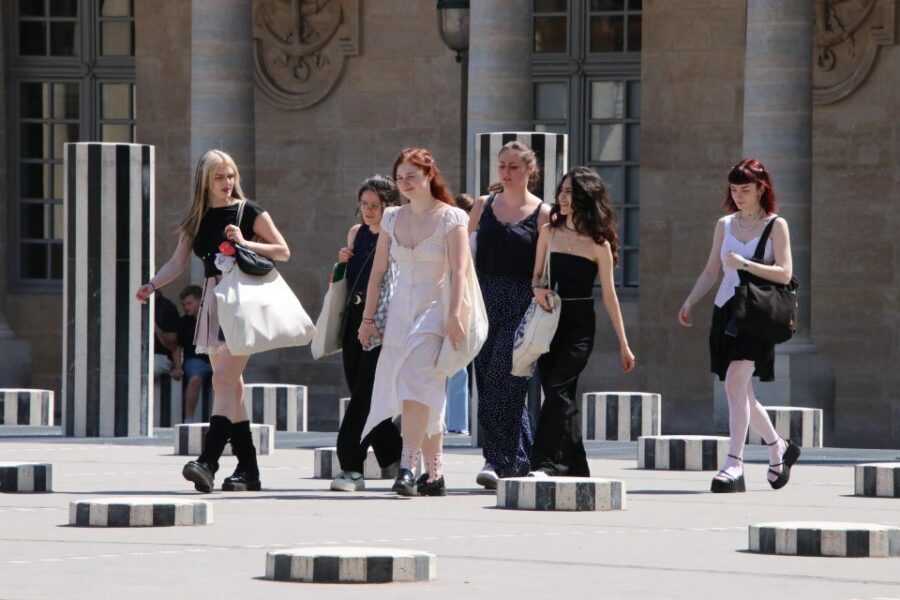
- Palais-Royal photo stops and garden time, including Colonnes de Buren, seen through a fashion lens
- Rue Saint-Honoré focused walking, including the area’s most exclusive boutiques and old-fashion street energy
- Rue Cambon storytelling around Chanel’s start, with the psychology of her impact explained in plain terms
- Vintage luxury vs modern collections, so you can compare what lasts and what changes
Fashion Meets Landmarks in 2 Hours
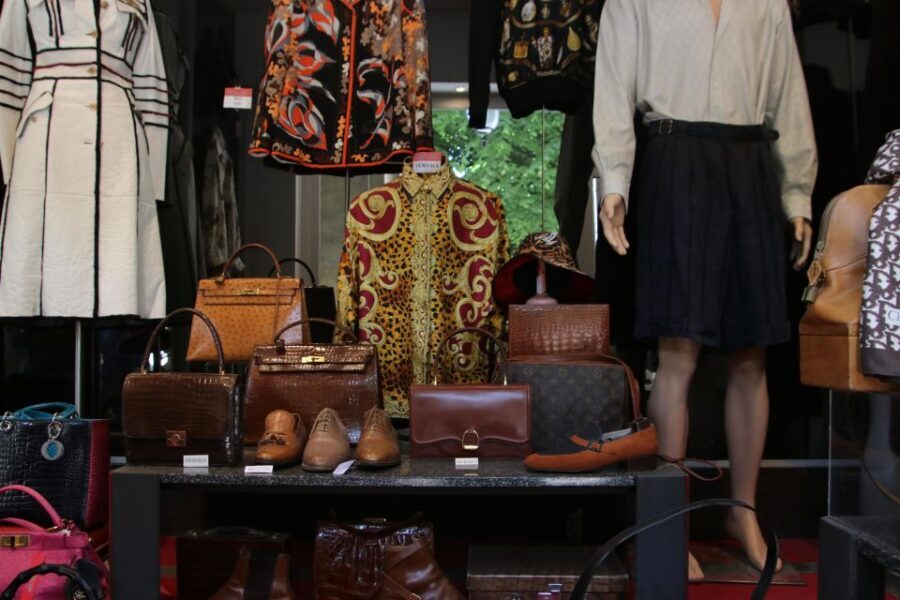
Paris can feel like it’s all about looking. This tour does that too, but it also gives you a way to look smarter. You’re not just watching beautiful streets pass by. You’re learning how fashion in Paris got shaped by ideas, status signals, and the emotional pull people respond to when they wear something new.
I like that the tour frames fashion as more than clothing. It connects designers, marketing, and culture. That matters because once you understand the “why,” the buildings and boutiques you see start making more sense. You’ll notice details faster: the kind of craftsmanship people advertise, the way luxury brands position themselves, and how today’s influencer culture lines up with older luxury habits.
And it stays human. The best moments come when Ivo ties a fashion house to a specific place and then to a modern-day pattern you can recognize. It’s a good reminder that Paris style isn’t stuck in the past. It keeps evolving, and it borrows from its own memory.
You can also read our reviews of more walking tours in Paris



Meet Ivo at Comédie-Française and Get the Fashion Storyline
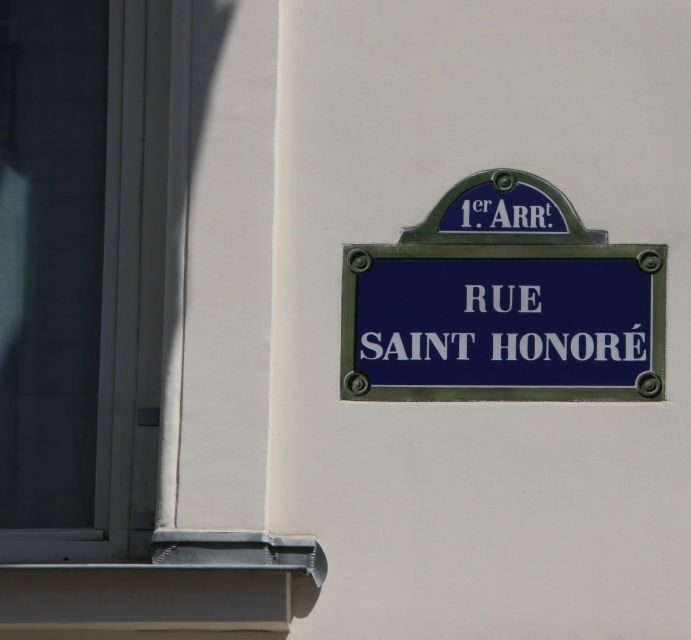
You start outside La Comédie-Française in the 1st arrondissement, near the metro station exit. It’s a solid meeting point because it’s central and easy to orient yourself before you begin the walk. Comfortable shoes matter here. This is a stroll, not a sit-down lecture, and the best part is moving through the districts at a pace that lets you actually take it in.
Ivo is an industry professional with an advanced degree in fashion design, and you feel the difference immediately. He doesn’t just rattle off dates. He connects designers like Coco Chanel, Christian Dior, Louis Vuitton, Pierre Balmain, and Goyard to the streets where their brands gained momentum. The point isn’t to “collect facts.” It’s to understand how fashion became a language.
One thing you’ll appreciate: the tour is designed as a themed walk with psychological and cultural angles. You’ll hear about subconscious motivations and inspirations, and how the luxury fashion world changed as influencers grew louder. That’s not dry theory. It helps you interpret what you see on storefronts, in boutique layouts, and in how brands talk to customers.
Palais-Royal Gardens and Colonnes de Buren: Why This Courtyard Feels Like Fashion
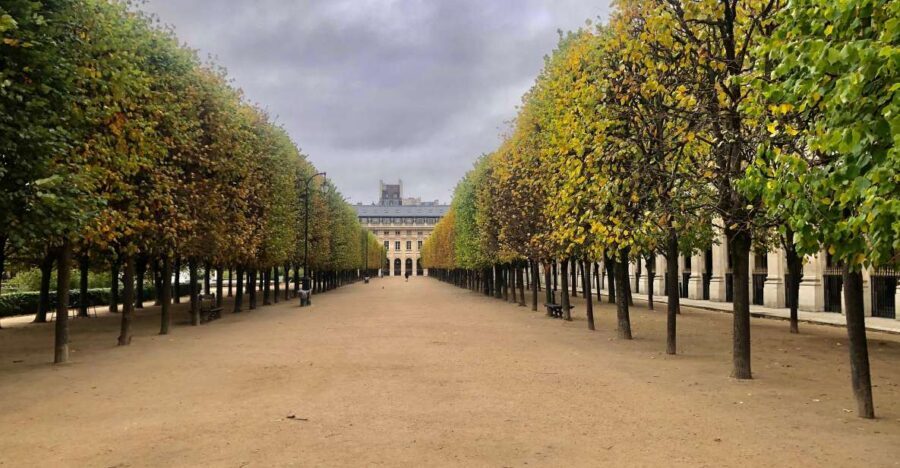
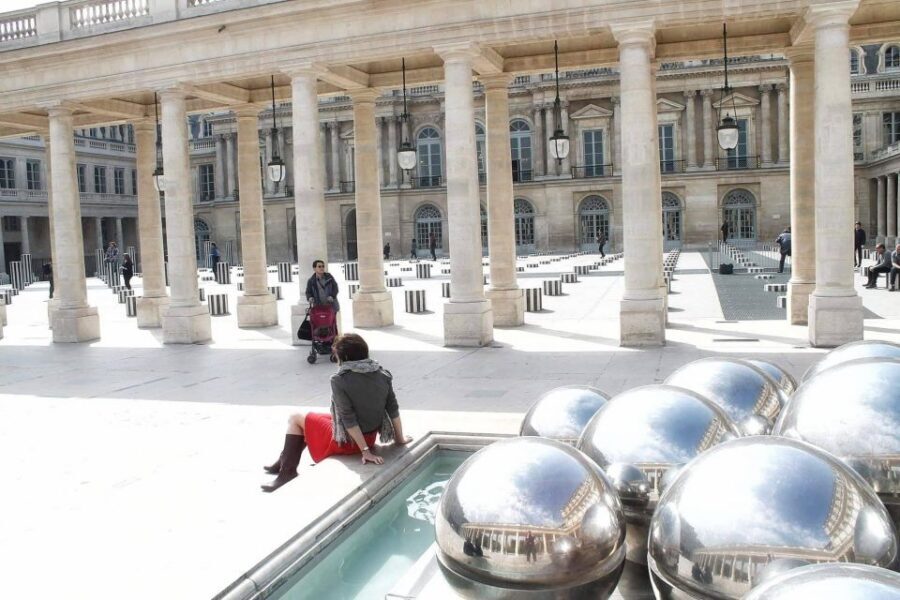
The first real highlight is Palais-Royal, with a photo stop and guided time (about 45 minutes). If you’ve only seen Paris from the big-name monuments, Palais-Royal is a different kind of wow. It feels refined and slightly theatrical, like the setting is part of the outfit.
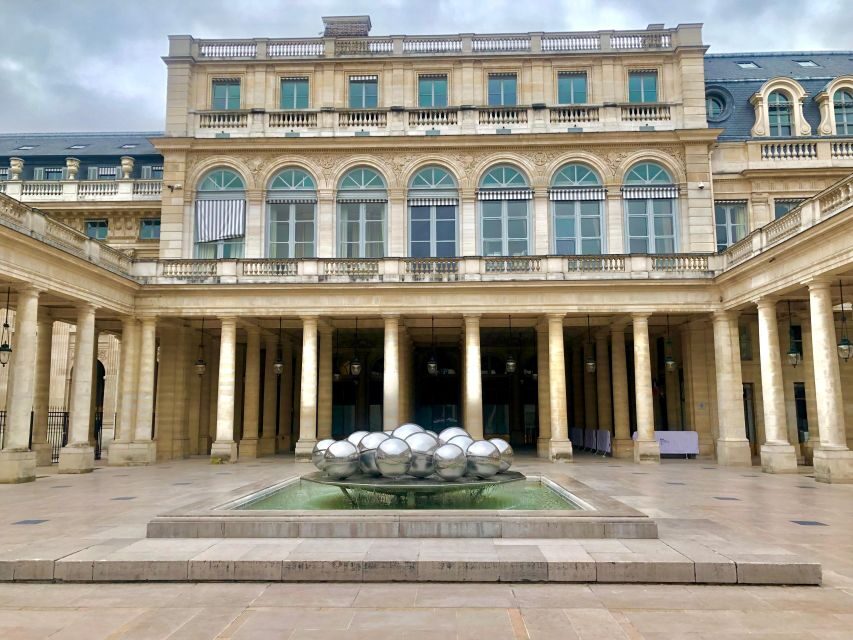
You’ll spend time in the gardens of Palais-Royal, and the guide links why this place matters to haute couture culture. That’s the key. This isn’t presented as pretty scenery alone. It’s positioned as a stage where taste, status, and visibility have always played roles.
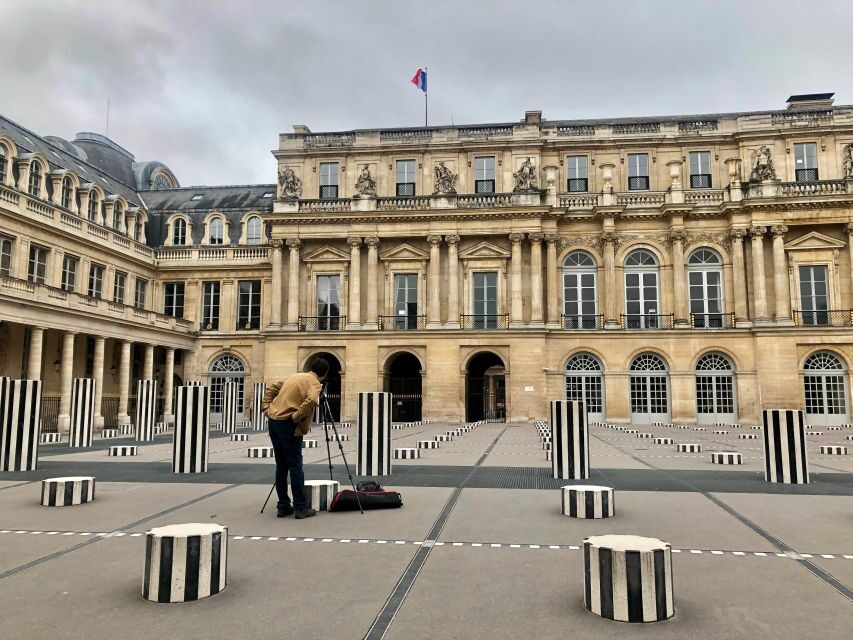
You’ll also encounter Colonnes de Buren, the architectural installation that draws photographers and influencers for a reason. It’s graphic, it photographs well, and it creates that modern “content moment.” But the lesson is bigger than Instagram. You’ll learn how public attention works: how designers, trendsetters, and audiences converge in specific spaces to make style feel current.
A practical note: with a landmark like this, it’s easy to stop for photos and lose time. Don’t worry, the tour is structured so you still get other neighborhood stories. Just try to keep your camera ready, not your feet stuck.
Rue Saint-Honoré: Paris’ Oldest Fashion Street and Its Shortcut to Style
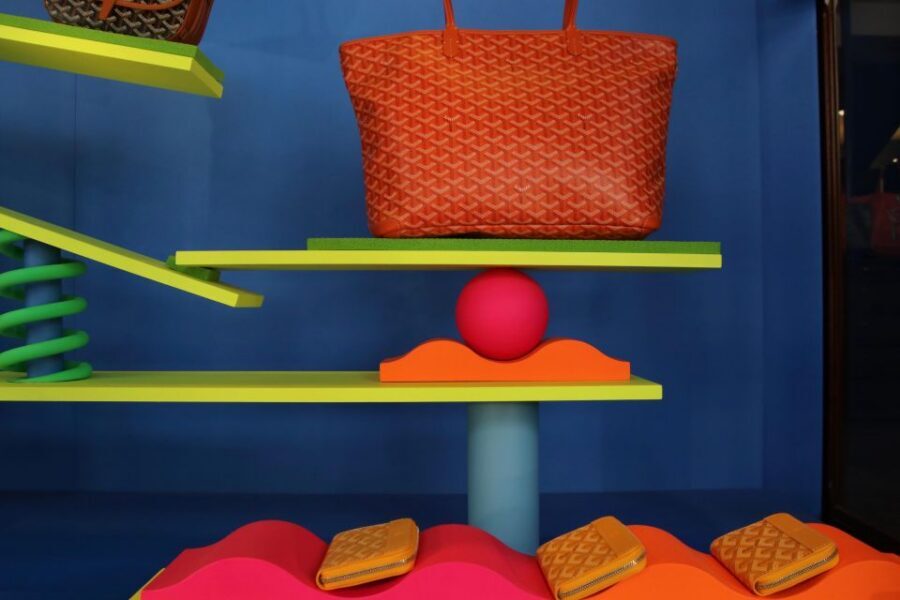
Then you shift to Rue Saint-Honoré, which the tour frames as the oldest fashion street in Paris. That’s a big claim, but it’s a useful one because the street feels like it has layers. You can sense the shift between historical prestige and today’s luxury branding almost instantly.
You’ll walk along the area and get guided time (about 30 minutes) plus an additional stretch later. That second visit matters. The guide uses the street twice so you notice different things the first time versus the second. It’s a smart way to turn a long street into a set of bite-sized stories.
Here’s what you’ll look for as you walk:
- Exclusive boutiques and how their storefront presence signals luxury
- The way the street’s reputation shapes what brands choose to show and say
- The difference between vintage style cues and contemporary collection cues
One of the best parts is the shopping perspective. You’ll see where well-dressed locals shop and you’ll get pointed toward vintage shops and small boutiques. Even if you don’t plan to buy, it’s a great way to train your eye. Vintage pieces often show you what designers believed would be worth keeping, while current collections show what luxury wants to refresh.
If you’re the type who likes to understand the economics, you’ll also appreciate the tour’s attention to how haute couture and luxury status operate.
Rue Cambon and Coco Chanel’s Birthplace: The Psychology Behind the Legacy
Next up is Rue Cambon (about 30 minutes). This stop is about Coco Chanel’s fashion empire and how her legacy kept shaping the way people think about style, not just the way clothes look.
The way the tour explains it is what makes it memorable. You won’t just get brand history. You’ll hear about the inspirational story behind Chanel’s contributions and the lasting psychological impact of her approach. The idea is that Chanel changed more than silhouettes. She changed what people expected fashion to do for them: how it should feel, what it should communicate, and why it became emotionally powerful.
For me, this is where the tour clicks. Once you connect a designer’s personal motivations to the cultural moment, the street stops being a pretty backdrop. It becomes evidence. You start linking what you learn to what you see in modern fashion branding and how people use clothing as identity.
If you’re visiting Paris for the first time, you’ll likely recognize the name Chanel everywhere. This stop gives the “why” underneath the ubiquity.
You can also read our reviews of more historical tours in Paris





Place Vendôme and the Rue du Faubourg-Saint-Honoré Luxury Corridor
The tour also includes the grandeur of Place Vendôme, positioned as the epicenter of the French jewelry industry. This stop helps explain luxury in a very practical way: jewelry is visible status. It tells people something instantly, without needing interpretation.
You’ll also spend time in the area of Rue du Faubourg-Saint-Honoré, alongside Rue Saint-Honoré. The point of mentioning both streets is to show how Paris fashion power clusters in specific corridors. Luxury didn’t spread randomly. It concentrated where visibility, client expectations, and brand prestige could reinforce each other.
This section is also helpful if you’re interested in influencer culture. The tour connects modern trend behavior to older luxury patterns: how attention turns into desire, and how desire turns into sales, press, and imitation.
And yes, you’ll get that opulent Paris feeling here. Just remember the tour’s angle: you’re learning why that opulence matters, not just admiring it.
Vintage Luxury vs Today’s Collections: What to Compare While You Walk
This tour does something I wish more walking tours did. It tells you to compare.
As you pass by fashion houses and small boutiques, you’ll be encouraged to look at vintage luxury pieces and then mentally stack them against what’s in current collections. That comparison is where the lessons about trend evolution feel real.
You’ll hear about how fashion trends change and why that happens culturally. You’ll also get the “psychology” thread again: why certain styles feel timeless, why some details feel modern even years later, and why luxury marketing relies on emotion as much as craftsmanship.
If you want to use this as a trip tool, here’s what to do:
- Pick one element you see often (a silhouette detail, a material vibe, a styling idea).
- Ask yourself if you’re seeing continuity or reinvention.
- Then look for how that idea shows up again in another storefront.
By the end, you’ll feel less like you’re chasing names and more like you understand the system. That’s value.
Pace, Comfort, and Timing: Making the Most of the Walk
The whole experience runs about 2 hours, and it moves at a comfortable walking pace. The route is structured so you get a mix of guided time and short stretches to absorb street life. It’s not strenuous, but you will be on your feet, so plan for steady strolling.
A big plus is the group size: limited to 10 participants. That keeps the tour conversational. It also helps you avoid the feeling of being shepherded through photo stops.
You’ll want to bring comfortable shoes and keep your schedule light right before and after. This is the kind of tour where you’ll want a little time after to wander on your own—especially around the fashion corridors you just learned to read.
If you like practical add-ons, Ivo also shared tips on other fashion-related sights. In particular, he pointed out options like the Fashion Museum and a Louvre fashion exhibition, which can help you extend the theme beyond the walk.
Who This Tour Is Best For (and Who Might Not Need It)
This is a great match if you like fashion history, street-level Paris, or understanding how luxury culture works. It also works well if you’re not a hardcore fashion person. The stops are tied to famous places, so you get real Paris context even when you’re there for the atmosphere.
I’d especially recommend it if you:
- Enjoy learning about designers like Chanel and Dior, but want the story tied to streets
- Like current-trend context, not just old-school facts
- Appreciate small-group tours where you can ask questions
You might skip it if you want long time for shopping or you’re looking for a heavy museum-style presentation. This tour is built for walking and interpretation, not a deep dive into one atelier or storefront.
Should You Book This Fashion History Walk?
If your goal is to understand Paris style as culture—how fashion becomes identity, how trends travel, and why certain neighborhoods gained power—then this tour is worth your time. The combination of Ivo’s fashion-design background, the tight 2-hour format, and the route through places like Palais-Royal, Rue Saint-Honoré, Rue Cambon, and Place Vendôme makes it a strong value for a first (or even repeat) Paris visit.
Book it if you want an easy win: smart stories, good pacing, and a clearer way to see what you’re standing next to. Skip it only if you’d rather spend the morning browsing without guidance or if you’re committed to a slower, shopping-heavy schedule.
FAQ
Where does the tour start?
Meet in front of the Comédie-Française (1 Place Colette, 75001 Paris), near the metro station exit.
How long is the Fashion History Walking Tour?
The tour lasts 2 hours.
How large is the group?
It’s a small group, limited to 10 participants.
What languages are offered?
The live guide offers the tour in English and French.
Is the tour wheelchair accessible?
Yes, the tour is listed as wheelchair accessible.
What should I bring?
Wear comfortable shoes for walking.
Is the tour refundable if plans change?
You can cancel up to 24 hours in advance for a full refund.