REVIEW · PARIS
Le Marais Guided Tour and Discover Paris’s Trendiest Areas
Book on Viator →Operated by Visit in Pakistan Treks, Tours and Expeditions · Bookable on Viator
Paris in two hours can work.
This Le Marais Guided Tour is built for short-time visitors: you get a guided walk through Paris’s old layers and its modern edge, all in about two hours. The route jumps from neo-Renaissance Hôtel de Ville to the Baroque Église Saint-Paul-Saint-Louis, then lands at the futuristic Centre Pompidou exterior—so you see Le Marais as both a living neighborhood and an architectural highlight.
I especially like that the tour keeps it practical. The stops are mostly quick on-foot moments (so you can still keep your day flexible), and you’re guided by an expert live guide who will help you connect the dots between buildings, streets, and what the neighborhood feels like today. I also like the pacing balance: it’s long enough to feel like a real tour, but short enough that the end point at Place Georges-Pompidou puts you near food options right away.
One consideration: this is a walking tour, and some sections include cobblestones and tight street corners—so comfy shoes matter. Also, you’re not getting meals included, so plan to eat on your own after the walk.
In This Review
- Key takeaways
- Why this Le Marais walking tour works in a tight Paris schedule
- Price and what you actually get for $17
- Meeting at Hôtel de Ville: the neo-Renaissance start that sets the tone
- 66 Quai de l’Hôtel de Ville: a quick Seine-side food moment
- Rue François Miron: cobblestones and 16th-century half-timbered Paris
- Église Saint-Paul-Saint-Louis: Baroque drama you can spot from inside
- Rue des Rosiers: Jewish Quarter street life, food, and stories
- Centre Pompidou finish: modern architecture exterior, designed by Piano and Rogers
- Pace, group size, and the kind of guide you’ll want
- Who this Le Marais guided tour is for
- Should you book this Le Marais Guided Tour?
- FAQ
- How long is the Le Marais guided tour?
- How much does the tour cost?
- Where does the tour start?
- Where does the tour end?
- Is the ticket mobile?
- Is the Centre Pompidou included for entry?
- Do I need to pay for admission at the stops?
- How many people are in the group?
- Are service animals allowed?
- Can I get a full refund if I cancel?
- Is this tour suitable for most travelers?
Key takeaways
- Small group size (max 15) helps you get answers without feeling rushed
- Hôtel de Ville + neo-Renaissance façade is a strong way to start with big-city context
- Rue François Miron brings you to 16th-century half-timbered charm and cobblestone texture
- Église Saint-Paul-Saint-Louis is the Baroque showpiece you’ll remember later
- Rue des Rosiers connects Jewish Quarter food culture with the neighborhood’s story
- Centre Pompidou exterior only still delivers major modern-architecture impact, fast
Why this Le Marais walking tour works in a tight Paris schedule
Le Marais is one of those neighborhoods where you can spend all day and still feel like you only scratched the surface. This tour helps you do the opposite: it gives you a focused route that hits the main vibes without turning your afternoon into a checklist.
You’ll move through areas that feel different block to block. You start with the big civic identity of Paris at Hôtel de Ville, shift into older street fabric on Rue François Miron, then pause at a church that’s all curves and drama—Église Saint-Paul-Saint-Louis. After that, you head into Rue des Rosiers, where the Jewish Quarter’s food culture and neighborhood life take over. The finish at Centre Pompidou brings you back to modern Paris, with Renzo Piano and Richard Rogers’ bold idea for the city’s cultural center.
The big value here is context. Instead of just pointing at sights, the guide is set up to explain how these places relate: why the architecture looks the way it does, and what kind of Paris you’re walking through as you change streets.
You can also read our reviews of more guided tours in Paris



Price and what you actually get for $17
At $17 for about 2 hours, this is good value if your goal is a guided orientation. You’re paying for an expert live guide—not for a museum day. And that matters, because the itinerary is built around places you can see quickly, plus one church stop that’s listed as free admission.
Also, you’re not stuck with a meal plan. Meals are not included, which gives you freedom to choose what fits your tastes and budget after the tour. The ending point is placed on purpose at Place Georges-Pompidou, where you’ll have plenty of options for brunch, dinner, or a drink nearby.
The main thing you should mentally budget for is time and comfort: plan for walking, bring water, and wear shoes that can handle cobblestones. If you’re expecting a sit-down, ticketed attraction packed with long time inside buildings, this isn’t that kind of day. It’s a sharp, guided neighborhood walk.
Meeting at Hôtel de Ville: the neo-Renaissance start that sets the tone
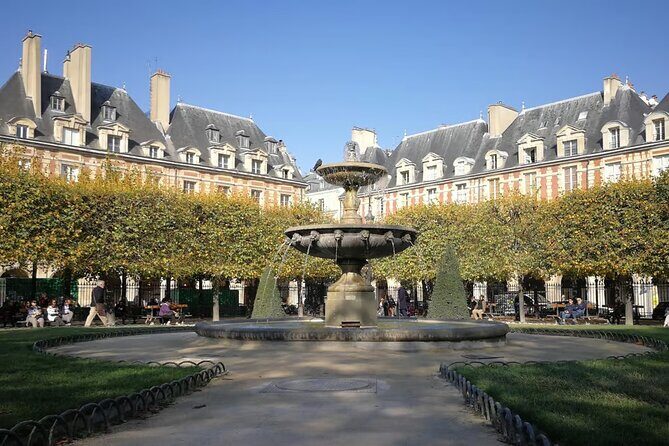
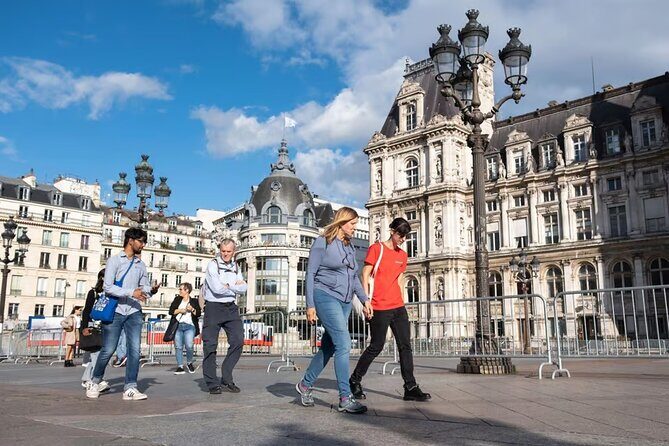
The tour begins at 25 Bd de Sébastopol, then transitions you to the heart of the action at Hôtel de Ville (Paris City Hall). This is a strong way to start because it frames Le Marais as part of the larger story of Paris—not just a pretty collection of streets.
Hôtel de Ville matters for two reasons that your guide can connect. First, it traces back to the 14th century, but the current building was rebuilt after a devastating fire in 1871. Second, the façade uses a neo-Renaissance style, which helps you understand how Paris reshapes itself after disasters and change.
Since the tour is about seeing “trendiest areas,” this civic start might sound unexpected. But it works because it teaches you what Paris considers important: government, public space, and cultural events. You get that big “city” feeling early, which makes the later street turns feel even more grounded.
66 Quai de l’Hôtel de Ville: a quick Seine-side food moment
Right after the City Hall stop, you’ll walk to 66 Quai de l’Hôtel de ville, along the Seine. This segment feels like a palate-cleanser: you’re still in central Paris, but the mood shifts from official buildings to everyday neighborhood life.
The tour here is focused on food culture. You’ll get introduced to a local French restaurant at this stop, and you’ll receive guidance that goes beyond name-dropping—think about what people actually go there for, plus small surprises tied to what to try. There’s no meal included, so you’re not forced into spending time or money you didn’t plan for, which I like.
The useful part for you is the timing. A quick food-oriented stop early in the walk helps you set up your later choices, especially if you’re trying to fit dinner into a busy day. After this, you’re ready for street history.
Rue François Miron: cobblestones and 16th-century half-timbered Paris
Rue François Miron is where the tour leans hard into old Paris texture. The street is known for narrow cobblestones and half-timbered houses that date to the 16th century. That detail matters because it changes how you “see” the street. From the sidewalk, you’re not just looking at buildings—you’re noticing the bones of older construction methods and how merchants once used this area.
What I like about this stop is that it’s not presented as a static postcard. The guide explains how these buildings were tied to commerce and daily life—then shows how Le Marais continues to mix old architecture with current boutique energy. That blend is the whole point of a Le Marais day: history isn’t a museum wall here. It’s part of the neighborhood’s ongoing rhythm.
Practical note: the cobblestones can be slippery or uneven depending on weather. If you’ve got blisters-prone feet, choose supportive shoes and keep your pace steady.






Église Saint-Paul-Saint-Louis: Baroque drama you can spot from inside
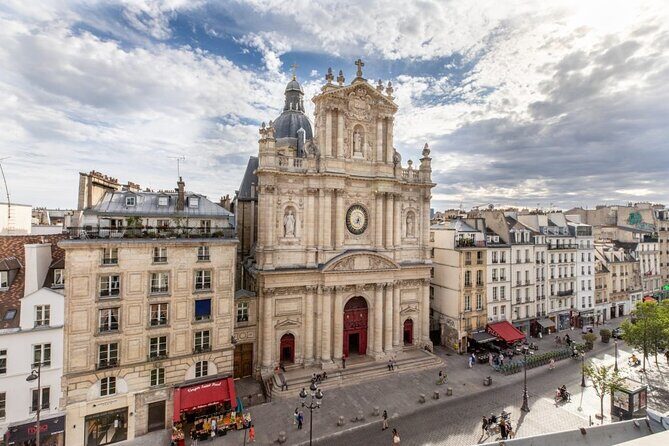
The tour’s church stop is Église Saint-Paul-Saint-Louis, built between 1627 and 1641. You’ll hear it was constructed at the request of Louis XIII, which helps you place the building in a political and religious context—not just art history trivia.
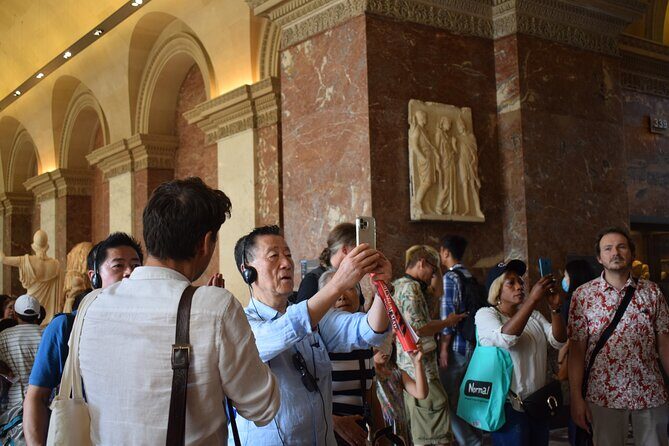
This church is a visual highlight for a reason. The façade is packed with intricate details, and the structure includes a soaring dome. Inside, you’re told about the serene atmosphere and the notable artworks, including pieces by French artists and a high altar that becomes the focal point when you’re standing there.
The real value for you is how the guide connects architecture to experience. Baroque isn’t only about fancy decoration; it’s designed to create emotion and attention, so it feels theatrical even when you’re just walking in briefly. And because the stop is listed with free admission, you can use it as a timed reset during a walking-heavy afternoon.
If you like places where art and power intersect, this is the stop most likely to stick with you after the rest fades into street memories.
Rue des Rosiers: Jewish Quarter street life, food, and stories
Next comes Rue des Rosiers, the heart of Paris’s Jewish Quarter. This is the neighborhood stop where the mood changes again—from grand architecture to people-and-food energy.
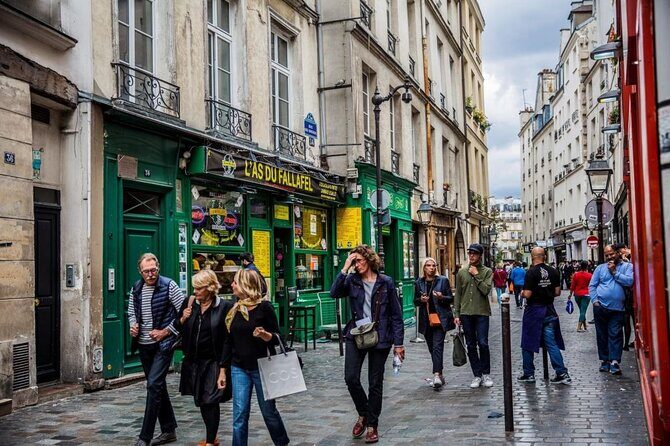
The street is known for a mix of traditional and modern. You’ll pass Jewish bakeries and kosher delis, then see trendy boutiques and modern eateries nearby. This is also where the tour highlights food that has become iconic to the area, including falafel and challah.
What makes this stop meaningful is that you’re not just told what’s there today. The guide’s focus includes the neighborhood’s long story of heritage, tradition, and renewal. That’s the context you need if you want to understand why the street feels the way it does—why certain businesses persist, and why the area still feels culturally specific even as it attracts new visitors.
Practical tip for you: since the tour includes food references but doesn’t include a meal, treat this as a decision point. If you want to eat, you’ll know what kind of choices to look for without wandering around guessing.
Centre Pompidou finish: modern architecture exterior, designed by Piano and Rogers
The tour ends at The Centre Pompidou, at Place Georges-Pompidou. You won’t be entering the museum, but you will get the payoff of seeing the exterior up close.
Centre Pompidou was completed in 1977 and designed by Renzo Piano and Richard Rogers. The design is instantly recognizable because of its bold, industrial look: exposed pipes, colorful escalators, and a futuristic structure that feels like it belongs to a different era of Paris.
Even from outside, it’s easy to understand why this building changed how people talk about modern architecture in the city. It’s not trying to blend in with older Paris. It’s confident about being new, visible, and different.
And the tour ending here is smart for you. The area around the Centre has lots of places to eat and grab a drink, so you’re not forced to rush back across town right after the walk.
Pace, group size, and the kind of guide you’ll want

This is a walking tour that runs around two hours total, and it keeps moving from stop to stop. The group stays small—maximum 15 travelers—which tends to make questions easier and the pace more manageable.
Also, there’s a helpful clue from the tour’s guide culture. If you’re the type who likes detail and explanation, you’ll likely appreciate that the guide team—called out by name in feedback with Mahi—is known for being thoughtful and detailed, while also making sure you get a solid walk in. The upside is you don’t just pass through; you understand what you’re looking at. The trade-off is that your body needs to be ready.
Comfort advice that actually matters for this route:
- Wear shoes you trust on cobblestones
- Bring water, especially if you’re walking mid-day
- Expect short stops and then movement again
- If you want to linger, arrive a bit early and plan a longer lunch after
Good news: service animals are allowed, it’s listed as suitable for most travelers, and it’s near public transportation, so you can adjust your day if you need an easy reset.
Who this Le Marais guided tour is for
I think this tour fits best if you want a guided overview with real-world texture. It’s a good match for:
- First-time visitors who want to understand Le Marais in a single afternoon
- People who like both older architecture and modern design
- Anyone who wants practical food context for Le Marais without committing to a full meal stop
- Travelers who appreciate a small-group guide who gives you more than just a point-and-photo script
If you only want museum-style experiences with long inside time, you might find the “outside plus quick church” format a little too compact. But if you want to see a lot of Paris’s personality in a short window, this hits the sweet spot.
Should you book this Le Marais Guided Tour?
Book it if you want a well-paced Le Marais walk that connects architecture, street culture, and the neighborhood’s cultural identity. The value at $17 works best when you think of this as paying for a guide’s explanation—not for tickets and meals. And the ending at Centre Pompidou is a practical finish line that keeps your day moving.
Skip it only if you hate walking, dislike cobblestones, or are expecting long museum entry time. Also, if you’re already spending hours inside big-ticket attractions and want nothing but quiet and slow sightseeing, you may want a different format.
Overall, I’d call this a smart first-or-second-day tour. It gives you bearings fast, teaches you what you’re seeing, and leaves you in one of Paris’s best zones for food and people-watching right after.
FAQ
How long is the Le Marais guided tour?
It runs for approximately 2 hours.
How much does the tour cost?
The price listed is $17.
Where does the tour start?
The meeting point is 25 Bd de Sébastopol, 75001 Paris, France.
Where does the tour end?
The tour ends at The Centre Pompidou, Place Georges-Pompidou, 75004 Paris, France.
Is the ticket mobile?
Yes, the tour includes a mobile ticket.
Is the Centre Pompidou included for entry?
No. The tour is described as not entering the Centre Pompidou, with sightseeing focused on the exterior.
Do I need to pay for admission at the stops?
The stops described include admission listed as free for the key points along the route.
How many people are in the group?
The maximum group size is 15 travelers.
Are service animals allowed?
Yes, service animals are allowed.
Can I get a full refund if I cancel?
Yes, you can cancel up to 24 hours in advance for a full refund.
Is this tour suitable for most travelers?
It’s listed as suitable for most travelers, and it’s near public transportation.